


News
‘Greater scrutiny’ needed for council budget


County Hall
THE PAIN of the council’s budget settlement has been the subject of a press briefing, seminars for council members and public consultation. The headline figures are stark and staggering. Pembrokeshire County Council has to find savings amounting to a quarter of its overall budget over the next few years. With education and social care budgets ‘protected’, the way in which our local authority will deliver future services is bound to change. Services cut previously to the bone, will be sliced to the marrow. All of these cuts are also scheduled to take place against the background of threatened forced reorganization of local government and the end of local democracy in Pembrokeshire. In a time of deep and savage cuts to their budgets, the Welsh Government is expecting local authorities to fund the tens of millions of pounds it will cost to merge authorities out of their own resources.
Cardiff Bay claims there will be great savings to be made but has not produced one single shred of evidence to support that contention. Indeed, earlier this year this newspaper interviewed Kevin Madge, Leader of Carmarthenshire County Council, who told us: “Any new structure will take five to eight years to ‘bed in’ and it could take eight to ten years for a new authority to fully get to grips with things. Things won’t improve overnight. Reorganization is not a magic wand.” With budgets squeezed and pressure being applied from Cardiff to stifle local democracy it is imperative that councillors take every step to scrutinise what Pembrokeshire County Council is doing with the money under its control.
Only in that way can it be shown that our councillors are fit for purpose and have a clear grasp of the council’s finances. The Pembrokeshire Herald has been looking at the systems the council has in place in relation to its finances and how spending priorities are set. That investigation has shown that figures produced by officers are being approved without interrogating the data or assumptions that underpin the financial forecasts produced and routinely approved without query or inquiry by the Cabinet and the majority of councillors. For example, the public and the council are routinely told that the council’s annual budget is around £200m. But that is only the nett figure. The gross council budget is significantly higher.
Assumptions made about income and expenditure are often adjusted before figures are present for democratic scrutiny, so that members are always presented with a balanced budget, even when forecasts are wrong or overtaken by events. For example, the budget approved at the beginning of the coming municipal year contained assumptions about the closure of Narberth Pool and income to be derived from charging for day services for the elderly. Both of those assumptions were overtaken by events. However, such is the opaque nature of local government finance that councillors have practically no way of properly interrogating the information given to them by officers and reaching a balanced and informed conclusion on the authority’s true financial position and future plans. This summer Pembrokeshire County Council organised a series of budget seminars for councillors to try and tackle this knowledge gap and address concerns that councillors were being asked to make uninformed judgements on future service provision.
At a media briefing in October, Jamie Adams told journalists: “We are at a tipping point in local government finances.” Speaking subsequently about the council’s public consultation on the budget, Jamie Adams told Jon Coles, this newspaper’s deputy editor: “Matters which councillors think are important to the public are not always those that people find important. By and large what has come across clearly are concerns about senior officers’ pay and councillors’ remuneration. There is a commitment to look at the whole cost of senior management. In terms of where we go, the opportunities to trim around the edges is no longer there, we are going to have to look more dispassionately at the services we provide and what communities can provide.”

With a six-month review of the council’s financial performance due to be discussed in the near future, we asked Pembrokeshire Alliance leader Bob Kilmister, whose party is engaged in drawing up an alternative budget, for his view on the challenges councillors face in trying to make sense of complex financial information. He told us: “My experience is that Local Government finance is made extremely complicated and much more difficult to understand than it needs to be. I like to think that I can follow balance sheets especially those of stock market listed companies but trying to work out the complexities of my local Council often leaves me totally bemused. “Councillors have been given very little training in this area and most take very little interest at all.
In my experience very few questions if any are asked when scrutiny is supposed to take place in cabinet or on committees. I have the greatest respect for the Officers and the Authority always appears to be on track financially despite Councillors taking such little interest. Government lays down the way this is carried out and I think it is time they took a long hard look at this and urgently brought in reforms to simplify matters. I am sure this would result in savings but more importantly it could lead to greater scrutiny by elected representatives.”

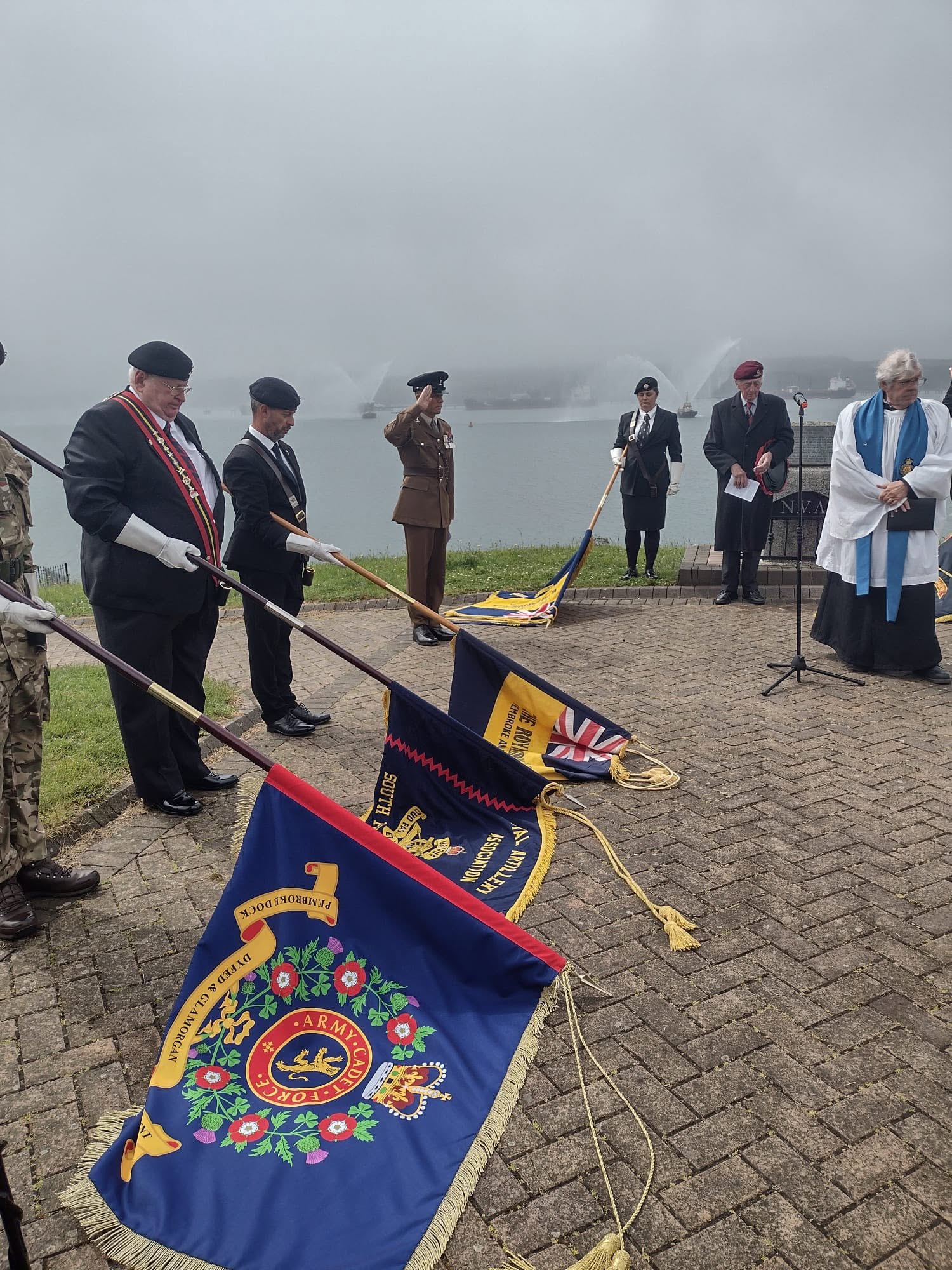
COMMUNITIES gathered in Milford Haven on Saturday (Jun 6) to mark the 82nd anniversary of D-Day.
The service, held at The Rath, brought together veterans, standard bearers, councillors, local church representatives, members of the Royal British Legion Milford Haven Branch, and residents for a solemn act of remembrance overlooking the waterway.
Wreaths were laid at the town’s war memorials, including the Cenotaph on Hamilton Terrace, as tribute was paid to the thousands of Allied servicemen who crossed the Channel on June 6, 1944.
D-Day marked the beginning of the liberation of Western Europe from Nazi occupation and remains one of the most significant military operations in history.
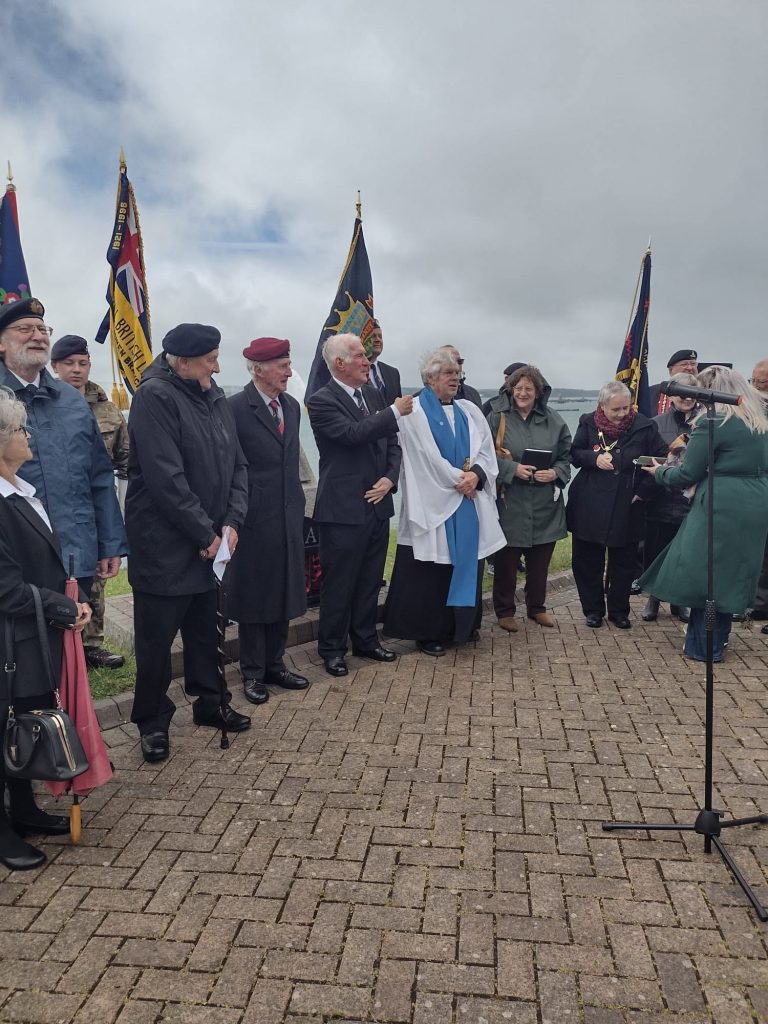
Milford Haven’s own wartime role gave the commemoration added meaning. During the Second World War, the Haven was home to a major US Navy Advanced Amphibious Base, where landing craft were prepared, maintained and repaired ahead of Allied operations.
The town’s harbour and maritime workforce formed part of the huge logistical effort that made the Normandy landings possible.
One of the most striking moments of Saturday’s commemoration came from the waterway itself, where Port of Milford Haven tugs staged a moving water salute.
As the service took place, the tugs sent great arcs of water into the air, creating a powerful visual tribute linking the town’s seafaring identity with its wartime service.
Those attending stood in quiet reflection as the community remembered not only those who landed on the beaches of Normandy, but also the men and women at home whose work supported the invasion.

With the number of surviving D-Day veterans now sadly dwindling, events such as Milford Haven’s commemoration carry growing importance.
They ensure that younger generations understand the courage, sacrifice and shared effort behind the events of June 1944.
In Milford Haven, the service at The Rath, the laying of wreaths, and the dramatic tug salute combined to create a fitting tribute from a town with a proud place in the story of D-Day.

The message of the day was simple and enduring: lest we forget.

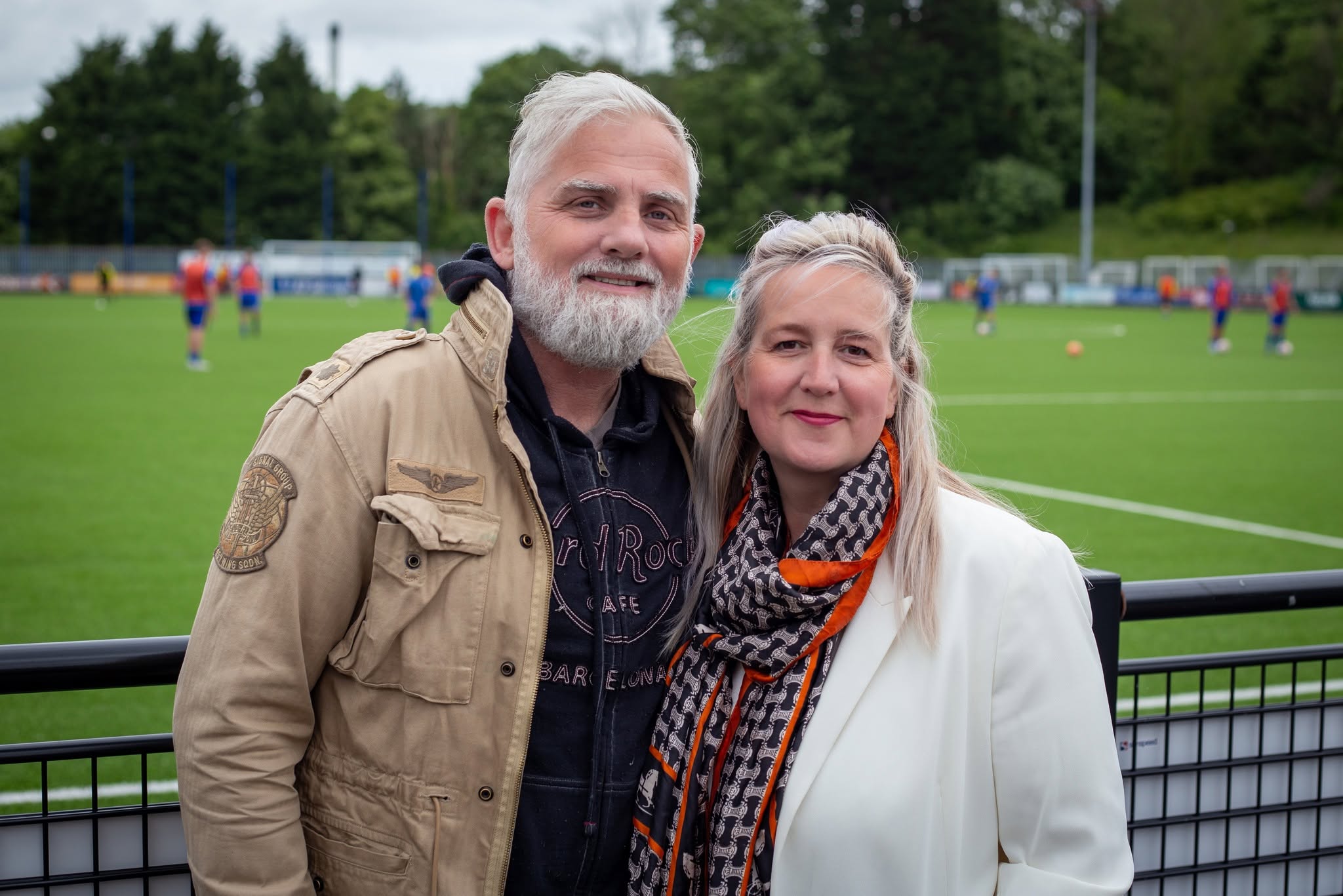
£600 RAISED FOR MEGAN’S STARR FOUNDATION AS COMMUNITY SPIRIT SHINES THROUGH
A CHARITY football match at the Ogi Bridge Meadow brought together players, businesses, volunteers and supporters from across Pembrokeshire on Friday night, raising more than £600 for a local charity supporting young people and families.
The match saw a Pembrokeshire Select XI take on a Valero Pembroke Refinery XI under the lights at Haverfordwest County AFC’s home ground, with the Select side comfortably winning on the pitch — but organisers said the real victory was the community effort behind the event.
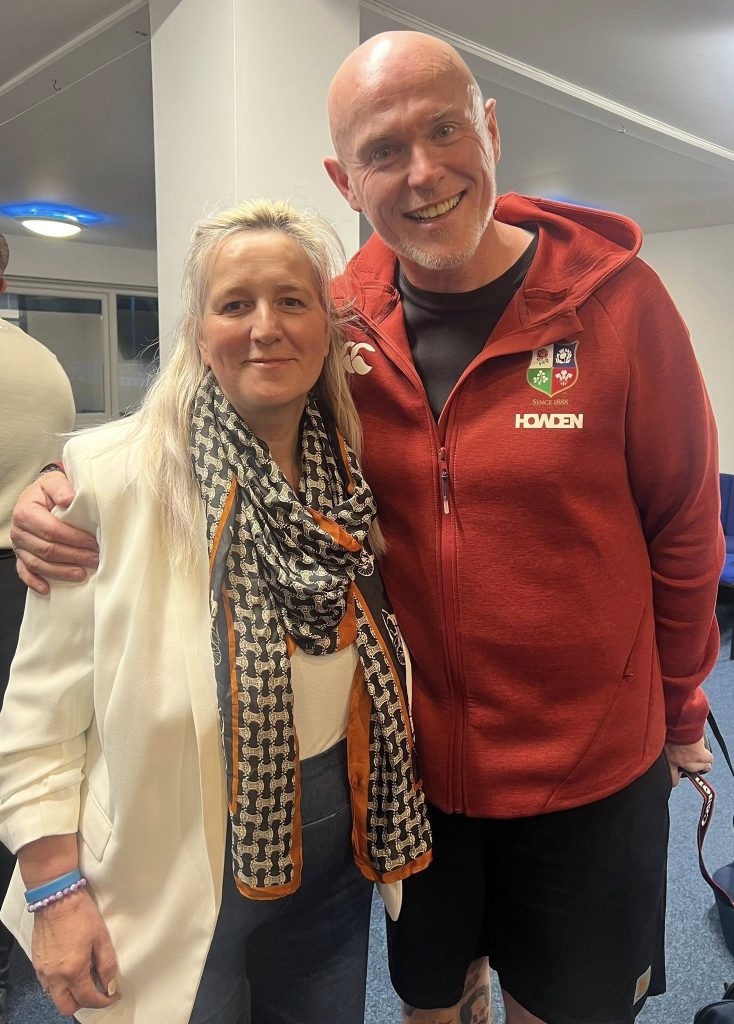
By the end of the evening, an impressive £605.28 had been raised for Megan’s Starr Foundation, a Pembrokeshire charity which supports young people and families facing difficult circumstances.
For Nicola Harteveld and the Megan’s Starr team, the evening was about far more than football.
Speaking after the match, Nicola said: “As the final whistle blew, the score almost became irrelevant.
“Last night was about community, kindness, generosity and what can happen when people come together to support local young people and families.”
She added: “Last night showed the very best of our county. We are incredibly grateful, incredibly proud and above all proud to be Pembrokeshire.”
The charity thanked Valero Pembroke Refinery for nominating Megan’s Starr as the supported cause and fielding a team led by Steve Parks, while also recognising the refinery’s volunteers who helped behind the scenes.

Credit was also paid to Chris “Sully” O’Sullivan and everyone involved with the Pembrokeshire Select XI for organising the county side, along with players from clubs across Pembrokeshire who gave up their time during the close season to take part.
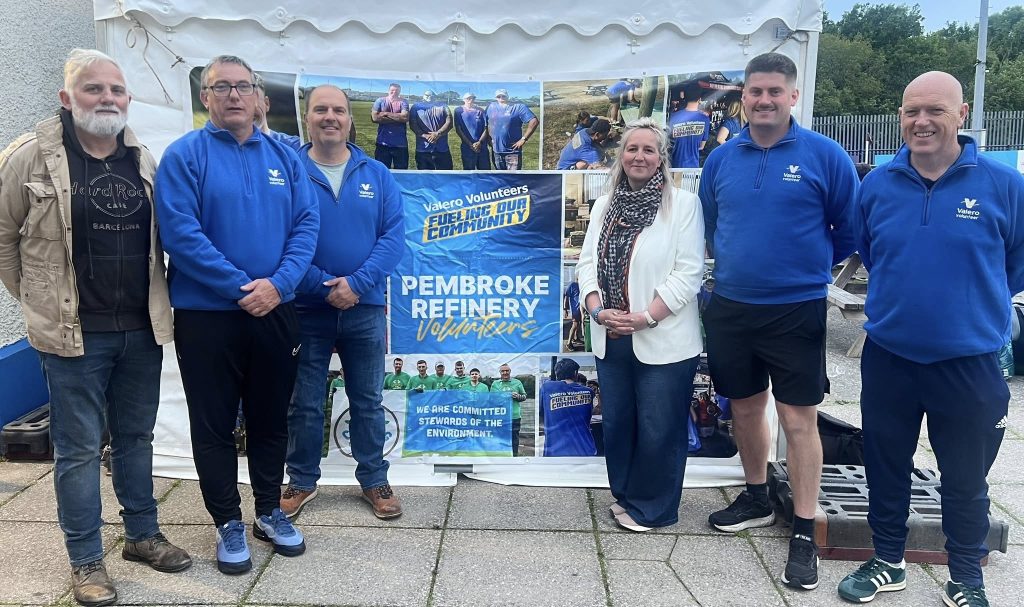
Haverfordwest County AFC opened the Ogi Bridge Meadow for the match, while Pure West Radio helped create the atmosphere and promote the event across the county.
Darth Marty Media captured the evening’s action, while officials from the Pembrokeshire Referees Association volunteered their time to ensure the match was played in the right spirit.
On the field, spectators were treated to an entertaining encounter featuring quality football from both sides despite the summer break.

Jimmy Wilkes proved the star of the show, scoring a hat-trick to earn Man of the Match honours for the Pembrokeshire Select XI.

However, organisers stressed that the event highlighted something far bigger than football — the willingness of Pembrokeshire people to rally together when it matters.
Megan’s Starr Foundation said it receives no core funding and relies heavily on the generosity of local people, businesses and volunteers to continue its work.
Photos: Darth Marty Media / Megan’s Starr Foundation

A COMMUNITY appeal has been issued in Pendine after a serious emergency incident prompted a large response from the emergency services.
The incident happened in the Carmarthenshire coastal village on Saturday, with witnesses reporting that a casualty was transferred from an ambulance to a helicopter in view of the beachfront.
Pendine Community Council has now urged residents and visitors not to share photographs, videos or unverified information online.
Council chair Andrew Shaw said: “Following the emergency incident within the village today, I would like to respectfully ask members of our community to refrain from sharing photographs, videos, or unverified information on social media.
“Our thoughts are with all those affected, along with their families, friends, and everyone involved in responding to the incident.
“At a time like this, privacy, compassion, and respect are especially important.”
Mr Shaw added that people should consider the impact online posts may have on those directly affected, and allow the relevant authorities to provide information where appropriate.
The appeal was echoed by local business owner Julia Rea, of Bistro on the Bay, who said she had witnessed the emergency response from the beachfront.
She said: “Whilst we appreciate people are concerned and interested, what I can’t understand is filming, photos etc.
“I witnessed a large public interest where the injured person was transferred from the ambulance to the helicopter.
“The amount of people filming and photographing what was so sensitive, life-altering and hopefully not final moments of an individual, someone’s family, was awful.
“I hope and pray that sensibility and privacy prevails and nothing is shared online.”

No official details about the nature of the incident, or the condition of the person involved, have yet been released.
The council’s appeal has been widely shared locally, with many residents supporting the call for restraint.
Pendine Sands is a popular visitor destination, and emergency service responses in the area can quickly draw public attention because of the open beachfront and busy public spaces.
The Herald understands the appeal is not intended to restrict legitimate concern, but to remind people that those involved in emergency incidents are entitled to dignity and privacy at one of the most difficult moments of their lives.
Residents are being asked to avoid speculation and wait for any updates from official sources.
Our thoughts are with the person involved, their family, and all emergency personnel who responded.


Community16 hours ago
D-Day 82: Milford Haven remembers sacrifice of Normandy landings
COMMUNITIES gathered in Milford Haven on Saturday (Jun 6) to mark the 82nd anniversary of D-Day. The service, held at...


News17 hours ago
D-Day at 82: The secret Pembrokeshire invasion that helped prepare for Normandy
Forgotten wartime operation saw thousands of troops storm Pembrokeshire beaches in rehearsal for D-Day LONG before Allied troops landed on...


News19 hours ago
Welsh Water hit with £44.7m enforcement package over sewage failures
Pembrokeshire campaigners say regulator’s action vindicates years of concern over pollution in rivers and coastal waters DŴR Cymru Welsh Water...


News2 days ago
Council tax shake-up in doubt as Welsh Government reviews reform plans
Questions over 2028 revaluation as ministers reconsider next steps THE FUTURE of council tax reform in Wales has been thrown...


Crime2 days ago
Paddleboard company owner loses bid to cut sentence over Haverfordwest tragedy
A FORMER paddleboard company owner jailed over the deaths of four people on the Western Cleddau has failed in a...


Community3 days ago
Crisis response dogs launched to support people through trauma and distress
A NEW project using specially trained dogs to support people during moments of trauma, grief and crisis has been launched...


News3 days ago
Major fire breaks out at Tata Steel site in Port Talbot
TATA STEEL has confirmed that a major fire broke out at its Port Talbot steelworks on Wednesday night, with emergency...


Community4 days ago
HMS Erebus tragedy links Pembroke Dock ship to Templeton family
DNA breakthrough identifies cabin boy David Young as exhibition marks 200 years since ship’s launch ON MAY 19, 1845, a...


Community4 days ago
Narberth cash machine closures spark urgent access review
CALLS have been made for an urgent review of access to cash in Narberth after two town centre ATMs were...


Health5 days ago
First Minister quizzed on Welsh NHS pressures in his first-ever FMQs
SENEDD Members pressed the First Minister over the state of the health service in Wales, as the Plaid Cymru leader...
-
Crime2 days ago
Paddleboard company owner loses bid to cut sentence over Haverfordwest tragedy
-

 Crime4 days ago
Milford Haven man bit neighbour’s neck near cashpoint
-

 Crime5 days ago
Milford Haven man jailed for illegal Premier League streaming service
-

 Crime19 hours ago
Milford Haven man admits harassment and assault
-

 Crime5 days ago
Haverfordwest man admits cocaine offence as Crown disputes basis of plea
-

 Crime4 days ago
Pembroke Dock driver avoided jail after drug-drive crash
-

 Local Government5 days ago
National Express use of new Haverfordwest interchange still subject to risk checks
-

 Crime4 days ago
Dinas Cross man jailed over shop thefts