


News
Oakwood Theme Park closes permanently after 38 years


Future of site uncertain as tourism industry reels from shock closure
OAKWOOD THEME PARK one of Wales’ most iconic attractions, has announced its immediate closure, confirming it will not reopen for the 2025 season. The park’s owners, Aspro Parks, cited ongoing financial challenges as the reason for the decision, bringing an end to nearly four decades of operation.
In a statement issued today, Aspro Parks said: “It is with much sadness that we have to announce the immediate closure of Oakwood Theme Park and confirm the park will not open for the 2025 season.
Following a strategic review of the business, Aspro Parks, owner and operator of Oakwood Theme Park, has reached this difficult decision due to the challenges presented by the current business environment.
All possible avenues have been explored to avoid the closure, and we fully recognise the impact of the closure on the local community and the loss that will be felt as a result.”
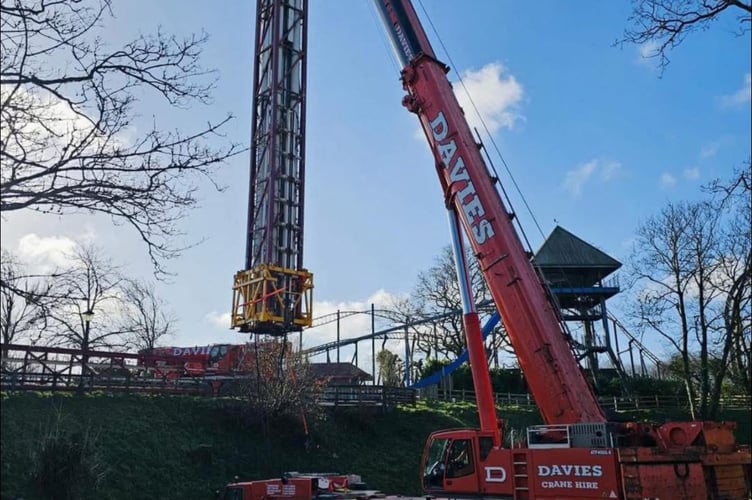
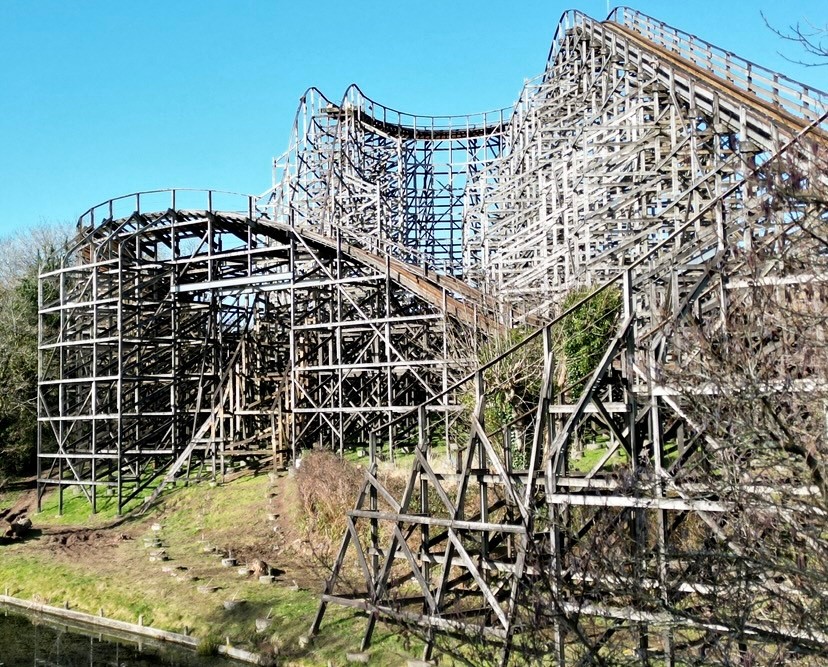
The company, which took over Oakwood in 2008, stated that despite investing over £25 million into the park, visitor numbers had declined, making further investment unsustainable. A major refurbishment of Megafobia, the park’s iconic wooden roller coaster, was completed last year to critical acclaim, but it was not enough to offset financial difficulties.

Aspro Parks continued: “The unrelenting economic challenges ahead, increases in costs affecting all areas of the operation from ride parts to electricity costs, food and beverage inflation, increases in National Living Wage and changes to national insurance thresholds have all impacted the decision.
In the entire history of Aspro, we have never closed any park or attraction. We, and our dedicated team of staff, have strived to overcome numerous challenges to continue to bring joy to families and visitors across the region and country. Unfortunately, we could no longer see a sustainable way forward and will seek to improve our other parks using the assets and, where possible, redeploy our team elsewhere.”
The announcement marks the end of an era for the Pembrokeshire-based theme park, which has been a fixture of Welsh tourism since its opening in 1987.

The rise and fall of Oakwood
Oakwood Theme Park was founded in 1987 by the McNamara family, who owned farmland in Pembrokeshire. Facing challenges in agriculture following the introduction of milk quotas, they pivoted towards tourism, initially developing a small family attraction with go-karts, a wooden fort, and a water chute.
As Oakwood grew, it gained national recognition, particularly with the introduction of Megafobia in 1996. The wooden roller coaster, built by US-based Custom Coasters International, was praised as one of the best in Europe and helped Oakwood attract visitors from across the UK.
Further expansions followed, including Speed: No Limits, a 97-degree drop roller coaster added in 2006, as well as water rides and family attractions. However, by the late 2000s, the park began struggling with financial difficulties, leading to its sale to Aspro Parks in 2008.
The Spanish-based leisure group initially invested in new attractions, including a rebranding effort focused on a younger audience. However, visitor numbers continued to decline, and Oakwood found itself struggling to compete with other UK theme parks, particularly those owned by Merlin Entertainments.


Oakwood made headlines across the UK in 2004 following a tragedy. Hayley Williams, 16, died after falling 100ft from the top of the Hydro rollercoaster.
An inquest into her death in 2006 heard a safety bar designed to restrain passengers as the ride plummeted down a near-vertical chute at 50mph had not been lowered.
But an unlawful killing verdict was ruled out as there was no evidence of gross negligence by anyone involved, according to the coroner. But two years later Oakwood Leisure, which ran the park at the time of the accident, was fined £250,000 in court after admitting staff had failed to ensure passengers were safely restrained.

Impact on Pembrokeshire tourism
Oakwood’s closure will be a significant blow to the local economy. The park has been one of the biggest tourist attractions in West Wales, drawing families from across the country and supporting jobs in the region.
Tourism experts warn that losing Oakwood could have a ripple effect on nearby businesses, including hotels, restaurants, and transport providers that benefited from visitors to the park.

First Minister Eluned Morgan MS told The Pembrokeshire Herald: “I am deeply saddened by the news that Oakwood Theme Park will be closing.
“This is a huge blow for the dedicated staff, the local community, and the tourism economy of Pembrokeshire. For over three decades, Oakwood has been a beloved attraction, bringing joy to generations of families and visitors from across Wales and beyond.
“It has been a key employer in the region and a vital part of our tourism offer, and its closure will be felt keenly by many.
“My immediate thoughts are with the staff who have lost their jobs and their livelihoods.
“I urge Aspro Parks to do everything possible to support their employees at this difficult time, including exploring redeployment opportunities within their wider business. This closure highlights the pressures facing the tourism and hospitality industry.
“There are significant economic challenges as the industry changes and continues to recover from the pandemic. It is crucial that we work together to support the sector and safeguard the jobs and attractions that are so important to our communities.
“I will be engaging with all relevant stakeholders to assess the impact of this closure and explore what can be done to support the local economy in the wake of this decision. If you have been affected by this closure and need support, please don’t hesitate to get in touch with my office.”
Paul Miller, Pembrokeshire County Council’s Cabinet Member for Economy, Tourism, and Leisure, told The Herald on Tuesday evening: “I am obviously really disappointed with the news that Oakwood is closing. I have fond childhood memories of visiting there when I was younger. However, I think we all realise that in more recent years we have not seen the level of investment that would allow Oakwood to compete as a top-tier attraction. This will obviously have an effect on tourism, but I am not sure that it will have as big of an effect as when the park was more popular in its earlier days.”
When asked about the future of the former Oakwood site, Cllr Miller added: “It’s a prime site in the National Park near the Bluestone resort.”
His remarks suggest that he expects the site will attract interest from developers.
Samuel Kurtz, Carmarthen West and South Pembrokeshire Member of the Senedd, said the park’s closure was “deeply sad” and he reiterated Cllr Miller’s comments sating tat the park had a “special place in the hearts of many”.
Dan Mills, a prominent figure in Milford Haven’s hospitality sector and owner of Martha’s Vineyard restaurant, has also weighed in on the impact of Oakwood’s closure. Mills stated: “Expect more of this as the effects of Rachel from Accounts’ budget hit hospitality and tourism businesses hard! Add to that the Welsh Labour Government’s anti-tourist policies and West Wales will be in continual decline until there is change!”
Mills’ reference to “Rachel from Accounts” alludes to Chancellor Rachel Reeves’ recent budget, which includes measures impacting the hospitality and tourism sectors. Additionally, his mention of “anti-tourist policies” points to the Welsh Government’s proposed Visitor Accommodation (Register and Levy) Etc. (Wales) Bill, which would empower local authorities to introduce a levy on overnight stays in visitor accommodations.
The bill proposes a charge of £0.75 per person per night for campsites and hostels, and £1.25 for other accommodation types, aiming to generate funds for local services and infrastructure to support tourism.
Critics argue that such a levy could deter visitors and adversely affect the tourism industry, especially in regions like West Wales that heavily rely on tourism revenue. The closure of Oakwood Theme Park, a significant attraction in the area, has heightened these concerns, with local business owners like Mills fearing a potential decline in tourism and its ripple effects on the local economy.
The Welsh Government maintains that the proposed levy is designed to create a fair contribution from visitors to support and sustain local tourism infrastructure. They emphasize that the funds collected would be reinvested into communities to enhance facilities and services that benefit both residents and tourists.
What next? Will Bluestone step in?
Speculation is now mounting over what will happen to the Oakwood site. One of the key questions is whether the McNamara family, the original founders of Oakwood and now the owners of the nearby Bluestone National Park Resort, will be interested in acquiring the park.
Bluestone has expanded significantly in recent years, investing in luxury lodges, the Serendome all-weather play area, and other family-friendly experiences. Some industry insiders believe that Bluestone could either attempt to revive Oakwood or redevelop the site for a different leisure offering.
One possibility is that the land could be incorporated into Bluestone’s existing resort, offering additional accommodation or adventure-based experiences. However, no official comment has been made by Bluestone regarding any interest in acquiring Oakwood.
Meanwhile, another factor to consider is the recent wind turbine planning applications submitted for the area. Documents suggest that energy from these turbines could supply local businesses, including Oakwood and Bluestone. If Bluestone were to expand onto the Oakwood site, renewable energy could play a role in any future development plans.
The end of an era
The closure leaves Wales without a major theme park, and its loss will be felt by generations who once considered Oakwood a rite of passage for thrill-seekers. As Pembrokeshire looks to the future, all eyes will be on Bluestone and the potential redevelopment of the Oakwood site.










Defendant remanded in custody as court hears allegations spanning Wales and South West England
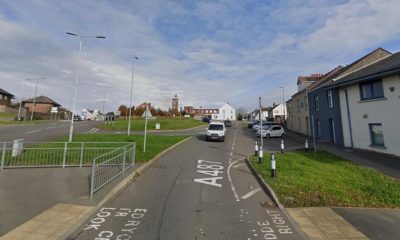
A MAN accused of carrying out a series of high-value thefts from Currys stores across Wales and South West England has appeared before magistrates in connection with an alleged offence in Haverfordwest.
Ilia Patchkoria, aged 27, of no fixed abode, appeared before Llanelli Magistrates’ Court facing multiple theft allegations involving electrical goods worth tens of thousands of pounds.
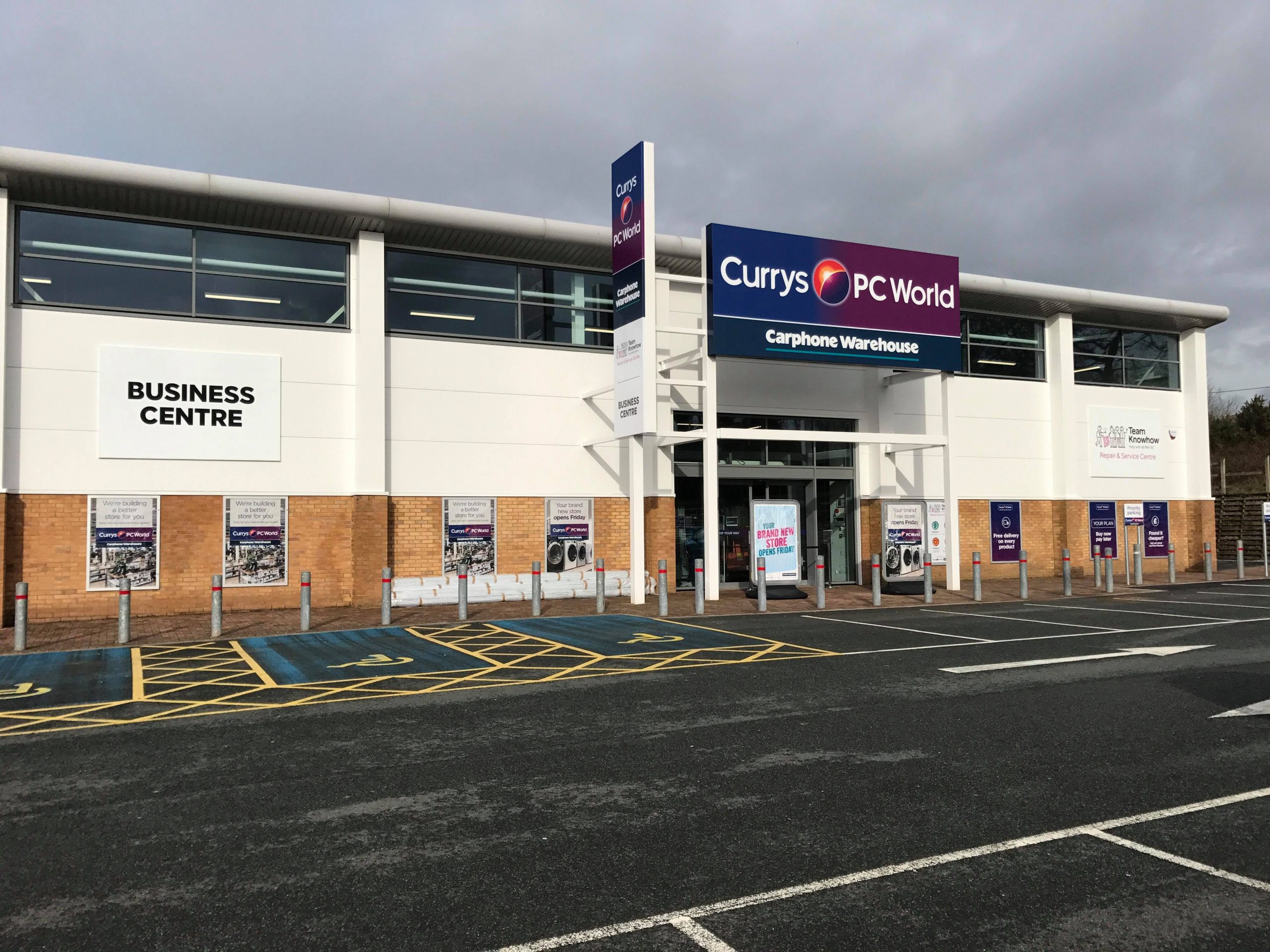
Among the charges is an allegation that Patchkoria stole items worth £1,525 from the Currys store in Haverfordwest on May 23 this year.
The court heard that the Haverfordwest incident forms part of a wider series of alleged offences said to have taken place at Currys stores across Wales and England.
Other charges relate to alleged thefts at stores in Carmarthen, Barnstaple, Plymouth, Truro, Penzance and Torquay. The total value of the goods involved in the various allegations runs into many thousands of pounds.
According to the court register, the largest single alleged theft took place at the Carmarthen branch, where goods valued at more than £7,600 are said to have been taken.
Patchkoria indicated guilty pleas to some matters before the court. Magistrates ordered that he be remanded in custody while proceedings continue.
The case has been adjourned until July 2, when it is due to return before Llanelli Magistrates’ Court.
It is not yet known precisely what items were allegedly taken from the Haverfordwest store, although Currys outlets typically stock a range of high-value electrical goods including laptops, mobile phones, gaming consoles and household technology.
No verdicts have been reached in relation to the outstanding allegations.
The Herald has approached Currys for comment on the alleged Haverfordwest theft and to establish whether the incident caused any disruption to customers or store operations.
Photo caption: Currys in Haverfordwest was among several stores allegedly targeted in a cross-country theft spree (Pic: Herald).


FAMILY REMEMBERS “KIND AND LOVING” CALLUM HANSON
THE FAMILY of a 22-year-old man from Haverfordwest who died following a road traffic collision have paid tribute to their “kind and loving” son, brother and grandson.
Callum Hanson sadly passed away in hospital on Wednesday (Jun 17) after a collision on the A4075 near Cross Hands, Pembrokeshire.
In a tribute released through Dyfed-Powys Police, his family said Callum lived life to the fullest despite his own personal challenges.
They said he was a deeply caring person who had spent the last month looking after his grandad, who also recently passed away.
Callum had a passion for gaming and motorbikes, and was training to become a mechanic at college.
He will be remembered by his mum Joanne, dad Carl, sister Kacey, nan Heather, girlfriend Emily, and his wider family and friends.
The family have asked for privacy at this difficult time.
Police are continuing to appeal for witnesses. Officers want to hear from anyone who was travelling on the A4075 between Canaston Bridge and Yerbeston at around 6:15pm on Wednesday (Jun 17).
Anyone with information can contact Dyfed-Powys Police online, by emailing [email protected], or by calling 101, quoting reference 362 of June 17.

INSOLVENCY figures fell in May, but businesses across Wales remain under serious financial pressure, according to restructuring specialists.
Official figures show there were 1,868 corporate insolvencies in May 2026, down 10.5% from April and 16.3% lower than in May last year.
Andy McGill, restructuring and insolvency partner at Azets, which has offices in Cardiff, Swansea and St Asaph, said the fall was welcome but should not be mistaken for a sign that firms are out of difficulty.
He said: “Directors running out of fight, firepower and finance is still a problem, and creditors remain willing to turn to the courts to recover monies owed — and neither of these are going to change in the short term.
“The reality is that despite the fall in insolvencies compared to last month and last May, numbers are still high and businesses are still struggling, with many facing an uncertain future.”
Mr McGill said firms were being hit by a combination of geopolitical uncertainty, rising costs, political instability, a lack of affordable finance and creditors chasing overdue debts.
He added: “Unless the climate becomes easier and some way is found of lightening the cost load on businesses, it’s likely demand for advice and support will remain high in the coming weeks and months.”
Cost pressures continue
BUSINESSES are also facing rising employment costs, higher business rates and renewed pressure from energy bills.
Mr McGill said many firms were being “sandwiched” between their own higher costs and customers cutting back on spending.
He said the hospitality, retail and construction sectors remained among the hardest hit.
He added: “The fact that several household names have entered restructuring or insolvency processes recently shows the strain on the restaurant sector is becoming unbearable as the double blow of increased expenses and cautious consumers continues to affect it.

“Despite a rise in footfall and sales, retailers continue to be crushed by costs.”
He also pointed to the planned restructuring of TG Jones as evidence that even long-established high street names were not immune from financial distress.
Construction firms under strain
THE construction industry continues to face pressure from rising labour costs, higher material prices and late payment.
Mr McGill said tight margins and cashflow difficulties were pushing more firms towards financial distress.
He said: “Our advice to anyone who is worried about their business is to pick up the phone and speak to an adviser.
“It’s incredibly hard to voice your concerns about your finances, but the earlier you do, the more potential solutions you have open to you and the more time you have to consider how you move forward.”



News15 hours ago
Tragic tribute paid to Haverfordwest man after A4075 collision
FAMILY REMEMBERS “KIND AND LOVING” CALLUM HANSON THE FAMILY of a 22-year-old man from Haverfordwest who died following a road...

News2 days ago
Motorcyclist, 22, dies in A4075 crash in Pembrokeshire
A 22-year-old woman remains in hospital after two-vehicle collision A MOTORCYCLIST has died following a serious two-vehicle crash on the...


Community2 days ago
Why police will be visiting every home in Pembrokeshire
New operation aims to knock on more than 257,000 doors across Dyfed-Powys over the next three years DYFED-POWYS POLICE has...


Crime2 days ago
Prisons at breaking point: MPs warn Wales is paying the price of a failing system
Frozen healthcare budgets, overcrowded jails, homelessness on release and mounting pressure on staff are undermining rehabilitation across Wales, according to...


News2 days ago
Brexit at 10: How Britain was sold a dream that cost us dearly
A decade after the referendum, the promised benefits remain hard to find while the economic costs are increasingly difficult to...


Crime2 days ago
Worcestershire man jailed after violent attack on woman in Tenby
Defendant was already serving a suspended sentence when serious assault took place A WORCESTERSHIRE man has been jailed for more...


Climate2 days ago
Offshore wind ‘could bring new generation of jobs to Milford Haven’
Pembrokeshire ports and Celtic Sea projects placed at centre of Wales’ green energy ambitions MILFORD HAVEN and Pembroke Dock could...


Community3 days ago
Police officer hailed hero after midnight sea rescue in Milford Haven
PC swam 100 metres offshore to save distressed woman heard calling for help in darkness A DYFED-POWYS POLICE officer has...


Local Government4 days ago
Security privately arranged by Mayor at Beating of the Bounds
HAVERFORDWEST TOWN COUNCIL has confirmed that security personnel seen at this year’s Beating of the Bounds were privately arranged and...


Business5 days ago
Celtic Freeport five-year plan puts Milford Haven at centre of green energy future
Strategy promises investment, skilled jobs and new supply chains, but major barriers remain over grid connections, planning and delivery THE...
-

 Community5 days ago
Pembrokeshire Chess Club crowned Welsh champions
-

 Crime2 days ago
Milford Haven man jailed for breaching domestic violence protection order
-
Local Government4 days ago
Security privately arranged by Mayor at Beating of the Bounds
-

 News2 days ago
Crash on Freeman’s Way causes school-run chaos across Haverfordwest
-

 Crime3 days ago
Man wanted by court after failing to attend hearing over alleged shop thefts
-

 Crime3 days ago
Man jailed after admitting strangulation and assaults
-
 Crime3 days ago
Man banned from roads after drink-driving offence
-

 Crime3 days ago
Man sentenced over stalking campaign and lock knife offence