


News
Call to continue funding Visit Pembrokeshire until 2029

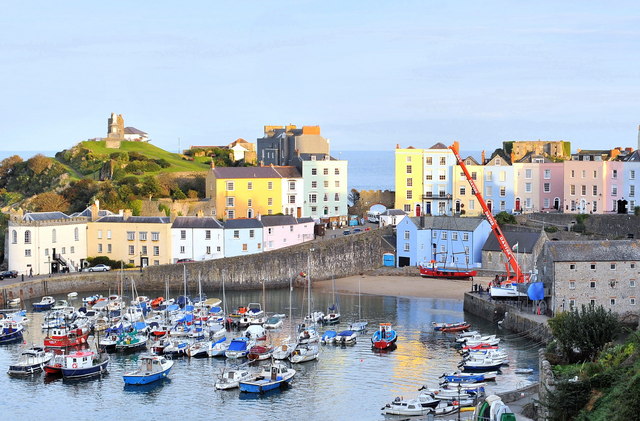
National Park to weigh continued support amid uncertainty over tourism levy
A DECISION on whether to continue funding the county’s main tourism marketing body, Visit Pembrokeshire, will be made at a meeting of the Pembrokeshire Coast National Park Authority on Tuesday (July 30).
The Authority is being asked to consider financial support for the organisation covering the period 2026 to 2029, as questions remain over whether a visitor levy will be introduced in future.
Background to funding deal
A report prepared for members recalls that in February 2020, the Authority agreed to support the formation of Visit Pembrokeshire as a standalone, trade-led Destination Marketing Organisation (DMO). The DMO was tasked with leading the county’s Destination Management Plan and promoting Pembrokeshire as a visitor destination.
Its work includes destination marketing campaigns, industry liaison, research, branding, events, and providing business support.
Visit Pembrokeshire was formally established in November 2020. In September 2021, the Authority amended its original offer of in-kind support to a £25,000 annual cash contribution, to help the organisation secure grant match funding. That arrangement remains in place but ends this year.

County council backs long-term funding
On July 7, Pembrokeshire County Council’s Cabinet agreed to provide Visit Pembrokeshire with a flat-rate grant of £152,000 per year from April 2026 to March 2029.
The National Park Authority is now being asked to decide whether it will also continue its own support for the same period.
Uncertainty over visitor levy
The report notes a “key change on the horizon”—the potential introduction of a visitor levy in Wales. Pembrokeshire County Council has said it will not introduce a levy before 2027, leaving any future decision in the hands of a new administration.
If introduced, some of the revenue from the levy could be used to fund Visit Pembrokeshire and improve local visitor infrastructure, such as public toilets. Without a levy, the report warns, the organisation may need to rely entirely on membership fees and lose public sector backing.
Funding options on the table
The report outlines four options for the Authority:
- End funding completely, saving £25,000 but reducing influence on tourism planning
- Maintain funding at £25,000 per year
- Reduce the contribution by 10% to £22,500
- Introduce a phased reduction, starting at £25,000 and falling to £20,000 by 2028-29
The report concludes that, despite a significant financial deficit, “there are strong strategic reasons why the Authority should support Visit Pembrokeshire until 2029.”


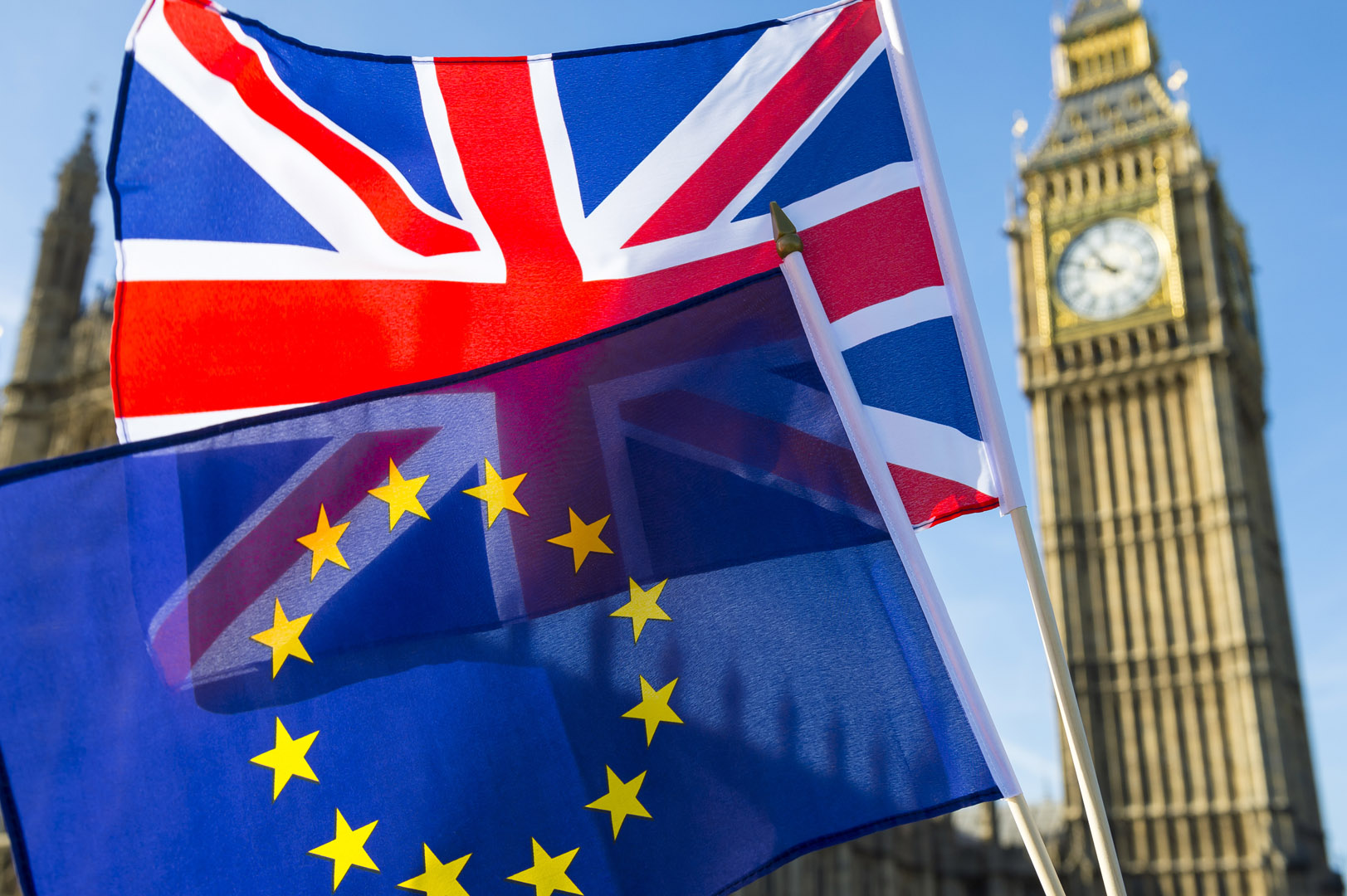
A decade after the referendum, the promised benefits remain hard to find while the economic costs are increasingly difficult to ignore.
ON JUNE 23, 2016, Britain made one of the most significant political decisions in its modern history.
Against the expectations of much of the political establishment, financial markets and many opinion polls, 52 per cent of voters chose to leave the European Union.
The result sent shockwaves through Westminster, Brussels and beyond.
In Wales, the outcome was particularly striking. Most Welsh local authority areas backed Leave. Pembrokeshire voted by almost 56 per cent to leave the EU. Carmarthenshire also backed Brexit, while neighbouring Ceredigion was one of only a handful of Welsh areas to support Remain.
The referendum exposed deep divisions within the United Kingdom. Cities voted differently from rural areas. Older voters voted differently from younger voters. University graduates voted differently from those without degrees.
But Brexit was never simply about economics.
For many voters it was about sovereignty, immigration, democracy and identity. It was about who governed Britain and where decisions affecting everyday life should be made.
Ten years later, the emotions surrounding the referendum remain powerful. Yet enough time has passed for a more sober assessment.
Has Brexit delivered what it promised?
The answer depends on which promises voters believed. However, on the central economic question, the evidence has become increasingly clear.
Britain did not collapse after Brexit.
But it is almost certainly poorer than it would otherwise have been.
The recession that never happened
One reason the Brexit debate remains so bitter is that both sides can point to predictions that proved wrong.

Before the referendum, the Treasury warned that a Leave vote could trigger an immediate recession. Some economists predicted soaring unemployment and a severe economic shock.
Brexit supporters quickly seized upon the fact that these predictions failed to materialise.
- Britain did not plunge into recession.
- Unemployment remained relatively low.
- The economy carried on functioning.
- Supermarkets remained stocked.
- The financial system did not implode.
In hindsight, many of the short-term warnings were overstated.
However, that does not mean Brexit came without economic costs.
The more serious long-term forecasts did not predict an immediate collapse. Instead, they suggested Britain’s economy would gradually become smaller than it would otherwise have been had the country remained in the European Union.
Ten years on, that is broadly what appears to have happened.
The slow puncture
Perhaps the most accurate description of Brexit came not from a politician but from economist John Springford of the Centre for European Reform.
“Brexit is more a story of stagnation and a slow puncture than recession and unemployment.”
Britain did not fall off a cliff.
Instead, growth slowed.
According to the Office for Budget Responsibility, Brexit is expected to reduce Britain’s long-term economic output by around four per cent compared with remaining in the European Union.
Recent academic studies suggest the impact may be even greater.
Economists comparing Britain’s performance against other advanced economies estimate that output per person may now be between six and eight per cent lower than it would otherwise have been.
No economist can create an alternative universe in which Britain voted Remain. Nobody knows exactly what would have happened.
What researchers can do is compare Britain’s performance with similar developed economies.
Before 2016, Britain generally tracked the economic performance of comparable nations.
Since then, a gap has emerged.
While factors such as Covid-19, the war in Ukraine, energy shocks and global instability have affected all countries, Britain’s growth performance has been consistently weaker than many comparable economies.
The pound never recovered
The first visible sign of Brexit’s impact came within hours of the referendum result.
As Leave victories began to emerge during the night, sterling suffered one of the biggest falls in its modern history.
The pound lost roughly ten per cent of its value against major currencies.
That mattered because Britain imports a huge proportion of the goods it consumes.
A weaker pound made imports more expensive.
The result was higher inflation, increased costs for businesses and greater pressure on household finances.
For ordinary families, it meant more expensive food, higher prices in shops and increased costs for foreign holidays.
Ten years later, sterling remains below its pre-referendum level against both the US dollar and the euro.
Supporters argued that a weaker pound would boost exports by making British goods cheaper overseas.
While some exporters benefited, many found any gains offset by the new barriers created by Brexit itself.
Trade and red tape
One of the strongest economic arguments against Brexit was always remarkably simple.
Britain was choosing to place barriers between itself and its largest trading partner.
The European Union remains Britain’s biggest export market.
More than 40 per cent of British exports still go to EU countries, while almost half of imports come from the bloc.
Brexit did not create tariffs on most goods, but it did create friction.
Customs declarations, veterinary certificates, rules-of-origin requirements, border checks and additional paperwork became part of everyday life for thousands of businesses.
For large multinational corporations, these costs were often manageable.
For smaller firms, they could be significant.
Many businesses that previously exported to Europe simply decided it was no longer worth the effort.
Food producers, manufacturers and specialist exporters were among those most affected.
The issue was not whether trade could continue. It could and did. The issue was whether trade became harder. The evidence shows it did.
Fishing and farming
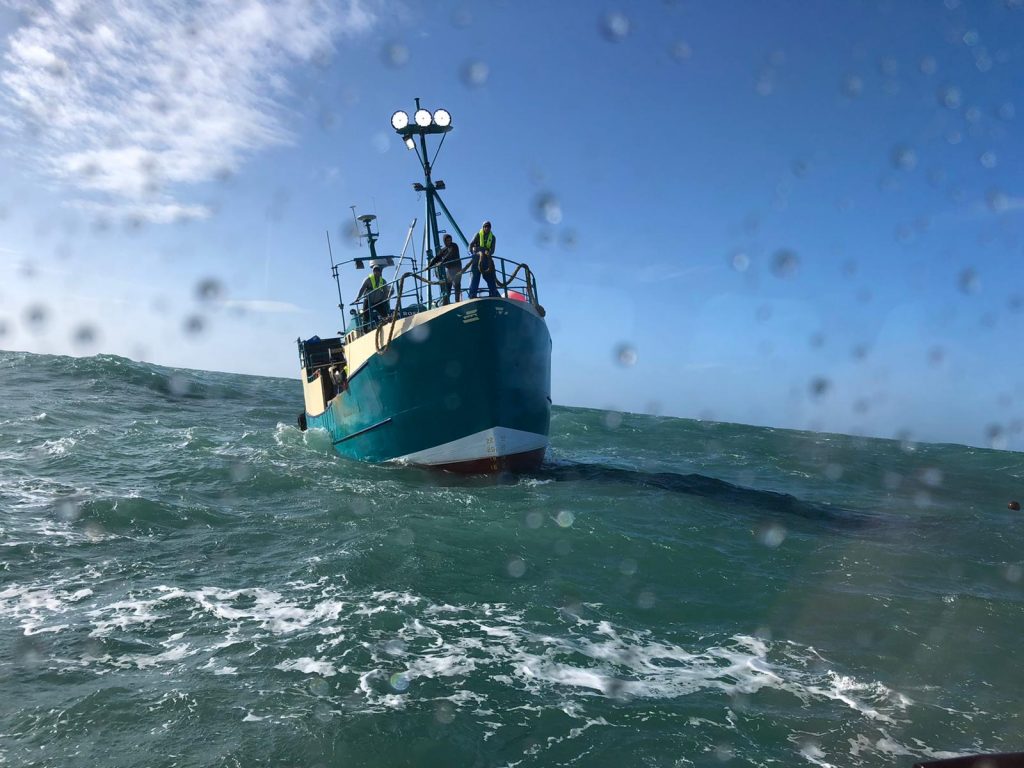
Few industries featured more prominently during the Brexit campaign than fishing and farming.
Both sectors remain central to the economy and identity of many Welsh communities.
The promise of taking back control of British waters resonated strongly with parts of the fishing industry.
Similarly, many farmers believed that leaving the European Union would create opportunities for a more tailored system of agricultural support.
The reality has been mixed.
Fishermen gained greater control over some aspects of fishing policy, but many also discovered that access to European markets was just as important as access to fish stocks.
Fresh seafood is highly perishable.
Any delays at borders can have serious commercial consequences.
Farmers faced their own challenges.
The replacement of European subsidy schemes created uncertainty, while exporters faced additional bureaucracy when selling into European markets.
Many rural businesses have adapted successfully.
Others remain unconvinced that Brexit has delivered the benefits they were promised.
The investment strike

One of the least visible consequences of Brexit may also be one of the most significant.
Investment drives economic growth.
When businesses feel confident about the future, they build factories, purchase machinery, develop products and create jobs.
Following the referendum, uncertainty became a defining feature of British politics.
Negotiations dragged on for years.
Successive governments struggled to agree a strategy.
Businesses often had little idea what future trading arrangements would look like.
Many responded by delaying investment decisions.
Economists estimate that business investment remains significantly below where it might otherwise have been.
That matters because investment today creates productivity tomorrow.
Lower productivity means lower wages.
Lower wages mean lower living standards.
This process is gradual and often invisible, but its effects are felt across the economy.
The NHS promise
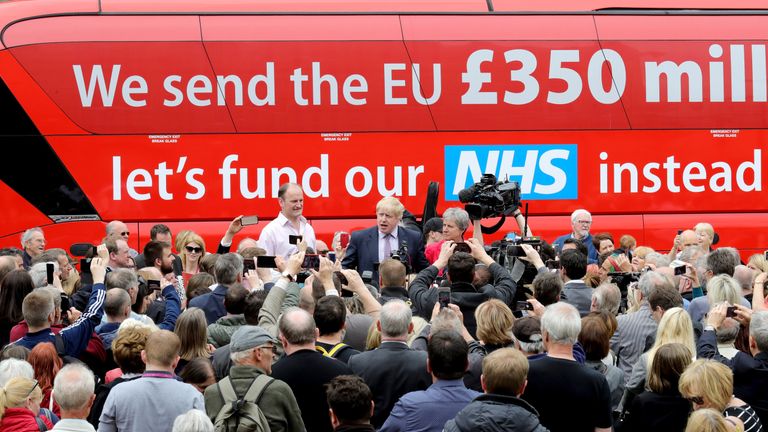
No Brexit retrospective would be complete without addressing perhaps the most famous claim of the entire campaign.
The Vote Leave bus carried the slogan that Britain sent £350 million a week to Brussels and that the money could instead be spent on the NHS.
The claim became one of the defining images of the referendum.
Supporters argued that leaving the European Union would free up resources for domestic priorities.
Critics argued that the figure was misleading.
Ten years later, the NHS remains under immense pressure.
Waiting lists remain high.
Staff shortages persist.
Hospitals face growing demand.
The health service has received additional funding, but few would argue that Brexit delivered the dramatic transformation implied during the campaign.
If anything, recruitment challenges have become more complicated.
Immigration: the great irony
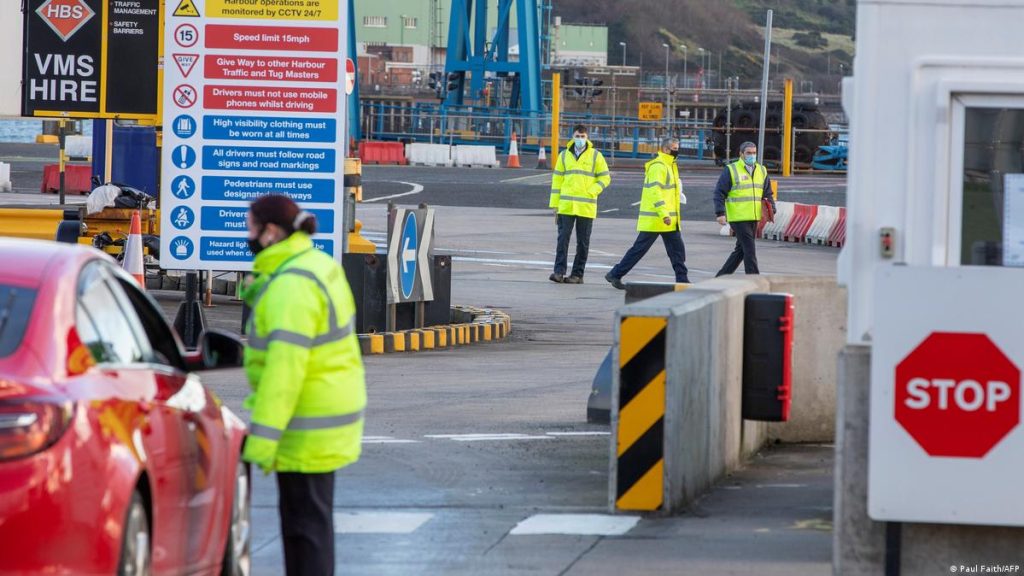
Perhaps the most politically sensitive aspect of Brexit concerns immigration.
For many Leave voters, immigration was one of the decisive issues.
Yet the years following Brexit saw net migration reach record levels.
The composition of migration changed significantly.
Migration from European Union countries fell sharply.
Migration from the rest of the world increased substantially.
At one stage, net migration approached one million people annually.
It has since fallen significantly, but the overall picture remains striking.
Brexit did not deliver the immediate reduction in immigration that many voters expected.
Instead, Britain replaced one immigration system with another.
Meanwhile, industries ranging from healthcare and social care to hospitality, agriculture and construction continued relying heavily on overseas workers.
The result was a political outcome that few anticipated.
Britain left the European Union partly to reduce immigration, only to experience the highest levels of immigration in its history.
The Welsh experience
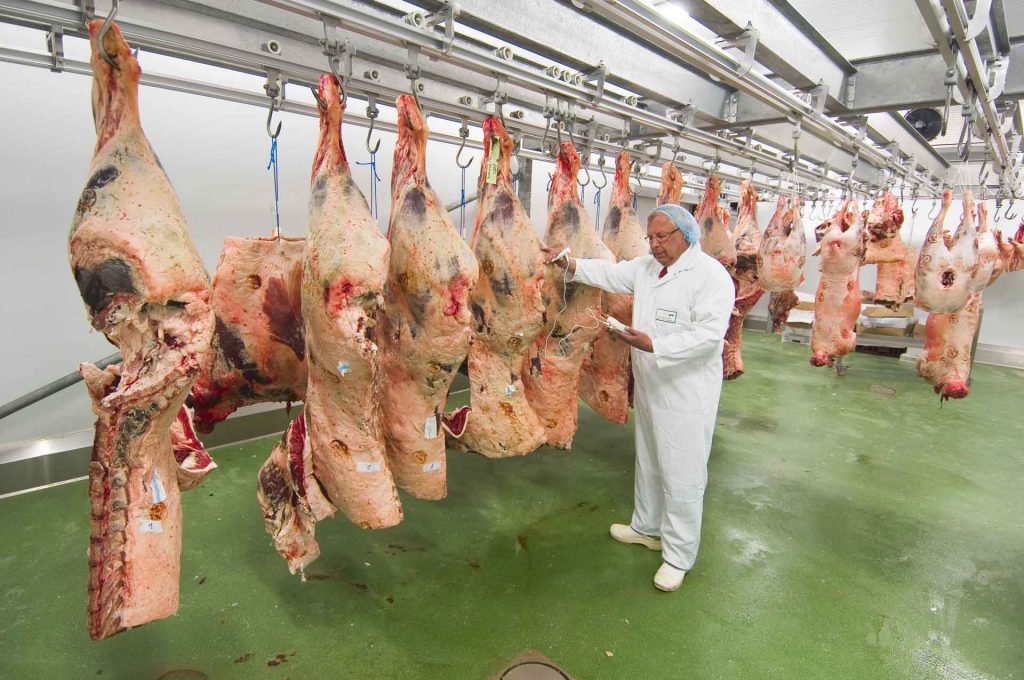
The Welsh dimension of Brexit remains particularly fascinating.
Wales was one of the largest beneficiaries of European funding.
For decades, west Wales received substantial support through European structural funds.
Road improvements, regeneration projects, training schemes and business support programmes all benefited from EU investment.
Yet many of the areas that received the most funding voted strongly for Brexit.
Why?
The answer lies partly in the fact that Brexit was never simply an economic calculation.
Many voters felt left behind despite years of investment.
Communities struggling with low wages, limited opportunities and economic insecurity often saw Brexit as an opportunity to send a message to political elites.
It was, in many respects, a protest vote.
The irony is that many of those communities continue to face the same challenges today.
Brexit did not solve Britain’s regional inequalities.
Nor did it reverse decades of economic imbalance between London and other parts of the country.
The lost generation?

One of the least discussed consequences of Brexit concerns young people.
Before Brexit, British citizens enjoyed the right to live, work and study freely across much of Europe.
That freedom was rarely used by most people.
Yet its existence created opportunities.
Young people from Pembrokeshire could study in Spain, work in France, travel across Europe and build careers without visas or significant bureaucratic barriers.
Those opportunities have not disappeared entirely.
However, they have become more complicated.
Many younger voters view this as one of the most tangible losses associated with Brexit.
For older generations, Brexit was often about reclaiming national sovereignty.
For younger generations, it sometimes feels like a reduction in personal freedom.
What did Britain gain?
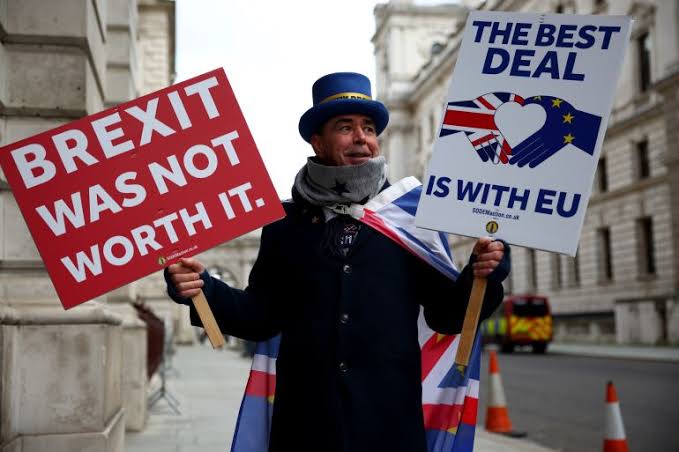
A balanced assessment must acknowledge that Brexit delivered some of what supporters wanted.
- Britain now has greater legal sovereignty.
- Parliament ultimately has greater authority over laws applying within the UK.
- The government has more freedom to negotiate trade agreements independently.
- Britain can diverge from European regulations if it chooses.
Supporters argue these freedoms have value regardless of purely economic calculations.
The question is whether those gains outweigh the costs.
For many voters, the answer remains yes.
For others, the economic evidence increasingly suggests otherwise.
Could Britain win a Brexit referendum today?
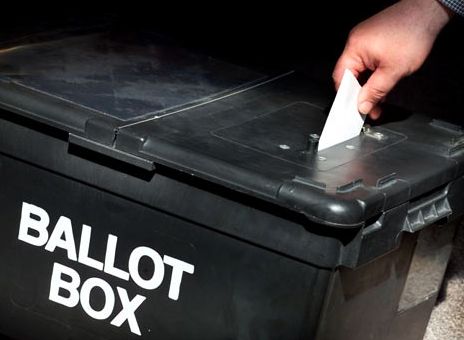
Public opinion has shifted dramatically since 2016.
Most major polling now suggests that more people believe Brexit was the wrong decision than believe it was the right one.
Support for closer ties with Europe has increased steadily.
Many voters who supported Leave continue to do so.
However, there is also widespread frustration that the benefits promised during the referendum campaign have failed to materialise.
That does not mean Britain is about to rejoin the European Union.
There is little political appetite for reopening that debate.
Instead, attention has increasingly turned towards improving relations with Europe while remaining outside the bloc.
Were we sold a dream?

Ten years on, perhaps the most honest answer is yes.
Not because Leave voters were foolish.
Not because concerns about sovereignty, immigration or democratic accountability were illegitimate.
But because Brexit was sold as a solution to problems it was never capable of fully solving.
Communities that felt ignored in 2016 often still feel ignored today.
Public services remain under pressure.
Economic growth remains weak.
Living standards remain squeezed.
Migration remains politically contentious.
The promised transformation never arrived.
Britain did not collapse after Brexit.
The economy did not fall off a cliff.
Many of the most dramatic warnings made by Remain campaigners proved wrong.
Yet the central promise of Brexit was never that Britain would merely survive.
It was that Britain would thrive.
Ten years later, that is the standard by which Brexit should be judged.
On the evidence available today, it is difficult to avoid the conclusion that Britain would be wealthier, more productive and more economically dynamic had it remained inside the European Union.
The referendum settled one argument in 2016.
A decade later, another question remains.
If Brexit was supposed to make Britain stronger, richer and more confident, can anyone honestly say it succeeded?

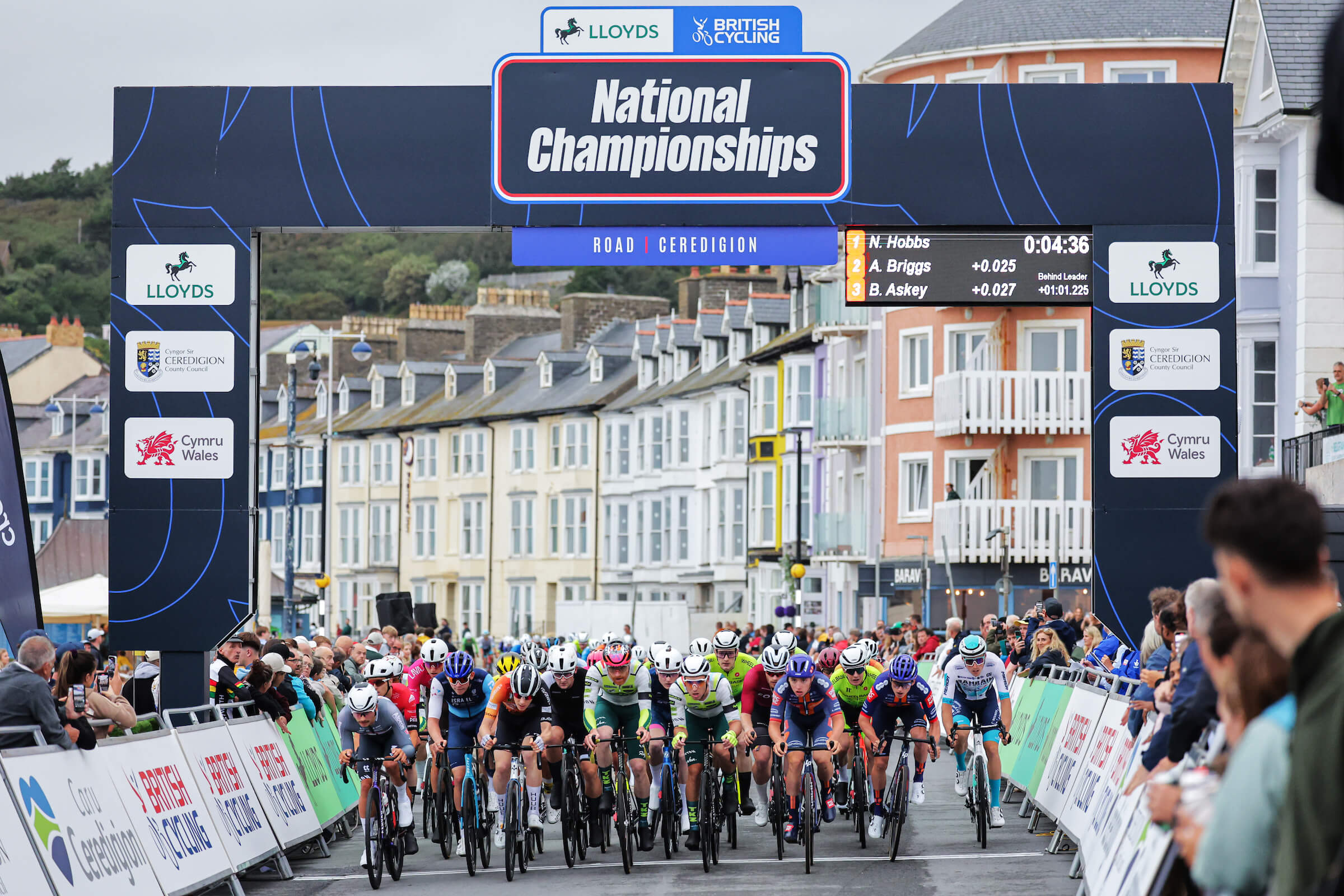
Strong Welsh contingent among elite field heading to Lampeter and Aberystwyth
SOME of Britain’s leading cyclists will head to Wales next week as the 2026 Lloyds National Road Championships get under way.
Sixteen former elite national road champions are among the riders named for the event, which begins in Lampeter on Thursday, June 25, before moving to Aberystwyth for the circuit race and road race.
Welsh rider Zoe Backstedt, of Canyon//SRAM Zondacrypto, is expected to be one of the headline names after winning the elite women’s time-trial title at last year’s championships.
Backstedt said: “I’m super excited to come back to Wales to race national champs this year. I don’t get to race in the UK a lot, let alone in Wales, so that makes it even more exciting to be there.
“We’ve got such a strong roster of riders in the UK, so it’s never going to be easy, but I hope I’ll come into this in good shape and fighting for the win.”
Millie Couzens, of Fenix-Premier Tech, returns to defend her women’s road race title. She faces a strong field including three-time road national champion Pfeiffer Georgi, Morven Yeoman, Imogen Wolff, Cat Ferguson, Anna Henderson and Flora Perkins.
In the men’s road race, Sam Watson, of NetCompany Ineos, will look to retain his crown against a field including former national champion Ben Swift, reigning under-23 champion Matthew Brennan, Adam Howell and Ethan Hayter.
Hayter said: “Nationals always seem to bring out the best in me. I’ve managed to win a jersey in 2024 and 2025, so it would be nice to try to add another in the TT or RR.
“Each year the level gets higher, but it makes for aggressive, exciting racing.”
Cameron Mason will return to Aberystwyth to defend his open circuit race title, with Thomas Armstrong, Matt Bostock and Oliver Wood among those expected to challenge.
Kate Richardson also returns as defending women’s circuit race champion. She will be joined by a strong field including Isabel Sharp, Carys Lloyd, Xan Crees, Jenny Holl and Josie Knight.
A number of Welsh riders will also compete across the championships, including Finlay Tarling, Elynor Backstedt, Anna Morris, Owain Doull MBE and Megan Barker.

Erin Boothman, following a successful track season, will make her Lloyds National Road Championships debut in the women’s road race and under-23 women’s time-trial. Ben Wiggins will also return to Ceredigion as he looks to improve on last year’s silver medal in the under-23 men’s time-trial.
Ten national champions’ jerseys will be contested over three days of racing.
The time-trial takes place in Lampeter on Thursday, June 25. The elite women, under-23 women and under-23 men will race over 25.6km, while the elite men will cover 38.4km.
Aberystwyth will host the circuit race on Friday, June 26, and the road race on Sunday, June 28, giving spectators the chance to watch some of Britain’s best riders on Welsh roads.
The championships return to Wales with support from the Welsh Government.
Pic: Lloyds National Circuit Championship 2025 (Pic: SWPix.com)
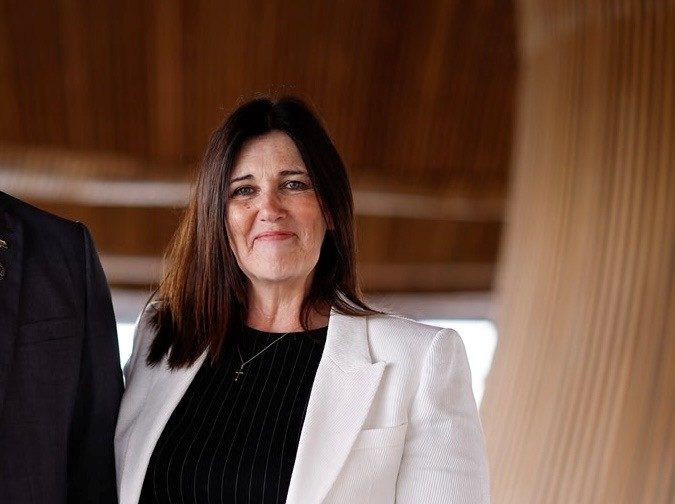
CARERS across Wales are being left overworked and without timely support, a Senedd member has warned.
Claire Archibald MS, Reform Wales’ Shadow Minister for Social Care and member for Pembrokeshire and Ceredigion, raised the issue during questions to the Plaid Cymru Health Minister.
She highlighted concerns that many unpaid carers are still waiting too long for Carer’s Needs Assessments, despite a commitment that assessments should be completed within 28 days.
Ms Archibald said reports such as At Breaking Point showed that many carers were either unaware of their rights or were facing delays before receiving meaningful help.
Questions have now been raised over when the 28-day standard will be fully implemented across Wales and how local authorities will be held to account.
Ms Archibald said: “Carers across Wales are essential to the health care system, yet too many are overworked and not receiving the support they need to continue their vital role.
“Despite Plaid Cymru’s promise to ensure Carer’s Needs Assessments are completed within 28 days, many carers are still unaware of their rights or facing long delays before receiving any meaningful help.
“There must be clarity on when the 28-day standard will be fully implemented across Wales, alongside robust accountability measures to ensure local authorities deliver on this commitment.
“Without proper funding and enforcement, there is a risk that responsibility is simply passed on to already stretched councils, leaving carers without the support they urgently need.”



News33 minutes ago
Brexit at 10: How Britain was sold a dream that cost us dearly
A decade after the referendum, the promised benefits remain hard to find while the economic costs are increasingly difficult to...


Climate4 hours ago
Offshore wind ‘could bring new generation of jobs to Milford Haven’
Pembrokeshire ports and Celtic Sea projects placed at centre of Wales’ green energy ambitions MILFORD HAVEN and Pembroke Dock could...


Community24 hours ago
Police officer hailed hero after midnight sea rescue in Milford Haven
PC swam 100 metres offshore to save distressed woman heard calling for help in darkness A DYFED-POWYS POLICE officer has...


Local Government1 day ago
Security privately arranged by Mayor at Beating of the Bounds
HAVERFORDWEST TOWN COUNCIL has confirmed that security personnel seen at this year’s Beating of the Bounds were privately arranged and...


Business2 days ago
Celtic Freeport five-year plan puts Milford Haven at centre of green energy future
Strategy promises investment, skilled jobs and new supply chains, but major barriers remain over grid connections, planning and delivery THE...


Education2 days ago
Closure of Ysgol Clydau approved after emotional council debate
COUNCILLORS WARNED RURAL COMMUNITIES WILL REMEMBER DECISION PEMBROKESHIRE councillors have voted to close Ysgol Clydau following an emotional debate over...


Education2 days ago
Manorbier school closure process to continue after narrow council vote
Questions remain over insurance, rebuilding costs and possible legal action by Diocese PEMBROKESHIRE councillors have voted to press ahead with...

Community3 days ago
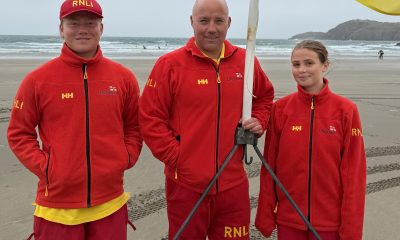
The father, son and daughter lifeguard trio saving lives in Pembrokeshire
A FATHER, son and daughter are preparing to help keep beachgoers safe on the Pembrokeshire coast this summer as part...

Community3 days ago
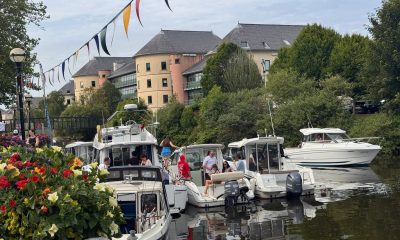
Beating of the Bounds brings music, boats and tradition to Haverfordwest
CENTURIES-OLD CEREMONY DRAWS FAMILIES TO THE RIVERSIDE HAVERFORDWEST’S historic Beating of the Bounds returned on Sunday (Jun 14), with boats,...


Community3 days ago
Milford Haven School pupil praised after stepping in during real-life emergency
A YEAR 11 pupil at Milford Haven School has been praised after putting his first aid training into action to...
-

 Community3 days ago
Pembrokeshire Chess Club crowned Welsh champions
-
Local Government1 day ago
Security privately arranged by Mayor at Beating of the Bounds
-

 Crime6 days ago
Pembroke Dock teenager sentenced over train strangulation attack
-

 Education5 days ago
Diocese threatens legal action as Manorbier school closure battle intensifies
-

 Crime6 days ago
Man accused of six rapes including alleged Haverfordwest offence
-

 Local Government5 days ago
Taxi suspended after county-wide licensing checks
-

 Crime23 hours ago
Man wanted by court after failing to attend hearing over alleged shop thefts
-

 Crime6 days ago
Brothers found guilty of causing death of Welsh dad in ‘reckless’ race