


News
Pembrokeshire still going strong as ice cream vans become a dying breed


From the days on Rabbaiotti’s vans in the 1960s to Superwhippy in Broad Haven, Wales now has just 80 ice cream vans left
ONLY 80 ice cream vans remain in Wales, a far cry from the golden era when their chimes were a soundtrack to summer.
A new report shows there are just 1,538 vans still operating across the UK, compared to around 20,000 in the 1950s. Wales ranks third among the four nations, with 25 vans per one million people, but ten local authority areas have none recorded at all.
Pembrokeshire has just three licenced vans for mobile trade.
The decline has been blamed on rising costs, supermarket competition, and restrictions on street trading. In Wales alone there are 600 prohibited trading streets or zones, with more than 300 in Cardiff.
Rabbaiotti’s legacy

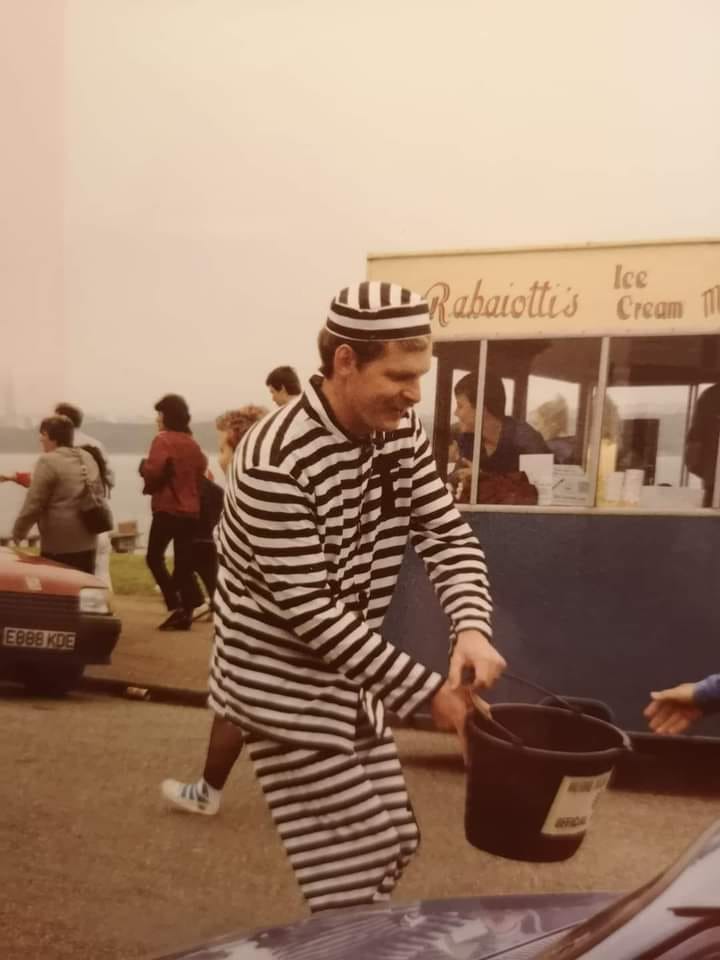
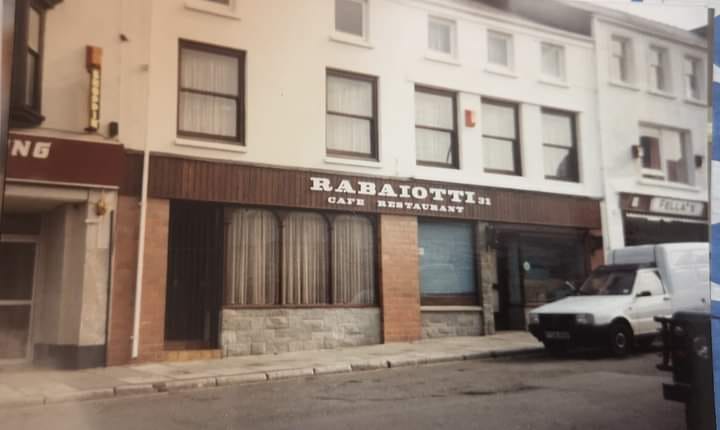
In Milford Haven, ice cream was once big business. The Rabbaiotti family ran a café on Charles Street, an ice cream factory, and a fleet of vans that toured the town from the 1950s onwards. Locals knew the café simply as “Rabbis,” and for many, the highlight of a visit there in the 1980s was a coke float – Coca-Cola topped with a scoop of fresh ice cream.

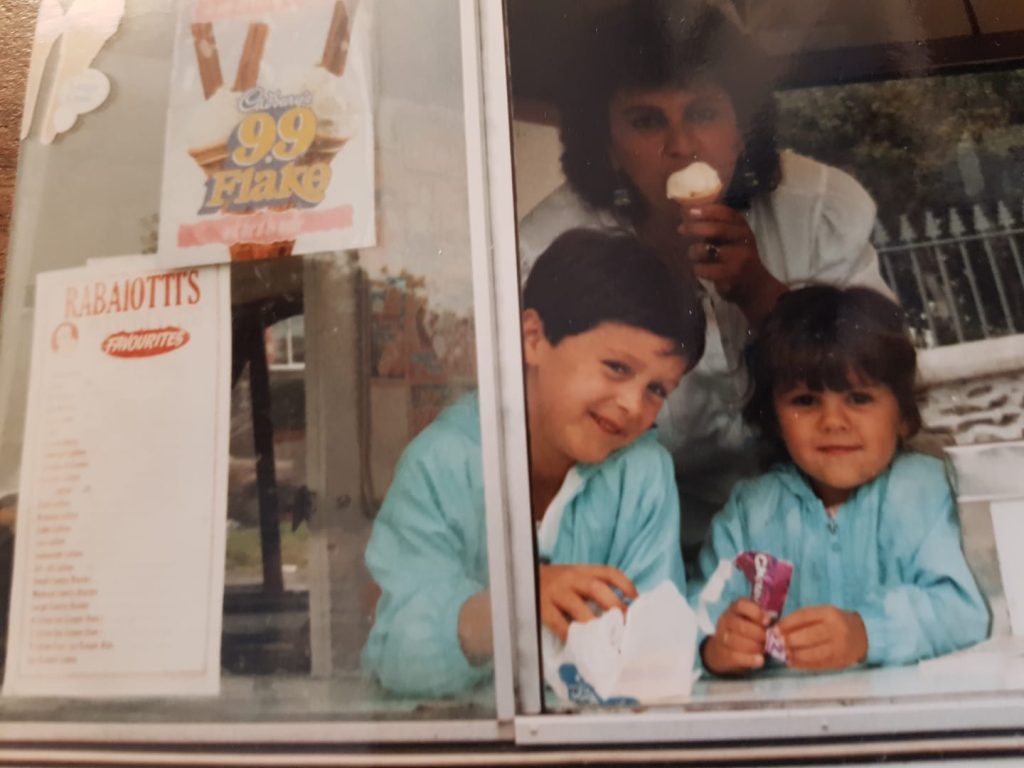
The vans, meanwhile, were community fixtures. Doris Garland, who worked on them in the 1960s and 70s, recalled disinfecting coins in solution before serving cones, and remembered how the vans sold more than just frozen treats. “They sold everything — even fags!” she laughed. In an era before domestic freezers and convenience stores, they were mobile shops as much as ice cream sellers.
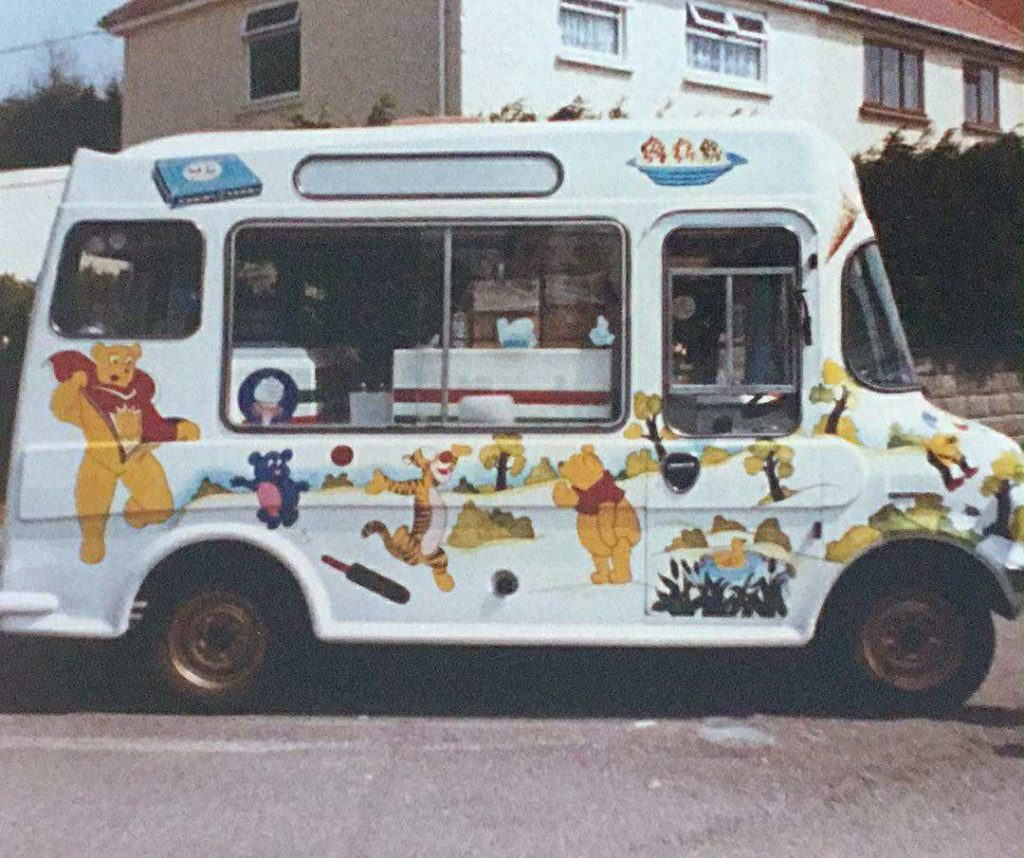
Well into the 1990s, those same vans were still on the road in Pembrokeshire, delighting a new generation of children.
Fecci’s and Joe’s
Tenby had its own ice cream tradition in the shape of Fecci’s parlour on St George’s Street. A holiday institution for decades, it was remembered for queues out the door and classic seaside sundaes.
Further east, Swansea became synonymous with Joe’s, founded in 1922 by Joe Cascarini. Still run by his descendants, Joe’s remains a city landmark, its story part of the wider tale of Italian migration to Wales.
By the 1930s, Italian families had set up so many cafés in the Valleys that “Bracchi” became a generic word for a corner shop. But wartime tragedy also touched these communities. In 1940, when Italians in Britain were interned, Bartolomeo Rabaiotti of Pontypridd was among those who died when the Arandora Star was sunk by a German U-boat.
Pembrokeshire’s mobile operators



The modern fleet
While Rabbaiotti’s vans and Fecci’s parlour belong to Pembrokeshire’s past, the county still has ice cream men carrying the trade forward.
Martin McGeown, who runs Pembrokeshire Superwhippy, is one of just two operators in the county with a mobile street trading licence. Alongside Jack Worley, he operates a new Mercedes van fitted with the latest electric battery system, allowing the soft-serve machine to run without idling a diesel engine and cutting down emissions.



But the investment comes at a cost. A new van now sets traders back around £200,000, a major barrier for anyone trying to enter the business.
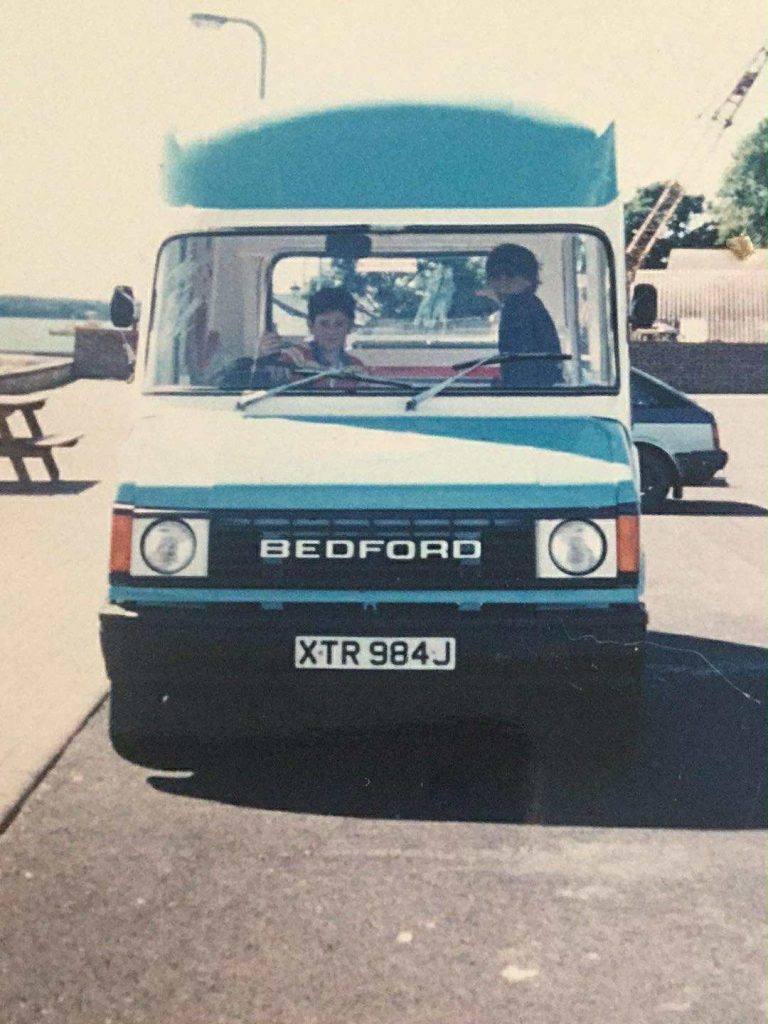
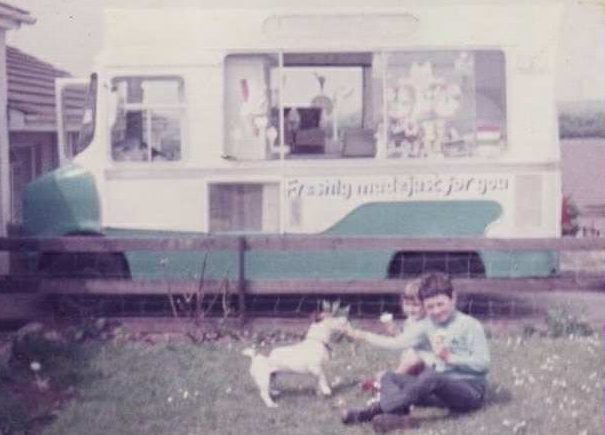
Martin’s connection goes back a generation. His father Jimmy McGeown ran vans in the 1980s, while his mother Vanessa and aunt Ruth also worked on the family vehicles. “I was about eight and my sister Helen was five when we’d be sat in the garden while mum and dad were out with the vans,” he recalled.
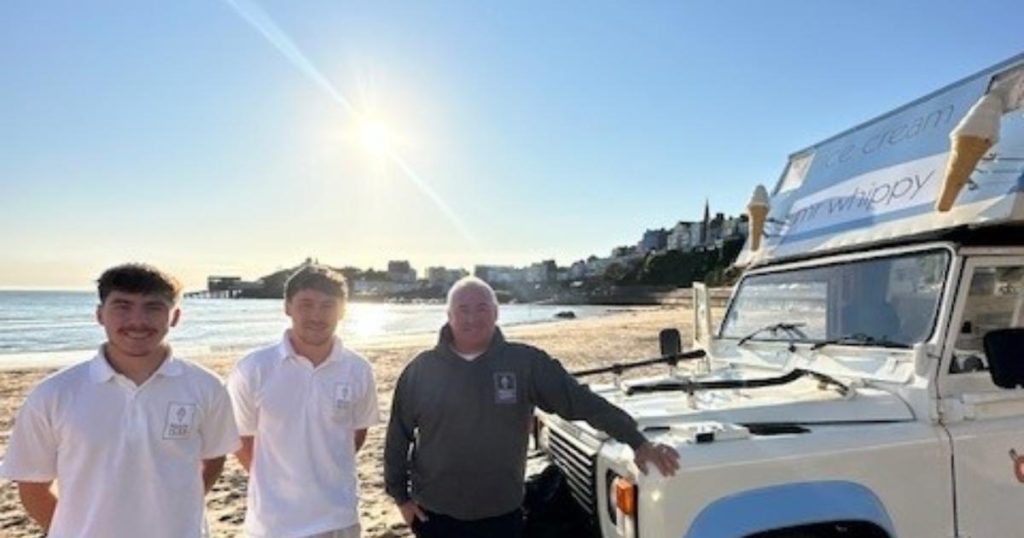
And innovation is keeping the tradition alive in Tenby, where Anthony Phillips and his family-run Pembrokeshire Beach Ices have launched what is believed to be the UK’s first zero-emissions beach ice cream van. Converted from a Land Rover at a cost of £50,000, it switches to electric power when trading on the sands, proudly displaying the slogan: “Going green to keep the beach clean.”
A changing tradition
From Rabbaiotti’s coke floats to Fecci’s parlour sundaes, and from Superwhippy’s cones on the Rath to Tenby’s green van, Pembrokeshire’s love affair with ice cream spans generations.
The numbers may be dwindling — but as long as there is sunshine over the county’s beaches, there will always be a queue for a cornet.


A 21ft PLEASURE boat was towed to safety after suffering engine failure between Lydstep and Giltar.
TENBY’S all-weather lifeboat was requested to launch shortly after 10:00am on Friday (May 1), after the occupants of the vessel reported that they had lost engine power.
The volunteer crew were quickly on the water and arrived at the scene around 10 minutes later.
After speaking with those on board, and with the boat in danger of drifting onto rocks, the crew decided the safest course of action was to tow the vessel back towards Saundersfoot.
Once at Saundersfoot, and with the tide out, the pleasure boat was moored in the bay. Its occupants were then taken ashore using the lifeboat’s Y-boat, where they were met by members of Tenby Coastguard Rescue Team.

The lifeboat returned to station at 11:25am.

Launch photo: Judd Kohler, St Davids Lifeboat Deputy Coxswain.

A new community project aims to tackle gaps in support for people living on the streets
A NEW community initiative is aiming to provide a “safe haven” for homeless people in west Wales, offering accommodation, training and round-the-clock support.
Safe Haven Homeless CIC has been set up by founder Dave Thomas, who said the idea came after witnessing the struggles faced by people sleeping rough in Carmarthen and Aberystwyth.
He described seeing individuals forced out of temporary camps, including one case where fencing was erected to prevent a homeless person returning to a former site.
Mr Thomas said: “We spoke to people who simply couldn’t access help because they had no fixed address or internet access. That was a real eye-opener.”
Research carried out by the group found that while a number of organisations provide advice and outreach support, there is a lack of safe, stable accommodation offering a full package of services.
The Herald understands that demand for housing remains high, with waiting lists for social housing stretching to around two years in some cases, particularly for those not in priority groups.
The project aims to address this by purchasing a property with land to create a multi-use support centre.
Plans include a main building with communal living areas, a kitchen, counselling rooms, IT facilities and training spaces, alongside outdoor accommodation such as bell tents and log cabins.
The site would also include recreational and work-based facilities, including a workshop, greenhouse, gym and fishing lake, designed to support wellbeing and provide opportunities for skills development.

Mr Thomas said the centre would be staffed 24 hours a day to ensure continuous support, addressing a gap where many services only operate during office hours.
The initiative also aims to become partly self-sustaining, with income generated through a small campsite, training activities and partnerships with external organisations.
Support networks are already being developed, including links with counsellors, charities and local businesses willing to offer employment opportunities to those using the service.

The organisation is being run by a team of directors alongside Mr Thomas, and is also building connections with other community projects in the region.
Mr Thomas added: “We believe this is a new and dynamic way to support homeless people. It’s about giving them not just a place to stay, but real support to rebuild their lives.”

A NEW café has opened in Newport, Pembrokeshire, bringing Caribbean flavours to the seaside town — with affordable bed and breakfast accommodation also planned for the near future.
Ty Bert Caribbean Kitchen has opened in the former youth hostel at the old school on Lower St Mary Street.
The venture is being run by Newport local Roberta James, who hopes to reopen the building’s five bedrooms as budget accommodation as soon as possible.

The café, which opened earlier this month, serves Caribbean dishes including jerk chicken, barbecue pork belly and goat curry, alongside more traditional options such as baked potatoes, tea, coffee, hot chocolate, cold drinks and cake.
Roberta said the idea began after she responded to a Facebook post by Newport Town Council asking what the hostel, which had been closed since Covid, could be used for.

Soon afterwards, she was putting together a business plan and submitting it to Pembrokeshire County Council, drawing on her family’s background in catering and hospitality.
“I wanted to bring it back as a hostel but also have a place for the community and somewhere to use for events and groups,” she said.

The Caribbean theme was inspired by a holiday to Antigua.
Roberta said: “I am a foodie and I loved the food there. It was simple and flavoursome.”
She is recreating those flavours with the help of her friend Jason, who is from the Caribbean.
Box meals are available to eat in or take away, with protein mains served with rice, potato, coleslaw and salad for £12.95.
“The menu is perfect for families or for people that like a bit of spice and something a bit different,” Roberta said.
Customers have already been taking meals down to the beach or Parrog, while those eating in can use the downstairs café seating or a large family-friendly room upstairs, complete with big tables and board games.
Roberta said: “The response has been really good. We have had a lot of the locals coming in. They have been really supportive.
“During the Easter holidays we had tourists coming in. They really enjoyed having something different and reasonably priced.”
Ty Bert Caribbean Kitchen is currently open from Friday to Monday, from 12:00pm to 8:00pm, with plans to open on Thursdays later in the season. Diners are also welcome to bring a bottle with their meal.
Roberta said she hopes to open the hostel as soon as possible. Painting parties have already been held to freshen up the two dormitory rooms, two double rooms and one family room.
She is now waiting for Pembrokeshire County Council, which is leasing the property to her, to repair the boiler.
Roberta said transforming the former hostel into boutique budget accommodation, while creating the café, had been a real community effort, with friends and local businesses pitching in.
“There have been lots of lovely people in the community offering to help,” she said. “They want us to succeed, which is really nice.”
More information is available on the Ty Bert Facebook page.



Community8 hours ago
Scooter rally brings colour and nostalgia to Tenby
TENBY is buzzing with the sights and sounds of classic scooters this Bank Holiday weekend as the Welsh National Scooter...


Entertainment9 hours ago
Haverfoodfest returns to Haverfordwest town centre today
HAVERFORDWEST town centre is expected to be busy today as Haverfoodfest 2026 returns for a full day of food, drink,...


Crime1 day ago
70-year-old denies assault and restraining order breach
A PENSIONER from Pembroke Dock has denied breaching a restraining order and assaulting another man. Henry Howlett, 70, of Market...


News2 days ago
Conservatives target two seats in new Ceredigion Penfro constituency
Paul Davies and Sam Kurtz say health, farming and transport are key as they seek return to the Senedd CONSERVATIVE...


Community2 days ago
Milford Haven Beer Fest returns to waterfront this May
EVENT WILL FEATURE 34 DRINKS, LIVE MUSIC AND STREET FOOD MILFORD HAVEN is preparing to raise a glass as Beer...


Community3 days ago
Cancer patients targeted with parking fines outside Haverfordwest support centre
Adam’s Bucketful of Hope says vulnerable users, elderly volunteers and charity drivers have paid more than £1,000 after Ateb introduced...


Charity3 days ago
Row erupts at Spitfire museum after Reform poster displayed at charity premises
A HAVERFORDWEST museum has become caught up in a political row after Reform UK campaign material was photographed inside the...


Crime3 days ago
Pembrokeshire man charged with making hundreds of indecent images of children
A PEMBROKESHIRE man has appeared before magistrates charged with making hundreds of indecent images of children. David Lewis, 42, is...


Crime4 days ago
Man appears in court charged over death of Blood Bike Wales volunteer
FAMILY WATCHED FROM PUBLIC GALLERY AS CASE SENT TO CROWN COURT A PEMBROKESHIRE man has appeared before magistrates charged with...


Crime4 days ago
Police launch arson investigation after Haverfordwest fire
CCTV APPEAL ISSUED POLICE have launched an arson investigation after a derelict building was destroyed in a major overnight fire...
-

 Local Government4 days ago
Fishguard children’s home application is a ‘legal test’, not planning merits decision
-

 Community2 days ago
Dogs removed after welfare concerns at Milford Haven property
-

 Crime4 days ago
Drink-driver hit bicycle and failed to stop
-
 Crime3 days ago
Pembrokeshire hairdresser avoids prison after pub assault
-

 News5 days ago
SPECIAL FEATURE: Did Chernobyl affect children in Wales?
-

 Sport6 days ago
Narberth seconds start season in new sponsored kit
-
Crime3 days ago
Pembrokeshire man charged with making hundreds of indecent images of children
-

 Business3 days ago
Handcrafted garden furniture built to last across Pembrokeshire