


Sport
4 ways horse racing remains part of West Wales sporting life

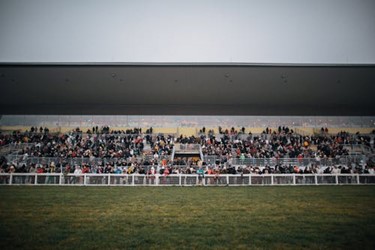
Pembrokeshire has no permanent racecourse, yet horse racing still finds a place in everyday sporting life across west Wales. From rural fields hosting traditional meetings to packed minibuses heading east on race days, the sport travels well beyond the rails.
That persistence is not accidental. Racing has long fitted the rhythms of farming communities, weekend socialising, and regional travel, adapting to local circumstances rather than disappearing when facilities are absent. In 2026, it remains a shared reference point, even for those who only engage from a distance.
What matters is not just the spectacle of big events, but how racing threads itself through habits and decisions made closer to home. These quieter connections help explain why the sport continues to matter locally.
Local point-to-point traditions
Grassroots point-to-point racing has long bridged the gap between elite courses and rural life in west Wales. These meetings, often staged on farmland, turn sport into a community event, blending competition with socialising and fundraising. Families attend as much for the atmosphere as the racing itself.
These events underline how racing culture survives without grandstands. The focus is on continuity, keeping familiar customs alive while quietly absorbing new ways of engaging with the sport.

Travel to regional race meetings
When Pembrokeshire residents want the full racecourse experience, travel fills the gap. Trips to Ffos Las or Chepstow are regular fixtures in many diaries, turning race days into planned outings rather than spontaneous visits. Transport, food stops, and overnight stays all become part of the occasion.
Preparation for these days now mixes tradition with modern routines. Conversations about form and fixtures increasingly happen online during the week, and it is common for followers to glance at early indicators when planning a visit. For many, that includes checking midweek previews and scanning resources like tomorrow’s horse racing tips as part of deciding which races to follow and when to gather. The information rarely dominates the day, but it adds to the sense of shared anticipation and helps racegoers plan ahead.
Nationally, racing’s scale helps explain why these visits and bets matter. A parliamentary debate confirmed that the sport contributes over £4 billion annually to the UK economy. That economic footprint filters down to regions like West Wales through travel spending and hospitality.
The real point is less about headline numbers and more about habit. Regular travel keeps racing visible, reinforcing it as a normal leisure choice rather than a distant niche interest.
High street and hospitality links
Race days rarely exist in isolation. Pubs open early for televised coverage, cafés time busy periods around afternoon cards, and accommodation providers benefit from visitors passing through the county en route to meetings. These links may be informal, but they are consistent.
That makes policy changes a local concern. A regional forecast reported by the Monmouthshire Beacon warns that proposed betting tax harmonisation could remove £18 million from the Welsh economy over five years and cost 168 jobs in the first year alone. Even areas without a course would feel the knock-on effects.
For Pembrokeshire, the issue is about resilience. When racing activity contracts elsewhere, the secondary spend that reaches local high streets and hospitality venues shrinks with it.

Race days in the weekly diary
Beyond travel and spending, racing maintains a quieter presence in weekly routines. Fixtures are pencilled in alongside football matches and community events, often forming the backdrop to social gatherings rather than the sole focus.
Employment figures help explain this reach: horse racing supports around 85,000 jobs across the UK. That workforce extends into media, transport, and leisure, shaping how and when people encounter the sport.
For West Wales, the takeaway is simple. Horse racing endures not because of proximity to a track, but because it adapts to local patterns of life. As long as those routines persist, the sport will continue to find its place in Pembrokeshire’s sporting landscape.

Crews from across the UK battle tides, headwinds and the Haven to finish marathon race at Haverfordwest River Festival
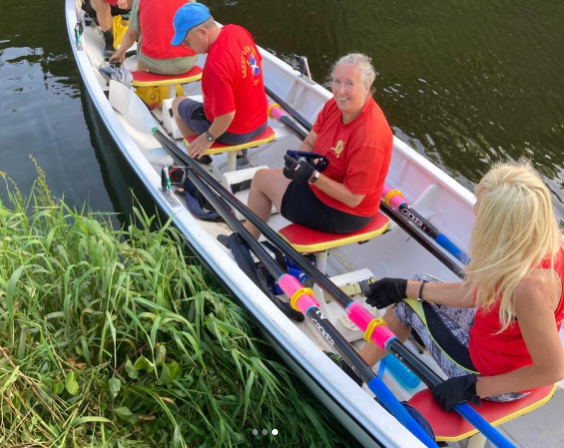
ROWERS from across the United Kingdom descended on Pembrokeshire at the weekend to take part in one of Wales’ toughest coastal rowing challenges — the 22-mile Cleddau River Marathon Row from Dale to Haverfordwest.
Held as part of the annual Haverfordwest River Festival on Saturday (Jun 13), the spectacular endurance race saw around 25 crews line up on the shoreline at Dale for a dramatic beach start before battling the tides, currents and changing weather conditions along the Milford Haven Waterway.
With calm waters and blue skies greeting competitors at the start, crews launched from Dale Bay at around 2:30pm and powered into the Haven, navigating a route that took them past Milford Haven, Neyland and Pembroke Dock before passing beneath the Cleddau Bridge and tackling the winding upper reaches of the river toward Haverfordwest.
However, conditions became more testing as the race progressed, with the tide turning against competitors and a headwind adding to the challenge during the final push upstream.
The marathon row was organised by Helen Heaton and Llangwm Rowing Club, with staggered starts helping ensure crews arrived in Haverfordwest in time for the celebrations at the River Festival.
At the finish line in Haverfordwest, exhausted rowers were greeted by cheering crowds, family members and councillors, who helped crews bring their boats ashore before an evening of celebrations and prize-giving at HaverHub.
The event drew teams from across Wales and further afield, highlighting Pembrokeshire’s growing reputation as a destination for competitive coastal rowing. The marathon route, stretching approximately 22 miles from Dale to the county town, is regarded as one of the more demanding fixtures in the Welsh sea rowing calendar.
Video crews and drone operators captured the action throughout the day, with local media teams filming both from shore and on the water.
The race was sponsored by Dale Sailing, with video sponsorship support from Pembrokeshire Powerboating and Sailing Academy.
The Herald understands the Wasps of Llangwm crew took top honours in the demanding race after a hard-fought contest on the water.
Photo caption:
Marathon effort: Crews from across the UK battled tides and headwinds during the 22-mile Cleddau River Marathon Row from Dale to Haverfordwest

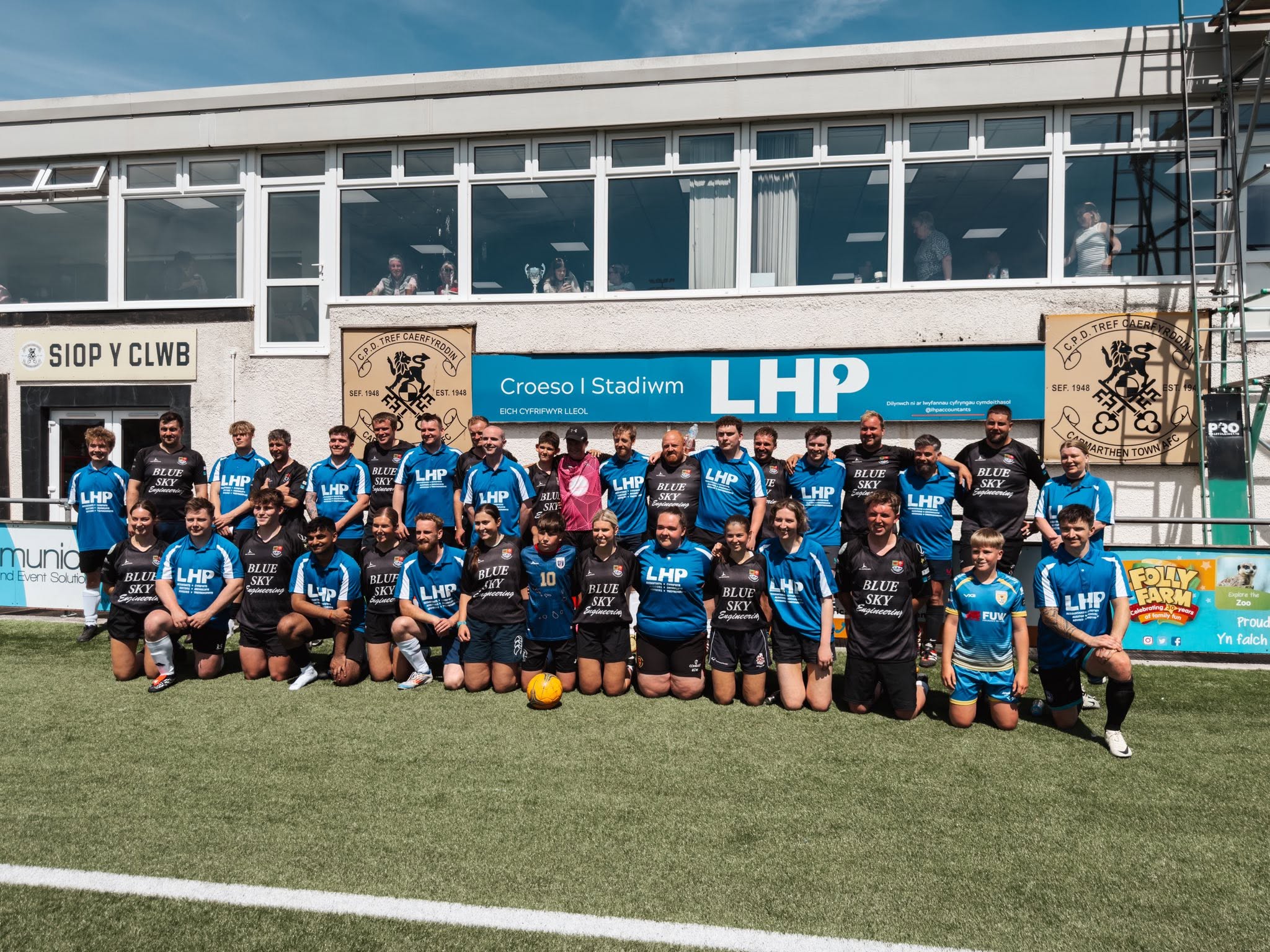
A CHARITY football event held at Carmarthen Town AFC has raised £10,025 for two key services at Glangwili Hospital.
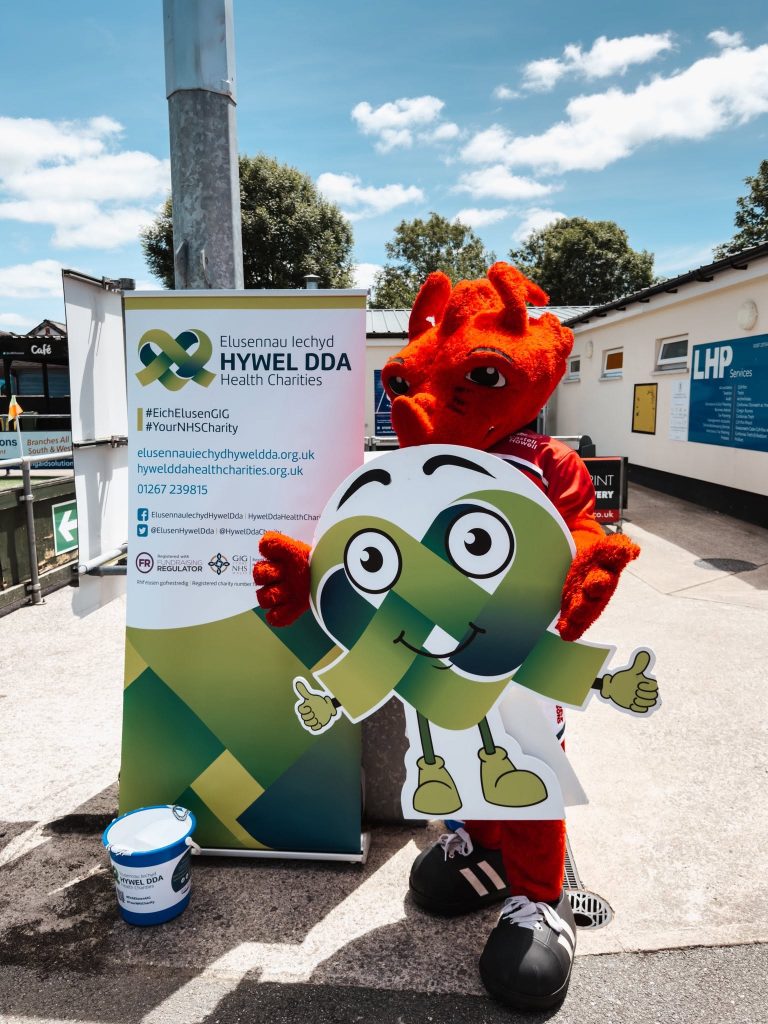
The event, organised by LHP Accountants, took place on Saturday and raised money for the Chemotherapy Unit and the Special Care Baby Unit through Hywel Dda Health Charities.
Organisers said they had been “absolutely overwhelmed” by the support shown on the day, thanking everyone who played, donated, sponsored, volunteered, bought raffle tickets, bid in the auction or attended the event.
They said: “This achievement belongs to every single person who supported us. Thank you for helping us make a real difference.”
The event was also filmed by S4C’s Heno, with coverage due to air tonight between 7:00pm and 7:30pm.
Caption:
Players and supporters at Carmarthen Town AFC helped raise £10,025 for Hywel Dda Health Charities.

SAUNDERSFOOT maintained their place at the top of Division One as the Pembroke County Cricket League entered Week Eight, but there were dramatic finishes, dominant performances and standout individual displays across all six divisions on Saturday.
From a nail-biting one-wicket win for Burton to a huge unbeaten century from Hook’s Aled Phelps and a remarkable 168 not out for Pembroke Dock II’s Callum Power, it was another action-packed weekend of local cricket.
Division One
Saundersfoot stay top as Burton edge thriller
Saundersfoot remain the team to catch after a tense two-wicket victory away at Lawrenny. Chasing 146, they got over the line at 146-8 thanks largely to Tom Mansbridge, who starred with both bat and ball, taking 5-35 before finishing unbeaten on 66.
Neyland kept up the pressure in second after defending 167-9 against Carew, winning by 22 runs. Gareth Lewis struck 69 for Carew, but Neyland’s bowlers held firm.
Burton secured one of the matches of the day, edging Narberth by a single wicket after chasing 175. Martin James top-scored with 71 in a nervy finish.
Cresselly eased to a seven-wicket win over St Ishmaels, while Herbrandston claimed an emphatic 66-run victory over Whitland, helped by Charlie Malloy’s all-round performance of 61 runs and 4-30.
- Neyland 167-9 beat Carew 145 all out by 22 runs
- St Ishmaels 122-9 lost to Cresselly 126-3 by seven wickets
- Burton 177-9 beat Narberth 174 all out by one wicket
- Lawrenny 145 all out lost to Saundersfoot 146-8 by two wickets
- Herbrandston 195 all out beat Whitland 129 all out by 66 runs
- Saundersfoot – 128 pts
- Neyland – 111 pts
- Carew – 110 pts
- Cresselly – 97 pts
- Burton – 95 pts
- Herbrandston – 93 pts
- Narberth – 59 pts
- St Ishmaels – 47 pts
- Whitland – 45 pts
- Lawrenny – 42 pts
Division Two
Phelps smashes unbeaten century for Hook
Hook produced one of the standout performances of the weekend, piling up 245-3 against Cresselly II before sealing an 83-run victory. Aled Phelps stole the show with a superb unbeaten 123.
Pembroke remain top after cruising to a seven-wicket win over Llangwm, with Andrew Hay hitting 54 and Jack Harries adding 47.
Johnston continued their strong campaign with a seven-wicket success over Llanrhian, while Fishguard defeated Llechryd by six wickets.
Haverfordwest made light work of Pembroke Dock, skittling them for just 67 before reaching the target without losing a wicket.
- Hook 245-3 beat Cresselly II 162 all out by 83 runs
- Pembroke 118-3 beat Llangwm 115 all out by seven wickets
- Johnston 134-3 beat Llanrhian 130 all out by seven wickets
- Fishguard 156-4 beat Llechryd 151 all out by six wickets
- Haverfordwest 68-0 beat Pembroke Dock 67 all out by ten wickets
- Pembroke – 125 pts
- Johnston – 123 pts
- Hook – 119 pts
- Haverfordwest – 115 pts
- Cresselly II – 109 pts
- Fishguard – 76 pts
- Pembroke Dock – 67 pts
- Llanrhian – 66 pts
- Llangwm – 60 pts
- Llechryd – 45 pts
Division Three
Laugharne run riot with 303
Laugharne produced the most dominant display of the weekend, hammering 303-5 before dismissing Stackpole for just 79 in a crushing 224-run victory.
Matt Tait smashed 119, while Brendan McCay remained unbeaten on 88 in a devastating batting display.
Carew II edged Haverfordwest II by seven runs in a close contest, while Lamphey eased to a nine-wicket victory over Hundleton.
Pembroke II comfortably defeated Kilgetty by six wickets, and Burton II beat Saundersfoot II by eight wickets.
- Burton II 101-2 beat Saundersfoot II 100 all out by eight wickets
- Carew II 187-5 beat Haverfordwest II 180-9 by seven runs
- Lamphey 106-1 beat Hundleton 103 all out by nine wickets
- Pembroke II 86-4 beat Kilgetty 84 all out by six wickets
- Laugharne 303-5 beat Stackpole 79 all out by 224 runs
- Laugharne – 124 pts
- Carew II – 107 pts
- Kilgetty – 104 pts
- Lamphey – 93 pts
- Pembroke II – 92 pts
- Saundersfoot II – 83 pts
- Burton II – 82 pts
- Hundleton – 61 pts
- Haverfordwest II – 57 pts
- Stackpole – 31 pts
Division Four
St Ishmaels II hit 204 in dominant display
St Ishmaels II were among the weekend’s biggest winners, racking up 204-7 before dismissing Llechryd II for 68 to seal a 136-run victory.
Crymych swept aside Neyland II by 100 runs, while Lawrenny II brushed off Narberth II by nine wickets after bowling them out for just 44.
Hook II edged past Haverfordwest III by five wickets, and Herbrandston II comfortably defeated Carew III.
- Hook II 135-5 beat Haverfordwest III 134-8 by five wickets
- Herbrandston II 176-8 beat Carew III 97 all out by 79 runs
- Lawrenny II 45-1 beat Narberth II 44 all out by nine wickets
- Crymych 152-4 beat Neyland II 52 all out by 100 runs
- St Ishmaels II 204-7 beat Llechryd II 68 all out by 136 runs
- St Ishmaels II – 112 pts
- Hook II – 103 pts
- Lawrenny II – 100 pts
- Narberth II – 94 pts
- Crymych – 87 pts
- Neyland II – 85 pts
- Herbrandston II – 84 pts
- Llechryd II – 77 pts
- Haverfordwest III – 64 pts
- Carew III – 45 pts
Division Five
Power smashes unbeaten 168
Callum Power delivered the innings of the week, blasting an unbeaten 168 as Pembroke Dock II piled up 312-2 before beating Llechryd III by 179 runs.
Whitland II also impressed, with Andrew Fletcher smashing an unbeaten 134 in a commanding win over Hundleton II.
Cresselly III strengthened their grip on top spot with a ten-wicket victory over Llanrhian II, while Pembroke III beat Llangwm II by eight wickets.
- Pembroke III 139-2 beat Llangwm II 138 all out by eight wickets
- Cresselly III 64-0 beat Llanrhian II 62 all out by ten wickets
- Pembroke Dock II 312-2 beat Llechryd III 133 all out by 179 runs
- Whitland II 249-3 beat Hundleton II 91-8 by 158 runs
- Cresselly III – 126 pts
- Llangwm II – 105 pts
- Whitland II – 100 pts
- Llanrhian II – 89 pts
- Pembroke III – 59 pts
- Pembroke Dock II – 56 pts
- Llechryd III – 38 pts
- Hundleton II – 28 pts
Division Six
Lamphey II continue charge
Lamphey II kept up their promotion push with a dramatic two-wicket victory over Neyland III, chasing down 136 thanks to Jon Edwards’ unbeaten 65.
Haverfordwest IV remain top after beating Laugharne II by 76 runs, with Richard Scriven carrying his bat for 83 not out.
Whitland III defeated Kilgetty II by six wickets in a low-scoring affair, while Haverfordwest/Cresselly had a bye week.
- Lamphey II 136-8 beat Neyland III 135 all out by two wickets
- Whitland III 59-4 beat Kilgetty II 54 all out by six wickets
- Haverfordwest IV 173-6 beat Laugharne II 97 all out by 76 runs
- Haverfordwest/Cresselly – Bye
- Haverfordwest IV – 101 pts
- Lamphey II – 96 pts
- Whitland III – 93 pts
- Neyland III – 84 pts
- Laugharne II – 65 pts
- Haverfordwest/Cresselly – 52 pts
- Kilgetty II – 23 pts
Players of the week
- Callum Power (Pembroke Dock II) – 168 not out
- Aled Phelps (Hook) – 123 not out
- Matt Tait (Laugharne) – 119
- Andrew Fletcher (Whitland II) – 134 not out
- Charlie Malloy (Herbrandston) – 61 and 4-30
- Tom Mansbridge (Saundersfoot) – 66 not out and 5-35


Business1 day ago
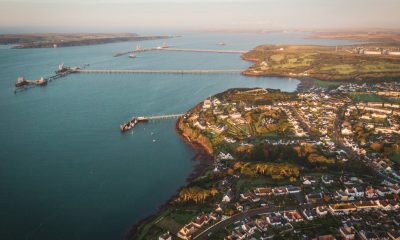
Celtic Freeport five-year plan puts Milford Haven at centre of green energy future
Strategy promises investment, skilled jobs and new supply chains, but major barriers remain over grid connections, planning and delivery THE...


Education1 day ago
Closure of Ysgol Clydau approved after emotional council debate
COUNCILLORS WARNED RURAL COMMUNITIES WILL REMEMBER DECISION PEMBROKESHIRE councillors have voted to close Ysgol Clydau following an emotional debate over...


Education1 day ago
Manorbier school closure process to continue after narrow council vote
Questions remain over insurance, rebuilding costs and possible legal action by Diocese PEMBROKESHIRE councillors have voted to press ahead with...

Community1 day ago
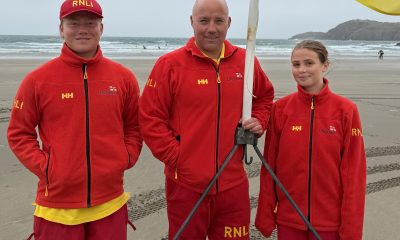
The father, son and daughter lifeguard trio saving lives in Pembrokeshire
A FATHER, son and daughter are preparing to help keep beachgoers safe on the Pembrokeshire coast this summer as part...

Community2 days ago
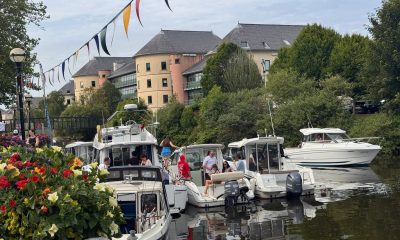
Beating of the Bounds brings music, boats and tradition to Haverfordwest
CENTURIES-OLD CEREMONY DRAWS FAMILIES TO THE RIVERSIDE HAVERFORDWEST’S historic Beating of the Bounds returned on Sunday (Jun 14), with boats,...

Community2 days ago
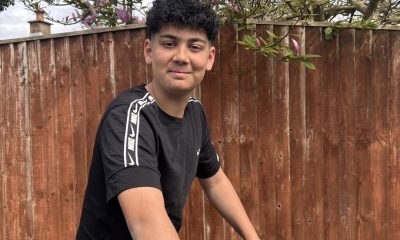
Milford Haven School pupil praised after stepping in during real-life emergency
A YEAR 11 pupil at Milford Haven School has been praised after putting his first aid training into action to...

Community2 days ago
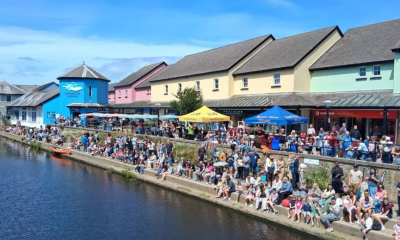
River festival brings crowds to Haverfordwest
A CELEBRATION of the River Cleddau brought crowds into Haverfordwest on Saturday (June 13) as the town’s River Festival returned...

Charity2 days ago
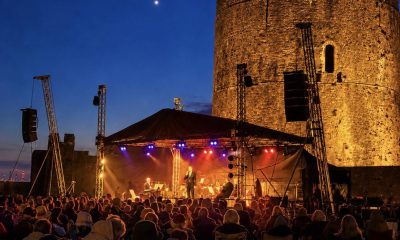
Voices at the Castle hailed as unforgettable night after weather setback
Russell Watson headlines spectacular charity concert at Pembroke Castle A SPECTACULAR evening of live music at Pembroke Castle has been...

Local Government3 days ago
Council admits 74 rights of way complaints remain unresolved
Key post vacant since February as walker raises safety concerns over paths near Llanteg and Amroth PEMBROKESHIRE COUNTY COUNCIL has...


Education4 days ago
Diocese threatens legal action as Manorbier school closure battle intensifies
Church says council could face judicial review over fire-hit school A BITTER row over the future of Manorbier Church in...
-
 Community2 days ago
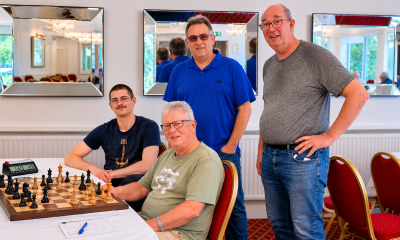
Pembrokeshire Chess Club crowned Welsh champions
-
Education4 days ago
Diocese threatens legal action as Manorbier school closure battle intensifies
-
 Crime7 days ago
Haverfordwest pair accused of £80,000 rogue trading frauds
-

 Crime5 days ago
Man accused of six rapes including alleged Haverfordwest offence
-

 Crime5 days ago
Pembroke Dock teenager sentenced over train strangulation attack
-

 Local Government4 days ago
Taxi suspended after county-wide licensing checks
-

 Crime4 days ago
Currys worker denies stealing £2,500 of store stock
-

 Crime5 days ago
Brothers found guilty of causing death of Welsh dad in ‘reckless’ race