

Health
Anger at Pembrokeshire Withybush hospital downgrade decision

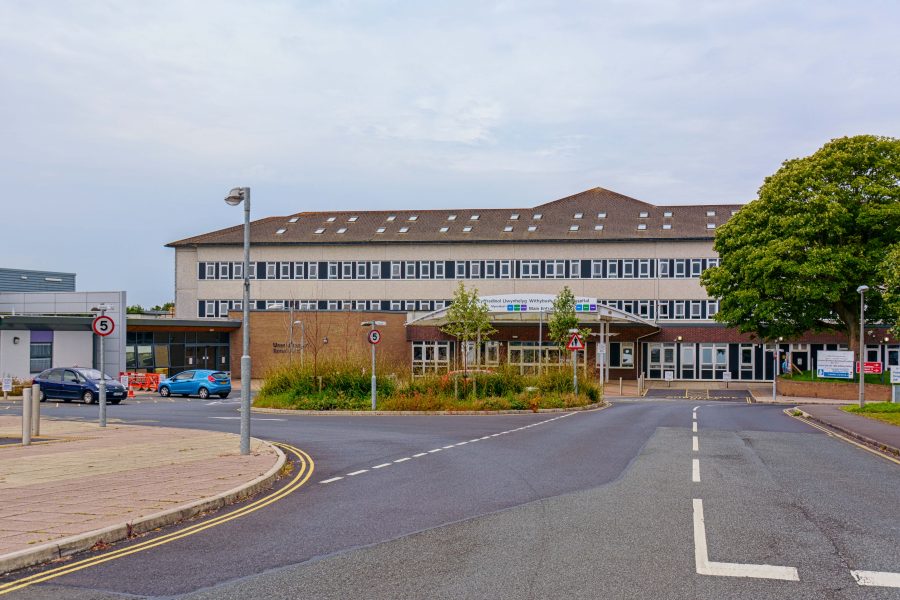
THURSDAY’S health board decision to downgrade the emergency general surgery service at Pembrokeshire’s Withybush hospital has been condemned by local politicians.
Last year, Hywel Dda University Health Board consulted with its communities on options for change in critical care, dermatology, emergency general surgery, endoscopy, ophthalmology, orthopaedics, stroke, radiology and urology.
It said its Clinical Services Plan focuses on nine healthcare services that are “fragile and in need of change”.
These nine clinical services were selected because of risks to them being able to continue to offer safe, high-quality services, or care in a timely manner, the board has previously said.
The proposed changes included an option for Withybush patients needing specialist critical care being transferred to Glangwili.

At a two-day meeting into the proposed changes, held on February 18 and 19, the board backed changes into emergency general surgery which will see no emergency general surgery operations taking place at Withybush, but a strengthening of the same-day emergency care (SDEC).
For the other three hospitals, there would be no change in emergency general surgery provision, other than a strengthening of SDEC at Glangwili.
Members stressed the changes would not happen overnight.
Reacting to the decision, local MP Henry Tufnell described it as “another blow for access to healthcare in Pembrokeshire,” adding: As your MP, I will continue to do everything in my power to fight for improvements to our essential services. I’ll be urging the Health Board to revisit this awful decision on emergency services.”
Plaid Cymru candidate for the forthcoming Senedd elections Kerry Ferguson called on the Health Board to reconsider its decision.
“We are so disappointed with the Health Board’s decision to remove the current emergency general services from Withybush. Whilst the Board has committed to maintaining and strengthening Same Day Emergency Care, residents of west Pembrokeshire will still face at least an hour’s journey to receive emergency operations or significant treatment.
“Residents in Pembrokeshire are rightly worried and anxious about the services Withybush might lose, and losing their emergency general services is a huge blow.

“I call on the Health Board to urgently reconsider their decision, and to take into account the risks and impact that implementing option A will have on residents of Pembrokeshire.”
Local Conservative politicians have also reacted angrily to the Withybush decision, along with changes to the stroke service provision at Ceredigion’s Aberystwyth-based Bronglais hospital.
Local Welsh Conservative Senedd Member, Paul Davies MS said: “I’m appalled that Hywel Dda University Health Board has voted to remove general emergency surgery services from Withybush hospital – but I’m not surprised.
“The Health Board is obsessed with removing services from Pembrokeshire and has spent years downgrading and removing services from Withybush hospital. As one constituent has rightly said, the Board should be rebranded the Carmarthenshire Health Board, as it continues to strip assets from other hospitals in west Wales.
“Removing general emergency surgery services critically undermines the sustainability of Withybush hospital’s A and E department and will result in patients having to be transported for urgent treatment. This is not acceptable – I will be taking this to the Welsh Government and urging Ministers to intervene and stop the Health Board from making this catastrophic decision.”
Fellow Pembrokeshire Conservative Senedd Member Samuel Kurtz MS said: “Residents in Pembrokeshire and Ceredigion are being treated like second class citizens, as it is always us in the West that has to see our services cut.
“The salami slicing of services is exactly what the Labour government have wanted, and the health board are delivering. This is a sad day, and residents will rightly be angry and concerned.”



Plans include same-day mental health support, a National Care Service for Wales and action on women’s health
PLANS to improve access to social care, provide same-day mental health support and strengthen women’s health services have been outlined by the Welsh Government.
Deputy Minister for Social Care, Mental Health and Women’s Health Delyth Jewell said she wanted to give greater prominence to areas which she believes have not received the attention they deserve.
Her priorities include progressing plans for a National Care Service for Wales, with the ambition of delivering social care that is free at the point of need.
The Deputy Minister also said safeguarding arrangements would be strengthened to better protect children and adults at risk.
Mental health services are set to move towards a model of open-access, same-day support, with 21 demonstrator sites already underway and further rollout planned.
The Welsh Government said future action on dementia will also be set out in a new Dementia Strategy for Wales, focusing on brain health, earlier diagnosis and improved support.
A Women’s Health Summit will also be held later this month, bringing together women with lived experience and clinicians.
The summit will focus on tackling the normalisation of pain, with work already underway to improve endometriosis and abortion services, as well as maternity safety and support for families who experience the loss of a baby.
Delyth Jewell said: “I want to help shine a light onto areas that haven’t had the focus they are due.
“On mental health, women’s health, and yes, the social care system that for too long has been undervalued.
“These areas deserve more attention and prominence. They deserve a voice in the heart of government, and I promise I will give that to them.”
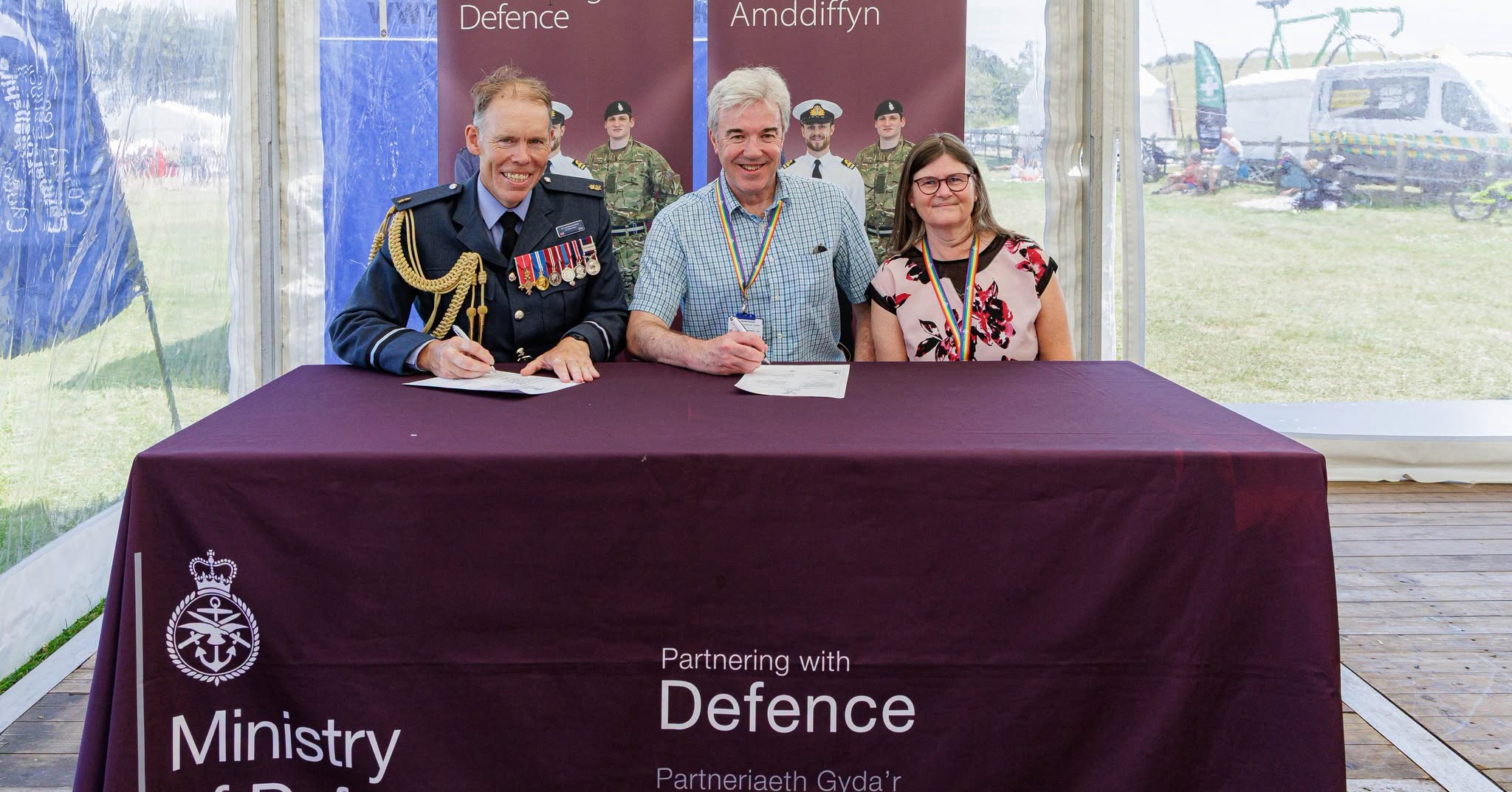
HYWEL DDA UNIVERSITY HEALTH BOARD has reaffirmed its commitment to the Armed Forces community by re-signing the Armed Forces Covenant.
The covenant was signed at the Wales National Armed Forces Day 2026 event, held at Pembrey Country Park on Saturday, June 27.
It was signed on behalf of the health board by Armed Forces Champion and Independent Board Member Michael Imperato, alongside Lisa Gostling, Deputy Chief Executive and Director of Workforce and Organisational Development.
The Armed Forces Covenant is a national promise to ensure that members of the Armed Forces community are treated fairly. It supports serving personnel, veterans, service leavers and their families, with a veteran defined as anyone who has served for at least one day.
By re-signing the covenant, Hywel Dda says it is continuing its role as an Armed Forces friendly employer and healthcare provider across west Wales.
This includes supporting the recruitment and employment of veterans, recognising military skills, providing additional support for reservists, offering flexible working for service families, working with partner organisations, supporting cadet groups and Armed Forces charities, and improving access to healthcare for veterans.
Anyone currently serving, or who has previously served in the Armed Forces, can find out more about the support available through Hywel Dda University Health Board’s Armed Forces Covenant pages.
Staff who are part of the Armed Forces community can also access support through the health board’s Armed Forces Staff Network by contacting [email protected].
Early warning system aims to prevent hospital-related decline and support faster recovery
HYWEL DDA University Health Board is among the first in Wales to introduce a new approach to spotting and preventing hospital-related decline in patients.
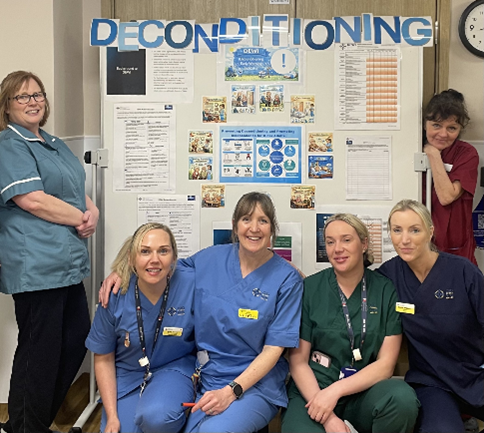
The Deconditioning Early Warning Indicator, known as DEWI, helps staff identify early signs that a patient may be losing strength, mobility or confidence during a hospital stay.
The aim is to make sure patients remain as active and independent as possible while receiving care, helping them return home at the same level of independence they had before admission, or even before they became unwell.
Deconditioning can develop quickly, even during a short stay in hospital, and can affect a patient’s physical, mental and emotional wellbeing.
The DEWI tool uses a structured set of indicators to build a picture of each patient’s abilities and to highlight any changes at an early stage. This allows staff to put timely support in place, including help with movement, nutrition, hydration and confidence.
Developed by NHS Wales Performance and Improvement, the tool has been tested across a number of health boards and was formally launched in November 2025. It is now being rolled out across Hywel Dda hospital sites.
More than 650 patients have already been supported using the DEWI tool during their hospital stay, with early indications showing positive trends in maintaining or improving function during admission.
Sharon Daniel, Executive Director of Nursing, Quality and Patient Experience, said: “We recognise that deconditioning can cause significant harm to our patients, often developing quickly and impacting independence and recovery during a hospital stay.
“It is therefore highly encouraging to see the Health Board leading the way in embedding the DEWI tool, alongside the development of a complementary Action Bundle which helps patients to stay active and independent.”
Across Hywel Dda, ward teams are now building the tool into everyday care. This includes the use of visual information boards and activities designed to encourage patients to remain active, engaged and independent.
Estelle Williams, Sister on the Acute Frailty Unit at Withybush General Hospital, said the tool was already helping staff focus on practical steps.
She said: “From a ward perspective, the DEWI tool has been really useful in helping our staff think about deconditioning as part of everyday care.

“It keeps things simple and focuses on practical actions we can take, like supporting patients to stay mobile, encouraging independence and paying attention to nutrition and hydration.
“It also fits nicely alongside the initiatives we already have in place, including the use of fortified milkshakes, bringing everything together in a more joined-up way.”
James Severs, Executive Director of Allied Health Professions and Health Science, said preventing deconditioning was central to improving outcomes for patients.
He said: “Preventing deconditioning is fundamental to improving patient outcomes and reducing the long-term impact of illness.
“This work highlights the vital role all ward staff have in keeping people active, supporting recovery and maintaining independence throughout their hospital stay.
“By identifying risks early and intervening promptly, we are helping patients recover faster and return home with greater confidence.”
The Health Board said future phases will focus on further developing the DEWI tool and embedding it as part of standard care before, during and after hospital admission.
Caption: The Deconditioning Team at Withybush General Hospital. From left: Annie, Occupational Therapy Technician; Ruth and Rosie, nurses; Lauren, Health Care Assistant; Estelle, Sister; and Violet from Hotel Services.



Business23 hours ago
Pembrokeshire lands £98m share of Wales marine energy boom
New industry report says county has received the second highest level of marine energy investment in Wales, supporting more than...


Crime23 hours ago
First aider tells jury teacher was “crying, shaking” after classroom stabbing
A SCHOOL first aider has told a jury that teacher Vicki Williams was “crying, shaking” and in “complete shock” after...


Crime2 days ago
Teacher feared she was dying after Milford Haven classroom stabbing
A TEACHER allegedly stabbed in the head at Milford Haven Comprehensive School told a jury she feared she was dying...


News2 days ago
Farage to resign as MP and fight Clacton by-election amid finance row
NIGEL FARAGE has announced he will resign as MP for Clacton and stand again in the by-election he intends to...
Crime2 days ago
Teacher tells jury there were ‘no issues’ with accused pupil hours before ‘stabbing’
Milford Haven teacher gives evidence as trial of 15-year-old continues at Swansea Crown Court A TEACHER allegedly stabbed at Milford...


News3 days ago
Major incident stood down after fire at Impala Terminal in Milford Haven
Fire involved decommissioned oil tank containing residual crude oil and around 60 cylinders A MAJOR incident declared during a fire...


News3 days ago
Large fire breaks out at Impala Terminal in Milford Haven
Black smoke seen for miles as emergency services respond to incident at former Puma Energy site A LARGE fire has...
Crime3 days ago
Prosecution outlines ‘planned attack’ as Milford Haven teacher stabbing trial opens
Jury hears teenager allegedly brought kitchen knife into school before teacher was stabbed in the head THE JURY in the...

Crime3 days ago
Boy, 15, denies attempted murder of Milford Haven teacher in ‘horrifying’ attack
Swansea Crown Court hears dramatic opening of trial over February stabbing A 15-YEAR-OLD boy from Milford Haven has gone on...


Crime4 days ago
Fishguard man cleared after five years in prison refused compensation again
Brian Buckle’s case raises fresh questions over justice system that says a man can be cleared by a jury but...
-

 Entertainment7 days ago
Pembrokeshire DJ lands record deal with London dance label
-
 Community6 days ago
Closure-threatened Stepaside school expected to remain open
-

 Education6 days ago
Education secretary vows to tackle ‘root causes’ of antisocial behaviour in schools
-

 Crime7 days ago
Llandeilo man accused of rape sent to Crown Court
-

 Community6 days ago
Saundersfoot Harbour regeneration project wins national planning award
-

 Education6 days ago
First Minister pressed on biological sex, additional learning needs, and NHS jobs
-

 Education6 days ago
Ysgol Glannau Gwaun celebrates prestigious Gold Active Travel award
-

 Charity7 days ago
Milford Haven Round Table receives £6,000 boost for carnival and fireworks