


Health
Who is responsible for NHS changes affecting west Wales?

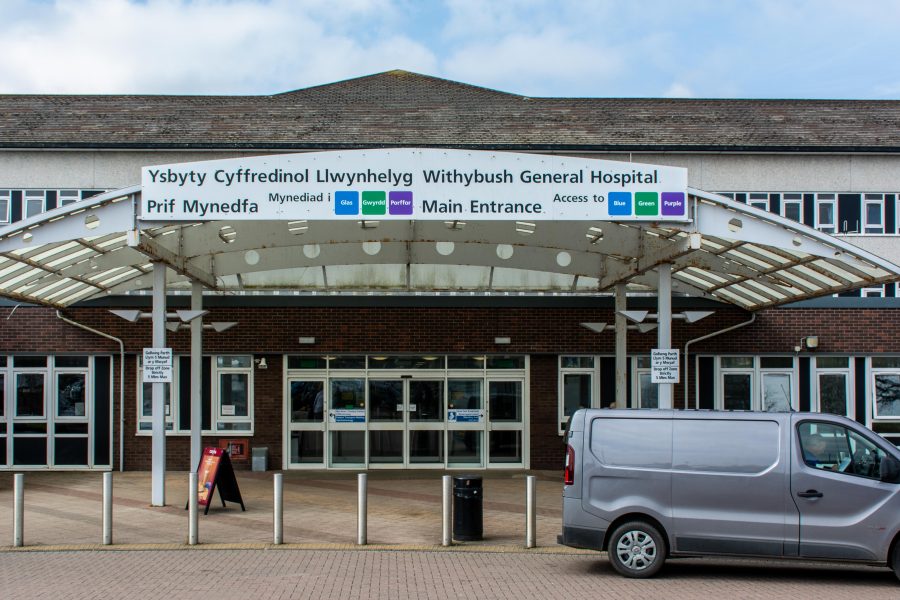
Confusion grows over decision-making as concerns mount about future of local hospital services
QUESTIONS over who ultimately decides the future of NHS services in west Wales are becoming increasingly prominent as uncertainty continues around proposals affecting hospitals including Withybush and Bronglais.
With public concern rising, political debate intensifying, and a petition attracting thousands of signatures, many residents are asking a simple question: who is actually responsible for decisions that could reshape healthcare across the region?
The answer is complex — but responsibility does not sit in just one place.
Welsh Government Ministers hold overall responsibility for the NHS in Wales because health is devolved to Cardiff Bay. The Cabinet Secretary for Health and Social Care sets national policy, determines funding allocations and has the power to intervene in major service reconfiguration proposals. While Ministers often emphasise that local health boards manage delivery, they remain politically accountable to the Senedd for NHS performance and outcomes across the country.
At a regional level, Hywel Dda University Health Board is responsible for planning and delivering services across Pembrokeshire, Carmarthenshire and Ceredigion. The health board manages hospitals including Withybush, Glangwili and Bronglais, oversees staffing and budgets, and develops proposals for service changes. It is the body that produces consultation documents and makes operational decisions, but it does so within financial and strategic frameworks set by Welsh Government.

Public consultation exercises play an important role in shaping proposals, but they do not determine the final outcome. Feedback gathered from residents, clinicians and stakeholders is considered by the health board before decisions are taken. In some circumstances, proposals may be referred to Welsh Ministers for approval or intervention, particularly if there is significant controversy or political concern.
Members of the Senedd, including local representatives, scrutinise decisions and raise constituent concerns, but they do not directly control NHS services unless they are part of the Welsh Government. Opposition politicians can apply pressure and influence debate, but executive authority ultimately rests with Ministers and the health board.
The shared nature of responsibility has led to frustration among some residents, who feel accountability is unclear when services face potential change. Health boards point to funding constraints and national policy requirements, while Welsh Government often emphasises that operational decisions are taken locally.
In practice, both levels of the system play critical roles. Health boards design and implement plans, while Welsh Government sets the strategic direction and retains the power to intervene if necessary.

Concerns about healthcare provision in west Wales have intensified in recent months amid wider debate about NHS performance, waiting times and access to services. Political disagreements have also sharpened ahead of the Senedd elections scheduled for 2026.
For patients and communities, however, the central issue remains access to safe and timely care close to home — regardless of where responsibility ultimately lies.
The Herald has asked Welsh Government and Hywel Dda University Health Board for comment on decision-making processes relating to potential service changes affecting west Wales.


AUDIT WALES has raised fresh concerns about digital transformation in parts of NHS Wales, warning that weaknesses in planning, funding, governance and assurance could limit the impact of modernisation efforts.
The findings come in two new reports examining digital transformation at Velindre University NHS Trust and Powys Teaching Health Board.
At Velindre, Audit Wales found that the trust recognises digital transformation as central to modernising services and has a ten-year digital strategy in place. However, auditors said the strategy does not include a detailed, costed delivery plan, making it harder for the trust to prioritise work, use resources effectively, and be confident that its ambitions can be delivered.
In Powys, auditors found a clearer digital framework and improved governance, but warned that weaknesses remain around financial planning, measuring benefits, assurance reporting, legacy systems, disaster recovery and long-term resilience.
The reports raise wider questions about whether NHS Wales has the leadership, infrastructure and resources needed to deliver digital healthcare reform at pace.
Digital transformation is seen as vital to reducing pressure on services, improving patient records, cutting duplication, supporting safer prescribing and helping clinicians access information more quickly.
However, repeated delays and inconsistent systems across the NHS have long been a source of frustration for staff and patients.
Welsh Conservative Shadow Minister for Health and Social Care, Natasha Asghar MS, said: “Digital transformation is essential if we are to improve patient outcomes, reduce waiting lists and modernise the NHS in Wales, but that cannot happen without the right infrastructure, leadership and delivery in place.
“Plaid’s so-called plan is still only a proposal to develop a future strategy, rather than delivering the action needed. These reports show NHS Wales cannot afford more vague promises and delayed delivery.
“If Ministers are serious about reforming healthcare in Wales, creating an environment where digital transformation can succeed must be a top priority.”
The issue is likely to be watched closely across west Wales, where patients often rely on services spread across multiple hospital sites and health boards.
The Herald will be asking the Welsh Government and Hywel Dda University Health Board what assurances they can give that digital systems in west Wales are fit for purpose, properly funded, and able to support safer and faster patient care.


A SECOND phase of public consultation is to be held on the future of stroke services across Hywel Dda University Health Board’s four main hospitals.
The Health Board endorsed the move on May 28, as part of its wider Clinical Services Plan, which is looking at fragile hospital services and how care can be made safer, more sustainable, accessible and kind.
At an extraordinary board meeting in February, decisions were made on eight of the nine services being reviewed. However, no final decision was taken on stroke services, after board members agreed that further work and engagement were needed.
The Health Board says its current stroke services do not consistently meet national clinical standards. Services are currently spread across four hospital sites, with no specialist stroke cover available seven days a week, which can affect patient outcomes and recovery.
Since February, further work has been carried out to develop and test a preferred option for stroke services.
The proposal combines elements of two alternative options put forward by communities during the first phase of consultation last summer.
The preferred option includes a 24-hour acute stroke and rehabilitation unit at Glangwili Hospital, a stroke rehabilitation unit at Bronglais Hospital, and treat-and-transfer services at Bronglais, Prince Philip and Withybush hospitals.
Under the model, patients would be transferred to Glangwili Hospital or to a specialist thrombectomy centre where appropriate.
The Board heard that the proposal had been assessed in the same level of detail as previously considered options, met the required criteria, and had support from clinical and operational representatives.
The second phase of consultation will run for eight weeks, from May 28 until July 26.
People will be asked whether they support the preferred option and why. They will also be able to comment on the other options previously considered by the Board, including Option A, Option B, Option 106 and Option 210.
The consultation will also seek views on any other issues that should be considered, including potential impacts on equality and the Welsh language.

Dr Neil Wooding, Chair of Hywel Dda University Health Board, said: “Today’s decision means we can now return to our communities to ask their views on a preferred option. The option was developed using suggestions put forward by our communities in the first place. This is an important step before any final decision on stroke services is made.
“As a Board, we are committed to working together to ensure we provide the best possible care for our patients, including the best outcomes for people who suffer a stroke. Change can be challenging, but we must adapt to ensure our services meet stroke standards and enable people to have the best possible recovery from this life-altering condition.”
The Health Board said a range of engagement opportunities will be offered, including public drop-in events, online sessions, community outreach, hospital site visits, staff briefings and targeted engagement with community groups.
Information will also be made available in accessible formats and different languages.
Mark Henwood, Executive Medical Director, said: “We know how important stroke services are to the people we serve and to our staff. This second phase of consultation represents an important stage in shaping the future of stroke services across Hywel Dda.
“I encourage everyone to get involved – whether by completing the questionnaire or attending one of our events. Your experiences and feedback will play a vital role in helping us make well-informed decisions to deliver the best possible outcomes for patients.”
The Health Board will consider feedback from both phases of the consultation, alongside evidence, data, clinical advice and impact assessments, before making a final decision later this year.
Further information, including event details, the questionnaire and documents in accessible formats and languages, is available on the Health Board’s consultation webpage.
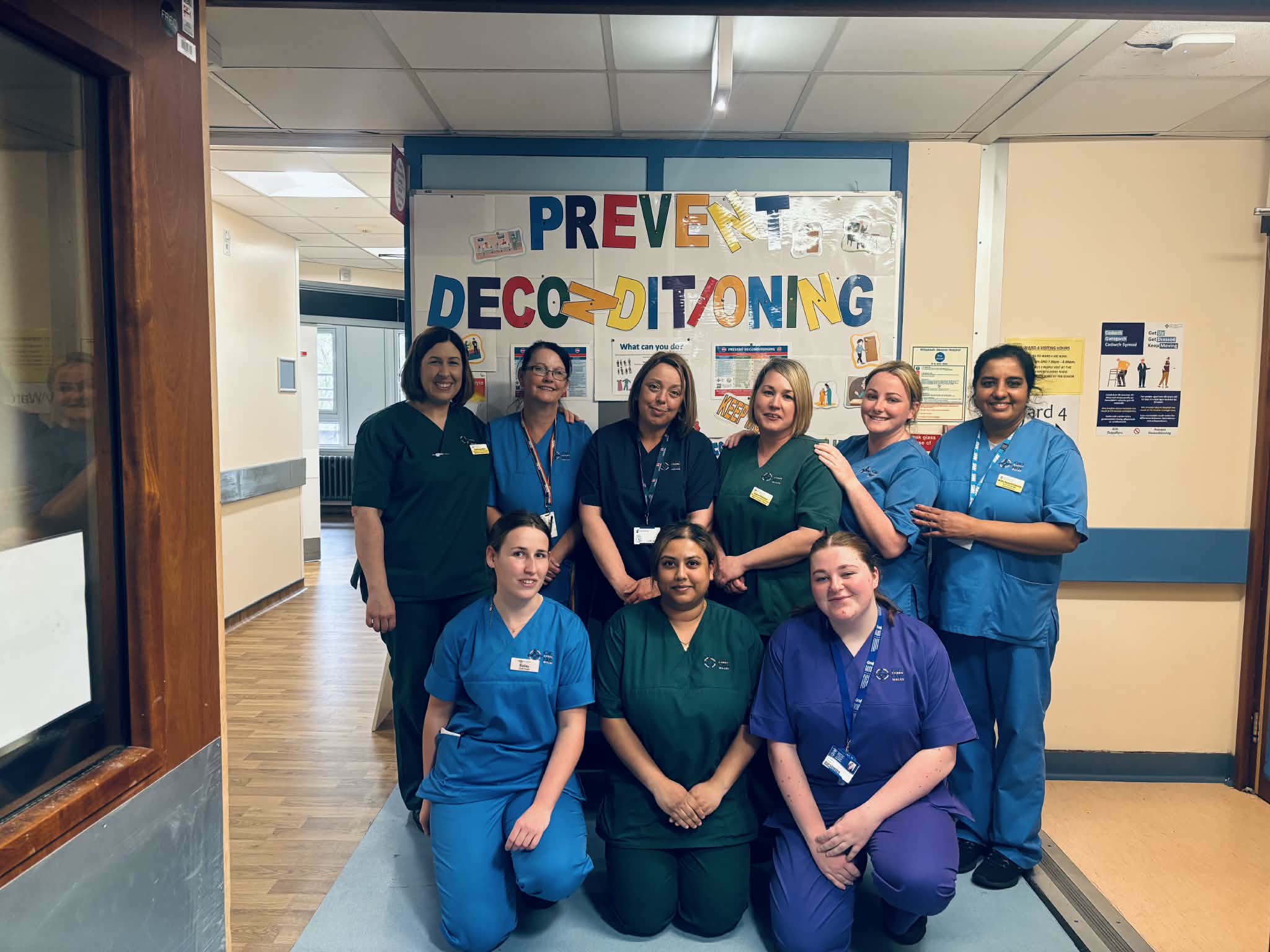
STAFF from Ward 4 at Withybush Hospital are preparing to climb Pen y Fan to raise money for their surgical ward.
The team will take on the challenge on Saturday, September 5, 2026, climbing the highest peak in South Wales in Bannau Brycheiniog.
The fundraiser aims to raise £500, with money going directly towards improving the ward environment for patients.
Staff said: “We have organised this event to raise funds that will go directly towards enhancing the ward environment for patients, including purchasing items such as TVs to improve comfort and wellbeing during their stay.
“We’re hoping to raise £500.”
Katie Hancock, Fundraising Officer, said: “A huge thank you to the team on Ward 4 for embracing the challenge and choosing to raise funds for their ward. We hope you have a fantastic day and truly enjoy the experience.
“The generous charitable donations we receive do not replace NHS funding. Instead, they support additional items and activities outside core NHS expenditure. These small extras make a big difference, and we are so grateful for every donation we receive.”
Donations can be made to the Ward 4 Pen y Fan fundraiser at: https://hyweldda.enthuse.com/cf/ward-4-staff-at-withybush-hospital-s-pen-y-fan-cha
For more information about Hywel Dda Health Charities and how to support local NHS patients and staff, visit: hywelddahealthcharities.nhs.wales
Pictured:
Staff from Ward 4



Community3 hours ago
RNLI lifeguards rescue beachgoers during busy heatwave weekend
FOUR PEOPLE RESCUED AS RIP CURRENTS AND OFFSHORE WINDS HIT PEMBROKESHIRE BEACHES RNLI lifeguards in Pembrokeshire rescued four people and...

Local Government4 hours ago
Council and school staff pay row could hit Pembrokeshire services
COUNCIL workers, carers and school support staff in Pembrokeshire could be drawn into a growing UK-wide pay dispute after GMB...

Health10 hours ago
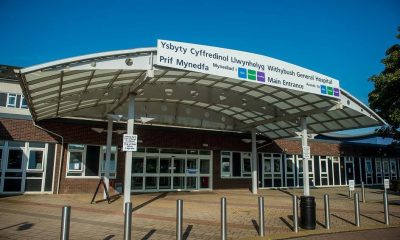
Hywel Dda to hold second consultation on future of stroke services
A SECOND phase of public consultation is to be held on the future of stroke services across Hywel Dda University...


Community10 hours ago
Warning as algal blooms mistaken for sewage on Welsh coast
Beachgoers urged to avoid contact with suspicious foam and report pollution concerns NATURAL RESOURCES WALES has issued summer advice to...

News21 hours ago
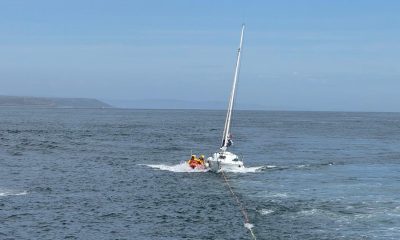
Yacht towed to safety after engine failure off Tenby
A YACHT was towed to safety by Tenby RNLI after suffering total engine failure around 15 miles south-east of the...


Crime2 days ago
Haverfordwest sex offender jailed over child abuse material
Registered offender used library computers to hide social media accounts A HAVERFORDWEST sex offender who used public library computers to...


Local Government2 days ago
Milford Haven school redevelopment moves a major step closer
£141.6m scheme could transform education in the town A MAJOR step forward has been taken in the long-awaited Milford Haven...

Crime2 days ago
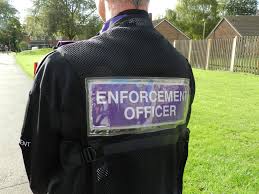
Castlemorris man spared jail after knife confrontation over council tax debt
A CASTLEMORRIS man has avoided immediate custody after threatening enforcement officers with a knife during an early-morning visit over unpaid...


News3 days ago
Lifeboats and helicopter join search for missing person off Broad Haven
SEARCH teams carried out a major operation at Broad Haven after reports of a missing person. Little and Broad Haven...


News3 days ago
Multi-agency rescue after child falls on rocks while coasteering
Child airlift requested after four-metre fall near Lydstep A CHILD was rescued from rocks near Lydstep after falling around four...
-
 Health4 days ago
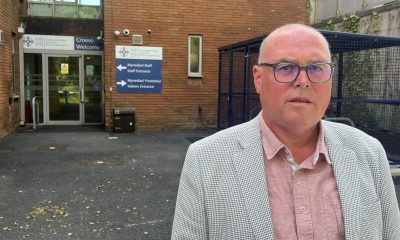
Paul Davies warns health board over Withybush and Bronglais services
-
 Crime5 days ago
Police tip-off leads to drink-drive ban for Pembrokeshire pensioner
-

 Crime5 days ago
Steynton motorist banned after drink-drive collision
-
Crime4 days ago
Carmarthenshire man sent to Crown accused of 33 historic sexual offences
-

 Crime5 days ago
Warrant issued for man accused of taking wild goldfinches
-
 Crime5 days ago
Dock man given suspended prison sentence for third drink-drive offence
-

 Crime5 days ago
Dock motorist fined £1,600 after four speeding offences
-
 Local Government6 days ago
Dennison code breach raises serious questions over common sense at County Hall