


Farming
Welsh farmland plays vital role in bird survival, study finds

Research across farms reveals 69 species, including threatened birds
WELSH farmland is playing a crucial role in supporting bird populations, according to a new study which could help reverse decades of decline.
The Farming Connect-led research, carried out across fourteen farms in Wales, recorded sixty-nine different bird species – including sixteen classified as threatened on the International Union for Conservation of Nature (IUCN) red list.
Populations of farmland birds have fallen sharply in recent decades, but the findings suggest that well-managed agricultural land can still provide important habitats for a wide range of species.
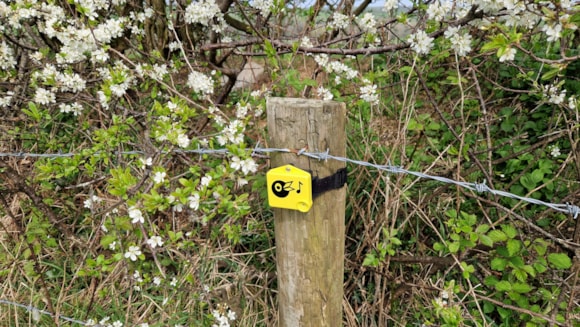
The study, conducted during the April to June breeding season in 2025, used specialist recording devices to capture birdsong during the dawn chorus. Two sensors were placed on each farm across a range of habitats, including dairy, beef and sheep systems.
Recordings were analysed using artificial intelligence software, allowing researchers to identify species and assess biodiversity levels across different landscapes.

The results varied significantly between farms, with one site recording as many as forty-six species.
Farming Connect biodiversity specialist Lynfa Davies, who oversaw the project, said the presence – or absence – of certain birds can reveal how well a habitat is functioning.
She said: “If insect-feeding birds are scarce, it suggests the land is not supporting enough insects. Measures such as planting flower-rich margins or allowing wet scrub to develop can make a real difference.”
Among the threatened species identified were linnet, tree pipit, curlew, greenfinch, ring ouzel and wood warbler.

“The presence of these birds highlights the importance of farmland and the role it plays in providing valuable habitats,” she added.
Researchers also examined “trophic niches” – the roles species play within the food chain. The study identified a range of groups including insect-eaters, omnivores and top predators such as birds of prey.
The presence of these predators, known as vertivores, suggests healthy ecosystems, as they rely on a strong chain of smaller species for food.

The findings could help shape future land management across Wales, with experts suggesting wider use of monitoring technology could support biodiversity on a larger scale.
The study also points towards the potential for farmers to play a central role in reversing wildlife decline by creating and maintaining habitats that support a broader range of species.

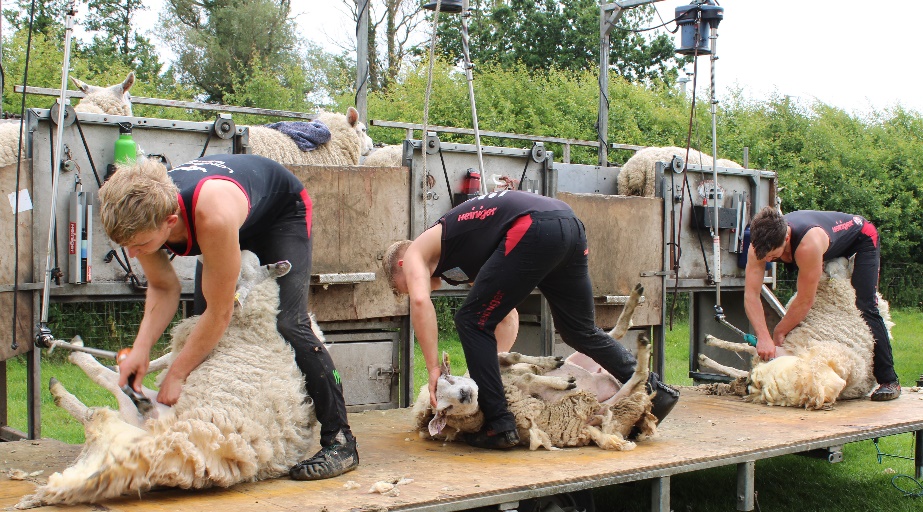
BRITISH WOOL recently reported that fleece value is at its highest for 10 years. With the shearing season underway for 2026, Heiniger’s Hefin Rowlands suggests that there has never been a better opportunity for farms to realise the best price for wool.
“The average payment increased to 68p per kilo last year, which was up from just 40p. Higher grade wools from breeds such as Cheviots are returning 85p per kilo. This makes the preparation for shearing and the shearing process all the more important,” he says.
Mr Rowlands points to the need for preparation to make the process better for shearers and sheep.
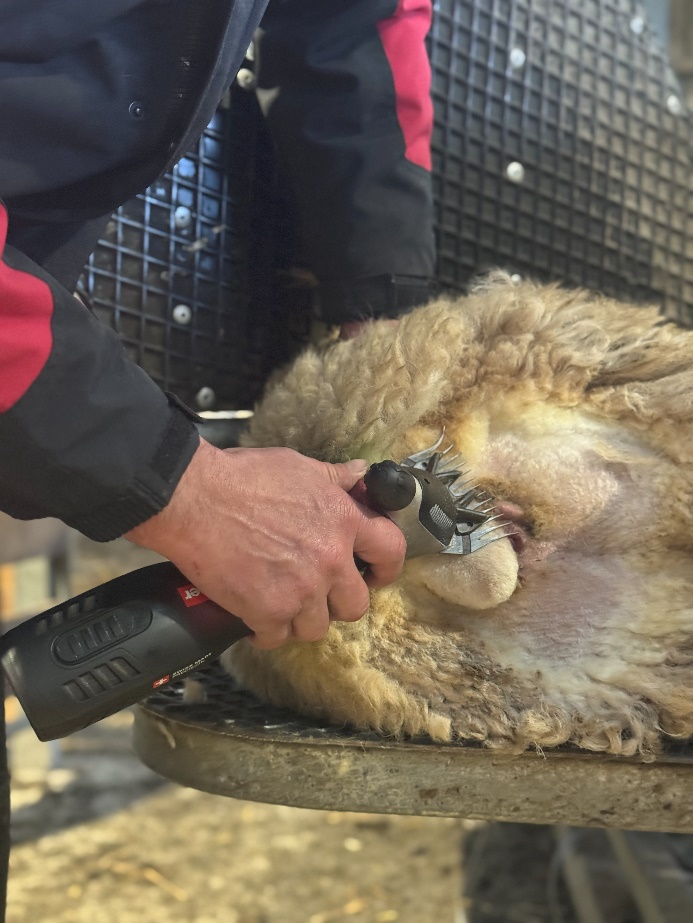
“Fasting, dagging and separating ewes from lambs will help, whether a farm is bringing in professional shearers or not. Straw, dirt and dung in fleeces seriously detracts from wool value, so both sheep and the area being used to shear should be as clean as possible,” he says.
He suggests that using the best quality equipment will also play a big part in how efficient the shearing process is.
“Factory sharp blades and the correct clothing are essential to any shearer. Heiniger has been manufacturing world-leading shears since 1946, so we know how important the right shears are to getting the best cut. But even the best shears need to have clean, sharp combs and cutters, which is why we offer free postage for servicing our equipment,” he says.
British Wool suggests that returns for the 2026 cut could rise by a further 25p-30p per kilo, meaning some wool will realise prices in excess of £1 per kilo.
“There is strong demand and it pays to meet this with the best quality wool. Investing in equipment and a good set of shears has never been more important for farms looking to take advantage of rising wool prices. However, nothing beats experience and this is where professional shearers can help make all the difference,” he says.
Above all, Mr Rowlands advocates that farms give shearing the attention it deserves, especially in a year when returns are projected to be high.
“Spending on the right equipment, preparing sheep well and working carefully to produce a clean fleece will pay dividends. The average fleece weight is around 4 kilos which means a flock of 250 ewes could return upwards of £1000 this year, and that makes investing time and effort in shearing a worthy choice to maximise returns,” he concludes.
RISING IMPORTS RAISE FOOD SECURITY CONCERNS
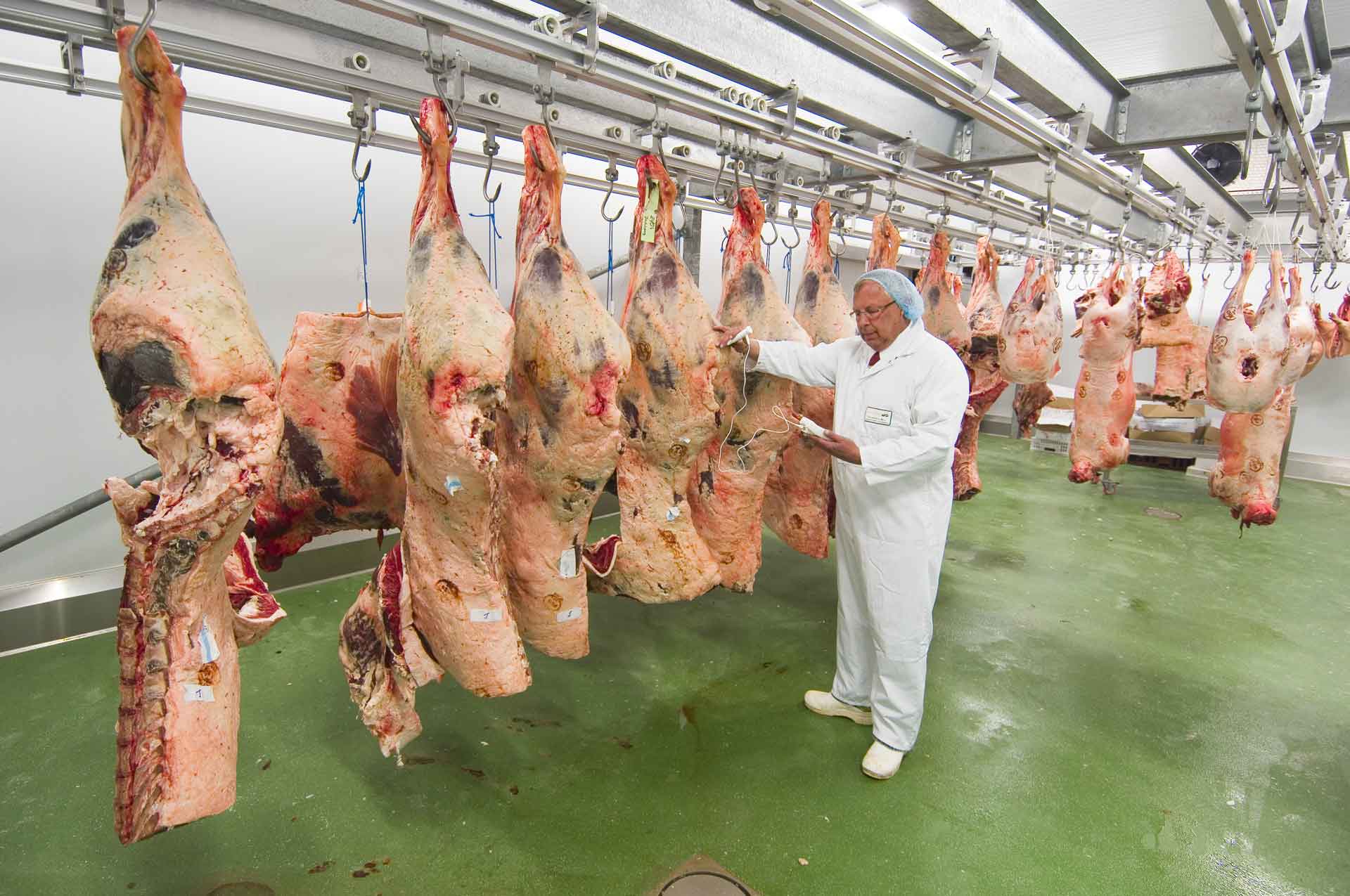
THE CO-OP has called for stronger government support for British farmers after new figures showed the UK’s imported meat bill rose to more than £5bn last year.
HMRC data obtained by the retailer shows the value of meat imported into the UK increased by 15 per cent year-on-year, from £4.33bn in 2024 to £5.06bn in 2025.
The Co-op said the figures raised fresh concerns about the resilience of Britain’s food system at a time of climate change, global conflict and disruption to international supply chains.
Poultry was the most imported protein, worth almost £2bn in 2025. Poland and the Netherlands accounted for the largest share, while poultry imports from Thailand rose by almost 50 per cent compared with the previous year.
The retailer, which says it sells and uses 100 per cent British meat and poultry, said the UK’s growing reliance on overseas supply chains left shoppers and farmers more exposed to global shocks.
It is now backing proposals from the Co-operative Party calling for agricultural co-operatives to be scaled up and better supported as part of the Government’s long-term farming plans.
The policy paper argues that farmer-owned co-operatives can help producers share costs, reduce risk, invest collectively and secure stronger bargaining power in the food supply chain.
There are currently estimated to be more than 500 agricultural co-operatives in the UK, generating income of more than £9bn.
Paul Gerrard, Director of Public Affairs and Campaigns at Co-op, said: “The issue of supply chain resilience is upon us now and there is a clear and demonstrable benefit to the co-operative business model in agriculture.
“An expansion of agricultural co-operation is both an economic opportunity and a political imperative: it directly addresses the need for a more secure and sustainable food system, one less exposed to the volatility of global markets and the instability in a rapidly changing world.”
Joe Fortune, Leader of the Co-operative Party, said co-operation was “a form of strategic resilience” and called on Government to help grow the sector.
The party’s proposals include clearer government guidance for farmers, stronger representation for co-operatives in policy-making, improved access to finance, support for producer organisations, and greater use of public procurement to back British farming.

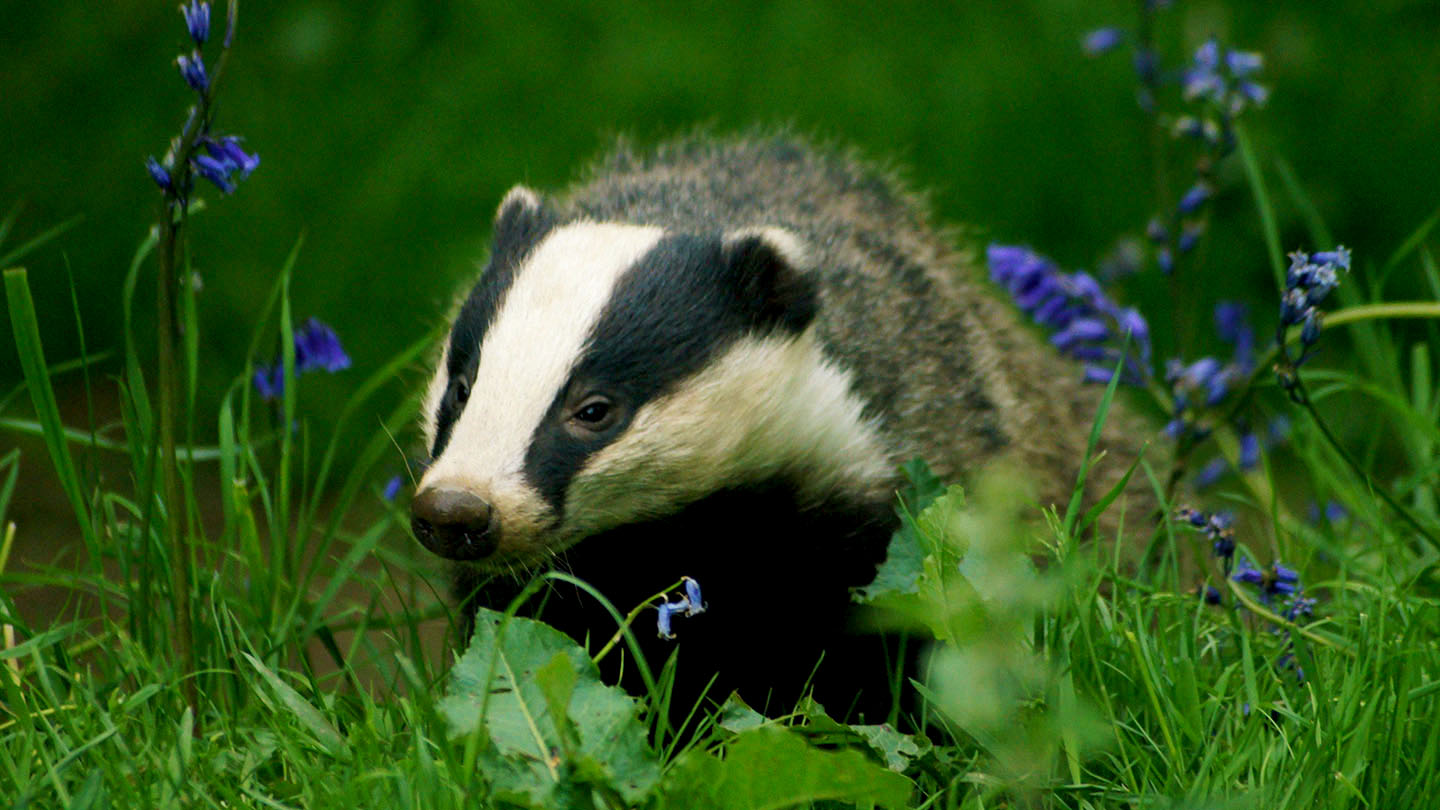
Charity says Wales should continue science-led approach as bovine TB cases fall
BADGER Trust has called on the next Welsh Government to maintain a science-led and non-lethal approach to tackling bovine tuberculosis.
The charity says Wales should continue to focus on cattle testing, farm biosecurity and support for farmers, rather than wildlife intervention.
According to Badger Trust, bovine TB cases in Wales had fallen by 13.6% by the end of 2025, without any wildlife culling. It said this compared with a 5% fall in England over the same period.
The charity said 5.3% of cattle herds in Wales were not officially TB-free at the end of 2025, down 0.4 percentage points on the previous year. It said 567 new herd incidents were recorded during the year, alongside a 27% reduction in early cattle slaughter.
Badger Trust said bovine TB remains a serious threat to cattle health, but argued that the best response is a cattle-focused policy, including more frequent and enhanced testing, improved farm hygiene, and non-slaughter options for cattle testing positive.
The charity said: “The premature culling of cattle due to a failed bovine TB test is outdated and unnecessary. Instead, strict segregation is an effective alternative.
“The main focus must be on eliminating the reservoir of bovine TB in the national herd in preparation for cattle vaccination.”
Badger Trust also argued that bovine TB can remain dormant in cattle and in the environment for long periods before being detected, which can lead to mistaken assumptions that infection has entered a closed herd from wildlife.
It said the disease can also be spread through contaminated vehicles, workwear, manure and slurry if proper biosecurity measures are not followed.
The charity added: “Focusing on badgers distracts from the real issue, as DNA testing shows that 94-95% of bovine TB infections are transmitted directly between cattle.
“The only effective way to combat bovine TB is to address it at its source: within the cattle population.”
Badger Trust is urging the next Welsh Government to “hold its nerve” and continue with a science-led, evidence-based, non-lethal policy.

Nigel Palmer, Chief Executive of Badger Trust, said the charity wanted Wales to continue “leading by example” in its approach to tackling the disease.
Badger Trust says it welcomes the end of intensive badger culling licences in England in 2026, but remains opposed to presenting badger vaccination as the main solution to bovine TB. It argues that improved cattle testing and stronger farm biosecurity offer a more effective and humane way forward.
The charity also warned that badgers face a separate threat from changes linked to the Planning and Infrastructure Bill, which it says could weaken protections for badger setts in development areas.
Badger Trust is the leading voice for badgers in England and Wales and works through a network of local badger groups. Its Badgers Belong Here campaign promotes badger protection and public education.



News2 days ago
State Opening overshadowed by Starmer leadership crisis
KING CHARLES has arrived at Parliament for the State Opening as Sir Keir Starmer faces the most serious crisis of...


News2 days ago
Rhun ap Iorwerth becomes Wales’ new First Minister
PLAID CYMRU TAKES POWER AFTER HISTORIC SENEDD VOTE PLAID CYMRU leader Rhun ap Iorwerth has become Wales’ new First Minister...


News3 days ago
Hotel was hit during a Luftwaffe bombing raid
THE COMMEMORATION, held on Tuesday (May 12), marked the anniversary of the wartime attack, with members of the community gathering...


News3 days ago
Starmer fights for survival as Labour civil war erupts
Cabinet split, ministers resign and MPs revolt as pressure mounts on Prime Minister after disastrous election losses KEIR STARMER is...


News4 days ago
Starmer accused of ignoring Wales in major ‘reset’ speech
Prime Minister pledges EU reset, British Steel nationalisation and youth jobs guarantee — but critics say Wales was left out...


Community4 days ago
Concern grows after child hospitalised following Tenby sea swim
PARENT SAYS BOY BECAME SERIOUSLY ILL AFTER SWIMMING DURING FAMILY VISIT CONCERN is growing in Pembrokeshire after a parent claimed...


News4 days ago
Rhun prepares for clash with Starmer as Plaid eyes power in Cardiff Bay
PLAID CYMRU leader Rhun ap Iorwerth has signalled he is ready for confrontation with Prime Minister Keir Starmer after the...


News5 days ago
Plaid Cymru celebrates historic victory as Rhun ap Iorwerth arrives at Cardiff Bay
CROWDS gathered outside the Senedd as Plaid Cymru leader Rhun ap Iorwerth arrived in Cardiff Bay following his party’s historic...


Crime5 days ago
Police standoff ends after four-hour incident in Pembroke Dock
ELIZABETH COURT SCENE STOOD DOWN AFTER DOMESTIC INCIDENT A FOUR-HOUR police standoff in Pembroke Dock has ended with a 21-year-old...


Crime6 days ago
Teen denies attempted murder of Milford Haven teacher
TEENAGER REMANDED AHEAD OF JULY TRIAL A 15-YEAR-old boy has denied attempting to murder a teacher during a stabbing incident...
-

 Crime2 days ago
Teenager banned from roads after being caught six times over drug-drive limit
-

 Crime2 days ago
Man threatens to torch Silverdale Lodge through ‘demon drink’, court hears
-

 Crime2 days ago
Man sentenced for stalking women and threatening to torch home
-
Crime5 days ago
Police standoff ends after four-hour incident in Pembroke Dock
-

 Crime2 days ago
Violent man jailed after ‘Banksy’ claims and campaign of domestic abuse
-
Community4 days ago
Concern grows after child hospitalised following Tenby sea swim
-

 Local Government3 days ago
Council leadership hopeful responds after anti-Tory rally photos surface
-

 Crime2 days ago
Man denies exposure in Pembrokeshire town