

Education
Additional Learning Needs support in Wales under strain, says Audit Wales


THE SYSTEM supporting children and young people with Additional Learning Needs in Wales is facing serious pressures that could threaten its long-term sustainability, according to a new report from Audit Wales.
Published on Tuesday (Apr 7), the report examines support for children and young people with Additional Learning Needs, or ALN, in the context of changes introduced under the Additional Learning Needs and Education Tribunal (Wales) Act 2018.
Audit Wales said public bodies do not have a full understanding of demand, workforce capacity, skills, costs or outcomes, leaving them without the information needed for effective planning, budgeting and value-for-money assessments.
The report raises concerns about whether the current system is performing well enough to help learners achieve their full potential.
In 2024-25, 48,257 learners aged from nought to 25 were recorded as having ALN or Special Educational Needs. However, Audit Wales said that figure is incomplete and does not capture the full picture across all settings.

Available data shows the number of school learners recorded as having ALN or SEN fell by 58 per cent between 2018-19 and 2024-25, although the reasons for that drop are disputed. Over the same period, the number of school learners receiving statutory support through a statement of SEN, or now an Individual Development Plan, increased by 164 per cent.
The report says spending on supporting learners with ALN has also risen significantly, adding pressure to already stretched public budgets. While Audit Wales said it could not put an exact figure on total spending, identifiable annual costs are approaching £1 billion, with the true figure likely to be higher.
Councils’ budgeted expenditure on ALN or SEN rose by 34 per cent in real terms between 2018-19 and 2025-26.
Audit Wales said its conclusions were based on evidence showing that the system lacks good enough data to understand growing demand and complexity, while patchy workforce information makes it harder to assess staffing capacity and skills gaps. It also found that public bodies do not have a strong enough understanding of costs, raising concerns about financial sustainability.
The report adds that although the goals of the ALN system are clear, there is only limited evidence on whether it is delivering strong outcomes for learners, and that the system remains adversarial despite some signs of improvement.
Its recommendations are aimed mainly at the Welsh Government, particularly in its national leadership role, although Audit Wales said successful implementation would require action from a wide range of public bodies.
Auditor General Adrian Crompton said: “Children and young people with Additional Learning Needs include some of the most vulnerable people in society.

“There has been a significant amount of work involved in efforts to reform the system for the better over recent years. However, the system remains under strain and there is still a lot more that can be done to ensure it does as well as it can for our children and young people, both now and for future generations.”
The 2018 Act introduced a new system designed to create a more integrated, collaborative and person-centred approach to supporting learners with ALN. It extended statutory provision to learners aged nought to 25 and replaced the previous separate systems for under-16s with SEN and post-16 learners with learning difficulties or disabilities.
A major part of the reform was the introduction of Individual Development Plans, which replaced both non-statutory SEN support and statutory statements of SEN. Under the new system, every learner with ALN is entitled to an IDP.
Audit Wales stressed that the figure of 48,257 learners does not include all settings for learners aged nought to 25, including further education, meaning the overall scale of need may be higher than official data suggests.
For more information, contact Rhian Jones at Audit Wales on 02920 320 575 or by email at [email protected]
.


PEMBROKESHIRE COLLEGE students have been congratulated after completing a challenging three-day expedition in sunny Pembrokeshire.
The group spent three days carrying all their own kit while navigating across the county using maps and compasses.
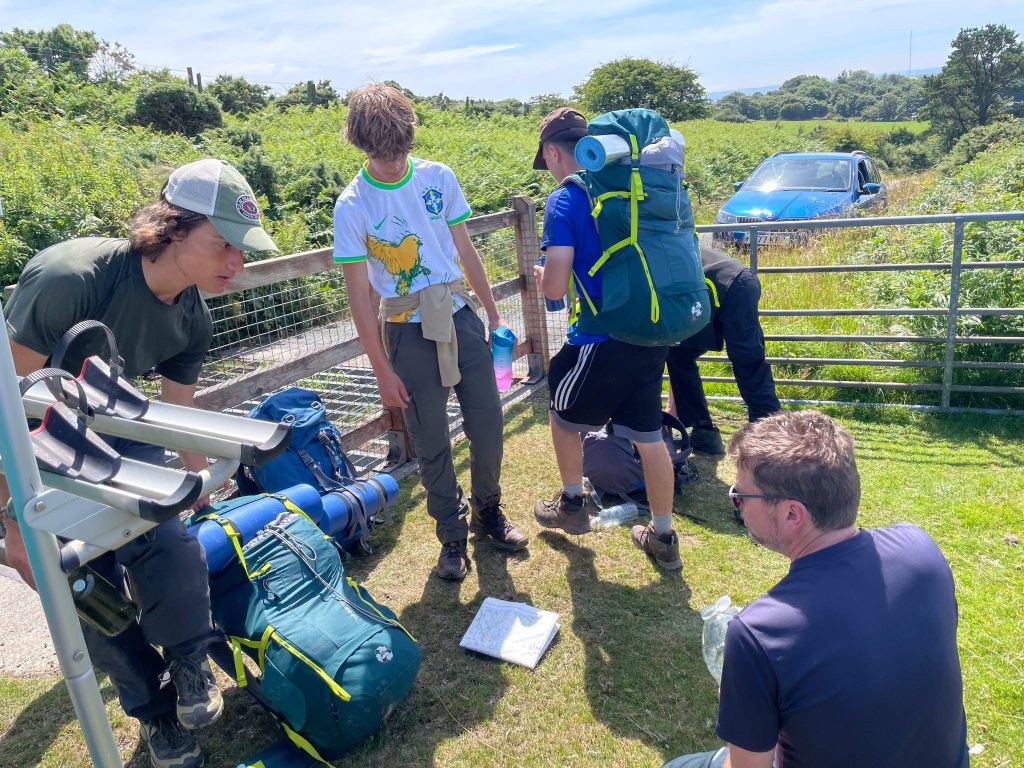
Simon and David have now successfully completed their Silver Awards, while Mason and Makenzie are close behind, with just one more expedition to complete before securing theirs.
There was also a birthday celebration along the way, with Mason spending his special day out on expedition.
A Pembrokeshire College spokesperson said: “What an achievement. Three days in sunny Pembrokeshire, carrying all their kit and navigating with maps and compasses, and the hard work has paid off. Congratulations to Simon and David, who have now completed their Silver Awards. Mason and Makenzie are almost there too, with just one more expedition to go.”


New pilot scheme aims to strengthen Welsh-medium childcare and support the next generation of Welsh speakers
CHILDCARE workers across Wales are set to receive expanded Welsh language training as demand for bilingual childcare continues to grow.
The National Centre for Learning Welsh is launching a new pilot scheme aimed at strengthening Welsh language skills across the childcare sector and increasing the number of settings able to offer Welsh-medium support.
The scheme builds on the Centre’s existing work with the childcare workforce, which has been running since 2017. More than 5,000 childcare workers have already benefited from Welsh language training through the programme.
With childcare identified as a key priority for the new Welsh Government, the pilot is also designed to support the Welsh Language and Education (Wales) Act by helping to create stronger foundations for future Welsh speakers.
The new scheme will focus on increasing workforce capacity across Wales, including in nurseries, childminding settings, out-of-school childcare and Flying Start provision.
It will include a Learn Welsh programme for childcare students in further education colleges and apprenticeships, as well as Learn Welsh tutors working directly with childcare settings, nurseries and individual childminders.
Tutors will also work with playworkers in out-of-school childcare provision in specific areas, while Welsh language training will be made available to Flying Start workers who support young children and families in targeted communities.

Deputy First Minister for Wales, with responsibility for childcare, Sioned Williams, said the Welsh Government was committed to expanding Welsh-medium childcare as part of its wider childcare plans.
She said: “We are delivering a transformational childcare offer that will be the most generous in the UK, giving every child the best start in life.
“Investing in childcare is one of the most powerful things we can do for our economy, for living standards, and for children’s futures.
“We are working with providers and partners to expand Welsh-medium childcare as a core part of our universal offer, so more children can access it from their earliest years, strengthening the pathway into Welsh-medium education throughout Wales.
“Reaching at least one million Welsh speakers by 2050 and ensuring every child has the opportunity to become a confident Welsh speaker are central to this Government’s vision.

“This new pilot scheme from the National Centre for Learning Welsh will build the Welsh language skills of our childcare workforce, helping to create the Welsh speakers of the future from the very earliest stage of their lives.”
Jane O’Toole, Chief Executive Officer of Clybiau Plant Cymru Kids’ Clubs, welcomed the pilot and said it would help more children and families use Welsh naturally through play.
She said: “Out of School Childcare settings are well placed to make Welsh part of children’s everyday experiences.
“By investing in playworkers and childcare professionals, this partnership will build sector confidence and capacity, supporting a Wales where Welsh belongs to everyone.”
Dona Lewis, Chief Executive of the National Centre for Learning Welsh, said the early years were a crucial stage in a child’s language journey.
She said: “Those working in the sector play a key role in nurturing and supporting the bilingual skills of the future.
“This new pilot scheme will draw on the Centre’s expertise in language learning and acquisition, along with its long-standing partnerships, to build capacity within the sector, ensuring more children and families have opportunities to use Welsh in their everyday lives.”
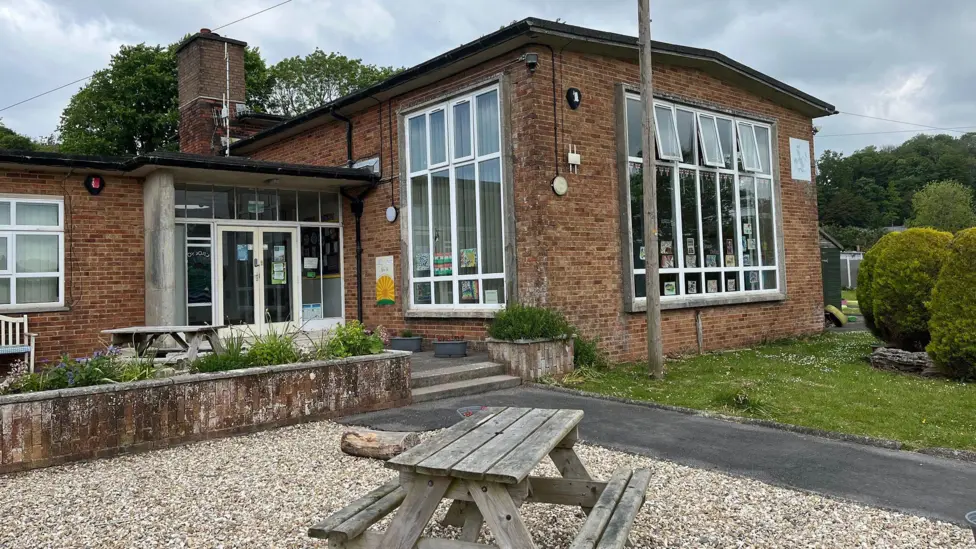
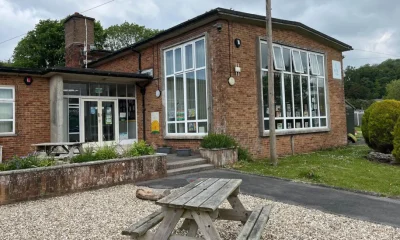
CARMARTHENSHIRE COUNTY COUNCIL failed to properly assess the Welsh-language impact of plans to close Ysgol Llansteffan before moving to publish a statutory closure notice, the Welsh Language Commissioner has found.
The adjudication follows a complaint by Cymdeithas yr Iaith over the council’s handling of the future of the Welsh-medium school, which is due to close formally on August 31, 2026.
In correspondence with Cymdeithas yr Iaith, the Commissioner said the council had accepted that its original Welsh Language Impact Assessment was insufficient.
The Commissioner did not uphold every part of the complaint. Cymdeithas had argued that there was insufficient capacity in other Welsh-medium schools in the Carmarthen town area, and that some pupils could be pushed out of Welsh-medium education. However, the Commissioner said it was not within her powers to investigate school-place data in that way.
But she did find that the council’s original assessment failed to deal “conscientiously” with the effect that closing the school would have on the community of Llansteffan.
Cymdeithas yr Iaith had argued that it was unreasonable for the council to describe the language impact of closing what it called the most important Welsh-medium institution in the village as “neutral”. The group said the decision ran counter to efforts to strengthen rural Welsh-speaking communities.
The Commissioner found that Carmarthenshire County Council had failed to comply with Welsh Language Standards 88, 89 and 90, which require public bodies to assess the impact of policy decisions on the Welsh language.
Her adjudication says the council later revised its Language Impact Assessment during the course of the investigation. However, the Commissioner made clear that such consideration should have formed part of the decision-making process from the outset.
The Commissioner said: “To comply with the standards, it is essential that consideration of Welsh language effects forms an integral part of the policy-making process from the outset, rather than being separate from the decision itself or addressed at the end of the process.”
She added that the council’s process flow chart should include a clear requirement for the Welsh-language effect of a proposed school closure to be considered from the very start.
The Commissioner does not have the statutory power to overturn the school closure decision itself. Her role is to determine whether the council complied with the Welsh Language Standards and to require future compliance.
Speaking on behalf of Cymdeithas yr Iaith in Carmarthenshire, Ffred Ffransis said the decision confirmed that the council’s process had been flawed.

He said: “The simple truth of the matter is that the Cabinet of Carmarthenshire County Council in November 2025 took the decision to issue a Statutory Closure Notice for Ysgol Llansteffan based on a defective Language Impact Assessment.
“The fact that they took later steps to amend and mitigate does not compensate for the harm done by this injustice to the pupils and the local community.
“We have already been informed that one young family has put their house on the market to move to an area which has a school.
“We shall be drawing the attention of the Chief Executive Officer, Wendy Walters, to the lack of a strategic approach across departments.
“There is an application to build affordable homes in the village, but attempts to revive the community by attracting young families are being undermined by the closure of the school by another council department.”
The council’s Cabinet decided on November 17, 2025, to issue a closure notice for Ysgol Llansteffan using the shortened process available for schools with fewer than ten pupils. Cymdeithas says the number of pupils had risen from eight to 17 during the process.
The full council later agreed to close the school after considering the objections report at the beginning of March 2026. Cymdeithas says councillors were not told at that meeting that a complaint had been made about the original Language Impact Assessment.
Parents have already had to register their children at other schools for the next academic year.
A legal challenge to the closure decision is understood to be due to be heard in August, shortly before the school’s formal closure date.



Crime13 hours ago
Teacher stabbing trial: The first week of evidence
Jury hears accounts of alleged planned classroom attack, teacher’s fear she was dying, and boy’s words after leaving school A...


Community15 hours ago
Haverfordwest Castle refurbishment reaches new heights as roof goes on
Major milestone reached in project to transform historic gaol building into flagship visitor attraction A MAJOR milestone has been reached...


Business2 days ago
Pembrokeshire lands £98m share of Wales marine energy boom
New industry report says county has received the second highest level of marine energy investment in Wales, supporting more than...
Crime2 days ago
First aider tells jury teacher was “crying, shaking” after classroom stabbing
A SCHOOL first aider has told a jury that teacher Vicki Williams was “crying, shaking” and in “complete shock” after...


Crime3 days ago
Teacher feared she was dying after Milford Haven classroom stabbing
A TEACHER allegedly stabbed in the head at Milford Haven Comprehensive School told a jury she feared she was dying...


News3 days ago
Farage to resign as MP and fight Clacton by-election amid finance row
NIGEL FARAGE has announced he will resign as MP for Clacton and stand again in the by-election he intends to...
Crime3 days ago
Teacher tells jury there were ‘no issues’ with accused pupil hours before ‘stabbing’
Milford Haven teacher gives evidence as trial of 15-year-old continues at Swansea Crown Court A TEACHER allegedly stabbed at Milford...


News3 days ago
Major incident stood down after fire at Impala Terminal in Milford Haven
Fire involved decommissioned oil tank containing residual crude oil and around 60 cylinders A MAJOR incident declared during a fire...


News3 days ago
Large fire breaks out at Impala Terminal in Milford Haven
Black smoke seen for miles as emergency services respond to incident at former Puma Energy site A LARGE fire has...
Crime4 days ago
Prosecution outlines ‘planned attack’ as Milford Haven teacher stabbing trial opens
Jury hears teenager allegedly brought kitchen knife into school before teacher was stabbed in the head THE JURY in the...
-
 Education7 days ago
Education secretary vows to tackle ‘root causes’ of antisocial behaviour in schools
-

 Education6 days ago
Ysgol Glannau Gwaun celebrates prestigious Gold Active Travel award
-
 Community7 days ago
Closure-threatened Stepaside school expected to remain open
-
 Education7 days ago
First Minister pressed on biological sex, additional learning needs, and NHS jobs
-
 Farming3 days ago
Pembrokeshire slaughterhouse given urgent improvement rating after audit failure
-
News3 days ago
Large fire breaks out at Impala Terminal in Milford Haven
-
 Education4 days ago
Council failed Welsh language standards over school closure
-

 Entertainment2 days ago
Swing and big band classics heading to Torch Theatre