


Farming
Pembrokeshire new potato harvest begins as first crop hits shops

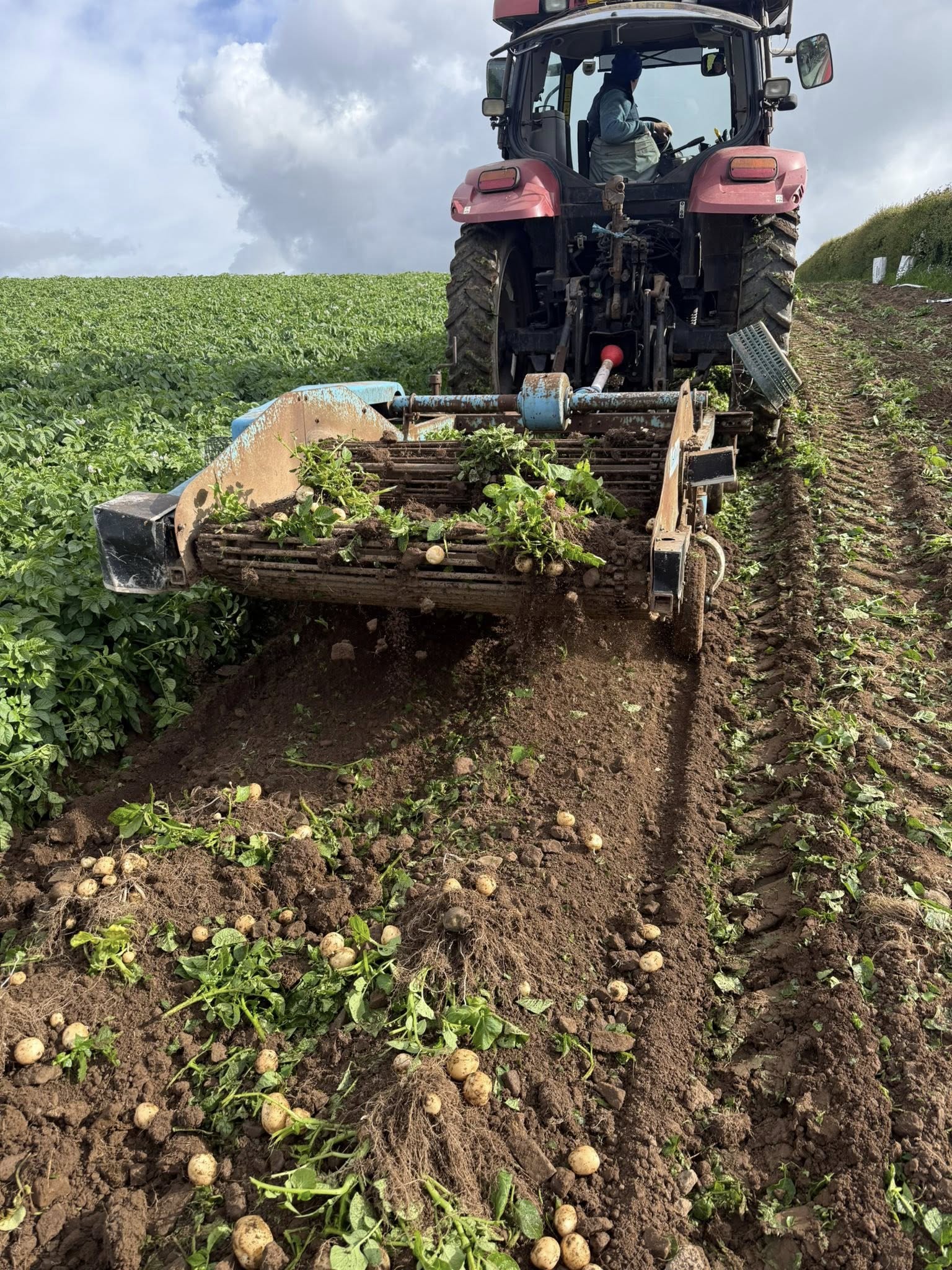
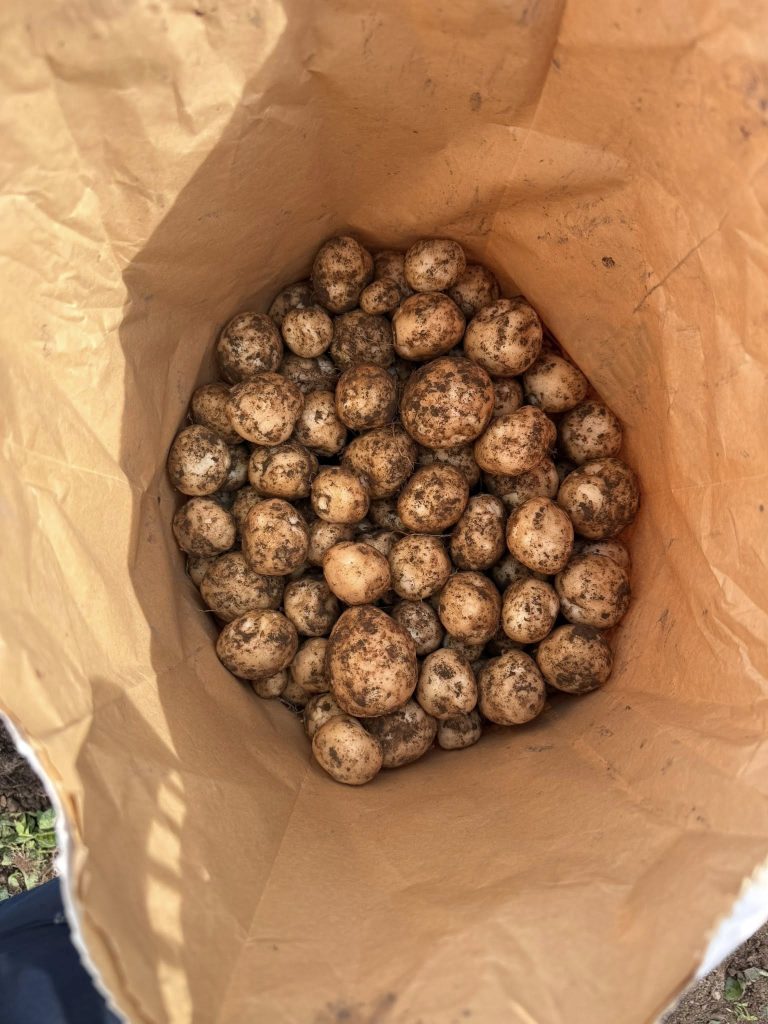
Locally grown early potatoes arrive in stores as farmers begin lifting the first Pembrokeshire crop of 2026
PEMBROKESHIRE’S famous new potato season has officially begun, with the first crop of locally grown potatoes being harvested and delivered to shops across the county.
Farmers at Norton Farm began lifting the first Pembrokeshire new potatoes of the year this week, with the freshly harvested crop expected to reach local stores by Friday morning.
The arrival of Pembrokeshire new potatoes marks the unofficial start of the county’s summer growing season and is eagerly anticipated by shoppers keen to enjoy one of Wales’ best-loved seasonal foods.
Photographs shared by the farm show workers hand-picking potatoes from freshly turned soil as machinery lifted the crop from fields overlooking the Pembrokeshire countryside.
The potatoes, prized for their distinctive flavour and soft skins, benefit from the county’s mild climate and coastal growing conditions.

Brian Llewelyn a’i Ferched shared the news on social media, telling customers: “Arriving with us this afternoon!!!!” as excitement builds around the first deliveries.
Locally grown Pembrokeshire new potatoes are expected to be available in selected shops from around 10:00am on Friday.
For many in Pembrokeshire, the arrival of the first new potatoes is a sign that summer is just around the corner — and that it is finally time to get the butter on.
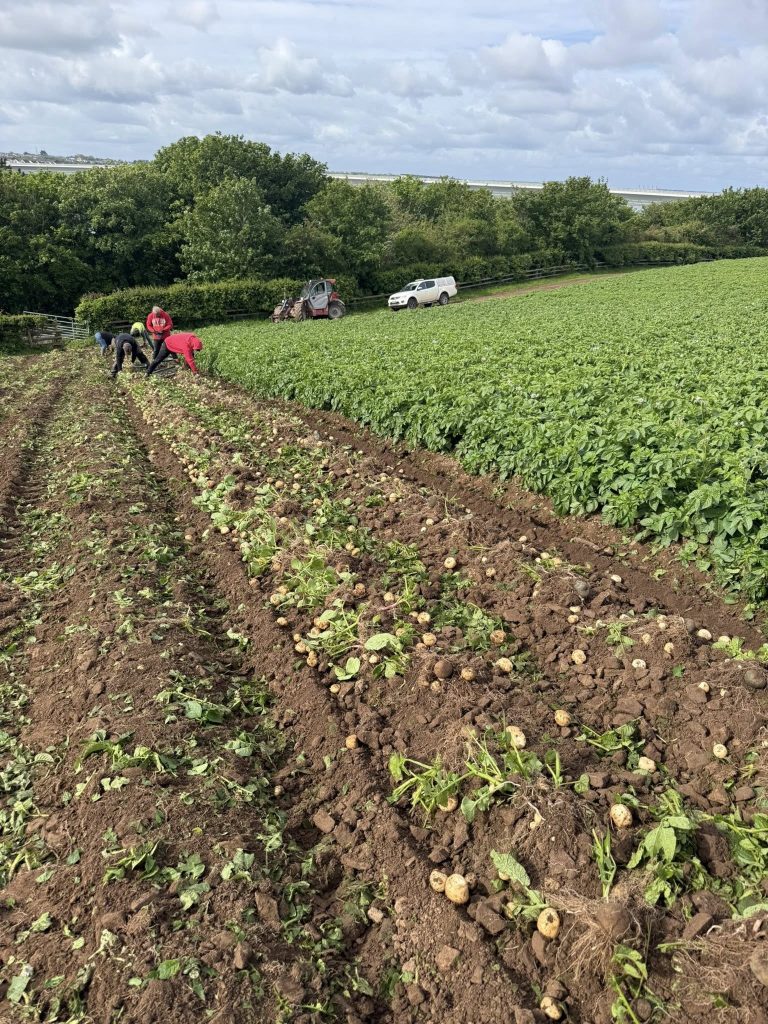
Photo caption:
First crop: Workers begin lifting Pembrokeshire new potatoes at Norton Farm as the 2026 harvest season gets underway (Pics: Norton Farm).

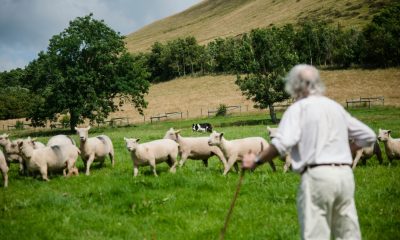
REMOVING fleeces from lambs can help boost growth rates, reduce the risk of flystrike and make flock management easier, according to Heiniger’s Hefin Rowlands.
Mr Rowlands, an experienced shearer, says shearing lambs during their first summer can increase growth rates by up to 20g a head.
“The best time varies between lowland and upland flocks, but the usual window is from the end of June to the beginning of October,” he said.
“Shearing lambs requires the same professionalism and attention to animal welfare as shearing ewes. Whether farmers are hiring a professional shearer or doing the job themselves on farm, it is important to use well-serviced equipment.”
Mr Rowlands said there are several additional benefits to shearing lambs during this period, including reducing the risk of flystrike, keeping lambs cleaner, and preventing them from becoming snagged or tangled in thick undergrowth.
The method for shearing lambs is no different to shearing adult sheep. Shearing towards the end of summer or early autumn can also mean that, the following spring, hoggs carry less wool on their backs, reducing the risk of them becoming cast because of heavy fleeces.
“Shearing lambs also makes them easier to manage and transport,” Mr Rowlands added. “With a smaller, shorn lamb, you can get more on a trailer.”
If lambs are shorn late in the season, when temperatures are falling and heavy rain is more likely, Mr Rowlands said housing them afterwards can help with acclimatisation. However, this is less likely to be needed if shearing takes place before the end of August.
“If shearing later, it is sometimes beneficial to leave the belly wool on because it offers insulation when the lamb lies down, especially in wet conditions,” he said.
With wool prices rising, Mr Rowlands said there may also be financial gains from having more wool to sell.
“If shorn well, with the right equipment and at the right time, lambswool can command a premium,” he said.
“Having professional shearers, or the training to shear accurately yourself, is important, as is using a well-maintained, quality handpiece with factory-sharp combs and cutters.”

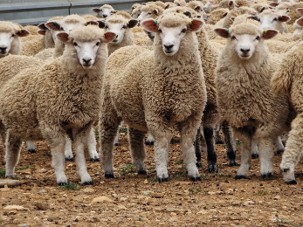
Caption: Shearing lambs can help increase growth rates by up to 20g a head.

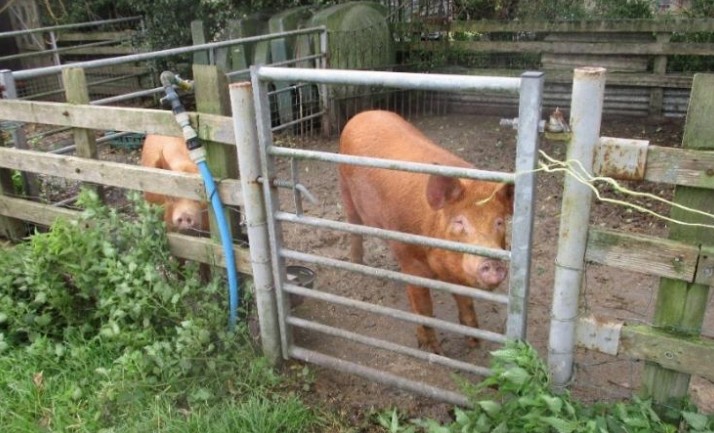
A CALL to allow a Pembrokeshire farm to keep welfare facilities to care for rare breed breeding Tamworth pigs has been given the go-ahead.
In an application to Pembrokeshire County Council, Sharron Nicolas, through agent Hayston Developments & Planning Ltd, sought a certificate of lawfulness permission for the creation of a welfare flat within a previously-approved agricultural building, plus a rear lean-to extension and the erection of two further sheds at Fairybank Fields Farm, Bethesda, near Clynderwen.
An application for a certificate of lawfulness allows an applicant to keep a development if they can provide proof of occupancy or use, without any enforcement taking place, over a prolonged period.
The previous agricultural building application was granted back in 2003.
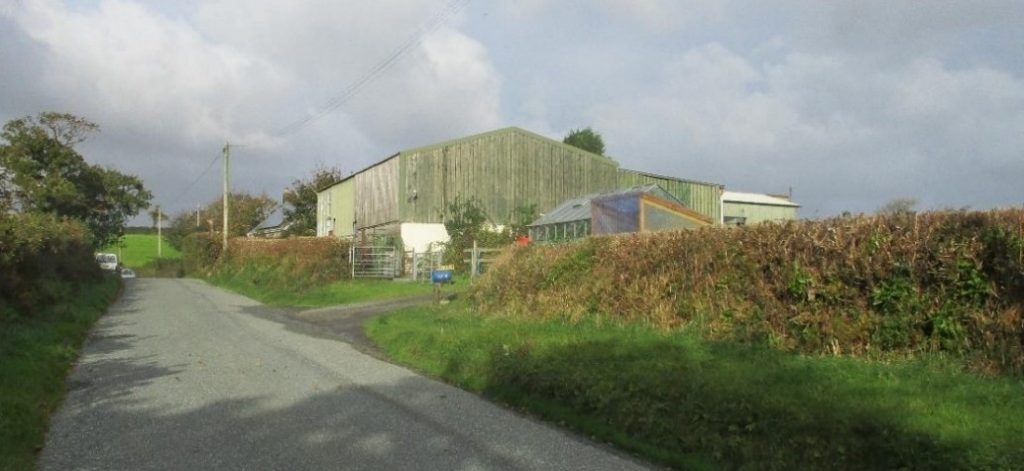
A supporting statement accompanying the application said the two-level welfare unit in the 2003-granted shed “contains the necessary elements to allow overnight stays which are essential when the pigs are farrowing.”
It added: “Mr Allan and Mrs Sharron Nicholas have been owners of Fairybank Fields since 1998. Unfortunately, Mr Nicolas died in February 2025. Although managing the farm at Bethesda, they lived at Pleasant View, Cold Blow, Narberth meaning a round trip of some 12 miles per visit – a visit which was required on a daily basis because of the need to feed and generally care for their animals – which were and still are rare breed pigs together with a number of beef cattle.
“It is essential that the pigs require continuous care when farrowing or when there are other pressures on animal health. When such occasions occurred, it was the practice of Mr Nicholas to spend the night at the farm and to use the welfare provision.”
It said Mr Nicholas would have spent approximately three months’ worth of nights (circa 90 nights) staying over at Fairybank Fields – a period of some 12 years when the bedroom above had been created to late 2024 when his brother assisted Mrs Nicholas in caring for the pigs as Mr Nicholas was too ill.
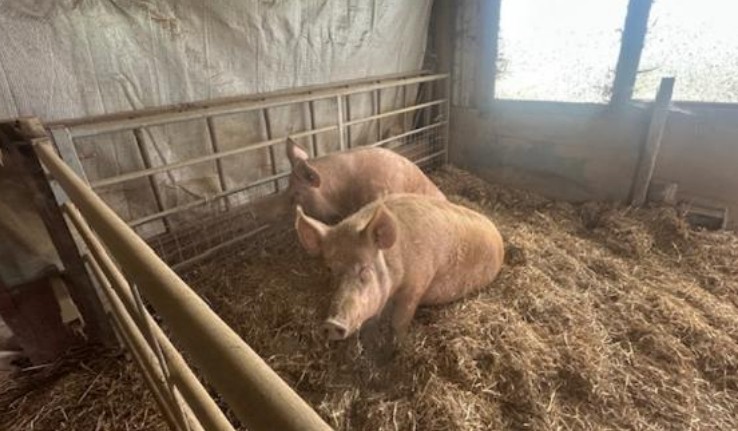
It went on to say: “Whilst the principal activity at the Farm is the breeding of the rare breed, the Tamworth Pig of which there are only currently 290 breeding sows in the UK, Mr and Mrs Nicholas also have had beef cattle on their farm and Mrs Nicholas intends to re-start that element in 2026.”
An officer report recommending approval said a site visit had been undertaken finding no evidence of the unit being occupied as a separate residential dwelling, nor as a primary residence.
It said a range of evidence was submitted in support of the application, including a detailed timeline, aerial imagery and multiple witness statements “which consistently indicate that the rear extension to Building 1 was constructed circa 2008, Shed 2 was completed in September 2012 and Shed 3 was erected in 2015”.
It said historic aerial photographs and witness statements demonstrated “on the balance of probability, that the operational development was substantially completed well in excess of four years prior to the submission of the application and has not been subject to any material interruption,” considered to be lawful by virtue of immunity from enforcement action.

It was granted approval on that basis.
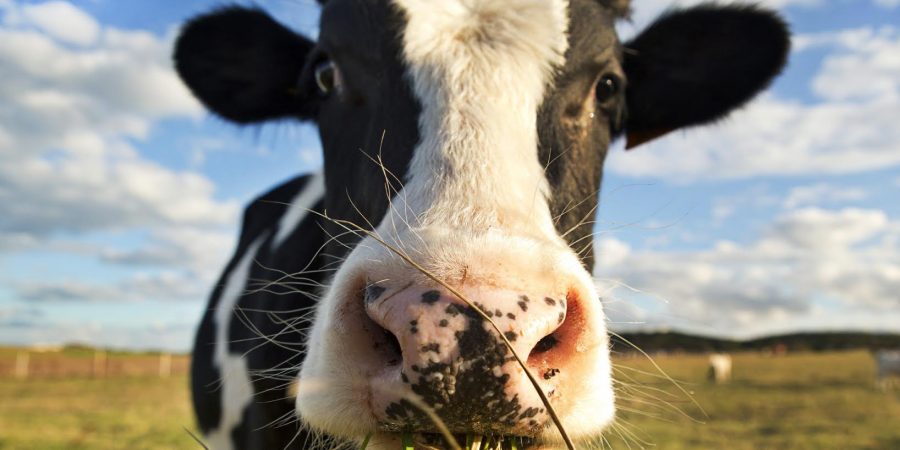
A WELSH GOVERNMENT minister has defended his approach to tackling bovine TB after being accused of lacking ambition by Conservative farming spokesman Andrew RT Davies.
Mr Davies challenged Rural Resilience and Sustainability Minister Llyr Gruffydd in the Senedd on Tuesday (Jun 23), claiming the government’s latest position contained “lots of reviews” but “little substance”.
He warned that bovine TB remained a major concern for farming communities and urged the minister to bring forward a clearer plan to eradicate the disease.
Mr Davies said: “Bovine TB is devastating for the countryside, yet for the past 20 years those in power have let rural communities down.
“Plaid Cymru ministers must get a grip of officials. They must not be allowed to curtail ambition to tackle this terrible disease.”
He added that the Welsh Conservatives would support the minister if he brought forward a “positive vision” for tackling bovine TB.
Responding, Mr Gruffydd said the government needed to wait for advice from the technical advisory group before deciding its next steps.
He said: “They have been charged with bringing forward concrete proposals on the way ahead.
“I think we wait for the experts to speak; we look at the evidence, we look at the science that they provide us, and then we get a grip and take action.”
Bovine TB remains one of the most divisive issues in Welsh farming. Farmers have long argued that the disease causes major financial and emotional pressure, while governments have faced difficult decisions over cattle controls, testing, wildlife management and disease eradication policy.
The exchange comes as farming unions continue to call for stronger measures to reduce the spread of the disease, while ministers say future policy must be guided by evidence and expert advice.



Health13 hours ago
Wales begins early NHS winter planning after long waits and ambulance pressure
Ministers say health boards and councils must act now to ease pressure on hospitals, ambulances and social care before winter...


Crime2 days ago
Judge calls pensioner a ‘dirty old man’ as he avoids jail for exposing himself to women
Judge says 75-year-old Stewart Laugharne behaved ‘disgracefully’ as he avoids jail but is ordered to sign sex offenders register A...
Health2 days ago
Stroke services consultation reaches halfway point as public urged to have say
HYWEL DDA University Health Board is urging people to take part in its consultation on the future of stroke services,...


Business2 days ago
Welsh firms eye share of £5bn defence drone boom
WELSH defence and aerospace firms could be in line for a share of billions of pounds in new military spending...


Community4 days ago
Thousands line Cardigan streets for Lord Rhys homecoming parade
THOUSANDS of people lined the streets and quayside in Cardigan on Saturday as the town marked 850 years since Lord...


Crime5 days ago
Dyfed-Powys Police rated only ‘Adequate’ in organised crime inspection
A WATCHDOG has rated Dyfed-Powys Police only “Adequate” in its response to serious and organised crime, despite praise for the...


News5 days ago
Two taken to hospital after aircraft ditches in Cardigan Bay
Coastguard helicopter spotted two casualties after light aircraft came down off west Wales coast TWO people were taken to hospital...


Sport5 days ago
Long Course Weekend gets underway in Tenby as thousands head for county
Three days of swimming, cycling and running begin with The Wales Swim at North Beach THOUSANDS of athletes and supporters...


Climate6 days ago
Welsh waters, Westminster profits: Crown Estate row reignited in Wales
PLAID CYMRU has renewed calls for the Crown Estate to be devolved to Wales after figures showed income linked to...


News6 days ago
Reform MS: ‘I felt like shouting get out of the water’
Paul Marr says children playing in streams at Pembrokeshire beaches deserve better protection from pollution risks REFORM UK MS Paul...
-

 Crime7 days ago
Police appeal after reported rape at Young Farmers rally
-
Crime5 days ago
Dyfed-Powys Police rated only ‘Adequate’ in organised crime inspection
-

 Entertainment6 days ago
Torch cuts children’s cinema tickets to £5.25 for summer
-

 News3 days ago
Biker dies and woman seriously injured in Black Mountain crash
-

 Farming7 days ago
Farmers urged to protect themselves as heatwave brings health risks
-
 Farming7 days ago
Rural Wales ‘left out’ of net zero debate, warns carbon entrepreneur
-
Climate6 days ago
Welsh waters, Westminster profits: Crown Estate row reignited in Wales
-
News6 days ago
Reform MS: ‘I felt like shouting get out of the water’