


Climate
New offshore wind rules could boost Pembrokeshire energy ambitions

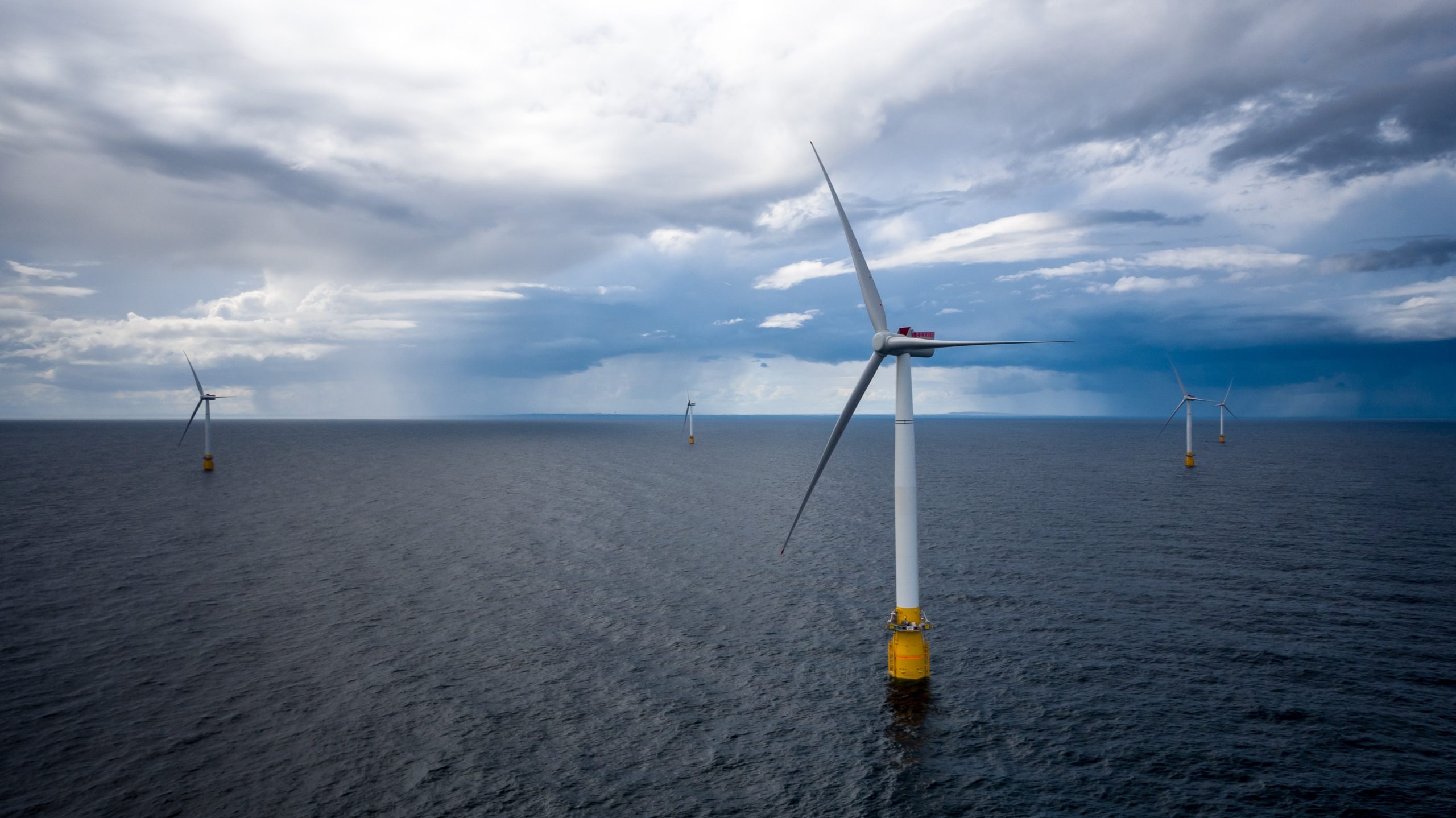
Milford Haven and Pembroke Dock could benefit as UK reforms aim to speed up floating wind projects in the Celtic Sea
PEMBROKESHIRE could be among the biggest winners from new UK Government reforms aimed at accelerating offshore wind development, with Milford Haven and Pembroke Dock expected to play a key role in the emerging clean energy economy.
New environmental legislation affecting offshore wind farms came into force on Thursday (May 21), with industry leaders claiming the changes could help deliver both more renewable energy and better outcomes for nature.
The reforms, introduced by the Department for Environment, Food and Rural Affairs (Defra), change how environmental compensation for offshore wind projects can be approached, allowing developers to take what ministers describe as a broader and more strategic approach to protecting marine habitats.
Supporters say the changes could help remove delays that have slowed offshore wind developments while maintaining environmental protections.
The move is particularly significant for Pembrokeshire, where hopes are high that the fast-growing floating offshore wind sector in the Celtic Sea will bring major investment, jobs and regeneration to the Milford Haven Waterway.

For several years, Pembrokeshire has been positioning itself as a key player in the UK’s clean energy transition, with the Port of Milford Haven promoting ambitious plans around floating offshore wind, hydrogen production and marine renewables.
Pembroke Dock Marine, supported by millions of pounds of investment, has already been developed as a specialist base for marine energy projects, while the wider Celtic Freeport vision has focused heavily on green industries linked to the Haven.
Industry figures believe the new rules could help speed up planning and consent processes for major offshore wind developments, potentially unlocking investment opportunities for west Wales.
Commenting on the reforms, Offshore Wind Industry Council environment lead Benj Sykes, who is also UK Country Manager for renewable energy company Ørsted, insisted the changes were not about weakening environmental standards.
He said: “By enabling a broader and more strategic range of options, the UK is taking a more outcomes-focused approach to marine compensation.
“Crucially, this is not about lowering environmental standards. It is about implementing a more effective, strategic approach that will deliver better outcomes for nature as we deliver the UK’s Clean Power 2030 ambitions.”
However, the reforms are likely to attract scrutiny in Pembrokeshire, where environmental protections are often a sensitive issue.

The county is home to internationally important marine habitats and wildlife, including seabird populations around Skomer Island, marine conservation zones, and the protected waters of the Pembrokeshire Coast National Park.
Fishing groups and environmental campaigners have previously raised concerns about the impact of large offshore energy developments on marine ecosystems and local industries.
At the same time, supporters argue offshore wind represents one of the biggest economic opportunities Pembrokeshire has seen in decades.
With Milford Haven already handling around a fifth of the UK’s energy needs through its existing energy infrastructure, many local leaders believe the county is well placed to become a centre for the next generation of low-carbon energy production.


The Llŷr project could see up to ten floating turbines installed 35km off the coast, with power brought ashore at Freshwater West
A MARINE licence has been granted for a floating offshore wind demonstration project off the Pembrokeshire coast.
Natural Resources Wales has approved the licence for Llŷr Floating Wind Limited, allowing the Llŷr Floating Offshore Wind Farm Project to move forward.
The test and demonstration facility is proposed around 35km off the Pembrokeshire coast, off Linney Head, and is among the first demonstration-scale floating wind projects in Wales.
The scheme could include up to ten turbines, each reaching up to 300 metres above sea level, together with floating platforms, mooring lines and anchors.
Up to two offshore export cables, around 50km in length, are planned to bring electricity ashore at Freshwater West.
Ruth Jenkins, Head of Planning and Permitting Services and Marine Operations at Natural Resources Wales, said the organisation had a role to play in supporting the move towards clean energy while ensuring projects were developed responsibly.
She said: “At Natural Resources Wales, we have a unique opportunity to tackle the climate emergency across a range of sectors and industries. This includes using our licensing powers to support Wales’s transition to clean energy.
“As a regulator and advisor, we ensure energy projects are developed sustainably and with respect for the environment and local communities. At the same time, we play a vital role in enabling innovation in green energy, helping projects move forward safely and responsibly.
“Wales has enormous potential as a leader in renewable energy, and we’re committed to supporting the benefits that can come from these projects as we move towards net-zero targets.”
Natural Resources Wales is the Marine Licensing Authority on behalf of Welsh Ministers.
Full details of the marine licence granted for the Llŷr Floating Offshore Wind Farm Project are available on the NRW public register.
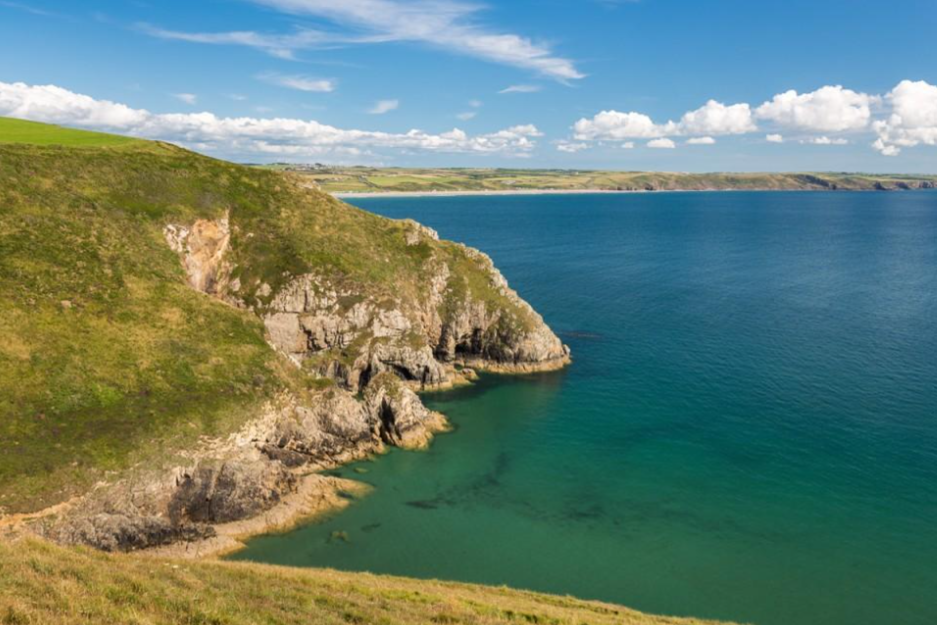
THE SEA is often treated as background. We look at heatwaves on land, at parched gardens, hosepipe warnings, pressure on hospitals, wildfires abroad and record temperatures in cities. But the ocean is where much of the climate story is really being written.
This week, European climate scientists reported that global sea surface temperatures outside the polar regions have hit record levels for this time of year. On June 21, data from the Copernicus Climate Change Service showed sea surface temperatures edging above the extraordinary records seen in 2023 and 2024.
That matters because the ocean is not just a passive victim of climate change. It is one of the main engines of the world’s weather.
Warmer seas put more moisture into the atmosphere. They help keep the air warmer for longer. They can add energy to storms. They can increase the risk of intense rainfall, flooding, marine heatwaves and disruption to wildlife. For coastal communities, fishing industries and anyone who depends on the sea, rising ocean heat is not an abstract statistic. It is a warning light.
The oceans absorb more than 90% of the excess heat trapped in the Earth system. That heat is mainly caused by the burning of fossil fuels such as coal, oil and gas. For decades, the seas have acted like a giant buffer, slowing the pace of warming on land. But that buffer comes at a cost.
The more heat the ocean stores, the more the whole climate system is pushed out of balance.
For Wales, this is not a distant concern. We have just seen an exceptional spell of heat. Cardiff Bute Park recorded 35.9C on June 25, setting a new Welsh June maximum temperature record. The same site also recorded an overnight minimum of 23.5C, a new record for both Wales and the UK.
Hot days are one thing. Hot nights are another. When temperatures do not fall properly overnight, people, animals, buildings and infrastructure get no chance to recover. That is when heat becomes especially dangerous for older people, young children, outdoor workers and those with health conditions.
The link between a warming ocean and weather in Wales is not simple. No single heatwave, storm or wet summer can be blamed on one measurement in the sea. Weather is always shaped by a mix of pressure systems, winds, ocean currents and natural patterns such as El Niño. But the direction of travel is becoming clearer. A warmer world loads the dice.
When the ocean surface is unusually warm, the atmosphere has more energy and more water vapour to work with. That can mean heavier downpours when rain does arrive. It can mean stronger marine heatwaves. It can affect fish, seabirds, plankton, shellfish and the wider food chain. Around our own coast, changes in sea temperature can influence where species live, how well they breed and how resilient marine habitats are to pollution, storms and disease.
This is why climate change should not only be discussed when there is a flood, a heatwave or a political row about net zero. It should be understood as a steady reshaping of the conditions we live with.
For Pembrokeshire, Carmarthenshire and Ceredigion, the sea is part of daily life. It supports tourism, fishing, ferry routes, wildlife, beaches, ports and coastal communities. Warmer seas may sound pleasant to some visitors, but they come with risks: more stress on marine ecosystems, changing fish patterns, increased coastal vulnerability and greater pressure on already stretched public services during extreme weather. There is also a danger that record-breaking weather becomes normalised.

The 2023 ocean temperature records shocked scientists. Then came 2024. Now those levels have been passed again. Each new record can make the previous one feel less remarkable, but the lesson should be the opposite. Records falling year after year are not a sign that we are adapting comfortably. They are a sign that the baseline is shifting.
The ocean has been buying humanity time. It has absorbed vast quantities of heat that would otherwise have warmed the land and atmosphere even faster. But the heat has not disappeared. It is in the system. It affects currents, storms, sea levels, ice melt and marine life. What happens at sea eventually comes back to shore.
There are still practical choices to make. Cutting emissions matters. Protecting saltmarshes, seagrass and coastal habitats matters. Planning for hotter summers and heavier rainfall matters. Supporting farmers, fishers, councils and emergency services to adapt matters. So does taking everyday heat risk seriously, especially for vulnerable people.
Climate change is sometimes presented as a future threat. But this week’s ocean temperature record is another reminder that it is already here, already measurable and already affecting the world around us.
The sea is speaking. The question is whether we are listening.
PLAID CYMRU has renewed calls for the Crown Estate to be devolved to Wales after figures showed income linked to Wales rising from £8.7 million to £210 million in five years.
The party says the increase, described as a rise of around 2,300 per cent, shows that Welsh natural resources are generating huge sums while communities in Wales see little direct benefit.
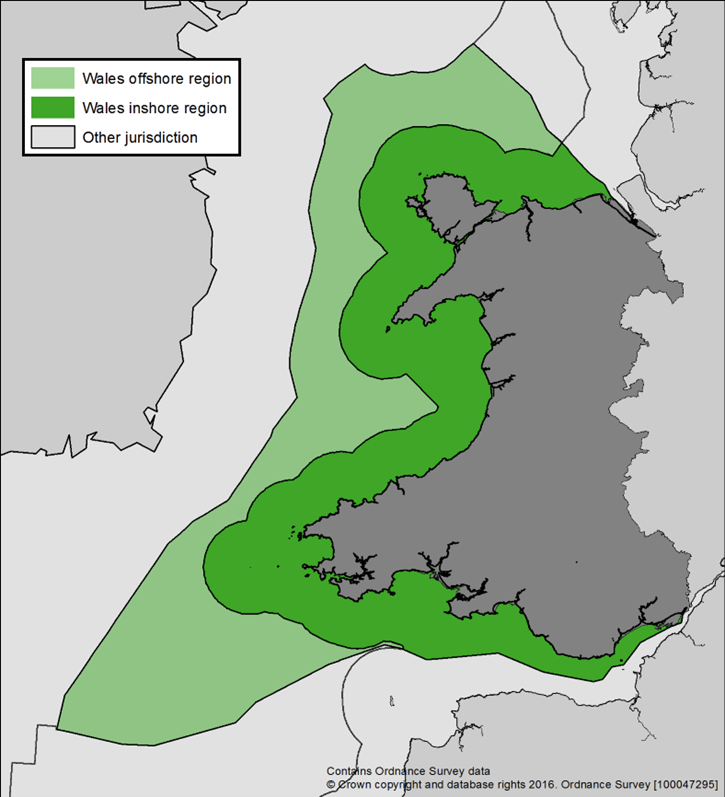
The Crown Estate manages much of the seabed around Wales, England and Northern Ireland, including areas leased for offshore wind developments. Its profits are paid to the UK Treasury, rather than being retained directly in Wales.
Plaid Cymru’s Ceredigion-Penfro branch said: “Crown Estate profits are up 2,300% but Welsh communities see no benefit.”
The issue has become increasingly topical as Pembrokeshire and the wider west Wales coast are being promoted as key locations for the next generation of floating offshore wind in the Celtic Sea.
Supporters of devolution argue that Wales should have control over the revenue generated from its coastline, seabed and natural resources, with profits reinvested in local infrastructure, ports, skills, transport and public services.
They also point to Scotland, where the Crown Estate has already been devolved. In Scotland, revenue from Crown Estate assets is managed north of the border and contributes to Scottish public finances.
Plaid Cymru says Wales should be treated in the same way.
The party argues that, as offshore wind expands, Wales risks seeing major energy infrastructure developed around its coastline while the financial rewards continue to flow to Westminster.
The Crown Estate has benefited significantly from offshore wind leasing in recent years. Across the UK, the estate has reported profits of more than £1 billion for a third consecutive year, with offshore wind continuing to play a major role in its income.
In Wales, the political argument is sharpened by the scale of potential development in the Celtic Sea.
Ports such as Milford Haven and Port Talbot are expected to play a major role in supporting floating offshore wind, with politicians and industry leaders saying the sector could bring thousands of jobs and major investment.
However, campaigners say Wales must secure more than construction work and supply-chain promises. They argue that long-term control of Crown Estate revenues would allow Wales to build a lasting national benefit from renewable energy.
The UK Government has previously resisted calls to devolve the Crown Estate in Wales. Ministers have argued that Crown Estate profits are returned to the Treasury and used for public spending across the UK.
Opponents of devolution also say Wales already receives funding through the wider UK funding settlement, and that changing the Crown Estate model could add complexity at a time when major energy projects need certainty.
But calls for change have continued to grow, particularly as the value of offshore wind leases has increased.
For Plaid Cymru, the issue is now being framed as a question of fairness.
The party says Wales is being asked to host nationally important renewable energy infrastructure while having limited control over the income generated from its own natural resources.
With the Senedd election approaching, the future of the Crown Estate is likely to remain a major political dividing line.
For campaigners, the argument is simple: if Welsh waters are helping to generate hundreds of millions of pounds, Welsh communities should see the benefit.
For the UK Government, the current system keeps Crown Estate revenue within the UK-wide public finances.
The debate now turns on whether Wales should continue under that arrangement, or follow Scotland in taking control of Crown Estate assets for itself.



Crime17 hours ago
Man in critical condition after serious assault in New Quay
A 20-YEAR-OLD man remains in a critical condition in hospital after being seriously assaulted in New Quay. Dyfed-Powys Police said...


Community19 hours ago
Kilgetty and Begelly tractor run raises funds for local charities
Around 70 tractors joined the annual charity road run, hosted by the Begelly Arms Hotel THE ANNUAL Kilgetty and Begelly...


Community19 hours ago
Milford Haven Carnival brings colour, music and crowds to the town
MILFORD HAVEN was filled with colour, music and community spirit on Saturday as the town’s annual carnival brought crowds onto...


News2 days ago
A40 closed near Llandeilo following collision
A SECTION of the A40 in Carmarthenshire has been closed in both directions following a collision. The road is currently...


Local Government2 days ago
Award-winning Saundersfoot sauna faces refusal over location concerns
PLANS to allow an award-winning outdoor sauna to remain permanently at Saundersfoot Harbour have been recommended for refusal by Pembrokeshire...


Health2 days ago
NHS at 78: A moment to give back to the service Wales helped create
As the health service marks its 78th birthday, people in Pembrokeshire are being urged to support local NHS charities helping...


Community3 days ago
Saundersfoot Harbour regeneration project wins national planning award
SAUNDERSFOOT HARBOUR’S redevelopment has been named Best Project at the RTPI Cymru Awards for Planning Excellence 2026. The award recognises...


Business3 days ago
Pembrokeshire-based Ascona Group expands UK portfolio with Truckhaven acquisition
PEMBROKESHIRE-BASED Ascona Group has completed the acquisition of Truckhaven (Carnforth) Ltd, a major trunk road services area in Lancashire. The...


Health4 days ago
Wales begins early NHS winter planning after long waits and ambulance pressure
Ministers say health boards and councils must act now to ease pressure on hospitals, ambulances and social care before winter...


Crime5 days ago
Judge calls pensioner a ‘dirty old man’ as he avoids jail for exposing himself to women
Judge says 75-year-old Stewart Laugharne behaved ‘disgracefully’ as he avoids jail but is ordered to sign sex offenders register A...
-

 News6 days ago
Biker dies and woman seriously injured in Black Mountain crash
-

 Community7 days ago
Thousands line Cardigan streets for Lord Rhys homecoming parade
-

 Crime5 days ago
Estate agent banned after drug-drive crash in Milford Haven
-

 Local Government6 days ago
Flood defence scheme moves closer as community invited to view plans
-

 Community7 days ago
Civic service brings Pembrokeshire towns together in Haverfordwest
-

 Crime5 days ago
Eight guilty over ‘industrial scale’ cocaine conspiracy into Pembrokeshire and Carmarthenshire
-

 Crime5 days ago
Men threatened to have prisoner killed in chilling phone call to his father
-
Crime5 days ago
Judge calls pensioner a ‘dirty old man’ as he avoids jail for exposing himself to women