


News
Council tax revaluation row as Conservatives warn working families will be hit


PLAID CYMRU ministers are facing pressure to clarify whether a controversial council tax revaluation will go ahead in 2028, amid warnings it could leave thousands of Welsh households paying more.
The Welsh Conservatives have claimed the proposed shake-up would hurt working families and worsen cost-of-living pressures at a time when household budgets are already under strain.
The row follows reports that new Local Government Minister Siân Gwenllian MS said the Welsh Government was “actively looking” at whether the revaluation should proceed.
However, First Minister Rhun ap Iorwerth told BBC Radio Wales on May 13 that it remained the government’s intention to press ahead.
The revaluation forms part of wider council tax reform in Wales, with ministers previously arguing that the current system is outdated and unfair. Welsh homes were last revalued for council tax purposes in 2003, with the current bands coming into force in 2005.

Under existing plans, homes would be revalued in 2028, with further revaluations every five years.
Ministers say the aim is to make council tax fairer and more progressive, with properties placed in bands that better reflect current values.
But opponents argue that any revaluation risks creating significant numbers of losers, particularly in areas where house prices have risen sharply.
Peter Fox MS, Welsh Conservative Shadow Minister for Finance, Local Government and Communities, said the mixed messages from ministers would cause confusion for councils and households.

He said: “The First Minister has already said that council tax revaluation will go ahead in Wales in 2028, so these mixed messages from the Minister will cause confusion amongst local authorities.
“We all remember Labour’s last council tax revaluation in 2004, which was claimed would be revenue-neutral, but there were many more losers than winners.
“The last thing that people need right now is to be spending even more on their council tax bills than before.

“Plaid must ditch this policy and focus on helping families keep more of their money rather than looking for more revenue.
“Council tax has increased at a much faster rate in Wales compared to England, putting increased pressure on household budgets.
“Council tax revaluation is a tax increase by stealth. If Plaid Cymru are serious about wanting to support families with the cost of living, they should scrap council tax revaluation.”
Council tax remains one of the most politically sensitive household bills in Wales, with annual increases already placing pressure on residents.
Supporters of reform argue that the current system is based on outdated property values and leaves some lower-income households paying a disproportionate share.
Critics, however, say that any major revaluation during a cost-of-living squeeze could lead to sharp bill increases for families who are asset-rich on paper but already struggling with day-to-day costs.
The Welsh Government has previously said reforms are intended to be fairer and not simply a way of raising more money overall.
But with the 2028 timetable now under renewed scrutiny, councils and households are waiting to see whether Plaid Cymru ministers will confirm, delay, or rethink the revaluation plan.


MILFORD HAVEN FOUNDERS DAY 2026 drew crowds to the town centre on Saturday despite difficult weather, rising costs, and significantly increased security measures.
Visitors braved spells of rain and strong winds to enjoy a packed programme of entertainment, community stalls, children’s attractions and live music throughout the day.
This year’s event featured a large number of bouncy castles supplied by Fun Times Bouncy Castles, alongside food stalls, small funfair rides, free face-painting, and a magician entertaining families.
There was also a wide range of independent traders and community attractions. Among the more unusual stalls was Sylvia Llewellyn’s popular button collection, featuring unusual and decorative buttons gathered from around the world, while Han’s Taxidermy attracted interest with framed butterflies and beetles on display and for sale.

Milford Youth Matters praised
Milford Youth Matters said its volunteers worked “non-stop” throughout the day, running a stall and delivering activities for the community.
The group said the poor weather made conditions difficult but praised volunteers for their determination and enthusiasm.
A spokesperson said: “Despite the challenging rain and wind throughout the day, our incredible team of volunteers worked tirelessly to make our contributions a success.
“They gave up their time to support the community, run activities, welcome visitors, and kept going with enthusiasm and smiles all day long.
“The weather may have been challenging, but the dedication, resilience, and hard work shown by our volunteers was outstanding. Their commitment helped create a fantastic community event that was enjoyed by people of all ages.”

Security stepped up
This year’s event also had a noticeably different feel, with security personnel present for the first time.
Organiser Byron Jenkins told The Herald that around 13 door staff were on duty throughout the event — something not seen at previous Founders Day celebrations.
The Herald understands the increased security presence followed concerns after the Milford Haven school knife incident and the stabbings at Tenby railway station.

Organisers also revealed that the cost of staging Founders Day has now risen to around £10,000.
Road closure costs have also become a major expense, with organisers telling The Herald that Pembrokeshire County Council charged around £800 for the temporary road closure order required to hold the event safely.
Despite the extra costs and challenging conditions, organisers said the event was well supported and thanked local businesses, volunteers and residents for helping make the day a success.
Milford Youth Matters also thanked Milford Haven Business Circle and the wider community for their continued support.

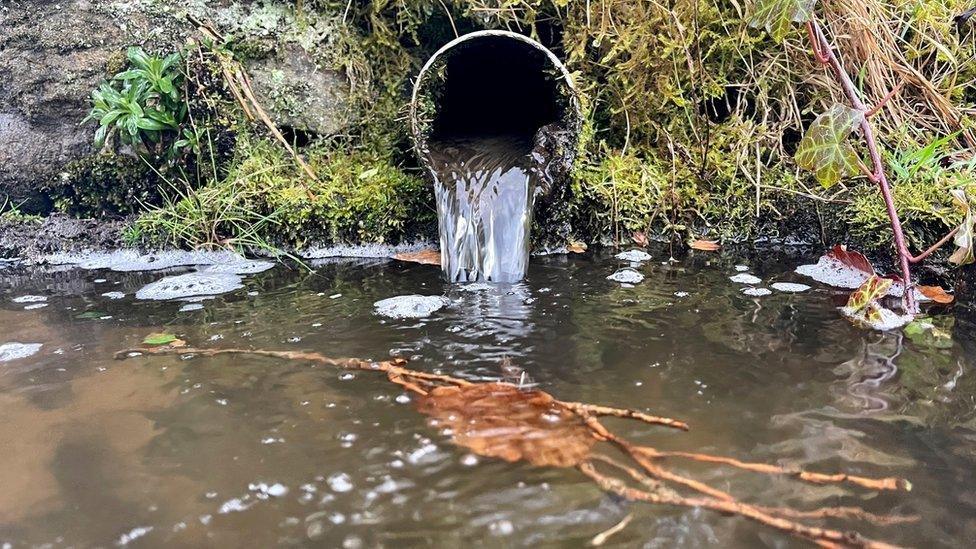
Pembrokeshire campaigners say regulator’s action vindicates years of concern over pollution in rivers and coastal waters
DŴR Cymru Welsh Water has been hit with a £44.7 million enforcement package after regulators found “serious and unacceptable” failures in the way the company operated parts of its wastewater network, following years of growing anger over sewage pollution in Welsh rivers and coastal waters.
The intervention by Ofwat comes after an investigation found Welsh Water failed to properly operate, maintain and upgrade wastewater treatment works and sewer networks so they could cope with sewage flows, resulting in excessive spills into the environment. Regulators also found shortcomings in internal oversight and processes.
The £44.7m package – which Welsh Water, not bill payers, will fund – includes more than £40m aimed at reducing sewage spills at storm overflows, tackling groundwater infiltration into sewer systems and improving environmental performance. A further £4.1m is earmarked for river quality improvements in environmentally sensitive catchments.
Ofwat senior director for enforcement Lynn Parker said the investigation uncovered “serious and unacceptable breaches” in the operation of wastewater assets, adding that the company must now focus on rebuilding public trust.

Pembrokeshire concerns
The announcement is likely to resonate strongly in Pembrokeshire, where concern over sewage discharges and bathing water quality has fuelled public protests and growing frustration among residents, surfers and tourism businesses.
Only weeks ago, campaigners gathered at Broad Haven in a sewage protest organised with support from Surfers Against Sewage, warning that pollution alerts had become too frequent on one of Pembrokeshire’s best-known beaches. Protesters accused water companies and regulators of allowing pollution to become “normalised” in Welsh waters.
Campaigners previously claimed Broad Haven alone recorded more than one hundred sewage alerts during 2025, while concerns have repeatedly been raised over the effect of pollution warnings on tourism, wild swimming and public confidence in coastal water quality.
The issue has become particularly sensitive in Pembrokeshire because of the county’s reliance on clean seas and beaches to attract visitors. Businesses connected to tourism, watersports and hospitality have repeatedly warned that pollution headlines risk damaging the area’s reputation.

Questions over accountability
Welsh Water has often promoted itself as different from privatised water firms because it operates as a not-for-profit company without shareholders.
However, critics argue that status has done little to reassure communities worried about repeated sewage incidents, environmental damage and executive pay.
The enforcement package follows a wider Ofwat investigation into wastewater failings across the sector, with the regulator saying penalties and redress packages against water firms have now exceeded £300m.
Welsh Water has previously apologised for failings identified during the investigation and said the package agreed with Ofwat would support environmental improvements and measures to reduce spills.
Political reaction
David Chadwick MP, the Welsh Liberal Democrats’ Westminster spokesperson, said the findings confirmed what many communities had believed for years.
He said: “These findings confirm what communities across Wales have known for years: Welsh Water has been failing to do its job while rivers, streams and coastlines have paid the price.
“People will be rightly furious that it has taken intervention from Ofwat and a £44.7 million enforcement package to force action on failings that should have been addressed years ago.”
He added that despite Welsh Water’s not-for-profit model, serious wastewater failings had still taken place and called for stronger regulation and enforcement.

New government-backed AI Growth Lab will test legal technology for debt claims, conveyancing and access to justice — but regulators say safeguards are essential
THE LEGAL watchdog for England and Wales is backing a new government scheme to test artificial intelligence in the legal sector — a move that could eventually make legal help cheaper and easier to access for consumers and small businesses.
The Legal Services Board (LSB) will join the government’s newly launched AI Growth Lab, which aims to allow legal technology firms and law providers to trial AI systems in supervised real-world settings before they are rolled out more widely.
The announcement, embargoed until Sunday (June 8), will be made during the government’s AI Adoption Summit as part of London Tech Week.
The initiative has been described as an “advisory sandbox”, giving firms the chance to test AI products while receiving guidance from regulators about how existing legal rules apply. Officials stressed that involvement in the scheme does not amount to official approval or endorsement.
For ordinary people, the changes could eventually affect everything from debt recovery and court paperwork to house purchases and legal advice.
One example already authorised under existing rules is an AI-powered law firm called Garfield.Law Ltd, which helps small and medium-sized businesses recover unpaid debts through the small claims court.
The firm uses artificial intelligence to help process cases where pursuing unpaid invoices may otherwise cost more than the debt itself.
However, the Legal Services Board said safeguards remain essential. Although AI may assist with services, regulated solicitors still remain legally accountable for work carried out and firms are expected to have measures in place to reduce risks such as inaccurate information or poor legal advice.
House buyers could also see changes in the future.
A second example being explored involves an AI system designed to analyse property sales packs during conveyancing to flag inconsistencies or potential legal issues for solicitors to investigate.
Supporters say such tools could speed up house sales, identify problems earlier and reduce delays in what is often one of the most stressful stages of buying a property.
But concerns remain around transparency, confidentiality and trust.

The Legal Services Board said public confidence in legal AI would depend on strong protections, clear explanations of how systems work, and accountability when mistakes happen.
Richard Orpin, Chief Executive of the Legal Services Board, said the project was a “pragmatic and timely initiative” that could help firms innovate safely while improving access to legal services.
He said the regulator hoped AI could ultimately help lower costs, improve user experience and increase access to justice, while ensuring consumers remained protected.
The Legal Services Board oversees legal regulators in England and Wales, including the Solicitors Regulation Authority and the Council for Licensed Conveyancers.
Applications for companies wishing to join the AI Growth Lab are expected to open later this summer.
The development raises a bigger question for consumers: if AI can make legal help cheaper and faster, would you trust a computer to help fight your case?



News57 minutes ago
Welsh Water hit with £44.7m enforcement package over sewage failures
Pembrokeshire campaigners say regulator’s action vindicates years of concern over pollution in rivers and coastal waters DŴR Cymru Welsh Water...


News1 day ago
Council tax shake-up in doubt as Welsh Government reviews reform plans
Questions over 2028 revaluation as ministers reconsider next steps THE FUTURE of council tax reform in Wales has been thrown...


Crime1 day ago
Paddleboard company owner loses bid to cut sentence over Haverfordwest tragedy
A FORMER paddleboard company owner jailed over the deaths of four people on the Western Cleddau has failed in a...


Community2 days ago
Crisis response dogs launched to support people through trauma and distress
A NEW project using specially trained dogs to support people during moments of trauma, grief and crisis has been launched...


News2 days ago
Major fire breaks out at Tata Steel site in Port Talbot
TATA STEEL has confirmed that a major fire broke out at its Port Talbot steelworks on Wednesday night, with emergency...


Community3 days ago
HMS Erebus tragedy links Pembroke Dock ship to Templeton family
DNA breakthrough identifies cabin boy David Young as exhibition marks 200 years since ship’s launch ON MAY 19, 1845, a...


Community3 days ago
Narberth cash machine closures spark urgent access review
CALLS have been made for an urgent review of access to cash in Narberth after two town centre ATMs were...


Health4 days ago
First Minister quizzed on Welsh NHS pressures in his first-ever FMQs
SENEDD Members pressed the First Minister over the state of the health service in Wales, as the Plaid Cymru leader...


Community4 days ago
Historic paddle steamer Waverley to return to Fishguard this month
THE WORLD’S last seagoing paddle steamer will return to Fishguard this month as part of her annual visit to South...


Local Government4 days ago
National Express use of new Haverfordwest interchange still subject to risk checks
A RUMOUR that National Express coaches may struggle to use Haverfordwest’s new transport interchange has been denied by Pembrokeshire County...
-
Crime1 day ago
Paddleboard company owner loses bid to cut sentence over Haverfordwest tragedy
-

 Crime3 days ago
Milford Haven man bit neighbour’s neck near cashpoint
-

 Crime4 days ago
Milford Haven man jailed for illegal Premier League streaming service
-

 Crime4 days ago
Haverfordwest man admits cocaine offence as Crown disputes basis of plea
-

 Crime3 days ago
Pembroke Dock driver avoided jail after drug-drive crash
-
Local Government4 days ago
National Express use of new Haverfordwest interchange still subject to risk checks
-

 Crime3 days ago
Dinas Cross man jailed over shop thefts
-

 Community6 days ago
Charles Street to come alive for Milford Haven Founders Day