


Charity
New Welsh Government urged to keep animal welfare high on agenda

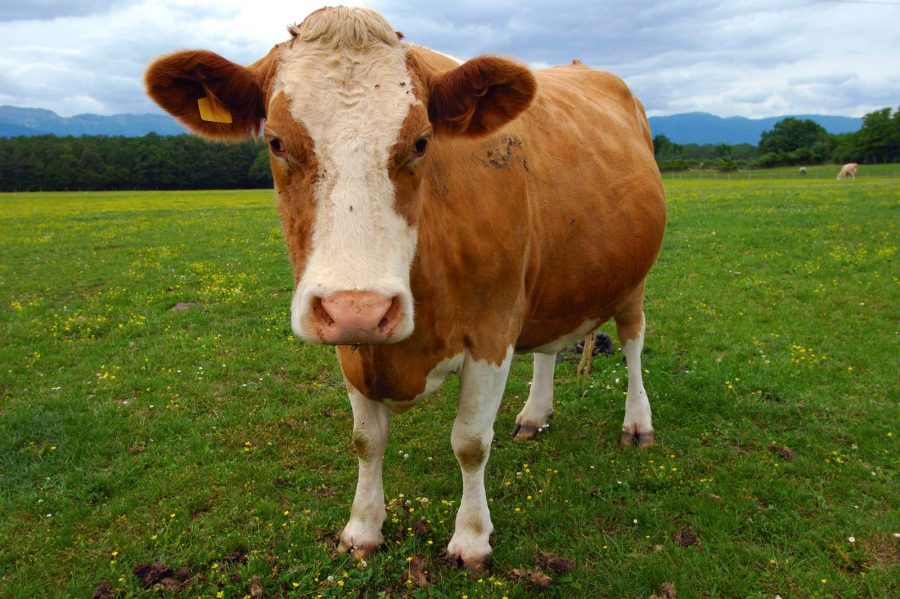
RSPCA CYMRU has called on the new Welsh Government to ensure animal welfare remains a political priority during the next Senedd term.
The charity has written an open letter to Llyr Gruffydd MS, the Cabinet Minister for Rural Resilience and Sustainability, urging ministers to deliver animal welfare commitments made in Plaid Cymru’s manifesto.
Those pledges included promoting responsible pet ownership and breeding, licensing animal rescues, and strengthening the rights of renters who wish to keep pets.
RSPCA Cymru says Wales has already made progress, including bans on snares and glue traps, mandatory CCTV in slaughterhouses, legislation to ban greyhound racing, and moves towards regulating animal sanctuaries, rescues and rehoming centres.
Its Animal Kindness Index found that 75% of people in Wales describe themselves as animal lovers, the highest proportion in the UK. The same survey found that 85% of people in Wales believe animal welfare should be protected through legislation.

Billie-Jade Thomas, RSPCA Cymru’s Senior Public Affairs Manager said: “It’s clear that Wales is a nation of animal lovers and that animal welfare is important to so many people.
“We really do have the opportunity to make huge progress in our animal welfare standards in Wales under the new Welsh Government and we look forward to working with them to ensure every kind of animal in Wales has a good life.
“That starts with those at the helm of the new Welsh Government delivering on their manifesto commitments for animals.”
The charity is also calling for ministers to go further, including granting RSPCA inspectors limited statutory powers, making pet abduction a specific offence in Wales, regulating livery yards, tackling horse tethering, improving farm animal welfare, and introducing mandatory labelling on animal-derived products.

One of the more politically sensitive areas is bovine TB. The RSPCA says it supports efforts to eradicate the disease but wants a humane approach that does not involve badger culling.
Farming unions have previously argued that bovine TB has had a devastating impact on Welsh farms, with cattle slaughtered, businesses disrupted and families placed under serious financial pressure. They have called for a stronger eradication strategy and say any policy must be based on evidence and the practical realities facing farmers.
The issue is likely to remain one of the most difficult areas for the new minister, as animal welfare campaigners, farmers, vets and conservation groups continue to press for different approaches.

RSPCA Cymru is urging supporters to sign its open letter and says animal welfare must not be allowed to slip down the political agenda.
The charity is also encouraging people to take part in its Summer of Kindness campaign, which promotes simple, family-friendly ways to help animals.

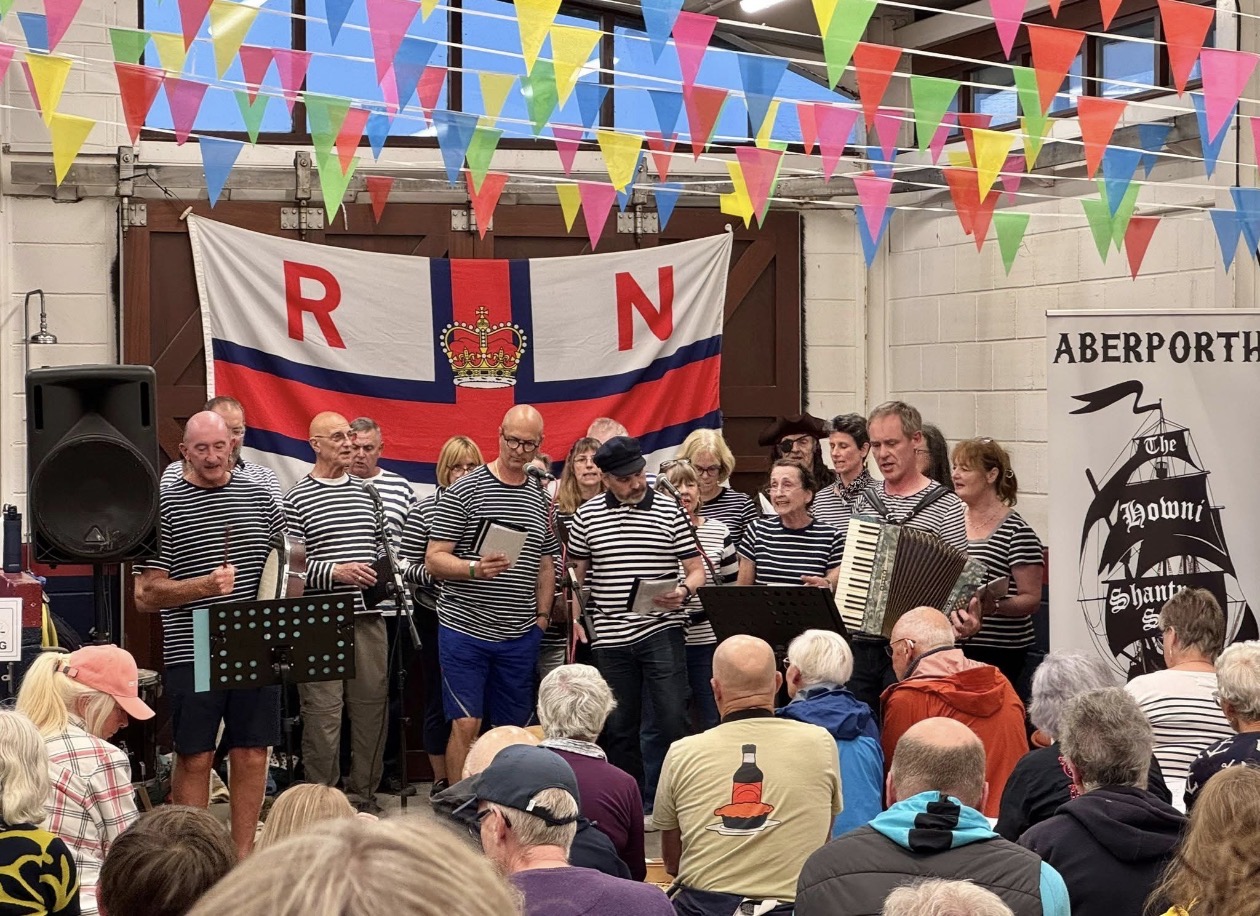
CARDIGAN RNLI is inviting the community to enjoy an evening of music, food and fundraising at its fourth annual Sea Shanty and Street Food Festival.
The event will take place at Cardigan RNLI Lifeboat Station on Saturday, June 20, from 3:00pm to 9:00pm.
Organisers say the family-friendly festival will feature live music throughout the afternoon and evening, with performances from Cariad Sound, The Bad Latitudes Shanty Group, Howni Shanty Group and Blaenporth Male Voice Choir.
A wide range of food and drink will also be available from local vendors, including Manuka Asian Street Food, Dewi James BBQ, Pembrokeshire Wood Fired Pizza, Ice Green Vegan Ice Cream, Los Muñecos Mexican Street Food, Bluestones Coffee, Mantle Brewery and Cream Tea.
Tickets cost £5, with all proceeds going towards supporting Cardigan RNLI’s lifesaving work.
Bruce Harris, event organiser said: “Our Sea Shanty and Street Food Festival is a fantastic way to bring the community together while supporting the RNLI’s lifesaving work.
“There’s something for everyone, great music, brilliant local food and a wonderful atmosphere by the water.
“Every ticket sold helps our volunteer crew continue to save lives at sea, so we’re really looking forward to welcoming as many people as possible for a great evening in support of Cardigan Lifeboat Station.”

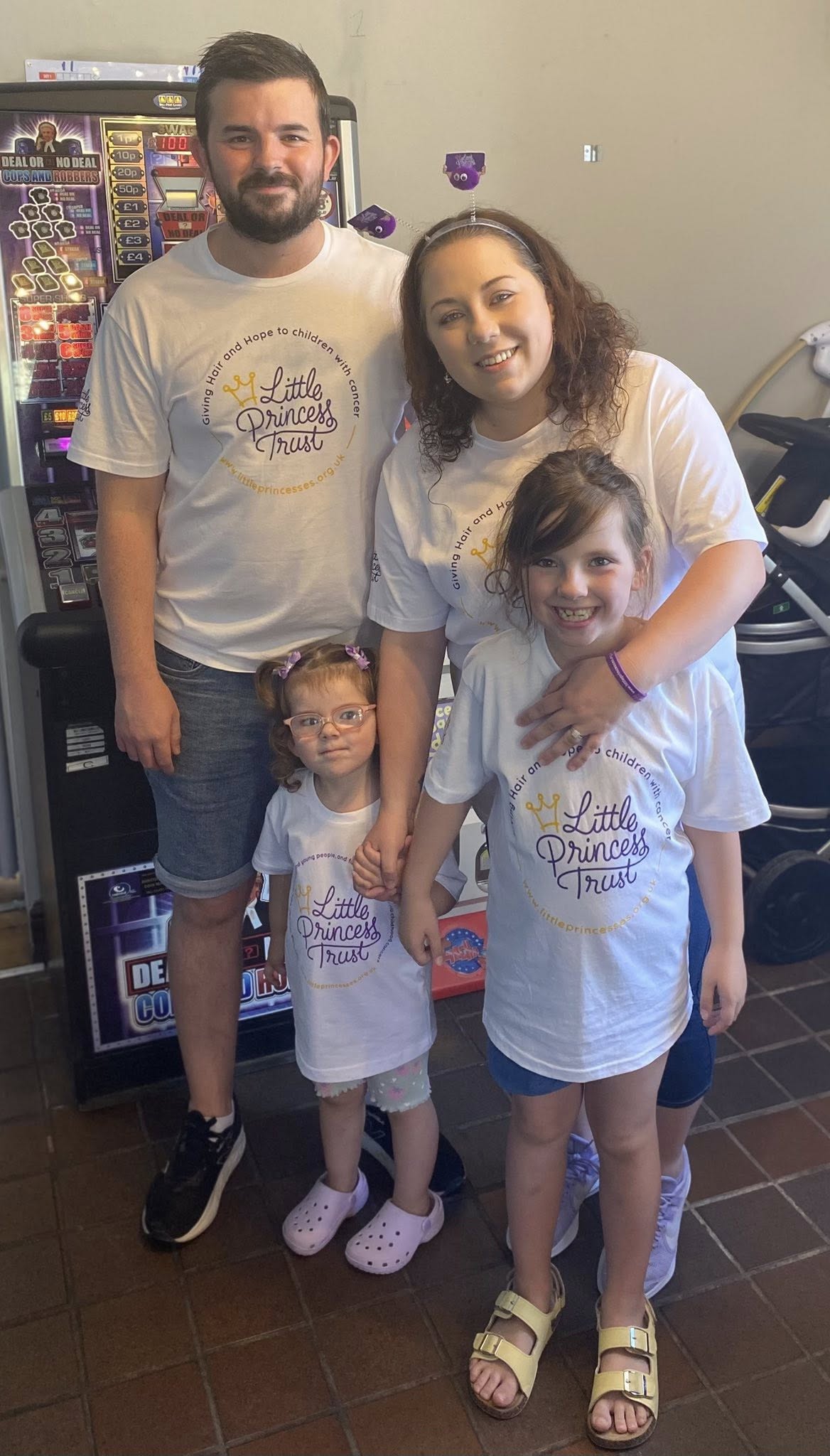
A GENEROUS eight-year-old girl showed incredible kindness and determination when she donated 12 inches of her hair to help children affected by cancer.
The hair-cutting event took place at the Cross Inn, Broadmoor, where family, friends and members of the local community gathered to support her fundraising efforts. Her donated hair will be used to make wigs for children who have lost their hair during cancer treatment.
Alongside the hair donation, the young fundraiser worked hard to raise £2500 for the charity, with local businesses and residents contributing donations, vouchers and prizes to support the cause. The event helped raise valuable funds while also shining a spotlight on the important work carried out by charities supporting children and families facing cancer.
Her selfless act inspired many people in the community and helped raise awareness of the challenges experienced by young cancer patients. Supporters praised her bravery and generosity, recognising the difference her donation and fundraising efforts will make to children in need.
The event proved to be a wonderful success, demonstrating how one young person’s compassion can bring a community together and make a meaningful impact on the lives of others.
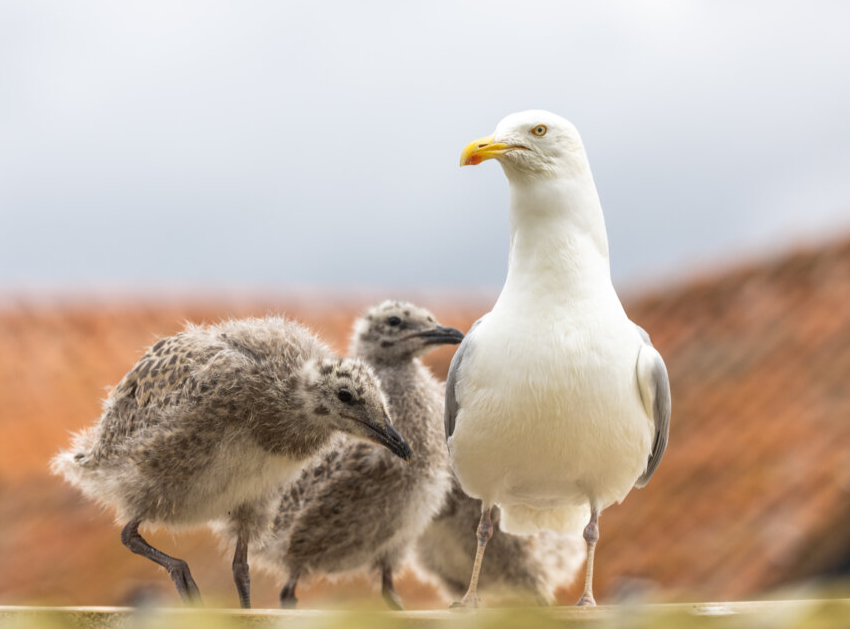
ANIMAL rescue organisations are urging people to think twice before intervening with young gulls this summer, warning that many birds taken into care do not actually need help.
The RSPCA, Scottish SPCA and British Wildlife Rehabilitation Council say thousands of gulls are brought into rescue centres every year, with many cases involving healthy chicks or fledglings that have simply left the nest as part of learning to fly.
The organisations say well-meaning members of the public often mistake this normal stage of development for abandonment, even though parent birds are usually nearby and continue to feed and protect their young.
RSPCA wildlife rescue expert Verity Miles said: “Each summer, our wildlife centres see a surge in young gulls being brought in by kind members of the public.
“Gulls are such underappreciated animals, so it’s amazing so many people want to help them. However, in many cases these birds have not been abandoned, but have left the nest as they learn to fly. This is a normal part of their development.
“Their parents will usually remain nearby and continue to feed and protect them, but sadly many well-meaning passers-by will mistake this for abandonment.”
The warning comes as rescue teams prepare for the peak breeding season, when calls about gulls rise sharply.
Sean Meechan, Wildlife Operations Lead at the Scottish SPCA, said officers attend thousands of gull-related calls every year, particularly in early summer.
He said: “While some situations do require intervention, the majority involve healthy birds that are best left alone.”
Experts say removing a healthy chick or fledgling can cause stress and reduce its chances of survival. They also warn that disturbing or taking gulls, eggs or nests can be an offence unless there is a genuine need to intervene.
Paul Reynolds, Chair of the British Wildlife Rehabilitation Council, said: “Taking a healthy chick or fledgling away from their parents can cause stress to the young bird and significantly reduce their chance of survival.
“Not only that, but it is also an offence to disturb, or take gulls or eggs from their nests, unless absolutely necessary, so you may inadvertently be breaking the law by bringing in gulls that are not sick or injured.”

The RSPCA says it has cared for nearly 4,000 gulls in its wildlife centres over the past five years, with admissions peaking in June. More than half involved young birds believed to be orphaned or grounded.
The Scottish SPCA attended more than 11,000 gull-related incidents over the same period.
The organisations say the public should leave uninjured young gulls where they are so their parents can continue to feed them. Very young chicks in immediate danger can be moved carefully to a nearby safe, elevated spot if possible.
People should only intervene if a bird is clearly sick or injured.
Anyone who finds an injured baby gull is advised to contact a vet or reputable wildlife rehabilitator. Injured adult gulls can be reported to the RSPCA in England and Wales, or the Scottish SPCA in Scotland.
Rescue organisations also warn that unnecessary handling and higher numbers of birds in care can increase the risk of disease transmission, including avian influenza.
Sean Meechan added: “The Scottish Government advises against handling gulls. If you’re concerned, the best course of action is to contact us and we can assess the situation.”


News4 hours ago
Pendine cliff fall victim recovering after major emergency response
A 22-YEAR-OLD man who suffered serious injuries after falling from cliffs overlooking Pendine Beach is recovering well following emergency surgery....


News23 hours ago
First Minister challenged over jobs for student nurses
REFORM WALES has accused the First Minister of failing to guarantee jobs for student nurses in Wales, despite continuing pressure...

Crime1 day ago
Knife blankets call as school staff face rising violence fears
GMB says protective equipment should be considered where risk assessments show staff could face blades SCHOOL staff should be given...


News1 day ago
Claire Archibald secures review of Milford Haven train times
RURAL TRANSPORT CONCERNS RAISED WITH TFW CLAIRE ARCHIBALD MS has secured a review of train times between Milford Haven and...


Crime1 day ago
PCC review calls for stronger youth crime prevention work
REPORT MAKES 13 RECOMMENDATIONS A REVIEW into crime and anti-social behaviour services for young adults has called for stronger prevention...


Crime1 day ago
Families condemn failed appeal by paddleboard boss jailed over Haverfordwest tragedy
RELATIVES SAY LATEST COURT BID HAS REOPENED PAIN AFTER FOUR DEATHS ON WESTERN CLEDDAU THE FAMILIES of victims of the...
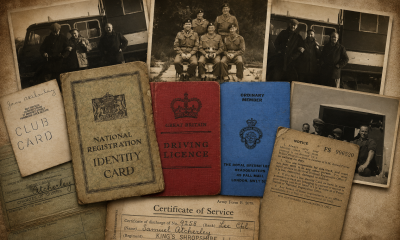

Community2 days ago
Forgotten wartime archive found in Pembroke Dock attic after 80 years
Remarkable family collection reveals story of father and son who served through two world wars A REMARKABLE untouched family archive...


Crime2 days ago
Milford Haven woman left with facial fractures after drunken attack
A WOMAN in her late fifties suffered facial fractures after being repeatedly punched through the window of her car during...


Crime2 days ago
Sex offender in senior role at Tenby family hotel
CREST HOTEL GROUP says it is investigating safeguarding concerns after staff at the Imperial Hotel in Tenby raised alarm over...


Sport3 days ago
Runners tackle new route in Ras Y Castell 10k
MORE than 90 runners took to the streets and paths around Cardigan on Friday evening (June 5) for the annual...
-
Crime5 days ago
Paddleboard company owner loses bid to cut sentence over Haverfordwest tragedy
-

 Crime4 days ago
Milford Haven man admits harassment and assault
-
 News4 days ago
Community appeal for privacy after serious emergency in Pendine
-
 Crime7 days ago
Pembroke Dock driver avoided jail after drug-drive crash
-
Crime2 days ago
Sex offender in senior role at Tenby family hotel
-
Community2 days ago
Forgotten wartime archive found in Pembroke Dock attic after 80 years
-
 Business4 days ago
Call for gym and Padel courts at Kiln Park Farm unanimously backed
-
Crime1 day ago
Families condemn failed appeal by paddleboard boss jailed over Haverfordwest tragedy