


Entertainment
Costume designer reveals work behind Torch Theatre’s Robin Hood spectacular

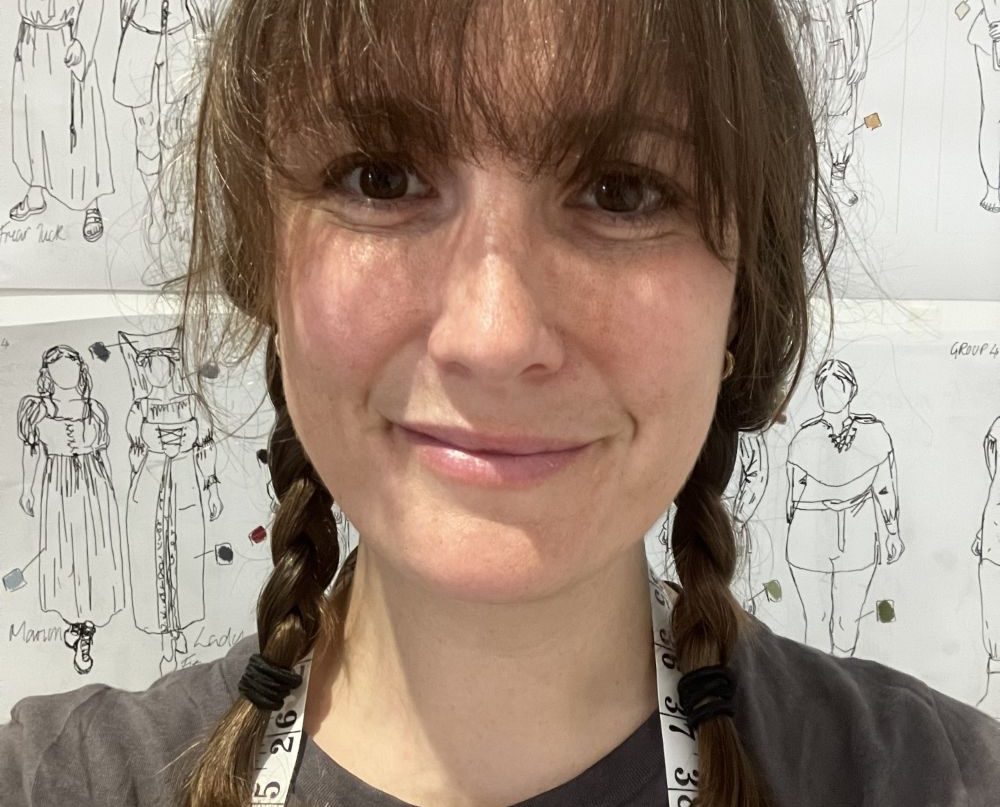
More than 50 young performers will take to the stage in 133 sustainably sourced costumes
MORE than 50 young people from across Pembrokeshire are preparing to bring the legend of Robin Hood to life at the Torch Theatre this month.
The theatre’s Summer Youth Show, Robin Hood: The Legend of the Black Knight, will feature 133 costumes, all of which have been sourced with sustainability in mind.
Supported by the Port of Milford Haven and the Ingles Charitable Trust, the production will run for three nights only, from Monday, July 20, to Wednesday, July 22.
Costume designer Fi Russell has been responsible for creating a distinctive look for the large cast while working within the production’s budget.
She said: “There are more than 130 costumes in this show, so it has been a challenge to source that many outfits within budget while also making them identifiable, rooted in each character and fun.”

Fi trained in scenography at Aberystwyth University before specialising in theatre design and completing a postgraduate diploma at the London Academy of Music and Dramatic Art.
She has now worked as a professional theatre designer for more than 15 years.
Fi said the audience’s experience is central to her approach when designing costumes.
She explained: “I love thinking about how the audience will understand, react and respond to the costumes.
“For this show, I have used really strong colour distinctions between the different character groups to make the story as easy to follow as possible.”
Fi’s recent work includes designing the set and costumes for Le Navet Bete’s fast-paced comedy Oh Zeus! and working with magicians The Great Baldini and Peter Clifford on The Curious Case of the Masked Magician. Both productions are currently touring the UK.
Environmental considerations have also played an important part in the preparations for the Torch production.

Fi added: “Sustainability and the environment are really important to me and are embedded in my work.
“We are hiring and borrowing many of the costumes rather than buying new ones, and we will make sure that no clothing goes to landfill at the end of the show.”
Robin Hood: The Legend of the Black Knight will be performed at the Torch Theatre at 6.30pm on Monday, July 20, Tuesday, July 21, and Wednesday, July 22.
Tickets cost £10, or £8 for concessions, and are available through the Torch Theatre website or by calling the box office on 01646 695267.



Keeping players safe when gambling online is critical. As hackers have adapted to new safety measures and scams have become more sophisticated, the need for identity verification is more apparent than ever before.
Thankfully advanced identity verification is successfully preventing fraud, supporting anti-money laundering measures, and protecting player accounts, and we’ll explore how in this article.
What is KYC?
KYC (know your customer) is a process used by many banks, financial services, and businesses, including online casinos, to verify the age and identity of a customer, authenticate documents, and assess potential risks (in the case of gambling, this includes problem gambling and affordability issues).
KYC regulations are becoming increasingly important as criminals alter their strategies to tackle more stringent security measures. However, they do create a lengthier registration process and many people express privacy concerns over sharing their personal documents online, which is why many gamblers seek out no-KYC casinos, despite the safety and security KYC provides.
How Does KYC Improve Online Casino Safety?
KYC has a number of safety advantages:
Reduces the Risk of Fraudulent Behaviour
KYC checks can flag those providing false information, using stolen identities, or engaging in any other fraudulent transactions and activities. This adds an extra layer of protection which increases the safety and security of a platform.
Prevents Money Laundering
Online casinos are at a very high risk of money laundering, so knowing who is moving money around and why is essential. These detailed identification processes make it much more difficult for criminals to launder money though online casino sites.
Lowers the Rate of Problem Gambling
Gambling can be highly addictive. Gaming online, while convenient, does give people access to gambling 24/7, which can easily fuel an addiction. KYC can help operators filter out problem gambling, by monitoring player activity and spending to identify those at risk. Flagging these behaviours quickly allows people to evaluate their habits and seek help early on, lowering the risk of developing a dangerous gambling addiction.
Safety is Crucial When Gambling Online
The best new online casinos are the ones that take player safety and financial security seriously. By implementing proper safety measures and identifying individuals accurately, online casinos can protect themselves and their players, prevent fraud, and create a more positive gambling experience.
While registering for online gaming using a KYC casino can take longer and feel more disruptive, it’s crucial that you stick to sites that follow these regulations to help keep you safe online.
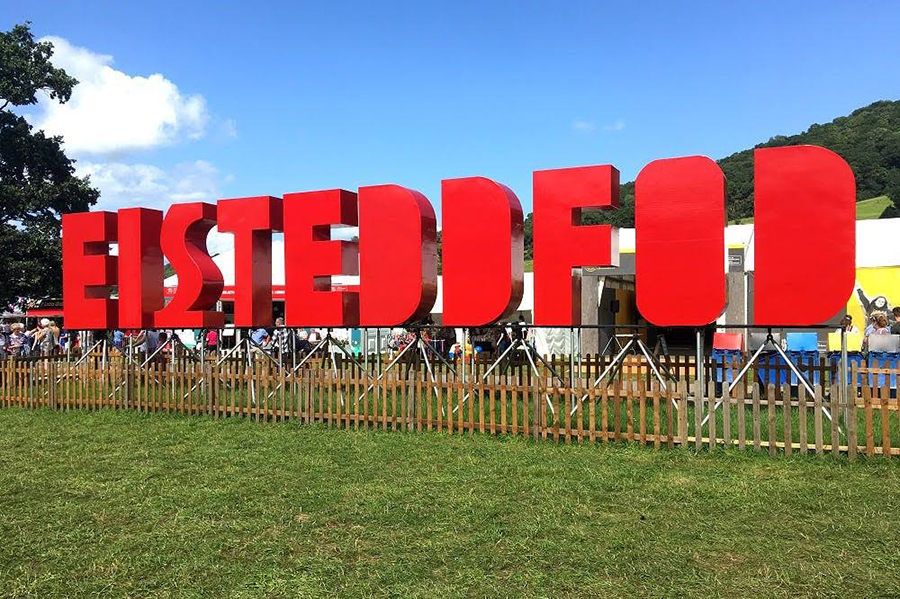
A CALL for permission for works clearing part of the 2026 Eisteddfod site ahead of this year’s festival in Pembrokeshire has been given the go-ahead county planners.
In an application to Pembrokeshire County Council, Cardiff-based Angharad Davies sought permission for the removal of multiple small sections of hedge on a temporary basis for the forthcoming Eisteddfod at Glanrhyd Road, Llantood/Llantwd.
A supporting statement said: “Preparation works have been undertaken to reduce hedge growth in several locations where openings are required for festival access, with all arisings shredded and retained within the hedgerow to support natural regeneration.
“Any openings created will be carefully excavated, with the soil set aside and preserved for reinstatement upon completion, ensuring that all materials are returned as found. Where herringbone stonework is uncovered, we will reinstate it to match the original as closely as possible, typically engaging a specialist local stone mason experienced in traditional methods.
“Following the event, reinstatement works will be completed prior to leaving site, and we will return in November to plant a mix of seven hedgerow species and we will consult with yourselves to ensure the selected species are appropriate and in line with your recommendations, maintaining the character and biodiversity of the site.
“Where possible, we have incorporated original gates into a number of the proposed openings to retain the character and integrity of the site, ensuring consistency with existing features.
“In selecting locations for access points, we have prioritised sections of hedgerow with minimal growth to reduce the extent of intervention required and to minimise impact of the surrounding vegetation. This approach supports efficient installation while maintaining the natural appearance and structure of the hedgerows.”
The application was unconditionally approved by county planners.
The 2026 festival, running from August 1-8 at Llantwd holds particular historical significance, marking the 850th anniversary of the first recorded Eisteddfod, held in 1176 at Castell Aberteifi.
With this year’s Maes located close to the original site, the event is expected to be a landmark occasion for the region and for Wales as a whole.
The National Eisteddfod is the largest cultural festival in Europe and one of the most prominent events in the Welsh cultural calendar, attracting approximately 175,000 visitors annually.
The festival celebrates Welsh language, literature, music, and the arts, with a diverse programme of competitions, performances, exhibitions, and community activities.

The Eisteddfod proclamation took place in Narberth last May, with hundreds attending.
At the time, Narberth County Councillor Mark Tierney posted: “One of the biggest parades through Narberth in a long time and we provided the warmest of welcomes to visitors from near and far for the Eisteddfod proclamation procession.”

Broadcaster warns its current funding model is becoming unsustainable as viewers move away from live television and BBC iPlayer
THE NUMBER of television licences in force across the UK has fallen by almost 540,000 in just one year, according to the BBC’s latest annual report.
A total of 23.3 million licences were active at the end of the 2025/26 financial year, compared with 23.8 million 12 months earlier.
The reduction of 539,000 was considerably larger than the fall recorded during the previous year and reflects the growing number of households which say they no longer watch programmes requiring a television licence.
Households need a licence to watch or record television programmes as they are being broadcast on any channel, or to use BBC iPlayer. Those who only use other streaming services to watch programmes on demand do not generally require one.
The number of households declaring that they did not need a licence rose by 62,000 during the year, reaching approximately 3.7 million.
Licence numbers have now fallen by more than 2.5 million since the beginning of the decade, when around 25.9 million were in force.
BBC chief financial officer Berangere Michel said the majority of the decline appeared to be caused by people no longer consuming content covered by the licence.
She warned that the trend was unlikely to reverse and was instead expected to accelerate, strengthening the BBC’s argument that the way it is funded must be reformed.
The corporation’s annual report said its financial outlook had worsened during the second half of 2025, with licence sales falling more quickly than previously forecast.
Inflation, rising production costs and difficult trading conditions across the wider media industry have also increased the gap between the BBC’s income and its expenditure.
Although licence fee income stood at around £3.87 billion in 2025/26, the value of that income has fallen sharply when inflation is taken into account.
In today’s prices, the corporation received approximately £1.34 billion less than the equivalent amount raised in 2016/17, representing a real-terms reduction of around 26 per cent.

The BBC reported an operating loss of £121 million for 2025/26 despite an increase in the price of the television licence during the year.
Director-general Matt Brittin described the situation as a “moment of real jeopardy” for both the BBC and public service broadcasting in the UK.
He said the corporation continued to play an important role in public life, the economy and Britain’s cultural influence, but acknowledged that it would have to change substantially to remain relevant in a rapidly evolving media market.
The report shows that 94 per cent of adults use at least one BBC service each month, but fewer than 80 per cent of households now contribute through the licence fee.
BBC chairman Samir Shah said the difference between the number of people using BBC services and those paying for them demonstrated that the existing system could no longer support the corporation’s public service responsibilities.
The BBC is preparing for negotiations over its next Royal Charter, with the current arrangements due to expire at the end of 2027.
Options being discussed include retaining a reformed licence fee, extending payments to some households using commercial streaming services, or developing a different funding system. The Government has not yet made a final decision.
The future of the licence fee also has implications for broadcasting in Wales. S4C receives its public funding through the television licence, with £97.6 million allocated to the Welsh-language broadcaster during 2025/26.
The BBC has already announced plans to reduce spending across its news, nations and content divisions.
The first phase is expected to save around £160 million, contributing towards a wider target of £500 million by 2028/29. The programme is expected to result in between 1,800 and 2,000 job losses over three years.
BBC executives maintain that substantial reform will be needed alongside those savings if the organisation is to continue providing television, radio, news, online and regional services on their current scale.



Community2 hours ago
Tenby Summer Spectaculars brought to an end after harbour licence revoked
Round Table says it was willing to make major safety changes but could not secure the access controls needed to...
Local Government2 days ago
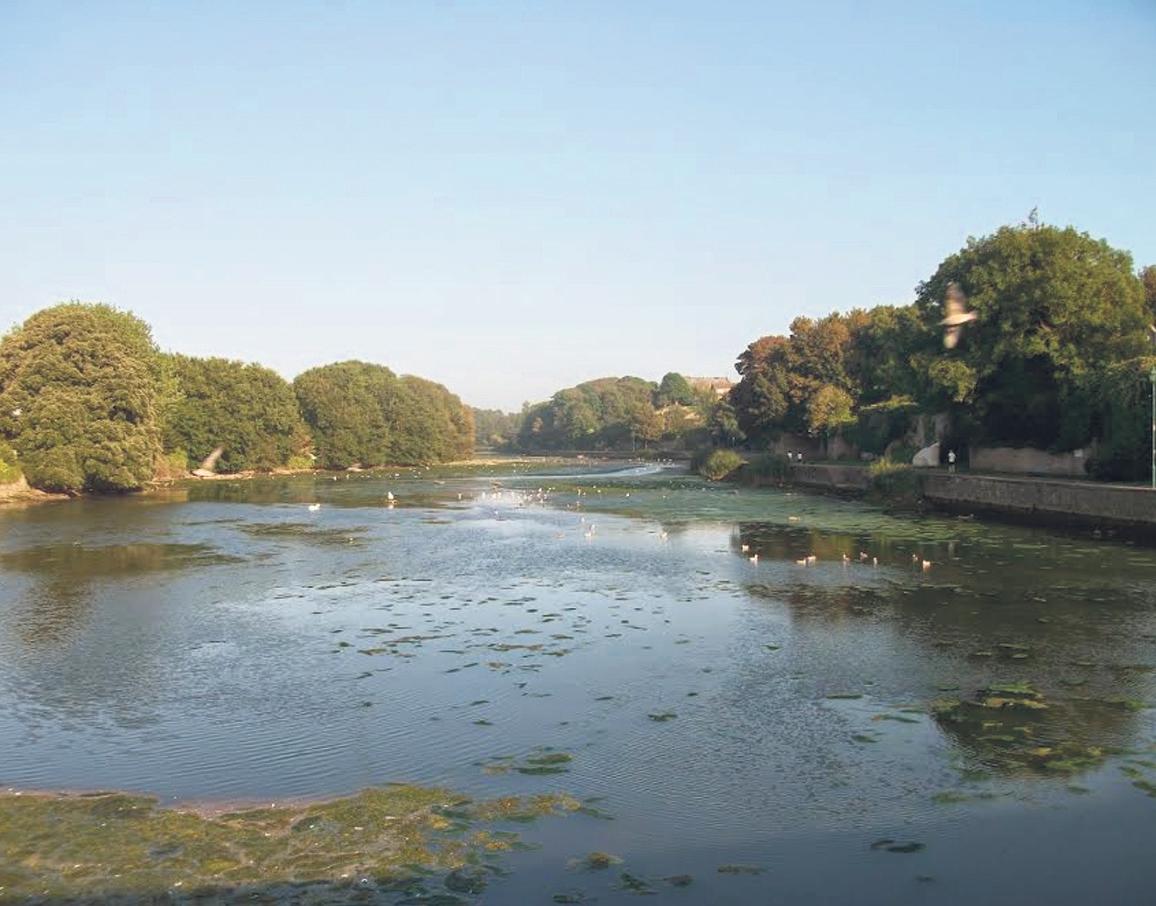
Catapult attacks suspected after wildlife deaths at Pembroke Mill Pond
Wildlife Crime Officers are investigating after the town council said around five animals showed signs of deliberate injury WILDLIFE found...

Crime2 days ago
Narberth retailer speaks of shoplifting toll after ‘collectable bear’ stolen
Independent shop owner said rising costs meant businesses could not afford to absorb losses caused by theft A NARBERTH retailer...


Crime2 days ago
Teen accused of attempting to murder teacher says she lied about stabbing
Defendant accepts teacher was terrified and that a knife wound to the head could kill, but denies deliberately attacking her...


Local Government4 days ago
Calls grow for independent investigation into Manorbier school closure
Councillor alleges misleading figures, inadequate insurance and poor treatment of staff CALLS for an independent investigation into the controversial closure...

Community4 days ago
Neyland Carnival hailed a huge success after streets fill with colour and crowds
NEYLAND CARNIVAL organisers have thanked the community, volunteers and local businesses who helped make this year’s event a memorable success....

Community4 days ago
Tenby Summer Spectacular: Anger grows over ‘disaster waiting to happen’ warning
A growing backlash has followed police calls for the event’s licence to be revoked, with supporters questioning why authorities failed...

Charity5 days ago
RSPB secures ‘missing link’ to reconnect wildlife habitats in Carmarthenshire
RSPB CYMRU has purchased a 96-hectare upland site in Carmarthenshire, describing it as a vital step towards reconnecting one of...


Crime6 days ago
Ann Widdecombe: Welsh politicians pay tribute as murder probe launched
Prime Minister Sir Keir Starmer has praised the former minister’s “conviction and dedication”, while political figures in Wales remembered her...


News6 days ago
Solardo pulls out of Haverfordwest show as organisers offer full refunds
Headline act confirms non-appearance as Park House Series announces major event changes DANCE music duo Solardo will no longer perform...
-

 Farming7 days ago
Working Carmarthenshire farm opens gates to visitors with new holiday cottages
-

 Sport7 days ago
Rising rally star claims maiden Mini Rally Challenge victory
-
 Farming7 days ago
Outer Hebrides stickmaker to make final Royal Welsh Show appearance
-

 Crime7 days ago
Greenacres confirms seized dogs are safe as investigation continues
-

 Sport7 days ago
Bluebirds give new home strip first run-out
-
 Health6 days ago
Hospital ward closed after highly contagious scabies outbreak
-

 Crime2 days ago
Letterston footballer guilty of eye-gouging assault during match
-
Crime7 days ago
Teacher stabbing trial: The first week of evidence