


News
Welsh broadcasting authority plan sparks row over powers and cost


Working group will begin meeting next year, but any shadow authority would initially have no formal regulatory powers
THE WELSH GOVERNMENT has committed £45,000 to begin developing a new broadcasting and communications body for Wales, despite broadcasting regulation remaining under the control of the UK Government.
Culture and Sport Minister Heledd Fychan has announced plans to establish a working group as the first step towards creating a Shadow Broadcasting and Communications Authority for Wales.
The proposed organisation would examine the state of broadcasting, journalism and communications in Wales, advise ministers and press the case for powers currently exercised at a UK level to be transferred to the Senedd.
However, it would not initially have the legal powers of a regulator. Television, radio and communications regulation remain reserved to Westminster, with Ofcom continuing to license and oversee broadcasters throughout Wales.
The announcement has triggered criticism from the Welsh Conservatives, who say ministers are spending public money on a body with no immediate authority while failing to explain its eventual cost.

Two-year process
The Welsh Government will initially create a Shadow Broadcasting and Communications Authority Working Group.
Its members will advise ministers on the proposed authority’s structure, legal status, remit, research programme and engagement with broadcasters, publishers and the public.
A recruitment campaign is expected to begin in September, with appointments completed by the end of 2026.
The group is then expected to hold its first meeting in early 2027.
Detailed recommendations about establishing the authority are not expected until early 2028, with Ms Fychan planning to make a further formal statement in spring 2028.
The £45,000 allocated from the Creative Wales budget will fund the working group’s activities during the current financial year.
It is not yet known how much the working group will cost in later years or what annual budget would be required if the shadow authority is eventually established.

Ms Fychan said the phased timetable would allow the government to gather evidence and ensure that any new organisation addressed genuine gaps in the present broadcasting system.
She said: “These plans have not been developed in isolation. They are based on evidence that a UK-wide framework for broadcasting does not cater to the realities of how a devolved UK operates.”
The minister added that organisations including the Institute of Welsh Affairs and the Independent Commission on the Constitutional Future of Wales had called for Wales to have a stronger voice on broadcasting and communications.
What would the authority do?
The idea was first examined by an expert panel established in 2022 under the former Welsh Government’s co-operation agreement with Plaid Cymru.
Its report, published in August 2023, concluded that Wales needed an independent body to increase scrutiny and visibility of broadcasting and communications at a Welsh level.
The panel recommended that the organisation’s remit should include journalism as well as broadcasting, and that it should be publicly funded but independent of government.
Its possible responsibilities could include gathering Wales-specific audience and industry data, examining the health of Welsh journalism, supporting media plurality and promoting the Welsh language across traditional and digital platforms.
It could also develop proposals for a future Welsh regulatory framework if broadcasting and communications powers were eventually devolved.
The new body would not, however, replace Ofcom under the current constitutional arrangements.
Ofcom already has a team based in Cardiff and an Advisory Committee for Wales, which feeds Welsh interests and concerns into the UK regulator’s work.
During a previous Senedd inquiry, S4C warned that establishing a shadow authority would not itself change broadcasting regulation unless powers were first transferred from Westminster.
Local media funding dispute
Ms Fychan said the recently announced UK Government Local News Fund demonstrated why Wales needed a stronger voice.
The fund will distribute up to £6 million during 2026-27, with up to a further £6 million potentially available the following year.
Three-quarters of the first-year funding is reserved for qualifying local news organisations in England and Wales, with individual publishers and broadcasters able to bid for grants of up to £125,000.
Applications will be considered through a UK Government process, with final decisions made by the Department for Culture, Media and Sport following advice from an industry steering board.
Ms Fychan described the scheme as an example of plans being made “for and about us” without the Welsh Government having a role in shaping or implementing them.
She said: “This work will be guided by a commitment to ensuring our plans add value, and result in positive change and better outcomes for Wales.
“I am certain that any resource channelled towards a Shadow Broadcasting and Communications Authority for Wales will pay dividends.”
She described the working group as the first step in pressing for broadcasting powers to be devolved to Wales.
Conservatives question value
Welsh Conservative culture spokesman Paul Davies opposed the proposals, describing them as a distraction from health, education and economic problems.
He said: “The Welsh Government is wasting time and taxpayers’ money on setting up a shadow authority in an area that isn’t even devolved, while the issues people actually care about are being neglected.
“The Welsh Government has already committed £45,000 to this project, but this is just the start. Ministers have failed to explain what the total cost will be, how much more public money will be spent or what practical difference this body will make.”
Mr Davies said the Welsh Conservatives did not support devolving responsibility for broadcasting.
“Rather than campaigning for more constitutional change, the Welsh Government should concentrate on delivering on the responsibilities it already has,” he added.
The Welsh Government said the working group’s terms of reference and the names and biographies of its members would be published following the recruitment process.

Auditor classifies excess expenditure as ‘irregular’ after health board fails both statutory financial duties
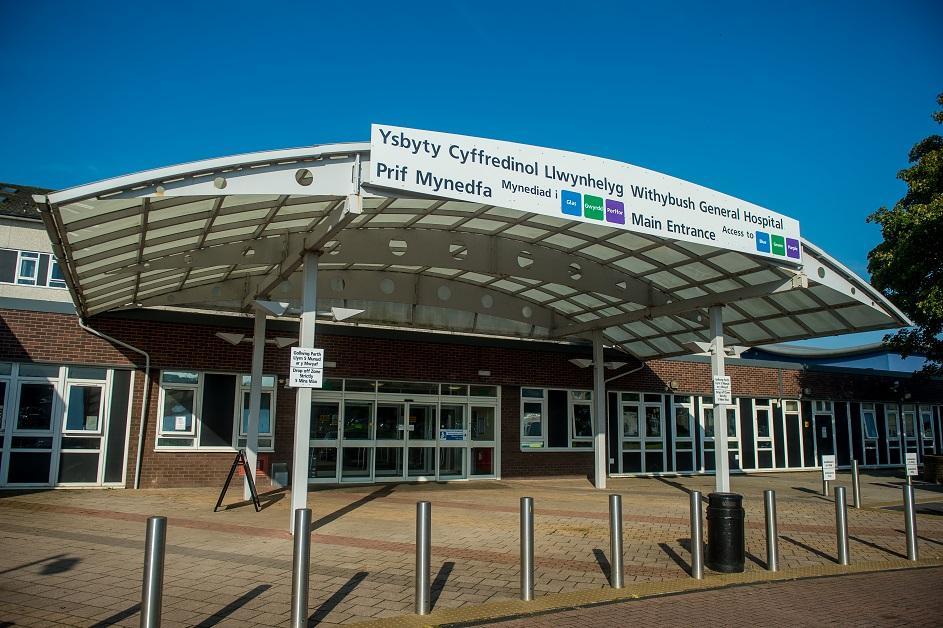
HYWEL DDA University Health Board spent £112 million more than it was authorised to over a three-year period, according to a report by the Auditor General for Wales.
The finding comes as new figures show NHS Wales ended 2025-26 with an annual deficit of £199 million, £75 million worse than the previous year, despite receiving a significant increase in funding.
Auditors found that Hywel Dda exceeded its cumulative revenue resource limit of £3.893 billion by £112.043 million between 2023-24 and 2025-26.
Because the spending was above the limit authorised under the NHS financial framework, the Auditor General classified the excess as “irregular expenditure” and issued a qualified opinion on the regularity of the health board’s accounts.
The term does not mean that auditors found fraud or that the money was unaccounted for. It means Hywel Dda spent beyond the authority granted to it after failing to balance its finances over the rolling three-year period.
The health board’s accounts were found to give a true and fair picture of its financial position, and auditors reported no uncorrected misstatements that needed to be brought to the board’s attention.
However, Hywel Dda failed both of the statutory financial duties imposed on health boards.
The first requires boards to balance their income and expenditure over a rolling three-year period.
The second requires them to produce a three-year integrated plan approved by Welsh ministers. Hywel Dda did not have an approved plan covering 2025-26 to 2027-28.
The local findings form part of a wider financial crisis facing the Welsh health service.
Audit Wales said NHS Wales received £12.39 billion in revenue funding during 2025-26, an increase of £823 million compared with the previous year and a real-terms rise of 3.8 per cent.
Despite that increase, the annual NHS Wales deficit rose from £124 million to £199 million.

The accumulated deficit over the latest three-year period has now reached £506 million.
Six of Wales’s seven health boards failed their statutory duty to break even over three years. Cwm Taf Morgannwg University Health Board was the only board to meet the requirement and the only one to have a three-year plan approved by the Welsh Government.
Audit Wales warned that the overall deficit was unlikely to improve in the near future, with most health boards still unable to produce financially balanced plans.
The health service reported savings of £256 million during the year, but this was only £3 million more than in 2024-25.
Auditors also raised concerns about an increasing reliance on temporary, one-off savings rather than permanent reductions in costs.
There was some improvement in spending on agency staff, which fell to £128 million. That was 61 per cent below the peak recorded in 2022-23, although almost three-quarters of the remaining agency bill was used to cover vacant posts.
Darren Hughes, director of the Welsh NHS Confederation, said health boards had worked hard to identify savings and reduce agency expenditure, but were still facing intense pressures caused by rising demand and increasing costs.
He said NHS leaders were being forced to make exceptionally difficult decisions, adding that “efficiencies alone will not be enough to secure a sustainable future for the NHS”.
Mr Hughes called for service redesign to be undertaken in partnership with staff, patients and communities, alongside greater investment in buildings, infrastructure and digital technology.
He said more than 60 per cent of the NHS estate in Wales was over 30 years old, while the backlog of essential maintenance work had exceeded £1 billion.
Mr Hughes added: “We need an honest national conversation about the changes required to ensure health and care services can meet future demand.”

ANIMAL welfare campaigners have welcomed a UK Government consultation on tighter controls over the use of loud fireworks outside organised displays.
The RSPCA described the announcement as a “major step forward” and urged pet owners and animal lovers across England and Wales to take part in the consultation.
David Bowles OBE, the charity’s head of public affairs, said fireworks could cause severe distress and lasting harm to pets, horses, livestock and wildlife.
He said: “For too long, pets, horses, wildlife and farmed animals have been deeply affected by fireworks and the lack of regulation, including DIY and impromptu displays.
“Animals such as dogs and horses can suffer from tinnitus, hearing loss and long-term hearing damage, while all animals can experience stress and fear, which has in some instances led to injury and even death.
“Livestock and other animals living outdoors often try to escape the bangs out of fear, sometimes injuring themselves in the process, and the consequences can be devastating.”
An RSPCA survey carried out in 2024 found that 66 per cent of pet owners considered backyard firework displays to be a major concern.
The charity has long campaigned for tighter restrictions and more responsible use of fireworks. Its work has included an annual calming programme with Classic FM on Bonfire Night and its Kind Sparks campaign, which encourages communities to consider the impact of fireworks on animals and vulnerable people.
The RSPCA is also a member of the Fireworks Impact Coalition, a group of 19 organisations representing people and animals adversely affected by fireworks.
Mr Bowles added: “This campaign has never been about spoiling people’s fun, but about protecting animals.
“This consultation has the potential to be a game changer. We now have an opportunity to give animals a voice by encouraging everyone who cares about them to respond and support these long-awaited restrictions.”
Party leader says allegations involving children in care underline the need for a Wales-wide investigation into institutional failings
THE WELSH CONSERVATIVES have renewed calls for a Wales-wide inquiry into group-based child sexual exploitation following the charging of eight people in Gwent.
Gwent Police said eight British nationals had been charged with more than 30 offences as part of an investigation into alleged group-based child sexual exploitation.
Responding to the development, Welsh Conservative leader Darren Millar MS said the allegations represented a serious betrayal of children who should have been protected by the care system.
“These are horrific allegations representing an unforgivable betrayal of children who should have been protected by the care system,” he said.
“We now have reports of abuse in Gwent, Swansea, Rhyl and rural Wales. It is essential that the Welsh Government commissions a Wales-wide inquiry to ensure that no stone is left unturned in exposing the extent of these crimes.”
Mr Millar said any inquiry should examine the conduct of schools, councils, health services and other public bodies, including whether opportunities to protect vulnerable children had been missed.
He added: “We need to understand why opportunities to intervene were missed and whether institutional failings allowed abuse to continue unchecked.
“We must ensure justice for victims, hold perpetrators to account and get to grips with any systemic failings that allowed such abuse to take place.”
Peter Fox MS, the party’s Shadow Minister for Local Government and Communities, said he had been deeply shocked by the allegations, particularly reports that the alleged victims had been in care.
“Our hearts go out to the victims who have bravely come forward during this investigation,” he said.
“They have suffered so much and for too long. Justice must now prevail.”
The Welsh Conservatives have repeatedly pressed the Welsh Government to establish a national inquiry examining the scale of group-based child sexual exploitation in Wales and the response of public authorities.

The charges have not yet been tested in court. All defendants are presumed innocent unless and until proven guilty.


Local Government2 hours ago
Stepaside school saved as council abandons closure proposal
Governors welcome decision but maintain original plans were based on outdated information STEPASIDE Community Primary School will remain open after...

Crime2 hours ago
Footballer given 200 hours’ unpaid work for eye-gouging assault during match
Magistrates heard Robert Hedley put an opposing player in a headlock before gouging at his eyes during a match in...


Community6 hours ago
Tenby Summer Spectaculars brought to an end after harbour licence revoked
Round Table says it was willing to make major safety changes but could not secure the access controls needed to...
Local Government2 days ago
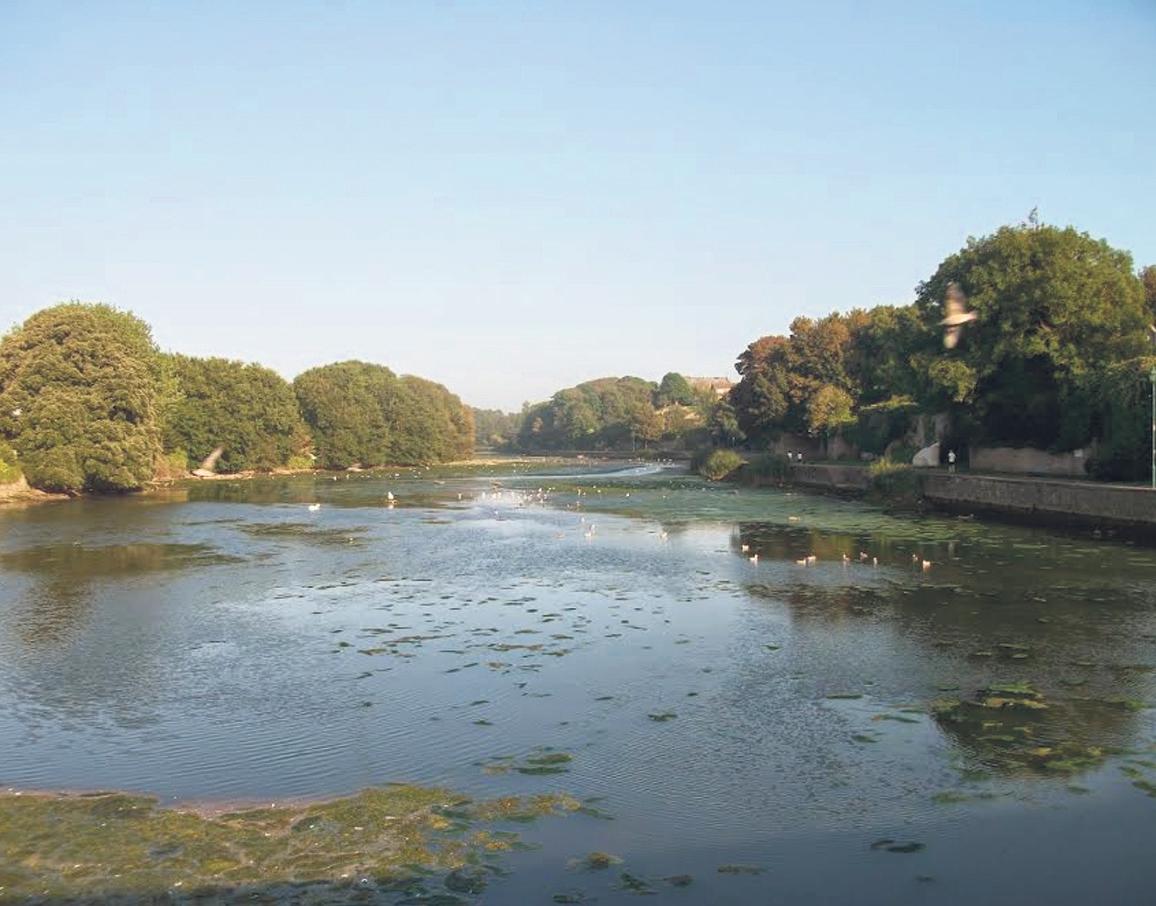
Catapult attacks suspected after wildlife deaths at Pembroke Mill Pond
Wildlife Crime Officers are investigating after the town council said around five animals showed signs of deliberate injury WILDLIFE found...

Crime2 days ago
Narberth retailer speaks of shoplifting toll after ‘collectable bear’ stolen
Independent shop owner said rising costs meant businesses could not afford to absorb losses caused by theft A NARBERTH retailer...


Crime2 days ago
Teen accused of attempting to murder teacher says she lied about stabbing
Defendant accepts teacher was terrified and that a knife wound to the head could kill, but denies deliberately attacking her...

Local Government4 days ago
Calls grow for independent investigation into Manorbier school closure
Councillor alleges misleading figures, inadequate insurance and poor treatment of staff CALLS for an independent investigation into the controversial closure...

Community4 days ago
Neyland Carnival hailed a huge success after streets fill with colour and crowds
NEYLAND CARNIVAL organisers have thanked the community, volunteers and local businesses who helped make this year’s event a memorable success....

Community4 days ago
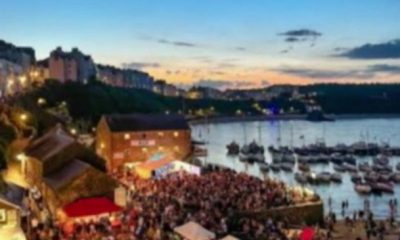
Tenby Summer Spectacular: Anger grows over ‘disaster waiting to happen’ warning
A growing backlash has followed police calls for the event’s licence to be revoked, with supporters questioning why authorities failed...

Charity5 days ago
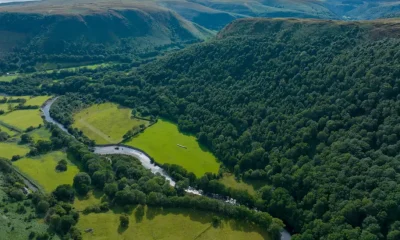
RSPB secures ‘missing link’ to reconnect wildlife habitats in Carmarthenshire
RSPB CYMRU has purchased a 96-hectare upland site in Carmarthenshire, describing it as a vital step towards reconnecting one of...
-
 Crime7 days ago
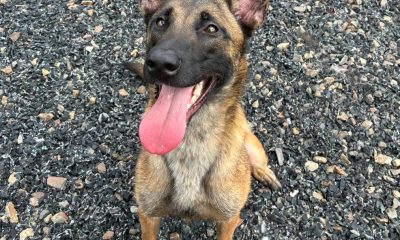
Greenacres confirms seized dogs are safe as investigation continues
-

 Crime2 days ago
Letterston footballer guilty of eye-gouging assault during match
-
 Health6 days ago
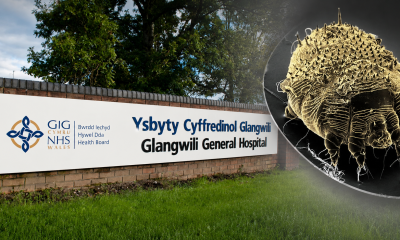
Hospital ward closed after highly contagious scabies outbreak
-

 Charity6 days ago
Lifesaving charity could get over £60,000 from Snowdon hike
-

 Crime6 days ago
Ann Widdecombe: Welsh politicians pay tribute as murder probe launched
-
 News6 days ago
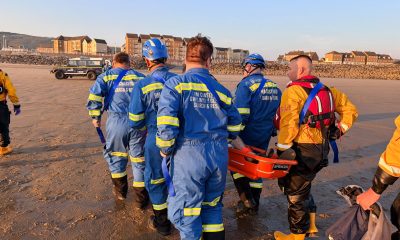
Milford Haven Coastguard coordinates rescue of injured paddleboarder
-

 Business6 days ago
Call to expand nature retreat with more lodges, a sauna and padel courts
-

 News6 days ago
Solardo pulls out of Haverfordwest show as organisers offer full refunds