


Business
Funding to create 10,000 new jobs



Economy Minister Edwina Hart
A BUSINESS rates relief scheme for companies based within Welsh Enterprise Zones was reopened for applications on Monday (Jun 22) as the total tally of jobs created or safeguarded within the seven Zones exceeded 7,000.
The Enterprise Zone Business Rates Scheme, extended for a fourth round, allows small and medium sized businesses to apply for funding to help offset their Business Rates incurred during 2015/16. Since 2012, the scheme has supported 136 businesses with over £8M of funding .
Meanwhile, latest Key Performance Indicators for the seven Enterprise Zones show that to date 347 businesses have received financial support from Welsh Government, attracting more than £100 M in public and private sector investment. This has helped to create or safeguard a total 7,002 jobs across the Zones since they were established in 2012.
One of the Enterprise Zones, the Haven Waterway, is committed to building upon the region’s reputation as the ‘new energy capital of the UK ‘, while also supporting companies from outside the energy sector with their relocation to or expansion within the enterprise zone.
Economy Minister, Edwina Hart, said: “Our Enterprise Zone Business Rates Scheme has proved very popular and helped businesses within the Zones grow. I have now extended this to a fourth round to ensure more companies can benefit. Together with an extension to the Small Business Rates Relief Scheme, an extended and enhanced Wales Retail Relief Scheme, and a cap to the business rates multiplier, we are reducing costs for businesses across Wales. We are a pro-business government, listening to what businesses need to help them grow and create jobs.”
The Enterprise Zone Business Rates Scheme is also open to businesses planning to locate in the Zones. The closing date for applications is 30 September 2015.



BLUESTONE National Park Resort has confirmed that its much-loved Steep Ravine will reopen on Saturday, May 23, marking the return of Camp Smokey and Smokey Joe’s Shindig, alongside new zip line adventures for guests to enjoy this summer.
The award-winning 5* resort in Pembrokeshire was forced to close the Ravine in December 2024 after severe storm damage left the area unsafe. Since then, work has been underway to restore the site and ensure it can be safely enjoyed by guests once again.
When visitors return this summer, they will find a landscape that looks different to how they may remember it – a change Bluestone says reflects both the impact of the storms and a conscious decision to take a long-term, nature-led approach to its recovery.
James McNamara, Director of Product and Programme Development at Bluestone, said the reopening represents “a new chapter” for the Ravine.
“We know how special the Steep Ravine is to so many of our guests and closing it back in 2024 was not a decision we took lightly,” he said.

“The storm damage meant the area was no longer safe, so it was important that we took the time to restore the Ravine carefully and responsibly, working closely with specialists throughout the process.
“Every step has been taken with care for the landscape and its future, while making sure guests can once again enjoy everything that makes this place so special.”
As part of the restoration work, areas of woodland affected by the storms were carefully managed to improve the long-term stability of the site. Bluestone says the landscape will continue to naturally regenerate and evolve over time.
As part of this approach, some fallen timber and natural woodland material has intentionally been left within the Ravine to help support the recovery process. Over time, this will help return nutrients to the soil, encourage new plant growth and create valuable habitats for insects, birds and wildlife as the landscape regenerates naturally.

“Steep Ravine has always been about bringing people together outdoors – whether that’s around the campfire at Camp Smokey or experiencing the adventure of the Ravine itself,” James McNamara added.
“We’re excited to welcome guests back this month and reopen a place that means so much to so many people.”
While the landscape has naturally evolved following the restoration work, Bluestone says the experience guests know and love is very much returning this summer.

Camp Smokey – the rustic outdoor dining spot at the foot of the Ravine – will once again serve lunches, BBQ feasts, drinks, marshmallow toasting around the fire and a brand-new lunch menu.
Evening entertainment also returns with Smokey Joe’s Shindig, featuring high-energy family sing-alongs, dancing and live entertainment at Camp Smokey.
Adventure seekers will also be able to experience two new guided zip line adventures.
The Summit Flight sends guests racing across the Steep Ravine on a high-speed 279m zip line experience, while the Double Glide features shorter zips designed to build confidence and excitement along the way.
“We’ve treated this special place with real care and respect,” James McNamara said. “It means a great deal to our guests and our team, and we’re proud to be reopening it in a way that keeps its spirit alive.”

NEW banking reforms could unlock up to £80 billion in additional finance for British businesses, the Treasury has said.
Ministers say changes to the UK’s ring-fencing regime will make it easier for major banks to support firms with lending, investment and financial products, while keeping protections for savers in place.
The reforms include a proposed new Growth Allowance, allowing large banks to use part of their balance sheets more flexibly to support businesses looking to expand.
Ring-fencing was introduced after the financial crisis to separate everyday banking services, such as retail and small business deposits, from riskier investment banking activity.
The Treasury says the core protections will remain, with ring-fenced banks continuing to operate separately from investment banking arms.
Economic Secretary to the Treasury and City Minister, Rachel Blake said: “Where financial systems are inefficient, we will change them.
“These reforms will ensure more financing flows into UK businesses, and we can support growth and create jobs across the country.
“This will unlock finance for growth while keeping the UK banking system resilient, competitive and fit for the future.”
The changes are set out in a new report, Safeguarding Stability, Enabling Growth, and will be taken forward through the forthcoming Enhancing Financial Services Bill.
The Prudential Regulation Authority will also be given more flexibility to update and tailor rules over time, rather than relying on detailed legislation.
The government says this should allow outdated requirements to be removed more quickly and help banks respond to changes in the financial system.
Banks may also be able to offer businesses a wider range of products, including improved hedging tools and greater access to programmes delivered through the British Business Bank and the National Wealth Fund.

Alex Depledge, Entrepreneurship Advisor to the Chancellor, said the reforms would help growing firms access capital at the point they need it most.
She said: “Too often, our fastest-growing firms hit a wall of unnecessary friction just as they start to scale.
“These changes will unlock more of the capital founders need to keep building in the UK, while maintaining the financial stability that underpins investor confidence.”
The government will consult on the detail of the changes before implementation.
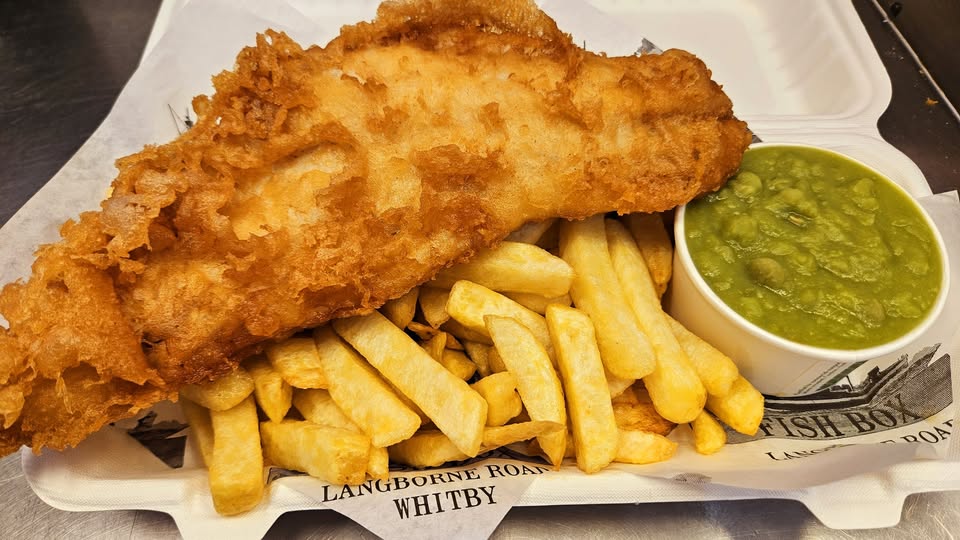
CHIP SHOP owners in Pembrokeshire say soaring costs are forcing up prices, changing customer habits, and putting pressure on young staff facing questions from customers.
Speaking to the BBC this week, Rhys McLoughlin, co-owner of Môr Ffres in Dinas Cross, said he is installing self-service tills partly to protect staff from being put on the spot over rising prices.
Mr McLoughlin said cod, once his biggest seller, is being overtaken by cheaper options such as chicken chunks as families look for ways to keep costs down.
Prices keep rising
He said: “There are lots of questions being asked. Incoming prices are going up and up.
“We have no control over that, so either we work for no money, or we follow the price increase and pass it on.”
The average price of takeaway fish and chips rose to £11.17 in March, compared with £6.48 in 2019.
Mr McLoughlin warned that cod prices could rise further by September, saying: “If these prices continue to go up, who’s going to buy fish and chips for £21? Who can afford that?”
Staff under pressure
He said the planned digital kiosks would help manage queues in the small shop during the busy summer season, but would also reduce the pressure on young staff.
Mr McLoughlin said: “We have got young staff working here and sometimes this is their first stepping stone out of school.
“It’s no fun for a boy or girl to come to work to be asked pretty abrupt questions on the spot with 20 people in the chip shop.
“We have actually lost a few members of staff through that.”
Seaside favourite
In Saundersfoot, Sy Crockford, of Marina Fish & Chips, said keeping the traditional seaside meal affordable had become increasingly difficult.
He said cod alone had risen by around 50 per cent, adding: “One thing we don’t want to do is out-price fish and chips.
“It’s nostalgia, it’s romance, to come to the beach and have fish and chips. We definitely don’t want to outprice.”
Mr Crockford said cod and haddock were becoming “a luxury, not a necessity”, and suggested more sustainable and affordable fish options may become more common on chip shop menus.
Rural shops hit
At Cegin-24 in Crymych, owner Sioned Phillips said the price of a box of cod had risen from around £36 to between £50 and £60.
She said: “When I opened, it was £6.95 for a piece of cod. I’ve had to raise it to £9, and that’s being quite reasonable.
“If I wanted to make a normal amount of profit, it should be about £11 or £12 for a piece of cod.
“For me, in such a rural community area, to justify charging elderly people and local people so much for a piece of cod is absolutely ridiculous.”
Ms Phillips said some customers were still sticking with cod despite cheaper alternatives being offered, but were cutting back elsewhere by sharing portions of chips.
The National Federation of Fish Friers said cod price rises were linked to reduced quotas in the Barents Sea, sanctions on Russian fish, and wider cost pressures.
President Andrew Crook said many customers understood fish was a premium protein, but added that higher prices had affected visit frequency and footfall in many shops.



Health23 hours ago
Occupational therapists urge Welsh Government to act before NHS crisis deepens
More than 300 professionals sign open letter calling for prevention-focused care and urgent reform OCCUPATIONAL therapists across Wales are urging...


Community2 days ago
Surfers take sewage protest to Broad Haven beach
CAMPAIGNERS took to the sea at Broad Haven today in a colourful protest demanding urgent action over sewage pollution in...


Health2 days ago
New NHS regional body raises questions over future hospital services in Pembrokeshire
Health bosses promise better joined-up care — but patients will want assurances over Withybush and travel distances PEMBROKESHIRE patients are...


Local Government3 days ago
Pembrokeshire County Council welcomes new chairman
CLLR DELME HARRIES has been elected chairman of Pembrokeshire County Council for the coming municipal year. Cllr Harries, who was...


News3 days ago
From Milford Mercury to County Hall for Pembrokeshire’s first female leader
Late councillor Mike Stoddart helped hold power to account for decades — now his daughter Tessa Hodgson leads the council...


Business3 days ago
Port reports record turnover, but debt, emissions and senior pay also rise
Annual report shows strong growth and major investment, but underlying figures reveal a more complex picture THE PORT OF MILFORD...


Community3 days ago
DARC radar: Campaigners ask Welsh Government to call in planning application
PARC AGAINST DARC has submitted an official request asking the new Welsh Government to call in the planning application for...


News5 days ago
State Opening overshadowed by Starmer leadership crisis
KING CHARLES has arrived at Parliament for the State Opening as Sir Keir Starmer faces the most serious crisis of...


News6 days ago
Rhun ap Iorwerth becomes Wales’ new First Minister
PLAID CYMRU TAKES POWER AFTER HISTORIC SENEDD VOTE PLAID CYMRU leader Rhun ap Iorwerth has become Wales’ new First Minister...


News6 days ago
Hotel was hit during a Luftwaffe bombing raid
THE COMMEMORATION, held on Tuesday (May 12), marked the anniversary of the wartime attack, with members of the community gathering...
-

 News3 days ago
Palestine pledge backed by 36 new Senedd Members
-

 Crime5 days ago
Teenager banned from roads after being caught six times over drug-drive limit
-
Community2 days ago
Surfers take sewage protest to Broad Haven beach
-

 Crime5 days ago
Man threatens to torch Silverdale Lodge through ‘demon drink’, court hears
-

 Crime5 days ago
Man sentenced for stalking women and threatening to torch home
-

 Crime5 days ago
Violent man jailed after ‘Banksy’ claims and campaign of domestic abuse
-

 Local Government7 days ago
Council leadership hopeful responds after anti-Tory rally photos surface
-

 Crime5 days ago
Man denies exposure in Pembrokeshire town