


News
Call for EU to act on ‘devastating’ price cuts

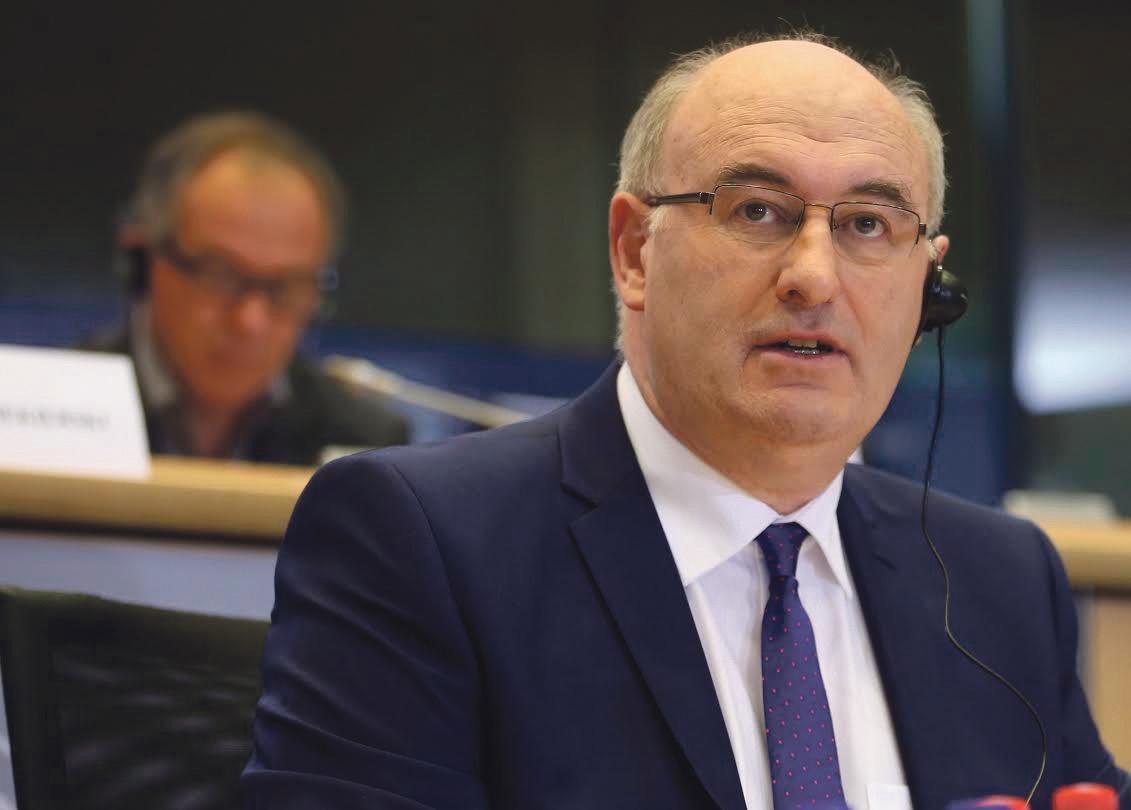

Accused: Phil Hogan
ANNOUNCEMENTS by Arla and First Milk at the beginning of July that they were to cut the price paid to dairy producers by 1p/litre has resulted in a deepening sense of crisis within the Welsh dairy industry.
Plaid Cymru’s Shadow Minister for Rural Affairs, Llyr Gruffydd AM, called on the European Agriculture Commissioner, Phil Hogan to acknowledge that there is a crisis in the Welsh dairy sector on the day that he visited the Royal Welsh Agricultural Show.
The EU Commissioner will visited the show on Monday (Jul 20), as dairy farmers in Wales continue to produce milk at a loss with no prospect of a price increase until at least next year.
Mr Hogan has been widely criticised for refusing to acknowledge the true scale of problems facing the industry. He was criticised for claiming in January that milk prices were holding up well and there was no dairy crisis, and was further challenged to make the long overdue recognition by MEPs in the European Parliament earlier this month.
Plaid Cymru’s Shadow Minister for Rural Affairs, Llyr Gruffydd AM said: “With devastating milk price cuts at farm gate level, the short-term fortunes of dairy production is pretty grim. No business can carry on producing at a loss for very long and it is time for the Commissioner to acknowledge the scale of the crisis. Producers have seen more than a third knocked off their milk price in less than 12 months and this is having huge repercussions for the rural economy.”

The AM continued: “The Royal Welsh Agricultural Show is the biggest event in our farming calendar, and if the EU Commissioner is meeting with farmers here today then he needs to be honest with them. That means acknowledging that the dairy industry is in crisis. After seeing the Tory UK government cut the overall CAP budget by 10% and then a Labour Welsh Government cutting direct subsidies to Welsh farmers by £1/4bn, plummeting farm-gate prices come at a most difficult time.”
Pointing out the role of supermarkets in driving down prices, Mr Gruffydd concluded: “Large retailers also have a key role to play. Using milk as a loss leader inevitably devalues the product and it should not be happening.”
Optimism expressed by Welsh Conservatives that the removal of milk quotas in an already difficult market would not lead to price falls for Welsh farmers has been shown to be nothing more than wishful thinking. The fears of the FUW that abandoning quotas would adversely impact smaller producers, who predominate in the Welsh dairy market, appear at this stage to have been fully borne out.
Rob Harrison, head of the NFU’s dairy board said: “450 quitting dairy farming since this time last year in England and Wales. The recent series of cuts have highlighted the need for short-term solutions to address the problems happening now – farmers need urgent help from industry and Government. We need Government to move away from paying lip service and focus on the here and now. Their long-term solutions must take a back seat while we focus on the immediate crisis; we need them to insist on best practice in the supply chain, look at growing dairy consumption and supporting more investment in dairy processing in the UK – and this needs to happen now.”

Since 2002, more than half of Britain’s dairy farmers have gone out of business, defeated by rock-bottom prices and rising costs. For the past few months, even those that have survived have been caught up in another perfect storm. Britain consumes more than four-fifths of the milk it produces, but its price is dictated globally, by the cost of producing milk in, say, New Zealand or the US.


Jo Stevens and Rhun ap Iorwerth discuss poverty, public services, clean energy, steelmaking and economic growth
WELSH Secretary Jo Stevens has held her first call with Wales’ new First Minister Rhun ap Iorwerth following the recent Senedd election.
The call took place today, Monday (May 18), with Ms Stevens congratulating Mr ap Iorwerth on Plaid Cymru’s election results and his appointment as First Minister.
The Welsh Secretary said it was important for the UK and Welsh Governments to work constructively together on shared priorities.
Those issues include the cost of living, poverty, public services, economic growth and the delivery of clean energy infrastructure in Wales.
Ms Stevens also raised the importance of collaboration on Welsh steelmaking and the transition at Port Talbot, as well as growth funds, defence and national security.
The conversation follows a call last week between Prime Minister Keir Starmer and the new First Minister, during which Mr Starmer also congratulated him on his appointment.
The Prime Minister has offered to meet Mr ap Iorwerth in person in June to discuss shared issues and priorities.

Residents asked to help shape future provision in Pembrokeshire, Carmarthenshire and Ceredigion
PEOPLE across Pembrokeshire, Carmarthenshire and Ceredigion are being asked to give their views on the future of community pharmacy services.
Hywel Dda University Health Board has launched a consultation on its updated draft Pharmaceutical Needs Assessment, which looks at current pharmacy provision, any gaps in services, and what may be needed in future.
Health boards in Wales have been required since October 2021 to publish a Pharmaceutical Needs Assessment. The document must be updated every five years and is used to help guide decisions about how pharmacy services are developed and improved.
The latest draft assessment has been prepared following engagement with community pharmacy contractors and members of the public earlier this year.
The health board is now inviting further feedback before a final version is published later in 2026.
The survey opened on Monday (May 18) and will close on Friday, July 17.
Residents can take part online, pick up a paper copy from their local pharmacy, or request a copy by emailing [email protected] or calling 0300 303 8322 and selecting option five.
Rhian Bond, Assistant Director of Primary Care for Hywel Dda University Health Board, said: “This is an important opportunity for people to share their experiences of community pharmacy services and tell us how they could be improved.
“Community pharmacies play a vital role in supporting people’s health and wellbeing. They are often the first point of contact for advice, treatment and support.
“By providing feedback you can help us ensure services are accessible, effective and meet the needs of communities now and in the future.”
The final Pharmaceutical Needs Assessment will be published later this year on the health board’s website, along with a summary of the feedback received.
Only two Halifax branches remain in west Wales as banking giant considers major brand shake-up
HALIFAX could disappear from UK high streets after more than 170 years under plans being considered by Lloyds Banking Group.
The banking giant is understood to be looking at phasing out the Halifax name as part of a wider review of its brands, with Lloyds expected to become the main retail banking name in England and Wales.
If the plans go ahead, the move would mark the end of one of Britain’s best-known financial brands, which began life in 1852 as the Halifax Permanent Benefit Building Society.
No final decision has yet been announced, but reports suggest new Halifax account openings could be stopped later this year, with existing customers gradually moved across to Lloyds.
The Herald understands that branch banking in west Wales has already been significantly reduced, with only two Halifax-branded branches currently remaining in the region — in Llanelli and Swansea.
Customers in Pembrokeshire no longer have access to a Halifax branch, with banking services instead directed through Lloyds Bank branches, including Haverfordwest. Carmarthenshire customers are similarly directed to Lloyds Bank in Carmarthen.
The possible disappearance of Halifax comes amid continuing pressure on high street banking, with many branches already closing as more customers move to mobile and online banking.
Consumer groups have warned that the steady loss of bank branches risks leaving elderly customers, vulnerable people and small businesses without easy access to face-to-face banking.
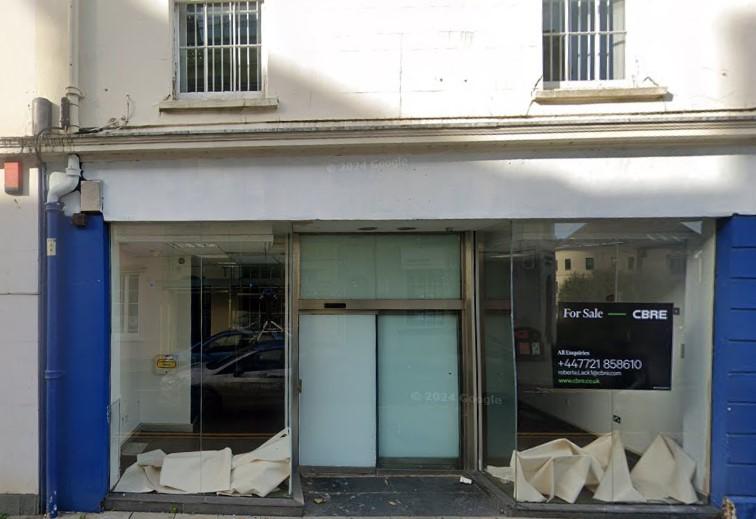
For many towns across west Wales, the loss of familiar banking names has become part of a wider decline in high street services, alongside the closure of post offices, shops and public services.
Halifax became one of the country’s biggest mortgage lenders and was for decades associated with savings, home ownership and local branch banking. It later became part of HBOS before Lloyds took over the group during the financial crisis.
A final decision on the future of the Halifax brand is expected as Lloyds sets out its next strategic plans.



Community6 hours ago
Paul Davies MS calls for review of parking charges in Ceredigion following concerns
SENEDD Member for Ceredigion Penfro, Paul Davies, has called on Ceredigion County Council to urgently review its policy on car...


Crime8 hours ago
Former Lostprophets singer’s killing ‘not justified’, jury told
JURORS in the trial of two prisoners accused of murdering former Lostprophets singer Ian Watkins have been told that his...


Health1 day ago
Occupational therapists urge Welsh Government to act before NHS crisis deepens
More than 300 professionals sign open letter calling for prevention-focused care and urgent reform OCCUPATIONAL therapists across Wales are urging...


Community2 days ago
Surfers take sewage protest to Broad Haven beach
CAMPAIGNERS took to the sea at Broad Haven today in a colourful protest demanding urgent action over sewage pollution in...


Health2 days ago
New NHS regional body raises questions over future hospital services in Pembrokeshire
Health bosses promise better joined-up care — but patients will want assurances over Withybush and travel distances PEMBROKESHIRE patients are...

Local Government3 days ago
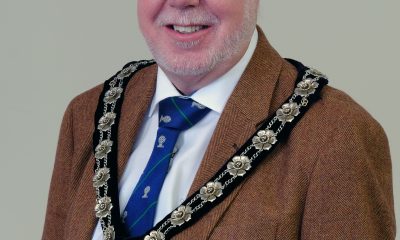
Pembrokeshire County Council welcomes new chairman
CLLR DELME HARRIES has been elected chairman of Pembrokeshire County Council for the coming municipal year. Cllr Harries, who was...


News3 days ago
From Milford Mercury to County Hall for Pembrokeshire’s first female leader
Late councillor Mike Stoddart helped hold power to account for decades — now his daughter Tessa Hodgson leads the council...


Business3 days ago
Port reports record turnover, but debt, emissions and senior pay also rise
Annual report shows strong growth and major investment, but underlying figures reveal a more complex picture THE PORT OF MILFORD...


Community3 days ago
DARC radar: Campaigners ask Welsh Government to call in planning application
PARC AGAINST DARC has submitted an official request asking the new Welsh Government to call in the planning application for...

News5 days ago
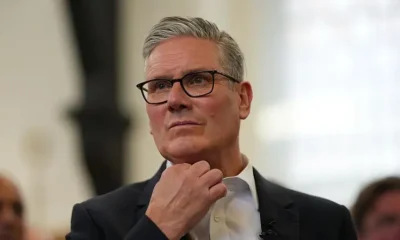
State Opening overshadowed by Starmer leadership crisis
KING CHARLES has arrived at Parliament for the State Opening as Sir Keir Starmer faces the most serious crisis of...
-

 News3 days ago
Palestine pledge backed by 36 new Senedd Members
-

 Crime5 days ago
Teenager banned from roads after being caught six times over drug-drive limit
-
Community2 days ago
Surfers take sewage protest to Broad Haven beach
-

 Crime5 days ago
Man threatens to torch Silverdale Lodge through ‘demon drink’, court hears
-

 Crime5 days ago
Man sentenced for stalking women and threatening to torch home
-

 Crime5 days ago
Violent man jailed after ‘Banksy’ claims and campaign of domestic abuse
-

 Crime5 days ago
Man denies exposure in Pembrokeshire town
-

 Crime5 days ago
Drunk motorist arrested at Pembrokeshire petrol station