


News
Soldiers seek compensation for damaged hearing


 SOLDIERS who took part in a local mock battle are making compensation claims for defective hearing from gun noise after complaining about inadequate Army ear plugs, a tribunal has been told.
Scores of troopers in the Queen’s Royal Hussars took part in the “battle” at the Castlemartin training area in south Pembrokeshire to prepare them for the war in Afghanistan. Complaints about inadequate ear protection were made by former soldier Philip Goodman as he made a successful appeal for compensation at a War & Armed Forces Tribunal at Birmingham. Mr Goodman was a trooper in the Queen’s Royal Hussars when his regiment was told they were going to Afghanistan.
To prepare them for the war in Afghanistan they took part in the Pembroke mock battle. But Mr Goodman complained that the ear protection device used to protect the soldiers from deafness during gun blasts, slipped out of his left ear as he prepared to shoot at “enemy” targets. He said the devices were inadequate and that he did not have time to protect his hearing before his colleagues started shooting – causing a combined blast of noise. “As a result I became deaf in my left ear and although I went to Afghanistan with the others I was brought back after only three weeks,” he said.
Mr Goodman, aged 29, said that on his return the Army replaced the inadequate ear plugs with new and improved ones but by then it was too late to save his deaf ear. After numerous examinations on his ear he was discharged from the Army on medical grounds in 2013. Mr Goodman who was represented at the tribunal by the Royal British Legion, said that apart from making an appeal for compensation for his deaf ear he also sought compensation for a bad back caused during Army exercises.
A medical report on his deafness and his back was shown to the tribunal. Miss Alex Hocking, representing Veterans UK, challenged the claims. The tribunal told Mr Goodman that his appeal had been successful and that the Armed Forces Compensation Scheme would be told to pay him an “appropriate amount,” to be decided at a later date. But his compensation claim for his back was rejected. Mr Goodman said after the hearing that he was delighted with the outcome but said he had no idea how much he would be awarded. He agreed the ear plugs previously used by the Army had not been good enough and had since been replaced with different ones.”

“Other soldiers complained they kept slipping out of the ears and some of them are making compensation claims similar to my own,” he said. “I spent five years in the Army and loved the life. I planned to make it my career but I left after what happened. “I got a job in call centre after leaving the Army and I am now working for British Telecom.” An Army spokesman said; “This Government recognises that our Armed Forces do a challenging and sometimes dangerous job and it is vital that those who are injured receive the compensation and support they deserve through the Armed Forces Compensation Scheme.”



Joe Lycett, Bridget Christie and Stewart Lee among big names heading to Bannau Brycheiniog as Green Man sells out months in advance
GREEN MAN Festival has revealed its comedy programme for 2026, with some of the UK’s biggest stand-up names set to join a packed line-up of music, arts and entertainment in the heart of Wales this summer.
The award-winning festival, held in the Bannau Brycheiniog National Park from Thursday, August 20 to Sunday, August 23, will welcome comedians including Joe Lycett, Bridget Christie, Stewart Lee, Josie Long, Jessica Fostekew, Glenn Moore and Garth Marenghi to its much-loved Last Laugh comedy stage.
The festival’s comedy programme, hosted at the Babbling Tongues stage, will feature 39 acts ranging from household names to emerging performers, in keeping with Green Man’s long-standing reputation for showcasing new talent alongside established stars.
Leading the bill is comedian and television presenter Joe Lycett, known for Joe Lycett’s Got Your Back, Late Night Lycett, and appearances on programmes including Taskmaster, QI and Have I Got News For You.
He will be joined by comedian, actor and writer Bridget Christie, whose Channel 4 sitcom The Change won widespread praise, alongside comedy veteran Stewart Lee, returning to Green Man after topping the bill in 2025.
Other major names announced include Edinburgh Comedy Award nominee Josie Long, horror-comedy favourite Garth Marenghi, stand-up Kerry Godliman, and Jessica Fostekew, whose acclaimed show Hench earned an Edinburgh Comedy Award nomination.
The programme also features rising talent including Jack Shep, recently announced as part of the cast of Saturday Night Live UK, alongside sketch act Tarot, comedian Glenn Moore and a host of newer voices from across the UK comedy circuit.
Comedy forms just one part of Green Man’s wider cultural offering, with the festival also boasting a major music programme led by headliners Mogwai, Wilco, Four Tet and Wolf Alice.
Other acts confirmed for 2026 include Cat Power, Sparks, Tricky, Mogwai, Shame, Dry Cleaning, Aldous Harding, The Beta Band, Cate Le Bon and Mannequin Pussy.

Green Man, now in its third decade, remains Wales’ largest independent music, science and arts festival, attracting around 25,000 people daily to the Black Mountains area of Powys.
Festival organisers said all tickets for Green Man 2026 sold out within an hour of release in September 2025, although official resale tickets remain available through the festival’s approved resale platform.
Known for combining music with literature, film, science, wellness and family-friendly attractions, Green Man continues to draw visitors from across the UK and beyond while generating millions for the Welsh economy each year.

Fiona Stewart, founder and managing director of Green Man, has previously described the festival as a celebration of creativity and community, with a focus on supporting Welsh producers, artists and emerging talent.
For more information or resale tickets, visit Green Man Festival’s official website.

Photo caption: Green Man Festival has revealed its 2026 comedy programme, featuring major names including Joe Lycett, Bridget Christie and Stewart Lee (Pics: Green Man Festival).



A CLASSIC fairy tale will be brought to life at the Torch Theatre this June as Ballet Cymru presents a fresh take on Sleeping Beauty.
The production, set to Tchaikovsky’s iconic score, tells the timeless story of a young princess placed under a curse and drawn into an enchanted sleep, in a tale where good and evil collide.
Ballet Cymru’s version explores themes of love, acceptance and what it means to be different, combining innovative choreography, exceptional dancing, distinctive costumes and immersive projections.
Audiences are invited to step into the woods and join Ballet Cymru as it celebrates its 40th anniversary with a magical production performed by some of Wales’ most breathtaking dancers.
The performance will also feature pre-recorded audio description in both Welsh and English.
Anwen Francis, from the Torch Theatre Marketing Team, said: “We are all familiar with the story of Sleeping Beauty, where the young princess falls into an enchanted sleep only to be woken by true love’s kiss.
“With Ballet Cymru celebrating its special birthday, we can’t wait to invite them, and our audiences, to the Torch to be part of this incredible milestone and celebration.”
Ballet Cymru’s Sleeping Beauty will be performed at the Torch Theatre on Wednesday, June 3, at 7:30pm.
Tickets cost £19, £18 concessions and £11 for under-eights. Book online at torchtheatre.co.uk or call the box office on 01646 695267.

PEMBROKESHIRE BUSINESSES WARNED OF PRESSURE FROM FUEL, TRANSPORT AND SUPPLIER COSTS
WELSH business confidence improved in April, but firms are still facing falling orders, job cuts and rising costs, according to the latest NatWest Wales Growth Tracker.
The report, compiled by S&P Global, found that confidence among Welsh businesses picked up from March’s recent low, amid hopes of stronger demand over the coming year.
However, the overall picture remains challenging. The Wales Business Activity Index rose to 47.9 in April, up from 46.2 in March, but remained below the 50 mark which separates growth from contraction.
For Pembrokeshire businesses, particularly those in tourism, hospitality, transport, food, farming supply chains and small-scale manufacturing, the figures point to continued pressure from higher fuel, materials and delivery costs.
The report found that output and new orders were still falling, although at a slower pace than in March. New sales declined for a third month running, with firms blaming weak customer demand and wider economic uncertainty.
Employment also fell sharply. Welsh businesses recorded the steepest drop in workforce numbers of any of the 12 UK nations and regions monitored, with firms cutting staff or not replacing workers who had left.
Cost pressures were a major concern. Operating expenses rose at the fastest rate since November 2022, driven by higher fuel, transportation and supplier costs. Firms increased their own prices in response, but not by enough to fully offset the rise in costs.
Jessica Shipman, Chair of the NatWest Cymru Board, said: “Welsh business confidence ticked higher on hopes of stronger customer demand and planned investment in building resiliency.
“However, we saw contractions in output and new orders soften during April, but underlying business conditions told a challenging tale. A further drop in new sales led to sharper falls in backlogs of work and employment, as firms sought to cut costs and streamline processes.”
She added that pricing remained a key concern, with higher fuel and transport costs putting further pressure on businesses.
The report also found that Welsh export conditions improved only slightly, with weaker performance in Germany and France weighing on the outlook.
For Pembrokeshire, where many businesses rely on seasonal trade, logistics, hospitality and supply chains linked to agriculture, energy and the port economy, the figures suggest that confidence may be recovering, but margins remain under pressure ahead of the summer trading period.




Community50 minutes ago
DARC radar: Campaigners ask Welsh Government to call in planning application
PARC AGAINST DARC has submitted an official request asking the new Welsh Government to call in the planning application for...


News2 days ago
State Opening overshadowed by Starmer leadership crisis
KING CHARLES has arrived at Parliament for the State Opening as Sir Keir Starmer faces the most serious crisis of...


News3 days ago
Rhun ap Iorwerth becomes Wales’ new First Minister
PLAID CYMRU TAKES POWER AFTER HISTORIC SENEDD VOTE PLAID CYMRU leader Rhun ap Iorwerth has become Wales’ new First Minister...

News3 days ago
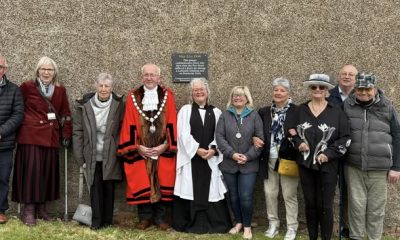
Hotel was hit during a Luftwaffe bombing raid
THE COMMEMORATION, held on Tuesday (May 12), marked the anniversary of the wartime attack, with members of the community gathering...


News3 days ago
Starmer fights for survival as Labour civil war erupts
Cabinet split, ministers resign and MPs revolt as pressure mounts on Prime Minister after disastrous election losses KEIR STARMER is...


News4 days ago
Starmer accused of ignoring Wales in major ‘reset’ speech
Prime Minister pledges EU reset, British Steel nationalisation and youth jobs guarantee — but critics say Wales was left out...


Community4 days ago
Concern grows after child hospitalised following Tenby sea swim
PARENT SAYS BOY BECAME SERIOUSLY ILL AFTER SWIMMING DURING FAMILY VISIT CONCERN is growing in Pembrokeshire after a parent claimed...


News5 days ago
Rhun prepares for clash with Starmer as Plaid eyes power in Cardiff Bay
PLAID CYMRU leader Rhun ap Iorwerth has signalled he is ready for confrontation with Prime Minister Keir Starmer after the...


News6 days ago
Plaid Cymru celebrates historic victory as Rhun ap Iorwerth arrives at Cardiff Bay
CROWDS gathered outside the Senedd as Plaid Cymru leader Rhun ap Iorwerth arrived in Cardiff Bay following his party’s historic...

Crime6 days ago
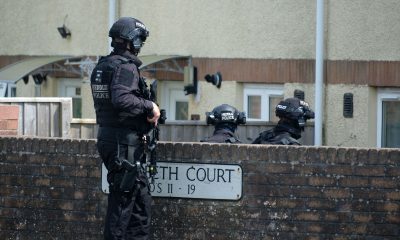
Police standoff ends after four-hour incident in Pembroke Dock
ELIZABETH COURT SCENE STOOD DOWN AFTER DOMESTIC INCIDENT A FOUR-HOUR police standoff in Pembroke Dock has ended with a 21-year-old...
-

 Crime2 days ago
Teenager banned from roads after being caught six times over drug-drive limit
-

 Crime2 days ago
Man threatens to torch Silverdale Lodge through ‘demon drink’, court hears
-

 Crime2 days ago
Man sentenced for stalking women and threatening to torch home
-
Crime6 days ago
Police standoff ends after four-hour incident in Pembroke Dock
-
 Crime2 days ago
Violent man jailed after ‘Banksy’ claims and campaign of domestic abuse
-
Community4 days ago
Concern grows after child hospitalised following Tenby sea swim
-

 Local Government4 days ago
Council leadership hopeful responds after anti-Tory rally photos surface
-

 Crime2 days ago
Man denies exposure in Pembrokeshire town
private jet charter London
April 10, 2026 at 11:27 pm
Thanks for the comprehensive overview. Very helpful!