

News
Chief Constable looks back over four years as a volunteer officer

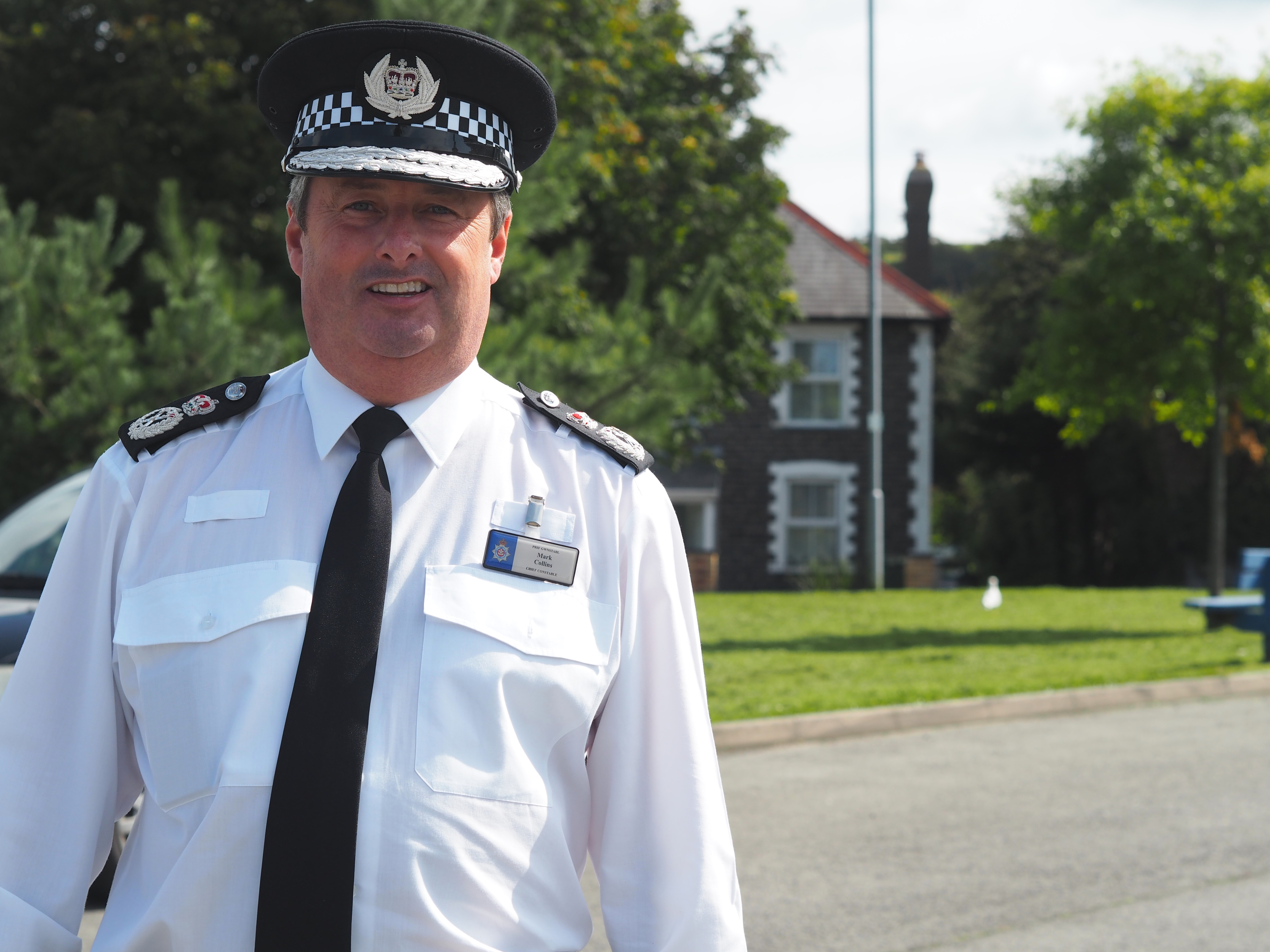
WHEN Mark Collins put on his volunteer police uniform for the first time in 1987, he could never have guessed that 29 years later he would be walking through the doors of Dyfed-Powys Police headquarters as the chief constable.
Mr Collins has worked his way up the ranks from a PC to the chief constable, but his policing career actually began as an unpaid officer volunteering his time to the force he now leads.
As the force celebrates National Volunteers Week, Mr Collins looks back over the four years he spent in the Special Constabulary and reveals what the police service gains from its team of volunteer officers.
Inspired in part by conversations with local officers in the Carmarthenshire village he grew up in, and partly from watching dramatic incidents unfold on TV series The Bill, Mr Collins was keen to join the police service as a teenager.
He decided firstly to enrol as a Special Constable so he could gain an insight into the role of a PC, and to find out if it was the right career for him.

“I thought I wanted to be a police officer, but not being from a policing background I wanted to find out what it was really like first,” he said.
“It was great to get in and see how the police worked – the roles and responsibilities of an officer, and the variety of things they dealt with. Having joined as a Special, it made me more hungry to join as a regular officer.”
After completing his initial training, Mr Collins went out on his first patrol shift as a Special Constable, supported by a regular officer.
“I spent my first shift travelling around north Carmarthen with Rhian Thomas, a rural officer, going to a number of calls,” he said.
“One memory that stands out is when we visited an elderly lady just outside Carmarthen. We dealt with some problems she had, and it turned out that she was a lady in her own right. We must have made an impact because she then invited us to a garden party.
“Knowing that you have helped someone is hugely rewarding, and as a Special it meant a lot to receive that invitation.”
A milestone for all officers is making their first arrest, and Mr Collins remembers his clearly. He was called to a report of a theft from a supermarket in Carmarthen, and arrested the culprit on the spot.

But he admits he was feeling a mixture of emotions as he put his training into practice.
“I was excited, but also nervous and anxious,” he said. “Was I going to get it right? Was I going to present the evidence to the custody sergeant correctly? It was a big deal, and something I definitely didn’t want to get wrong.”
Considering the perception of Specials, Mr Collins said a lot had changed over the years, with people’s attitudes towards volunteer officers becoming more positive, and more opportunities being opened up to volunteer officers.
Specials at Dyfed-Powys Police have worked on a mental health triage team, established the Specials on horseback scheme, and piloted a joint response unit with the Wales Ambulance Service over the Christmas period when demand increases on both services.
“If I’m honest, the training for Specials in the 80s wasn’t that good, and the support wasn’t that good,” Mr Collins said. “Regulars used to call them hobby bobbies back in the day, and they would only attend fetes and carnivals. You would occasionally get to walk the beat, but you didn’t have all the kit and equipment that we have now.
“We have moved on so much. We have a rank structure within the Special Constabulary, Specials are on the frontline with the same powers as fully warranted officers; they are better equipped; they carry out stop searches and warrants; and play an important part in policing operations.
“We recognise the specialist skills people can bring in from other jobs and the qualities they can bring to the force without needing to join as regular officers.”
Specials must be aged over 18, and must commit to a minimum of 16 hours each month to the force. While Mr Collins accepts that for many it is a way in to the police service, he would like to see more people apply with the aim of becoming ‘career Specials’ – those who are happy to continue as volunteers alongside their day-to-day roles.
“I would like people to see it as a way of supporting their communities, rather than as part of an aspiration to join the police service,” he said.
“It is a chance to do something different. There is so much reality TV, things like 24 Hours in Police Custody and Police Interceptors, and people are drawn in by the cut and thrust of policing – the fast response, blue lights flashing side of things.
“But policing isn’t all about that – there are the 2am patrols, traumatic incidents like attending sudden deaths or collisions, breaking the news that loved ones have passed away. Specials get the chance to dip into all that without giving up their day jobs.”
“For me, volunteering as a Special was the start of my policing career.
“Putting on your uniform for the first time is quite something, and it was a proud moment for both me and my family. And while I joined with aspirations of becoming a regular officer and a detective, never did I think when I walked through the doors of headquarters for the first time that I would walk back in 29 years later as the chief constable.”

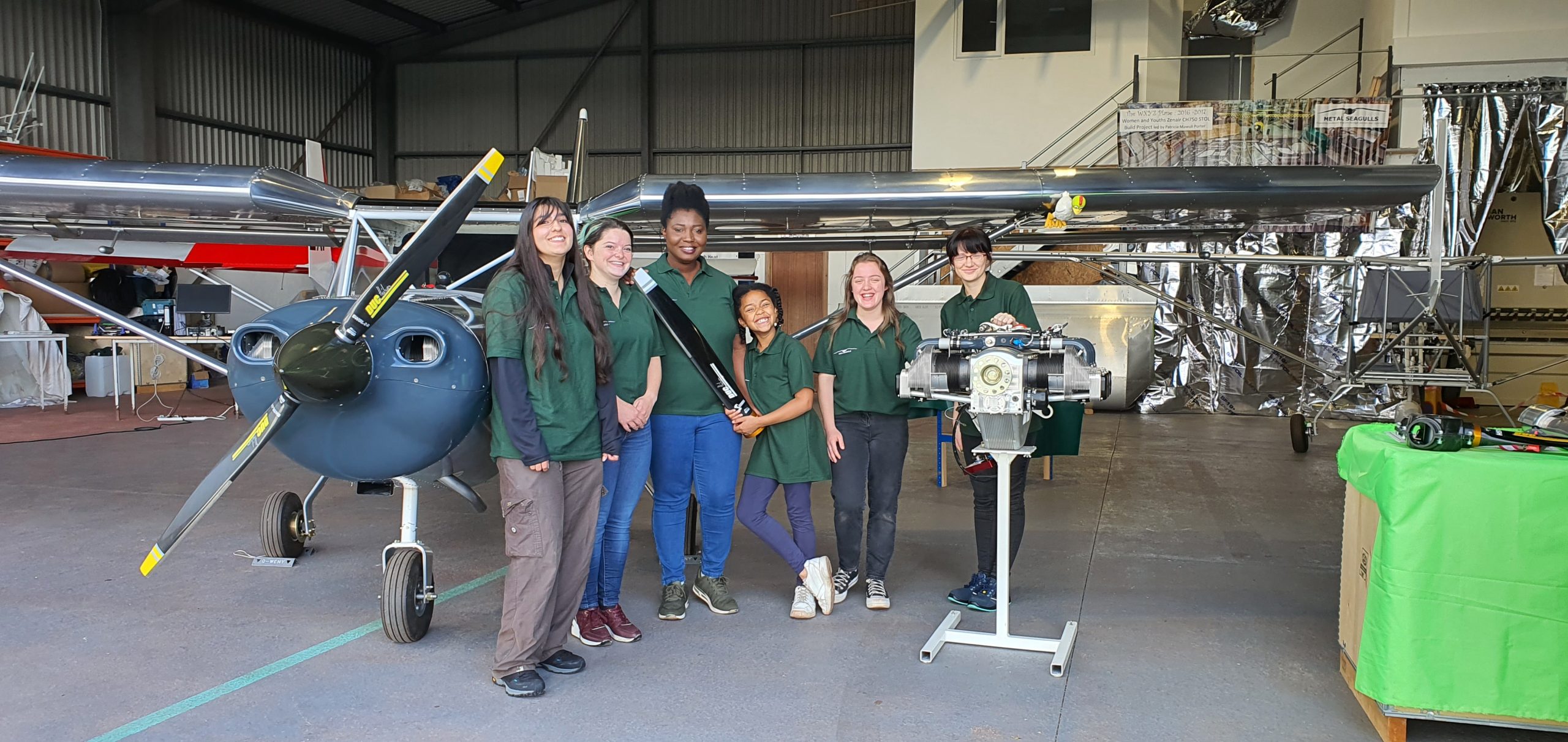
Solvent wind-down will end nearly 11 years of light aircraft engineering and support, with hangar operations stopping in August
A SPECIALIST Pembrokeshire aviation company has announced that it is to close its Haverfordwest Airport operation after directors concluded that it was no longer commercially viable.
Metal Seagulls Ltd confirmed on Monday (July 13) that it will begin a voluntary and solvent wind-down, bringing nearly 11 years of light aircraft engineering, fabrication and builder support to an end.
The company expects to suspend operations from its airport hangar at the end of August, with its machinery, tooling and production equipment now being offered for sale.
Metal Seagulls stressed that the decision was not the result of insolvency and that the business would be closed in an orderly manner over the coming months.
Directors said the decision followed a detailed examination of operating costs, together with personal challenges which had affected the company’s ability to continue running its workshops in their current form.
Jonathan Porter, director of Metal Seagulls Ltd, said: “We are sad to see Metal Seagulls close its hangar doors after nearly eleven years of service, but it is the right decision with the economic and personal challenges faced by the company and its directors at this time.”
Mr Porter suffered a leg injury in 2025 and continues to experience mobility problems. The company said this had prevented him from providing significant physical support to the workshops during the past nine months.
Fellow director Patricia Porter said the decision had not been taken lightly.
“This has not been an easy decision, but after a thorough review of our cost base, the directors believe it is the right one for the business,” she said.
“We are grateful to our customers, suppliers and the wider light aviation community for their support over the years, and we intend to work closely with clients during the wind-down to keep disruption to a minimum, ensuring where possible ongoing support as applicable.”
Founded in 2016, Metal Seagulls has operated from Haverfordwest Airport since 2021.
The family-run company has supplied parts, engineering services, CNC production, custom fabrication and practical support to aircraft builders, manufacturers and specialist operators.

Its customers and programmes have extended far beyond Pembrokeshire, reaching across the UK, Ireland, Iceland, the Falkland Islands and parts of Africa.
The company has also worked to encourage young people and under-represented groups to consider careers in aviation and engineering. It previously hosted public events and educational visits at its Haverfordwest workshops.
Its closure will therefore represent the loss of a distinctive specialist engineering and aviation presence at the airport.
A substantial collection of manufacturing machinery is now available for sale, including a Kimla CNC routing, milling and cutting system and a 120-tonne Morgan Rushworth CNC press brake used to produce specialist light aircraft components.
The production equipment can be sold separately or as an established light aviation fabrication cell, potentially accompanied by introductions to existing customers and production programmes.
Other assets being offered include aircraft engine cowling moulds, an electric forklift, a box pan folder, an English wheel, a manual beading machine, an industrial guillotine, a plasma cutter and table, workshop racking, a drill press, a band saw and a media blasting cabinet.
The equipment is being offered on an as-seen and where-is basis, subject to contract.
The directors said they would do everything reasonably possible to support customers and partners during the transition.
Details have not yet been released about the number of jobs or contractors affected by the closure.
Asset enquiries can be directed to Jonathan Porter, with contact details on the Metal Seagulls Facebook page.
Additional GP and health checks welcomed as BMA warns more than half of Welsh doctors cannot routinely meet demand
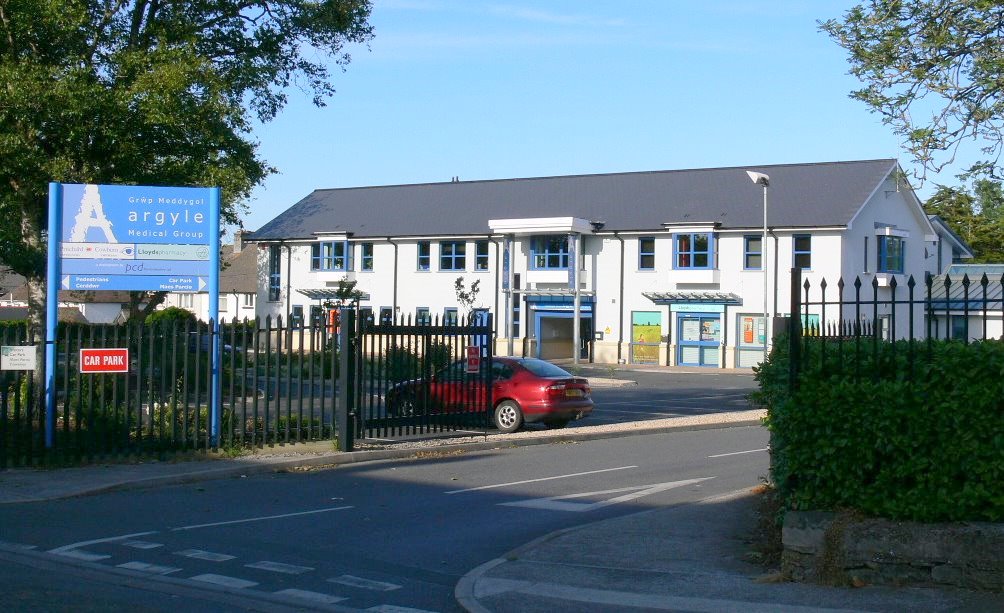
THERE are signs of improvement at one of Pembrokeshire’s most heavily pressured GP practices, but fresh figures suggest the problems facing Argyle Medical Group are far from resolved.
Henry Tufnell MP has welcomed the introduction of a new appointment system at the Argyle Street surgery in Pembroke Dock, together with what he described as the arrival of an additional doctor and the rollout of free health screening for patients aged over 65.
The Mid and South Pembrokeshire MP said he had received positive feedback about the practice’s new booking arrangements, following months of concern over difficulties securing appointments.
Argyle Medical Group introduced its Anima online triage system on June 10. It replaced the previous online system and was intended to reduce the familiar 8am rush for appointments.
Patients submit details of their medical problem online, after which the request is assessed and directed to the most appropriate clinician or service. Those unable to use the internet can still contact the surgery by telephone and reception staff can complete the request on their behalf.
The practice says it aims to assess requests on the same day, although some routine matters may take longer.
However, the system does not remove the underlying issue of limited capacity.
Argyle has warned that Anima may close to further medical submissions when the number of requests reaches the maximum level the practice believes it can safely manage.
Patients may then have to try again on the following working day, although those with urgent concerns are advised to contact the surgery, NHS 111 or emergency services as appropriate.
The pressure is also being increased by the continuing closure of St Oswald’s Surgery in Pembroke, which is part of Argyle Medical Group.
The branch remains closed for maintenance work and is currently not expected to reopen until September 2026.
Argyle Medical Group serves more than 22,000 patients across the Pembroke and Pembroke Dock area. Previous figures raised in the Senedd indicated that the practice had nine registered GPs, giving it one of the highest patient-to-doctor ratios in Wales.

Mr Tufnell’s announcement that another doctor has joined the practice will therefore be welcomed, although it is not yet clear whether the appointment is permanent or full-time.
The developments come as new research from BMA Cymru Wales paints a bleak picture of general practice across the country.
A survey of 221 Welsh GPs found that 54 per cent believed patient access was routinely inadequate when compared with demand.
A further 63 per cent said excessive workloads were routinely or constantly affecting patient care, while 70 per cent said the pressure was having a similar effect on their own wellbeing.
Practices are also making difficult financial decisions to remain viable. The survey found that 43 per cent had frozen recruitment, 31 per cent had delayed investment in buildings, technology or facilities, and 23 per cent had reduced services such as minor surgery and shared-care arrangements.
Dr Gareth Oelmann, chair of the BMA’s Welsh GP committee, said demand was far outstripping the capacity available within surgeries.
He called for sustained investment to allow practices to recruit more doctors, improve services and plan for the future.
Welsh Conservatives have blamed what they described as years of political mismanagement for the situation.
Natasha Asghar MS, the party’s Shadow Minister for Health and Social Care, said: “These findings are deeply worrying but, sadly, they won’t come as a surprise to patients who are struggling to get a GP appointment.
“When GP practices cannot recruit staff, are forced to freeze investment and are even cutting services just to keep their doors open, it is patients who pay the price through longer waits and poorer access to care.
“If we are serious about shifting more healthcare into the community and reducing pressure on hospitals, then general practice must be properly resourced.”
For Argyle patients, the new booking system and reported recruitment of another doctor represent positive steps.
The more important test will be whether patients experience sustained improvements, whether the system regularly reaches its daily limit, and whether the practice can recruit and retain enough clinicians to meet the needs of its large patient population.
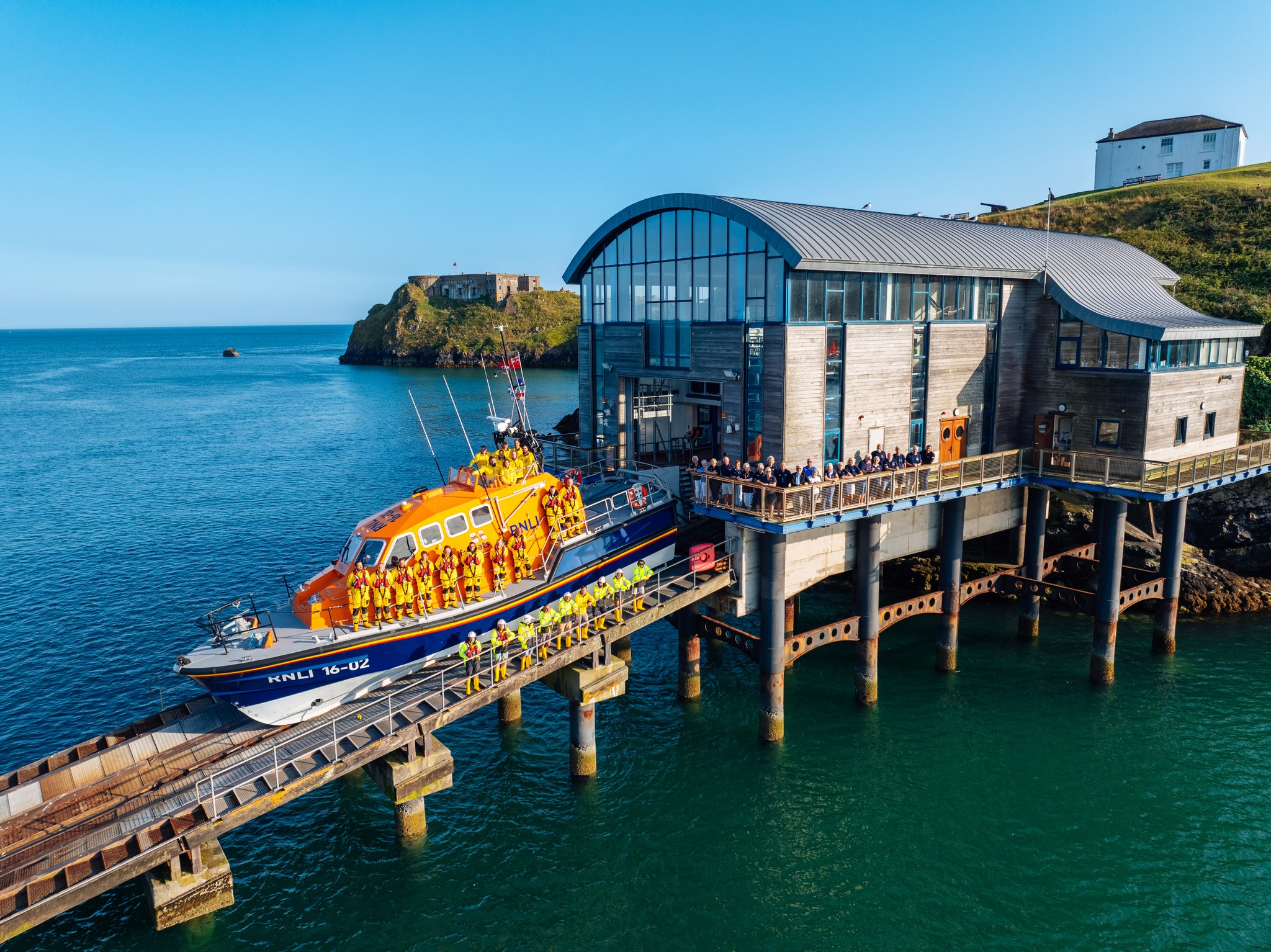
RNLI crews were called to Pendine and Amroth within minutes of each other on a busy Sunday afternoon
BOTH of Tenby’s lifeboats were launched on Sunday afternoon following separate reports involving kayakers along the Carmarthenshire and Pembrokeshire coastline.
The all-weather lifeboat was requested shortly before 4.30pm on July 12 after RNLI lifeguards at Pendine raised concerns about a kayaker who had left the beach earlier in the afternoon but had not returned.
The kayak could no longer be seen from the shore, prompting Tenby’s volunteer crew to launch and make their way towards the area.
As the lifeboat arrived, the Coastguard received a call from the kayaker confirming they were safe and well at Morfa Bychan beach and did not require assistance.
The crew was stood down from the search but was immediately redirected to assist Tenby’s inshore lifeboat with a second incident off Amroth.
The inshore lifeboat had been launched after a member of the public dialled 999 and reported seeing a kayaker who appeared to be waving between Amroth and Monkstone.
A local fishing vessel, which had heard the Coastguard broadcast asking nearby boats to look out for the kayak, located the man before the lifeboats arrived.
The inshore lifeboat was soon alongside, where the kayaker confirmed he had been fishing and was not in difficulty.
Both the inshore and all-weather lifeboats were then stood down and returned safely to Tenby.



Crime12 hours ago
Teenager tells jury he took knife to school to ‘show off’ to friends
Boy accused of attempting to murder Milford Haven teacher says he ‘never wanted to injure’ her A TEENAGE boy accused...


Local Government1 day ago
Calls grow for independent investigation into Manorbier school closure
Councillor alleges misleading figures, inadequate insurance and poor treatment of staff CALLS for an independent investigation into the controversial closure...

Community1 day ago
Neyland Carnival hailed a huge success after streets fill with colour and crowds
NEYLAND CARNIVAL organisers have thanked the community, volunteers and local businesses who helped make this year’s event a memorable success....

Community2 days ago
Tenby Summer Spectacular: Anger grows over ‘disaster waiting to happen’ warning
A growing backlash has followed police calls for the event’s licence to be revoked, with supporters questioning why authorities failed...

Charity2 days ago
RSPB secures ‘missing link’ to reconnect wildlife habitats in Carmarthenshire
RSPB CYMRU has purchased a 96-hectare upland site in Carmarthenshire, describing it as a vital step towards reconnecting one of...


Crime3 days ago
Ann Widdecombe: Welsh politicians pay tribute as murder probe launched
Prime Minister Sir Keir Starmer has praised the former minister’s “conviction and dedication”, while political figures in Wales remembered her...


News4 days ago
Solardo pulls out of Haverfordwest show as organisers offer full refunds
Headline act confirms non-appearance as Park House Series announces major event changes DANCE music duo Solardo will no longer perform...


Local Government4 days ago
Conservatives win Pembroke Dock seat as Reform stalls and Dowson polls just 11
Jamie Street takes Market ward with a 43-vote majority as Reform finishes fourth despite its major Senedd breakthrough two months...

Health4 days ago
Hospital ward closed after highly contagious scabies outbreak
Hywel Dda confirms wider rise in cases across Carmarthenshire, Pembrokeshire and Ceredigion as patients and staff are offered treatment A...
Crime5 days ago
Teacher stabbing trial: The first week of evidence
Jury hears accounts of alleged planned classroom attack, teacher’s fear she was dying, and boy’s words after leaving school A...
-
 Farming7 days ago
Pembrokeshire slaughterhouse given urgent improvement rating after audit failure
-
 News7 days ago
From boccia to boxing: ALN multisport events give youngsters chance to try activities
-

 News6 days ago
Questions raised over Hamilton Accies finances after club’s Haverfordwest friendly
-
 Farming4 days ago
Working Carmarthenshire farm opens gates to visitors with new holiday cottages
-

 Entertainment6 days ago
Swing and big band classics heading to Torch Theatre
-

 Sport5 days ago
Rising rally star claims maiden Mini Rally Challenge victory
-
 Community7 days ago
British Empire Medal ceremony held at County Hall
-
 Farming5 days ago
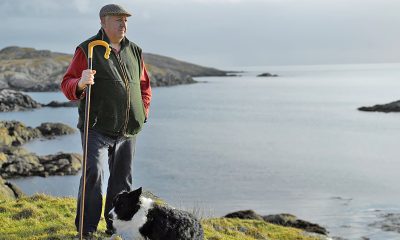
Outer Hebrides stickmaker to make final Royal Welsh Show appearance