


Education
Funding for music education trebled to the tune of £13.5m


Every child will have the opportunity to benefit from music education as part of the Welsh Government’s plans for a national music service, which will help ensure no child misses out due to a lack of means.
As the National Plan for Music Education is published, the Minister for Education has confirmed funding will be trebled, with £13.5m being invested over the next three years.
The plan will make access to music education fairer and more consistent across Wales, with a particular focus on learners from low-income households and those with Additional Learning Needs. Support will be available for children and young people to access and progress with music tuition, with learners from disadvantaged and under-represented groups supported to join music ensembles.
The plan includes a number of key work programmes such as:
A review on music tutors’ terms and conditions, to ensure they are treated equitably and are recognised properly.
A ‘First Experiences’ programme to offer children in primary schools a minimum of half a term of musical instrument taster sessions, delivered by trained and skilled music practitioners.
A ‘Making Music with Others’ initiative, including opportunities for children and young people in secondary schools to gain industry experience through working alongside musicians and creative industries
A new national instrument and equipment library to support access to a resource bank to be shared across Wales.
These programmes will be rolled out from September 2022, supporting schools and settings to give all children and young people from the ages of 3 to 16 the opportunity to learn to play an instrument as well as singing and making music in our schools and our communities.

The National Music Service will operate as a ‘hub’, with the Welsh Local Government Association co-ordinating the Music Service’s programmes with a wide range of organisations. It will help schools and settings in their delivery of the Curriculum for Wales and provide more diverse opportunities for children and young people to experience music outside schools and settings.
First Minister of Wales, Mark Drakeford and the Minister for Education and Welsh Language, Jeremy Miles, visited St Joseph’s Cathedral Primary School in Swansea to see a cluster of primary school children taking part in a ‘Play Along’ session led by Swansea Music Service.
First Minister Mark Drakeford said:
“The establishment of a National Music Service for Wales is an important commitment in our Programme for Government and I’m delighted that we are delivering on this pledge.

“Learning an instrument was a formative part of my upbringing and a lack of money should not be a barrier to any young person who wants to learn to play music. We are fortunate in Wales to have a strong tradition of school, county and national ensembles, and we want to make sure that our children and young people are able to play a full part in these. This funding will support music services in schools and within the community to help nurture our young musical talent.”
The Minister for Education and the Welsh Language, Jeremy Miles said:
“Our vision is for all children and young people across Wales, regardless of background, to have the chance to learn to play an instrument. The plan we are publishing today, backed by funding, will help deliver that vision.

“For too long, the chance to learn an instrument and develop musical skills has been for those few whose families and carers who can afford tuition. I want to make sure everyone has the opportunity to access music tuition, and that’s why we’re making this significant investment to deliver a range of activities for our children and young people to learn and experience the joy of music.
“The development of the National Music Service will ensure that we nurture our next generation and continue to produce new talent and showcase Wales to the world.”
WLGA Chief Executive Chris Llewelyn said:
“We are proud to work with the Welsh Government on delivering this vital service to children across Wales. Many families in Wales can’t afford an instrument, and this funding will go a long way to opening doors to children across Wales to have the opportunity of learning an instrument.
“Playing an instrument and reading music is a very important skill for a child, and music brings enormous joy to children. Local authorities believe that children across Wales will have better access to instruments, and this plan will develop many future talented musicians, and support pupils to develop their musical skills.”


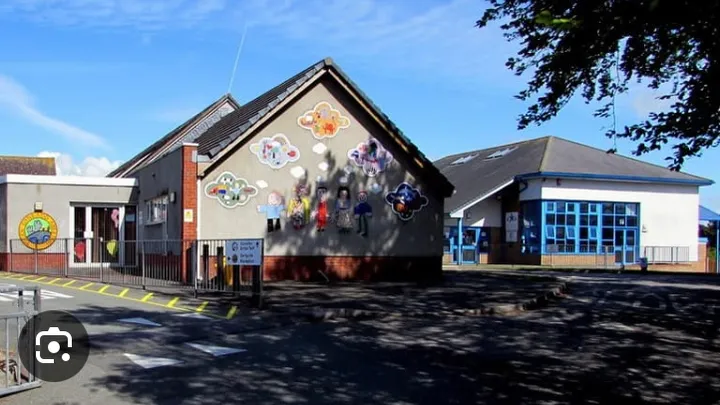
Ysgol Gynradd Abertieifi has launched a major fund raising initiative in a bid to develop what they have described as ‘an exciting new adventure playground’ for Cardigan primary schoolchildren.
The project is aimed at providing children with a safe and engaging space in which they can climb, build and explore with confidence. As well as supporting the children’s physical development, the playground will also boost their creativity, friendship and wellbeing.
The co-ordinators are now aiming to raise £15,000 to make their vision a reality.
“Every contribution, no matter how big or small, will bring us one step close to giving the children a space they’ll be able to enjoy for years to come,” said Alahna Kindred, the associate communications manager.
“Together, I know we can create something truly special for our school community.”
Donations to the new Ysgol Gynradd Aberteifi playground can be made via the gofund me page.

SCHOOL leaders have urged Wales’ new Plaid Cymru government to make school funding an urgent priority, after a union survey found more than half of respondents had buildings or areas closed or unfit for purpose.
NAHT Cymru said Welsh schools were facing “demoralising choices” between cuts to staffing, provision and essential repairs.
The school leaders’ union said 51% of Welsh members who responded to its latest survey reported buildings or areas that were either out of use or not fit for purpose.
More than nine in ten leaders, 91%, said they did not receive enough funding to maintain their school buildings and estate.
Laura Doel, national secretary of NAHT Cymru, said schools were under severe pressure, with some struggling with growing deficits.
She said: “There are many pressures contributing to this, from the increasing numbers of pupils with additional learning needs, a funding postcode lottery, rising costs, and the extra demands landing with schools after investment in health and social care failed to keep pace with demand.
“Many are facing demoralising choices between cutting teachers and teaching assistants, or wider educational provision — and between spending money on books or bricks.
“The simple truth is that schools are not getting the money they need to consistently deliver for pupils or even to maintain a safe and inspiring learning environment in some cases.”
Ms Doel said Plaid Cymru had spoken at its spring conference about “getting back to basics” in education.
She added: “What could be more basic than ensuring schools have sufficient funding?
“Now they have a golden opportunity to do the right thing and provide the urgent investment schools and children need.”
Call for fair funding
NAHT Cymru said the new administration would face competing demands, but argued there was a clear opportunity to “right a wrong” after it was confirmed last month that Wales would receive a further £555m in consequential funding from the UK Government over the next three years.

The union said the additional money was partly driven by significant increases in funding for pupils with additional needs in England.
Ms Doel said that during the 2026/27 budget process, the outgoing Welsh Government had failed to give schools their fair share of consequential funding.
She said an extra £113m had been offered to councils, but there were no guarantees it would reach schools, which face a £137m budget shortfall this financial year, according to the Welsh Local Government Association.
She added: “The additional consequential funding announced means Plaid now have an open goal to deliver a quick win for schools and right the wrong which saw them fail to receive anywhere near enough of the extra funding which previously came to Wales.
“We know the new Welsh Government will face difficult financial decisions, but little is more important than children’s learning and wellbeing, and the life chances that flow from those.”
Buildings concern
NAHT Cymru said Plaid’s manifesto had promised to survey the condition of the school estate.
Ms Doel said such a survey might provide a fuller picture, but added: “Ultimately it will only tell us what we already know from our own conversations with school leaders — that new funding is needed to better maintain, refurbish and rebuild schools.
“No child should have to learn in some of the conditions laid bare in our survey. It really is appalling.”
Among leaders who reported areas closed or unfit for purpose, 93% said basic building infrastructure such as windows, roofs and doors was not fit for purpose, while 2% said such facilities were out of use.
Toilet blocks were reported as not fit for purpose by 70%, with a further 2% saying they were closed.
Classrooms were reported as unfit by 64% of affected leaders, while 63% raised concerns about specialist facilities for additional learning needs, including dedicated classrooms, sensory rooms and outdoor spaces. A further 3% said ALN facilities were out of use.
Playgrounds were the area most likely to be reported as closed, with 8% of affected leaders saying they had playgrounds out of use.
One Welsh school leader told the union: “Our school is slowly but surely rotting away. With every passing winter — every storm, every period of wet and rainy weather — the leaks are getting bigger and more numerous, the drains are overflowing, the playgrounds, pavements and road surfaces on site are crumbling beneath our feet.
“We now have broken buildings for forgotten children. This is no way to raise and educate our most cherished resource in the 21st century.”
Another said their school had been in a six-figure deficit for three years and now had just £1,000 left in its repairs and maintenance budget.
They said: “We are a large school with over 400 pupils — £1,000 won’t cover an inch of the site.”
NAHT’s capital funding survey was carried out between February 2 and February 16 this year and was completed by 127 school leaders in Wales. Of those asked whether they had received enough capital funding over the last three years to develop their buildings and estate to meet pupils’ needs, 98% said they had not.

SCHOOL RECOGNISED FOR INCLUSIVE ETHOS, STRONG SAFEGUARDING AND PUPIL WELLBEING
PRENDERGAST COMMUNITY PRIMARY SCHOOL is celebrating a highly positive inspection report from Estyn, which highlights the school’s strong sense of community, inclusive ethos, and commitment to pupil wellbeing and progress.
Inspectors described the school as “an inclusive, supportive community with a strong safeguarding culture”, where pupils feel respected, valued, and able to influence school life through leadership groups.
Pupils’ behaviour was also praised, with inspectors noting that it contributes to a calm and purposeful learning environment.
Strong support for learners
The report highlights the strong relationships between staff and pupils, which help foster enthusiasm for learning.
Inspectors also recognised the school’s approach to supporting learners as a key strength. Staff use assessment effectively to monitor progress and provide strong support for pupils with additional learning needs, those from low-income households, and children from service families.
Curriculum praised
The school’s curriculum was praised for being shaped by staff, governors, pupils and parents, ensuring it reflects both the local community and the wider world.
Pupils’ literacy and numeracy development was also highlighted positively. Inspectors found that pupils communicate confidently in English while developing strong Welsh speaking skills.
Reading is taught systematically, helping pupils become fluent readers, while mathematics provision supports the development of number skills and reasoning.
Spotlight recognition
School leaders were commended for maintaining a clear focus on pupil wellbeing and progress.
The report notes that robust monitoring and evaluation, alongside strong professional learning for staff, are helping to drive ongoing improvements. Inspectors also highlighted the effective use of grant funding to reduce the impact of poverty, as well as the strength of partnerships with parents and other schools.
The school was awarded a “Spotlight” by Estyn, recognising highly effective practice worthy of sharing with other schools. The spotlight focused on the school’s pupil-led library, which promotes a culture of reading across the school.
Headteacher Louise John said: “We are delighted that the inspection recognised the many strengths of the school and we are extremely proud of our pupils, staff, governors and families.

“We remain committed to continuous improvement and we welcome current and prospective families to our next open day on Tuesday, May 12, from 3:30pm to 6:00pm.”



News1 day ago
State Opening overshadowed by Starmer leadership crisis
KING CHARLES has arrived at Parliament for the State Opening as Sir Keir Starmer faces the most serious crisis of...


News2 days ago
Rhun ap Iorwerth becomes Wales’ new First Minister
PLAID CYMRU TAKES POWER AFTER HISTORIC SENEDD VOTE PLAID CYMRU leader Rhun ap Iorwerth has become Wales’ new First Minister...

News2 days ago
Hotel was hit during a Luftwaffe bombing raid
THE COMMEMORATION, held on Tuesday (May 12), marked the anniversary of the wartime attack, with members of the community gathering...


News2 days ago
Starmer fights for survival as Labour civil war erupts
Cabinet split, ministers resign and MPs revolt as pressure mounts on Prime Minister after disastrous election losses KEIR STARMER is...


News3 days ago
Starmer accused of ignoring Wales in major ‘reset’ speech
Prime Minister pledges EU reset, British Steel nationalisation and youth jobs guarantee — but critics say Wales was left out...


Community4 days ago
Concern grows after child hospitalised following Tenby sea swim
PARENT SAYS BOY BECAME SERIOUSLY ILL AFTER SWIMMING DURING FAMILY VISIT CONCERN is growing in Pembrokeshire after a parent claimed...


News4 days ago
Rhun prepares for clash with Starmer as Plaid eyes power in Cardiff Bay
PLAID CYMRU leader Rhun ap Iorwerth has signalled he is ready for confrontation with Prime Minister Keir Starmer after the...


News5 days ago
Plaid Cymru celebrates historic victory as Rhun ap Iorwerth arrives at Cardiff Bay
CROWDS gathered outside the Senedd as Plaid Cymru leader Rhun ap Iorwerth arrived in Cardiff Bay following his party’s historic...


Crime5 days ago
Police standoff ends after four-hour incident in Pembroke Dock
ELIZABETH COURT SCENE STOOD DOWN AFTER DOMESTIC INCIDENT A FOUR-HOUR police standoff in Pembroke Dock has ended with a 21-year-old...

Crime5 days ago
Teen denies attempted murder of Milford Haven teacher
TEENAGER REMANDED AHEAD OF JULY TRIAL A 15-YEAR-old boy has denied attempting to murder a teacher during a stabbing incident...
-

 Crime1 day ago
Teenager banned from roads after being caught six times over drug-drive limit
-

 Crime1 day ago
Man threatens to torch Silverdale Lodge through ‘demon drink’, court hears
-

 Crime7 days ago
Racial abuse suspect barricaded himself inside Johnston lodge
-

 Local Government7 days ago
Tenant says botched wetroom repair left her fearing flooding
-

 Crime1 day ago
Man sentenced for stalking women and threatening to torch home
-
Crime5 days ago
Police standoff ends after four-hour incident in Pembroke Dock
-

 Crime1 day ago
Violent man jailed after ‘Banksy’ claims and campaign of domestic abuse
-
Community4 days ago
Concern grows after child hospitalised following Tenby sea swim