


Farming
Welsh Conservatives mark Welsh Food and Farming Week

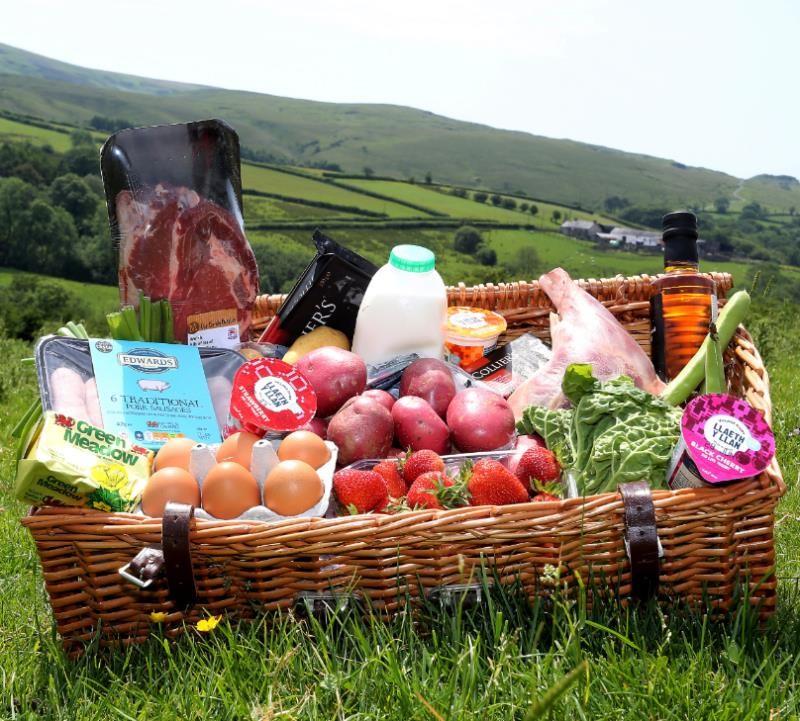
A FOOD SUMMIT and support for an innovative piece of legislation to precision-breed plants and animals to boost food production is top of Conservative calls on Welsh Food and Farming Week.
The NFU’s annual showcase of the best of Welsh agriculture has seen the Official Opposition in the Senedd call on the Labour Government to deliver on the summit that would bring together farmers, food processors, and retailers.
The meeting would aim to make Wales more resilient to the supply chain disruption caused by the war in Ukraine, currently contributing to the rising cost of living, including food prices.
The Labour Government is currently resisting the Welsh Conservative-proposed summit. The Rural Affairs Minister appeared to ignore Mark Drakeford’s instructions after she dismissed the idea of a Food Summit 24 hours after he said he would instruct her to ask industry leaders if one was needed.
A few weeks later, Mark Drakeford struggled to justify previous comments he made when he said “there is no crisis in the food sector” after the Governor of the Bank of England said families will face apocalyptic food price rises due to supply chain problems caused by the Russian invasion of Ukraine.

Shadow Rural Affairs Minister Samuel Kurtz MS is also calling on Labour ministers to back the UK Conservative Government’s Genetic Technology (Precision Breeding) Bill. The legislation will remove unnecessary barriers to research into new gene editing technology, long held back by EU’s rules.
The Bill will make the UK the best place in the world to invest in agri-food research and innovation; use technology to develop precision-bred plants and animals to bolster food production, resistance to pests and diseases, and resilience to climate change; and reduce pesticide usage to lower costs to farmers and protect the environment.
Mr Kurtz will be participating in this week’s activities with a farm visit, attending the NFU’s Senedd event, and being one of the speakers at a headline event in Pembrokeshire.
Commenting, Samuel Kurtz, Welsh Conservative MS and Shadow Rural Affairs Minister, said:
“I am delighted that NFU Cymru’s Welsh Food and Farming Week is back. With a host of events planned, it is yet another opportunity for us all to promote the fantastic agricultural sector we have in Wales.
“With food shortages a real possibility due to the war in Ukraine, we need all parts of the supply chain to get together, from producer to retailer, supported by the Welsh Government, to develop a plan to ensure our high-quality Welsh produce continues to find its way onto the tables of the people of Wales.
“Indeed, one way to bolster food production and protect ourselves from hostile actors in future is the passage UK legislation to open up innovation in precision-bred plants and animals. But we need this to apply in Wales too and hope Cardiff Bay ministers back this new law.

“But together, we can all back British and Welsh farming by buying local products, supporting our local farmers markets, butchers, and greengrocers. As the old saying goes: ‘If you ate today, thank a farmer.’”
Welsh Conservative leader Andrew RT Davies MS added:
“Welsh Food and Farming Week is a great opportunity to talk about the benefits farmers and producers bring to Welsh society and the economy, but we must also highlight areas where the Labour Government need to act.
“The Food Summit that we have been calling for to ensure that the supply chain is resilient to global shocks is essential and the First Minister’s reluctance to act is troubling.
“I hope he uses this week, of all weeks, to change that and bring together all facets of the food sector to ensure food in Wales is stable in price and provision.
“Over the last 30 years the country has gone from being 75% self-sufficient in the food we grow to under 60%. Given what is happening in the Ukraine and the desperate pressure the war is having on food supplies and household budgets. It is vital the Labour Government reverse the decline in domestic food production and use the long-delayed Agriculture Bill to single a renaissance in Welsh agriculture.”


THE BADGER TRUST has called on the new Welsh Government to publish the scientific evidence behind any move towards wildlife controls as part of Wales’ bovine TB strategy.
The charity says ministers have repeatedly promised to “follow the science” while also leaving open the possibility of future interventions involving wildlife, including badgers.
The row follows recent Senedd exchanges in which Cabinet Minister Llyr Gruffydd said the Government was committed to a “holistic approach” to eradicating bovine TB in Wales, based on science and evidence, and informed by the Technical Advisory Group and the TB Programme Board.
Ministers have not announced a badger cull. However, the issue has become politically sensitive after Plaid Cymru’s manifesto pledged a new approach to bTB which recognises wildlife as a source of infection and enables “scientifically validated control methods”.
Badger Trust says that wording raises questions about whether the new administration is preparing to move away from Wales’ previous policy, which focused mainly on cattle measures, biosecurity, testing and vaccination rather than widespread badger culling.
The charity argues that Wales has already made progress without adopting the large-scale culling programmes seen in England.
Official figures published by the Welsh Government show there were 479 new TB herd incidents in Wales in the 12 months to March 2026, down 23.1% from 623 in the previous 12 months. The number of animals slaughtered for TB control in Wales also fell by 21.1%, from 13,171 to 10,395.
However, the Welsh Government has also acknowledged that the number of cattle slaughtered remains high and that there is “still a long way to go”. A written statement earlier this year said some slaughter figures reflect the use of more sensitive testing aimed at finding infection earlier and reducing the risk of future spread.
Nigel Palmer, chief executive of Badger Trust, said: “Ministers are saying they will follow the science repeatedly to the Senedd. That is welcome.
“But if they are considering a major policy change, the public has a right to know what evidence is driving that discussion.
“The evidence does not demonstrate that badger culling provides a meaningful solution to bovine TB in cattle or would improve on the progress already being made in Wales.
“We understand the devastating impact bovine TB can have on farming families and rural communities. That is why farmers deserve effective solutions based on evidence, not assumptions.

“That means continued investment in cattle measures, including on-farm and off-farm biosecurity, improved testing and vaccination. Farmers and wildlife can be protected by following the evidence.”
The charity also pointed to polling by RSPCA Cymru which, it says, found only 27% of respondents supported badger culling, while 46% opposed it. It said 63% of respondents were uncomfortable with killing badgers and 68% opposed public money being spent on culling programmes.
The debate has intensified since a Senedd exchange on June 10, when Labour MS Vikki Howells asked whether ministers would consider all the science, including evidence which she said showed culling badgers was not the answer.
Responding, Mr Gruffydd said the issue needed to be approached “in an objective manner with a clear head” and said any decision would be based on science, the evidence base, and advice from the Technical Advisory Group, which is looking at TB and wildlife.
Earlier in the same session, Mr Gruffydd said he had already met the TB Programme Board and the Technical Advisory Group, and said a position paper published in March made clear that TB needed to be tackled across livestock, wildlife and other sources of infection.
Farming unions and rural representatives have argued that the current approach has not gone far enough. NFU Cymru backed calls earlier this year for a “step change” in Wales’ bTB eradication strategy, saying the current trajectory was not sufficient to meet the target of Wales becoming officially TB free by 2041.
NFU Cymru president Abi Reader said at the time that while it was encouraging to see new breakdowns falling, the impact on farms under TB restrictions and the number of animals slaughtered could not be ignored.
The Welsh Government has also recently tightened cattle movement rules. From January 2026, cattle in Wales that previously tested as standard interpretation inconclusive reactors and later tested negative at re-test remain restricted to their holding for life. The Welsh Government said scientific evidence showed such animals were three times more likely to become TB reactors than clear-tested cattle.
In the Senedd, ministers have highlighted the Pembrokeshire TB project as a possible model for future work. Mr Gruffydd said he had visited the project and was “inspired” by its local, industry-led approach, involving farmers and vets working together on area-specific responses.
Badger Trust said it accepted the seriousness of bTB for farmers but said any change in policy involving wildlife must be justified by clear evidence.
Mr Palmer added: “Wales has already proved that progress against bovine TB is possible without widespread badger culling.
“If ministers are considering a different approach, they should share and explain the scientific evidence they have to support a change in policy direction.”
The Welsh Government has been asked to comment.
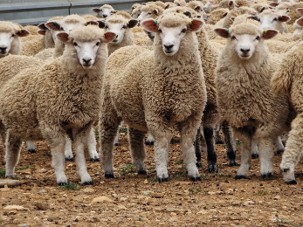
REMOVING fleeces from lambs can help boost growth rates, reduce the risk of flystrike and make flock management easier, according to Heiniger’s Hefin Rowlands.
Mr Rowlands, an experienced shearer, says shearing lambs during their first summer can increase growth rates by up to 20g a head.
“The best time varies between lowland and upland flocks, but the usual window is from the end of June to the beginning of October,” he said.
“Shearing lambs requires the same professionalism and attention to animal welfare as shearing ewes. Whether farmers are hiring a professional shearer or doing the job themselves on farm, it is important to use well-serviced equipment.”
Mr Rowlands said there are several additional benefits to shearing lambs during this period, including reducing the risk of flystrike, keeping lambs cleaner, and preventing them from becoming snagged or tangled in thick undergrowth.
The method for shearing lambs is no different to shearing adult sheep. Shearing towards the end of summer or early autumn can also mean that, the following spring, hoggs carry less wool on their backs, reducing the risk of them becoming cast because of heavy fleeces.
“Shearing lambs also makes them easier to manage and transport,” Mr Rowlands added. “With a smaller, shorn lamb, you can get more on a trailer.”
If lambs are shorn late in the season, when temperatures are falling and heavy rain is more likely, Mr Rowlands said housing them afterwards can help with acclimatisation. However, this is less likely to be needed if shearing takes place before the end of August.
“If shearing later, it is sometimes beneficial to leave the belly wool on because it offers insulation when the lamb lies down, especially in wet conditions,” he said.
With wool prices rising, Mr Rowlands said there may also be financial gains from having more wool to sell.
“If shorn well, with the right equipment and at the right time, lambswool can command a premium,” he said.
“Having professional shearers, or the training to shear accurately yourself, is important, as is using a well-maintained, quality handpiece with factory-sharp combs and cutters.”

Caption: Shearing lambs can help increase growth rates by up to 20g a head.

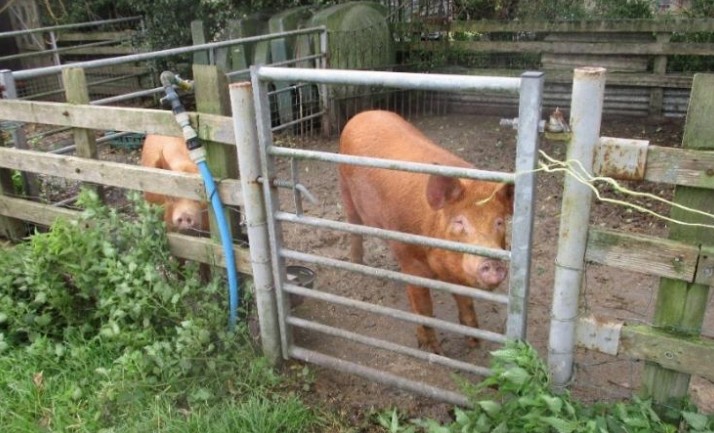
A CALL to allow a Pembrokeshire farm to keep welfare facilities to care for rare breed breeding Tamworth pigs has been given the go-ahead.
In an application to Pembrokeshire County Council, Sharron Nicolas, through agent Hayston Developments & Planning Ltd, sought a certificate of lawfulness permission for the creation of a welfare flat within a previously-approved agricultural building, plus a rear lean-to extension and the erection of two further sheds at Fairybank Fields Farm, Bethesda, near Clynderwen.
An application for a certificate of lawfulness allows an applicant to keep a development if they can provide proof of occupancy or use, without any enforcement taking place, over a prolonged period.
The previous agricultural building application was granted back in 2003.
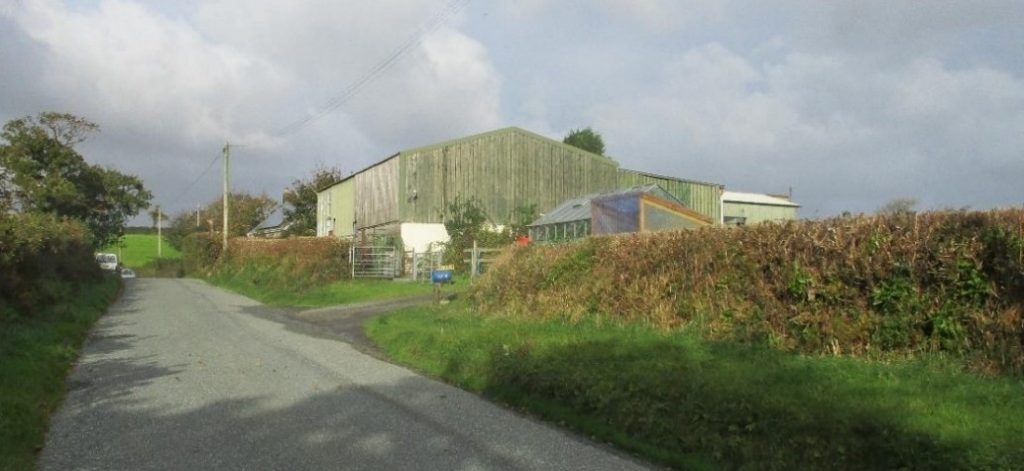
A supporting statement accompanying the application said the two-level welfare unit in the 2003-granted shed “contains the necessary elements to allow overnight stays which are essential when the pigs are farrowing.”
It added: “Mr Allan and Mrs Sharron Nicholas have been owners of Fairybank Fields since 1998. Unfortunately, Mr Nicolas died in February 2025. Although managing the farm at Bethesda, they lived at Pleasant View, Cold Blow, Narberth meaning a round trip of some 12 miles per visit – a visit which was required on a daily basis because of the need to feed and generally care for their animals – which were and still are rare breed pigs together with a number of beef cattle.
“It is essential that the pigs require continuous care when farrowing or when there are other pressures on animal health. When such occasions occurred, it was the practice of Mr Nicholas to spend the night at the farm and to use the welfare provision.”
It said Mr Nicholas would have spent approximately three months’ worth of nights (circa 90 nights) staying over at Fairybank Fields – a period of some 12 years when the bedroom above had been created to late 2024 when his brother assisted Mrs Nicholas in caring for the pigs as Mr Nicholas was too ill.
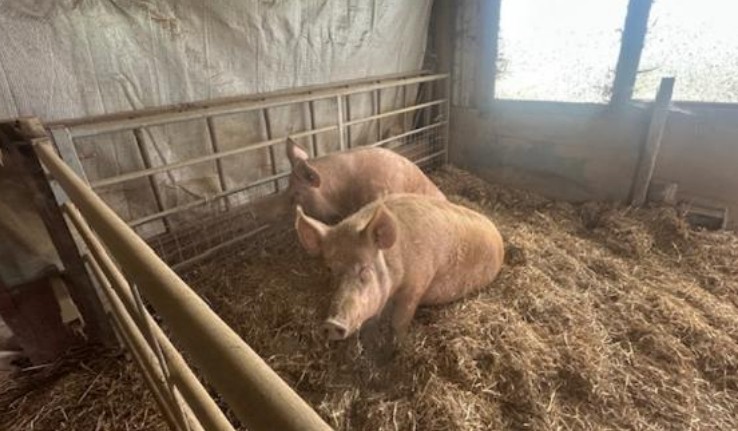
It went on to say: “Whilst the principal activity at the Farm is the breeding of the rare breed, the Tamworth Pig of which there are only currently 290 breeding sows in the UK, Mr and Mrs Nicholas also have had beef cattle on their farm and Mrs Nicholas intends to re-start that element in 2026.”
An officer report recommending approval said a site visit had been undertaken finding no evidence of the unit being occupied as a separate residential dwelling, nor as a primary residence.
It said a range of evidence was submitted in support of the application, including a detailed timeline, aerial imagery and multiple witness statements “which consistently indicate that the rear extension to Building 1 was constructed circa 2008, Shed 2 was completed in September 2012 and Shed 3 was erected in 2015”.
It said historic aerial photographs and witness statements demonstrated “on the balance of probability, that the operational development was substantially completed well in excess of four years prior to the submission of the application and has not been subject to any material interruption,” considered to be lawful by virtue of immunity from enforcement action.
It was granted approval on that basis.



Community13 hours ago
Saundersfoot Harbour regeneration project wins national planning award
SAUNDERSFOOT HARBOUR’S redevelopment has been named Best Project at the RTPI Cymru Awards for Planning Excellence 2026. The award recognises...


Business19 hours ago
Pembrokeshire-based Ascona Group expands UK portfolio with Truckhaven acquisition
PEMBROKESHIRE-BASED Ascona Group has completed the acquisition of Truckhaven (Carnforth) Ltd, a major trunk road services area in Lancashire. The...

Health2 days ago
Wales begins early NHS winter planning after long waits and ambulance pressure
Ministers say health boards and councils must act now to ease pressure on hospitals, ambulances and social care before winter...


Crime3 days ago
Judge calls pensioner a ‘dirty old man’ as he avoids jail for exposing himself to women
Judge says 75-year-old Stewart Laugharne behaved ‘disgracefully’ as he avoids jail but is ordered to sign sex offenders register A...
Health3 days ago
Stroke services consultation reaches halfway point as public urged to have say
HYWEL DDA University Health Board is urging people to take part in its consultation on the future of stroke services,...


Business3 days ago
Welsh firms eye share of £5bn defence drone boom
WELSH defence and aerospace firms could be in line for a share of billions of pounds in new military spending...


Community5 days ago
Thousands line Cardigan streets for Lord Rhys homecoming parade
THOUSANDS of people lined the streets and quayside in Cardigan on Saturday as the town marked 850 years since Lord...


Crime6 days ago
Dyfed-Powys Police rated only ‘Adequate’ in organised crime inspection
A WATCHDOG has rated Dyfed-Powys Police only “Adequate” in its response to serious and organised crime, despite praise for the...


News6 days ago
Two taken to hospital after aircraft ditches in Cardigan Bay
Coastguard helicopter spotted two casualties after light aircraft came down off west Wales coast TWO people were taken to hospital...


Sport7 days ago
Long Course Weekend gets underway in Tenby as thousands head for county
Three days of swimming, cycling and running begin with The Wales Swim at North Beach THOUSANDS of athletes and supporters...
-
Crime6 days ago
Dyfed-Powys Police rated only ‘Adequate’ in organised crime inspection
-

 Entertainment7 days ago
Torch cuts children’s cinema tickets to £5.25 for summer
-

 News4 days ago
Biker dies and woman seriously injured in Black Mountain crash
-

 Climate7 days ago
Welsh waters, Westminster profits: Crown Estate row reignited in Wales
-

 Crime7 days ago
Former Swansea Prison inmate died 48 hours after release
-
 Community7 days ago
Working-class young people ‘shut out’ of marine conservation careers in Wales
-
 Crime6 days ago
Swansea man jailed for 16 years after attacking vulnerable woman
-
Community5 days ago
Thousands line Cardigan streets for Lord Rhys homecoming parade