

Community
Welsh Water investment to support customers and environmental improvements

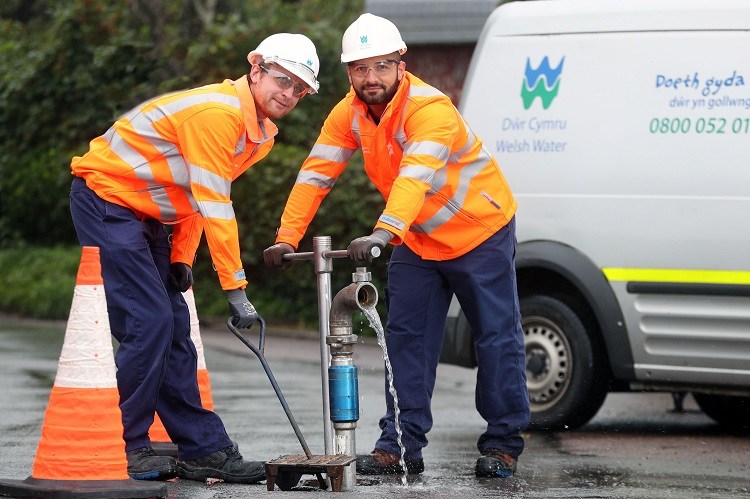
CUSTOMERS and the environment are set to benefit from major initiatives by Welsh Water, made possible by its not-for-profit business model.
As cost-of-living pressure increases and with its focus on reducing any adverse impact on the environment, the company is taking steps to take full advantage of its unique operating model to support its household customers and the environment.
Welsh Water, which already provides financial support to a larger number of customers, proportionate to the company’s size, than any other water company in England and Wales, has confirmed that it will:
maintain its range of support measures to help customers manage their bills such as payment holidays, flexible payment plans, and advice on simple ways to reduce water use
invest £12million to expand the financial support to an extra 50,000 households either through its “social tariffs” scheme or a new community fund
launch a pilot of the community fund in January 2023 to target customers who are struggling with household bills but are ineligible for benefits and, therefore, Welsh Water’s social tariffs.
The role that the company plays in protecting river water quality has come under increased focus over the past year, with Welsh Water already investing heavily to reduce its phosphate contribution to rivers. The company has already committed to investing £833 million to improve its wastewater assets, particularly Combined Storm Overflows (CSOs), on sensitive rivers between 2020 and 2025 and has also announced an additional £100 million investment to help protect river water quality.
This further investment allows the company to accelerate plans to install more phosphate removal plants at wastewater treatment works (£60 million) and to reduce the impact of CSOs – particularly those which are located along Special Areas of Conservation (SAC) rivers (£40 million). This will mean investing in its key assets at sites such as the Menai Strait (£10 million), Brecon
(£6 million), Monmouth (£2 million) Trebanos (£2 million) as well as Llanybydder, Lampeter, Wolfscastle, Corwen, Llanfoist and Letterston (£20 million). It will also enable more nature-based solutions to be developed to help improve river quality. On, for example, the river Wye the company is working with the Wye & Usk Foundation and Hereford Council to support additional phosphorus removal using natural treatment through a low carbon wetland system which will also enhance local biodiversity.

Cllr Liz Harvey, Deputy Leader of Herefordshire Council said: “The close collaborative working with Welsh Water and the Wye and Usk Foundation is slowly getting housebuilding in the county moving again and making a contribution to improving our rivers too.”
This announcement of funding to support vulnerable customers and protect the environment comes as the company reports on its half year results. Despite the wider challenges facing the economy, the company has maintained a strong performance. This has included continuing to invest just over £1 million per day on improvements to its water and wastewater networks.
The company has also confirmed that it is working on a scheme to support its employees through the cost-of-living crisis and has already implemented the increase to the Real Living Wage for all affected employees.
Glas Cymru Chairman, Alastair Lyons, said: “Our non-shareholder business model sets us apart from the other water companies in England & Wales and it is important that we demonstrate how it provides tangible benefit to our customers. I am, therefore, very pleased that not needing to reward shareholders makes it possible for us to announce this additional investment to benefit our customers and the environment. This builds on the millions of pounds our model has already allowed us to invest to help keep bills affordable for customers and deliver essential investment schemes to improve services for customers and mitigate the impact of our operations on the environment”.
Welsh Water Chief Executive, Peter Perry, said: “The current financial crisis is understandably a worrying time and will mean that more customers will find themselves in a situation where they struggle to pay their bills. With the goal of earning the trust of our customers, we know that we have an important role to play here which is why we are going to be supporting even more customers in this time of need. Our advice to customers is to contact us the moment the bill becomes a worry so that we can look how we can provide support to alleviate this concern.
“Equally as important is that we redouble our efforts to protect the environment, particularly river water quality. With expectations changing, more needs to be done, especially to reduce the impact of CSOs. Removing them from our sewerage system altogether is not an option but what is in our control is the ability to target investment at those CSOs which have the biggest impact so that we can improve their performance and river water quality. The extra £100 million will enable us to bring forward investment schemes to help achieve this and will build on the £833 million we are already investing in our wastewater network through to 2025.”

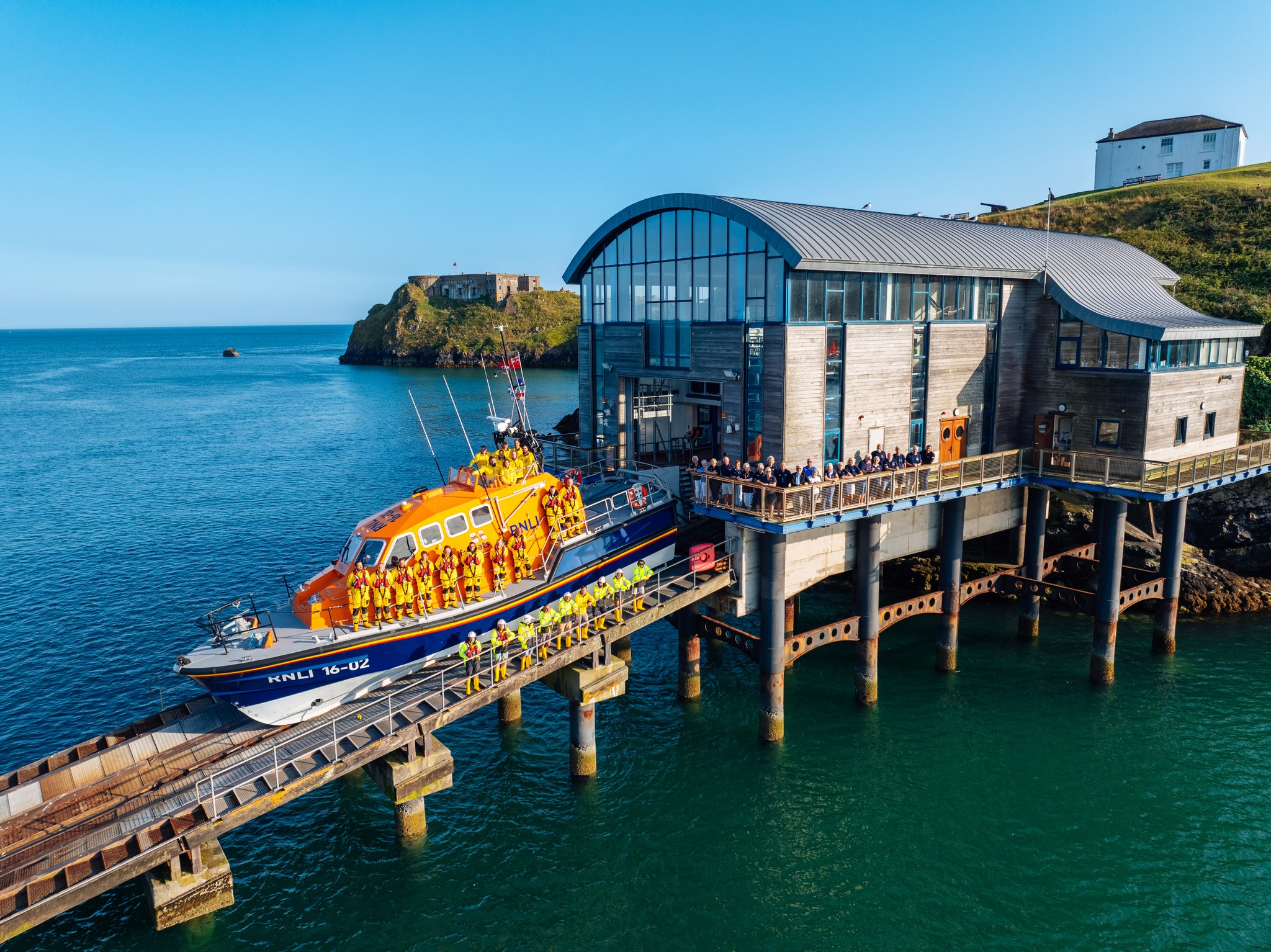
RNLI crews were called to Pendine and Amroth within minutes of each other on a busy Sunday afternoon
BOTH of Tenby’s lifeboats were launched on Sunday afternoon following separate reports involving kayakers along the Carmarthenshire and Pembrokeshire coastline.
The all-weather lifeboat was requested shortly before 4.30pm on July 12 after RNLI lifeguards at Pendine raised concerns about a kayaker who had left the beach earlier in the afternoon but had not returned.
The kayak could no longer be seen from the shore, prompting Tenby’s volunteer crew to launch and make their way towards the area.
As the lifeboat arrived, the Coastguard received a call from the kayaker confirming they were safe and well at Morfa Bychan beach and did not require assistance.
The crew was stood down from the search but was immediately redirected to assist Tenby’s inshore lifeboat with a second incident off Amroth.
The inshore lifeboat had been launched after a member of the public dialled 999 and reported seeing a kayaker who appeared to be waving between Amroth and Monkstone.
A local fishing vessel, which had heard the Coastguard broadcast asking nearby boats to look out for the kayak, located the man before the lifeboats arrived.
The inshore lifeboat was soon alongside, where the kayaker confirmed he had been fishing and was not in difficulty.
Both the inshore and all-weather lifeboats were then stood down and returned safely to Tenby.

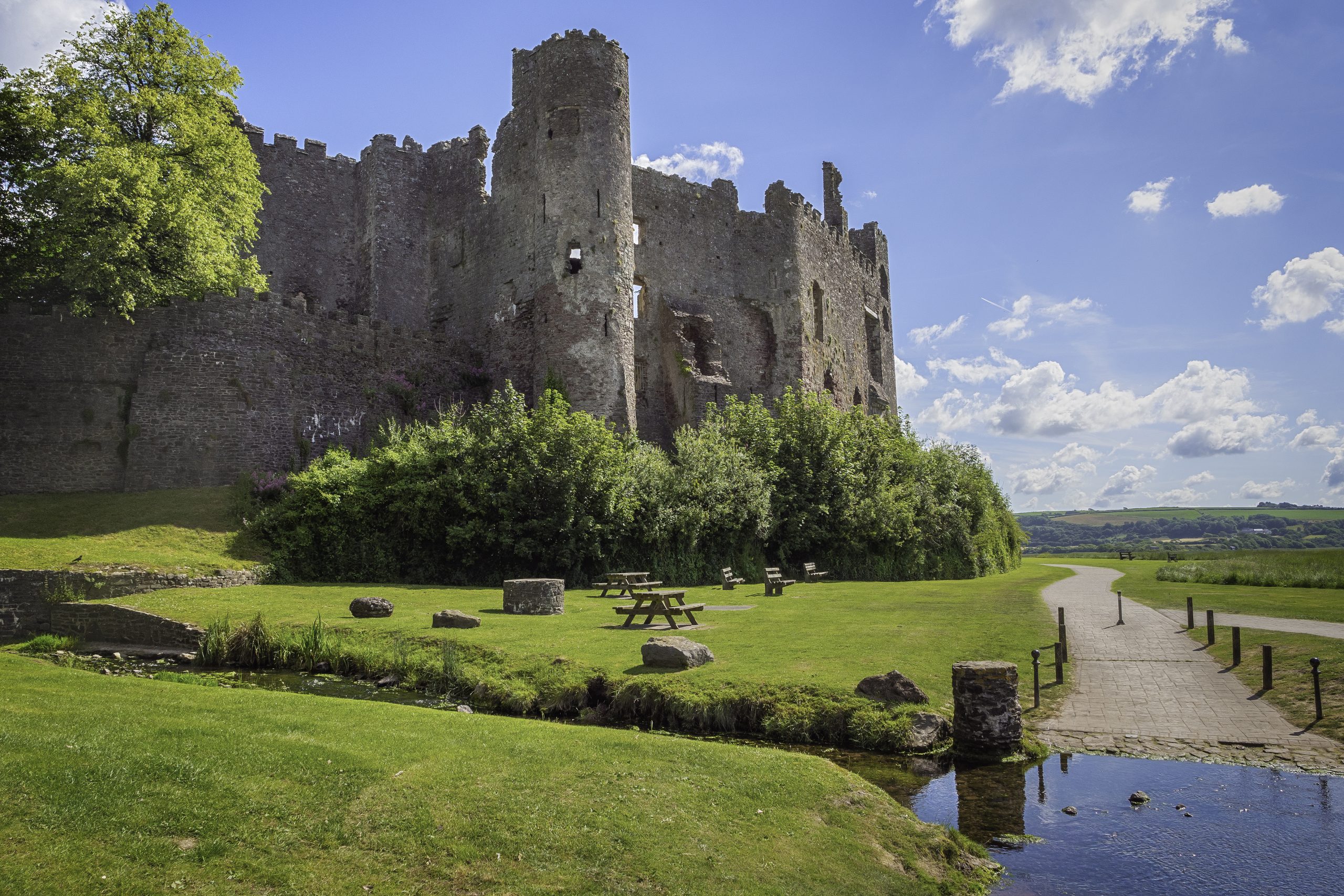
FAMILIES across Wales can look forward to a summer packed with adventure, as Cadw unveils its exciting programme of family-friendly events set within the nation’s most iconic castles, abbeys and ancient landmarks.
Taking place throughout the school holidays, the events programme invites visitors to step into the past through immersive experiences, interactive workshops and hands-on activities designed to bring Welsh history to life for all ages.
Dr Kate Roberts, Chief Executive of Cadw, said: “Summer is the perfect time for families to step outside and explore Wales’ incredible heritage, and our events programme makes those visits even more memorable.
“Whether it’s stepping into the shoes of medieval characters, discovering ancient traditions or simply spending time together in remarkable settings, there’s something for everyone to enjoy. Plus, with free child entry for adult members, it’s a fantastic way to make lasting memories over the school holidays.”
With over 70 Cadw events scheduled across Wales in July and August, highlights from this summer’s programme in West Wales include:
Historic Echoes (Laugharne Castle)
Saturday 1 and Sunday 2 August, 11:00-16:00
Step into the early 15th century at Laugharne Castle to discover how castles were attacked and defended, handle replica weapons and armour, and learn about medieval medicine through a series of expert demonstrations.
Hysterical History (Kidwelly Castle)
Saturday 1 and Sunday 2 August, 11:00-16:00
Take part in an interactive experience at Kidwelly Castle, where visitors can explore the skills, training and traditions of medieval knighthood through engaging, hands-on activities with Sir Roland De Preaux.
Children’s Activity Day (Strata Florida Abbey)

Thursday 13 August, 10:00-12:00. Online pre-booking is essential.
Spend the day at Strata Florida Abbey, where young historians can explore the medieval abbey’s past through hands-on archaeology experiences and learn about the lives of the Cistercian monks and the surrounding landscape.
Historia Normannis (Laugharne Castle)
Saturday 8 and Sunday 9 August, 11:00-16:00
Witness the spectacle of knights’ tournaments at Laugharne Castle to watch combat displays and see justice delivered at the Shire Court. Alongside the action, enjoy humorous performances that bring key moments in history to life in an entertaining and accessible way.
Living History Weekend (Laugharne Castle)
Saturday 25 and Sunday 26 July, 11:00-16:00
Experience medieval village life at Laugharne Castle with a weekend of living history. Visitors can see dramatic demonstrations of Civil War armour and weaponry, with live cannon and musket firing.
In addition to these events, Cadw is offering a series of guided tours throughout the summer to give visitors a chance to delve deeper into the details of each location. In West Wales this includes: Castell Oxwich, and Castell Cilgerran. Pre-booking via the Cadw website for these events is required.
For those looking to make the most of their visits this summer and beyond, a Cadw membership offers free entry to all events and unlimited access to over 130 historic places across Wales. Children go free with adult memberships, making it a great value option for families. As a bonus, members receive a Cadw handbook, free audio guides at selected sites and two Heritage in Wales Magazines each year.
Find out more and book tickets at https://cadw.gov.wales
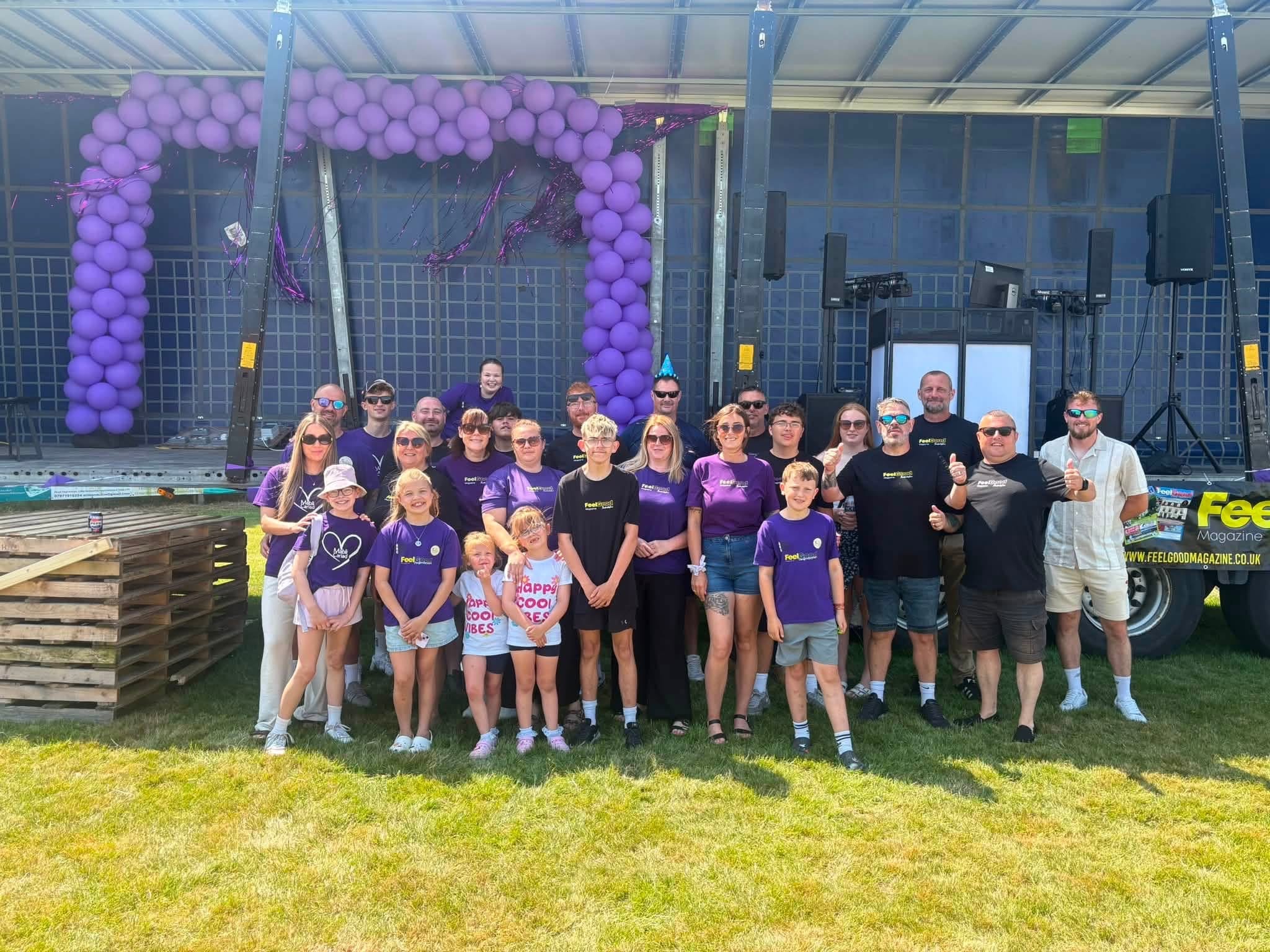
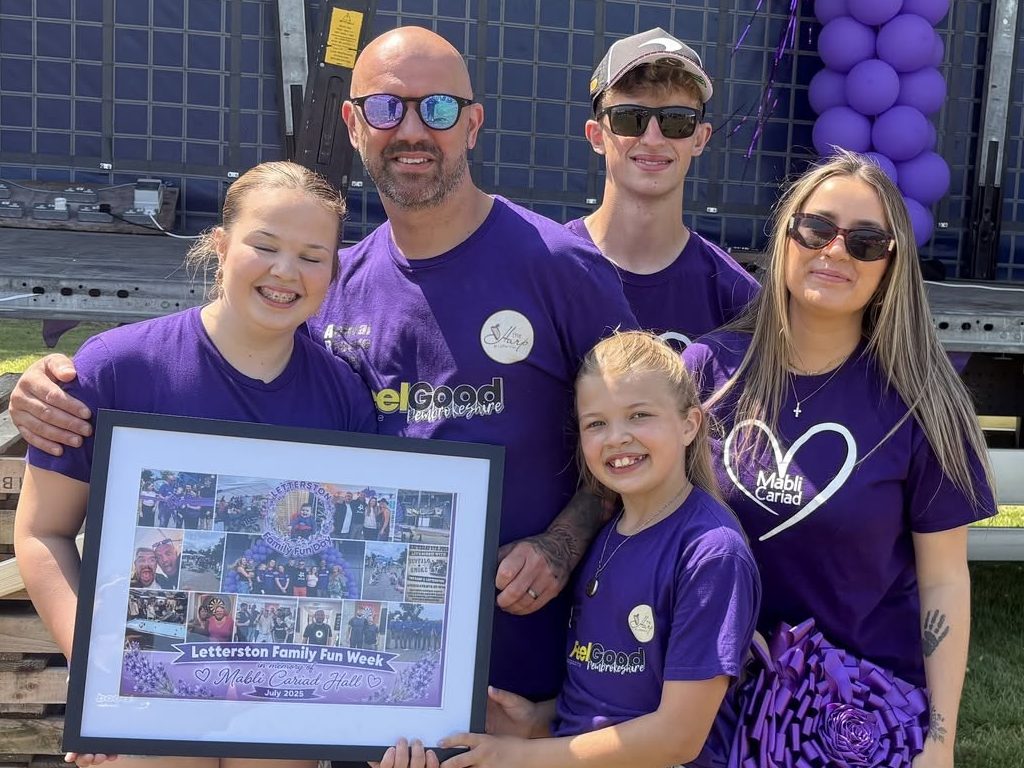
LETTERSTON came together for a packed week of entertainment, sport and community spirit, raising more than £2,500 in memory of local girl Mabli.
Letterston Fun Week featured a treasure hunt, bingo, pool, junior football, men’s and ladies’ darts, a quiz night and children’s disco, before concluding with a hugely successful Fun Day.
Organiser Tim Evans thanked the volunteers, performers, sponsors and residents who helped make the week possible, describing the support received at every event as “incredible”.
The Fun Day began with a chicken wing challenge, won by Shaun McVey of Letterston, before young singers Arthur, Mila, Etta and Nancie from Ysgol Ger y Llan took to the stage alongside Cassidy from Tonna.

They were followed by dancers from the Lowri Jones School of Dance, who performed in front of a packed field.
Live music came from Chrissy D and Steve Bartram, while children were entertained by Crazy Clayton.
As the evening continued, the Fishguard and Goodwick Rugby Club Choir delivered what organisers described as an outstanding performance.
Local band Roccanna then took to the stage, led by Letterston’s own Tristan Mansell, before headline act Forever Elton brought the celebrations to a close with a tribute to the music of Elton John.
Tim said: “This year has been a challenging one to organise, with plenty of obstacles along the way, but seeing the whole week come together so successfully made every bit of hard work worthwhile.
“To every volunteer who helped set up, sold raffle tickets and programmes, marshalled events, cleared away afterwards or simply stepped in wherever needed, I honestly could not be prouder.
“You worked your socks off to give Letterston an event to be proud of, and I cannot thank you enough.”
More than £2,500 has already been raised, with organisers expecting the final total to increase as the remaining proceeds are counted.

Fun Week is held each year in memory of Mabli, whose life continues to be celebrated by the Letterston community.
Paying tribute, Tim added: “Rob, Gwen and all the family, it is a privilege for us to organise this event each year and create a day where Mabli’s life can be celebrated by the whole community.
“We send you all our love and look forward to doing it all again next year.”
Organisers thanked everyone who attended, donated, volunteered, performed, sponsored or supported the events.
Letterston Fun Day will return on Saturday, July 17, 2027.



Crime14 hours ago
Teenager tells jury he took knife to school to ‘show off’ to friends
Boy accused of attempting to murder Milford Haven teacher says he ‘never wanted to injure’ her A TEENAGE boy accused...

Local Government1 day ago
Calls grow for independent investigation into Manorbier school closure
Councillor alleges misleading figures, inadequate insurance and poor treatment of staff CALLS for an independent investigation into the controversial closure...

Community1 day ago
Neyland Carnival hailed a huge success after streets fill with colour and crowds
NEYLAND CARNIVAL organisers have thanked the community, volunteers and local businesses who helped make this year’s event a memorable success....


Community2 days ago
Tenby Summer Spectacular: Anger grows over ‘disaster waiting to happen’ warning
A growing backlash has followed police calls for the event’s licence to be revoked, with supporters questioning why authorities failed...

Charity2 days ago
RSPB secures ‘missing link’ to reconnect wildlife habitats in Carmarthenshire
RSPB CYMRU has purchased a 96-hectare upland site in Carmarthenshire, describing it as a vital step towards reconnecting one of...


Crime4 days ago
Ann Widdecombe: Welsh politicians pay tribute as murder probe launched
Prime Minister Sir Keir Starmer has praised the former minister’s “conviction and dedication”, while political figures in Wales remembered her...


News4 days ago
Solardo pulls out of Haverfordwest show as organisers offer full refunds
Headline act confirms non-appearance as Park House Series announces major event changes DANCE music duo Solardo will no longer perform...


Local Government4 days ago
Conservatives win Pembroke Dock seat as Reform stalls and Dowson polls just 11
Jamie Street takes Market ward with a 43-vote majority as Reform finishes fourth despite its major Senedd breakthrough two months...

Health4 days ago
Hospital ward closed after highly contagious scabies outbreak
Hywel Dda confirms wider rise in cases across Carmarthenshire, Pembrokeshire and Ceredigion as patients and staff are offered treatment A...
Crime5 days ago
Teacher stabbing trial: The first week of evidence
Jury hears accounts of alleged planned classroom attack, teacher’s fear she was dying, and boy’s words after leaving school A...
-
 Farming7 days ago
Pembrokeshire slaughterhouse given urgent improvement rating after audit failure
-

 News7 days ago
From boccia to boxing: ALN multisport events give youngsters chance to try activities
-

 News6 days ago
Questions raised over Hamilton Accies finances after club’s Haverfordwest friendly
-

 Farming5 days ago
Working Carmarthenshire farm opens gates to visitors with new holiday cottages
-

 Entertainment6 days ago
Swing and big band classics heading to Torch Theatre
-

 Sport5 days ago
Rising rally star claims maiden Mini Rally Challenge victory
-
 Community7 days ago
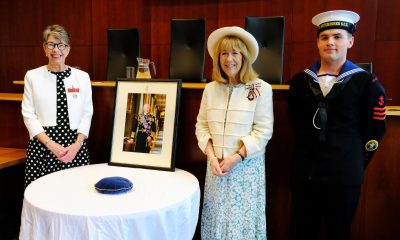
British Empire Medal ceremony held at County Hall
-

 Crime5 days ago
Greenacres confirms seized dogs are safe as investigation continues