


News
Ambulance terror response fears in Wales over hospital delays

Liam Randall, Local Democracy Reporter
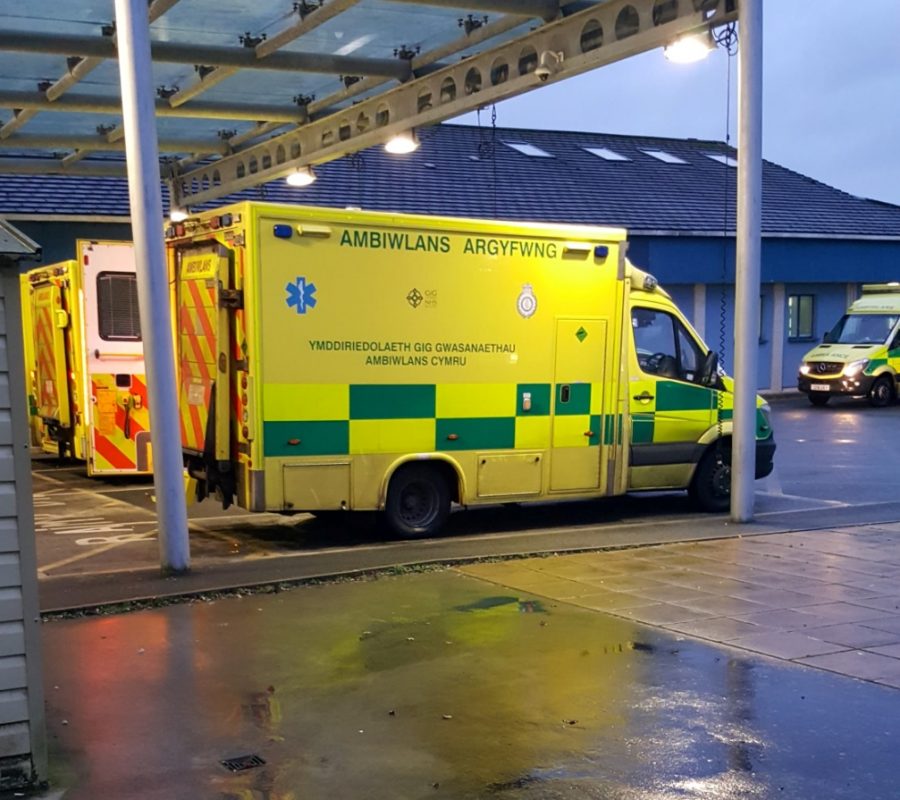
AMBULANCE chiefs in Wales say they may not be able to respond properly to terror attacks because of hospital handover delays.
It follows a report highlighting the risk of “catastrophic harm” to the public if crews are busy at A&E departments during major incidents – this includes concerns about the availability of ambulances following a fire on a ferry heading to Fishguard last year.
The Welsh Ambulance Service service raised concerns after a mass-casualty simulation found it would have failed to provide an adequate response three out of four times.
The Welsh government said it expected health boards to prioritise cutting handover delays.

The tests were conducted after the Manchester Arena bombing public inquiry.
That found a host of failings by emergency services in the attack’s aftermath.
The warning follows the service’s claims some medics could not to respond to an explosion at Treforest Industrial Estate, in Rhondda Cynon Taf, in December 2023 because they were stuck outside Morriston Hospital, Swansea.
A major incident was declared after the blast in which a woman died.
Next week a report will be given to the ambulance service board alleging hospital officials failed to release crews from the hospital site.
Swansea Bay University Health Board denied this, saying ambulances were freed.
The ambulance service has questioned the effectiveness of release procedures.

Chief executive Jason Killens has written to Welsh health boards for assurances.
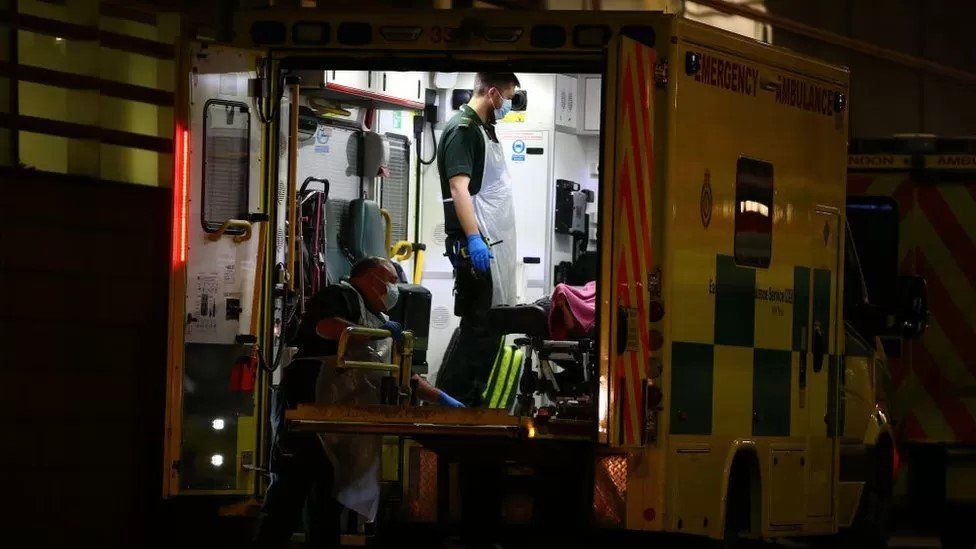
The ambulance report said if a major incident was declared there was a risk an “effective, timely, or safe response” may not happen.
“(This would result in) catastrophic harm (death) and a breach of the trust’s legal obligation,” it said.
The main reason for this was “lost capacity due to hospital handover delays”, over which, it said, it had no control.
It added it was not assured hospitals had plans to release ambulances effectively.
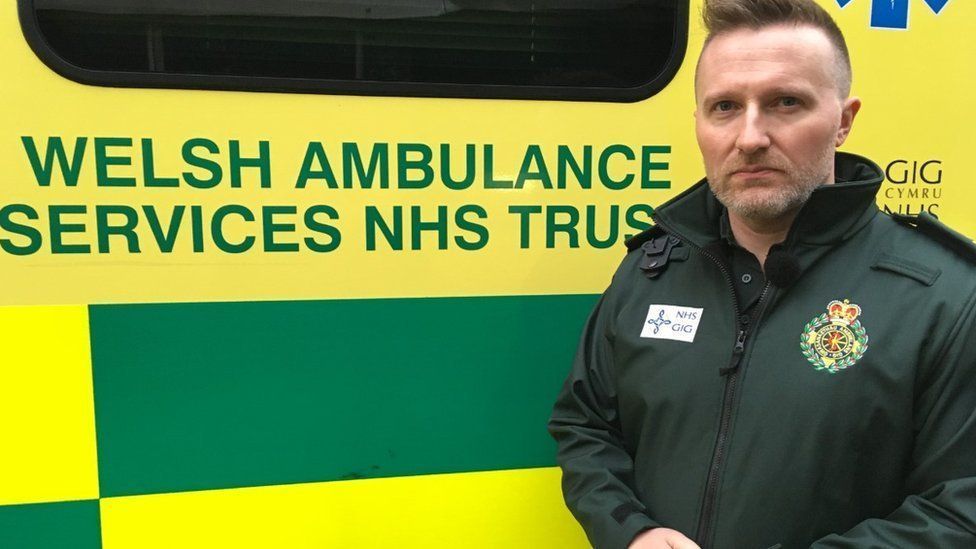
Welsh Ambulance Service operations chief Lee Brooks said it had plans to deliver an effective response to major incidents.
He recognised handover delays were a problem.
“Our ability to send a large-scale response to an incident may be hindered if our people and vehicles are not immediately released by emergency departments,” Mr Brooks said.
The report also highlighted two other occasions where the service had been concerned about ambulances not being released.
These included the fire on the Fishguard in 2023 ferry as well as a gas explosion in Swansea the month after.
Swansea Bay health board said it took its responsibilities seriously and had major incident plans.
“These include agreed protocols to enable the rapid release of ambulances from the emergency department in the event that a major incident is declared,” it said.
“We can confirm that on the evening of the Treforest Industrial Estate fire our major incident plan was invoked and that we did release ambulances.”
Handover delays were raised in the Senedd last week after the health committee was told ambulance crews often see only one patient a shift.
Mr Killens said as much as 30,000 hours were lost monthly in Wales due to waiting to transfer patients to hospital.
Patient safety was at risk, he said, with handover times averaging more than two hours. The target is 15 minutes.
Sam Rowlands MS, Welsh Conservative Shadow Health Minister said: “It’s not good enough for the Labour Welsh Government to just ‘expect’ Health Boards to solve handover delays.
“We need substantial reform of the entire health system to clear the backlogs of getting patients out of hospital as well as in.
“Our Welsh Conservative plan of NHS reservists, along with care hospitals will deliver that immediate support needed to enable the Ambulance Service to save lives.”
The Welsh government said it expected health boards to cut patient handover delays as a priority over the next six months.
It said this year it was investing an extra £180m to help health boards and regional partnership boards manage more people in the community and avoid ambulances and hospital admission.









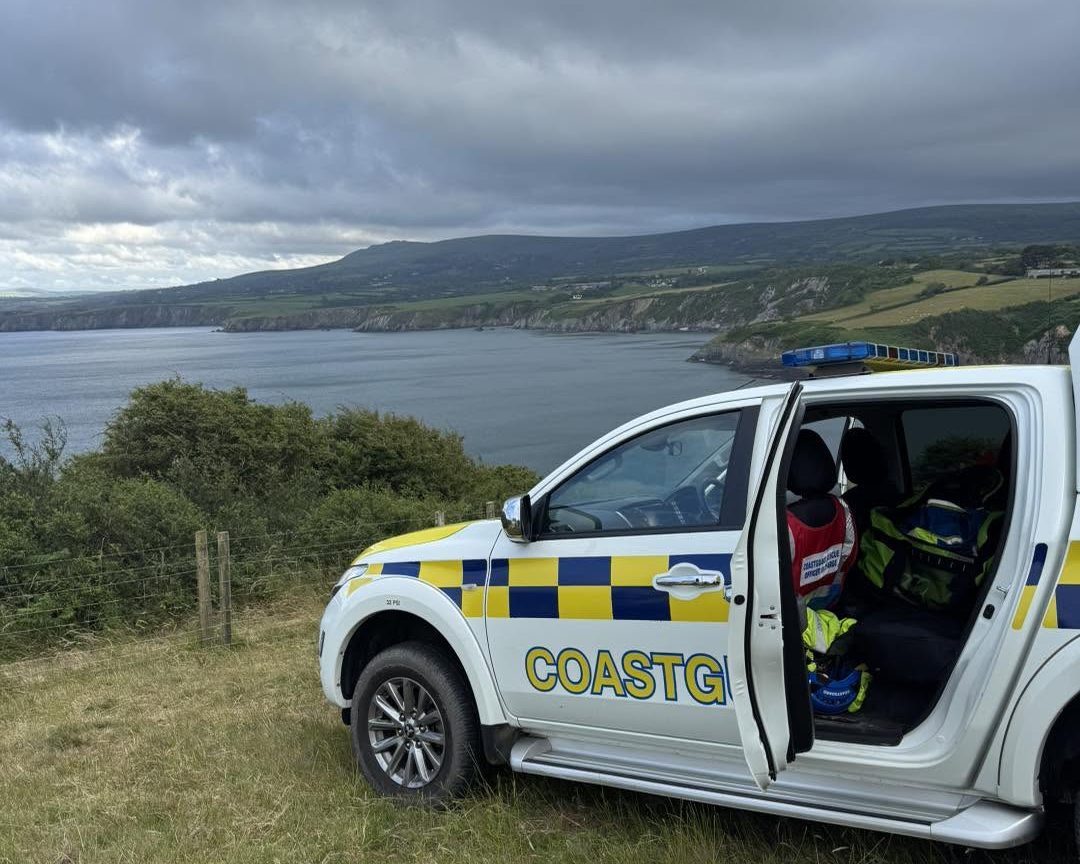
Coastguard teams called to Dinas Island near Pwllgwaelod
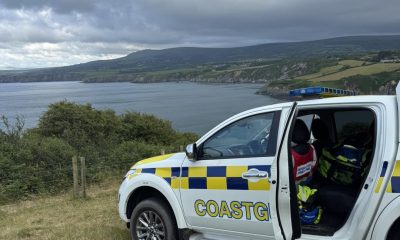
A WOMAN was stretchered from the coast path near Pwllgwaelod after suffering an ankle injury.
HM Coastguard Fishguard was tasked at 5:22pm on Friday, June 27, alongside HM Coastguard Teifi, to assist the casualty on Dinas Island.
The teams attended the scene near Hendre Farm Campsite and Cottages and, with help from the landowner, were able to quickly locate the injured woman.
Her injured limb was immobilised before she was carried by stretcher to her nearby car, where family members were able to take her on to hospital.
Fishguard Coastguard thanked the landowner for their help.

ORGANISERS of a country music festival held in Carmarthen have thanked visitors for their support while admitting that parts of the event “did not go exactly as planned”.
This Ain’t Texas Festival took place at the United Counties Showground on Saturday (Jun 27), promising live country music, line dancing, American BBQ, street food, western-themed stalls and family-friendly entertainment.
The event was part of a UK-wide tour, with the Carmarthen date promoted as a Nashville-style day out for families and country music fans.
But after the event, a number of attendees took to social media to raise concerns about queues, parking, food options and the overall organisation of the day.
In a statement posted online, organisers said: “Thank you, Carmarthen. What a day.
“Firstly, we want to say a huge thank you to everyone who came out and made this event so special. The support, energy, and positive feedback we’ve received across the country has been incredible, and we’re truly grateful for every single one of you.
“That said, we also know that not everything went exactly as planned. We’ve received some constructive feedback from attendees, and we want you to know that we’ve listened carefully.”
Some visitors said they had enjoyed the atmosphere, music and line dancing, while others said the event had fallen short of expectations.
One attendee said the day had been “very disappointing” after booking early-bird tickets and looking forward to the festival for months.
Another visitor said the bar queue was long, adding that they had queued for more than an hour, although they still felt the ticket price had been good value.
Others called for more food choice, including vegetarian options, and said parking and space on site would need to be reviewed if the event returned on a larger scale.
There was also praise for the local line dancing element, with one attendee saying it had “definitely added to the experience”.

The festival had been advertised as a one-day country and western-themed event, with live tribute acts, dancing, food, drink, stalls and activities.

A CIVIC service has been held at St Mary’s Church in Haverfordwest, bringing together civic leaders, councillors, cadets and community representatives from across Pembrokeshire.
The Mayor’s Civic Service took place at 11:00am on Sunday, 28 June 2026, at the historic High Street church, one of the county town’s most familiar landmarks.
The service was hosted by Haverfordwest Town Council and attended by the Sheriff of Haverfordwest, Cllr Dani Thomas-Turner, Deputy Lord Lieutenants, the mayors of Pembroke, Pembroke Dock, Neyland and St Davids, members of the Guild of Freemen, the Lord Lieutenant’s Cadet and the Mayoral Cadet.

St Mary’s Church has stood at the heart of Haverfordwest for more than 800 years. Built in about 1200, its size and position have made it one of the town’s dominant historic buildings.
Cllr Randell Izaiah Thomas-Turner said the occasion had been “truly special and humbling”.
He said: “It was an honour to gather in one of our town’s most historic and beautiful buildings, a church that has stood at the heart of our community since the 12th century, bringing people together in faith, service and reflection.”

Cllr Thomas-Turner and the Sheriff thanked all those who attended, saying the presence of civic representatives from neighbouring towns reflected the “strong spirit of friendship and partnership across Pembrokeshire”.
They also paid tribute to fellow town councillors, the Guild of Freemen, and the cadets who supported the service.
Cllr Thomas-Turner added: “Days like today remind us that civic life is about more than titles and chains of office. It is about service, community, friendship and working together for the good of our towns and our county.”
He said the event had been a proud day for Haverfordwest, adding: “Haverfordwest truly is the Best in the West.”



Community16 hours ago
Thousands line Cardigan streets for Lord Rhys homecoming parade
THOUSANDS of people lined the streets and quayside in Cardigan on Saturday as the town marked 850 years since Lord...


Crime2 days ago
Dyfed-Powys Police rated only ‘Adequate’ in organised crime inspection
A WATCHDOG has rated Dyfed-Powys Police only “Adequate” in its response to serious and organised crime, despite praise for the...


News2 days ago
Two taken to hospital after aircraft ditches in Cardigan Bay
Coastguard helicopter spotted two casualties after light aircraft came down off west Wales coast TWO people were taken to hospital...


Sport3 days ago
Long Course Weekend gets underway in Tenby as thousands head for county
Three days of swimming, cycling and running begin with The Wales Swim at North Beach THOUSANDS of athletes and supporters...


Climate3 days ago
Welsh waters, Westminster profits: Crown Estate row reignited in Wales
PLAID CYMRU has renewed calls for the Crown Estate to be devolved to Wales after figures showed income linked to...

News3 days ago
Reform MS: ‘I felt like shouting get out of the water’
Paul Marr says children playing in streams at Pembrokeshire beaches deserve better protection from pollution risks REFORM UK MS Paul...


Health4 days ago
Senedd backs call to rule out hospital downgrades after heated NHS debate
Reform UK amendment passes as West Wales hospital fears remain central political issue THE SENEDD has backed a call for...

News4 days ago
Coastguard callout payments axe sparks fears for coastal communities
VOLUNTEER coastguards across the UK are set to lose callout payments, prompting concern over the future resilience of emergency cover...


Farming4 days ago
Rural Wales ‘left out’ of net zero debate, warns carbon entrepreneur
A WELSH carbon entrepreneur has warned that rural Wales risks being left behind in the national conversation about net zero....


Local Government5 days ago
Tenby Spectacular row continues as organisers say key question remains unanswered
Round Table says legal clarity over pedestrian access is still holding up event plan TENBY ROUND TABLE has welcomed Pembrokeshire...
-

 Crime4 days ago
Police appeal after reported rape at Young Farmers rally
-

 Crime5 days ago
Woman sentenced over neglect of child at Haverfordwest property
-

 Crime5 days ago
Milford man threatened to smash parents’ windows, court hears
-

 Crime5 days ago
Haverfordwest father stole groceries amid cost-of-living struggle
-

 Crime5 days ago
Grandmother banned after cocaine drug-drive offence
-

 News7 days ago
Rhun ap Iorwerth urges new deal for Wales after Starmer quits
-

 Crime5 days ago
Hakin man stole Tesco goods to fund drink and gambling addictions
-
 Charity7 days ago
Sea shanties and street food bring crowds to Cardigan RNLI festival