


Entertainment
Government to review ‘dynamic pricing’ in wake of Oasis ticketing outrage


THE UK GOVERNMENT has announced a comprehensive review of the ticket sales market following widespread backlash over the inflated prices of tickets for the recently announced Oasis reunion tour. The surge in prices, driven by dynamic pricing models, has left many fans feeling excluded from the chance to see their favourite band perform live, with ticket prices more than doubling from their face value.
Culture Secretary Lisa Nandy expressed her disappointment over the situation, describing the inflated prices as “incredibly depressing.” She highlighted the Government’s commitment to addressing the issue and ensuring that fans are not exploited by the system. Nandy stated that the review will focus on the transparency and use of dynamic pricing, particularly the technology behind queuing systems that appear to incentivise such practices.

“After the incredible news of Oasis’ return, it’s depressing to see vastly inflated prices excluding ordinary fans from having a chance of enjoying their favourite band live,” Nandy remarked in a statement. “This Government is committed to putting fans back at the heart of music. We will include issues around the transparency and use of dynamic pricing, including the technology around queuing systems which incentivise it, in our forthcoming consultation on consumer protections for ticket resales.”
The controversy erupted when fans attempting to purchase tickets for the Oasis reunion tour found themselves faced with prices that skyrocketed from the initial £75.00 to as much as £498.00 on Ticketmaster. The surge pricing model, also known as dynamic pricing, adjusts ticket prices based on demand, leading to what many fans have described as “sickening” and “scandalous” increases.
Crundale resident Gavin Young said: “I came into work on Saturday by 8.30am to use the office computers to buy my tickets. I was put into a queue of 274,677 people. After 8 hours of waiting at my desk I got to number one in the queue, but as soon as I got to the checkout the system was trying to charge me £498 for ‘budget seating’ for tickets that were initially advertised at £75.00 each.

“This is despite the band saying that tickets being sold over ‘face value’ would be cancelled.
“I feel devastated because I am a massive fan of the band, and one of those lucky enough to have seen Oasis live in Knebworth on August 11, 1996.
“Admittedly my mate and I, just 17-years-old at the time got given free tickets by a mystery woman walking out of the VIP entrance back stage, whilst we were trying to sneak in.
“We doubt that we would have the same luck this time around.”
One prominent figure affected by the pricing surge was Government minister Lucy Powell, who revealed that she had paid more than double the original quoted price for tickets to an Oasis show. Powell, the House of Commons leader and Lord President of the Council, purchased two tickets for £350 each for the Heaton Park concert in July, which had originally been priced at £148.50, excluding a booking fee. Speaking to BBC Radio 5 Live, Powell admitted that while she does not “particularly like” surge pricing, it reflects how the market operates. However, she emphasised the need for transparency, stating, “You’ve absolutely got to be transparent about that so that when people arrive after hours of waiting, they understand that the ticket is going to cost more.”
Ticketmaster, the platform where the tickets were sold, has defended its role in the pricing controversy, clarifying that it does not set the prices. According to the company, ticket prices are determined by the “event organiser,” who prices the tickets according to their market value. Despite this defence, many fans were left frustrated, not only by the inflated prices but also by technical issues on the Ticketmaster website, which led to some being incorrectly labelled as bots and missing out on tickets altogether. However, Ticketmaster maintained that its website did not crash and advised customers to clear their cookies and use only one tab when attempting to purchase tickets.

The Oasis reunion tour, marking the end of a decade-long feud between brothers Noel and Liam Gallagher, quickly sold out all 17 of its announced shows, including two in Cardiff. The overwhelming demand and the issues with ticketing have reignited debates over the fairness of the secondary ticket market and the ethics of dynamic pricing.

Adding to the concerns, secondary ticket seller Viagogo listed a seat at Wembley for July 25 at an eye-watering £5,289. The platform has defended its practices, with its global managing director stating that it is the fans who set the prices. Viagogo also reiterated that resale is legal in the UK and that fans are protected by a guarantee that they will receive their tickets in time for the event or get their money back.
In response to the controversy, Oasis has issued guidance to its fans, advising them to use only Ticketmaster and Twickets for reselling tickets and to list them at “face value” to avoid cancellation by the promoters. The band’s promoters, Manchester-based SJM Concerts, Irish MCD, and Scottish DF Concerts & Events, have yet to comment on the matter.
Meanwhile, Education Secretary Bridget Phillipson has also weighed in on the debate, linking the issue of dynamic pricing to broader concerns about pricing practices in other sectors, such as travel companies and airlines, particularly during school holidays. Phillipson acknowledged that dynamic pricing is an area that requires further consideration, especially given its impact on families. However, she stressed the importance of ensuring children attend school regularly, warning that missing days at the start of the term can set a negative pattern for the future.
In the wake of the public outcry, fans have taken to Change.org to demand immediate action. Within the last 48 hours, over 16 petitions have been launched on the platform, collectively amassing thousands of signatures. These petitions primarily target Ticketmaster, calling for an end to what many fans see as exploitative practices.
One petition, echoing the sentiments of many, reads: “Their monopoly on the sale of tickets has allowed this greed to go unchecked for years. It’s time it was banned!” Another frustrated fan added: “It isn’t fair for us to have to pay more just because the event we wish to attend is in higher demand. Ticketmaster’s dynamic pricing strategy unfairly exploits loyal fans who simply want to enjoy an event.”
The wave of petitions comes amidst a broader backlash against dynamic pricing, which has overshadowed the excitement surrounding Oasis’s much-anticipated return. Fans have also called on the band to add more tour dates or to consider broadcasting performances through national broadcasters to accommodate those unable to secure tickets.
Sylvia Rook, Lead Officer for Fair Trading at the Chartered Trading Standards Institute (CTSI), said: “We are aware of the fact that many consumers have complained that the tickets they were offered, after having queued for several hours online, ended up costing substantially more than the originally advertised prices that were released at the end of last week.
“Whilst dynamic pricing is an accepted practice for holidays, flights and taxis, the difference here is that consumers are informed of the price before they decide to make a purchase. In this case, the public were given a price for tickets, and were not informed until they finally got to the front of the queue, that the price had increased. This undoubtedly meant that many consumers have overreached and ended up spending much more than they originally intended. Many other consumers ended up disappointed after deciding not to proceed to pay the vastly increased prices. One CTSI member who queued for 5 hours was faced with paying £348 for a standing ticket at Wembley when he was expecting to pay £151.
“Dynamic, or fluid pricing, is not specifically prohibited by consumer protection law; the important factor is that consumers are not misled by the indicated price. It is a breach of the Consumer Protection from Unfair Trading Regulations 2008 if a trader misleads consumers regarding the price of goods and services, if that causes the average consumer to take a different ‘transactional decision’. In this case many consumers would not have joined the queue had they known that the price would have increased by the time they were able to purchase, and many fans could not afford the increased price.
“Ticketmaster have said the tickets were ‘in demand’ tickets, which is why the price was higher but, to ensure consumer legislation is complied with, all relevant information about the price should have been given to consumers before they joined the queue. CTSI is also aware of the vastly increased price of tickets on resale sites, meaning that genuine fans are unable to buy tickets which may have been purchased by bots.
“Anyone who feels they were misled by the promotion of the Oasis tickets and the ticket platforms promoting them is encouraged to report the matter to Trading Standards by calling the Citizens Advice Consumer Helpline on 0808 223 1133 if in England and Wales. In Scotland, contact Advice Direct Scotland on 0808 164 6000, or if in Northern Ireland, call Consumerline on 0300 123 6262.
“We will be working with the government to see how consumers can be better protected with regard to the sale of event tickets.”
This isn’t the first time dynamic pricing has come under fire. In February, a Change.org petition started by user Allister Thompson garnered nearly 50,000 signatures, demanding that the practice be banned. Although this earlier petition did not lead to immediate action, there is renewed hope among concert-goers that the current Government review, announced by Culture Secretary Lisa Nandy, might finally address the issue.
As the Government prepares to launch its review, fans and industry stakeholders alike will be watching closely to see whether new regulations will be introduced to curb the excesses of the current ticketing system. The aim is to create a fairer marketplace that puts fans first and protects them from the exploitative practices of touts and price surges, ensuring that live music remains accessible to all.










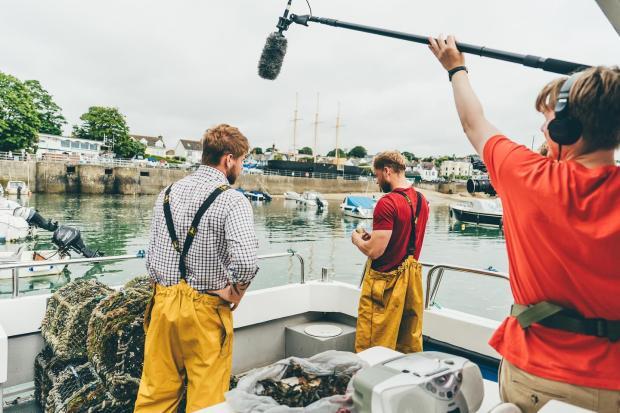
A PEMBROKESHIRE-made feature film is to receive its big-screen premiere next month in the very harbour where much of it was shot.
Near and Distant Things, written and directed by Saundersfoot filmmaker Emily Batty, will be shown outdoors at Saundersfoot Harbour on Saturday, July 18, as part of the Torch Theatre’s Sunset Cinema series.
The drama, filmed in summer 2025, tells the story of a grieving fisherman trying to support his daughter after she returns home, while experiencing dreamlike visions of his late wife.
The film makes strong use of the Saundersfoot landscape, with scenes filmed at the harbour, The Royal Oak pub, Monkstone Point and other familiar local locations.
Emily, 22, who grew up in Saundersfoot and recently graduated from the University of Oxford with a geography degree, has described the project as “a love letter to home”.
She said: “Watching a film set in Saundersfoot, with recognisable faces and locations on screen, in the heart of the harbour itself where we filmed many scenes, feels incredibly full-circle.

“I can’t wait to share that experience with people.”
The film was made with the support of a small team and a largely local cast and crew.
Emily said the production had only been possible because of the “incredible amount of local support” received during filming.
She also praised composer and sound designer Zach Worthington, whose work helped shape the atmosphere of the film.
She said: “The score and soundtrack feel so entangled with the landscape of home.
“It’s a little bit folk, a little bit Celtic, and rather emotional.”

Emily, who has written and directed the film under the name Emily Florence, said some of the ideas behind the film had been with her for several years.
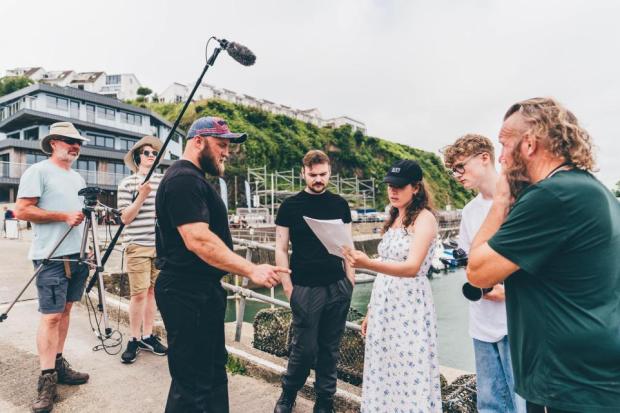
She said: “Some of the images within the film have been in my head since I was 18.”
She added that Pembrokeshire remains a major source of inspiration for her future work.
“I have a couple of screenplays in the works – I never stop writing – and I’m looking to get agented,” she said.
“I’m excited to continue to tell stories, in whatever capacity that may be.
“I can say that Pembrokeshire is still my muse, and I don’t think I’m done telling stories about home.”
The outdoor screening will take place on the harbour decking, with gates opening at 6:00pm and the film beginning at 7:00pm.
The film is rated PG, but includes themes of bereavement, mental health, domestic abuse and references to suicide which some viewers may find upsetting.
Emily said she hoped the premiere would be a moment of shared pride for the village.
She said: “So many people helped bring this film to life.
“There’s something very special about sharing a story set in Saundersfoot, surrounded by the landscape that inspired it.”
Tickets are available through the Torch Theatre website, with advance booking recommended.

THE HAWKSTONE FARMERS’ CHOIR, winners of ITV’s Britain’s Got Talent, will perform at the 2026 Royal Welsh Show.
The choir will sing in the main ring on the afternoon of Monday, July 20, the opening day of the show at Llanelwedd, Builth Wells.
Formed by Jeremy Clarkson as part of an advertising campaign for his Cotswolds-based brewing business, the choir has since grown into a national success story, using its platform to raise awareness of mental health within the farming community.
Aled Rhys Jones, chief executive of the Royal Welsh Agricultural Society, said: “We are absolutely delighted to welcome the Hawkstone Farmers’ Choir to the Royal Welsh Show.
“Their performance on the Monday in the main ring, in front of thousands of visitors, will be a truly special occasion.”
He added that it would be the choir’s first official performance in Wales since winning Britain’s Got Talent, and said many choir members had strong links with the Royal Welsh.
Lead soloist Rosie Jones, a beef and sheep farmer from Mid Wales, said: “What an honour to be invited to sing at the Royal Welsh Show 2026.
“This fairytale journey just keeps growing, but the greatest thing to come from it is the community we’ve built within the choir and beyond.”
The Royal Welsh Show is one of Europe’s leading agricultural events, celebrating Welsh farming, food and rural life.
Picture caption:
The Hawkstone Farmers’ Choir (Pic: Britain’s Got Talent / ITV).

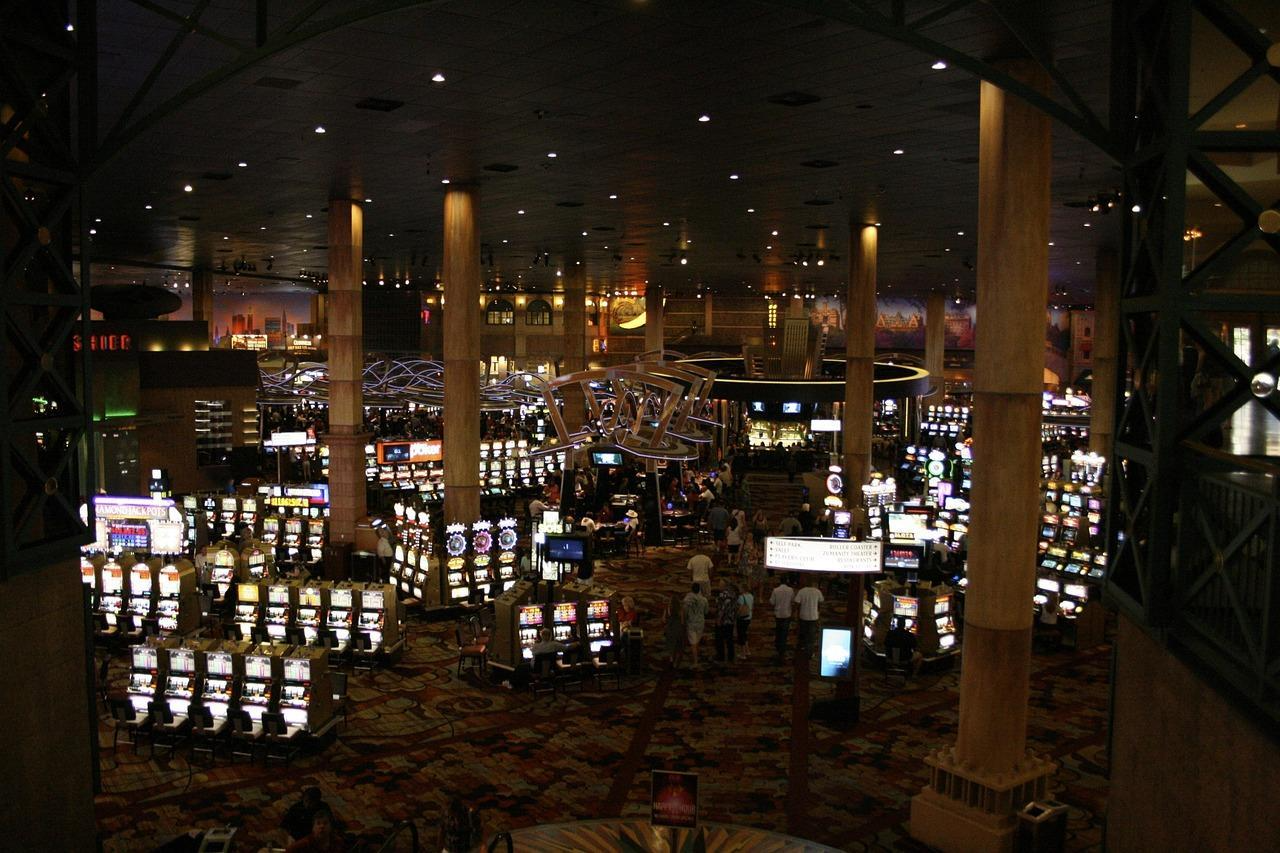
In many cases, online gambling is a harmless hobby. However, for others, gambling can become problematic without the right considerations. Thankfully, there are many ways to keep gambling habits restrained to prevent addiction. With that in mind, here are some safe online gambling tips to help you stay in control and keep gambling fun.
Set Financial Limits
Licensed operators must offer tools that allow people to set personal budgets. And from 30 June, they must also provide customers with an opportunity to set deposit limits, which refers to the amount a customer pays into their account over a set duration. These kinds of tools can be invaluable for people who struggle knowing when to stop or have a habit of chasing losses.
Similarly, most reputable casinos also have time limits, to ensure you aren’t spending too much time gambling. Additionally, if you feel you’ve lost control entirely, you can also self-exclude yourself from all sites by registering for an account with Gamstop Online.
Avoid Gambling Under the Influence
Gambling under the influence, after consuming alcohol for instance, can impair your judgement and lead to impulsive decisions. It’s essential that you only gamble while sober and when you’re not experiencing any particularly strong emotions, so you can make more informed, level-headed decisions.
This is especially true when using the fastest payout casinos or high intensity games, as it can be easy to get caught up in the fun, lose money fast, or make more impulsive decisions.
Know the Signs of Problem Gambling
When you gamble, you are taking a risk. Not just financially, but emotionally too. It’s important that you recognise the signs of problem gambling, so you can address any problems early to prevent further harm.
Some of the common signs of problem gambling include:
- Frequently chasing losses
- Using money intended for savings or essential expenses for gambling
- Borrowing money from friends or relatives to gamble
- Feeling agitated, angry, or anxious when not gambling
- Having a preoccupation with gambling
- Feeling out of control or impulsive when gambling
- Not engaging in other hobbies or withdrawing from social activities
- Concealing or lying to loved ones about gambling habits
Maintain Gambling Best Practices
To prevent your gambling habits from becoming a problem. Be sure to set yourself financial and time limits, avoid gambling when under the influence or when experiencing strong emotions, and get to know the early warning signs of problematic behaviour so you can address any issues quickly.



News10 hours ago
Motorcyclist, 22, dies in A4075 crash in Pembrokeshire
A 22-year-old woman remains in hospital after two-vehicle collision A MOTORCYCLIST has died following a serious two-vehicle crash on the...


Community11 hours ago
Why police will be visiting every home in Pembrokeshire
New operation aims to knock on more than 257,000 doors across Dyfed-Powys over the next three years DYFED-POWYS POLICE has...


Crime13 hours ago
Prisons at breaking point: MPs warn Wales is paying the price of a failing system
Frozen healthcare budgets, overcrowded jails, homelessness on release and mounting pressure on staff are undermining rehabilitation across Wales, according to...


News1 day ago
Brexit at 10: How Britain was sold a dream that cost us dearly
A decade after the referendum, the promised benefits remain hard to find while the economic costs are increasingly difficult to...


Crime1 day ago
Worcestershire man jailed after violent attack on woman in Tenby
Defendant was already serving a suspended sentence when serious assault took place A WORCESTERSHIRE man has been jailed for more...


Climate1 day ago
Offshore wind ‘could bring new generation of jobs to Milford Haven’
Pembrokeshire ports and Celtic Sea projects placed at centre of Wales’ green energy ambitions MILFORD HAVEN and Pembroke Dock could...

Community2 days ago
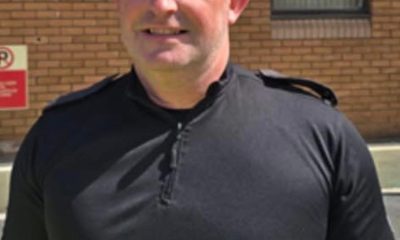
Police officer hailed hero after midnight sea rescue in Milford Haven
PC swam 100 metres offshore to save distressed woman heard calling for help in darkness A DYFED-POWYS POLICE officer has...


Local Government2 days ago
Security privately arranged by Mayor at Beating of the Bounds
HAVERFORDWEST TOWN COUNCIL has confirmed that security personnel seen at this year’s Beating of the Bounds were privately arranged and...


Business3 days ago
Celtic Freeport five-year plan puts Milford Haven at centre of green energy future
Strategy promises investment, skilled jobs and new supply chains, but major barriers remain over grid connections, planning and delivery THE...


Education4 days ago
Closure of Ysgol Clydau approved after emotional council debate
COUNCILLORS WARNED RURAL COMMUNITIES WILL REMEMBER DECISION PEMBROKESHIRE councillors have voted to close Ysgol Clydau following an emotional debate over...
-

 Community4 days ago
Pembrokeshire Chess Club crowned Welsh champions
-
Local Government2 days ago
Security privately arranged by Mayor at Beating of the Bounds
-

 Crime15 hours ago
Milford Haven man jailed for breaching domestic violence protection order
-

 Education6 days ago
Diocese threatens legal action as Manorbier school closure battle intensifies
-

 News10 hours ago
Crash on Freeman’s Way causes school-run chaos across Haverfordwest
-

 Crime2 days ago
Man wanted by court after failing to attend hearing over alleged shop thefts
-

 Local Government7 days ago
Taxi suspended after county-wide licensing checks
-

 Crime2 days ago
Man jailed after admitting strangulation and assaults