


News
Stonehenge origins search heats up as Orkney ruled out

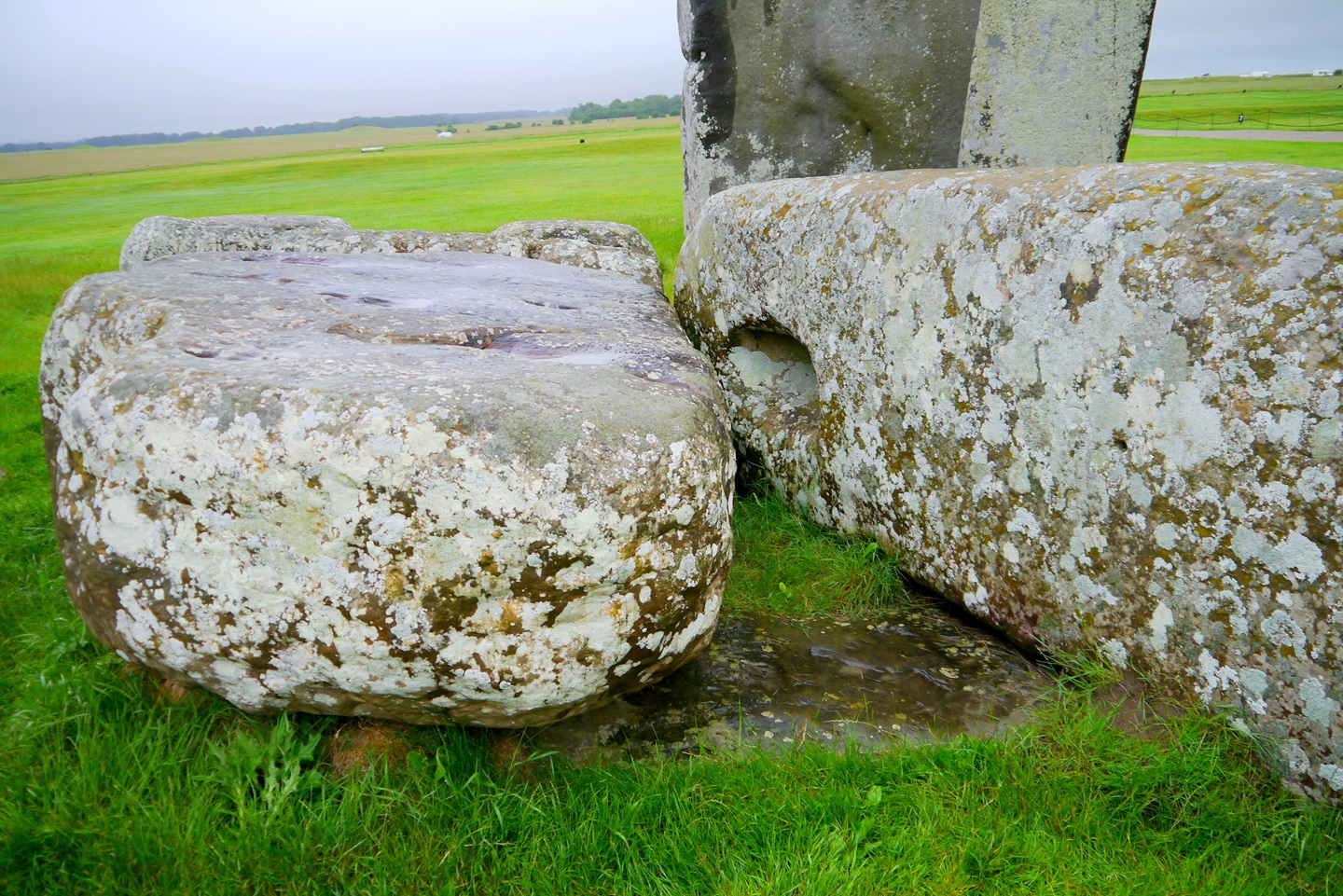
SCIENTISTS’ search for the source of Stonehenge’s iconic Altar Stone has intensified, with a new paper ruling out Orkney as where it came from.
The new findings follow last month’s news that the largest “bluestone” at the heart of Stonehenge came from the Orcadian Basin of north-eastern Scotland, and not from Wales as previously thought.
Construction at Stonehenge began 5,000 years ago, with changes and additions to the ancient site happening over the next two millennia.
Although it is unclear when the Altar Stone arrived at Stonehenge, it may have been placed within the world-renowned central horseshoe of stones during the second construction phase at around 2620 – 2480 BC.
With many Neolithic monuments, and having the right geological features, Orkney seemed a likely candidate for the source of the Altar Stone.

Published in the Journal of Archaeological Science: Reports, the new research examined both the five exposed Neolithic-age stones at the Stones of Stenness and seven others at the Ring of Brodgar on mainland Orkney, similar in size and rock type to the Altar Stone.
The research concludes that the six-tonne Altar Stone at the heart of the ancient site was not sourced from Mainland Orkney but elsewhere within north-eastern Scotland.
“The mystery of where the stone came from is becoming clearer and clearer as we begin to rule out specific areas in north-east Scotland. This research is radically changing our thinking about the origins of the Altar Stone. It’s thrilling to know that our chemical analysis and dating work is slowly unlocking this great mystery.
“The Altar Stone is anomalous in many ways to both the bluestones and the sarsens at Stonehenge. Whilst, at six tonnes, it is nowhere near the size of the sarsens, it is substantially larger than the bluestones, with which it has previously been classed. It lies in an unusual position at the monument, occupying a near central location and not within either the Bluestone Circle or the Bluestone Horseshoe. It is also grey-green sandstone, unlike all the other bluestone rock types.
“As an academic, I have been fascinated by Stonehenge for decades. I and my other colleagues in the team will continue to work to pin down where exactly in the north-east of Scotland the Altar Stone came from.”
The new research adds to findings by Aberystwyth University and other UK and Australian scientists published last month in Nature that concluded that the Altar Stone came from north-eastern Scotland.

In turn, this built on previous Aberystwyth University research that ruled out its Welsh origins and suggested that it should no longer be classified as a bluestone.


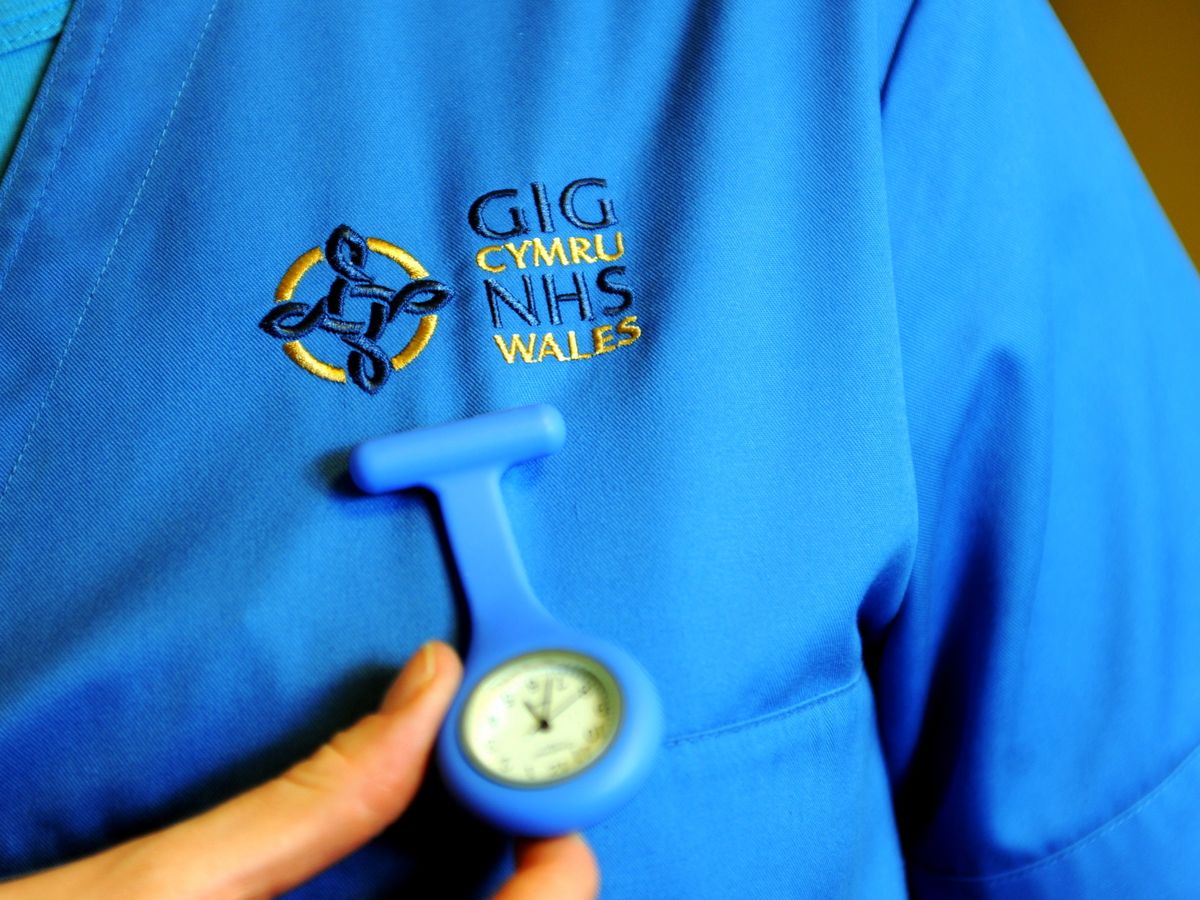
NEW funding of £145 million has been announced for NHS Wales as ministers seek to cut waiting times, improve hospital facilities and increase capacity across the health service.
The package, announced as part of the Welsh Government’s Supplementary Budget for 2026 to 2027, includes money to reduce waiting lists, develop surgical and diagnostic hubs, and carry out essential maintenance across the NHS estate.
Health leaders and nursing representatives have welcomed the investment, but warned that money for buildings, equipment and waiting list initiatives must be backed by a wider plan for staffing, primary care, community services and social care.
The Welsh NHS Confederation said the additional funding was welcome, but called for a “whole-system” approach to health and care.
Its director, Darren Hughes, said: “NHS leaders in Wales welcome this additional funding for the NHS to reduce waiting times and make essential maintenance across the NHS estate.
“We also welcome the Health and Care Minister’s focus on developing a long-term strategy to address waiting times. We agree that a long-term solution is required to build sustainable capacity and drive whole-system improvements.”
Mr Hughes said strengthening primary and community care would be essential, including programmes designed to move more services closer to people’s homes.
He added: “Alongside improvements in primary care, we must also prioritise the social care sector.
“We would also welcome a broader and more balanced approach to how NHS and social care performance is measured and published. Focusing solely on waiting times does not provide a complete picture, and there needs to be more comprehensive data published across the breadth of the NHS and social care services.”
The Royal College of Nursing Wales also welcomed the investment, but warned that new facilities alone would not reduce waiting lists unless there were enough appropriately trained staff to run them.
Nicola Williams, Executive Director of RCN Wales, said investment in surgical and diagnostic hubs and essential maintenance had the potential to reduce delays, improve patient experience and increase NHS capacity.
But she said: “Buildings and equipment alone will not reduce waiting lists.

“Delivering sustainable improvements depends on having the right, appropriately trained and skilled workforce in place, and nurses will play a pivotal role in the provision of safe, effective and efficient care.”
RCN Wales said nursing staff across Wales were reporting rising patient complexity and demand, missed breaks, and difficulty providing the level of care patients need.
The union also raised concerns that newly qualified nurses had faced uncertainty about securing permanent employment, despite continued pressure on services.
Ms Williams said Wales could not afford to lose the talent and commitment of a generation of nursing graduates.
She added that any move towards strengthening primary and community care must be matched by investment in the nursing workforce needed to deliver those services.
The announcement will now raise questions about how much of the funding will reach west Wales, and whether Hywel Dda University Health Board patients will directly benefit from any new surgical or diagnostic hub.
No specific locations for the proposed hubs have yet been confirmed.
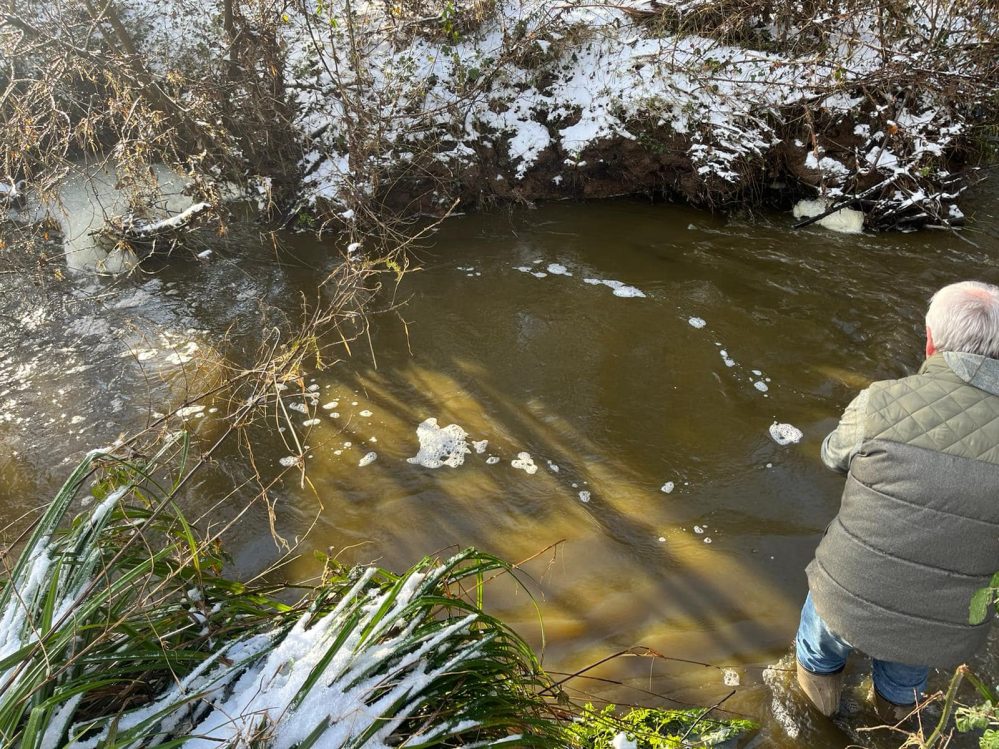
CAMPAIGNERS from across north Pembrokeshire and south Ceredigion are set to come together later this month to press for action on the growing problem of river pollution.
Representatives from several river groups will meet local Senedd Member Anna Nicholl at Haverhub in Haverfordwest on Monday, June 29, to discuss concerns about the health of local waterways and explore potential solutions.
The event follows the recent Senedd election and comes as environmental groups seek to influence policy under the new Welsh Government. Organisers say there is an opportunity to tackle what they describe as an environmental crisis affecting rivers across Wales.
Groups attending include those representing the Rivers Cleddau, Teifi, Nanhyfer and Gwaun. Members have been involved in monitoring water quality, gathering environmental data, engaging with local authorities and the Welsh Government, and promoting greater public appreciation of rivers and their ecosystems.
While each organisation operates independently and focuses on issues affecting its own river catchment, the groups regularly work together on wider environmental initiatives, including river festivals and awareness campaigns.
Organisers say the meeting will provide an opportunity for campaigners to share their concerns directly with the local Senedd Member and discuss what further action may be needed to improve river health and reduce pollution.
The session will be chaired by Fishguard County Councillor Billy Shaw and community campaigner Vicky Moller.
The public is invited to attend the meeting, which takes place from 2:00pm to 4:00pm at The Sorting Office, Haverhub, Haverfordwest.

SHADOW HEALTH SECRETARY Natasha Asghar MS has written to the Justice Secretary seeking assurances over the prison placement and official recording of convicted sex offender Paula Stanton.
Stanton, 62, was jailed after admitting an act outraging public decency at the University Hospital of Wales in Cardiff, where court proceedings heard NHS staff were forced to witness a sexual act while carrying out their duties.
The case has prompted renewed political scrutiny over how transgender offenders with histories of sexual offending are managed in custody, and how such offences are recorded in criminal justice statistics.
Ministry of Justice policy for England and Wales states that transgender women who retain male genitalia, or who have been convicted of sexual or violent offences, should not normally be held in the general women’s estate except in the most exceptional circumstances.
Ms Asghar said the immediate focus must be on the hospital staff affected.
She said: “This was a disgusting offence committed against NHS workers who were simply trying to do their jobs.
“NHS staff already face enormous pressure. They should not have to endure predatory or deeply distressing behaviour in their workplace, and they deserve proper protection and support.
“What makes this case even more concerning is Stanton’s significant history of sexual offending, including previous convictions for outraging public decency and indecent exposure.
“I have written to the Justice Secretary seeking assurances that Stanton is being held in a male prison, in line with Ministry of Justice policy on male-born sex offenders.
“I have also asked for confirmation that these offences will be recorded accurately in official crime and criminal justice statistics.
“The public are entitled to clear, accurate reporting of serious crimes. That is particularly important where offences involve male-pattern sexual offending.”
The case sits within a wider and often highly sensitive debate about the rights and safety of transgender prisoners, female prisoners, staff and victims.

Campaigners on one side argue that biological sex must be recorded clearly in cases involving sexual offending, particularly where victims are women or where offenders have male genitalia. Others stress that transgender prisoners can also be vulnerable in custody and must be treated lawfully, decently and safely.
Ms Asghar said her concern was not only about prison policy, but also about the working conditions of NHS staff.
She added: “Above all, my thoughts are with the NHS staff who were subjected to this appalling behaviour. They were the victims in this case and they deserve our full support.
“I have also raised the matter with the Cabinet Secretary for Health and Social Care to seek assurances about the safety of NHS staff.”



Crime2 hours ago
Prisons at breaking point: MPs warn Wales is paying the price of a failing system
Frozen healthcare budgets, overcrowded jails, homelessness on release and mounting pressure on staff are undermining rehabilitation across Wales, according to...


News16 hours ago
Brexit at 10: How Britain was sold a dream that cost us dearly
A decade after the referendum, the promised benefits remain hard to find while the economic costs are increasingly difficult to...


Crime17 hours ago
Worcestershire man jailed after violent attack on woman in Tenby
Defendant was already serving a suspended sentence when serious assault took place A WORCESTERSHIRE man has been jailed for more...


Climate19 hours ago
Offshore wind ‘could bring new generation of jobs to Milford Haven’
Pembrokeshire ports and Celtic Sea projects placed at centre of Wales’ green energy ambitions MILFORD HAVEN and Pembroke Dock could...

Community2 days ago
Police officer hailed hero after midnight sea rescue in Milford Haven
PC swam 100 metres offshore to save distressed woman heard calling for help in darkness A DYFED-POWYS POLICE officer has...


Local Government2 days ago
Security privately arranged by Mayor at Beating of the Bounds
HAVERFORDWEST TOWN COUNCIL has confirmed that security personnel seen at this year’s Beating of the Bounds were privately arranged and...


Business3 days ago
Celtic Freeport five-year plan puts Milford Haven at centre of green energy future
Strategy promises investment, skilled jobs and new supply chains, but major barriers remain over grid connections, planning and delivery THE...


Education3 days ago
Closure of Ysgol Clydau approved after emotional council debate
COUNCILLORS WARNED RURAL COMMUNITIES WILL REMEMBER DECISION PEMBROKESHIRE councillors have voted to close Ysgol Clydau following an emotional debate over...


Education3 days ago
Manorbier school closure process to continue after narrow council vote
Questions remain over insurance, rebuilding costs and possible legal action by Diocese PEMBROKESHIRE councillors have voted to press ahead with...

Community3 days ago
The father, son and daughter lifeguard trio saving lives in Pembrokeshire
A FATHER, son and daughter are preparing to help keep beachgoers safe on the Pembrokeshire coast this summer as part...
-

 Community4 days ago
Pembrokeshire Chess Club crowned Welsh champions
-
Local Government2 days ago
Security privately arranged by Mayor at Beating of the Bounds
-

 Crime7 days ago
Pembroke Dock teenager sentenced over train strangulation attack
-

 Education6 days ago
Diocese threatens legal action as Manorbier school closure battle intensifies
-

 Crime2 days ago
Man wanted by court after failing to attend hearing over alleged shop thefts
-

 Crime3 hours ago
Milford Haven man jailed for breaching domestic violence protection order
-

 Local Government6 days ago
Taxi suspended after county-wide licensing checks
-
 Crime2 days ago
Man banned from roads after drink-driving offence