


Health
NHS Wales workforce crisis: Audit Wales report highlights key challenges

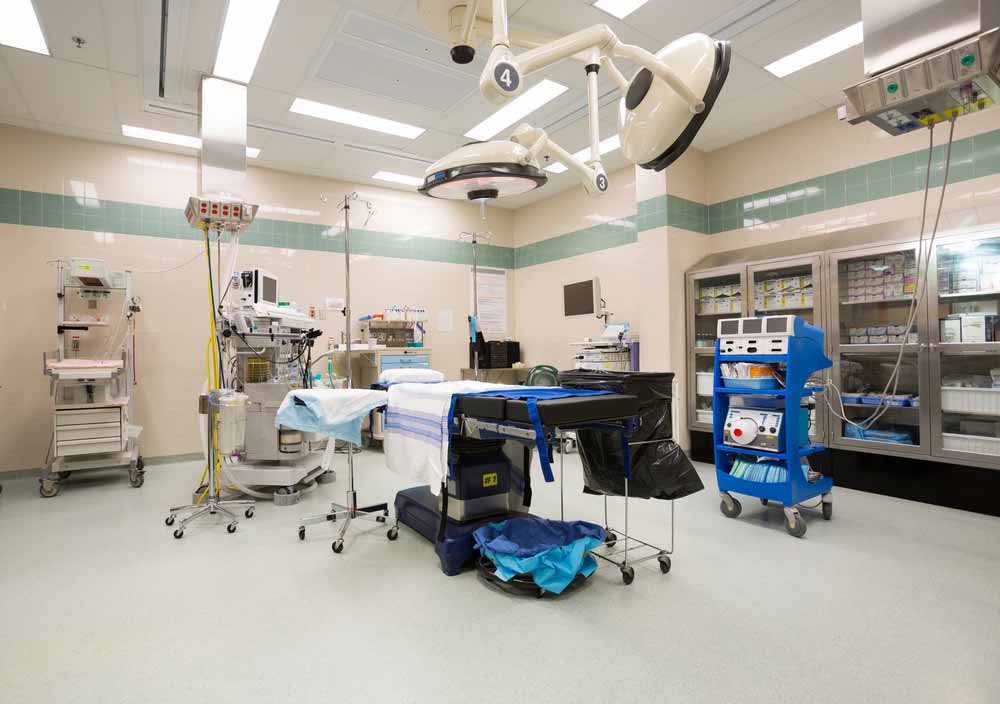
A NEW report from Audit Wales has exposed critical workforce challenges in NHS Wales, citing gaps in workforce planning, recruitment and retention difficulties, and ongoing reliance on temporary staff. Despite some progress in reducing agency spending and sickness absence rates, the healthcare system remains under strain, with concerns over leadership, data collection, and long-term sustainability.
Workforce planning shortcomings

Audit Wales identifies significant flaws in workforce data collection, making it difficult for NHS Wales to effectively plan for future demands. The lack of accurate, up-to-date data hinders efforts to address shortages and distribute resources efficiently.
The report also raises concerns over unclear national oversight, leading to inconsistent workforce planning across different health boards. There is no single entity fully accountable for ensuring a sustainable workforce, contributing to fragmented decision-making.
Persistent recruitment and retention struggles
Despite recruitment initiatives, NHS Wales continues to face staffing shortages, particularly in specialist medical fields and general practice. Doctors and nurses leave the profession due to stress, burnout, and lack of career progression opportunities. The retention crisis is worsening existing pressures on remaining staff, who are forced to work longer hours under increasingly challenging conditions.
Reliance on temporary staff still a concern

While NHS Wales has reduced its reliance on agency workers, the expenditure on temporary staff remains substantial, putting pressure on budgets. Health boards are still heavily dependent on locums and bank staff to fill gaps, leading to inconsistencies in patient care.

Audit Wales Report calls for “collective action”

Audit Wales has published a report today detailing the workforce challenges at the heart of the Welsh NHS, calling for “collective action”, highlighting a reliance on “expensive” agency staff to “plug gaps in the workforce”.
Auditor General for Wales, Adrian Crompton, stated that “the NHS in Wales continues to face significant workforce challenges” and that service demand “is expected to grow further”.
The report highlights over 5,600 vacancies in NHS Wales, with over 10% of medical and dental posts currently unfilled. While agency staff expenditure has decreased, it still cost the NHS £262 million in 2023-24. The growing workforce is welcome but comes at a financial cost, with NHS staffing costs rising by 62% since 2017-18, reaching £5.23 billion in 2023-24. The report raises concerns over whether continued workforce expansion is financially sustainable in the long term.
BMA Cymru Wales criticism
In response to the report, BMA Cymru Wales issued a statement on February 18, 2024, emphasizing that workforce gaps have been highlighted for over a decade, yet progress remains slow.

Dr Iona Collins, chair of the BMA’s Welsh Council, said: “Despite highlighting the need for an all-Wales workforce strategy, we have yet to see the necessary improvements in data collection to inform an appropriate long-term plan.”
The BMA argues that staff shortages contribute to delays in surgery and lengthening waiting lists, causing avoidable harm to patients. They also point out that Wales has fewer doctors per head of population compared to the rest of the UK, exacerbating service pressures.
Welsh Conservatives criticise Labour Government

Welsh Conservative James Evans MS has criticised the Welsh Labour Government for failing to bring forward a substantial workforce plan to meet the needs of the Welsh NHS and the public.

Commenting, Welsh Conservative Shadow Cabinet Secretary for Health and Social Care, James Evans MS, said: “The Welsh Labour Government have comprehensively failed to bring forward the substantial workforce plan that the Welsh NHS needs to serve the public.”
“Without proper planning, we remain stuck in a perpetual cycle of less money being available to repair the foundations of the NHS, because disproportionate funding is going towards costly agency staff.”
“Welsh Conservatives will bring forward the recruitment and retention plan needed to fix the Welsh NHS, because Wales deserves better than this Welsh Labour Government.”
Impact on patient care
The consequences of the workforce crisis are already affecting patient care, with reports of longer waiting times, postponed surgeries, and staff shortages in key areas. The current workforce struggles are leading to avoidable harm for patients, as well as knock-on effects on their families and employers.
Calls for immediate action
The Audit Wales report calls for a comprehensive, long-term workforce strategy to address these challenges. Recommendations include:
- Better workforce data collection and planning
- Stronger leadership and accountability at a national level
- More investment in training and retention strategies
- Reducing dependency on agency staff through improved workforce stability
- Developing a clear long-term educational and funding plan to ensure NHS Wales can retain the staff it trains
- Creating a sustainable workforce model for social care to better integrate services
The report highlights the lack of clarity over system leadership arrangements, making workforce planning even more challenging. Health Education and Improvement Wales (HEIW) plays a key role, but its relationship with other NHS workforce organisations needs to be clarified. Workforce planning is also hindered by gaps in data and uncertainty about the future of health and care services.
With mounting pressures on NHS Wales, swift action is essential to prevent further deterioration in services. The Welsh Government is now under pressure to respond decisively to these findings and implement sustainable solutions to support the NHS workforce in the long term.











NEARLY 1,000 deaths in Wales have been linked to long waits in accident and emergency departments, according to new data.
Figures published by the Royal College of Emergency Medicine (RCEM) estimate that 965 deaths in 2025 were associated with patients waiting 12 hours or more for care. That equates to around 18 deaths a week and marks an increase of 29 compared to 2024.
The RCEM has described the situation as a “tragedy” that should send shockwaves through the political system.
Dr Rob Perry, Vice President of RCEM in Wales, said his thoughts were with the families affected.
He said: “My heart goes out to the loved ones of anyone who died following long waits in emergency departments.
“These are often some of the most vulnerable patients — those who are seriously ill or injured and in need of urgent admission. They should be receiving timely care, but too often they are left waiting the longest.”
Dr Perry said the figures point to a wider failure across the healthcare system, highlighting a lack of hospital beds and what is known as “exit block” — where patients cannot be discharged due to delays elsewhere in the system.
He said improving patient flow through hospitals, rather than diverting people away from emergency departments, is key to tackling long waits.
With Senedd elections approaching, the RCEM is urging political parties to prioritise increasing hospital capacity and addressing overcrowding in emergency departments.
A Welsh Government spokesperson said too many people are still waiting too long for emergency care.
They said: “Long stays in emergency departments are distressing for patients and their families and can lead to poorer outcomes, particularly for older people and those with complex needs.
“We have made clear that health boards must improve patient flow, eliminate 12-hour waits and end care being delivered in temporary spaces.

“We are working with the NHS, local authorities and partners to reduce pressures by expanding community-based care and increasing social care capacity.
“We remain committed to improving outcomes for people who need emergency treatment.”
Sandy Harding, Associate Director of Nursing, Policy and Professional Practice, Royal College of Nursing Wales said: “These findings are deeply disturbing and reflect our members’ experience in our 2025 report On the frontline of the UK’s corridor care crisis.
“Every day, our members are witnessing the consequences of a system under extreme and sustained pressure, where patients are waiting far too long in environments that are not fit for safe, dignified care.
“Corridor care has become an all-too-common reality in our hospitals, with patients being treated in inappropriate spaces without the privacy, monitoring, or resources they need. This is not what patients deserve, and it is not what nursing staff are trained to deliver.
“Behind the figures are real people – patients whose conditions can deteriorate rapidly while waiting and nursing staff who are doing everything they can in increasingly difficult circumstances. The emotional and professional toll on the workforce cannot be overstated.
“We urgently need action to address the root causes of these delays, including improving patient flow, increasing capacity and investing in both health and social care services. Without meaningful intervention, we risk normalising a level of care that falls far below acceptable standards.
“Our Election Manifesto is clear that the next Welsh government must eradicate corridor care as a matter of urgency, and we expect that in the first 50 days of being in office that they:
- commit to publish Corridor Care data by Health Board monthly
- direct NHS Wales to pause the reduction in hospital beds and commission two national reviews, to examine A&E and hospital bed capacity at different levels of patient dependency
- establish care delivered to a patient in a chair for more than 24 hours as a “never event”.”
- Welsh Liberal Democrat Leader Jane Dodds MS said: “These figures are a national scandal. Nearly a thousand people dying after waiting over 12 hours in A&E reflects a system that is fundamentally broken and causing avoidable deaths.
- “For too long, the focus has been on the front door of hospitals, when the real crisis is at the back door. Patients cannot be discharged because social care is overstretched, beds remain blocked, and A&E departments become dangerously overcrowded.
- “The Welsh Liberal Democrats have been the only political party focusing on fixing social care. We secured an extra £30 million for social care last year, and in Powys, that investment has already helped cut delayed discharges by a third. But this is only a drop in the ocean; we need to go much further and faster.
- “If we are serious about ending these avoidable deaths, the next Welsh Government must properly fund social care and take a whole-system approach to fixing patient flow and funding social care properly will be a red line in any negotiations we hold with other parties.”

Campaigner and Senedd Member urge residents to respond as consultation deadline approaches
FRESH calls have been made to block the proposed expansion of Withyhedge Landfill, with residents warning that allowing further waste operations would be “outrageous” given the site’s recent track record.
Natural Resources Wales (NRW) is currently consulting on a permit variation application submitted by Resources Management UK Ltd (RML), which operates the Pembrokeshire site.
The consultation, which could allow the site to accept additional waste including up to 50,000 tonnes of “waste soils” per year, will remain open until Thursday (Mar 26).
The Herald has previously reported on ongoing issues at Withyhedge, including complaints of strong odours, gas emissions and concerns about potential health impacts in nearby communities.
In a formal objection submitted to NRW, long-time campaigner Colin Barnett said the regulator should not consider expanding the site while problems persist.

He said: “The public have had enough of ineffective regulation of Withyhedge Landfill by NRW’s hands-off minimal inspection process.
“We don’t want to breathe toxic gases from this landfill. We don’t want to be woken up in the night by poisonous gases trapped in our house and we don’t want to step out into our gardens to be chased inside from the insidious stink still being emitted from the pit of corruption.”
The objection raises concerns about the operator’s compliance record, claiming the site has been among the worst-performing permitted installations in Wales in recent years, with further issues identified following its reopening in 2025.
It also points to reported hydrogen sulphide emissions, which residents say have at times exceeded recognised odour guidelines and caused distress to those living nearby.

Barnett added: “RML, the waste company, will say they spent £10 million on resolving this problem. We would advise them to ask for their money back as we still get horrendous spikes of gas drifting into our communities.”
The proposed variation would also include revised restoration levels and changes to monitoring of groundwater, surface water and leachate.
However, objectors argue that the term “waste soils” is too vague and could include contaminated materials. Particular concern has also been raised about the site’s existing licence to accept asbestos and the potential risks of handling multiple hazardous waste streams.

Barnett said: “Of specific public concern is their request to tip asbestos on this site. Beggars belief.”
The objection also questions whether the permit process is being advanced ahead of any decision by Pembrokeshire County Council on increasing the site’s capacity.
Concerns have further been raised about what has been described as a “daisy chain” of companies linked to the site’s ownership, which objectors claim allows waste to be transported with limited oversight.
Barnett said: “The documents identify our concern with the ‘daisy chain’ of companies owned by David Neal that allow him to transport waste into our county with minimal inspection.”
Preseli Pembrokeshire MS Paul Davies has also urged residents to take part in the consultation, warning that local voices must be heard before any decision is made.
Mr Davies said: “This consultation is an important opportunity for residents to make their views known about the future of the Withyhedge landfill site.
“There have been ongoing concerns about the site’s environmental performance and its impact on local communities, and it’s vital that Natural Resources Wales hears directly from the people who live in the area.
“I have made clear to the Welsh Government that I believe the site should be looking towards closure rather than expansion, and that Pembrokeshire must not become a dumping ground for waste.
“I would strongly encourage residents to take part in the consultation and submit their views before the deadline.”
NRW’s consultation process is ongoing, and no final decision has yet been made.
The proposed changes are likely to intensify an already heated debate around Withyhedge, which has become one of the most contentious environmental issues in Pembrokeshire in recent years.
CONCERNS over patients being treated in hospital corridors have intensified after a new report highlighted the scale of pressures facing emergency departments across Wales.
The Royal College of Emergency Medicine has published findings describing the increasing use of so-called “corridor care”, where patients receive treatment in non-clinical areas due to overcrowding.
Responding to the report, Rhian Bowen-Davies warned that the situation risks becoming normalised unless urgent action is taken.
She said: “The findings offer further important insight into the scale and impact of care delivery in non-clinical environments and demonstrate why far more needs to be done.
“Words like ‘frightening’ and ‘warzone’ should never be used to describe aspects of our health service, yet this kind of language is increasingly common in reports from patients and staff, as well as in conversations I’ve had with older people and their loved ones across Wales.”

The Commissioner said there is growing evidence that corridor care is now an “everyday reality” within the NHS, driven by sustained pressures on services.
She added that the practice puts both the safety and dignity of patients at risk, particularly older people, who are more vulnerable when treated outside appropriate clinical settings.
Call for coordinated response
The Commissioner is now urging health boards and the next Welsh Government to take coordinated action to ensure patients are treated in suitable environments at all times.
She said improving conditions would not only help deliver safe and dignified care, but also rebuild public confidence in the health service.

“Restoring trust is crucial,” she added. “Many older people feel that confidence in the system has been lost.”
The report adds to mounting pressure on NHS services in Wales, where emergency departments have faced ongoing challenges with demand, staffing and patient flow.



Crime2 hours ago
Police stop car in Pennar as three arrested in drugs investigation
Suspected drug driver report leads to major police response and multiple arrests DRAMATIC scenes were reported in Pennar on Monday...


Business7 hours ago
New pilot vessel Llanion arrives at Milford Haven
State-of-the-art 22-metre craft marks reset after £3.6m pilot boat controversy THE PORT OF MILFORD HAVEN has taken delivery of a...


Business1 day ago
Could Primark be coming to Haverfordwest? Major retailer in talks for former Wilko site
Council confirms advanced discussions as speculation grows over high street boost HAVERFORDWEST could soon see a major high street revival,...


Business1 day ago
Rail investment ‘could unlock 40,000 jobs and £11bn for Wales’ says new report
RAILWAY stations across Wales could help unlock around 40,000 jobs and more than £11 billion for the economy by 2036,...


Local Government1 day ago
Milford Haven set for £200m investment with schools, leisure centre and rail upgrade
Council outlines major plans for town with backing from Welsh Government MILFORD HAVEN is set for a major transformation with...


Community2 days ago
Broad Haven volunteers secure ‘national asset’ status for nature reserve
A SMALL stretch of woodland and former opencast coal mine has been transformed into a nationally recognised biodiversity site, in...


Entertainment3 days ago
Tenby steams up in spectacular style as crowds flock to festival
Colourful parade, towering creations and Victorian flair bring town centre to life TENBY was transformed into a vibrant Victorian fantasy...


Crime4 days ago
Publican jailed for six years for supplying cocaine and cannabis
Milford Haven man sentenced at Swansea Crown Court following drug dealing operation A MILFORD HAVEN publican has been jailed for...


Local Government4 days ago
Poverty summit highlights support efforts across Pembrokeshire
A SUMMIT bringing together key organisations from across Pembrokeshire has highlighted both the scale of local poverty and the work...


Education5 days ago
Milford Haven school plans unveiled but funding not yet secured
PLANS for a new £100 million school in Milford Haven have been unveiled, but the project has not yet secured...
-

 Crime6 days ago
Mother given community order after admitting child cruelty offence
-

 Health5 days ago
NHS waiting list falls — but cancer delays and diagnostic backlog worsen
-

 News7 days ago
Senedd vote to ban greyhound racing hailed as ‘landmark moment’ by charities
-

 News6 days ago
Reform secures first Pembrokeshire councillor in Hakin by-election win
-

 News7 days ago
Senedd votes to ban Greyhound racing in Wales to protect animal welfare
-

 Crime6 days ago
Woman stole from pharmacy despite ban, court hears
-

 Crime5 days ago
Illegal workers found at Cardigan takeaway after immigration raid
-

 Crime4 days ago
Pembroke man remanded in custody over knife threat, assault and damage allegations