


Business
National Insurance hike threatens Welsh tourism industry


THE SUDDEN closure of Oakwood Theme Park, Wales’ largest theme park, has sparked concerns about the financial sustainability of the country’s tourism industry, with business owners warning that increased National Insurance (NI) contributions could push more attractions to the brink.
Oakwood, a staple of Welsh tourism for nearly 40 years, announced its closure last week, citing “unrelenting economic challenges,” including rising operational costs, falling visitor numbers, and increased wage and tax burdens. The move has sent shockwaves through the tourism sector, with fears that other major attractions could suffer a similar fate.

Financial pressure mounting
Industry leaders have pointed to the recent increase in employer NI contributions as a significant factor exacerbating financial difficulties. Under the latest changes, the employer NI rate rose from 13.8% to 15%, while the threshold for contributions was lowered from £9,100 to £5,000. These adjustments, which took effect in April 2025, have placed an additional estimated £1 billion burden on the UK’s hospitality and tourism sectors.
Kate Nicholls, Chief Executive of UKHospitality, warned: “The scale of this change is unprecedented, bringing three-quarters of a million people into this employer tax for the first time. The impact will be enormous, forcing businesses to abandon investment, change recruitment plans, reduce headcounts, and increase prices to cope with these cost increases.”
Welsh attractions at risk
The concerns extend beyond Oakwood, with fears that other key Welsh attractions could struggle under the increased tax burden. Smaller family-run sites, seasonal tourism businesses, and even large-scale operations dependent on high visitor numbers may be particularly vulnerable.

Dominic Paul, CEO of Whitbread, which owns Premier Inn and other hospitality businesses, highlighted the disproportionate effect of rising NI costs: “These increases disproportionately affect part-time and minimum wage workers, which could hinder growth and employment opportunities across the sector.”
Giles Fuchs, owner of Burgh Island Hotel, echoed similar concerns: “The hospitality sector plays a crucial role in employment across the UK, contributing £93bn to the economy annually. The NI hike risks stifling growth at a critical time, putting thousands of jobs in jeopardy.”
Closure fears across Wales
The ripple effects of Oakwood’s closure are already being felt in Pembrokeshire, where local businesses reliant on visitor traffic are anticipating a sharp downturn. Local café owner Bethan Hughes said: “Oakwood brought thousands of visitors to the area every year. We’ve already seen bookings drop, and it’s worrying to think what could happen if other attractions close too.”
Meanwhile, the Welsh tourism board has called for urgent support measures to prevent further closures. A spokesperson said: “Tourism is one of Wales’ biggest economic drivers, and we need targeted relief to help businesses cope with these rising costs. Without action, we could see a major decline in the sector.”

Calls for Government intervention
With concerns mounting, industry figures are urging the government to reconsider its policies. UKHospitality and other business leaders are lobbying for a reversal of the NI increase or targeted tax relief for tourism businesses to mitigate the impact.
Nick White, CEO of Bistrot Pierre, which recently announced the closure of eight UK locations due to rising costs, warned: “If the government does not step in, we will see more closures, more job losses, and a damaged tourism industry that will take years to recover.”
As Wales braces for an uncertain tourism season, businesses, workers, and visitors alike are left wondering whether further attractions will follow Oakwood into closure—or if policymakers will step in to prevent an industry-wide crisis.


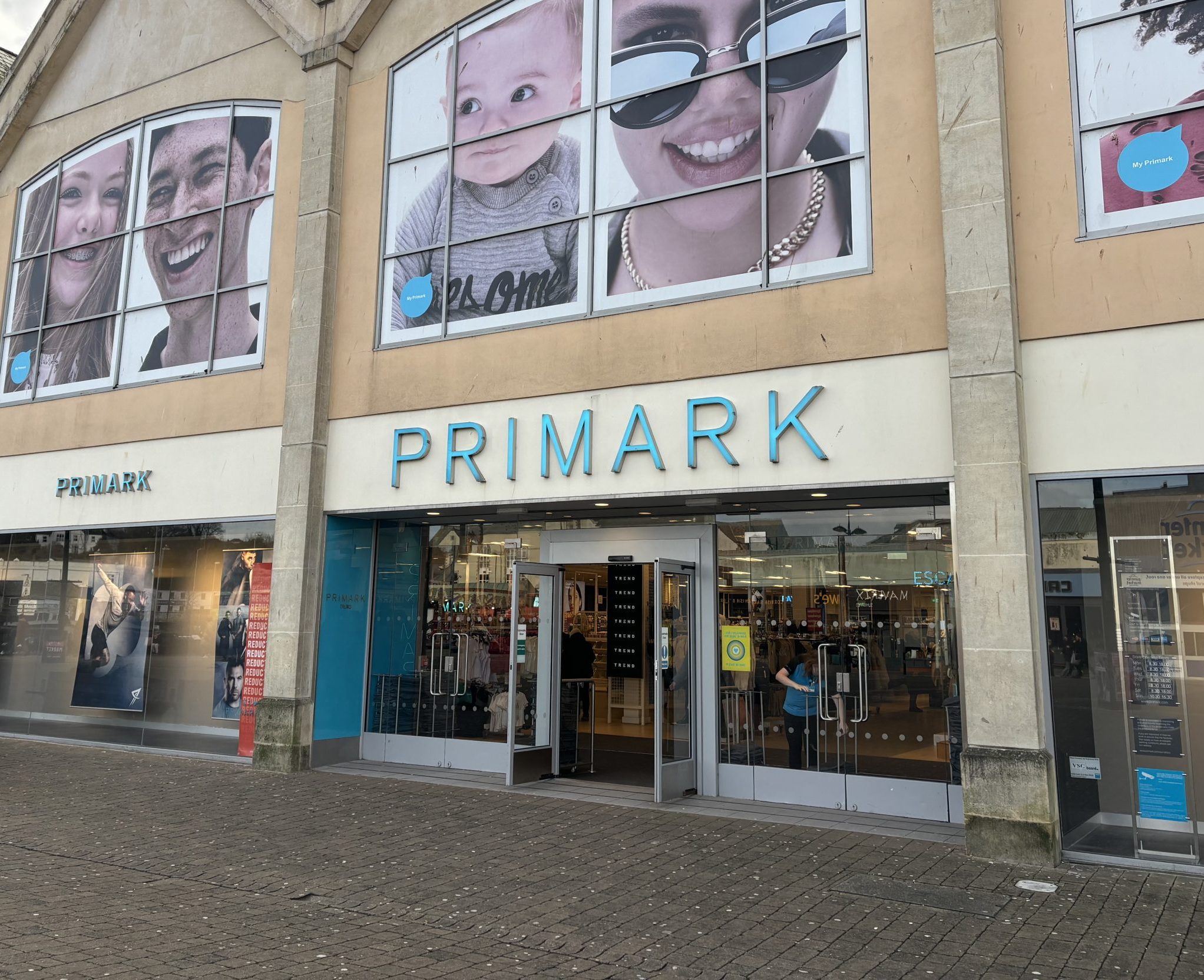
Council confirms advanced discussions as speculation grows over high street boost
HAVERFORDWEST could soon see a major high street revival, with a national retailer in advanced talks to take over the former Wilko building in the town centre.

Pembrokeshire County Council has confirmed that negotiations are ongoing, with a deal potentially just weeks — or even days — away.
Speaking to The Herald, Deputy Leader Cllr Paul Miller said the authority is in “detailed discussions with a major national retailer” over the prominent vacant unit.
However, he declined to name the business involved, citing commercial confidentiality.
Speculation grows
Despite the secrecy, speculation has been mounting locally that clothing giant Primark could be the retailer preparing to move into the site.

The size of the former Wilko store — one of the largest retail units in the town — has led many to believe only a handful of national chains would be able to occupy the space.
When asked directly whether Primark was involved, Cllr Miller did not confirm the claim, but also did not deny it.

Work already underway
The council has taken steps to prepare the building for a new tenant following Wilko’s collapse into administration.
This includes carrying out essential structural repairs, particularly to the roof, funded through a combination of council investment and an interest-free Welsh Government town centre loan.

Cllr Miller said the aim is to deliver a “blank canvas” for a new retailer, who would then invest further in fitting out the store.
He added that any incoming tenant would likely spend “millions” preparing the unit before opening.
Boost for town centre
The arrival of a major national retailer would represent a significant boost for Haverfordwest, which has faced challenges in recent years with declining footfall and the loss of several well-known stores.

The Wilko closure left a large gap in the town centre, both physically and economically, and securing a new anchor tenant is seen as key to revitalising the high street.
If confirmed, the move could increase visitor numbers, support surrounding businesses, and help restore confidence in the town’s retail future.
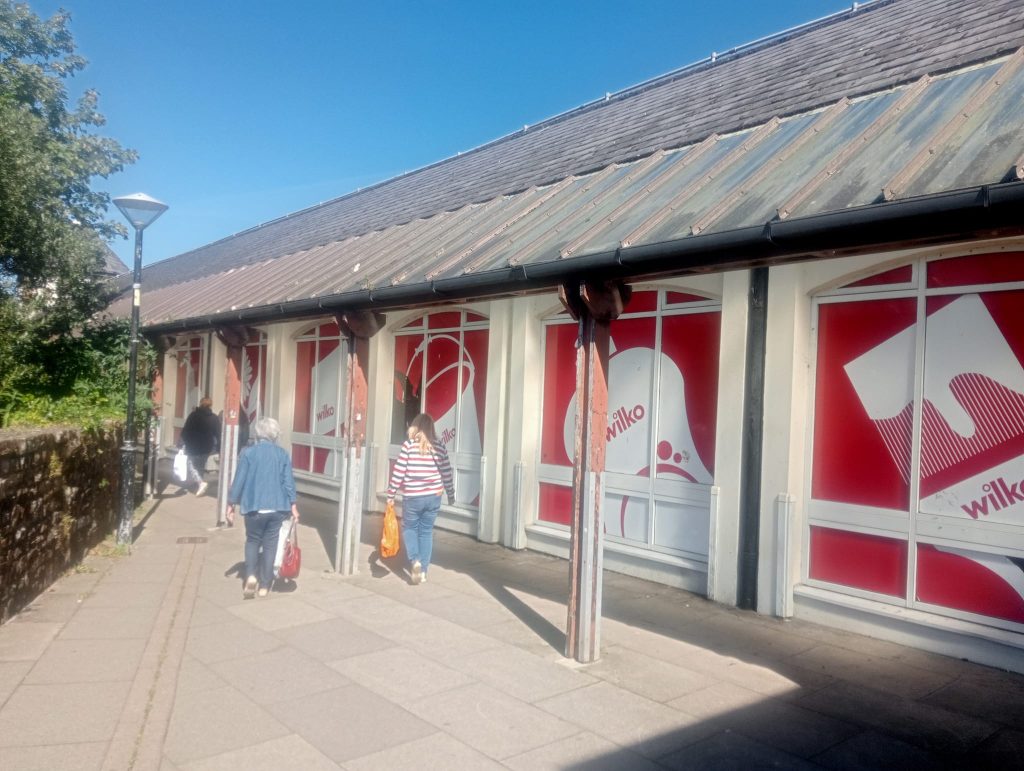
Deal ‘close’
Cllr Miller indicated that negotiations are at an advanced stage.
He said: “I’d like to think we’re talking weeks, not months — maybe even days, but these things can change.”
While no formal agreement has yet been announced, the timeline suggests a decision could be imminent.
What happens next
Until a deal is formally signed, the identity of the retailer remains unconfirmed.
However, with negotiations progressing and work underway on the building, expectations are growing that a major announcement could soon follow.
For now, all eyes remain on Haverfordwest — and on whether one of the UK’s biggest retail names is about to arrive.
We have contacted Primark for a comment.
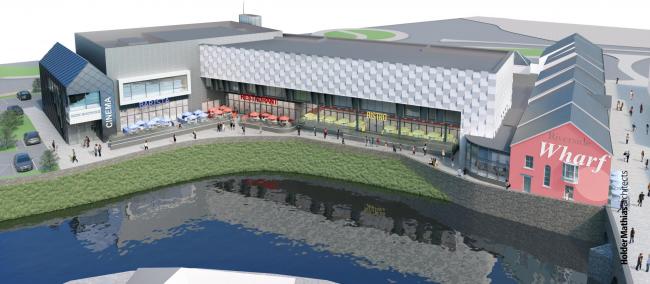

RAILWAY stations across Wales could help unlock around 40,000 jobs and more than £11 billion for the economy by 2036, according to new research.
A report by Development Economics, published on Monday (Mar 23), highlights how rail infrastructure is acting as a major driver of growth, supporting housing, business development, and employment across the country.
The findings suggest that development within 800 metres of railway stations alone could generate more than 40,000 jobs and contribute £11.3 billion to the Welsh economy over the next decade.
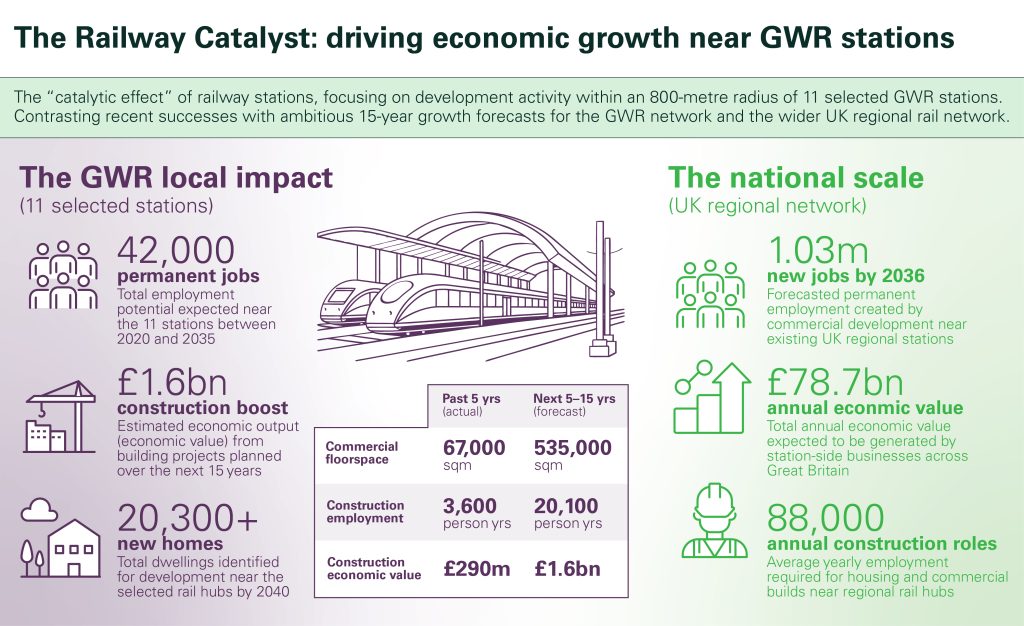
Stations driving growth
The report identifies what it calls the “rail catalyst effect”, where stations attract investment and act as hubs for regeneration.
Recent examples across Wales and the South West show the impact of rail-linked development. Over the past five years, areas around nine stations, including Carmarthen, have delivered 3,500 new homes, 67,000 square metres of commercial space, and supported 4,500 jobs.

Proposed new stations, including Cardiff Parkway and Newport West, are expected to create around 900 permanent jobs and generate £64 million annually over the next ten years.
Economic case for investment
The report comes as Wales continues to face economic challenges, with inactivity rates standing at 25.6%, higher than the UK average of 21.6%.
Researchers say continued investment in rail infrastructure will be key to boosting regional economies and improving access to jobs and opportunities.
Mark Hopwood, Managing Director of Great Western Railway, said: “The findings of this report are clear. The railway, its stations, and the trains that serve them are powerful drivers of economic growth, community prosperity and regeneration.
“Across our network, development around the railway is delivering thousands of homes, new commercial space and thousands of jobs, generating hundreds of millions of pounds in economic value for the communities we serve.”
National impact
Across the wider Great Western Railway network, stations are projected to support 238,000 jobs and generate £14.25 billion in annual economic value by 2036.
Nationally, the report suggests railway stations could support more than one million permanent jobs and contribute £78.7 billion to local and regional economies.

Wider benefits
The report also highlights the social impact of rail, particularly for households without access to a car, estimated at around one in five in Wales.
With more than 1.6 billion passenger journeys made each year across the UK rail network, the study says improved connectivity is helping people access work, education, and services more easily.

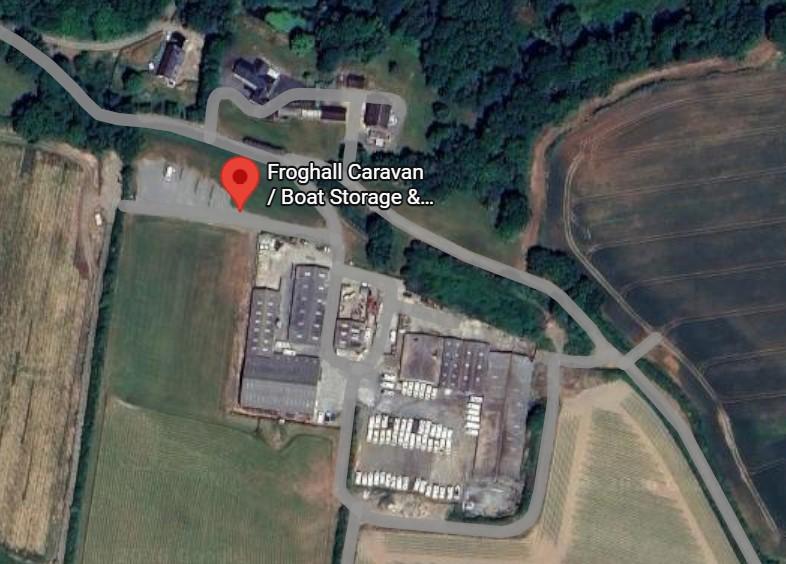
A CALL to allow a Pembrokeshire farm to keep a storage facility for more than 200 caravans, boats, cars and farm machines as a form of diversification has been submitted to county planners.
In an application to Pembrokeshire County Council, Mr & Mrs Davies, through agent A.D Architectural Design Consultants Ltd, seek retrospective permission for a farm diversification scheme to accommodate the storage of caravans, boats, cars and farm machinery in four of eight agricultural sheds and on hard-standing concrete courtyards at Froghall Farm, Spittal.
The works were completed back in 2019.
A supporting statement accompanying the application said: “At present, four of the eight shed structures on the site form part of the caravan and boat storage scheme, with additional touring caravans stored externally on the concrete courtyards.”
It said the storage provision was split as follows: Shed 1 – farm workshop, and 30 caravans, motorhomes, boats & cars; shed 2 – 16 caravans; shed 3 – 28 caravans, motorhomes, boats & cars – 28; shed 8 – cubicle shed, 11 units of farm machines, motorhomes & caravans; courtyard storage of 120 touring caravans, for an overall storage of 205 units.
The statement added: “It would take place in an accessible location, would incorporate sustainable transport and accessibility principles and would not result in a detrimental impact on highway safety or in traffic exceeding the capacity of the highway network; access road is a no-through road with no increase in traffic due to the nature of development.
“There won’t be a constant stream/flow of traffic as the site’s used for storage. Our client offers a towing service to sites in and around Pembrokeshire, which is used by 45 per cent of their customers, who are unable or prefer not to tow themselves. This gives our client control over the flow of traffic.”
The application will be considered by county planners at a later date.



Business11 hours ago
Could Primark be coming to Haverfordwest? Major retailer in talks for former Wilko site
Council confirms advanced discussions as speculation grows over high street boost HAVERFORDWEST could soon see a major high street revival,...


Business12 hours ago
Rail investment ‘could unlock 40,000 jobs and £11bn for Wales’ says new report
RAILWAY stations across Wales could help unlock around 40,000 jobs and more than £11 billion for the economy by 2036,...


Local Government12 hours ago
Milford Haven set for £200m investment with schools, leisure centre and rail upgrade
Council outlines major plans for town with backing from Welsh Government MILFORD HAVEN is set for a major transformation with...


Community1 day ago
Broad Haven volunteers secure ‘national asset’ status for nature reserve
A SMALL stretch of woodland and former opencast coal mine has been transformed into a nationally recognised biodiversity site, in...


Entertainment2 days ago
Tenby steams up in spectacular style as crowds flock to festival
Colourful parade, towering creations and Victorian flair bring town centre to life TENBY was transformed into a vibrant Victorian fantasy...


Crime3 days ago
Publican jailed for six years for supplying cocaine and cannabis
Milford Haven man sentenced at Swansea Crown Court following drug dealing operation A MILFORD HAVEN publican has been jailed for...


Local Government4 days ago
Poverty summit highlights support efforts across Pembrokeshire
A SUMMIT bringing together key organisations from across Pembrokeshire has highlighted both the scale of local poverty and the work...


Education4 days ago
Milford Haven school plans unveiled but funding not yet secured
PLANS for a new £100 million school in Milford Haven have been unveiled, but the project has not yet secured...


News4 days ago
Council unveils plans for new state-of-the-art secondary school in Milford Haven
PEMBROKESHIRE COUNTY COUNCIL has revealed plans for a new state-of-the-art school in Milford Haven, promising modern, inspiring learning spaces for...


Health5 days ago
NHS waiting list falls — but cancer delays and diagnostic backlog worsen
Record progress claimed by Welsh Government as critics warn key targets are still being missed THE NHS in Wales has...
-

 News6 days ago
Emergency services flood Haverfordwest after reports of person in river
-

 Crime5 days ago
Mother given community order after admitting child cruelty offence
-
Health5 days ago
NHS waiting list falls — but cancer delays and diagnostic backlog worsen
-

 News6 days ago
Senedd vote to ban greyhound racing hailed as ‘landmark moment’ by charities
-

 News6 days ago
Reform secures first Pembrokeshire councillor in Hakin by-election win
-

 News6 days ago
Senedd votes to ban Greyhound racing in Wales to protect animal welfare
-

 Crime5 days ago
Illegal workers found at Cardigan takeaway after immigration raid
-

 Crime5 days ago
Woman stole from pharmacy despite ban, court hears