


Community
New water quality data sheds light on health of Wales’ waters


DATA on phosphorus levels in Welsh Special Area of Conservation (SAC) rivers shows small improvements, while interim water quality classifications for Welsh rivers hold steady.
Collaborative and concerted efforts to tackle water pollution must continue at scale to drive water quality improvements, say experts at Natural Resources Wales (NRW) as new and interim water quality data is published.
Data for phosphorus compliance shows that 50% waterbodies in Welsh SAC rivers are now meeting stringent targets, compared with 39% in 2021.
In total, 122 individual water bodies within Wales’s nine SAC rivers were assessed – eight more than were assessed for the 2021 report.
A direct comparison between those assessed in both 2021 and 2024 shows 17 moving to a pass, and five falling out of compliance.

But while there are improvements recorded, due to the changes in passes and failures on individual water bodies, the number of whole SAC river catchments with non-compliances rises from five in 2021 to seven.
The Afon Gwyrfai and Afon Eden SAC rivers in north west Wales both previously met phosphorus targets, but now each have one failing water body.
This now means that the Afon Gwyrfai SAC will be subject to development restrictions to prevent further phosphorus impacting water quality. It will not be required for the Eden catchment as the failure was driven by one high sample.
Improvements downstream in the River Wye, which is now passing the phosphorus target, means that development restrictions on neutrality can be lifted in the most downstream water body only.
However, sustainable development will still be required in order to maintain compliance in the future.
Mary Lewis, NRW’s Head of Natural Resource Management said: “The results for our Special Area of Conservation rivers are encouraging, and suggest that the scale of action undertaken in recent years is starting to make a difference.
“But we must also remember that there is a lag between our actions and measurable improvements in water quality, and it will certainly take more time before we see the kind of significant improvements we all want.

“Since our 2021 report, we have seen action at scale – by ourselves as environmental regulators, Government, industry and communities – to improve the health of our rivers.
“What is important now is that we use this evidence to continue to work towards our shared goal of better river health for people and nature. We must keep up the momentum that has been built in recent years, and we must all play our part in driving down phosphorus and pollution in our waters.”
Since NRW’s 2021 phosphorus compliance report, Nutrient Management Boards have been established in failing SAC catchments, tasked with reducing phosphate pollution.
A series of river pollution summits led by Welsh Government Ministers have brought together key representatives from different industries to deliver a plan of actions, including action to unlock housing development in phosphorus sensitive catchments.
This includes an extensive project led by NRW to review the environmental permits of larger wastewater discharges in SAC catchments. In total NRW has varied 162 permits to include or tighten a phosphorus limit – either immediately or within Dŵr Cymru Welsh Water’s Asset Management Programmes.
This work has been vital in informing water companies and local planning authorities about where there is capacity for new housing developments, without adding to the phosphorus load in catchments which are exceeding targets.
Also published today are interim classifications under the Water Framework Directive Regulations.
These show water quality remaining steady with 40% of water bodies at good or better overall status. This is the same as NRW’s most recent 2021 classification but an improvement of 3% from 2015 and 8% since 2019.
The Water Framework Directive Regulations uses a ‘one out all out’ approach for the overall status assessment, which means if one of the elements assessed fails, the whole water body fails. Without this, looking at each individual elements, 93% of water bodies reach good or better status.
The Water Framework Directive Regulations require measures to protect the ecological health of our rivers, lakes, estuaries and groundwaters using River Basin Management Plans to establish the collective actions required to achieve Good Ecological Status.
It provides a set of environmental standards for assessing the status of each water body. Regulators are required to undertake this assessment every six years. NRW has decided to publish an interim classification at year three in order to better track progress of water quality improvements.
Next financial year the Welsh Government is committing £16m to NRW’s Water Capital Programme to help tackle some of the key challenges facing our waters.
Later this year, NRW is aiming to also publish condition assessments for marine Special Areas of Conservation wholly in Wales.
Mary added: “Wales’s marine Special Areas of Conservation support a wealth of habitats and species, but like our rivers, are under increasing pressure.
“These condition assessments will be vital evidence which will help to prioritise the actions and measures needed to improve these highly protected sites.
“It is our long term ambition to align all reporting on water quality data to provide a more holistic overview of the current state of water quality in our rivers, lakes, groundwaters and the sea.”
Phosphorous pollution can lead to rapid growth of algae and poor water quality through a process known as eutrophication. Algal growth prevents light from penetrating our rivers and uses up oxygen in the water, suffocating other species in the process. Wildlife Trusts Wales warns this can lead to fish deaths and harm to other aquatic life which call Welsh rivers home. According to the Trusts, ensuring rivers are in good health is vital, not only for wildlife, but also for the quality of water needed by people across Wales and beyond.
Reflecting on the findings of today’s report, Tim Birch, senior policy and advocacy manager at Wildlife Trusts Wales, says: “Despite public outcry and political promises, today’s evidence shows worsening river pollution in seven of nine of our most protected natural rivers in Wales. These special rivers are officially recognised for their high importance for wildlife, yet two more are now showing significant deterioration since their last assessment in 2021, putting water quality and even more wildlife at risk.
“At a time when our rivers should be improving, not worsening, these levels of phosphorous pollution are unacceptable. Run-off from slurry and fertilisers from intensive farming are the main causes leading to phosphorous pollution in Welsh rivers. Natural Resources Wales needs to recognise the scale of this problem so that urgent action can be taken to restore our rivers for the benefit of wildlife and people.”
The increase in pollution of rivers in Wales is at odds with the Welsh Government’s UN Convention on Biological Diversity international commitment to reduce damaging levels of nutrients in all water bodies by at least 50% by 2030.


A NEW exhibition exploring memory, belonging and the changing face of rural life is opening in Cardigan.
West Wales artist Sue Dewhurst will present From the Outside Looking In at Oriel Cardi Bach, with the exhibition running from June 27 to July 30.
The collection brings together several new series of work reflecting on the people, places and traditions that shaped Dewhurst’s childhood in the 1970s.
At the heart of the exhibition are the Chapel Girls, a group of paintings focusing on women who might once have filled the chapels that dominated Welsh village life. In Dewhurst’s work, they are now seen finding new forms of belonging through shopping trips, bingo halls, dating apps, bottomless brunches and everyday rituals, while redundant chapels stand silent around them.
The exhibition also includes A Bit of a Do, a series inspired by weddings, family parties and village hall celebrations.
Among the familiar characters are the mysterious woman in her best hat who appears at every gathering, the accountant calculating buffet logistics, the retired nurse dancing barefoot long after everyone else has gone home, and Harry, a grumpy gent with a mysteriously missing fingertip that nobody dares ask about.
Dewhurst’s Ghost Town series will also feature, exploring the changing landscapes of northern mill towns and communities transformed beyond recognition. These works sit alongside expressive coastal paintings inspired by New Quay and the Ceredigion coast.
A further installation of miniature “party paintings” will be presented like treasured relics rescued from a forgotten village hall or working men’s club. Wrapped with handwritten stories and nostalgic memorabilia, the pieces invite visitors to remember people and moments that might otherwise disappear.
Sue said music also plays an important role in the exhibition.
She said: “Music is so evocative for me and can instantly transport me back to a certain point in time.
“I’ve always been fascinated by the lives we don’t usually celebrate – the women who held communities together, the odd characters who turned up at every family occasion, the places that shaped us and the memories that linger long after buildings and traditions have changed.
“This exhibition is really about looking back with affection and humour, while recognising that we are all, in one way or another, trying to find where we belong.”
Originally from Lancashire and now based near Llandysul, Dewhurst has spent more than thirty years working in the arts. She previously ran Oriel Haywire in Llandysul before its closure around eighteen months ago.
From the Outside Looking In opens at Oriel Cardi Bach, Cardigan, on June 27 and runs until July 30.
Visitors are invited to rediscover familiar faces, forgotten stories and the beauty found in ordinary lives.
.

LEARNING DISABILITY WEEK MARKED WITH MUSIC, LAUGHTER AND INCLUSION IN PEMBROKE DOCK
THE VC GALLERY in Pembroke Dock was filled with music, laughter and energy as visitors came together to celebrate Learning Disability Week.
The event saw popular entertainer Bongo Clive lead a lively session of singing, drumming and participation, with those attending joining in throughout the day.
The gallery said the session had created a joyful atmosphere, with music helping to bring people together and celebrate inclusion, creativity and wellbeing.

A spokesperson for The VC Gallery said: “The smiles said it all. A huge thank you to Bongo Clive for bringing your incredible energy, enthusiasm and positivity to The VC today. You certainly had everyone moving to the beat.”
Learning Disability Week celebrates inclusion and the abilities, creativity and individuality of people with learning disabilities.
The Pembroke Dock event highlighted the role of community spaces such as The VC Gallery in supporting wellbeing, friendship and confidence through shared creative activities.

SIR KARL JENKINS has been named President of the Llangollen International Musical Eisteddfod for 2026.
The internationally acclaimed Welsh composer, one of the world’s most performed living composers, will take on the role as the festival prepares to welcome performers, competitors and visitors from across the globe.
Sir Karl is best known for works including The Armed Man: A Mass for Peace, Adiemus and Requiem.
His appointment comes in a landmark year after The Armed Man: A Mass for Peace was voted the most popular work in the Classic FM Hall of Fame 2026.
Opening night return
Sir Karl’s presidential year will begin with the opening night concert, Uniting Nations: One World, on Tuesday, July 7.
The concert had been due to take place in 2025 but was postponed, causing disappointment for volunteers, performers and audience members who had travelled from across the UK and overseas.
The Eisteddfod has now brought the event back with support from the Arts Council of Wales.
Sir Karl said: “I’m delighted to be returning to the Llangollen Festival this year and especially honoured to do so in the role of President.
“Llangollen is always a very special place to be, with its unique sense of community and international spirit.
“I’m greatly looking forward to conducting my most recent choral work, One World, particularly following the postponement of last year’s performance.
“It’s a piece that I feel reflects the very essence of the festival, bringing together outstanding musicians from across the globe to form one powerful collective voice.”
Global chorus
The evening will feature a full performance of One World, conducted by Sir Karl and performed by an international massed chorus made up of WorldChoir and NEW Voices, accompanied by the Llangollen International Orchestra.

The work blends Jenkins’ distinctive musical style with themes of humanity, compassion and environmental stewardship.
The concert will also include a complete staging of Peace Child: The Musical, which places young people at the heart of its message of peace and global citizenship.
Opening the evening will be the world premiere of Greeting the Dawn, a newly commissioned bilingual work by emerging Welsh composer Sam Buttler.
The piece was written for the 2026 Eisteddfod through the Harmony Without Borders initiative, continuing Llangollen’s tradition of supporting new talent and giving Welsh composers an international platform.
‘Great cultural ambassador’
John Gambles, Chair of the Llangollen International Musical Eisteddfod, said: “We are absolutely delighted that Sir Karl Jenkins has agreed to serve as President of the Eisteddfod for 2026.
“Few musicians have done more to promote the values of peace, friendship and international understanding that lie at the heart of our festival.
“Sir Karl is one of Wales’s greatest cultural ambassadors and his music has inspired audiences across every continent.
“The fact that The Armed Man has just been voted the nation’s favourite classical work is a testament not only to his extraordinary talent, but also to the universal appeal of the messages of peace, hope and humanity that run through so much of his music.”
Mr Gambles added: “The postponement of One World last year was heartbreaking for everyone involved.
“We knew how much the concert meant to audiences, performers and volunteers alike, and we were determined to find a way to bring it back.
“Thanks to the support of the Arts Council of Wales, we can now finally give this extraordinary concert the audience it deserves.
“With Sir Karl as our President, the return of One World, the world premiere of a major new Welsh composition and the powerful message of Peace Child, this promises to be one of the most memorable and significant opening nights in the Eisteddfod’s history.”
Festival programme
The Llangollen International Musical Eisteddfod returns for its 79th year on Tuesday, July 7.
This year’s programme includes performances from Michael Ball, Emeli Sandé with the Absolute Orchestra, Uniting Nations: One World featuring Sir Karl Jenkins, and the Choir of the World competition.
Thousands of competitors from around the world will also take part in the daytime programme, with the Parade of Nations returning on Friday, July 10.
Tickets are on sale now, with prices starting from £33.
Further information is available at llangollen.net.



Charity23 hours ago
Toy Story fans fill charity toy box at Haverfordwest cinema
Donations pour in for SNAP Specialist Play as families embrace Toy Story 5 launch A TOY STORY-themed charity appeal at...


Community1 day ago
Lord Rhys emerges from the mist in St Davids
Giant puppet begins historic journey marking 850 years since the first Eisteddfod MIST swirled around St Davids Cathedral on Friday...


News2 days ago
Tragic tribute paid to Haverfordwest man after A4075 collision
FAMILY REMEMBERS “KIND AND LOVING” CALLUM HANSON THE FAMILY of a 22-year-old man from Haverfordwest who died following a road...


News3 days ago
Motorcyclist, 22, dies in A4075 crash in Pembrokeshire
A 22-year-old woman remains in hospital after two-vehicle collision A MOTORCYCLIST has died following a serious two-vehicle crash on the...

Community3 days ago
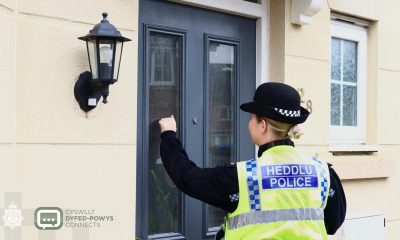
Why police will be visiting every home in Pembrokeshire
New operation aims to knock on more than 257,000 doors across Dyfed-Powys over the next three years DYFED-POWYS POLICE has...


Crime3 days ago
Prisons at breaking point: MPs warn Wales is paying the price of a failing system
Frozen healthcare budgets, overcrowded jails, homelessness on release and mounting pressure on staff are undermining rehabilitation across Wales, according to...


News4 days ago
Brexit at 10: How Britain was sold a dream that cost us dearly
A decade after the referendum, the promised benefits remain hard to find while the economic costs are increasingly difficult to...


Crime4 days ago
Worcestershire man jailed after violent attack on woman in Tenby
Defendant was already serving a suspended sentence when serious assault took place A WORCESTERSHIRE man has been jailed for more...


Climate4 days ago
Offshore wind ‘could bring new generation of jobs to Milford Haven’
Pembrokeshire ports and Celtic Sea projects placed at centre of Wales’ green energy ambitions MILFORD HAVEN and Pembroke Dock could...

Community5 days ago
Police officer hailed hero after midnight sea rescue in Milford Haven
PC swam 100 metres offshore to save distressed woman heard calling for help in darkness A DYFED-POWYS POLICE officer has...
-

 Community7 days ago
Pembrokeshire Chess Club crowned Welsh champions
-

 Crime3 days ago
Milford Haven man jailed for breaching domestic violence protection order
-

 Local Government5 days ago
Security privately arranged by Mayor at Beating of the Bounds
-

 News3 days ago
Crash on Freeman’s Way causes school-run chaos across Haverfordwest
-

 Crime5 days ago
Man wanted by court after failing to attend hearing over alleged shop thefts
-
 Crime5 days ago
Man banned from roads after drink-driving offence
-

 Crime5 days ago
Man jailed after admitting strangulation and assaults
-
 Crime5 days ago
Man sentenced over stalking campaign and lock knife offence