


Community
Volunteering champ Sam keeps his feet on the ground

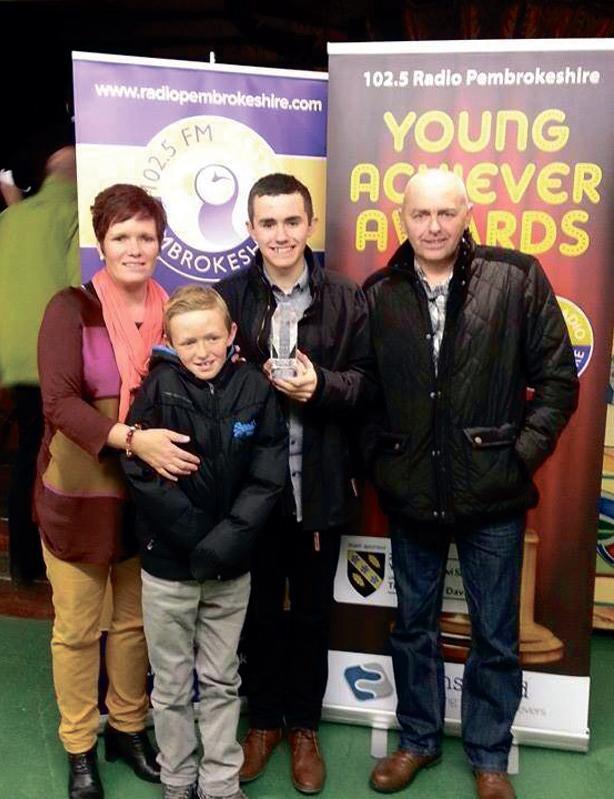

Young achiever: Sam at the awards ceremony with his family.
HE may be the winner of Radio Pembrokeshire’s Volunteering Award but young Sam Davies has his feet well and truly on the ground. He is keen to attribute so much of his success to the St John’s Ambulance Service he has come to love and serve. 17 year-old Sam, who is currently a pupil at Pembroke School, hopes to join the Navy as a student nurse and is convinced that his volunteer work with St John’s is a marvellous stepping stone to success on that journey. “Medicine makes me tick” he says “which is why I first got involved with St John’s. I’ve always had a keen interest in and passion for the emergency services and their work confirmed to me that I want to work on the caring side of things. It is an amazing organisation.
They protect and take care of me as well as train me. I really do feel part of a family.” According to Sam the local division currently has some 15 cadets and a similar number of adults but things were not as healthy a few years ago when he first joined. He explained: “I was nominated by the Divisional Officer Victoria Stevens. There was a time when we were down to three members and she feels that I have done so much to get things off the ground by promoting it especially in school. We are so much stronger now and she has said she could not have done it without me.
She is delighted with what is happening and we seem to be getting so much better known locally which is good.” In nominating Sam Divisional Office Stevens wrote: “He was very quiet at first, but started training in First Aid skills, absorbing the skills and information like a sponge. By the time our busy season for duties started, he was a qualified First aider looking forward to helping his community. In that first season, he completed 234 duty hours and assisted dozens of sick and injured people in Pembrokeshire.He also noted that as a small division we needed help with fundraising.
That year he raised over £600 by doing bag packs in Asda and Tesco. He has performed duties at the Millennium Stadium in Cardiff, at the National Eisteddfod in Llanelli and regularly helps out at Parc Y Scarlets. He has travelled to Hungary with other cadets from St John Cymru to take part in First Aid simulations and competitions, where he was also roped into teaching local people First Aid there!’’
Sam is nothing if not an enthusiastic supporter of St John’s. “It has been amazing” he continued. “I go to meetings twice a week for training and personal development and then get to work with them over weekends. The amount will depend on the events and the season. We have great fun and all this has allowed me to gain lots of qualifications in youth leadership and personal development as well as first aid.” Sam has had already had a varied experience of health and emergency issues but he has also discovered the importance of sensitivity and compassion: “I have to admit that I have been surprised to see just how important the social side of the work is – comforting and consoling people in the hour of need” he explained.

“It really helps if you are a good talker. I’ve discovered just how important it is to deal with people as people and not just as statistics or numbers.” And through his encounters with role models such as Divisional Office Stevens, Sam Davies has come to see that he could be a link in an inspirational chain too: “My nomination came as a big surprise” he observed. “I had asked Victoria to nominate someone else but she told me that they already had someone in mind. I didn’t exactly guess but I had a suspicion it was me and I hoped I was wrong because I hate being embarrassed and fight shy of the limelight.
I was a bit gobsmacked when my mum told me and I really did not know what to say. But this has given me a big boost and has shown me that if you get stuck into something you can really achieve something. I would really encourage other young people to find something they can enjoy and get stuck into instead of being sat at home doing nothing it’s far better being out there doing something worthwhile I’ve seen the difference it can make when people come up and thank you. You meet so many inspiring people and you simply want to follow them in being an example.”
Divisional Officer Stevens would clearly agree given her nomination. Sam, she wrote: “Has now qualified as a Cadet Trainer – passing on his skills to the other cadets. I have watched him grow from a quiet, shy boy to a confident, self-assured young man who is always willing to assist others, putting them first before himself. I am nominating him for the volunteering award as I firmly believe that he deserves recognition for himself and the things that he has achieved. He is a role model to other young people – a true inspiration.’’


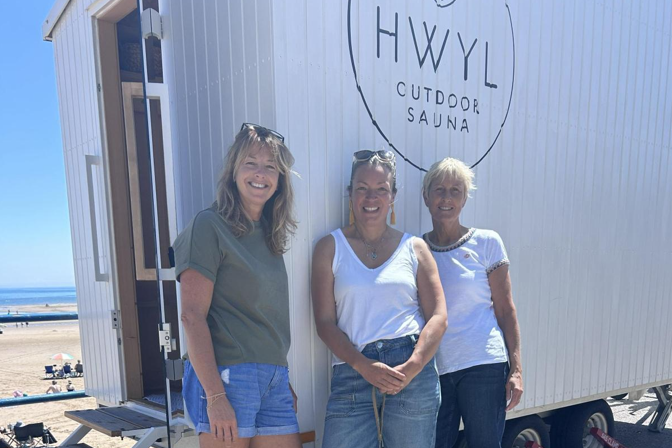
CALLS to allow the permanent siting of an award-winning Pembrokeshire seaside village outdoor sauna, which has been featured in the national press, have been submitted to the national park.
Back in June 2024, a temporary two-year permission for a mobile wood-fired sauna at Saundersfoot harbour was granted by Pembrokeshire Coast National Park’s development management committee.
Since then, a further application by Kerry Evans of Hwyl Outdoor Sauna to make the siting permanent has been submitted to national park planners.
A supporting statement says, since its introduction the sauna has “become a popular and valued amenity for both residents and visitors, offering a space focussed on health, wellbeing and community connection”.
It went on to say: “The overall sentiment within the village has been strongly supportive, with many residents recognising the sauna as a valuable asset that enhances the amenities in Saundersfoot,” adding: “Hwyl Outdoor Sauna has received positive attention in regional and national press helping to promote Saundersfoot as a destination for coastal wellbeing and outdoor experiences.

“Media coverage has highlighted the sauna as an example of the increasing popularity of sea swimming and sauna culture around the UK coastline.
“Hwyl Outdoor Sauna has been featured in two books on the best saunas in the UK.
“The business has also been recognised through tourism and hospitality awards, further demonstrating the quality of the experience provided and the positive contribution it makes to the local visitor offer.”
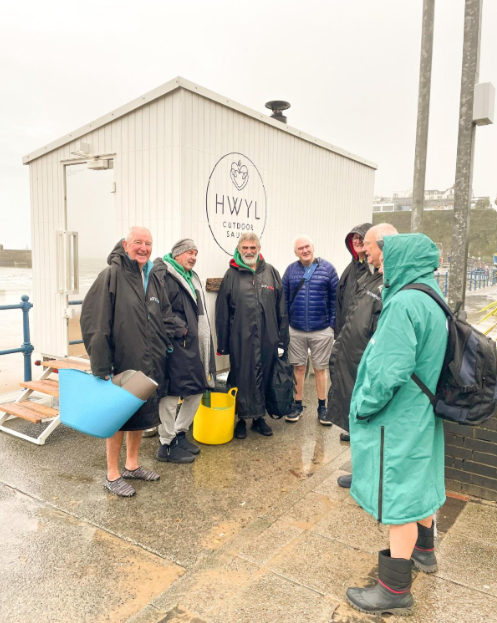
Back in February, the business, set up by former superyacht worker and mum-of-two Kerry won Sauna of the Year 2026/27 at the Wales Prestige Awards.

At the time Kerry said: “I could not be more proud of what I have achieved with Hwyl. I am so grateful to my wonderful team, who have made this journey not only possible but genuinely so much fun.”
Kerry ploughed a legacy from her beloved late father into the venture of a Pembrokeshire seafront sauna.
The application for allowing the sauna to be permanent added: “Through the Welsh Government I have been able to secure the funds to install a cold-water shower on Saundersfoot Harbour, which will be open year-round. This will be achieved via Hywel Outdoor Sauna and a weather proofing fund, from the Welsh Government. This facility has also a GoFundMe to raise the remaining costs.”

It concludes: “Hwyl Outdoor Sauna has established itself as a valued wellbeing facility that benefits both residents and visitors. It enhances the amenities available in Saundersfoot, supports the local economy by encouraging additional visitor activity, and contributes positively to the community through charitable support and engagement.
“The permanent siting of the sauna would allow this successful local small business to continue operating and provide these benefits to the village in a stable and sustainable way.”
The application for a permanent facility will be considered by park planners at a later date.

DYFED-POWYS POLICE has launched Operation Apex ahead of the Easter Bank Holiday, with officers stepping up efforts to keep motorcyclists safe on roads across the region.
The force says more riders are expected to take to the roads over the long weekend, prompting increased patrols, targeted enforcement on routes considered high-risk, and engagement with bikers at key locations.
Police are urging riders to take extra care by keeping their speed down on corners, watching carefully for other road users, and treating rural roads with caution, as conditions can change quickly and surfaces are often less predictable.
As part of the operation, motorcyclists are also being encouraged to sign up for a BikeSafe workshop. The police-led initiative offers expert advice as well as an observed ride aimed at helping bikers improve their skills and confidence on the road.
Officers are also reminding riders to carry out basic safety checks before setting off, particularly if their motorbike has not been used for some time. Tyres, brakes, lights, chain condition, oil and fuel levels should all be checked before any journey.
The warning comes as recent wet weather has left some road surfaces badly damaged, with potholes posing an extra hazard. Police also noted that while spring temperatures are improving, chilly mornings can still bring frost or icy patches in places, alongside the usual unpredictability of Welsh weather.
Dyfed-Powys Police said riders should enjoy the Easter weekend, but make safety and getting home safely their top priority.

A SENIOR member of the Welsh Government has been accused of “passing the buck” for declining a call to directly intervene in contentious changes to Withybush hospital.
Last year, Hywel Dda University Health Board consulted with its communities on options for change in critical care, dermatology, emergency general surgery, endoscopy, ophthalmology, orthopaedics, stroke, radiology and urology.
It said its Clinical Services Plan focuses on nine healthcare services that are “fragile and in need of change”.
The proposed changes included an option for Withybush patients needing specialist critical care being transferred to Glangwili.
At a recent two-day meeting, the board, amongst its many other decisions, backed changes into emergency general surgery which will see no emergency general surgery operations taking place at Withybush, but a strengthening of the same-day emergency care (SDEC).

Members stressed the changes would not happen overnight.
Following the decision, calls for intervention have also been made by local Senedd members Paul Davies and Sam Kurtz, who wrote to the Cabinet Secretary for Health & Social Care to urge him to intervene and stop the Health Board removing services from Withybush.
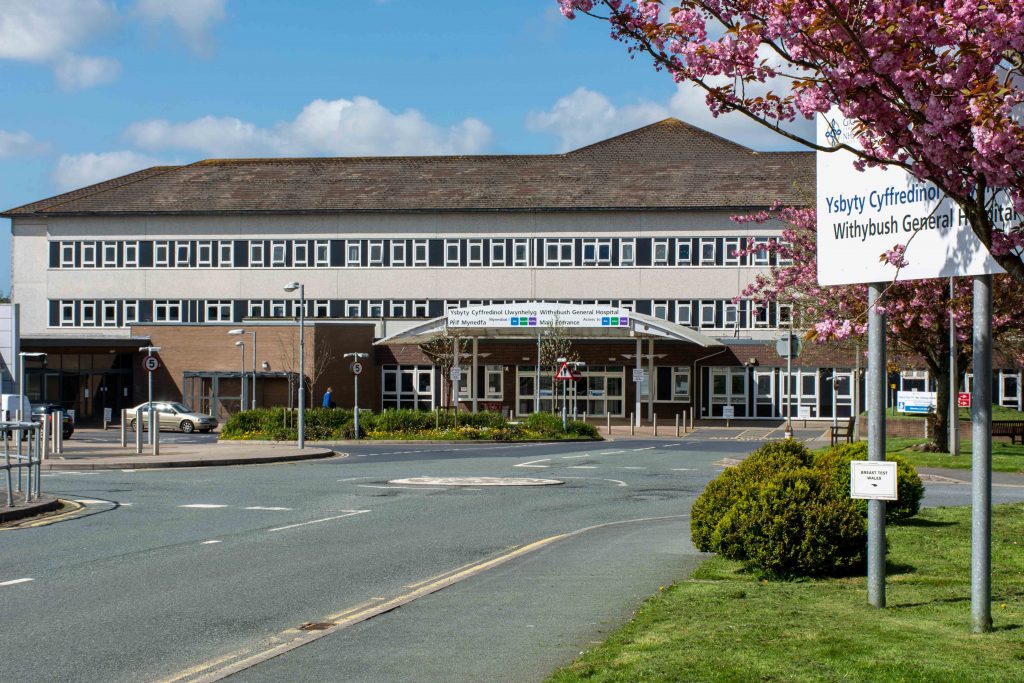
That response from the cabinet secretary has been criticised by Mr Kurtz.
In his letter of response, Cabinet Secretary for Health and social Care Jeremy Miles MS stressed planning and delivery of local health services, in this case “scheduled to begin in the next Senedd term, with a time horizon of up to four years to complete,” were, under statutory arrangements for NHS Wales, “the responsibility of health boards”.

Responding, Sam Kurtz said: “The response from the Welsh Health Minister is regrettably, though perhaps unsurprisingly, deeply disappointing. Rather than demonstrating leadership and using the powers that he has as Health Minister, he appears to be passing the buck to the health board despite the profound impact these decisions will have on services in Pembrokeshire.
“There is clear and justified concern among residents. After years of cuts to services at Withybush Hospital, this response will do little to reassure our communities.
“People deserve clarity, accountability, and a meaningful voice in decisions affecting vital services. Paul Davies and I will continue to stand firmly in defence of healthcare provision across West Wales.”

The Minister’s letter added: “Since the decision was taken, both the First Minister and I have set out the Welsh Government’s position in answers to questions from members of the Senedd and in debates. We have been very clear that decisions of this nature rest with the health board.”
It went on to say: “In your letter, you raise points about services within the scope of the [Clinical Services Plan] as well as the future of the emergency department at Withybush Hospital. I want to be very clear that emergency department services were not part of the CSP decision.”
The county council has also debated the downgrade plans for Withybush.
A petition to the Senedd against the changes has been created by Crymych resident Ajay Owen, entitled Urgent Pembrokeshire Healthcare & Resident Safety – Withybush Hospital & Health Board Intervention.
The petition, running to August 23, has attracted more than 11,000 signatures to date.



Crime1 day ago
Driver spared jail after crash killed young couple
A PEMBROKE DOCK driver who caused the deaths of a young couple in a road crash has been given a...


Entertainment2 days ago
BBC unveils major new Welsh dramas with Tenby set for prime-time spotlight
New crime series Old Town Murders and supernatural thriller The Witch Farm will both be filmed and set in Wales...

Health2 days ago
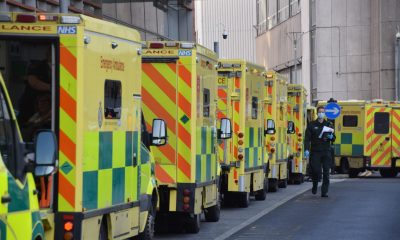
No jobs for new paramedics in Wales as graduates told to apply for technician roles
Students trained at public expense urged to take lower-grade jobs as anger grows over NHS workforce planning NEWLY qualified paramedics...


News2 days ago
Health minister refuses to act on Withybush despite 15,000-signature petition
Senedd pressure grows as Welsh Government declines to intervene over surgery fears THE WELSH GOVERNMENT has refused to step in...

Business3 days ago
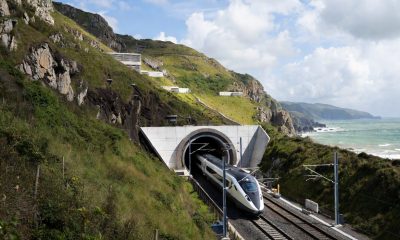
Fishguard to Wexford rail tunnel plan backed by Elon Musk firm
Six-hour London to Dublin service proposed in £32bn project ahead of Senedd election PLANS for a rail tunnel linking west...

Charity4 days ago
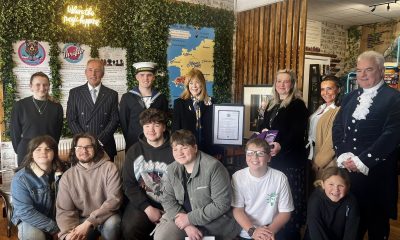
Milford Haven charity honoured with King’s Award for voluntary service
A PEMBROKESHIRE charity supporting vulnerable young people has received one of the highest honours in the UK for voluntary work....


News4 days ago
Plaid Cymru launches bid to lead next Welsh Government
Party positions itself as ‘government-in-waiting’ ahead of May election PLAID CYMRU has formally launched its campaign for the 2026 Senedd...


Crime5 days ago
Police appeal after attempted child abduction in Haverfordwest
DYFED-POWYS POLICE has launched an appeal for witnesses following a reported attempted abduction of a 12-year-old girl in Haverfordwest. The...


Crime6 days ago
Gunshot fired by police during incident in Milford Haven
A POLICE officer discharged a firearm during an incident in Milford Haven on Saturday evening (March 28), prompting an investigation...


Community7 days ago
Three Amigos Easter Run roars through Pembrokeshire
MOTORCYCLE enthusiasts turned out in force today (Saturday, March 28) as the popular Three Amigos Easter Run returned to the...
-
 News14 hours ago
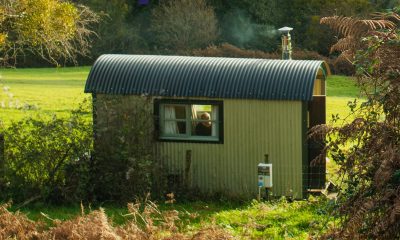
Accommodation providers in Wales will be required to register under new law
-
Business3 days ago
Fishguard to Wexford rail tunnel plan backed by Elon Musk firm
-

 Charity4 days ago
RSPCA calls for stronger animal welfare measures as Welsh Labour launches manifesto
-
Entertainment2 days ago
BBC unveils major new Welsh dramas with Tenby set for prime-time spotlight
-

 Entertainment1 day ago
From Milford Haven to the world: The story of The Evolution Experience
-
 Community6 days ago
Residents return home after major Carmarthenshire fire as probe continues
-

 News7 days ago
West Wales man remanded in custody over serious sexual assault charge
-
Crime6 days ago
Gunshot fired by police during incident in Milford Haven