


Farming
Farmers urged to strengthen biosecurity after Avian Influenza detected in sheep

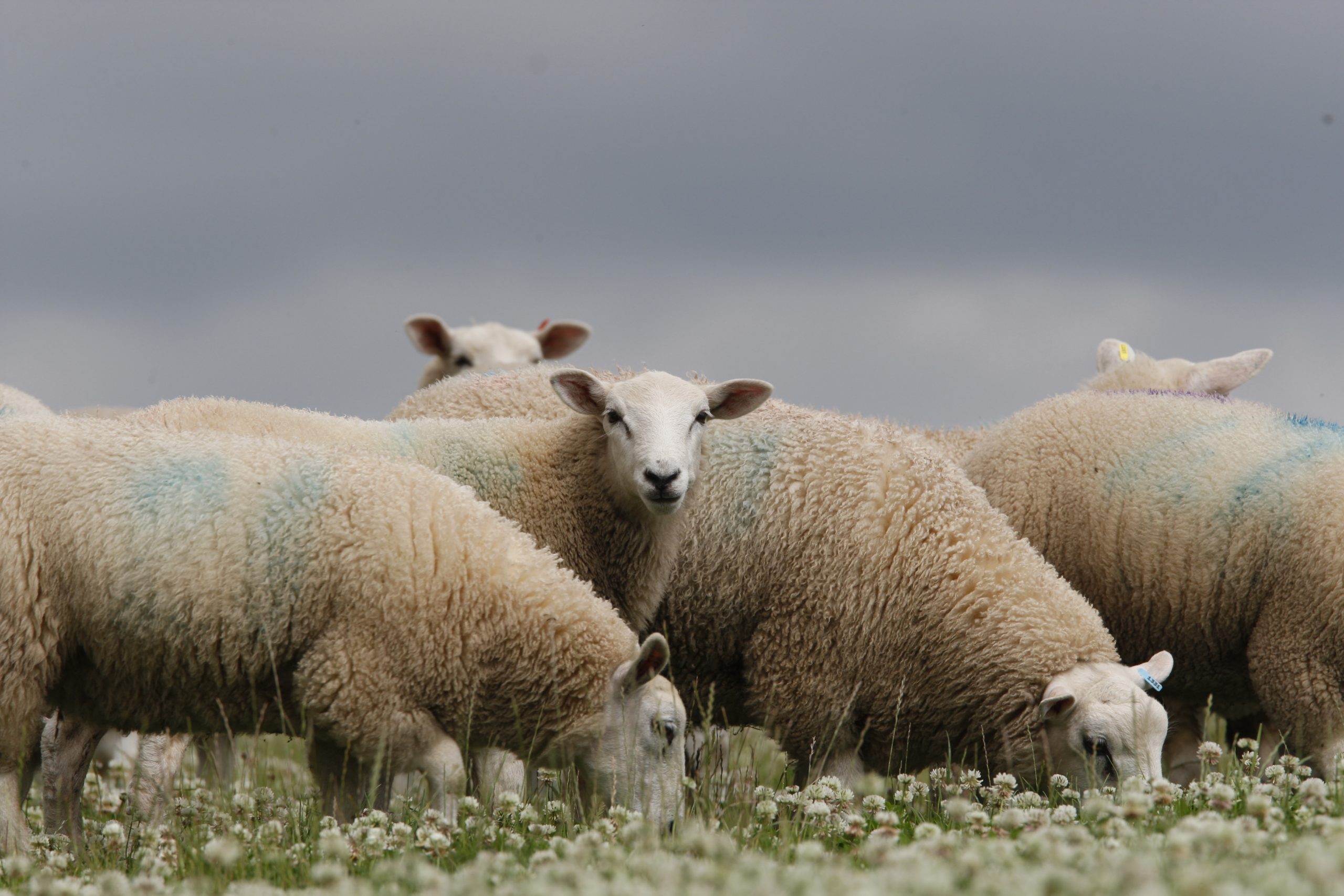
DETECTION of avian influenza (H5N1) in a sheep in Yorkshire is a reminder for all farms to maintain tight biosecurity, particularly on farms with mixed poultry and livestock.
Although UK Chief Veterinary Officer Christine Middlemiss says the risk to livestock remains low, she urges all animal owners to have ‘scrupulous cleanliness in place’ and to report any signs of infection to the Animal Plant Health Agency (APHA) immediately.
While this is the first time this virus has been reported in a sheep, it is not the first instance of influenza of avian origin being detected in livestock, with cases of infection in dairy cows reported in the US.
However, Dr Middlemiss is urging all livestock keepers to remain vigilant to the clinical signs of avian influenza following recent outbreaks.
“All keepers must maintain good biosecurity which is essential to protect the health and welfare of their animals and critical to preventing the further spread of disease in the event of an outbreak,” she said.

Nigel Bennet, Livestock Area Manager Northern Europe at biosecurity specialists Roam Technology, which recently incorporated Biocidas Biodegradables Zix (BBZix), a Spanish biosecurity specialist, into its business, says every farm should be reviewing and strengthening its biosecurity protocols.
“Prevention is our strongest defence. This means restricting unnecessary visitors, disinfecting clothing and equipment, and closely monitoring animal health.”
He has outlined seven key areas farmers should be aware of to maximise their frontline defences. They include:
Develop a biosecurity plan: Work with your vet to establish a clear biosecurity plan, including physical barriers, hygiene protocols, and emergency procedures.
Cleaning and disinfection: Thoroughly clean and disinfect all vehicles, boots, equipment, and housing using DEFRA-approved disinfectants. Visitors should use foot baths and dedicated protective clothing. Roam Technology’s Huwa-San TR50, a DEFRA-approved disinfectant, offers a powerful, stabilised hydrogen peroxide solution that provides long-lasting protection against harmful pathogens.
Monitor farm access: Restrict and track visitor access to minimise disease risks. Designate parking away from livestock, use wheel washes, and ensure tradespeople follow hygiene protocols. Mr Bennet says: “A farm should not be an open-door environment—every entry point carries risk.”
Quarantine: New or returning stock must be quarantined for at least 21 days, housed separately, and monitored for disease. Use this period for testing and vaccination before integration.
Rodent and wildlife management: Secure feed storage and effective pest control help prevent disease transmission from wildlife. Maintain fencing to reduce contact with infected animals and minimise standing water to control disease-spreading insects.
Optimise housing: Ensure good ventilation, clean high-traffic areas, and maintain water hygiene.
Monitoring: Daily health checks help detect disease early and prevent outbreaks. “Knowing your animals and spotting illness early is crucial for disease control,” said Mr Bennet. “Stay vigilant and keep biosecurity tight.”
Mr Bennet added: “This case of H5N1 in sheep highlights the need for constant vigilance. Biosecurity isn’t just about responding to outbreaks; it should be a year-round priority to protect farm businesses and animal welfare.

“Farmers must remain proactive in safeguarding their livestock from potential disease threats. With the right biosecurity measures and effective solutions like Huwa-San TR-50 and Roam Eco Power cleaning solution, we can protect both animal health and farm livelihoods,” he said.
Avian influenza is notifiable in all poultry and other captive birds and influenza of avian origin is notifiable in both kept and wild mammals. If you suspect your animals are infected report it immediately to the APHA by calling 0300 303 8268 in Wales .

Ceredigion Penfro MS says disease is placing severe emotional and financial pressure on farming families
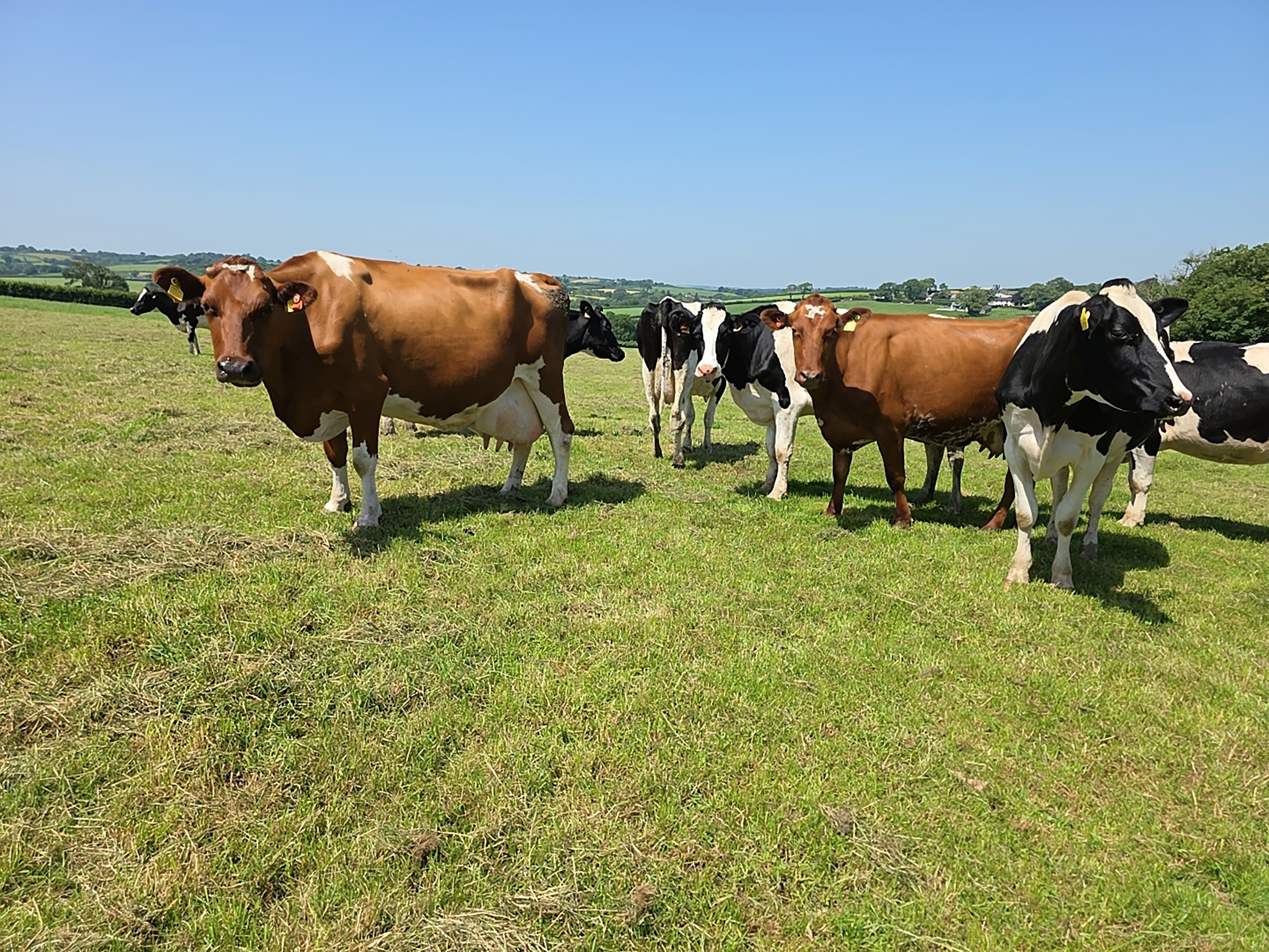
Paul Davies MS has urged the Welsh Government to use every available measure to tackle bovine tuberculosis and work towards eradicating the disease in Wales.
The Ceredigion Penfro Senedd Member raised the issue during a Senedd debate, warning that bovine TB continues to have a devastating impact on farmers, their families and rural communities.
Mr Davies called for a science-led and comprehensive strategy that addresses every potential source and route of infection.

He said farmers across west Wales needed clear leadership from the new Welsh Government and greater confidence that ministers were prepared to take effective action.
Mr Davies said: “Bovine TB continues to have a huge impact on farmers, their families and rural communities across Wales.
“It places enormous emotional and financial pressure on farming businesses and remains one of the most significant challenges facing our agricultural industry.
“Farmers and the wider rural community are looking to the new Welsh Government to provide leadership by introducing a holistic approach that addresses all routes of transmission.
“The Welsh Government must do everything it can to eradicate this appalling disease.
“I will continue to raise this issue on behalf of farmers in west Wales and press the Welsh Government to use every lever available to tackle bovine TB.”

A RETROSPECTIVE call for amendments to a previously granted building and slurry lagoon at a 700-herd Pembrokeshire dairy farm has been given the go-ahead by county planners.
In an application to Pembrokeshire County Council, Bill Ridge of Vaynor Farm Ltd, Bethesda sought retrospective permission for a replacement agricultural building for cattle housing, the retention of a slurry lagoon as built and associated works at Talybont Farm, Llawhaden.
A supporting statement through agent Cynllunio RW Planning Ltd said: “Bill Ridge farms at Vaynor Farm, trading as Vaynor Farm Ltd. The farm is a 645-acre farm compromising of owned and rented land, this supports a dairy herd of circa 700 cows. The dairy system is an extensive grass-based spring calving system.
“The application is made following receipt of a letter from the local authority planning enforcement department stating that the replacement agricultural building which had recently been erected required planning permission and that the lagoon also recently built seemed not to be in line with the approved plans of [the 2022 application] recently approved on site for the lagoon.
“Therefore, this application seeks retrospective planning permission for the retention of the building as built and the lagoon as built.”
It said the 22.72 by 13.33-metre agricultural building “will house the farm’s dairy replacement heifers as a replacement to the previous building on site,” and the lagoon is of a similar size, depth and capacity to the previously approved one, other than slight changes in positioning and orientation, providing 4,500square metres of slurry storage, which in combination with the existing store of 6,900cubic meters at Vaynor will provide over 170 days’ storage.
It went on to say: “All development is reasonably required for the purpose of agriculture. The applicant does not intend to increase the farm’s stocking rate as a result of this development.”
An officer report recommending approval said the application had been amended since being submitted to improve the proposed green infrastructure, adding: “Information has been provided during the course of the application that proposal is not intended to result in, or support, an increase in the herd numbers of the agricultural enterprise.”
It concluded: “Based upon the information provided within the application, it is considered that the development would be reasonably necessary for the purpose of agriculture.”
The application was conditionally approved.
Farmers urged to review dry cow nutrition as grazing shortages and heat stress increase pre-calving risks
DAIRY farmers preparing autumn-calving cows are being urged to pay close attention to pre-calving nutrition as prolonged hot and dry weather reduces grazing availability and increases the risk of heat stress.
Dr Alison Bond, Technical Services Manager at Rumenco, said the six to eight weeks before calving were particularly important, with farmers needing to maintain suitable body condition and address any nutritional deficiencies.
She said: “Milking cows will naturally be front of mind when farmers are assessing grazing and rationing, but it is important not to forget the dry cows.
“Farmers should assess body condition during late lactation and adjust drying-off dates where necessary. Cows in poorer condition may need to be dried off earlier, with the aim of calving at around body condition score three and in optimum health.”
Where grass is limited, Dr Bond said farmers may need to consider housing dry cows and feeding a ration based on good-quality silage with appropriate supplements.
Careful nutrition during the dry period can help cows make a smooth transition from pregnancy into lactation and reduce the likelihood of problems including difficult calvings, milk fever, mastitis and retained placentas.
It can also affect fertility after calving and the quality of colostrum provided to newborn calves.
Dr Bond said: “Good-quality colostrum is essential during the calf’s most vulnerable period. It helps to prime the immune system and provides protection against challenges such as scour and respiratory disease.
“With the added pressure of heat stress and possible disruption to forage supplies, closer attention to the needs of dry cows will be particularly important this year.”
Farmers who have moved cattle indoors are advised to provide good-quality forage and, where possible, have it analysed for its mineral and trace element content so that any deficiencies can be identified.
Dr Bond said shortages of forage, or changes in its quality, could leave cows more vulnerable to deficiencies in minerals and trace elements during the weeks before calving.
Rumenco recommends using a specialist pre-calving supplement where necessary. The company produces LIFELINE Pre-Calver, available as a mineral bucket or crumb, which is designed to supply vitamins, minerals and trace elements to cows before calving.

The company says the product contains a low-calcium and high-magnesium balance intended to reduce the risk of milk fever and difficult calvings.
Rumenco also says trials have shown improvements in colostrum quality of up to 20 per cent, although farmers should seek independent nutritional or veterinary advice when deciding what supplementation is appropriate for their herd.
Dr Bond added: “Ensuring cows receive the nutrition they need is recommended best practice, particularly when they are facing additional stresses such as extreme heat and reduced grazing.
“Taking action before calving can support the health of the cow, improve calf vigour and help protect future fertility and milk production.”



Health4 hours ago
Two new surgeons appointed as Hywel Dda admits orthopaedic waits remain too long
Health board says it is increasing capacity after figures revealed hip replacement patients waited an average of 64 weeks HYWEL...


Community20 hours ago
84-year-old man rescued after falling overboard near Tenby
A MAYDAY call sparked a major nighttime rescue after an 84-year-old man fell from a tender and was swept towards...


Crime2 days ago
Jury hears final arguments in Milford Haven teacher stabbing trial
Defence says there was no motive or intention to kill as judge reviews competing accounts of classroom knife incident SPECIAL...


News2 days ago
Andy Burnham becomes Labour leader and prepares to enter No 10
Former Greater Manchester mayor promises an ‘unashamedly Labour’ government after completing extraordinary return to Westminster ANDY BURNHAM has been formally...


News2 days ago
Motorcyclist dies following collision near Narberth
Police appeal for witnesses and footage after fatal crash on B4313 at Redstone A MOTORCYCLIST has died following a collision...


Local Government3 days ago
Stepaside school saved as council abandons closure proposal
Governors welcome decision but maintain original plans were based on outdated information STEPASIDE Community Primary School will remain open after...

Crime3 days ago
Footballer given 200 hours’ unpaid work for eye-gouging assault during match
Magistrates heard Robert Hedley put an opposing player in a headlock before gouging at his eyes during a match in...


Community3 days ago
Tenby Summer Spectaculars brought to an end after harbour licence revoked
Round Table says it was willing to make major safety changes but could not secure the access controls needed to...

Local Government5 days ago
Catapult attacks suspected after wildlife deaths at Pembroke Mill Pond
Wildlife Crime Officers are investigating after the town council said around five animals showed signs of deliberate injury WILDLIFE found...


Crime5 days ago
Narberth retailer speaks of shoplifting toll after ‘collectable bear’ stolen
Independent shop owner said rising costs meant businesses could not afford to absorb losses caused by theft A NARBERTH retailer...
-
Community20 hours ago
84-year-old man rescued after falling overboard near Tenby
-

 Crime1 day ago
Fears wildlife at Mill Pond beauty spot being targeted by catapults
-
Crime2 days ago
Jury hears final arguments in Milford Haven teacher stabbing trial
-

 Community2 days ago
Tenby Freemasons donate £750 to surf lifesaving club
-

 Business2 days ago
Bid launched for Haverfordwest to become Wales’ business rates pilot
-

 Crime2 days ago
Man discharged from hospital as attempted murder investigation continues
-

 Business2 days ago
‘Times are tough’ warning as corporate insolvencies remain above pre-pandemic levels
-
 Crime2 days ago
Sex offender hid unregistered laptop beneath kitchen counter, court hears