


Health
One year to go: NHS leaders set out urgent priorities ahead of 2026 Senedd election


Health service calls for shift to prevention, long-term funding and cross-government planning as system faces growing pressure
WITH just one year to go until the next Senedd election, NHS leaders in Wales have issued a stark warning to politicians of all parties: without urgent and radical change, the Welsh health and social care system will face an unsustainable future.
The Welsh NHS Confederation, which represents all health boards and trusts in Wales, has published a new report setting out what NHS leaders want from the next Welsh Government. Based on responses from 95 senior NHS figures across the country, the report highlights the urgent need to move away from reactive, short-term measures and towards a long-term strategy focused on prevention, wellbeing, and coordinated action across government departments.
Key among the recommendations is a call for a cross-government strategy to improve health and reduce inequalities, with 87% of NHS leaders backing a national plan that would tackle the wider causes of poor health—such as poverty, housing, education, and employment.
The Confederation warns that without such action, the NHS will struggle to cope with rising demand, driven by factors including an ageing population, an increase in chronic and preventable illnesses, and ongoing workforce shortages. The number of people in Wales living with four or more long-term conditions is projected to double by 2035, placing even greater strain on already overburdened services.
Darren Hughes, director of the Welsh NHS Confederation, said: “There is only so far the NHS and other public bodies can go in making meaningful, sustainable progress if the right conditions aren’t in place.

“Short-term funding cycles make it extremely difficult for organisations to plan effectively, invest wisely, and build the kind of resilient communities we need. If we are serious about reversing the decline in the nation’s health, we must focus now on prevention, early intervention and addressing health inequalities at their root.”
He added that demographic trends paint a worrying picture, with the proportion of the population aged 80 and over expected to double between 2000 and 2038. This group already accounts for a disproportionate share of NHS activity.
The Confederation is urging the next government to embrace the principles of the Well-being of Future Generations (Wales) Act 2015, which it says are not being fully realised under current funding arrangements.
While the report has been welcomed by many within the sector, some observers note that successive Welsh Governments—both Labour-led and, in coalition periods, involving Plaid Cymru and the Liberal Democrats—have long acknowledged the importance of prevention, yet struggled to shift funding and policy at the necessary scale.

Critics argue that similar calls have been made repeatedly over the past decade, yet the reality on the ground remains dominated by crisis response and waiting list backlogs. In February 2024, the Welsh Government was forced to issue a £175 million emergency funding package to tackle pressures in emergency care and elective surgery.
Meanwhile, the latest statistics from StatsWales show that as of March 2025, over 750,000 patient pathways remain open—meaning more than one in five people in Wales is waiting for planned treatment or assessment. The British Medical Association Cymru has described the situation as “deeply worrying,” while acknowledging the immense strain frontline staff are under.
The Confederation’s report does not shy away from the scale of the challenge, noting that achieving a shift to prevention will require bold political choices, including long-term investment in public health, closer integration with local government and social care, and a reallocation of resources away from acute care.

Political parties are now beginning to shape their manifestos ahead of the May 2026 Senedd election. Welsh Labour, which has led the Welsh Government since devolution began in 1999, has pledged to maintain a publicly funded, publicly delivered NHS. Plaid Cymru has emphasised the need for a “National Health and Care Service” to integrate health and social care. The Welsh Conservatives have called for more choice for patients, greater use of technology, and a reduction in management bureaucracy.
The Welsh NHS Confederation said it would engage with all parties over the coming months to ensure that the voice of health and care leaders is heard in shaping the policy agenda.


HYWEL DDA University Health Board will decide next week whether to make changes to the GP referral pathway for routine adult mental health services permanent.
The decision will be taken at a public Board meeting on Thursday (Mar 26).
Board members will consider a proposal to formalise changes already introduced in Ceredigion and, if approved, roll out the revised pathway across Pembrokeshire and Carmarthenshire.
Since March 2025, adults in Ceredigion seeking routine mental health support have been advised by their GP to contact the NHS 111 Wales ‘Press 2’ service, rather than being referred directly to the county’s Community Mental Health Team.
The temporary change was introduced in response to ongoing staffing shortages. Health Board officials say the approach has helped maintain timely access to face-to-face assessments for those who need them, while directing initial contact through a single access point.

The 111 ‘Press 2’ service provides telephone assessments by local wellbeing practitioners, supervised by registered mental health nurses, offering advice, support and onward referrals where required.
At its November 2025 meeting, the Board agreed to extend the temporary pathway until the end of March 2026. A nine-week engagement exercise followed, running from December 8 to February 9, to gather feedback from patients, professionals and stakeholders on the potential long-term impact.
Andrew Carruthers, Chief Operating Officer at Hywel Dda University Health Board, said: “I would like to thank everyone who took the time to share their views and experiences.
“I would also like to thank West Wales Action for Mental Health for supporting engagement with patients, including those with lived experience, alongside GPs, primary care teams, mental health staff and third sector partners.

“Our priority is to ensure mental health services remain accessible, fair and sustainable. The temporary changes in Ceredigion have shown some positive benefits, and the feedback we have received from across the three counties will play an important role in shaping the Board’s decision.”
The Board will review all evidence and feedback before making a final decision on the future of the adult mental health referral pathway.
GPs will continue to refer patients with urgent or complex needs directly to community mental health teams where appropriate, and have access to a dedicated NHS 111 professional line for additional clinical advice.

Further details, including the full Board papers, are available here:
https://biphdd.gig.cymru/amdanom-ni/eich-bwrdd-iechyd/cyfarfodydd-y-bwrdd-2026/agenda-a-phapuraur-bwrdd-26-mawrth-2026/
The meeting will be streamed live from 9:30am on Thursday (Mar 26) via:
www.youtube.com/hywelddahealthboard1
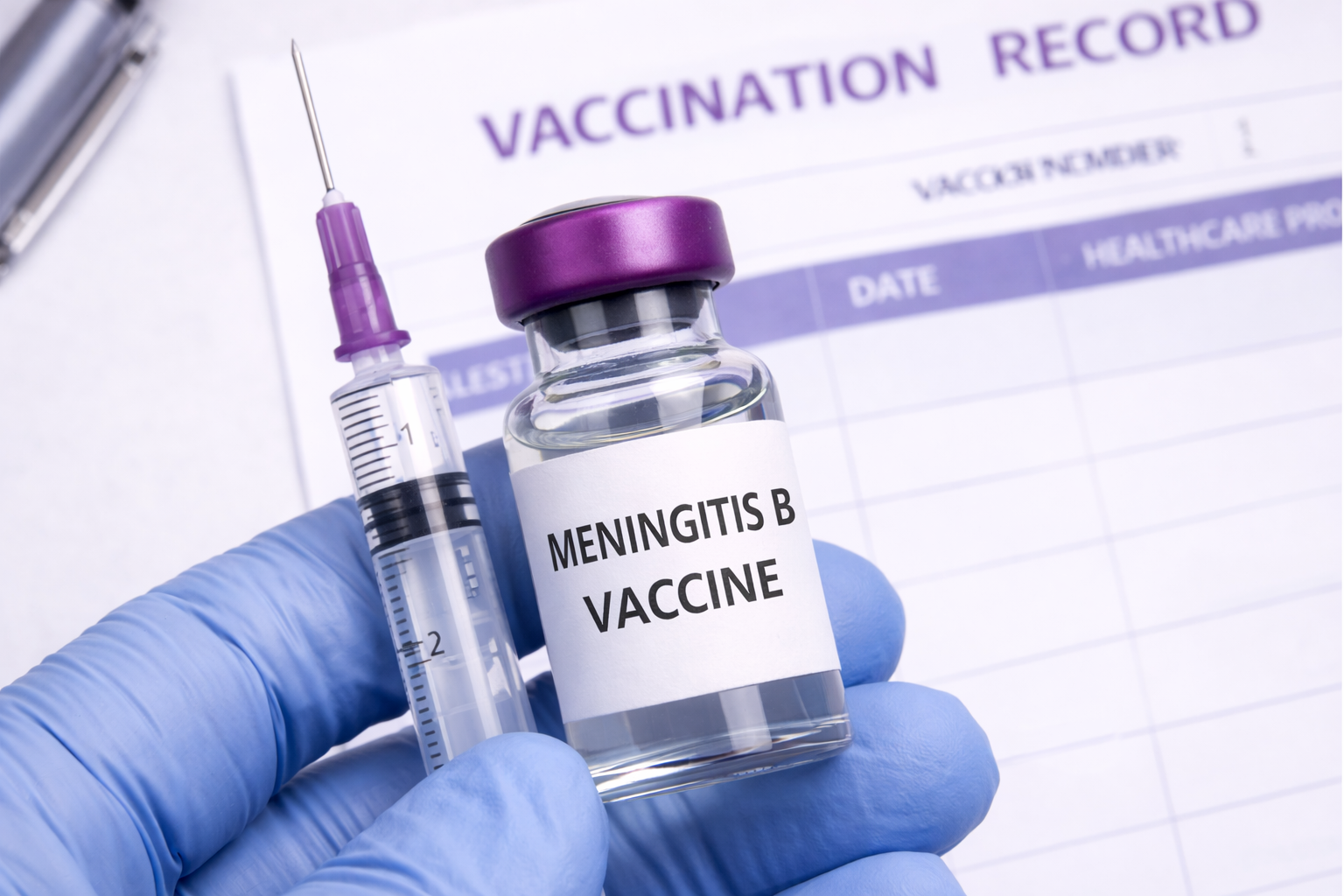
Local pharmacy reports MenB vaccine shortage amid rising concern
PARENTS and carers across west Wales are being urged to check their children’s vaccination status following recent meningitis cases in the UK.
The warning comes as a local pharmacy has confirmed a shortage of the Meningitis B (MenB) vaccine, highlighting growing pressure on supplies.
Mendus Pharmacy said it currently has no availability of the vaccine due to what it described as a nationwide supply issue.
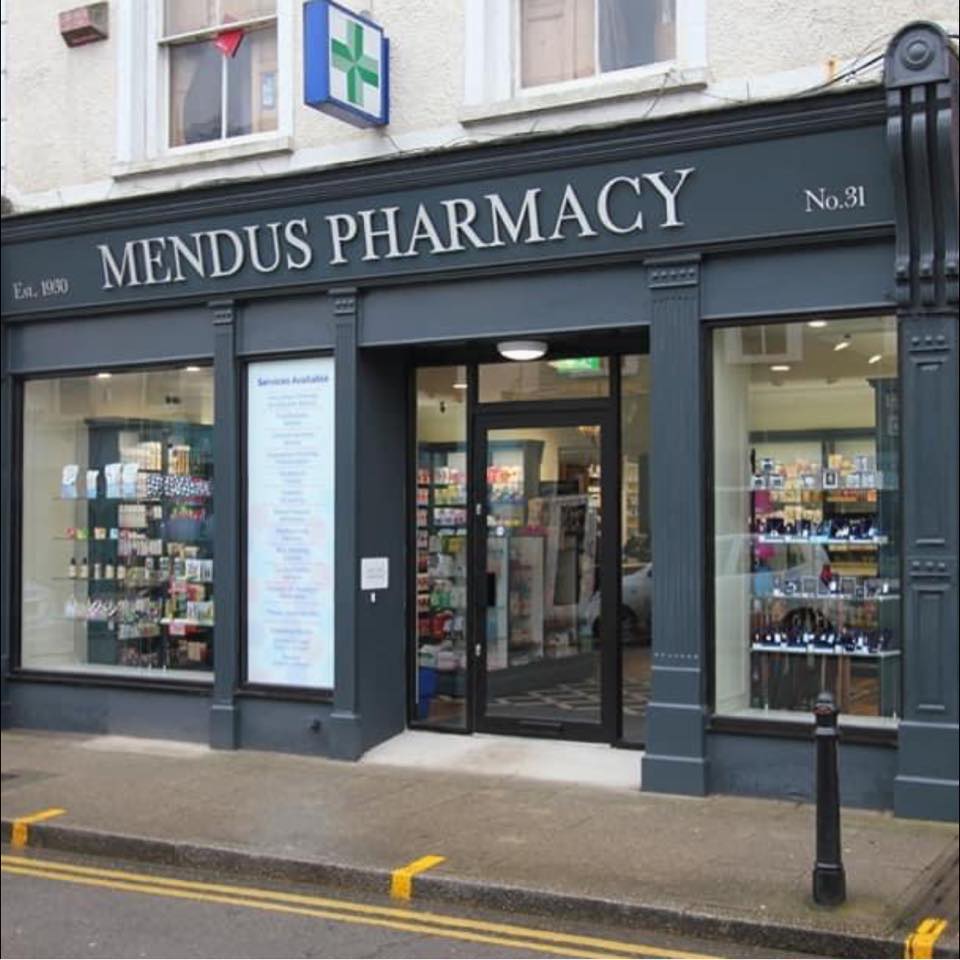
In a statement, the pharmacy said: “We would like to inform our patients that, due to ongoing supply issues, we currently have no availability of the Meningitis B vaccine.
“Unfortunately, this is a nationwide shortage and all stock is currently unavailable.
“We understand this may be particularly concerning given the recent outbreak reported in Kent, and we completely appreciate the importance of timely vaccination.”
The pharmacy confirmed it is operating a waiting list and will contact patients once supplies return.
Health officials say keeping vaccinations up to date remains one of the most effective ways to prevent serious illness and reduce pressure on NHS services.
Dr Ardiana Gjini, Executive Director of Public Health at Hywel Dda University Health Board, urged parents to act.

She said: “Vaccination is one of the most effective ways we can protect children and young people from serious illness.
“Ensuring your child is fully vaccinated not only safeguards their health but also helps prevent the spread of infections within our communities.
“I strongly encourage all parents and carers to check their child’s vaccination status. If you are concerned that your child may have missed routine vaccinations, please speak to your GP.”

Meningococcal disease is a serious and potentially life-threatening infection that can lead to meningitis or septicaemia. While many people recover, some are left with long-term physical, neurological or psychological complications. Around one in ten cases can be fatal.
Although the disease can affect anyone, babies, young children, teenagers and young adults are at greatest risk.
In Wales, vaccines protecting against meningococcal strains A, B, C, W and Y are offered as part of the NHS immunisation programme. Infants receive the MenB vaccine, while teenagers are offered the MenACWY vaccine.
Latest figures from the Health Board show that uptake among 16-year-olds for the MenACWY vaccine stands at 76.4%, meaning a significant number of young people remain unprotected as they approach adulthood.
For younger children, uptake of the MenB vaccine is higher but still below the recommended 95% target. Around 92.8% of infants are vaccinated by their first birthday, rising slightly to 91.8% by their second.
Health officials say these figures reflect strong engagement from families and primary care teams but stress that continued vigilance is needed.
Families are being advised to check their child’s vaccination record with their GP or by contacting the Health Board directly. Parents should also ensure babies receive their scheduled MenB doses and that teenagers receive their MenACWY and 3-in-1 booster vaccines, which are currently being delivered in schools.
Parents are also urged to remain alert to the symptoms of meningitis and septicaemia and to seek urgent medical advice if they have concerns.
Further information on symptoms is available via NHS 111 Wales.

Wales warned to act fast as damning report reveals staff trauma, delayed care and deadly gaps
THE UK’s healthcare system came perilously close to collapse during the Covid-19 pandemic, a major public inquiry has found, with Wales now facing pressure to act on urgent recommendations.
A landmark report published on Thursday (Mar 19) lays bare the scale of the crisis, concluding that hospitals across the UK – including in Wales – were pushed to “intolerable strain”, with some patients receiving lower levels of care and others left untreated altogether.
The findings come as First Minister Eluned Morgan welcomed the report and confirmed the Welsh Government will respond within six months.
System “ill-prepared” for pandemic
The inquiry found the UK entered the pandemic in a weakened state, with staff shortages, too few hospital beds, and ageing infrastructure already placing pressure on services.
Healthcare systems “coped, but only just,” the report states, warning that collapse was only avoided due to the “almost superhuman efforts” of NHS staff.

Many workers suffered severe mental health impacts, with burnout and post-traumatic stress widespread across the workforce.
Patients died alone
Among the most distressing findings was the impact of strict hospital visiting rules.
Thousands of patients died without family by their side, while relatives were often forced to say goodbye over the phone or by text.
The report highlights how restrictions, though intended to save lives, caused lasting trauma for families across Wales and the UK.

Missed treatment and cancer delays
The inquiry also exposes the devastating knock-on effect on non-Covid care.
Planned operations were cancelled, screening programmes paused, and patients avoided hospitals out of fear – leading to delayed diagnoses and, in some cases, avoidable deaths.
Cancer treatment performance worsened, with late diagnoses contributing to increased mortality.
“Fundamental flaws” in response
Investigators identified serious failings in how the pandemic was handled, including:
- Early guidance that underestimated airborne transmission
- Shortages of PPE, leaving staff exposed
- Poor communication with vulnerable patients
- Inadequate planning for emergency and critical care capacity
These issues, the report says, put both patients and staff at greater risk.

NHS 111 and ambulances overwhelmed
Emergency systems also struggled to cope.
Demand for NHS 111 surged beyond capacity, while ambulance delays increased – even for life-threatening calls.
The report warns future pandemics could see similar failures unless urgent reforms are made.
Long Covid and hidden impact
The long-term effects of Covid are still being felt, with inconsistent care for Long Covid patients and ongoing uncertainty around treatment.
Meanwhile, millions of people who needed routine care remain affected by the backlog created during the pandemic.

Welsh Government response
First Minister Eluned Morgan said the Welsh Government would respond “openly and constructively” to the findings.
She acknowledged the significant impact on patients, staff and families and confirmed Wales will address the inquiry’s recommendations within the required six-month timeframe.
Urgent warnings for the future
The inquiry makes ten key recommendations, including:
- Expanding hospital and emergency capacity
- Improving infection control guidance
- Strengthening support for healthcare workers
- Better data systems to identify vulnerable patients
It warns that without action, the NHS may not withstand the next pandemic.
“We may not be so lucky next time”
In one of the report’s starkest conclusions, Baroness Hallett warned that healthcare systems came dangerously close to failure.
If the crisis had lasted longer – or hit harder – the NHS could have collapsed entirely.
The message is clear: Wales and the UK must prepare now, or risk repeating the same mistakes.



Education21 hours ago
Milford Haven school plans unveiled but funding not yet secured
PLANS for a new £100 million school in Milford Haven have been unveiled, but the project has not yet secured...


News22 hours ago
Council unveils plans for new state-of-the-art secondary school in Milford Haven
PEMBROKESHIRE COUNTY COUNCIL has revealed plans for a new state-of-the-art school in Milford Haven, promising modern, inspiring learning spaces for...


Health1 day ago
NHS waiting list falls — but cancer delays and diagnostic backlog worsen
Record progress claimed by Welsh Government as critics warn key targets are still being missed THE NHS in Wales has...


Crime2 days ago
Rapist jailed after ‘abhorrent’ attacks on woman and children
Haverfordwest man told police “women won’t have sex without force” A HAVERFORDWEST man who raped a woman and a young...


News2 days ago
Reform secures first Pembrokeshire councillor in Hakin by-election win
Late Reform candidate takes seat as independent surge and Labour withdrawal shape contest REFORM UK candidate Scott Thorley has won...


News3 days ago
Scott Thorley elected as Pembrokeshire’s first Reform councillor
REFORM UK candidate Scott Thorley has won the Hakin by-election after securing 179 votes. The full result is as follows:...


News3 days ago
Police confirm man has died after being recovered from River Cleddau
Major emergency response in town centre after concerns raised for man in water A MAN has died after being recovered...


Community3 days ago
Davies and Kurtz urge groups to seek employability funding
Community organisations in Pembrokeshire encouraged to apply for new grants supporting skills and job access LOCAL Senedd Members Samuel Kurtz...


News3 days ago
Emergency services flood Haverfordwest after reports of person in river
Town centre sealed off as multi-agency response continues A MAJOR emergency response is underway in the centre of Haverfordwest after...


News3 days ago
Detectives receive surge of new information in bid to identify man found at Powys reservoir
Public response follows release of facial image as officers pursue fresh lines of enquiry DETECTIVES investigating the identity of a...
-

 Health7 days ago
Welsh Ambulance Service to host bi-monthly Board meeting
-

 News6 days ago
Rayner and Lammy visit Wales to discuss justice and community safety
-

 News5 days ago
Fishguard linked to allegations in Many Tears Animal Rescue investigation
-
News3 days ago
Emergency services flood Haverfordwest after reports of person in river
-

 Local Government6 days ago
Investigation confirmed after inspectors visit Many Tears Animal Rescue
-

 Community7 days ago
Local charity hosts cancer awareness event in Cardigan
-

 Business7 days ago
Work set to begin on £50m hydrogen plant in Milford Haven
-

 international news7 days ago
UK urges allies to keep pressure on Russia despite US easing oil sanctions