


News
Plaid push agenda in financial education

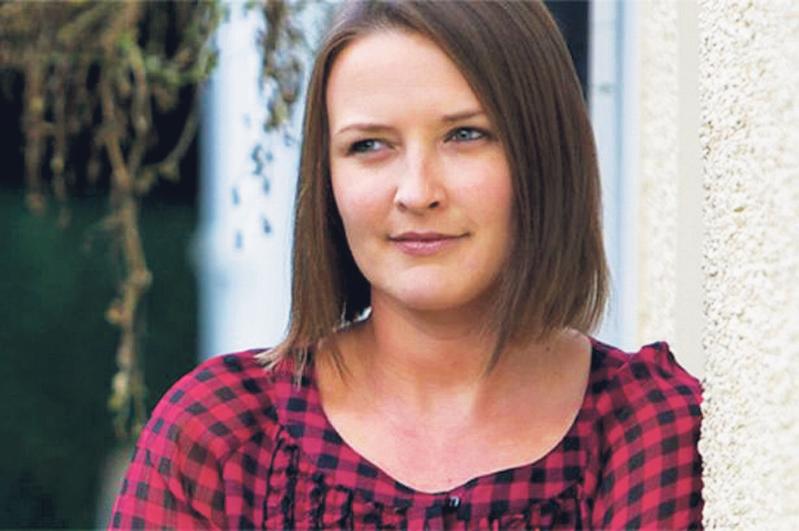

Financial clout: AM stresses importance of fiscal education
PLAID CYMRU claimed this week that their AM Bethan Jenkin’s proposals for financial education and inclusion had been accepted by the Welsh Labour Government. The initiatives were outlined by the Minister for Communities and Tackling Poverty during a crucial debate on Jenkin’s private member’s Bill on the afternoon of Wednesday November 26 whereby Jenkins showed a short film in which 18 to 20-year-olds – Wales’ first ‘devolution generation’ – talk of their financial education experiences, and how it has directly benefitted or hindered them.
Bethan Jenkins said: “At the heart of what I wanted to do was help create a prosperous future for the people of Wales. Since a big part of the Bill concerns itself with education, I wanted the Assembly to hear from young people, which is why I made this film. It is those like them who will benefit from this raft of measures, which means that financial education and financial inclusion moves centre stage, becoming a top priority in Wales. That’s where it should be, and that’s where it is. This is what people across Wales want and need.
If we are to build a dynamic economy with a prosperous and happy workforce, financial capability must be its bedrock.” A Welsh Government spokesperson commented: “Financial education has been part of the school curriculum in Wales since 2008 and through the ‘Manage money’ element, has been a statutory requirement in the National Literacy and Numeracy Framework (LNF) for 5 to 14 yearolds since September 2013. All schools have been provided with a range of guidance materials on the implementation of the Literacy and Numeracy Framework and have also received direct training and support through the LNF National Support Programme. Financial education is also a feature of the new GCSEs in Mathematics and Mathematics – Numeracy which will be taught from September 2015. With regards to education, this Bill simply duplicates existing statutory legislation. Professor Graham Donaldson is carrying out an independent review of the broad curriculum and assessment arrangements in Wales and is expected to report at the turn of the year.”
Pembrokeshire County Council gave the detail of the provision here, saying: “A number of financial literacy programmes run in Pembrokeshire’s schools. The statutory Welsh Government Literacy and Numeracy Framework includes distinct financial literacy activities throughout. These are differentiated to support the skills development and understanding of learners as they progress through each Key Stage of their education.
Activities start in Reception classes and develop to include more complex, abstract concepts such as understanding financial risk, insurance and foreign exchange rates in Year 9. We have also encouraged the incorporation of financial literacy programmes developed by the Basic Skills Agency and other organisations to support learner engagement. Our Youth Enterprise Officer engages with learners of all ages to develop enterprise-related skills which include business planning and budgeting – these activities being showcased in the annual Enterprise Fair.

At Key Stage 4, all learners are exposed to financial literacy concepts through their GCSE mathematics courses and these are enhanced through statutory Personal and Social Development activities. In addition, learners further develop their skills through curriculum enrichment activities incorporated in the Welsh Baccalaureate which includes enterprise education. Vulnerable learners in secondary schools receive targeted support from the Youth Service to develop their competence and confidence in financial literacy.”

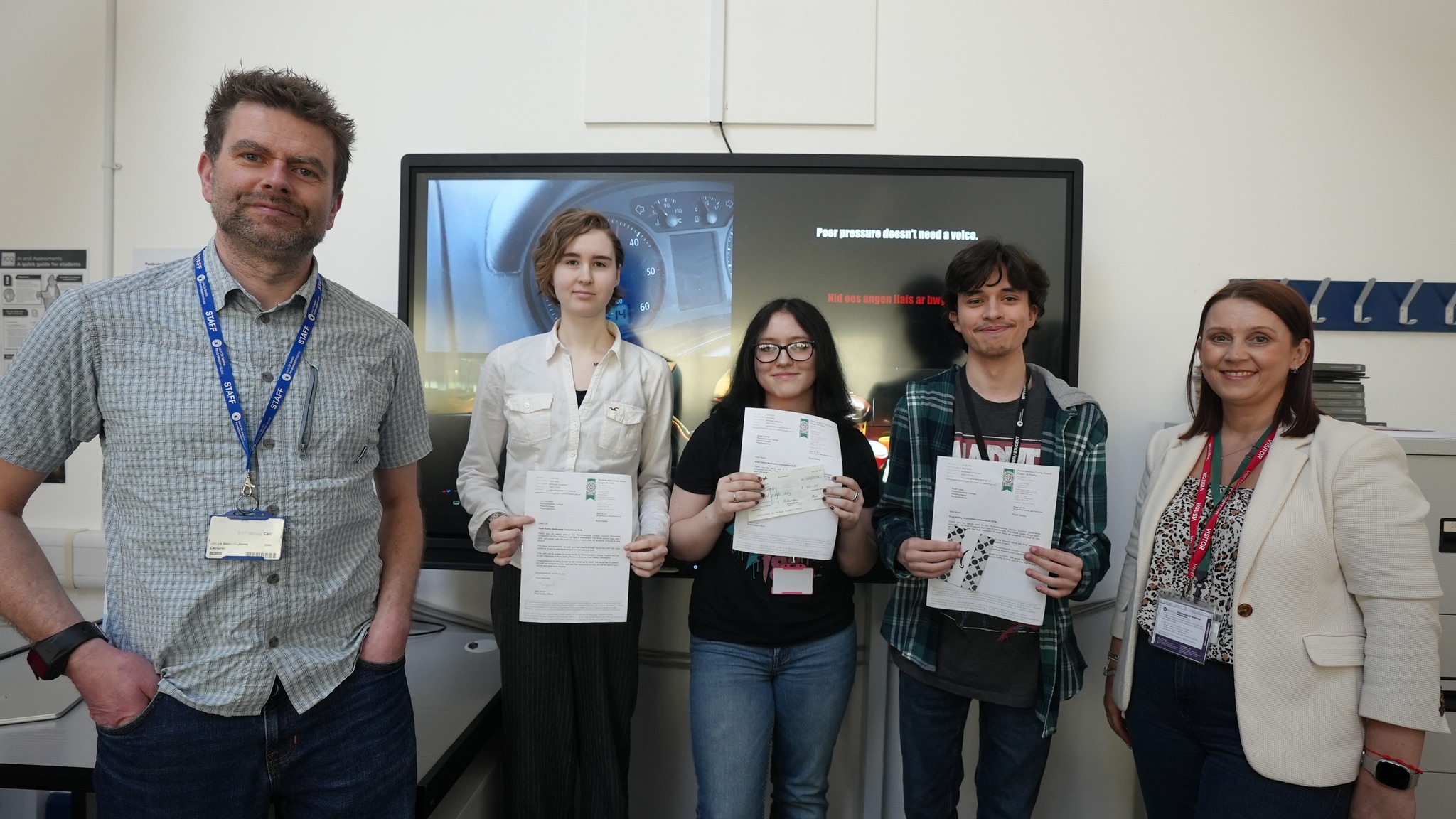
Creative Media learners recognised after producing hard-hitting videos to warn young drivers about the dangers of peer pressure
PEMBROKESHIRE COLLEGE has praised its Creative Media learners after students produced a series of powerful short films as part of an annual road safety competition run in partnership with Pembrokeshire County Council.
The project challenged learners to create short social media videos highlighting one of the main causes of serious road traffic collisions, with this year’s theme focusing on the dangers of peer pressure. The films were designed to help raise awareness of road safety issues among young people across the county.
Aliyah was named overall winner for her video, Peer Pressure Doesn’t Need a Voice, and received a £100 prize.
Noah was recognised as a runner-up for his film, Don’t Treat the Road Like a Toy, while Lily was also commended for her entry, Don’t Give in to Peer Pressure.
The college said the competition gave learners the chance to respond to a real-world brief while producing work with an important public safety message.

Lecturer Denys Bassett-Jones praised the standard of the entries and said the issue of peer pressure was a major factor in young people’s lives, making it an important theme to highlight to new drivers and their passengers.
Sally Jones, Road Safety Officer at Pembrokeshire County Council, also praised the students’ work and said the group had produced interesting and dynamic videos while rising well to the brief.
The college said projects like this continue to give learners valuable practical experience while supporting wider efforts to reduce serious collisions on local roads.
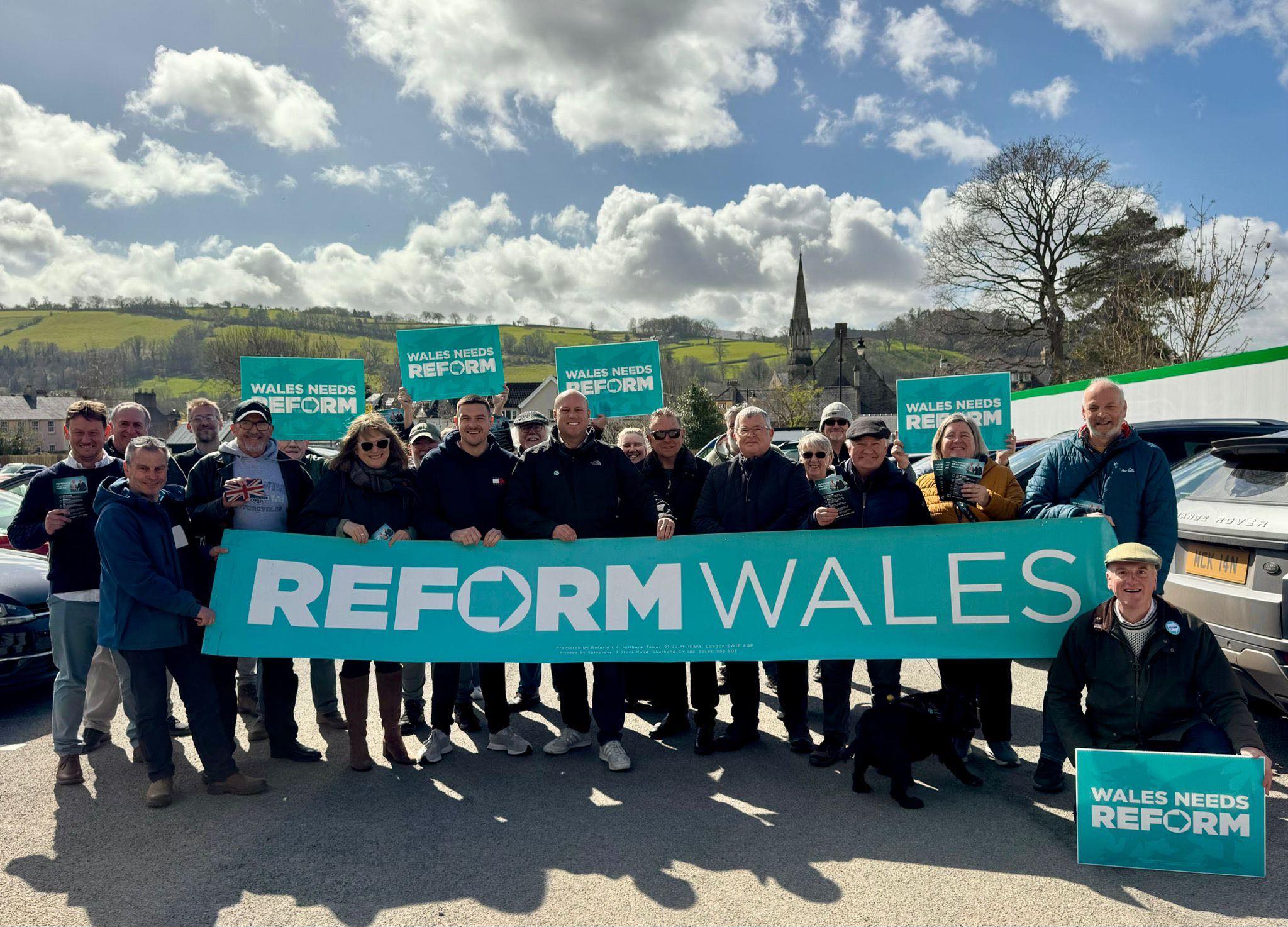
Party claims Plaid’s plans would strain public finances and increase pressure on services, while rivals insist Wales needs a different approach for Wales
REFORM UK has stepped up its attack on Plaid Cymru ahead of the Senedd election, accusing the party of making unaffordable spending promises and warning that its approach to migration would place further pressure on already stretched public services.
The criticism comes as the election campaign intensifies before polling day on Thursday, May 7, with Reform seeking to draw a sharp dividing line between itself and Plaid on both the economy and immigration.
Reform candidate Llyr Powell said Plaid was offering “fantasy economics”, pointing to analysis from the Institute for Fiscal Studies which said the party’s manifesto contained important question marks over how some of its commitments would be funded. The IFS warned that, with the Welsh budget already expected to be under strain, delivering Plaid’s plans could mean deeper cuts to unprotected services or increases in devolved taxes.
Mr Powell said: “This is exactly the kind of politics people are fed up with — big promises, no plan. The independent experts are clear: Plaid’s numbers simply do not add up.
“Families across Wales are already struggling with the cost of living. The last thing they need is a government quietly hiking taxes to cover unfunded promises.”

Reform Wales leader Dan Thomas also attacked Plaid over migration, claiming the party’s stance would add to pressures on housing, schools and the NHS.
He said: “Here in Wales we have a health crisis, an education crisis and a housing crisis.
“The last thing we need is a surge in immigration adding further pressure on hospitals, schools and communities.
“Vote Reform on May 7 to stop Plaid’s immigration surge.”

Plaid Cymru, however, has presented its manifesto as a programme for “real hope for the future of Wales”, with Rhun ap Iorwerth saying the party is offering renewal, practical action and a new direction for the country.
The party’s platform focuses heavily on health, childcare, education and economic development, arguing that Wales needs new leadership, new energy and new ideas after years of Labour-led government.
On migration, the wider Welsh Government position has been that international recruitment remains necessary in some sectors. Ministers have previously said that while domestic skills investment remains vital, international recruitment is still an important part of workforce strategy in the short to medium term.

That means the issue is likely to become an increasingly prominent dividing line in the run-up to polling day, with Reform arguing for a tougher stance while Plaid and others continue to frame migration as part of a broader workforce and economic challenge facing Wales.
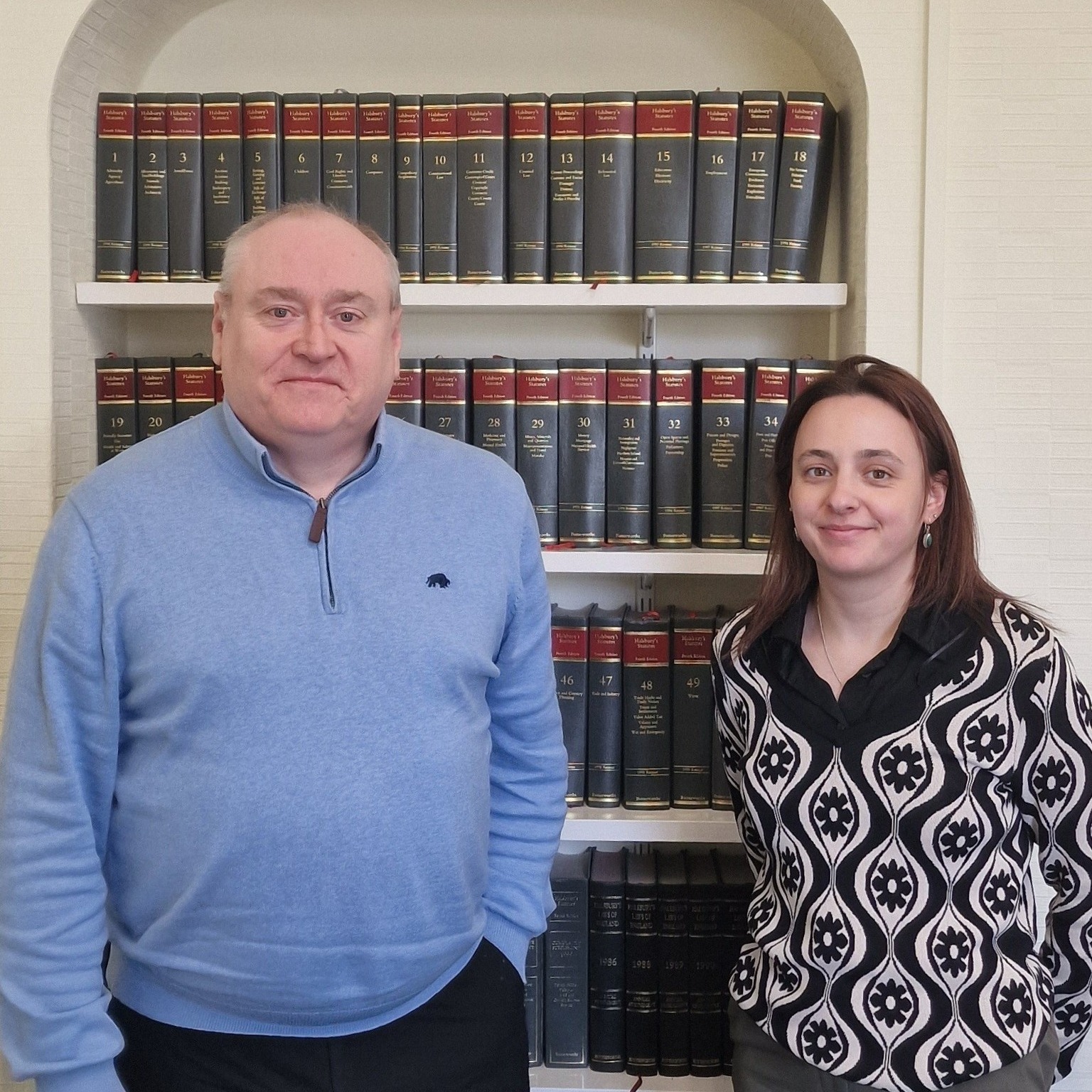
Pembrokeshire law firm confirms internal promotion after Lauren joined the business as a paralegal in 2024
LAUREN CLEWES has been promoted to trainee solicitor at Eaton-Evans and Morris Solicitors.
Lauren joined the firm in 2024 as a paralegal, working first with Helen Hodges and later with Pauline Mainwaring. Over the coming months, she will work alongside the firm’s fee earners across all departments as part of her training.
Sean Dyer, one of the firm’s directors (pictured), offered his congratulations on her promotion.


News6 hours ago
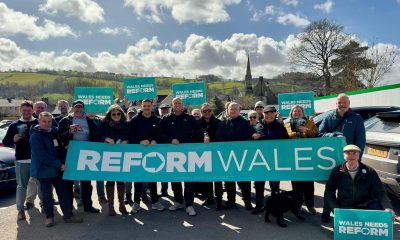
Reform attacks Plaid on spending and immigration ahead of Senedd poll
Party claims Plaid’s plans would strain public finances and increase pressure on services, while rivals insist Wales needs a different...


News7 hours ago
Emergency response after person enters water at Milford Haven marina
Casualty recovered as police, coastguard and lifeboat crews attend A MAJOR emergency response was launched at Milford Marina in Milford...


News1 day ago
Senedd election candidates confirmed as vote.wales goes live
Voters can now check who is standing in their constituency ahead of polling day on May 7 A TOTAL of...


Crime2 days ago
Police and partners launch summer crackdown after Tenby station stabbings
Extra patrols, more rail security and tougher action promised after violent disorder left four youths injured POLICE and partner agencies...


Crime2 days ago
Drug and weapon charges after Pembroke Dock arrest
Man remanded in custody following Diamond Street vehicle search A MAN has been remanded in custody after appearing at Swansea...


Crime2 days ago
Woman fights order taking four dogs from her
Swansea Crown Court hears appeal after long-running barking dispute in Trefin A PEMBROKESHIRE woman has told Swansea Crown Court that...


News2 days ago
Former county councillor Paul Dowson to stand in Ceredigion Penfro
Ex-Pembrokeshire member says he will offer voters a straight-talking independent alternative at the Senedd election FORMER Pembrokeshire county councillor Paul...

News3 days ago
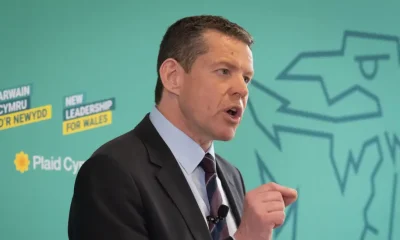
Plaid Cymru sets out childcare, NHS and child poverty pledges in 2026 manifesto
Rhun ap Iorwerth’s party says plan is radical and fully costed as it bids to lead next Welsh government PLAID...


Community3 days ago
Police intervene after post raises fears of planned Pembroke Dock fight
Extra patrols launched after social media alert in aftermath of Tenby stabbings POLICE intervened after an online warning raised fears...

Crime3 days ago
Man arrested after alleged child sexual assault in Haverfordwest
Police enquiries ongoing after incident in Castle Square A MAN has been arrested after an alleged sexual assault of a...
-

 Crime5 days ago
Four youths stabbed at Tenby railway station as two arrested
-

 Local Government5 days ago
Bridge works on Neyland-Burton road to continue into late April
-

 News5 days ago
Haverfordwest County AFC faces High Court winding-up threat from HMRC
-

 Entertainment4 days ago
Little Pigs at Home offers a peaceful sanctuary escape in Pembrokeshire
-

 Politics7 days ago
Pembrokeshire National Trust car park schemes approved
-
 Charity6 days ago
Angle RNLI answers string of call-outs across the Milford Haven Waterway
-
 Community6 days ago
Cosheston gypsy traveller 60 foot shed plans refused
-

 Crime4 days ago
Henry Tufnell responds after four youths stabbed in Tenby