


News
Look out for fake spirits this New Year

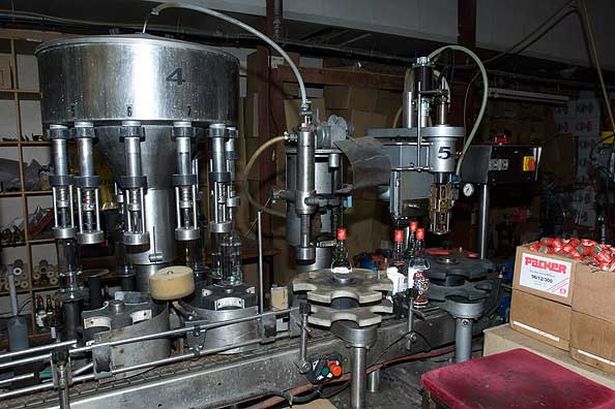

Glen’s Vodka: Fake on the right, original product on the left.
REVELLERS celebrating the New Year have been warned to watch out for deadly fake vodka being sold in the local area.
Party-goers are being asked to be vigilant after thousands of bottles of counterfeit vodka containing chemicals that could prove lethal have been discovered in several locations across the UK, including in South Wales. The Pembrokeshire Herald understands that high street retailers are now being alerted to the proliferation of fake drink on sale at bargain prices over the Christmas and New Year period.
The new warning comes after Trading Standards watchdogs seized 166 bottles of counterfeit vodka from three Luton shops.
And a raid on an illegal factory in The Midlands recently uncovered 20,000 empty bottles, filling equipment and empty cans of anti-freeze, according to police.
In Weston-super-Mare, fake bottles of Smirnoff found to contain a chemical used in anti-freeze were confiscated by the authorities.

In the Luton case, officers removed vodka branded Glen’s from shop shelves after noticing the label on the bottle said “Botteled” rather than “Bottled”.
Other vodka was found to have fake duty-paid labels. Three samples were found to contain dangerously-high levels of isopropanol, commonly used as an industrial solvent, and butanol which is used in paint remover.
A public health officer said: “Drinking these chemicals could cause serious illness or even death in extreme cases.
“Many unsuspecting consumers may think they are buying cheap duty-free alcohol, when they are actually buying fake and dangerous products.”
THE DANGERS
Properly produced and certified alcoholic drinks are made with ethanol – alcohol that’s safe to drink in moderation. But fake alcoholic drinks can be produced using other cheaper types of alcohol which can have serious adverse effects on your health.
Drinkaware’s Chief Medical Advisor Professor Paul Wallace explains: “Commonly used substitutes for ethanol include chemicals used in cleaning fluids, nail polish remover and automobile screen wash, as well as methanol and isopropanol which are used in antifreeze and some fuels. These other types of alcohol can produce similar effects to ethanol in terms of making you feel tipsy. But they are also potentially very dangerous.”
Drinking alcohol containing these chemicals can cause nausea and vomiting, abdominal pain, drowsiness and dizziness. Drinking it can lead to kidney or liver problems and even coma. Methanol, the substance which has been found in fake vodka can cause permanent blindness.

HOW TO SPOT FAKE ALCOHOL

Illegal: Vodka bottling plant in the Midlands
Jeremy Beadles, former Chief Executive of the Wine and Spirits Trade Association, believes most consumers won’t come across fake alcohol and says that it’s important to keep the problem in perspective. “The vast majority of alcohol in the UK is produced and sold legitimately,” he says. “Most pubs, corner shops, off licenses and other retailers are completely legitimate businesses and wouldn’t get involved with it.”
However, it’s important to know how to spot—and avoid—fake alcohol if you do come across it.
According to the Trading Standards Institute, people need to remember ‘the 4 Ps’: Place, Price, Packaging and Product.
1. Place: Make sure you buy from a reputable supermarket, off licence or shop. 2. Price: If a deal looks too good to be true, it most probably is. 3. Packaging: Look out for:
- Poor quality labelling, including things like spelling mistakes.
- UK duty stamp—spirits in bottles 35cl or larger and 30% ABV or higher have to have a duty stamp, which indicates that tax has either been paid or is due to be paid on the contents of the bottle. They’re usually incorporated into the label or stuck on the glass. If it’s not there, it’s illegal
- Properly sealed caps. If the seal is broken, don’t drink it. Even if it’s not illegal, it could have been tampered with.
- Fake bar codes. If you have an app on your mobile that scans bar codes, scan it and see if it’s listed as the correct product.
Product: Look out for fake versions of well-known brands and be wary of unusual brand names you haven’t seen before. Vodka, the most commonly counterfeited spirit, shouldn’t have any white particles or sediment in the bottle. If you see this, the vodka could have been diluted with tap water. If any alcohol tastes or smells bad, don’t drink it. Particularly look out for the smell of nail varnish.
If you come across what you think is fake alcohol contact the Pembrokeshire County Council trading standards team on 01437 764551.


Visit described as ‘coming home’ as Bishop Dorrien joins worshippers in Bro Lliedi
BISHOP DORRIEN marked Palm Sunday (Mar 29) with a series of visits and services across Llanelli, describing his return to the area as “coming home.”
The Bishop of St Davids spent the day in the Bro Lliedi Local Ministry Area, beginning with the main parish Eucharist at St Elli Church, where he both preached and presided.

Following the service, he joined members of the local ministry area for lunch, before spending time visiting parishioners in the community.
The day concluded with a Songs of Praise service in Felinfoel, bringing together worshippers for an evening of reflection and celebration.
As a token of appreciation for his visit, Bishop Dorrien was presented with a print of St Davids Cathedral.

The Bishop has strong personal ties to the Llanelli area, having served his title there earlier in his ministry. Speaking during the visit, he said returning to the town always feels like “coming home.”

Church leaders said the visit was a valuable opportunity for the Bishop to connect with congregations across the area during one of the most significant periods in the Christian calendar.
Palm Sunday marks the beginning of Holy Week, a central time of reflection for Christians leading up to Easter.
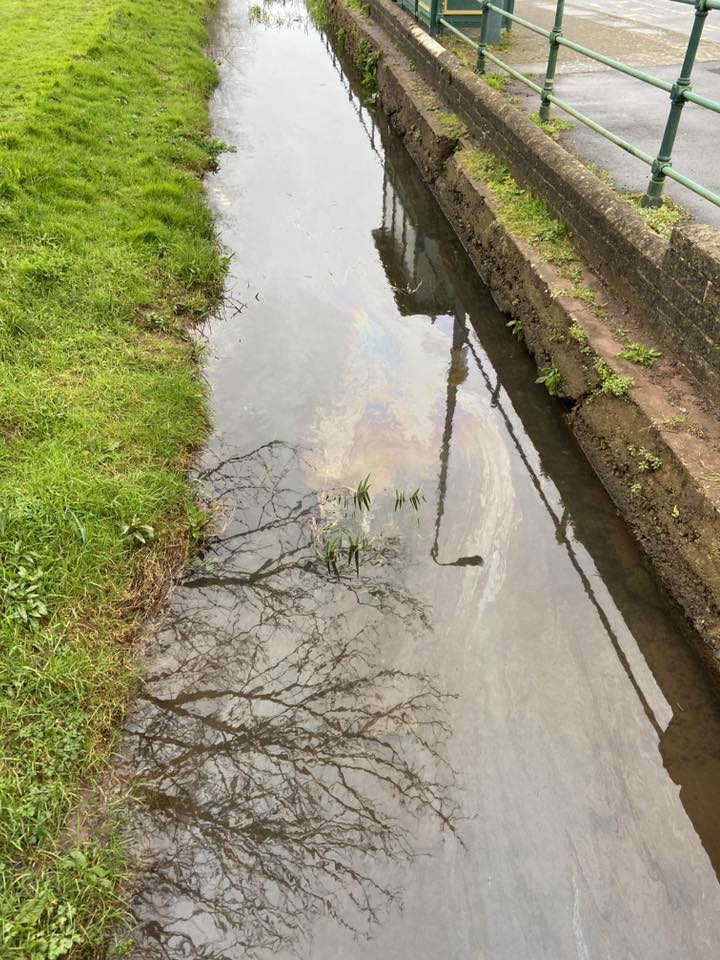
COUNCILLOR Jonathan Grimes, representing Pembroke St Mary South and Monkton, has issued an update following concerns over an oil spill affecting a stream on The Commons and Castle Pond in Pembroke.
Speaking after discussions with Natural Resources Wales, Cllr Grimes confirmed that response teams have been on site throughout the day working to contain the pollution and identify its source.
According to the latest update:
• The pollution has begun to subside, with the oil slick now breaking up
• Monitoring will continue over the weekend and into next week
• Forecast rain is expected to help disperse the remaining contamination
• The substance is believed to be domestic heating oil (kerosene), pending confirmation
• Investigators believe they have identified the source area and are taking steps to prevent further incidents
Cllr Grimes said he would continue to provide updates as more information becomes available.
The incident has sparked concern among residents, particularly over the potential impact on wildlife and the environment. Some have called for further action, including opening the sea gate to help flush the affected water.

A MULTI-MILLION pound housing and care development in Haverfordwest has officially moved into the construction phase, with groundworks now underway at the Tŷ Haverfordia site.
Contractor Wynne Construction has begun work on the scheme at the former Haverfordia House site, marking the milestone with a turf-cutting ceremony attended by project partners and local representatives.

The development will provide 26 sheltered apartments for people aged over fifty-five, alongside a purpose-built twelve-bed reablement centre aimed at supporting residents returning home from hospital and regaining independence.
The project is being delivered in partnership with Pembrokeshire County Council and is expected to play an important role in easing pressure on local health and social care services.
Developers say they will work closely with local suppliers and businesses during the build to maximise benefits to the regional economy.
Measures have also been put in place to minimise disruption during construction, including maintaining pedestrian access and ensuring parking arrangements remain in place for nearby facilities.
Once complete, the scheme is expected to provide modern, high-quality accommodation tailored to the needs of older residents, while helping to free up hospital capacity across west Wales.



News1 hour ago
Plaid Cymru launches bid to lead next Welsh Government
Party positions itself as ‘government-in-waiting’ ahead of May election PLAID CYMRU has formally launched its campaign for the 2026 Senedd...


Crime2 hours ago
Police appeal after attempted child abduction in Haverfordwest
DYFED-POWYS POLICE has launched an appeal for witnesses following a reported attempted abduction of a 12-year-old girl in Haverfordwest. The...


Crime1 day ago
Gunshot fired by police during incident in Milford Haven
A POLICE officer discharged a firearm during an incident in Milford Haven on Saturday evening (March 28), prompting an investigation...


Community2 days ago
Three Amigos Easter Run roars through Pembrokeshire
MOTORCYCLE enthusiasts turned out in force today (Saturday, March 28) as the popular Three Amigos Easter Run returned to the...


Education3 days ago
Ysgol Henry Tudor reassures parents over Sikh ceremonial kirpan
School says religious item worn by pupil is secured, symbolic and non-functional YSGOL HENRY TUDOR has moved to reassure parents...


Crime4 days ago
Teen jailed after starting fire while others slept
Fire set in shared home left sleeping residents at risk and caused £130,000 damage A TEENAGER who started a fire...

Health4 days ago
GP crisis driving NHS pressure in Wales, Senedd report warns
Falling GP numbers and funding gaps blamed for worsening hospital delays THE NHS crisis highlighted earlier this week is being...


News5 days ago
Reform reveals west Wales candidates for Senedd battle
Monkton councillor tops Pembrokeshire list as party confirms Carmarthenshire names and includes Haverfordwest councillor in unwinnable Swansea spot REFORM UK...


Health5 days ago
Clash over Withybush Hospital services as Paul Davies challenges First Minister
A HEATED exchange in the Senedd has laid bare growing tensions over the future of hospital services in west Wales....


Crime6 days ago
Police stop car in Pennar as three arrested in drugs investigation
Suspected drug driver report leads to major police response and multiple arrests DRAMATIC scenes were reported in Pennar on Monday...
-

 Business6 days ago
Taxi fare shock in Milford Haven as drivers switch to meters
-
 News5 days ago
Welsh Government outlines progress on flood resilience plans
-

 Community4 days ago
Hero female officer keeps job after sexual touching finding
-

 Health6 days ago
Average of 18 deaths a week in Wales linked to A&E delays, figures reveal
-
Education3 days ago
Ysgol Henry Tudor reassures parents over Sikh ceremonial kirpan
-
Crime6 days ago
Police stop car in Pennar as three arrested in drugs investigation
-
 Business4 days ago
Popular Italian restaurant hit with £278,000 tax bill plus £186,000 fine
-

 Community6 days ago
Calls to block Withyhedge landfill expansion amid ‘worst in Wales’ claims