


News
Costly mistake or cultural vision gone wrong? Gilestone Farm row deepens

Senedd report slams Welsh Government over £4.25m farm deal as critics demand answers
A CONTROVERSIAL land deal at Gilestone Farm has come under renewed fire following a damning Senedd committee report, prompting fierce criticism from the Welsh Conservatives and raising serious questions about governance, transparency, and the use of public money.
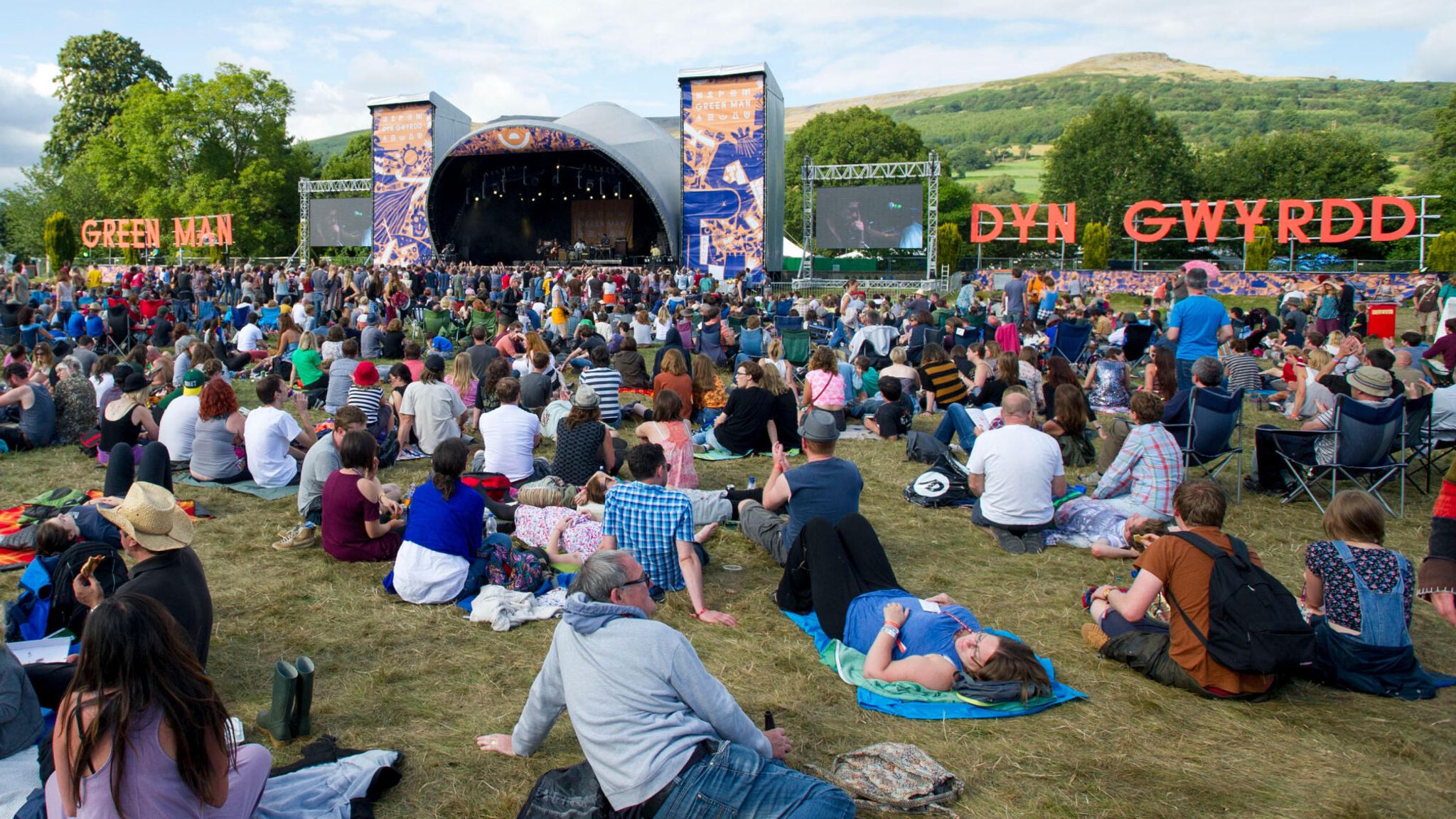
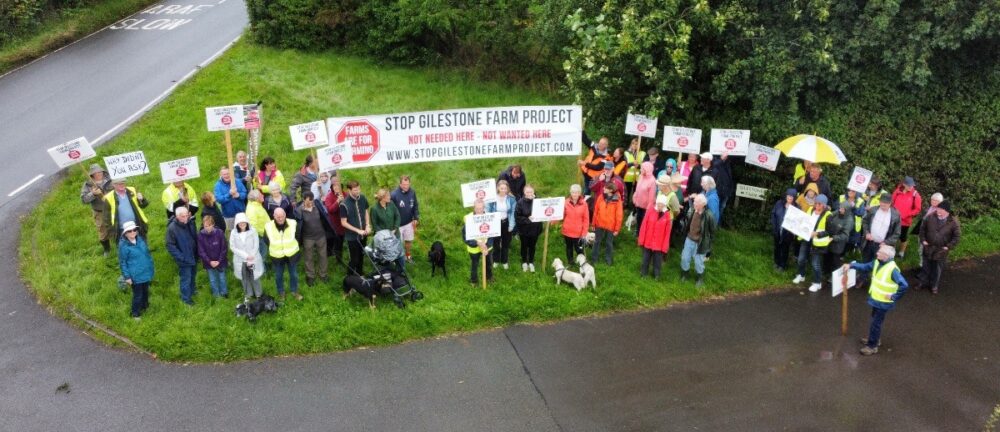
The 250-acre site in Talybont-on-Usk was purchased by the Welsh Government for £4.25 million in March 2022 with plans to support the Green Man Festival’s expansion into Mid Wales. But a new report by the Senedd’s Public Accounts and Public Administration Committee paints a picture of rushed decision-making, poor documentation, and a lack of community engagement.
Rush to spend before year-end
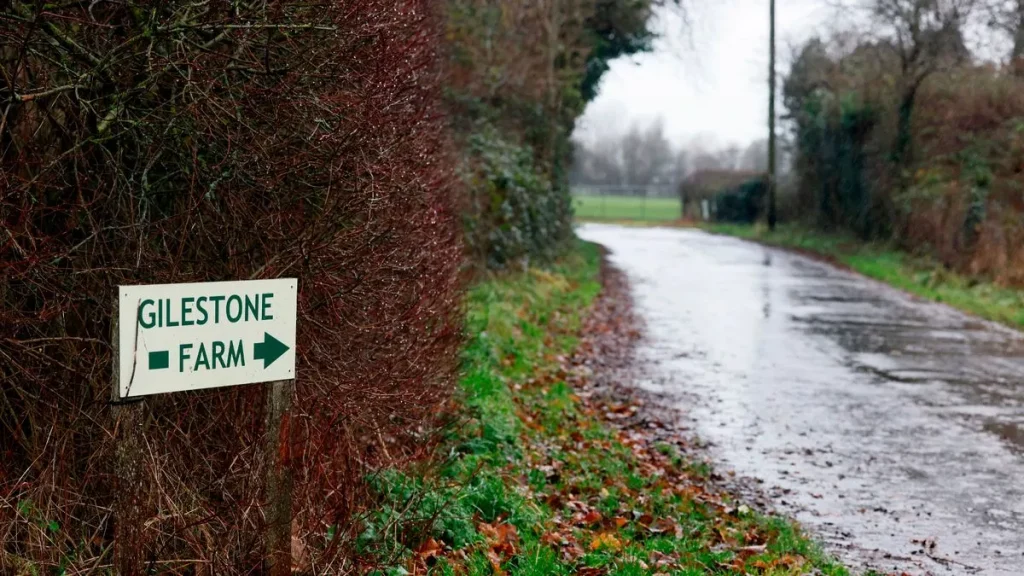
The committee found that the purchase was driven by pressure to spend budget before the financial year ended, rather than any strategic plan. The Government proceeded with the acquisition before receiving a full business case from Green Man organisers and without fully assessing environmental or planning constraints.
Key meetings went unrecorded, formal consultation was bypassed, and no competitive process was held to evaluate alternative proposals for the land. The Auditor General had previously raised red flags over the deal, citing weak internal controls and governance failures.
Value plunges by half a million
In written responses to the Senedd, ministers have since confirmed that the site is now worth approximately £3.75 million—down £500,000 from the original purchase price, representing a drop of more than 10 per cent in just over two years.

This devaluation has fuelled opposition claims that taxpayers have been left out of pocket by a poorly managed vanity project. The Welsh Conservatives have labelled the farm “the most expensive publicly owned bird nest in history”—a reference to the ospreys that have since taken up residence on the land, effectively blocking any large-scale development.
Ospreys halt festival dream

Initially billed as a hub for creative industry growth—with ambitions to host events, glamping, a bakery and regenerative farming—the Gilestone plan was quickly derailed when a pair of nesting ospreys arrived in 2023. Their return this year and the successful hatching of a chick in June triggered an automatic exclusion zone around the nest, putting paid to Green Man’s expansion hopes.
The Government has since admitted that it had not factored in the environmental impact of protected species when it purchased the site.
Calls for a full inquiry
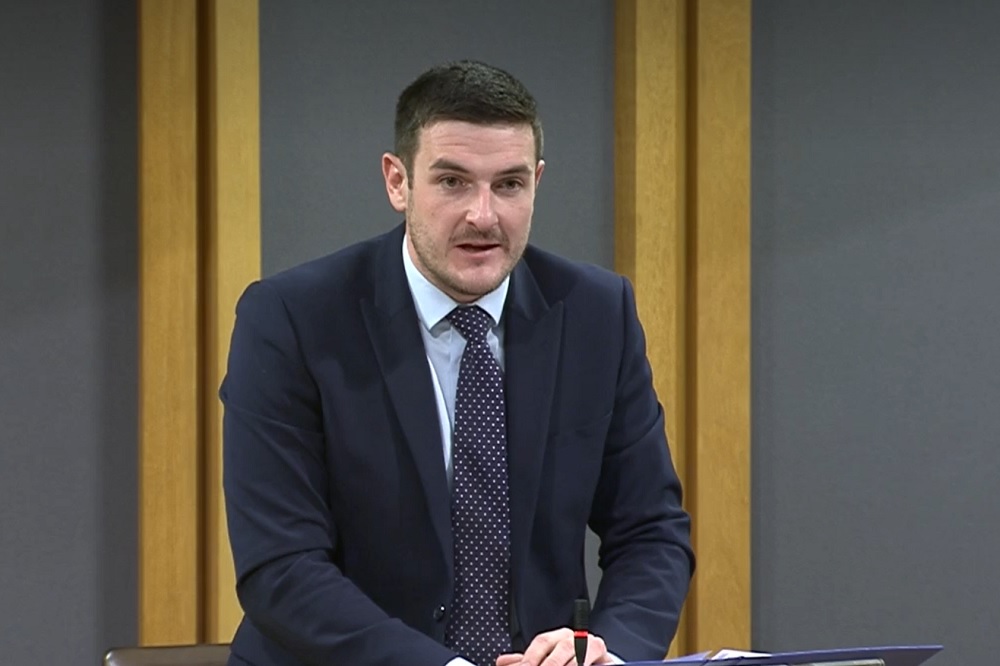
James Evans MS, who represents Brecon and Radnorshire, said this week that the purchase should never have happened. He and other Conservatives argue that Labour ministers bypassed normal procedures, ignored local views, and failed to act with transparency.

The Senedd committee has now made eight formal recommendations, calling for new rules on property acquisition, better documentation, stronger audit trails, and greater involvement from communities before public money is spent on land projects.
Among their proposals is a wider inquiry into how the Welsh Government manages and invests in public land—a move likely to attract cross-party support in the wake of the Gilestone scandal.
Still no clear future for the site
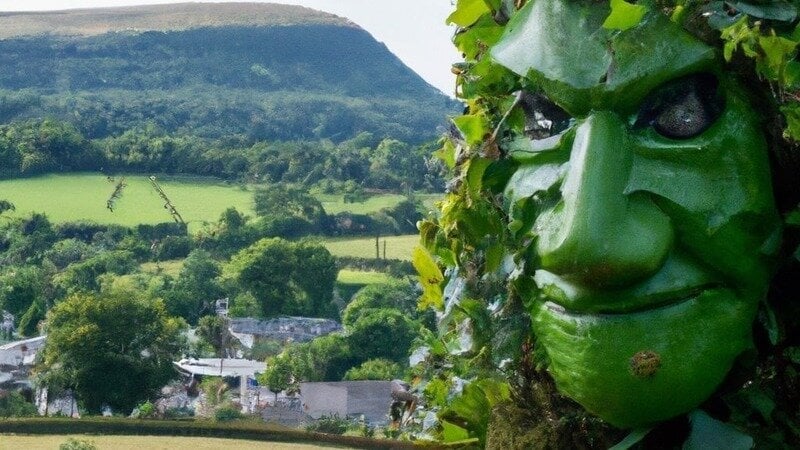
As it stands, Gilestone Farm remains in public ownership with no clear purpose. The Green Man team has withdrawn from its original proposal, and no replacement project has been announced. Despite the significant investment, the land cannot be developed due to ecological restrictions and remains largely dormant apart from conservation activity.

The Welsh Government has said it will consider the committee’s recommendations and provide a full response in due course. In the meantime, critics say the affair highlights a deeper culture of poor oversight in Cardiff Bay and a disregard for financial prudence.
With taxpayers footing the bill, and a key development site tied up in environmental red tape, Gilestone Farm may yet become the symbol of a government too eager to spend and too slow to think.
Gilestone Farm: Key facts
- Purchased: March 2022 by Welsh Government
- Cost: £4.25 million
- Valuation loss: £500,000 as of March 2025
- Original plan: Creative industry hub for Green Man Festival
- Outcome: Plans abandoned after protected ospreys nested on site
- Status: Publicly owned, no active use

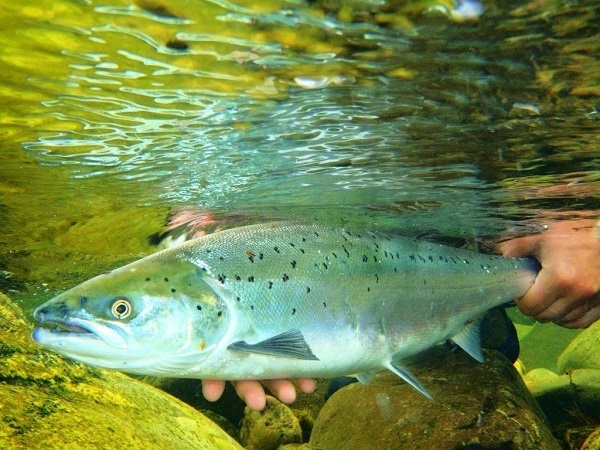
Environment watchdog says Wales is at a “critical tipping point” as nature declines faster than it can recover
SALMON could disappear from some Welsh rivers within the next five years, according to a stark new assessment of the nation’s environment.
The warning comes in the State of Natural Resources Report 2025, published by Natural Resources Wales (NRW), which concludes that Wales is degrading its natural resources more quickly than they can be replenished.
NRW says nearly one in five species in Wales is now at risk of extinction, with freshwater ecosystems among the most pressured. Atlantic salmon, already in long-term decline, are highlighted as being particularly vulnerable, with some river systems potentially losing the species altogether by 2030 if current trends continue.
The report describes the environment as being under “sustained and intensifying pressure”, driven by the combined effects of climate change, pollution, habitat loss and unsustainable land use. It also states that Wales is consuming more than its fair share of global natural resources, placing further strain on already fragile ecosystems.
One of the most concerning findings is that there has been no overall improvement in the resilience of Wales’ freshwater environments since 2020. Only around 40 per cent of water bodies are currently achieving what is classified as “good status”, while fish populations and river habitats continue to deteriorate.
Speaking after the report’s publication, NRW chair Neil Sachdev said restoring nature could not be left to environmental bodies alone.
“Our report shows that restoring nature is a whole-society challenge,” he said. “It demands collective ownership across public bodies, businesses, communities and citizens.
“This is not just a warning about our future; it is a reckoning with our present. If we act now, with urgency and shared ownership, Wales can lead not just in ambition, but by delivering the scale of transformation the nation needs.”
The report argues that avoiding a deepening environmental and climate crisis will require fundamental changes to how people live, including how homes are heated, how food is produced and consumed, how people travel, and how land is managed.

Despite the bleak assessment, NRW notes that some progress has been made since its previous major report six years ago. Peatland restoration projects, tighter air-quality legislation, the Sustainable Farming Scheme and the Wales Metal Mines Programme are cited as targeted interventions beginning to address long-standing problems.
Commenting on the findings, Derek Walker, the Future Generations Commissioner for Wales, warned that environmental failure would hit the poorest communities hardest.
“Nature is one of our most powerful allies – preventing flooding, reducing pollution and protecting our health,” he said. “Without urgent, coordinated action to halt and reverse this decline, we are quite literally putting lives at risk unnecessarily.”

He pointed to nature-based solutions already being used in Wales, from urban green roofs to seagrass restoration, and said every part of the public sector needed to play a role in unlocking their potential.
Responding on behalf of the Welsh Government, Deputy First Minister Huw Irranca-Davies said the report would play a key role in shaping future policy.
“Protecting and enhancing nature is essential for people today and for future generations,” he said. “Wales has made real progress, but we need to go further again.
“This report sets out how we can work together to restore nature, tackle pollution and build resilience to climate change. The Welsh Government will lead this work alongside partners across the public sector, business and communities to turn evidence into meaningful action.”
For rivers across West Wales, including those once famed for their salmon runs, the report makes clear that time is now a critical factor — with decisive action needed if iconic species are to be saved from disappearing altogether.
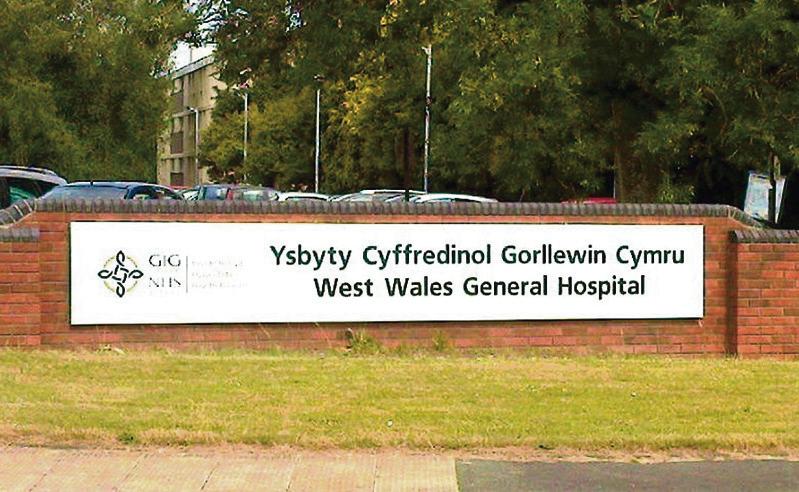
From sleeping on chairs to parking fines, patients say everyday barriers are pushing the NHS to breaking point
PATIENTS across West Wales are describing a health service under such strain that some say they now expect to be penalised simply for trying to access care.
At Glangwili Hospital, stories of patients sleeping on chairs for days due to a lack of beds have been accompanied by growing frustration over issues that begin long before anyone reaches a ward — including parking, access, and the sheer difficulty of getting through the hospital doors.
One disabled patient said they had resigned themselves to receiving a £25 parking fine in order to attend hospital appointments.
“I now accept I will be fined,” they said. “Parking is impossible, but it’s that or miss my appointment. I am too disabled to park miles away and the disabled spaces are always full.”
Others have described spending days in A&E or side rooms, unable to lie down, while waiting for a bed to become available. One patient admitted on New Year’s Day with pneumonia said they slept in a chair for four nights without a pillow or blanket before being moved, only to later discover they also had flu and should have been isolated sooner.
Across social media and in correspondence with the Herald, patients and families repeatedly stress that frontline NHS staff are not to blame — instead pointing to a system that they say is buckling under years of structural strain.
Glangwili, the largest hospital managed by Hywel Dda University Health Board, serves Carmarthenshire and is home to the county’s only accident and emergency department following the closure of A&E at Prince Philip Hospital. That closure, along with reductions in services elsewhere, is frequently cited by patients as a turning point.
Several people said the loss of local A&E and cottage hospitals has forced more patients into already stretched units, increasing ambulance reliance and long-distance travel — particularly difficult in a largely rural region.
Further west, uncertainty over services at Withybush Hospital continues to fuel anxiety, especially given the scale of reinforced autoclaved aerated concrete (RAAC) identified across the site.
Hywel Dda has acknowledged that almost 90% of Withybush is affected by RAAC, while Glangwili itself is the oldest acute hospital in Wales. The health board says more than £50 million has been spent on the two hospitals in recent years, largely to address critical safety and infrastructure risks rather than expand capacity.
Patients, however, question where that money is felt on the ground.
Some have criticised NHS procurement and management structures, while others point to social care as the missing piece. Repeated comments highlight the lack of care packages and closed care homes, which many believe are leaving medically fit patients unable to be discharged — effectively blocking beds and creating bottlenecks throughout the system.
“There’s nowhere for people to go,” one reader said. “Until social care is sorted, nothing will change.”
Concerns have also been raised about staff morale, with some alleging bullying cultures and burnout contributing to recruitment and retention problems. Again, blame is consistently directed upward rather than at nurses, doctors or porters.
Behind it all looms the long-promised new ‘super hospital’ for Carmarthenshire — first discussed in 2006 and formally launched in 2018. Eight years on, construction has yet to begin, and public confidence in the project is fading.
While Hywel Dda and the Welsh Government insist improvements are under way — including additional funding to expand capacity at Glangwili and improvements to patient experience — many patients say their reality feels far removed from official assurances.
For those attending appointments, sleeping in chairs, or weighing up a parking fine against missing care, the crisis is no longer abstract.
“It’s not politics,” one patient said. “It’s whether you get treated — and how.”
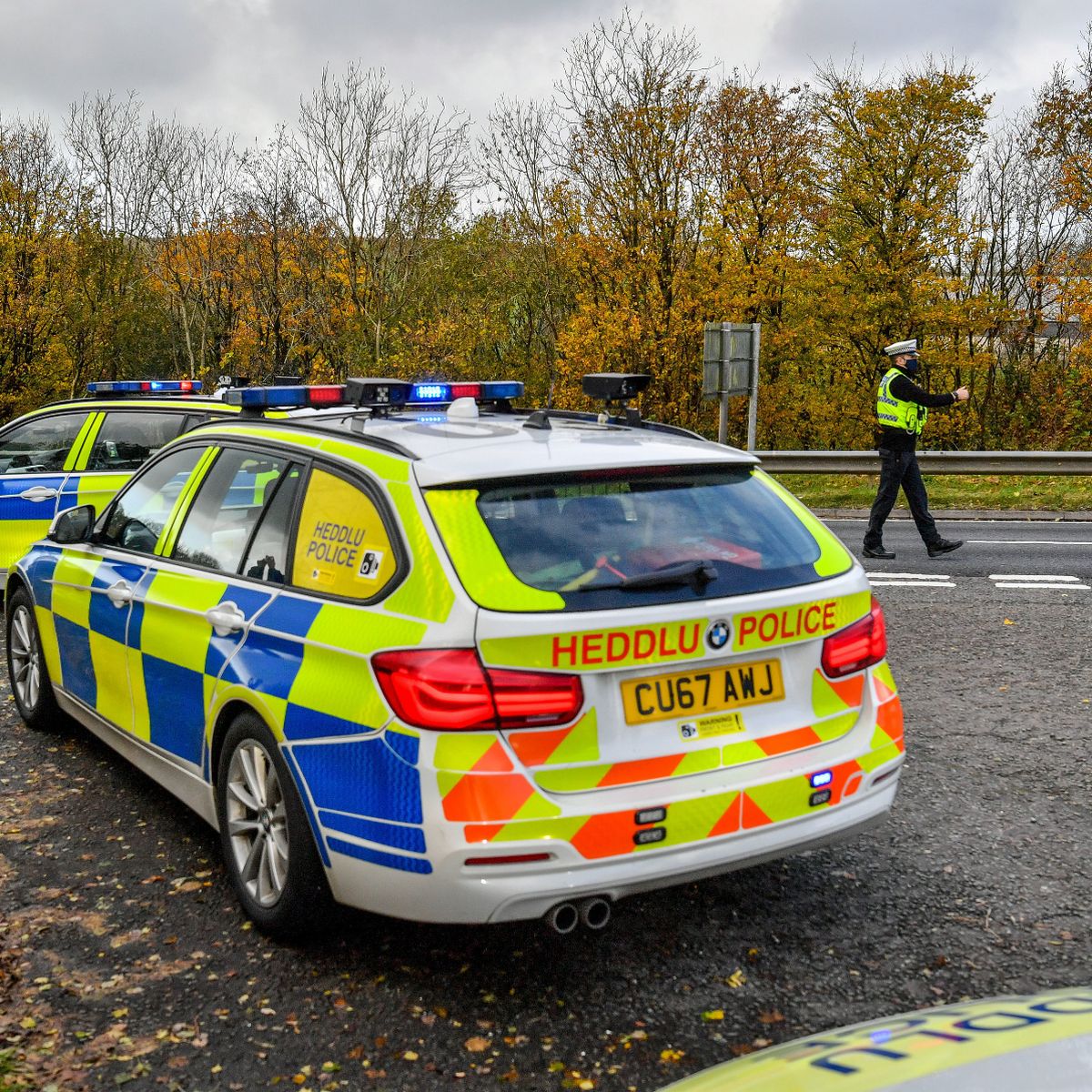
TWO men have been arrested on suspicion of shoplifting following a rapid police response to a reported high-value theft at a supermarket in Kilgetty.
Dyfed-Powys Police said officers were called to the Co-op store at around 3.35pm on Wednesday (Jan 28), after a report that a large quantity of alcohol and other items had been stolen.
Using information provided by the caller, Roads Policing Unit officers worked closely with control room staff to identify a vehicle believed to be involved. Several patrol cars were deployed, and the vehicle was located a short time later travelling east.
Police said the safety of all those involved was treated as a priority, with specialist Tactical Pursuit and Containment (TPAC) advice obtained while officers maintained constant observation of the vehicle.
The car was brought to a safe stop on a back road approaching Hendy, involving three Roads Policing Unit vehicles. No injuries or damage were reported.
Following roadside checks, two men — aged 67 and 46 — were arrested on suspicion of theft from a shop.
Both remain in police custody while enquiries continue.
Police said the swift response helped prevent further offending and demonstrated the effectiveness of specialist roads policing officers acting on real-time intelligence.


Health13 hours ago
Consultation reveals lack of public trust in health board
EARLIER this week, Hywel Dda UHB published the results of a consultation into the future configuration of its clinical services....

Community14 hours ago
Specialist team searches River Teifi in ongoing hunt for missing man
A SPECIALIST search team has carried out a renewed and highly technical search of the River Teifi in Cardigan as...

News1 day ago
Wales’ first minister keeps distance from Starmer before May vote
Senedd race not Westminster THE FIRST MINISTER has moved to draw a clear dividing line between the Welsh Labour campaign...
News2 days ago
Kurtz raises Gumfreston flooding in the Senedd as petition deadline nears
LOCAL Senedd Member Samuel Kurtz has raised the long-running flooding problems affecting the B4318 at Gumfreston in the Senedd, as...

Community2 days ago
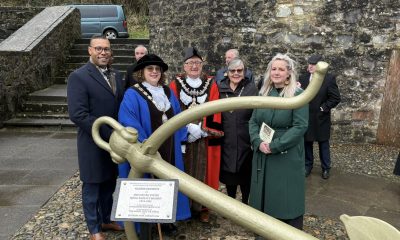
Anchor re-dedicated to mark 30 years of US–Haverfordwest ties
Service honours shared history, service and friendship on the Quayside A SYMBOL of Haverfordwest’s wartime and Cold War connections with...


Business2 days ago
Senedd urged to act as Welsh pubs fall further behind England on business rates
Industry leaders warn of closures and job losses as pressure mounts on ministers to pass on funding PUBS across Wales...


Crime3 days ago
Haverfordwest man jailed for online death threat
A Haverfordwest man has been sentenced to a year in prison after sending a threatening message online. Michael Carruthers, 34,...

Community3 days ago
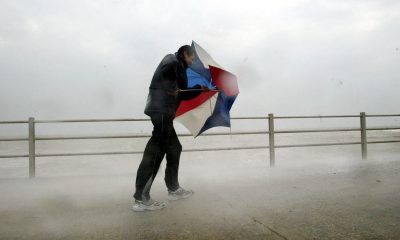
Storm Chandra: Morning impacts across Pembrokeshire
HEAVY overnight rain and strong winds brought by Storm Chandra have caused disruption across Pembrokeshire, with fallen trees and localised...


Business3 days ago
Business voices heard as Kurtz and Davies urge action on business rates
LOCAL businesses from across West Wales have voiced serious concerns about the impact of business rates at a dedicated roundtable...

Crime3 days ago
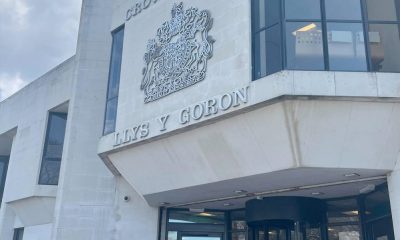
Milford Haven man appears in court charged with burglary and GBH
Bail granted with tagged curfew and ban from Pembrokeshire A MILFORD HAVEN man has appeared in court charged with burglary...
-
Health6 days ago
Health Board to decide on future model for nine clinical services
-
 News2 days ago
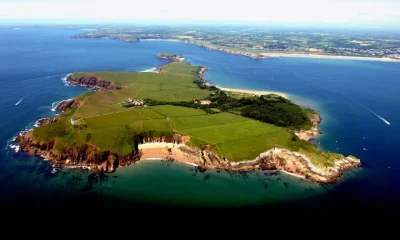
Caldey still unsafe, survivors warn — despite Abbey’s reform claims
-

 Business7 days ago
New planning rules could block Welsh pubs from running pop up campsites
-

 Crime7 days ago
County lines gang operating from Chessington to west Wales jailed
-
 Health6 days ago
Pembroke Corn Store footpath overlooking castle closed after landslip
-
 Climate5 days ago
Petition opposing climate emergency reaffirmation and ‘tax hikes’ to be heard
-
 Community7 days ago
Council to hear Pembrokeshire genocide pensions petition
-
 Community7 days ago
Flood alert issued for Pembrokeshire coast as high tides and conditions raise risk