


Politics
Welsh Government ‘lacks urgency’ amid ‘crisis’ for vulnerable children


A HUMAN rights expert has accused the Welsh Government of lacking urgency in dealing with what a senior judge called the “single biggest crisis point” for vulnerable children.
Rhian Croke, from the Children’s Law Centre based at Swansea University, expressed concerns about ministers’ sluggish response to a Senedd inquiry’s recommendations.
The Senedd’s children’s committee called for an analysis of the use of deprivation of liberty orders – court orders which severely restrict children’s freedoms – by December 2023.
But, nearly two years on, Dr Croke warned: “We have not seen any evidence that the Welsh Government has completed or published the analysis it committed to undertaking.”
She added: “While we welcomed this commitment, we noted at the time that the response lacked urgency and did not set out a clear action plan to address the immediate needs of the highly vulnerable children affected by deprivation of liberty orders in Wales.”

Dr Croke explained: “Some children with complex needs require placement in secure accommodation, if there is a risk to their safety and/or others.
“However, where placements are unavailable or unsuitable… the high court may use its inherent jurisdiction to authorise deprivation of liberty, often resulting in children being placed in unregulated or unregistered accommodation – sometimes far from home.”
Nicholas Francis, then-family division liaison judge for Wales, echoed concerns about a rise in deprivation of liberty (DoL) orders due to a lack of suitable secure accommodation.
Giving evidence to the children’s committee inquiry in 2023, Sir Nicholas told Senedd Members: “For me, doing the job that I’ve been doing in Wales in recent years, this is the single biggest crisis point – it is absolutely desperate.

“You don’t put somebody under a deprivation of liberty order unless you are absolutely at the extreme end of trouble and I think it’s a terrible problem.”
The now-retired judge warned of a lack of places for children “who are at the extreme end of suffering, either at very serious risk to their own lives or possibly the lives of others”.
He recalled one case where a troubled young woman was moved every week from one secure placement to another due to lack of suitable registered accommodation.

Sir Nicholas explained: “And she’s moved every week because if she stays in an unregistered place for more than a week, they’re going to be prosecuted.”
Dawn Cavanagh, from Pembrokeshire, founded the Stolen Lives campaign led by families whose loved ones have been trapped in hospitals due to a lack of community support.
She urged the Welsh Government to follow through on its commitment to the human rights and welfare of care-experienced children and young people in Wales.
“Children subject to a DoL are among the most vulnerable,” she said. ”They are not complex – they are children with needs arising from early adversity like abuse, trauma or neglect.
“A failure of services to provide adequate support leads to crisis situations where they are sometimes placed in unsuitable, unregistered and restrictive environments.
“DoLS are often used to manage risk rather than provide genuine support or promote therapeutic recovery for the child.
“The Welsh Government urgently needs to carry out its analysis and improve the type and availability of provision required to meet the needs of these vulnerable children.”
In her letter, Dr Croke urged politicians to seek an update on progress in implementing the inquiry’s recommendations. And, on Monday (September 22), members of the equality committee agreed to write to the Welsh Government for an update.



A CALL to back feasibility funding which may ultimately see new leisure centres in both Milford Haven and Pembroke, as well as a multi-million grant to keep Tenby’s pool running for at least a decade, has been backed by senior councillors.
At the March 16 meeting of Pembrokeshire County Council’s Cabinet, members were asked to approve a leisure investment programme including feasibility funding for new leisure centres in Pembroke and Milford Haven, along with works at Tenby leisure centre, with the aim of extending the lifespan of the trust-run swimming pool by at least 10 years.
A report for members said of Pembroke and Tenby leisure centres that “the advancing age of the buildings, combined with the end-of-life cycle of a number of key components, has now resulted in the need for a significant replacement programme across both sites”.
To replace Tenby pool on its current footprint would be approximately £27.47m, with efforts to identify a viable alternative site within the town’s catchment area unsuccessful.
For Pembroke Leisure Centre, it says costs to extend the lifespan of the 1974-built pool by 10 years would be £8,288,418.
For Milford Haven Leisure Centre, the report said a condition survey “highlights significant areas that require attention, including, for example, building structure (metal cladding, roof) and mechanical and electrical works,” with an estimated cost over a 30-year period to address all findings at some £12,677,279, £5.6m of that over the next four years.
For Tenby, the aim is to extend its lifespan by at least a decade, with a grant to the charitable trust running the pool.
Members backed a long string of recommendations, subject to future decisions of Cabinet in accordance with the governance arrangements in the Capital Strategy to approve individual projects and put them into the capital programme.
For Pembroke this includes a detailed feasibility study for a new-build Leisure Centre in Pembroke, on the current school site, providing a feasibility budget of £195,000 from reserves.
For Milford Haven, members backed £1.2m (at risk) in the capital programme to develop a high-level leisure brief into the tender of the new English Medium primary and secondary school project in Milford Haven, and the preconstruction services to develop the project designs (to RIBA 4, Detailed Design) for a new leisure centre at the same time as the school.
For Tenby, members backed a grant of £4,606,667 to the Tenby and District Swimming Pool Association, as owner of the asset, for works to extend the lifespan of the current swimming pool by at least 10 years.
Members also backed other recommendations including £50,000 from reserves to procure external funding consultants to identify and secure as much funding as possible towards the delivery of the investment programme, and to establish a leisure operations review board to undertake a formal review of the leisure services operating model.


Welfare groups celebrate historic decision as pressure mounts for UK-wide ban
ANIMAL welfare charities have welcomed the Senedd’s decision to ban greyhound racing in Wales, describing the move as a “landmark moment” that will prevent the “needless suffering” of thousands of dogs.
The vote, passed on Tuesday (Mar 17), will see greyhound racing outlawed in Wales following a transition period, making it the first UK nation to take such action.
A coalition of leading charities, including Dogs Trust, Blue Cross, RSPCA Cymru, Hope Rescue, and Greyhound Rescue Wales, said the decision marked a major victory for animal welfare.
The group, known as the Cut the Chase coalition, has campaigned for years to end greyhound racing, citing concerns over injuries, deaths, and poor living conditions for dogs involved in the sport.
Owen Sharp, Chief Executive of Dogs Trust, said: “Today’s vote in Wales is a landmark moment for dog welfare and a huge step towards ending the needless suffering of greyhounds.”

“For too long, dogs have paid the price for this outdated form of entertainment, with injuries and deaths that are entirely preventable.”
Figures cited by campaigners suggest that since 2017, more than 4,000 greyhounds across the UK have died or been put to sleep due to racing, while over 35,000 injuries have been recorded.
Charities argue that racing greyhounds around oval tracks places significant strain on their bodies, often leading to serious or fatal injuries. Concerns have also been raised about conditions away from the track, including kennelling, transport, and long-term welfare.
Chris Burghes, Chief Executive of Blue Cross, said the legislation would finally bring an end to what he described as a “cruel so-called sport”.
He added: “The death of just one racing dog is one too many. We are ready to support the rehoming of retired greyhounds and ensure they receive the care they need.”
Hope Rescue, which led a public petition attracting more than 35,000 signatures, said the decision reflected strong public support for a ban.
Its Chief Executive, Vanessa Waddon, said: “We are proud that our campaign has helped secure this historic win. Wales has put animal welfare first.”

Greyhound Rescue Wales described the decision as “transformative”, with Chief Executive Claire James saying it would end a practice that had persisted despite years of campaigning for reform.
The RSPCA also welcomed the vote, with Chief Executive Jo Rowland stating that the level of injury and death linked to racing was “simply unacceptable”.
Attention will now turn to Scotland, where a similar vote is expected on Wednesday (Mar 18). Campaigners are also urging the UK Government to introduce a ban in England and Northern Ireland.
Charities say Wales’ decision could set a precedent for the rest of the UK, as pressure grows to phase out greyhound racing nationwide.
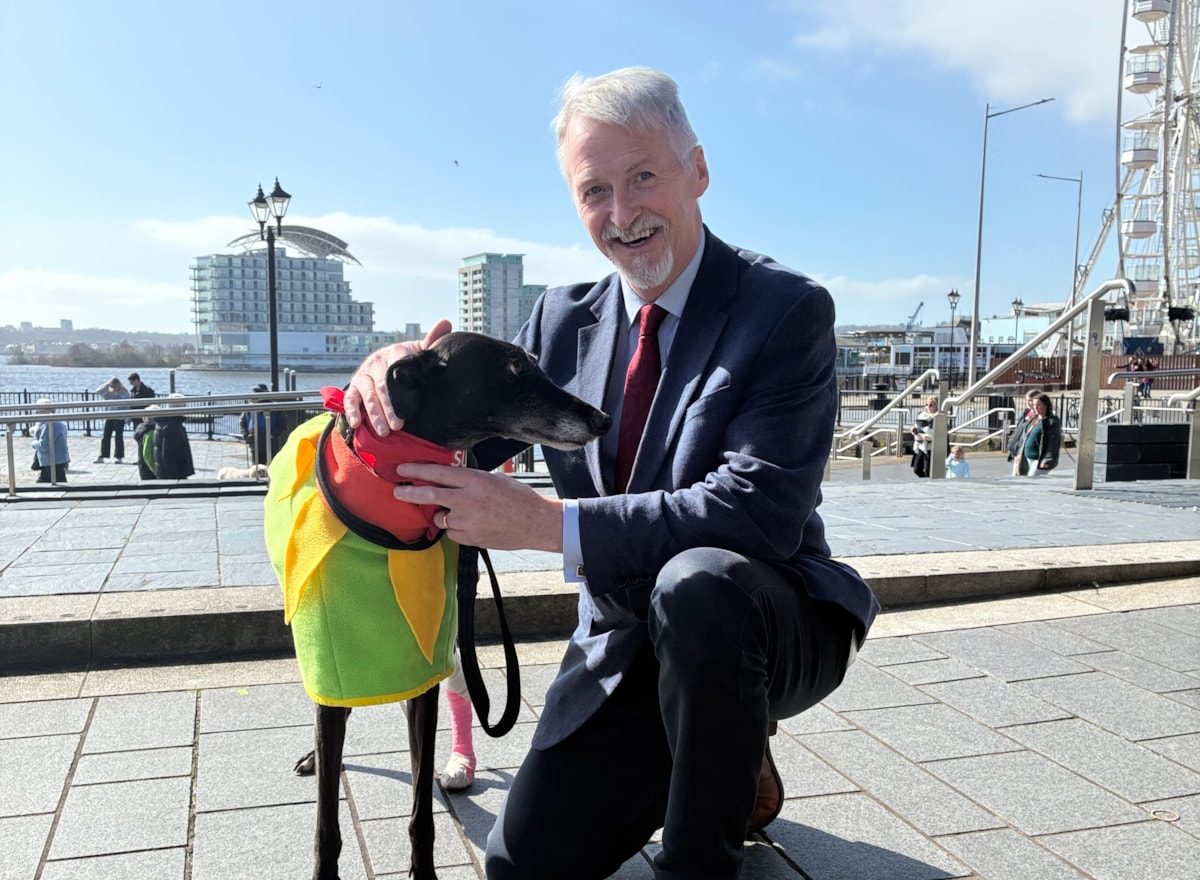
GREYHOUND racing will be banned in Wales after Senedd Members voted in favour of new legislation aimed at protecting the welfare of racing dogs.
The Bill introduces a phased transition period to allow the industry to wind down responsibly, strengthen rehoming arrangements for retired greyhounds, and give enforcement bodies and local authorities time to prepare for the change. The ban is expected to come into force between April 1, 2027 and April 1, 2030.
The legislation reflects a clear policy decision that the risks associated with greyhound racing – including injuries, fatalities and poor outcomes for dogs after their racing careers end – can no longer be justified. Despite efforts by parts of the industry to improve standards, harm to greyhounds has remained a persistent concern.
Huw Irranca-Davies, Deputy First Minister with responsibility for Climate Change and Rural Affairs, said: “Wales is a progressive nation, committed to ethical standards and forward-thinking legislation. This Bill strengthens our reputation as a leader on animal welfare and delivers the standards that the people of Wales rightly expect.”
The move follows significant public engagement, with thousands of people, campaigners and organisations contributing through petitions, consultations and personal testimony. Their input has played a central role in shaping the legislation.
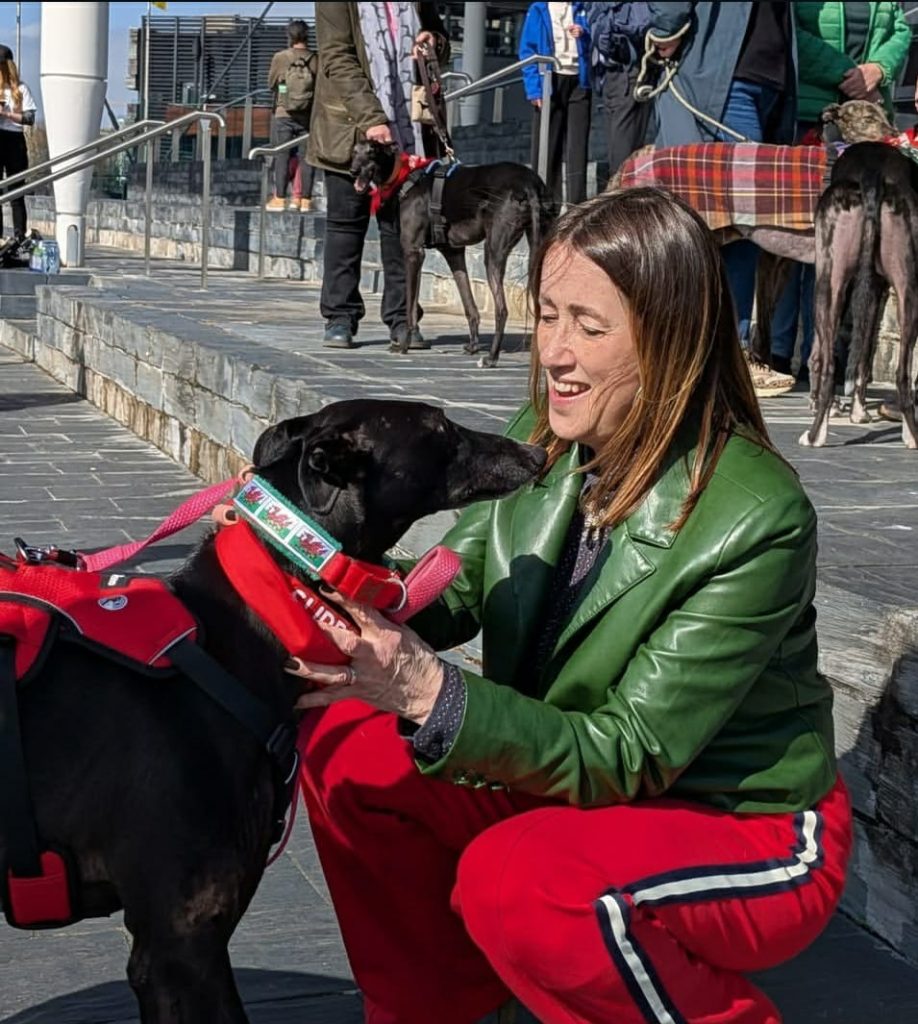
Commenting on the news that the greyhound racing ban has been passed by the Senedd, Welsh Liberal Democrat Leader Jane Dodds MS, who has spearheaded the campaign, said “This is a massive victory for animal welfare, and I’m proud that the Welsh Liberal Democrats have helped deliver it.
“Today, Wales has made a clear statement about the kind of nation we want to be: compassionate, forward-looking, and willing to act when the evidence demands it.”



News5 hours ago
Scott Thorley elected as Pembrokeshire’s first Reform councillor
REFORM UK candidate Scott Thorley has won the Hakin by-election after securing 179 votes. The full result is as follows:...


News12 hours ago
Police confirm man has died after being recovered from River Cleddau
Major emergency response in town centre after concerns raised for man in water A MAN has died after being recovered...


Community12 hours ago
Davies and Kurtz urge groups to seek employability funding
Community organisations in Pembrokeshire encouraged to apply for new grants supporting skills and job access LOCAL Senedd Members Samuel Kurtz...


News14 hours ago
Emergency services flood Haverfordwest after reports of person in river
Town centre sealed off as multi-agency response continues A MAJOR emergency response is underway in the centre of Haverfordwest after...


News14 hours ago
Detectives receive surge of new information in bid to identify man found at Powys reservoir
Public response follows release of facial image as officers pursue fresh lines of enquiry DETECTIVES investigating the identity of a...


News1 day ago
Senedd committee urges next Welsh Government to prioritise Wales–Ireland links
A SENEDD committee has called on the next Welsh Government to continue prioritising Wales’s relationship with Ireland, describing it as...


Education2 days ago
New facilities open at Portfield School as redevelopment reaches key milestone
THE FIRST phase of a major redevelopment programme at Portfield School in Haverfordwest has been completed, marking a significant step...


News2 days ago
£377m spent saving blast furnaces months after Port Talbot closure
Government intervention keeps UK’s last primary steelmaking furnaces running THE UK GOVERNMENT spent £377 million to prevent the closure of...


Sport3 days ago
France crowned Six Nations champions after extraordinary final-day drama
Ramos penalty in Paris seals title as Ireland fall just short and Wales end losing run FRANCE were crowned 2026...


News3 days ago
Fishguard linked to allegations in Many Tears Animal Rescue investigation
Claims about puppies arriving through Pembrokeshire port emerge as licensing probe continues FISHGUARD has been named in allegations linked to...
-

 Health5 days ago
Welsh Ambulance Service to host bi-monthly Board meeting
-

 News4 days ago
Rayner and Lammy visit Wales to discuss justice and community safety
-

 Local Government7 days ago
Register now to vote in May’s Senedd election
-
News3 days ago
Fishguard linked to allegations in Many Tears Animal Rescue investigation
-
News14 hours ago
Emergency services flood Haverfordwest after reports of person in river
-

 Community7 days ago
Modern-day maritime hero backs exhibition marking 200 years since launch of HMS Erebus
-

 Crime7 days ago
‘Knife attack’ at Spittal property leaves man in hospital
-

 Education6 days ago
Manorbier school closure approved while insurance claim still unresolved