


News
Starmer admits Brexit was a mistake – so who is to blame, and what has Britain lost?

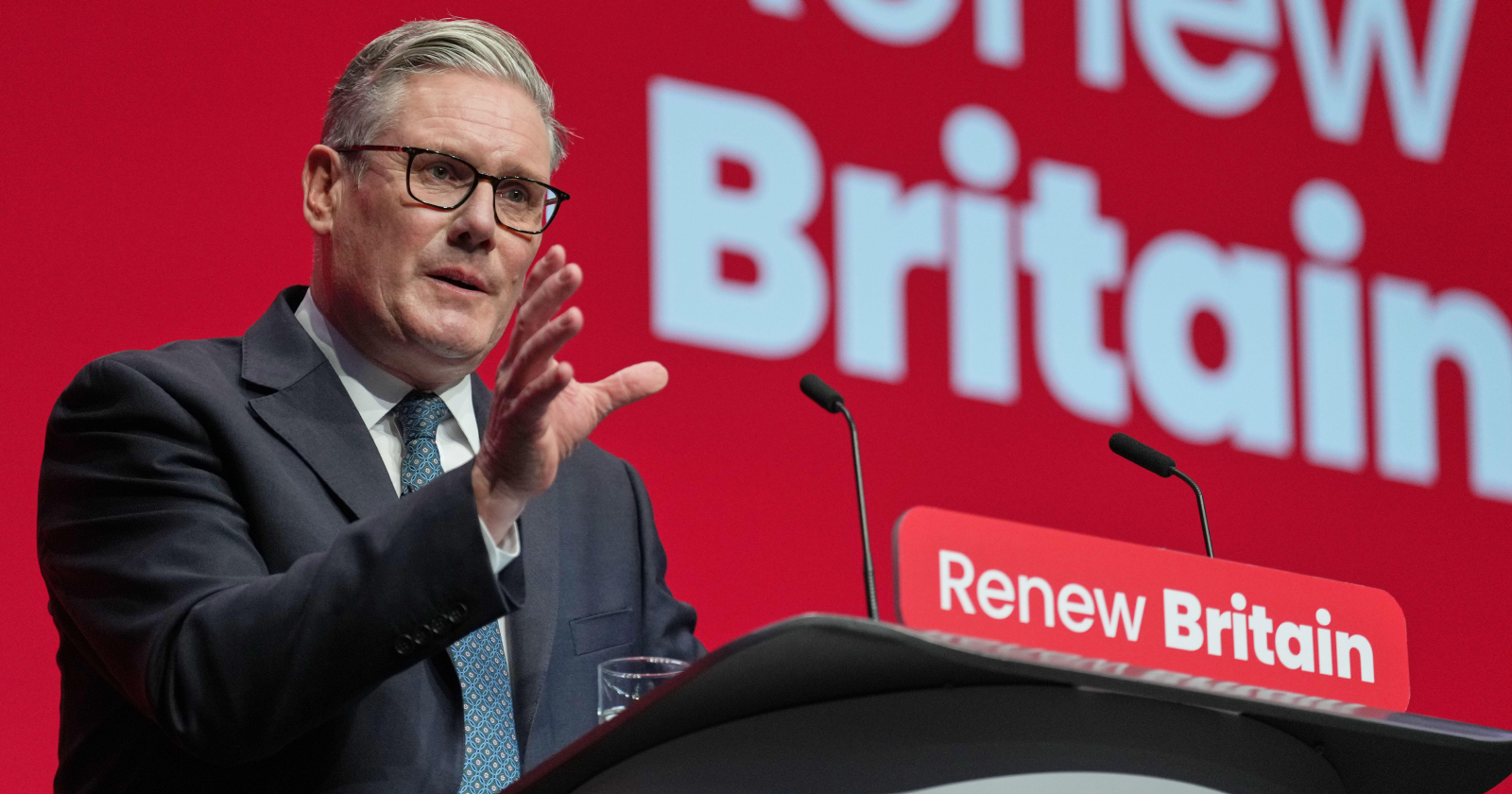
AFTER nearly a decade of division, economic drift and diplomatic damage, Britain’s Prime Minister has finally said what most of the country now believes – that Brexit was a mistake.
It doesn’t matter which side of politics you’re on – everyone agrees that the whole thing has been a disaster. The only point still in dispute is whose fault it is.
At the Labour Party conference in Liverpool, Sir Keir Starmer accused “self-appointed representatives of the people” of having “sold the lie of Brexit and walked away.” His words marked the first time a serving Prime Minister has openly acknowledged that leaving the European Union was not the patriotic liberation it was promised to be, but a national misstep.
The comment sent shockwaves through Westminster, reigniting one of the most bitter debates in modern British politics. Yet for millions of voters, the sense of regret has been building for years.
A gamble for party unity
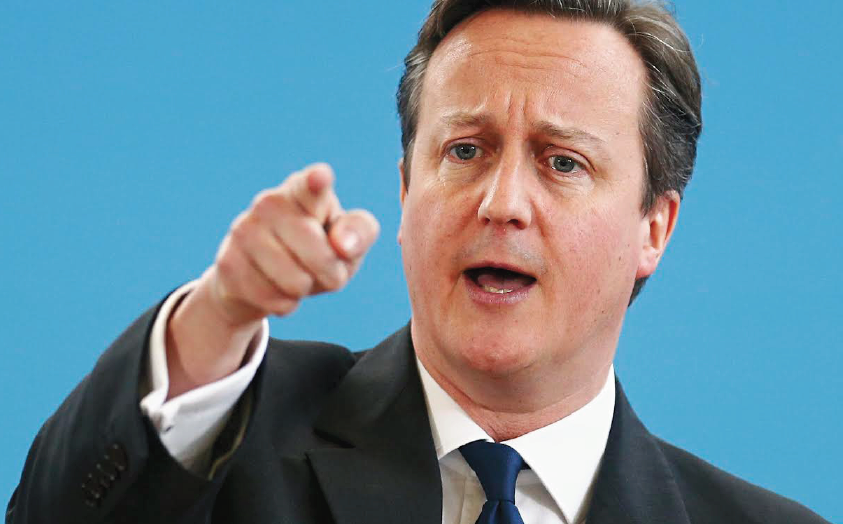
The story begins with David Cameron, who called the 2016 referendum not because the country demanded it, but because his own party did. Under pressure from Eurosceptic MPs and Nigel Farage’s insurgent UKIP, Cameron gambled Britain’s future on what he thought would be an easy victory.

When the country voted narrowly to leave, he resigned the next morning, leaving no plan, no leadership and no roadmap for what came next. It was, in hindsight, the original sin of the Brexit era – a national plebiscite called for internal party management, with consequences that would last for generations.
Sold a dream that could never be delivered
Millions of people voted Leave in good faith, driven by real hopes of control, fairness and national pride. Those hopes were genuine – even if the promises were not.
The Vote Leave campaign, fronted by Boris Johnson and Michael Gove, sold a dream that could never be delivered. Britain, they claimed, would “take back control,” save £350 million a week for the NHS, and strike better trade deals across the globe. None of it proved true.
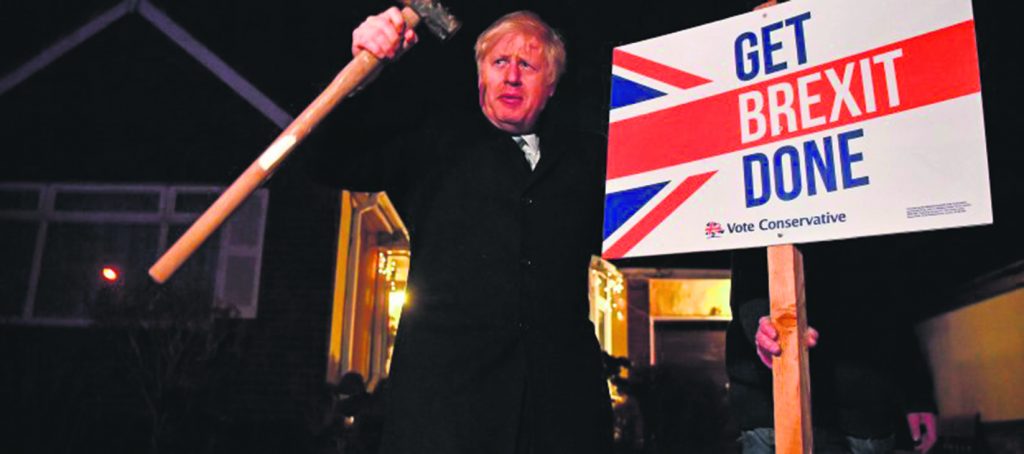
Instead, Johnson’s government pursued the hardest possible form of Brexit, severing ties with the single market and customs union. The slogan “Get Brexit Done” became a substitute for economic strategy. What followed was customs red tape, labour shortages and collapsing export volumes – not liberation but isolation.

Nigel Farage, the self-styled champion of the people, helped make Brexit inevitable but bore none of the responsibility for its execution. Having declared victory, he promptly walked away, leaving others to manage the fallout he had helped create.
The missing opposition
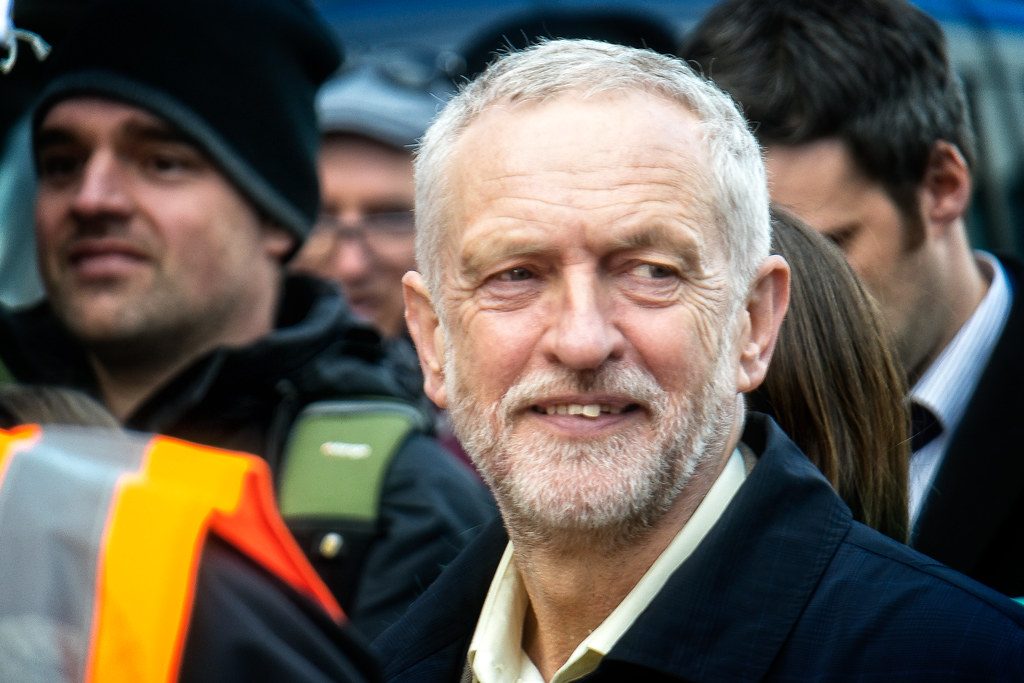
Labour’s leadership at the time also bears blame. Jeremy Corbyn’s half-hearted Remain campaign failed to offer voters a clear alternative vision of Britain inside Europe. His refusal to take a strong stand on a second referendum allowed Leave rhetoric to dominate in former Labour heartlands, paving the way for Johnson’s landslide in 2019.
Years of damage
Nine years later, the impact is undeniable.

- Economically, UK trade with the EU is down around 15 per cent compared with pre-Brexit trends. The OBR estimates the economy is 4 per cent smaller than it would have been inside the single market.
- Politically, Britain’s standing in Europe has diminished. Diplomats describe a country once seen as a bridge between the US and Europe now reduced to a spectator.
- Socially, Brexit has deepened divides between generations, regions and nations – fuelling support for independence movements in Scotland and rekindling border tensions in Northern Ireland.
- Culturally, the end of free movement has shrunk opportunities for young people, artists and small businesses that once thrived on easy access to Europe.
What was promised as the restoration of sovereignty has often felt like the surrender of influence.
A reckoning at last
Starmer’s admission does not mean a push to rejoin the EU – at least not yet. The Prime Minister insists that his goal is to “make Brexit work,” not to reopen old wounds. But in acknowledging that Britain was misled, he has broken a political taboo that long constrained debate.
In doing so, he reflects public opinion. Polls show around 60 per cent of Britons now believe leaving the EU was a mistake. Only a third still defend it. The great national silence around Brexit is finally cracking.
Who bears the blame?
If Brexit – or at least the version of it we have lived through – was a national act of self-harm, it was one committed with many hands on the knife. Responsibility is spread across parties, personalities and decades of political cowardice.
David Cameron lit the fuse. Terrified of losing his grip on a divided Conservative Party, he promised a referendum he thought he couldn’t lose. When he did, he walked away the next morning — no plan, no roadmap, no leadership.
Boris Johnson turned that gamble into a crusade. He gave Brexit its swagger and its slogans — “Take Back Control,” “Get Brexit Done” — but not the substance to make them real. When the slogans ran out, the hard border, the trade friction and the labour shortages remained.
Nigel Farage weaponised frustration. For years he railed against Brussels, the establishment and immigration — giving voice to grievances that were real, but offering no workable plan to fix them. When the chaos began, he claimed victory and left the stage.
Jeremy Corbyn, leading Labour at the time, could have offered clarity. Instead, his half-hearted Remain campaign and later fence-sitting over a second referendum left voters uncertain what Labour stood for. The result was a landslide for Johnson and a mandate for the hardest form of Brexit imaginable.
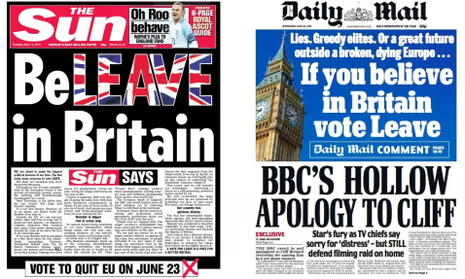
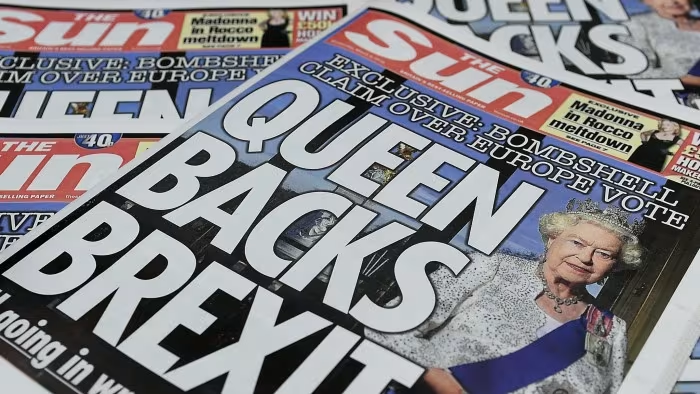
Behind them all stood sections of the British press, which for years turned the EU into a cartoon villain — a convenient scapegoat for problems made in Westminster. The drip of distortion became the tide that carried the country out.
And finally, there is the electorate itself — millions who voted in good faith, believing they were taking back control. They were promised sovereignty and prosperity; they got neither. They were sold hope — and left with red tape.
| Figure | Role in the debacle | Legacy |
|---|---|---|
| David Cameron | Called the referendum for party reasons, then walked away | Lit the fuse |
| Boris Johnson | Fronted a campaign of slogans and deceit | Delivered a hard Brexit that damaged trade |
| Nigel Farage | Whipped up anti-EU populism | Created pressure but offered no plan |
| Jeremy Corbyn | Failed to lead a clear Remain alternative | Left voters confused and divided |
| The tabloid press | Fuelled myths about Brussels and immigration | Normalised misinformation |
| The electorate | Voted for a dream that never existed | Still living with the consequences |
What the future holds
Britain’s road back to stability will not run through Brussels alone. For now, rejoining the EU remains politically out of reach – both because of public fatigue and the sheer complexity of reversing the 2020 withdrawal agreement. But a quiet realignment is already under way.
Starmer’s government has reopened channels with European partners on security, youth mobility, science and energy cooperation, signalling a more pragmatic tone after years of confrontation. Ministers talk of “building trust first” – widely understood in Brussels as laying the groundwork for closer ties when the political climate allows.
Yet that climate has shifted again. Farage is back from the political wilderness – and look where he is now. After reclaiming the leadership of Reform UK in mid-2024 and spending more than a year rebuilding its base, he has now driven the party past the Conservatives in the polls and forced Starmer onto the defensive.
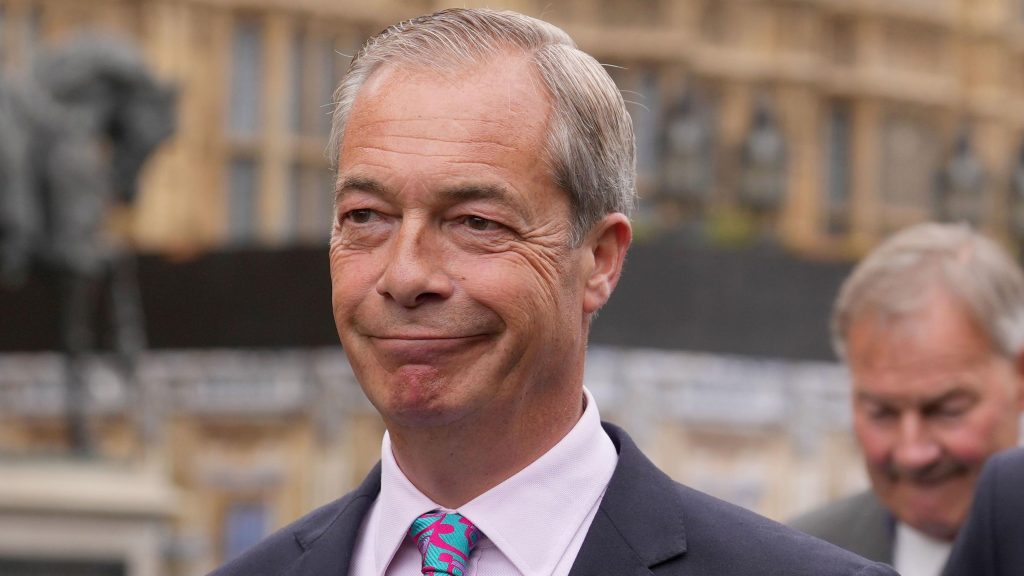
Farage’s promise to “finish the job” of leaving the EU entirely has revived the rhetoric many thought buried. His power lies not in policy but in disruption – in turning anger into momentum and disillusionment into votes.
For all their differences, there is one point on which Keir Starmer and Nigel Farage now agree – that Brexit was not done well. The Remainer who wanted to stay and the campaigner who made leaving his life’s mission have arrived, from opposite ends of the spectrum, at the same conclusion: Britain got Brexit wrong.
The only question now is who the country will trust to put it right – the man who says he can fix it, or the one who still vows to finish it.

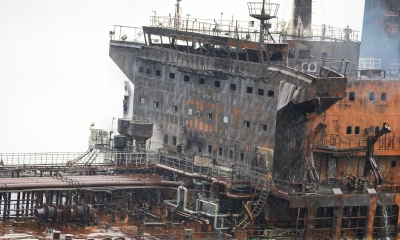





Ministers confirm talks with allies after Donald Trump calls on Britain to help protect vital oil shipping route
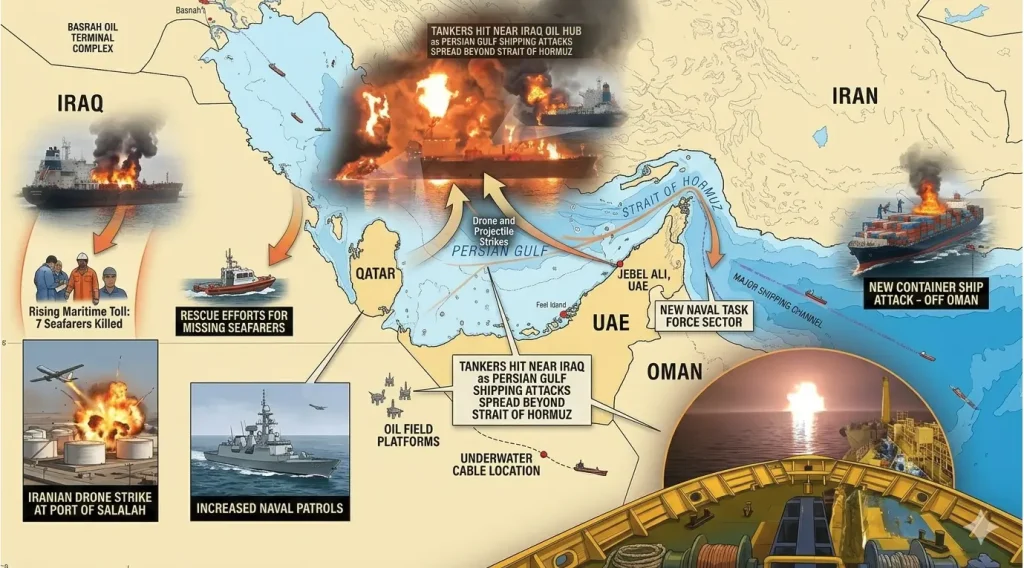
THE UK GOVERNMENT is examining “all options” to help secure the Strait of Hormuz as tensions in the Middle East threaten one of the world’s most important oil routes.
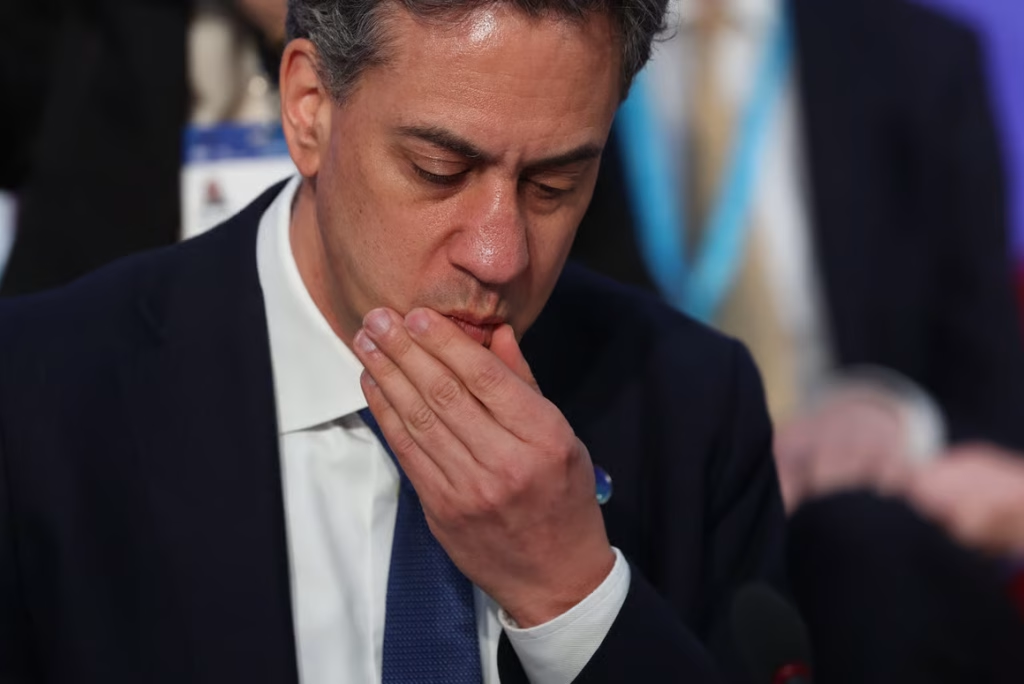
Energy Secretary Ed Miliband said Britain is already in discussions with allies, including the United States, about how to restore safe navigation through the narrow shipping corridor, through which around one fifth of the world’s oil supply passes.
Speaking on BBC One’s Sunday with Laura Kuenssberg, Miliband said reopening the strait was a global priority but stressed the government favours de-escalation rather than military confrontation.
“It is very important that we get the Strait of Hormuz reopened,” he said. “We are in talks with allies about how to secure that key shipping route. Any options to help the Strait reopen are being looked at.”
The comments come after US President Donald Trump called on several major powers — including the UK, France, Japan, South Korea and China — to send warships to the region to ensure the vital oil corridor can no longer be threatened by Iran.
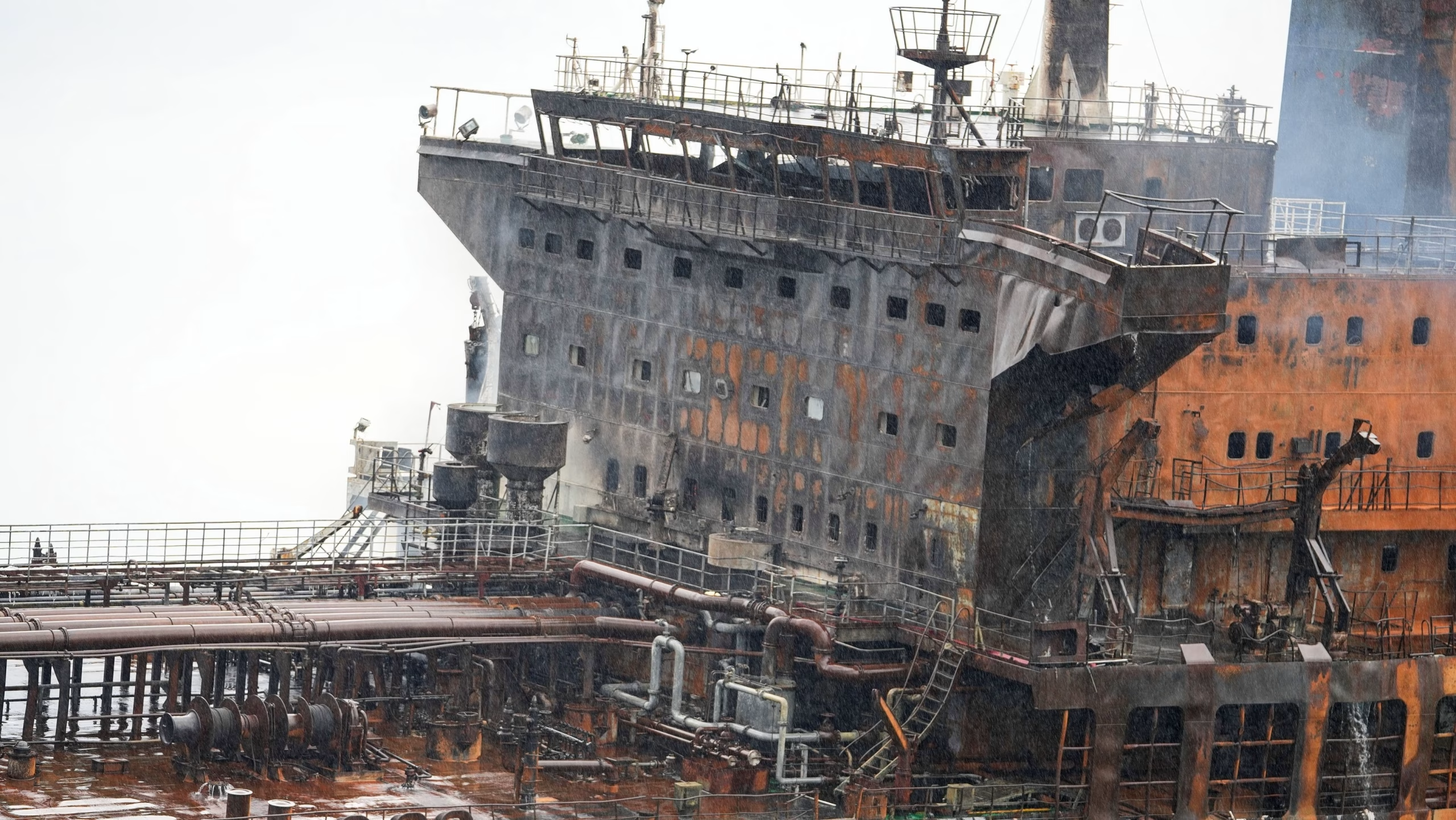
The escalating conflict between the US, Israel and Iran has already led to attacks on shipping in the Gulf, raising fears that Tehran could attempt to block or severely disrupt the strait.
Political divisions in Westminster
The prospect of British military involvement has exposed sharp political divisions in Westminster.
Shadow energy secretary Claire Coutinho said the UK should explore deploying ships or surveillance drones to the region if doing so would protect Britain’s national interests.
She argued that keeping international shipping lanes open and protecting military assets abroad was vital for global stability and the UK economy.
However, Liberal Democrat leader Ed Davey warned Britain should not automatically follow Washington into another conflict.
He said the quickest way to stabilise oil markets and secure the route was through diplomatic de-escalation rather than military intervention.
Davey also criticised President Trump’s approach to the crisis, warning the UK should not be “at the beck and call” of an American president.

Global oil supply at risk
The Strait of Hormuz is widely regarded as one of the most strategically important shipping routes in the world.
Bounded by Iran to the north and Oman and the United Arab Emirates to the south, the narrow channel connects the oil-rich Gulf region to the Arabian Sea and global markets.
Around 3,000 vessels pass through the strait every month, carrying an estimated 20 million barrels of oil per day.
Any prolonged disruption could send global oil prices soaring and drive up fuel and energy costs in countries including the UK.
Government sources have warned the economic impact of the Middle East conflict could be “huge”, with ministers already examining measures to shield households and businesses from potential spikes in energy prices.
The developments are being closely watched in Pembrokeshire, home to the South Hook and Dragon LNG terminals at Milford Haven. Tankers carrying Qatari liquefied natural gas frequently pass through the Strait of Hormuz before reaching the UK, meaning any disruption in the Gulf could have implications for energy supplies and prices in Wales.
For now, the government insists diplomacy remains the preferred path — but with tensions rising and pressure from Washington increasing, Britain may soon face difficult choices about how far it is willing to go to secure the world’s most critical oil chokepoint.

Affordable housing proportion rises as apartment plans replaced with family homes
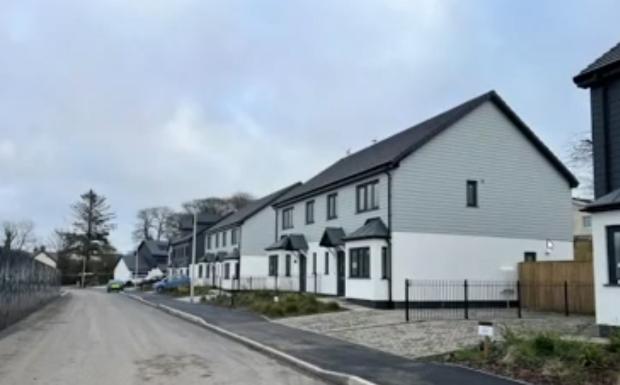
AMENDMENTS to the final phase of a housing development in Saundersfoot have been approved, reducing the overall number of homes while increasing the proportion of affordable properties on the site.
Morgan Construction (Wales) Limited, through agent Evans Banks Planning Limited, sought permission to reconfigure the third phase of a residential development at Whitlow, Narberth Road, Saundersfoot.
The application was recommended for approval and came before members of Pembrokeshire Coast National Park’s Development Management Committee at its March meeting.
The original scheme, granted permission in 2023 and already partly built, allowed for a total of 54 homes. Under the revised proposals the number will be reduced to 47.
A planning officer’s report explained that the development is being built in phases. Phase one consists of 16 market homes, while phase two includes 19 affordable properties.

The application concerned the final stage of the project, known as phase three.
Under the original consent, phase three would have delivered 19 one- and two-bedroom apartments located in the centre of the site. However, the revised plans replace those flats with a mix of houses.
The new layout will include two three-bedroom detached houses, three two-bedroom detached bungalows, four two-bedroom terraced townhouses and three three-bedroom terraced townhouses.
This change reduces the number of homes in phase three from 19 apartments to 12 houses.

Although the number of affordable homes across the development will remain unchanged, the reduction in market housing increases the proportion of affordable properties on the site from 35.1 per cent to 40.4 per cent.
The applicants told planners that demand for the previously approved apartments had been limited. They said there was already a considerable supply of such properties in the lower part of Saundersfoot, while demand locally appeared stronger for homes suited to young families and for older residents wishing to downsize into smaller bungalows.
The report added that without the changes the final phase of the development could remain unbuilt, leaving future residents living on a partially completed site.

Committee members agreed to grant delegated approval to planning officers, subject to the completion of legal agreements covering planning obligations.
These include provisions to secure the affordable housing in perpetuity, along with financial contributions towards library services, recreational open space and sustainable transport.
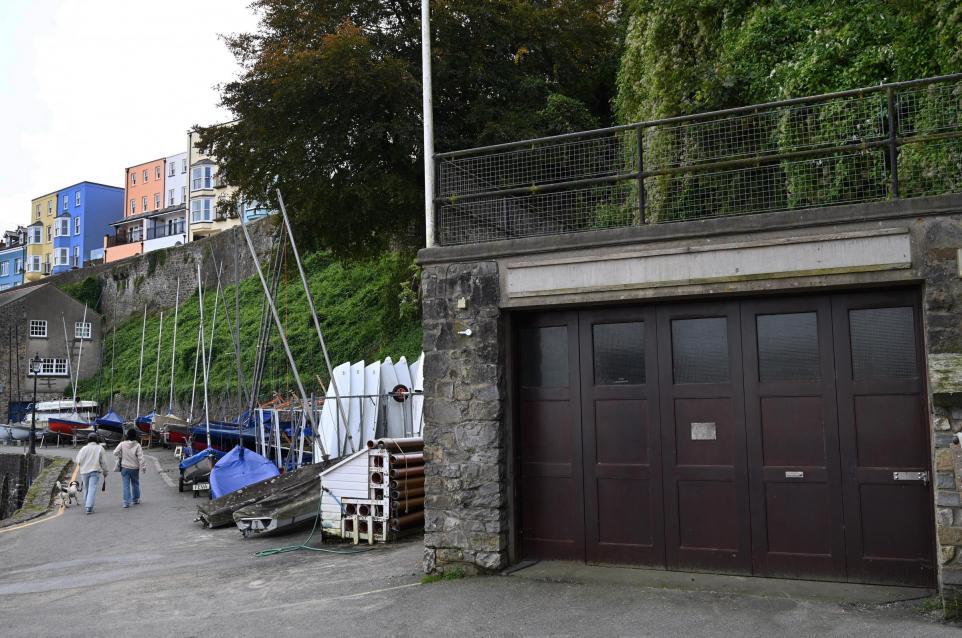
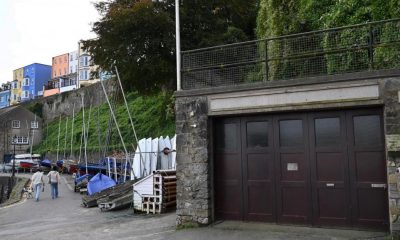
AN APPEAL has been lodged against the refusal of plans for a takeaway food kiosk at a former lifeboat store in Tenby’s seaside harbour, despite planning officers recommending the scheme for approval.
Last March, members of the Pembrokeshire Coast National Park Authority development management committee rejected proposals to site a takeaway food kiosk at the former RNLI lifeboat store at Penniless Cove, Tenby Harbour.
The application, submitted by Ruby Goodrick, sought permission to convert the old store into a takeaway cold food outlet operating seven days a week from 10:00am to 10:00pm.
The scheme came before councillors rather than being determined under delegated powers after Tenby Town Council objected to the proposal.
Despite the objection, planning officers recommended the scheme for approval, even though it represented a departure from the adopted development plan.
An officer report said: “Whilst it is acknowledged that the proposed use would introduce a retail element to this area of the harbour, on balance officers consider that no significant harm would be caused to the character of Tenby Harbour as a result of this development.
“The use proposed occupies a relatively small floor area and would not be a destination in and of itself. Rather, it would rely on the existing footfall within the harbour.”
Speaking at the meeting in March (2025), Alistair McKay, representing Tenby Sailing Club, warned the proposal could create potential conflicts with other harbour users.
The applicant told councillors she was “more than happy” to adjust the proposed opening hours. Ms Goodrick said the business would build on the success of her mother’s former sandwich shop in the town, Truly Scrumptious.
The proposed outlet, called Truly@The Harbour, would “contribute positively to the local economy,” she said.
However, committee members raised concerns including congestion in the harbour area and the handling of waste.
Members eventually voted by 12 votes to three to refuse the application.
The applicant has now lodged an appeal with Planning and Environment Decisions Wales (PEDW).
In a statement supporting the appeal, Ms Goodrick said: “The proposal is modest in scale, does not harm the retail hierarchy, is in close proximity to the town centre, and has received no objections from the majority of the statutory consultees.”
The appeal statement adds that the refusal was based on the kiosk being outside the defined town centre boundary.
However, it argues that the building is located only around 25 metres outside the retail centre boundary and would otherwise represent a use considered acceptable within the town centre.



Sport1 hour ago
France crowned Six Nations champions after extraordinary final-day drama
Ramos penalty in Paris seals title as Ireland fall just short and Wales end losing run FRANCE were crowned 2026...


News6 hours ago
Fishguard linked to allegations in Many Tears Animal Rescue investigation
Claims about puppies arriving through Pembrokeshire port emerge as licensing probe continues FISHGUARD has been named in allegations linked to...


Local Government1 day ago
Investigation confirmed after inspectors visit Many Tears Animal Rescue
Licensing authority declines to comment as police confirm attendance at Carmarthenshire rescue centre AN INVESTIGATION is underway following a visit...

Business2 days ago
Work set to begin on £50m hydrogen plant in Milford Haven
A MAJOR new hydrogen production facility worth around £50 million is expected to begin construction in Milford Haven later this...


Education3 days ago
Manorbier school closure approved while insurance claim still unresolved
Council confirms negotiations with insurer ongoing following 2022 fire PEMBROKESHIRE COUNTY COUNCIL has confirmed that negotiations with its insurer over...


Crime4 days ago
‘Knife attack’ at Spittal property leaves man in hospital
POLICE have arrested a woman following what is being described as a ‘knife attack’ at a property in Spittal on...


Community4 days ago
Pembrokeshire to receive its first banking hub in Pembroke Dock
LINK, the UK’s Cash Access and ATM network, has today announced local people and businesses in Pembroke Dock will benefit from a new banking...


Health5 days ago
Future of Withybush Hospital petition sparks urgent call for Senedd debate
CALLS have been made for an urgent debate in the Senedd over the future of services at Withybush Hospital as...


Sport6 days ago
Sean Bowen set for historic Welsh clash at Cheltenham Gold Cup
PEMBROKESHIRE jockey Sean Bowen could be part of a historic all-Welsh showdown when he lines up in the Cheltenham Gold...


Community6 days ago
Tenby still waiting as Wales hits 50 rural mobile mast upgrades
Seaside town plagued by signal congestion again absent from latest government-backed coverage improvements A NEW milestone in the UK Government’s...
-

 Health2 days ago
Welsh Ambulance Service to host bi-monthly Board meeting
-

 News1 day ago
Rayner and Lammy visit Wales to discuss justice and community safety
-

 Local Government4 days ago
Register now to vote in May’s Senedd election
-

 Crime6 days ago
Former Pembrokeshire Army officer stripped of MBE after fraud conviction
-
Community6 days ago
Tenby still waiting as Wales hits 50 rural mobile mast upgrades
-
 News6 days ago
Hustings to focus on learning disability support ahead of Senedd election
-

 Community6 days ago
Carmarthenshire woman celebrates 100th birthday surrounded by family
-

 Crime5 days ago
E-bike rider who sped through pedestrian alley sentenced by court