


Farming
Autumn rise in Bluetongue cases sparks warning to Welsh farmers

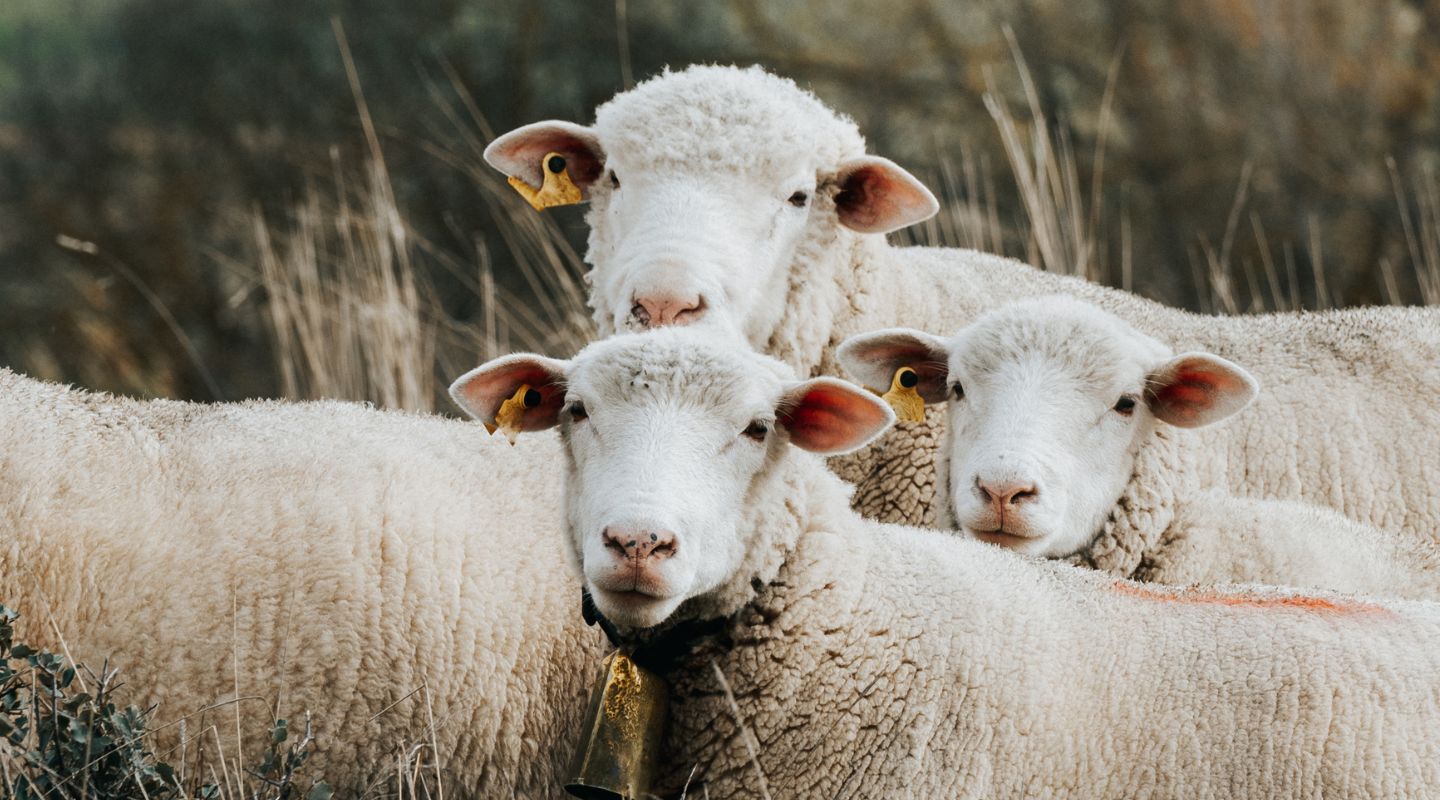
Experts urge vaccination as virus spreads west
FARMERS in Pembrokeshire and across Wales are being urged to consider vaccinating their livestock after a sharp rise in Bluetongue cases linked to a new strain of the virus.
The number of confirmed cases of Bluetongue serotype 3 (BTV-3) has more than doubled since early September, with infections now detected in parts of Wales for the first time.
Officials have imposed a Temporary Control Zone in Monmouthshire as midges carrying the virus continue to spread westward, raising fears that the disease could reach Carmarthenshire and Pembrokeshire before the winter sets in.
‘No cure – only prevention’
Dr Mandy Nevel from the Agriculture and Horticulture Development Board (AHDB) warned that vaccination is the most effective line of defence.
“There’s no treatment for Bluetongue,” she said. “Slowing the spread through vaccination and sensible movement controls is the only realistic option farmers have.

“Although temperatures are dropping, it’s still warm enough for midges to transmit the virus, so vigilance remains essential. Farmers should report suspected cases, speak to their vets, and keep a close eye on scanning results or stock behaving oddly.”
Fertility warning for cattle and sheep

West Wales vet and farmer Frances Jones, who runs Aeron Vets, said the disease can be deceptive — especially in cattle.
“People think of Bluetongue as a sheep disease because ewes often show visible signs,” she said. “But in cattle, it can be a silent killer through infertility.
“We’ve seen cows infected early in pregnancy later turn out barren, and in some parts of England, calves have been born with what’s known as ‘dummy calf’ syndrome — brain damage caused by the virus. It’s heartbreaking and costly.”

Mrs Jones and her husband decided to vaccinate their 120-cow Holstein herd and 300 Charollais-Texel sheep this summer.
“With milk and stock prices where they are, we saw it as a £5-per-animal insurance policy,” she said. “Vaccinating now gives immunity ahead of next year’s high-risk period. It’s better to act early while animals are healthy.”
Memories of 2007 outbreak
Farmers in Pembrokeshire will remember the last Bluetongue outbreak in 2007, when the disease reached Carmarthenshire through imported cattle. Movement restrictions and a rapid vaccination drive prevented it from taking hold locally — but the economic disruption was severe.

A local NFU Cymru representative told The Herald: “It only takes one infected midge to travel hundreds of miles. We’d rather not relive 2007, so the message is simple — talk to your vet before it’s too late.”
Reporting cases
Bluetongue is a notifiable animal disease, meaning any suspected cases must be reported immediately.
- In Wales, call 0300 303 8268
- In England, call 03000 200 301
- In Scotland, contact your local Field Services Office
Failure to report a suspected case is an offence.
Further information on symptoms, vaccination and movement restrictions can be found at ruminanthw.org.uk/bluetongue-virus-hub.

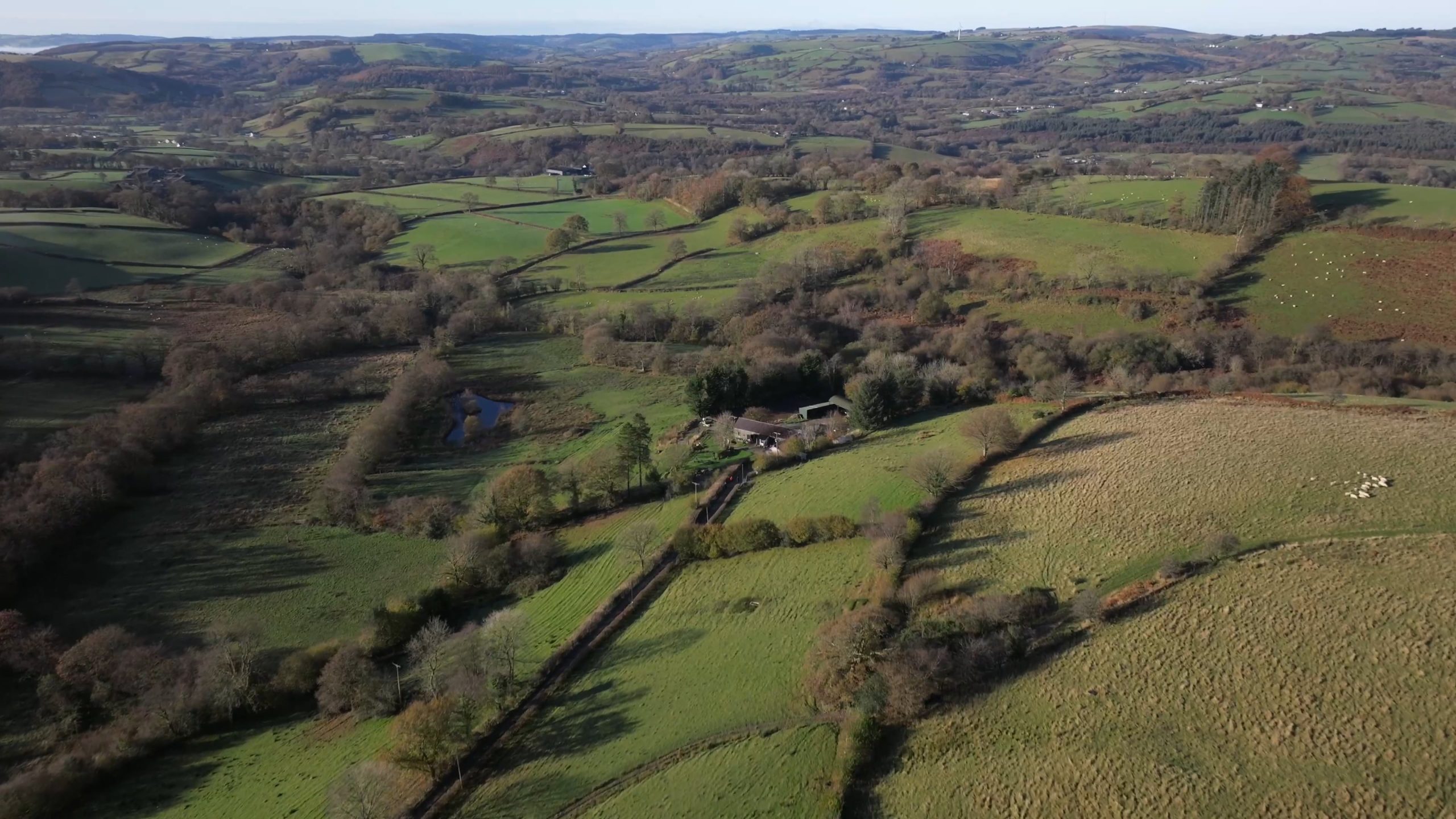
OVER three hundred Welsh farmers and landowners have been granted the right to legally challenge Green GEN Cymru’s ‘unlawful behaviour’ at the High Court.
The collective filed a judicial review application on behalf of the community groups, Justice for Wales and CPRW, on four separate grounds, including claims that the energy company has acted unlawfully and with disregard for biosecurity and the environment, while trying to gain access to private land to conduct surveys for three major overhead pylon routes.
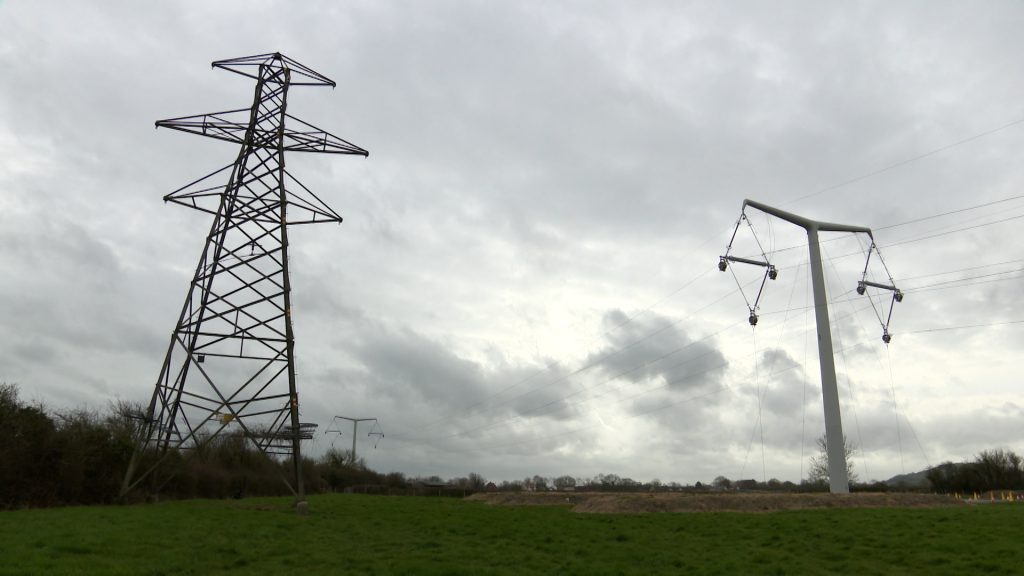
The proposal will see the energy infrastructure and pylons spanning 200 km across Powys, Ceredigion, Carmarthen, and Montgomeryshire in Wales and across the Welsh border into Shropshire, in the West Midlands of England.
Mrs Justice Jefford granted permission on four grounds – including abuse of power and procedural impropriety – during the three-and-a-half-hour hearing at Cardiff Civil Justice Centre on Tuesday, January 20.
A two-day hearing is expected to take place in April 2026, date to be confirmed.

The judge also accepted an undertaking from Green GEN Cymru that it would not enter land using s.172 powers – the right given to acquiring authorities to enter land to conduct surveys or valuations under the Housing and Planning Act 2016 – until an urgent interim relief application hearing can be held.
Natalie Barstow, founder of Justice for Wales, said: “This is a moment of vindication. For months, we have been left feeling unsafe in our own homes and stripped of our power as farmers and landowners.
“This is not a protest against renewable energy; this is about standing up for what is right. Our right to dignity and to have a voice, and for the future of our land, wildlife, and livelihoods.
“Since we began this battle, hundreds of other farmers and landowners across Wales have come forward with similar stories, and we’ve been supported by many generous donations to fund the legal challenge. We knew we weren’t alone in our concerns, but the response demonstrates it is a far wider issue than we initially feared, and why it is so important that Green GEN’s conduct and protocols are properly scrutinised.

“We said we will not be bullied into submission, and this judgment is just the first foot forward in our fight for justice.”
Mary Smith, a lawyer at New South Law, the law firm representing the impacted communities, said: “Holding acquiring authority status does not entitle a company to disregard the limits of its statutory powers or the rights of the people affected.
“The Court’s decision confirms that Green GEN Cymru must be held to the same legal standards as any other public body when exercising intrusive powers over private land. This case is about restoring fairness, accountability, and respect for the communities whose livelihoods and environments are at stake.”
Mandatory carcass grading and price reporting will be required in slaughterhouses from Wednesday, January 28
WELSH sheep farmers are set to see new rules introduced next week aimed at making the lamb market fairer and more transparent.
From Wednesday (Jan 28), slaughterhouses in Wales will be required to classify sheep carcasses and report prices using a standardised system. The Welsh Government says the move will improve consistency in grading, make price information easier to compare, and help build confidence for farmers selling stock.
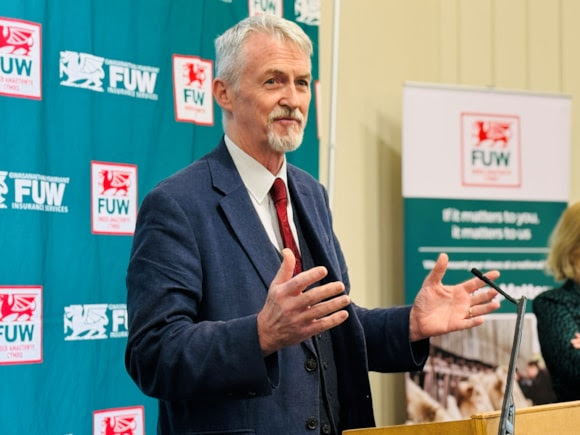
Deputy First Minister Huw Irranca-Davies announced the change during the Farmers’ Union of Wales (FUW) Farmhouse Breakfast event at the Norwegian Church in Cardiff.
He said the measures would support the industry by ensuring a consistent methodology for classifying carcasses in slaughterhouses, promoting transparency, fairness and productivity within the sheep market.
“Our iconic Welsh lamb is celebrated around the world for its outstanding quality and high production standards,” he said. “These measures will implement a consistent methodology for classifying sheep carcasses in slaughterhouses, promoting transparency, fairness, and increased productivity within the sheep market.”
The regulations bring the sheep sector into line with rules already used for beef and pork.
Hybu Cig Cymru – Meat Promotion Wales chief executive José Peralta said the changes would allow for greater data capture and analysis and improve transparency within the supply chain.
He said: “The new regulations, which now align with a similar position for cattle and pigs, will allow for greater data capture and analysis to be undertaken and support increased transparency within the sector. As a sector we must seek all opportunities for greater transparency within the supply chain to ensure that choices can be made from an informed position.”
The Welsh Government says the new approach is part of a wider UK framework, with similar arrangements already operating elsewhere.
During his address, the Deputy First Minister also pointed to further changes expected in 2026, including the planned introduction of the Sustainable Farming Scheme, which the Welsh Government describes as a new partnership between the people of Wales and farmers.
The scheme is intended to support the sustainable production of food while also responding to the climate and nature emergency.
The Welsh Government has also confirmed its commitment to financial support during the transition, with up to £238 million committed to the Universal layer and the legacy Basic Payment Scheme in 2026.

Deputy First Minister Huw Irranca-Davies said: “I would like to reiterate the Welsh Government’s commitment to supporting Welsh family farms, not just in the short term but also in the long run. Our goal is to prioritise stability for the farming industry, ensuring to balance this with sustainability at its very core.”
He added that supporting farmers through the change would be a priority, with consistent advice and support offered across the sector.
Building fairness within the agricultural supply chain remains a key Welsh Government priority, which it says is also integral to food security.
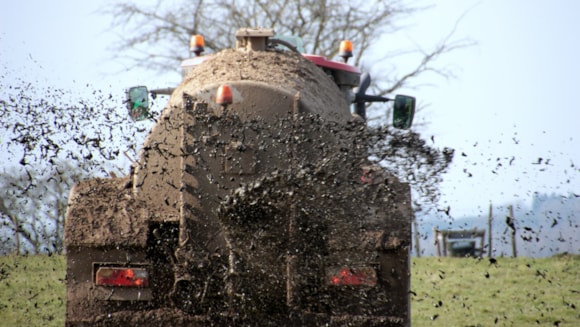
NRW is reminding farmers across Wales to take key steps to prevent pollution as the organic manure spreading season re-opens.
During the autumn and winter “closed periods”, restrictions were in place to stop slurry and other high-nitrogen manures being spread, helping reduce the risk of agricultural pollution.
Grassland spreading can resume from Thursday (Jan 16), with spreading on tillage land re-opening on Friday (Jan 31). However, NRW said a number of controls under the Control of Agricultural Pollution Regulations (CoAPR) will remain in force until the end of February.
Those restrictions include limits on application rates — no more than 30m³ of slurry per hectare, or eight tonnes of poultry manure, in a single application — with at least three weeks required between applications.
Before spreading organic manure, producers must also carry out field inspections to assess weather and soil conditions, slope, ground cover and proximity to watercourses, to help reduce the risk of runoff.
Farm businesses are expected to plan and record all applications in their Nitrogen Management Plan to ensure nutrients match soil and crop need and remain within nitrogen limits.
Spreading is prohibited on waterlogged, flooded, snow-covered or frozen ground — including soil that has been frozen for more than 12 hours in the previous 24 hours.
NRW said its teams will continue to support farmers while monitoring compliance.
Simon Griffiths, team leader of NRW’s Agricultural Pollution Inspection Team, said: “As the closed periods come to an end, we want to remind farmers, tenants, landlords and contractors of the restrictions which remain in place until the end of February.
“This means anyone considering spreading organic manure needs to ensure the conditions are suitable before work starts.
“NRW is committed to protecting the environment and any instances of pollution will be investigated and appropriate enforcement action taken.”
NRW is urging farmers and members of the public to report pollution incidents immediately via its online “report it” form or by calling 0300 065 3000.


Health2 hours ago
Consultation reveals lack of public trust in health board
EARLIER this week, Hywel Dda UHB published the results of a consultation into the future configuration of its clinical services....


Community3 hours ago
Specialist team searches River Teifi in ongoing hunt for missing man
A SPECIALIST search team has carried out a renewed and highly technical search of the River Teifi in Cardigan as...


News1 day ago
Wales’ first minister keeps distance from Starmer before May vote
Senedd race not Westminster THE FIRST MINISTER has moved to draw a clear dividing line between the Welsh Labour campaign...
News1 day ago
Kurtz raises Gumfreston flooding in the Senedd as petition deadline nears
LOCAL Senedd Member Samuel Kurtz has raised the long-running flooding problems affecting the B4318 at Gumfreston in the Senedd, as...


Community2 days ago
Anchor re-dedicated to mark 30 years of US–Haverfordwest ties
Service honours shared history, service and friendship on the Quayside A SYMBOL of Haverfordwest’s wartime and Cold War connections with...


Business2 days ago
Senedd urged to act as Welsh pubs fall further behind England on business rates
Industry leaders warn of closures and job losses as pressure mounts on ministers to pass on funding PUBS across Wales...


Crime2 days ago
Haverfordwest man jailed for online death threat
A Haverfordwest man has been sentenced to a year in prison after sending a threatening message online. Michael Carruthers, 34,...


Community2 days ago
Storm Chandra: Morning impacts across Pembrokeshire
HEAVY overnight rain and strong winds brought by Storm Chandra have caused disruption across Pembrokeshire, with fallen trees and localised...


Business3 days ago
Business voices heard as Kurtz and Davies urge action on business rates
LOCAL businesses from across West Wales have voiced serious concerns about the impact of business rates at a dedicated roundtable...


Crime3 days ago
Milford Haven man appears in court charged with burglary and GBH
Bail granted with tagged curfew and ban from Pembrokeshire A MILFORD HAVEN man has appeared in court charged with burglary...
-

 Health7 days ago
Hywel Dda board to consider refreshed health strategy to 2040
-
Health5 days ago
Health Board to decide on future model for nine clinical services
-
Health7 days ago
Withybush staff fear crèche fee rise will price parents out
-

 News1 day ago
Caldey still unsafe, survivors warn — despite Abbey’s reform claims
-

 Business6 days ago
New planning rules could block Welsh pubs from running pop up campsites
-

 Crime6 days ago
County lines gang operating from Chessington to west Wales jailed
-
 Health6 days ago
Pembroke Corn Store footpath overlooking castle closed after landslip
-

 Climate5 days ago
Petition opposing climate emergency reaffirmation and ‘tax hikes’ to be heard