


Politics
Deputy First Minister under fire over ‘political fix’ on greyhound racing ban

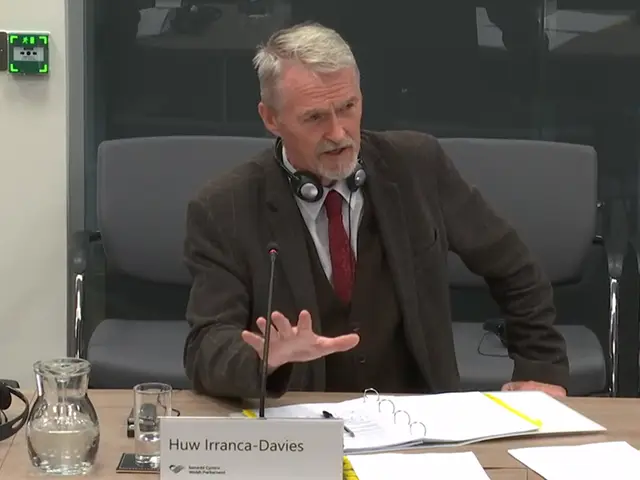
THE DEPUTY First Minister has insisted plans to ban greyhound racing are not linked to a budget deal, despite being confronted with evidence it was part of the agreement.
During a tense evidence session on Monday (October 20), Huw Irranca-Davies was challenged by fellow Labour member Alun Davies over the timing of a draft law.
Mr Davies argued the ban was part of a deal the Labour government struck with Jane Dodds, the Liberal Democrats’ leader in Wales, to secure her support for this year’s budget.
The former minister quoted from the published 2025/26 Welsh Government budget agreement which lists “a move to ban greyhound racing in Wales” as part of the deal.
“I’m entirely unconvinced by the argument that it’s a separate process,” he said.

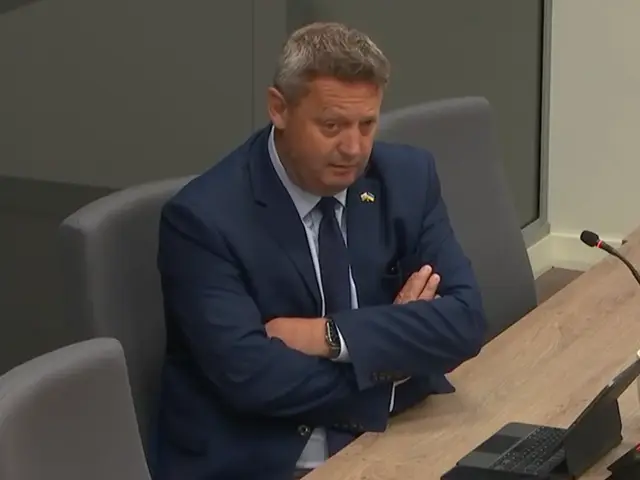
In response, Mr Irranca-Davies told Senedd Members not to be “under any misapprehension” that bringing in a ban was related to budget considerations.
The Deputy First Minister, whose responsibilities include animal welfare, maintained that plans for a ban were based on ethical considerations such as injuries and fatalities.
He pointed out that a Welsh Government consultation, which showed a majority in favour of a ban, was already in his “in-tray” when he came into post 18 months ago.
Appearing before the Senedd’s legislation committee for scrutiny of the prohibition of greyhound racing bill, he said: “There are two parallel but separate processes going on.

“One of which is to do with budget considerations, and those are serious matters for any government, whether here or in the UK or elsewhere, and the other one is the rights and wrongs of bringing forward legislation on the prohibition of greyhounds.
“I am very clear – very clear – on the rationale for this legislation.”
But his Labour colleague was not convinced by the claim of separate processes, telling the Deputy First Minister: “You and I were sat in the same meetings when some of this was discussed and there was clearly a linkage there.”

Mr Davies added: “The Welsh Government did not bring forward, as far as I’m aware, any proposals on this matter prior to that agreement, so it is difficult to disentangle the two.”
He criticised ministers for failing to complete impact assessments before “asking people to take steps to ban a currently lawful activity without the information that’s required”.
The Conservatives’ Samuel Kurtz asked whether the budget would have passed had the Welsh Government not proposed to bring forward the greyhound bill.
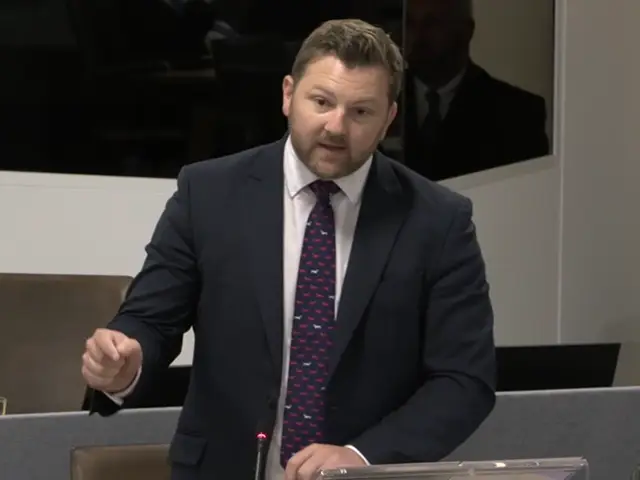
“I have no idea,” Mr Irranca-Davies replied. “It’s not pertinent to my consideration.”
He added: “There were wider considerations for other cabinet colleagues, undoubtedly, in terms of passing the budget and the importance… for the Welsh Government and public services. But the rationale for bringing forward this legislation… was not related to a budget.”
The Deputy First Minister’s strenuous denials follow the Greyhound Board of Great Britain lodging a judicial review in May to challenge the decision to move to ban the sport.
On February 12, a Senedd debate on a 35,000-name petition calling for a ban on greyhound racing was met with a relatively lukewarm response by the Welsh Government.
But, less than a week later in a hastily arranged statement on February 18, the Deputy First Minister announced plans for Wales to become the first part of the UK to bring in a ban.
The £100m budget deal was announced two days later on February 20, with a press release stating: “The agreement includes a commitment to move to ban greyhound racing in Wales.”
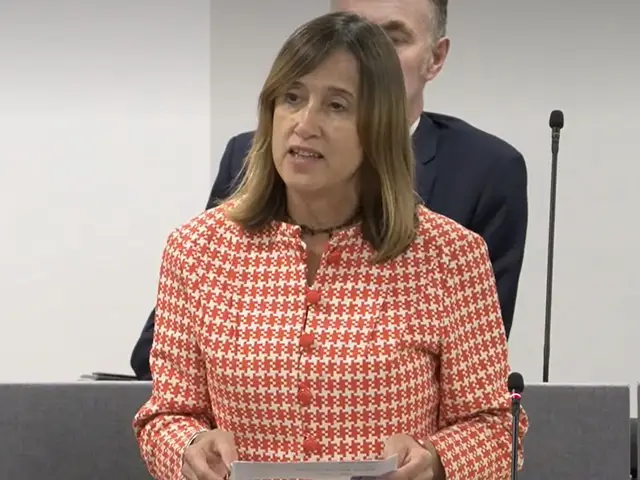
Ms Dodds struck a different tone to the Deputy First Minister as the bill was introduced last month, telling the Senedd: “I was the one who did the political fix and I’m proud of that.”


Party accuses rivals of “all words, no actions” as battle over renters and council tax intensifies ahead of Senedd election
A POLITICAL row has broken out ahead of the next Welsh Parliament election after Welsh Labour launched a twin attack on the Greens and Reform UK over housing policy and council tax.
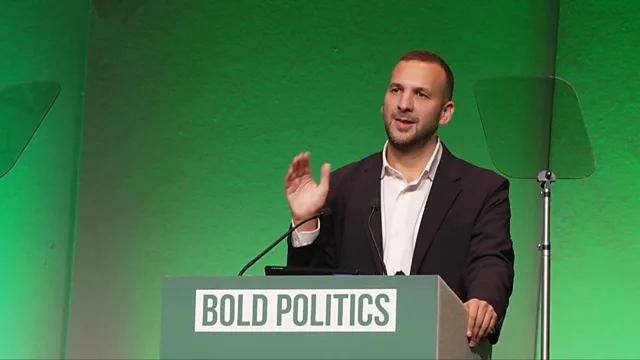
The party issued a strongly worded response following comments by Green Party deputy leader Zack Polanski (pictured) during a recent interview on BBC Politics Wales discussing renters’ rights and housing shortages.
Welsh Labour accused the Greens of saying they support tenants while opposing legislation aimed at increasing house building.
A Welsh Labour spokesperson said: “The Greens say they want to back renters. Then why did they block the bill in parliament that will deliver more houses?
“All words, no actions – that’s what you get from the Greens.”
Labour pointed to the vote by Green MPs against the UK government’s Planning and Infrastructure Bill, which ministers argue would help speed up the delivery of new housing.
The spokesperson added: “At a time when families across Wales are struggling to find somewhere affordable to live, blocking legislation designed to build more homes simply doesn’t make sense.”
The criticism also referenced proposals by a Green-controlled council in Bristol to consider selling council houses in order to fund housing services.
The exchange highlights growing political competition between Labour and the Green Party of England and Wales as housing increasingly dominates the political agenda.

Across Wales, shortages of affordable homes, rising rents and pressure from second homes have pushed housing towards the top of voters’ concerns.
Welsh Labour also used the opportunity to criticise the growing influence of Reform UK, which has been campaigning heavily on council tax and cost-of-living issues.
Responding to comments from James Evans discussing Reform’s stance on council tax, the spokesperson said the party had failed to deliver tax cuts where it holds power.

“Reform has no leg to stand on when it comes to talking about council tax rates,” the spokesperson said.
“They promised tax cuts in the English councils they run and haven’t delivered – in fact just over the border in Worcester council tax has gone up by nine per cent.”
Political observers say the exchange reflects a wider shift taking place in Welsh politics as the next Senedd election approaches.
With the expansion of the Welsh Parliament and the introduction of a new proportional voting system, smaller parties are expected to find it easier to gain representation.
That has encouraged parties such as the Greens and Reform to push harder into territory traditionally dominated by Labour.
For many voters, however, the debate ultimately centres on familiar concerns: the rising cost of living, the availability of housing, and the level of council tax bills.
With the election campaign beginning to take shape, those issues are likely to dominate the political battleground in Wales in the months ahead.
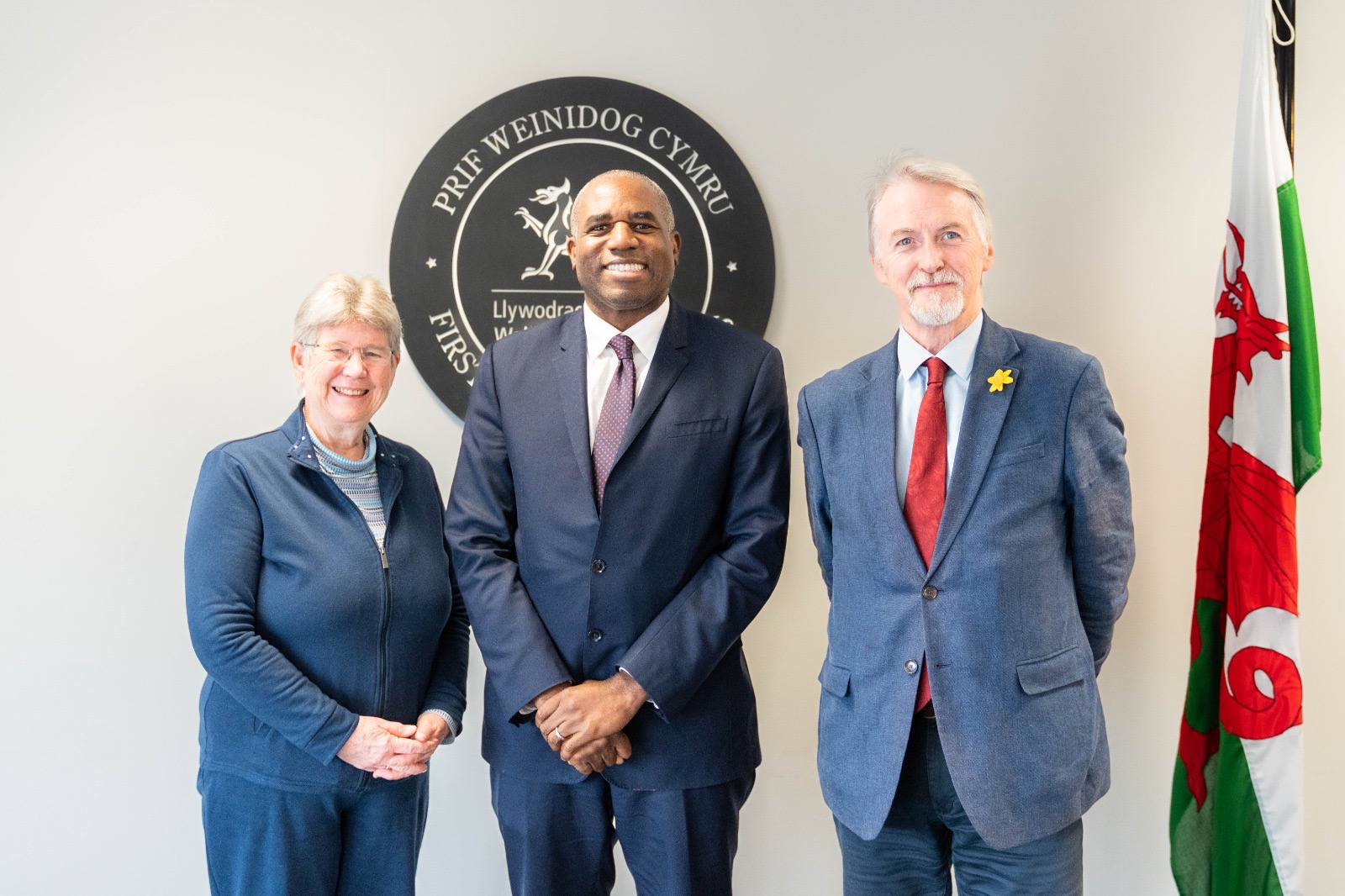
THE UK DEPUTY Prime Minister Angela Rayner visited Cardiff on Friday (Mar 13) alongside Justice Secretary David Lammy as part of a visit focused on community safety, probation services and cooperation between the UK and Welsh governments.
During the visit, the Deputy Prime Minister travelled to the Dusty Forge community hub in Ely, where she met members of the public involved in local community projects.
The centre provides a base for a range of services aimed at strengthening community ties and helping people rebuild their lives. Rayner also met staff from the Probation Service who work from the hub, discussing their role in supporting offenders back into society and helping reduce reoffending.
While at the centre, the Deputy Prime Minister spoke with local campaigner Donna Hurley, often referred to locally as the “Queen of Ely”. Their conversation focused on the importance of community cohesion and the role community hubs can play in supporting people leaving prison to turn their backs on crime.
Following the visit to Ely, Rayner travelled to the Senedd in Cardiff Bay where she was given a tour of the Welsh Parliament building.
She later held talks with Huw Irranca-Davies MS, the Deputy First Minister of Wales.
The meeting centred on how the governments in London and Cardiff can work together more closely to improve public services and create a more effective and fair justice system.
Discussions also touched on cooperation around probation services and youth justice, areas where responsibilities between the UK and Welsh governments intersect.
The visit forms part of ongoing efforts to strengthen collaboration between the two governments on issues affecting communities across Wales.

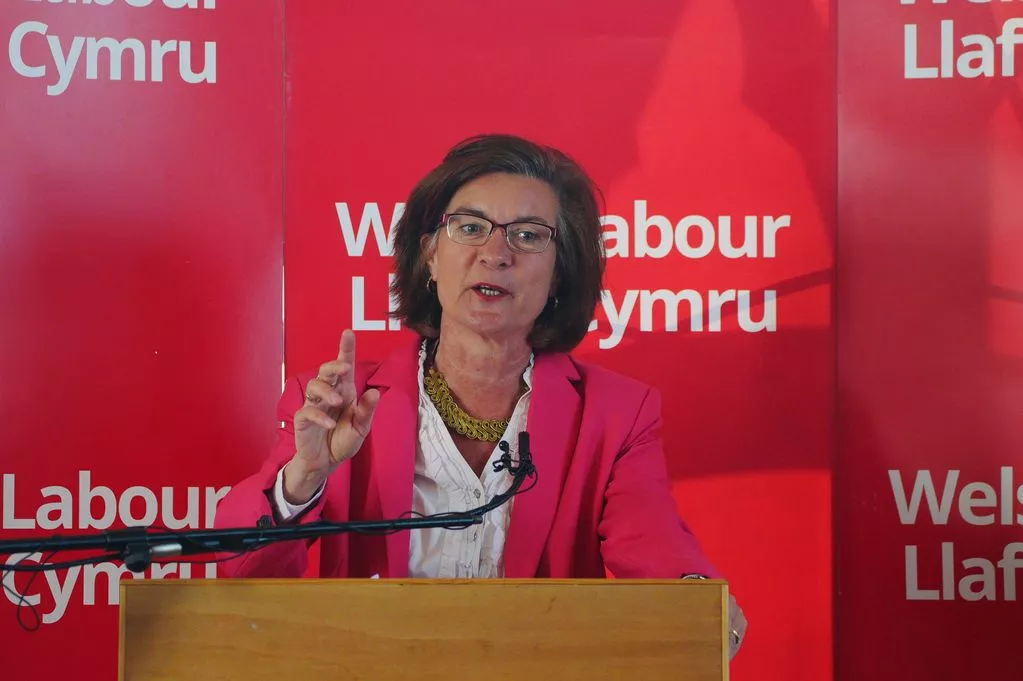
WELSH Labour leader Eluned Morgan has pledged to expand the Welsh Government’s Young Person’s Guarantee, promising broader careers support and training opportunities for teenagers if the party forms the next Welsh Government after the Senedd election.
Speaking at Welsh Labour’s Valleys campaign launch at a college in Merthyr Tydfil, Morgan said the programme would be extended so that younger pupils aged fourteen to sixteen could access vocational options, careers advice and work-experience opportunities alongside traditional academic routes.
The Young Person’s Guarantee, introduced by the Welsh Government in 2021, aims to ensure that everyone aged sixteen to twenty-four in Wales is offered support to enter education, training, an apprenticeship, employment or self-employment. Welsh Labour says nearly 64,000 young people have received help through the scheme since it began.
Under the proposed expansion, younger secondary school pupils would gain earlier access to career guidance and vocational pathways.
Morgan told party supporters the approach recognises that young people succeed in different ways.

She said: “Some people do best in classrooms, while others shine when building, designing, fixing or creating. Our job is to open more doors, not close down creativity.”
The proposal forms part of Welsh Labour’s wider plans ahead of the next Senedd election, which also include a Lifelong Retraining Guarantee aimed at helping adults adapt to changes in the labour market driven by technology and the transition to net-zero industries.
Morgan argued that future workers will need opportunities to retrain during their careers.
“Jobs are changing rapidly, especially because of the transition to net-zero and the rise of AI,” she said. “We need to make sure people can learn new skills and move into new roles when industries change.”
Criticism and wider context
Opposition parties have previously questioned whether the Young Person’s Guarantee has delivered measurable long-term employment outcomes, arguing that headline participation figures do not necessarily translate into sustained jobs or apprenticeships.
Youth organisations have broadly welcomed efforts to expand careers support but have also warned that access to quality work placements and training opportunities can vary across Wales, particularly in rural areas.

Labour ministers say the policy complements wider investment in education, skills and infrastructure in the South Wales Valleys.
Morgan pointed to major transport projects including the completed Heads of the Valleys road upgrade and the electrification and modernisation of the South Wales Metro rail network.
She said such investment would help connect communities with jobs and training opportunities.
The Welsh Labour leader also highlighted recent health spending in the region, including a women’s health hub at Ysbyty Cwm Cynon and the development of a regional diagnostic and surgical centre at Llantrisant Health Park.
On environmental safety, Morgan noted that funding has been allocated to address risks from disused coal tips. The UK Government has committed £25 million this year and £118 million over the next three years, alongside £87 million from the Welsh Government, bringing the total investment to more than £230 million.
A new Disused Tips Authority, which will oversee coal tip safety and remediation work, is expected to be based in Merthyr Tydfil.
Morgan said that, after years of tight public finances, the party believes new funding commitments will allow further investment in public services and skills programmes.
She told supporters: “These communities have always adapted and rebuilt. Our job now is to make sure young people can see a future for themselves in the communities they love.”



Sport15 hours ago
France crowned Six Nations champions after extraordinary final-day drama
Ramos penalty in Paris seals title as Ireland fall just short and Wales end losing run FRANCE were crowned 2026...


News20 hours ago
Fishguard linked to allegations in Many Tears Animal Rescue investigation
Claims about puppies arriving through Pembrokeshire port emerge as licensing probe continues FISHGUARD has been named in allegations linked to...

Local Government2 days ago
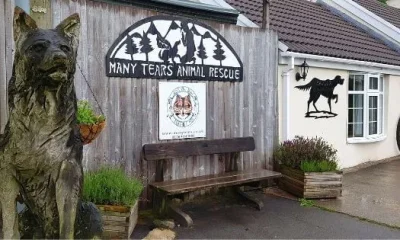
Investigation confirmed after inspectors visit Many Tears Animal Rescue
Licensing authority declines to comment as police confirm attendance at Carmarthenshire rescue centre AN INVESTIGATION is underway following a visit...


Business3 days ago
Work set to begin on £50m hydrogen plant in Milford Haven
A MAJOR new hydrogen production facility worth around £50 million is expected to begin construction in Milford Haven later this...


Education4 days ago
Manorbier school closure approved while insurance claim still unresolved
Council confirms negotiations with insurer ongoing following 2022 fire PEMBROKESHIRE COUNTY COUNCIL has confirmed that negotiations with its insurer over...


Crime5 days ago
‘Knife attack’ at Spittal property leaves man in hospital
POLICE have arrested a woman following what is being described as a ‘knife attack’ at a property in Spittal on...

Community5 days ago
Pembrokeshire to receive its first banking hub in Pembroke Dock
LINK, the UK’s Cash Access and ATM network, has today announced local people and businesses in Pembroke Dock will benefit from a new banking...


Health6 days ago
Future of Withybush Hospital petition sparks urgent call for Senedd debate
CALLS have been made for an urgent debate in the Senedd over the future of services at Withybush Hospital as...


Sport7 days ago
Sean Bowen set for historic Welsh clash at Cheltenham Gold Cup
PEMBROKESHIRE jockey Sean Bowen could be part of a historic all-Welsh showdown when he lines up in the Cheltenham Gold...


Community7 days ago
Tenby still waiting as Wales hits 50 rural mobile mast upgrades
Seaside town plagued by signal congestion again absent from latest government-backed coverage improvements A NEW milestone in the UK Government’s...
-

 Health3 days ago
Welsh Ambulance Service to host bi-monthly Board meeting
-

 News2 days ago
Rayner and Lammy visit Wales to discuss justice and community safety
-

 Local Government5 days ago
Register now to vote in May’s Senedd election
-

 Crime7 days ago
Former Pembrokeshire Army officer stripped of MBE after fraud conviction
-
Community7 days ago
Tenby still waiting as Wales hits 50 rural mobile mast upgrades
-

 Community7 days ago
Carmarthenshire woman celebrates 100th birthday surrounded by family
-
 News7 days ago
Hustings to focus on learning disability support ahead of Senedd election
-

 Crime6 days ago
E-bike rider who sped through pedestrian alley sentenced by court