


Community
New Get Outdoors Partnership launched to expand accessible outdoor opportunities

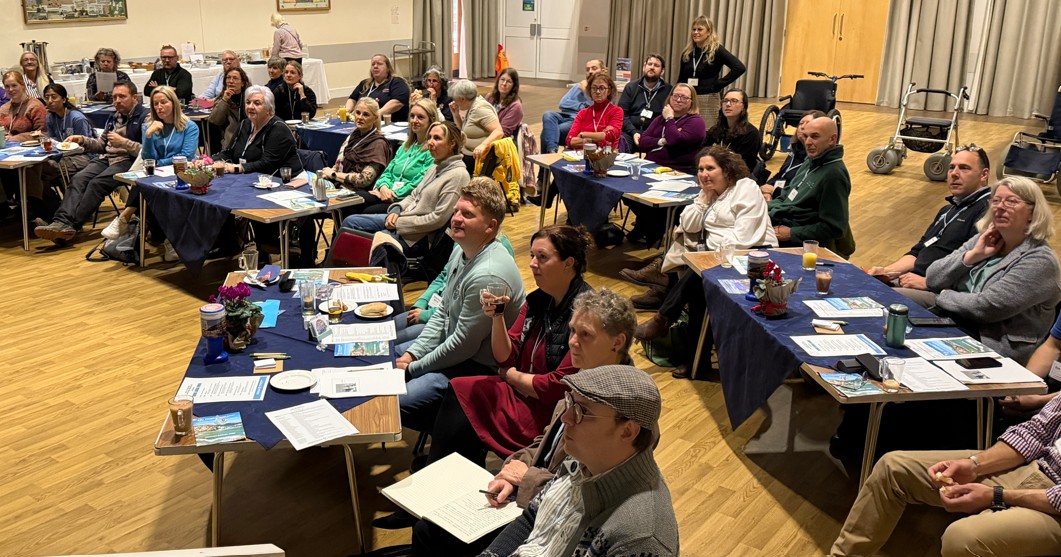
THE PEMBROKESHIRE Coast Charitable Trust has launched a major new initiative aimed at widening access to outdoor experiences across the county.
The Get Outdoors Partnership Programme was formally unveiled at the recent Get Outdoors Network Breakfast in Saundersfoot. The event brought together educators, community groups and local businesses to hear more about the new scheme and how they can get involved.
For almost twenty years, the Trust has provided beach wheelchairs and all-terrain equipment to help people of all abilities enjoy Pembrokeshire’s natural spaces. The new programme builds on that work, creating a long-term, sustainable model to support inclusive outdoor access while offering partners a range of benefits in return. Participating organisations will also be able to display new ‘Get Outdoors’ branding to show their support.
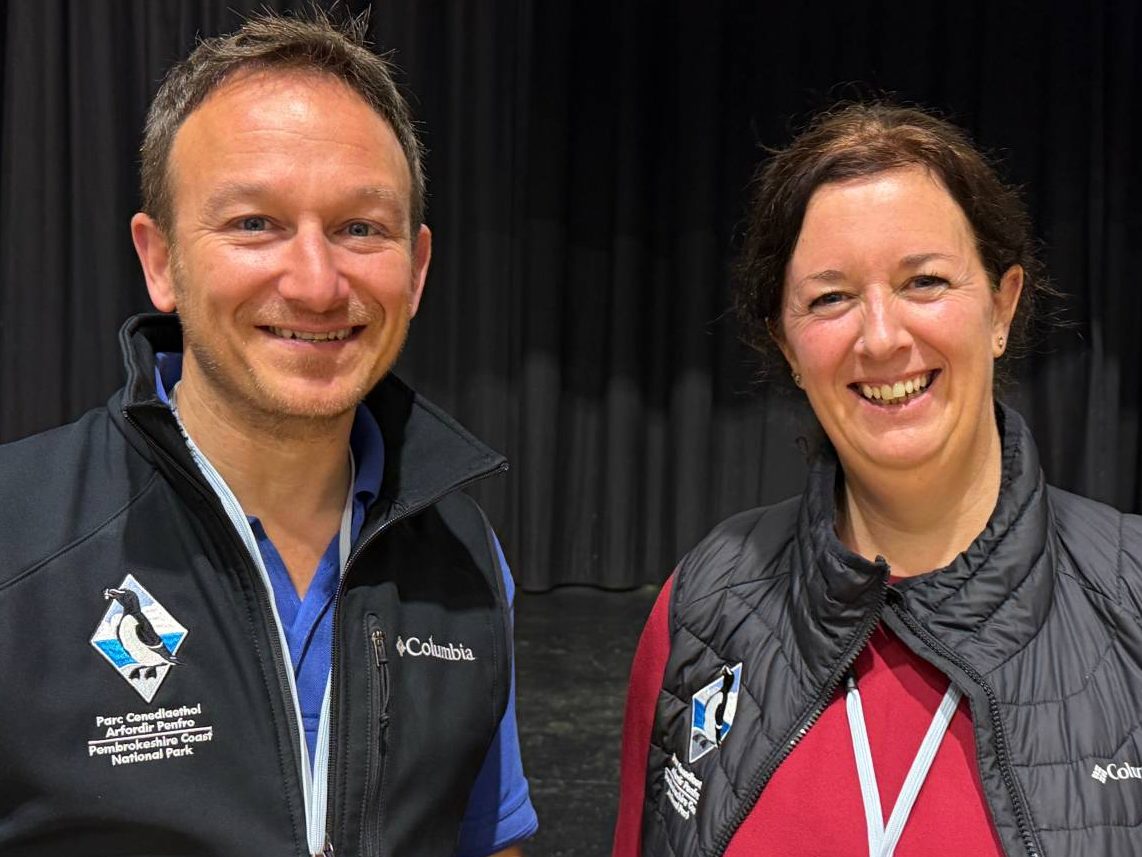
Attendees at the breakfast heard from the Trust’s Education Team about how new equipment is enabling more pupils to take part in outdoor learning. Blue Horizons shared insights into the physical and mental benefits of connecting with the sea, while the Get Outdoors Team invited participants to trial equipment first-hand. Discussions also explored the programme’s countywide impact, the kit currently available, and future opportunities for development.
The Partnership Programme will roll out fully in 2026, with wider expansion planned from 2027. A tiered structure will allow partners to join at a level that suits their needs – from basic access to equipment and support, through to enhanced packages that include training, bespoke kit and opportunities to share their organisation’s story.

The Trust thanked all current hosts, supporters, donors and local businesses who have helped provide accessible outdoor experiences over the years, and said it looked forward to welcoming them into the new programme.
Katie Macro, Director of the Pembrokeshire Coast Charitable Trust, said: “We are incredibly excited to enhance the Get Outdoors Partnership Programme and look forward to working closely with our partners to provide more people with access to the outdoors. This programme is a fantastic opportunity to build on our work over the past 20 years and ensure these experiences are sustainable for the future.”
Next year marks the 20th anniversary of the introduction of beach wheelchairs and all-terrain equipment in Pembrokeshire. A special celebration is planned, with further details to be announced soon.
The Get Outdoors Partnership Programme represents a significant step forward in promoting inclusive outdoor access and securing the long-term future of outdoor learning across the region.



CONSULTATION DRAWS JUST 25 RESIDENTS AS RUNNING COST ESTIMATES VARY BY TENS OF THOUSANDS
THE PROPOSED transfer of Fishguard Town Hall to the town council has come under scrutiny after documents revealed conflicting estimates of the building’s running costs.
Freedom of Information responses and council documents suggest the historic building could cost tens of thousands of pounds a year to operate, raising questions about whether Fishguard and Goodwick Town Council can afford to take on responsibility for it.
Budget links tax rise to town hall plan
A budget report prepared by Fishguard and Goodwick Town Council shows the authority planning £166,336 in spending for the 2025–26 financial year, an increase on the previous year.
Within the administration section of the proposed budget, the council confirms that £20,000 has been allocated towards the proposed Community Asset Transfer of Fishguard Town Hall from Pembrokeshire County Council.
The document also links a proposed 16 per cent increase in the council’s precept directly to the takeover proposal.

After two years with no increase due to the cost-of-living crisis, the report states the rise is “directly related to the proposed CAT of Fishguard Town Hall.”
The council plans to request a £147,070 precept for the coming year.
Dispute over running costs
However, debate over the plan has intensified after different figures emerged for the building’s running costs.
Pembrokeshire County Council has said the average annual cost of utilities — including gas, electricity, water and sewage — for the building over the past three years was between £25,000 and £30,000.

But other figures circulating locally suggest the costs may be far higher.
One estimate cited by residents claims energy bills alone could be around £47,000 a year.
Separate operational figures released through a county council Freedom of Information request indicate that when staffing, maintenance, utilities and business rates are included, the total cost of running the building could exceed £70,000 annually.

Consultation numbers raise questions
Consultation figures released by the Town Council also show relatively modest public engagement with the proposal.
According to the council, 25 people attended the public consultation meeting held at the Town Hall.
A further 93 paper survey responses and 17 online responses were submitted through the council’s consultation process.
The council has not yet published the draft business plan or energy survey relating to the building, stating the documents are still under review.
Transfer still undecided
The potential Community Asset Transfer of Fishguard Town Hall from Pembrokeshire County Council to the town council has been under discussion since 2024, but the arrangement has not yet been formally agreed by either authority.
If the transfer goes ahead, responsibility for operating and maintaining the building would pass from the county council to Fishguard and Goodwick Town Council.
Supporters of the proposal say it would give the community greater control over the future of the historic building.
However, critics argue the long-term costs could place significant pressure on the town council’s finances.
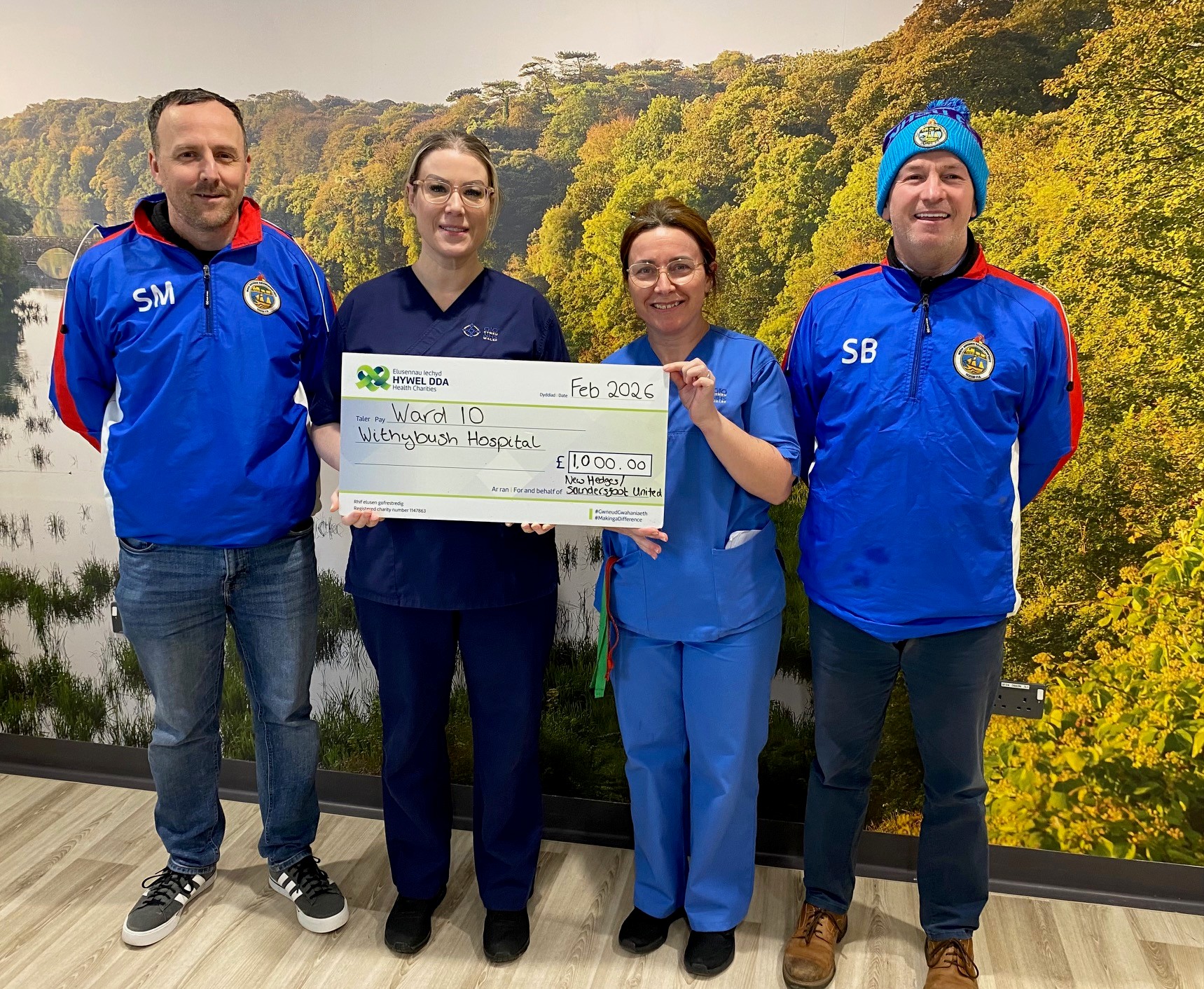
A COMMUNITY football club has raised £1,000 for Ward 10 at Withybush Hospital following a successful charity guest speaker night.
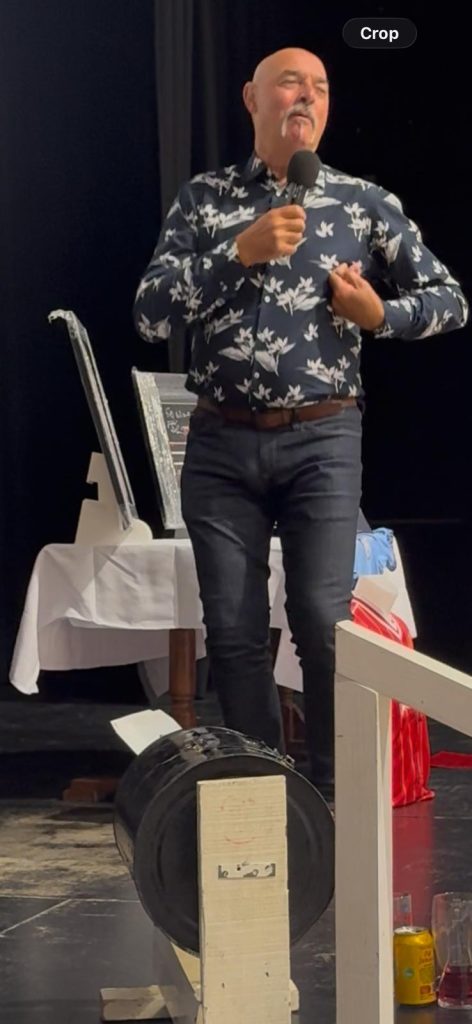
New Hedges Saundersfoot United Football Club organised the annual event at the Regency Hall in Saundersfoot on Saturday (June 28), welcoming supporters for an evening of entertainment and football stories from former Liverpool goalkeeper Bruce Grobbelaar.
The club said the event was held in memory of Gareth Allen, a much-loved former player who died in 2023.
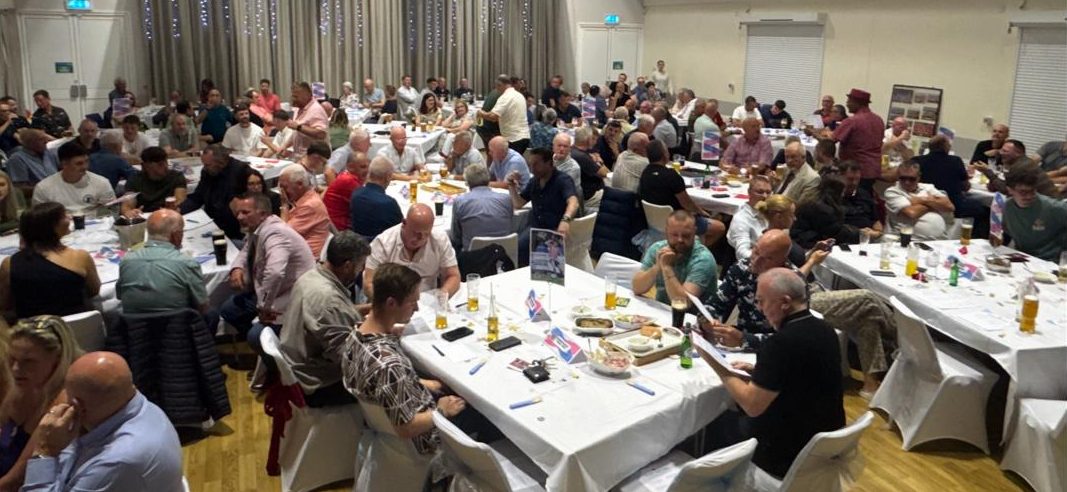
Simon Brace and Stuart McLaren from the club said: “New Hedges Saundersfoot United Football Club is a local amateur junior and senior football club serving the Saundersfoot community.
“This year’s event was organised in memory of Gareth Allen, a much-loved former player of the club who sadly passed away in 2023. We wanted to honour Gareth and show our appreciation for the care he received by donating the proceeds to Ward 10 at Withybush Hospital.”
Katie Hancock, Fundraising Officer for Hywel Dda Health Charities, thanked the club for its support.
She said: “Thank you so much to Simon, Stuart and everyone at New Hedges Saundersfoot Football Club for selecting Ward 10 as one of the beneficiaries of your charity night.
“Your generosity is a lovely tribute to Gareth, and the donation is truly appreciated by the team on Ward 10. We are so grateful for your amazing support.
“The support of our local communities enables us to provide services over and above what the NHS can provide across the three counties of Hywel Dda, and we are extremely grateful for every donation we receive.”
For more information about the charity or how to support local NHS patients and staff, visit www.hywelddahealthcharities.org.uk.

SUPPORT organisations from across Ceredigion will gather at Cardigan Guildhall Market next week to raise awareness about cancer and the importance of early detection.
The event, organised by HAHAV Ceredigion, the county’s volunteer-led hospice-at-home charity, will take place on Thursday (Mar 19) between 10:00am and 3:00pm.
Visitors will have the opportunity to learn about local cancer support services, speak directly with specialists and pick up information about screening programmes which can help detect cancer at an earlier stage.
While one in four people in Wales sadly die from cancer, survival rates have doubled over the past 50 years. Health experts say this improvement is largely due to earlier diagnosis through national screening programmes.
HAHAV Ceredigion’s Living Well Manager, Susie Scott said: “A significant reason for the increase in survival rates is the success of screening programmes. Early detection saves lives and can mean shorter treatment times.
“However, survival rates in rural communities, of which we have many in Ceredigion, are still lower. That means it is even more important that people have access to the right information and support.”
Several organisations will be attending the event alongside HAHAV Ceredigion, including Hywel Dda University Health Board’s Cancer Information Support Service and the Lingen Davies Cancer Champions.
Susie added that a recent grant from the Lingen Davies cancer charity has helped HAHAV deliver important awareness and prevention work across rural communities.
Other groups attending include Cardigan Cancer Care and Knitted Knockers, a charity that creates handmade breast prostheses for women recovering from breast cancer surgery.

Susie said: “Breast cancer screening is a great example of how awareness and early detection can improve survival, with more women now reaching the five and ten-year survival milestones.
“But bowel cancer cases are increasing in people under fifty, and deaths from kidney and liver cancer are also rising. That makes it vital that people know where they can go locally for advice and support.”
Members of the public are encouraged to visit the event to speak with support organisations and learn more about cancer prevention, symptoms and local services.
Photo caption: Susie Scott, HAHAV Ceredigion’s Living Well Manager, with a giant breast model created by Ann Shrosbree of Small World Theatre in Cardigan. The model will also feature in the Lingen Davies ‘Titty Trail’, an 11-mile awareness walk highlighting the signs and symptoms of breast cancer.



Sport3 hours ago
France crowned Six Nations champions after extraordinary final-day drama
Ramos penalty in Paris seals title as Ireland fall just short and Wales end losing run FRANCE were crowned 2026...


News7 hours ago
Fishguard linked to allegations in Many Tears Animal Rescue investigation
Claims about puppies arriving through Pembrokeshire port emerge as licensing probe continues FISHGUARD has been named in allegations linked to...

Local Government1 day ago
Investigation confirmed after inspectors visit Many Tears Animal Rescue
Licensing authority declines to comment as police confirm attendance at Carmarthenshire rescue centre AN INVESTIGATION is underway following a visit...


Business2 days ago
Work set to begin on £50m hydrogen plant in Milford Haven
A MAJOR new hydrogen production facility worth around £50 million is expected to begin construction in Milford Haven later this...


Education3 days ago
Manorbier school closure approved while insurance claim still unresolved
Council confirms negotiations with insurer ongoing following 2022 fire PEMBROKESHIRE COUNTY COUNCIL has confirmed that negotiations with its insurer over...


Crime4 days ago
‘Knife attack’ at Spittal property leaves man in hospital
POLICE have arrested a woman following what is being described as a ‘knife attack’ at a property in Spittal on...


Community4 days ago
Pembrokeshire to receive its first banking hub in Pembroke Dock
LINK, the UK’s Cash Access and ATM network, has today announced local people and businesses in Pembroke Dock will benefit from a new banking...


Health5 days ago
Future of Withybush Hospital petition sparks urgent call for Senedd debate
CALLS have been made for an urgent debate in the Senedd over the future of services at Withybush Hospital as...


Sport6 days ago
Sean Bowen set for historic Welsh clash at Cheltenham Gold Cup
PEMBROKESHIRE jockey Sean Bowen could be part of a historic all-Welsh showdown when he lines up in the Cheltenham Gold...


Community6 days ago
Tenby still waiting as Wales hits 50 rural mobile mast upgrades
Seaside town plagued by signal congestion again absent from latest government-backed coverage improvements A NEW milestone in the UK Government’s...
-

 Health2 days ago
Welsh Ambulance Service to host bi-monthly Board meeting
-

 News1 day ago
Rayner and Lammy visit Wales to discuss justice and community safety
-

 Local Government4 days ago
Register now to vote in May’s Senedd election
-

 Crime6 days ago
Former Pembrokeshire Army officer stripped of MBE after fraud conviction
-

 Entertainment5 days ago
How the Cheltenham Festival Captivates Racing Fans Every Year
-

 Crime5 days ago
E-bike rider who sped through pedestrian alley sentenced by court
-
Community6 days ago
Tenby still waiting as Wales hits 50 rural mobile mast upgrades
-

 Community6 days ago
Carmarthenshire woman celebrates 100th birthday surrounded by family