


Climate
Welsh groups urge leaders to put fairness at the heart of UN climate summit in Brazil

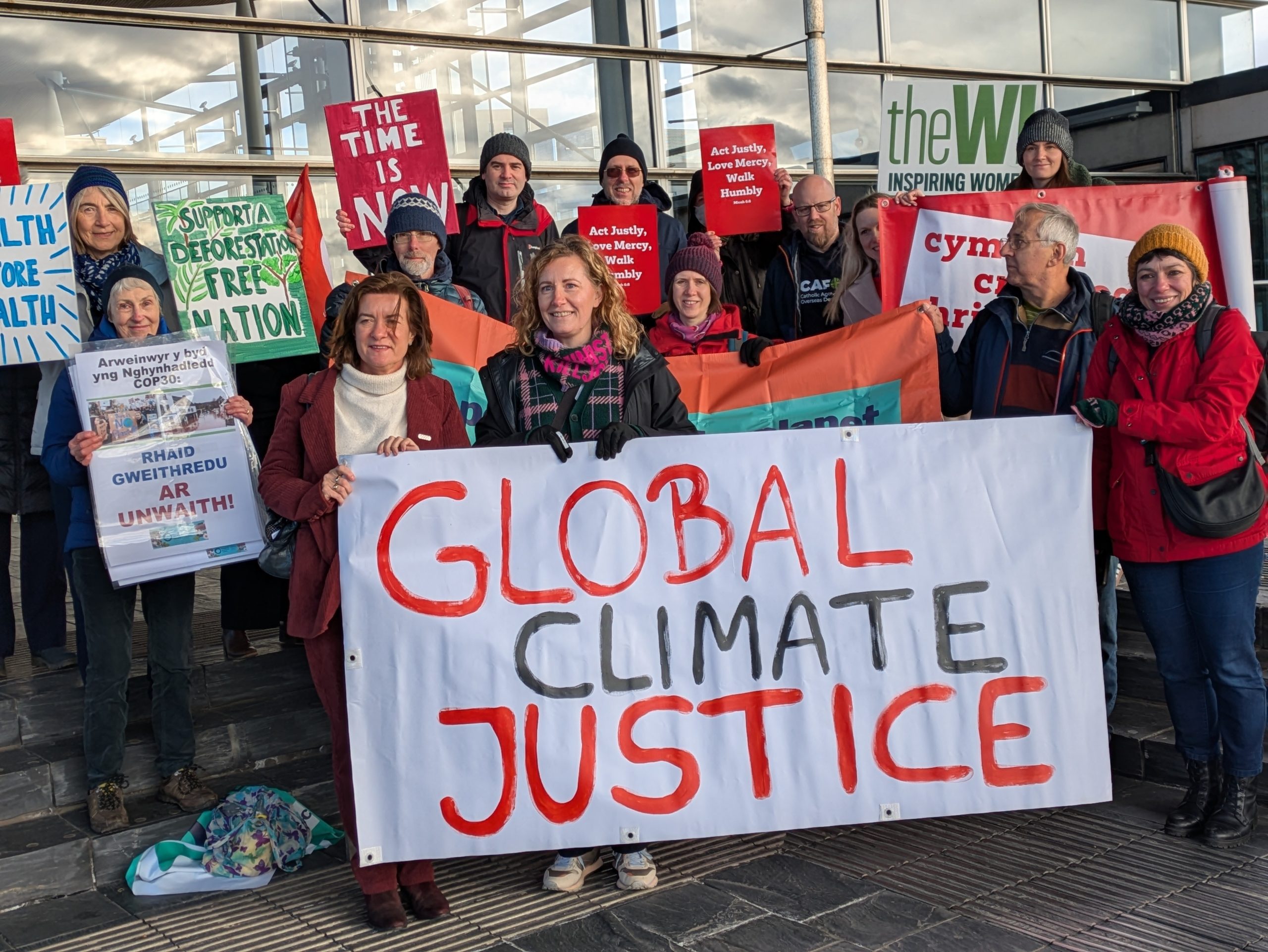
Calls for justice-focused action as COP30 continues
WELSH climate campaigners gathered outside the Senedd on Wednesday (Nov 19) to urge global leaders to put fairness and justice at the centre of negotiations as COP30 continues in Brazil.
Global Climate Justice Cymru held a people-powered demonstration between 12:00pm and 1:00pm, marking what they describe as a pivotal moment in international climate diplomacy. The event was attended by First Minister Eluned Morgan MS, along with Jenny Rathbone MS, Lindsay Whittle MS and Jane Dodds MS.
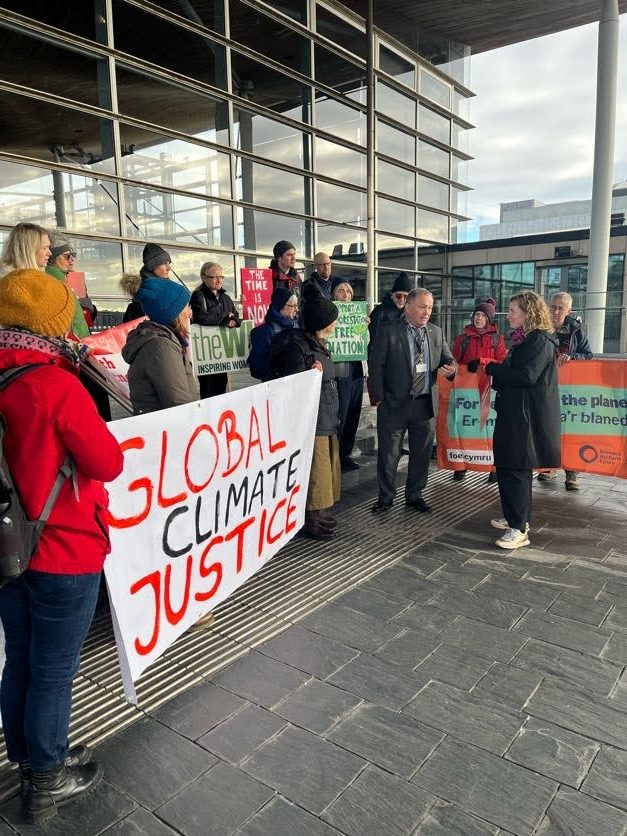
Campaigners say COP30 represents a turning point — a moment when governments must decide whether future climate policies will serve global justice or deepen global inequality. The coalition also echoed concerns raised by several Members of the Senedd over Prime Minister Keir Starmer’s decision to attend COP30 without committing UK support to the Tropical Forests Forever Facility (TFFF), a major initiative intended to secure long-term protection for the world’s tropical forests.
Global Climate Justice Cymru argues that Wales must continue to show leadership by meeting its own emission-reduction targets with “courage, clarity and solidarity.” They point to Wales’s longstanding internationalist outlook — from miner-led anti-apartheid solidarity to its status as a Nation of Sanctuary — and call for that legacy to guide Welsh involvement in global climate efforts.
Campaigners highlighted that those suffering the most severe effects of climate change are often those who contributed the least. Many communities around the world now face catastrophic loss and damage, shrinking aid budgets, rising debt and worsening inequality. The gathering expressed solidarity with frontline groups, including Indigenous peoples defending forests and biodiversity. Campaigners also welcomed the Brazilian Government’s decision to create 10 new Indigenous territories.

Brazil’s Indigenous Minister Sonia Guajajara recently stated: “Indigenous territories are the world’s best defence against climate collapse. Recognising and protecting them is not optional — it is climate policy.”
Haf Elgar, Director of Friends of the Earth Cymru, said the calls from Welsh citizens for stronger climate action remain overwhelming, despite divisive political debate.
“At all times, and especially during the UN Climate Talks, we stand in solidarity with communities most impacted by the climate crisis – from the devastating floods in Wales recently to those on the frontline in the Amazon,” she said.
“We call on global leaders, and our politicians here in Wales, to make the changes needed to ensure we can all live in a fairer, more equal world.”
Sarah Rees, Head of Oxfam Cymru, said climate justice cannot be separated from global inequality.

“The climate emergency and rising inequality are twin crises rooted in an economic system that exploits people and the planet,” she said. “Those least responsible – people in poverty and marginalised communities, especially in the Global South – feel the greatest impact. Climate justice means more than cutting emissions; it means tackling inequality and ensuring a fair, inclusive transition.”
Michaela Rohmann from Global Climate Justice Cymru added that the climate crisis reinforces long-standing structural inequalities.
“We know the climate crisis amplifies existing systemic inequalities, and we recognise how Wales and other Global North countries have contributed to global inequalities and excessive carbon emissions alike,” she said.

Together, these voices reflect a united Welsh call to stand with communities around the world who are bearing the brunt of the climate emergency.
Global Climate Justice Cymru will now invite Members of the Senedd to support a series of commitments, including:
- Cancelling debt for vulnerable countries and providing meaningful loss-and-damage finance
- Signing and promoting the Fossil Fuel Non-Proliferation Treaty
- Introducing legally binding consumption-based emissions targets for Wales
- Strengthening Wales’s global solidarity programmes
Ensuring Welsh public funds — including procurement, pensions and investments — do not contribute to deforestation or human rights abuses
A joint hand-in of these policy proposals is planned to accompany the event, alongside the publication of Global Climate Justice Cymru’s full manifesto briefing.

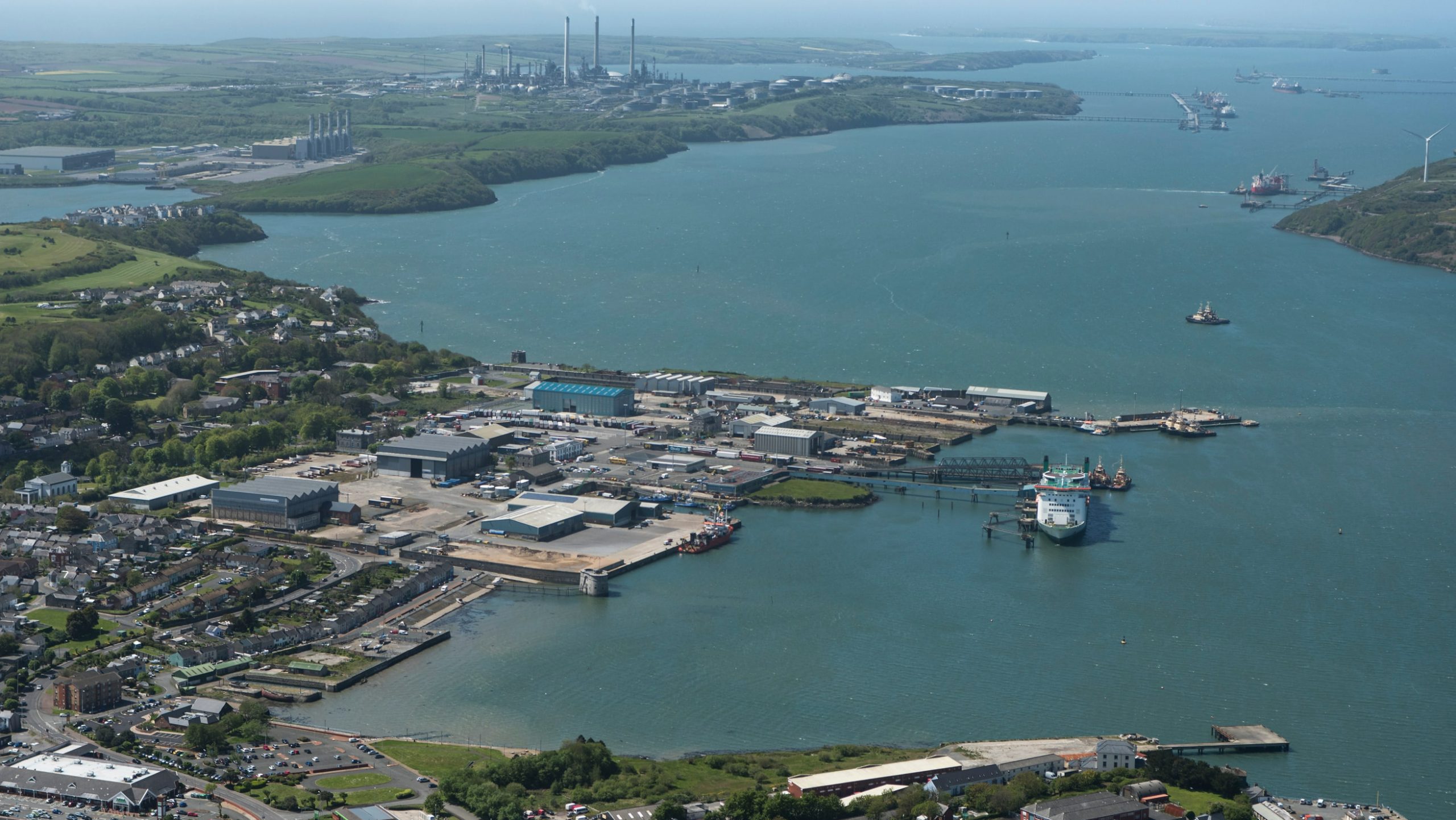
THE CELTIC FREEPORT has secured £638,000 in UK Government funding to support key infrastructure projects in Pembroke Dock and Port Talbot, helping to unlock future investment and accelerate development linked to floating offshore wind and clean energy industries.
The funding forms part of a wider £3.3 million package announced for sixteen Industrial Strategy Zone projects across the UK. The three successful Celtic Freeport schemes will focus on removing development barriers and preparing sites for future commercial activity.
Successful projects
Criterion Quay, Pembroke Dock — £213,000
Funding will support technical assessments required to enable floating offshore wind operations and maintenance (O&M) infrastructure at the site.
Talbot Wharf, Port Talbot — £265,000
Land remediation works will improve the viability of development plots, making them more attractive to companies within the floating offshore wind supply chain.
Port Talbot Marine Infrastructure — £160,000
Feasibility and design work will be carried out to refurbish two jetties, supporting future import and export activity and strengthening marine capability at the port.
Rt Hon Steve Reed MP, Secretary of State for Housing, Communities and Local Government, said:“From offshore wind manufacturing on the Humber to new clean energy facilities in Pembrokeshire, this backing for our freeports will generate real economic growth across the country. By tackling the barriers developers face early on, we’re helping to unlock significant private investment and create thousands of good jobs in clean energy and advanced manufacturing.”
Luciana Ciubotariu, Chief Executive of Celtic Freeport, said: “Today marks a significant milestone for Pembroke Dock and Port Talbot. Securing UK Government funding for these three projects accelerates the Celtic Freeport’s vision, supporting investment in port infrastructure that will enable floating offshore wind and the wider green energy transition.”

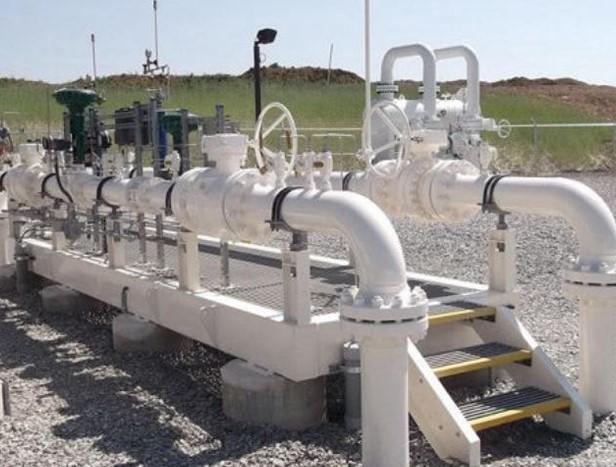
THE FINAL stage of a call for a 1.5km hydrogen gas pipeline in Pembrokeshire in connection with a previously granted scheme for green energy production has been given the go-ahead by the national park.
Late last year Pembrokeshire County Council approved a scheme by Zurich-based MorGen Energy Ltd, previously known as H2 Energy Europe, sought permission for a 1.5km six-inch 10-bar low-pressure hydrogen pipeline and associated Above Ground Installation at the Impala Terminal, Milford Haven to the South Hook Liquid Natural Gas (LNG) Terminal.
A supporting statement through agent Fisher German said the scheme crossed both Pembrokeshire County Council and the national park authorities, with a similar application before that authority.
It added: “The proposals form part of the West Wales Hydrogen project, where planning permission was granted on October 6, 2023, for the development of a new 20MW hydrogen production facility at the Impala Terminal (formerly Puma Energy) in Milford Haven.
“The approved hydrogen production facility which uses electrolysis to split water into hydrogen and oxygen, where the oxygen is a by-product of the process. The hydrogen production plant will produce 1,875 tons of hydrogen per year. Hydrogen will be distributed via high pressure vessels (40 ft. containers) to various customers in the closer vicinity, opening the hydrogen market to a large variety of customers.

“Hydrogen will also be distributed to the South Hook LNG Terminal and it is proposed that this will be via a new six-inch 10-bar hydrogen pipeline. The option to supply hydrogen to the South Hook LNG terminal via high pressure hydrogen containers was dismissed due to safety considerations at the terminal.
“This application therefore seeks planning permission for a section of below ground hydrogen pipeline within the jurisdiction of Pembrokeshire County Council, which comprises the north part of the route from the hydrogen plant at Impala to the South Hook LNG Terminal, alongside an AGI at the Impala Terminal.”
An officer report accompanying that approval said the southern part of the proposed pipeline was within the jurisdiction of the Pembroke Coast National Park Authority.
A national park officer report for that part, recommending approval, said its section of the pipeline “is a linear parcel of land comprising approximately 0.994 hectares,” adding: “It is mainly the location of a disused railway, now overgrown with scrub and grassland, in the open countryside.”
It added: “The development site is cross-boundary, situated primarily within the jurisdiction of the Pembrokeshire Coast National Park Authority (the south-west extent), with a small section of the proposed pipeline (and an above-ground installation (AGI)) within the Pembrokeshire County Council (PCC) LPA area (the north-east extent).”
The national park side was conditionally approved by planners.
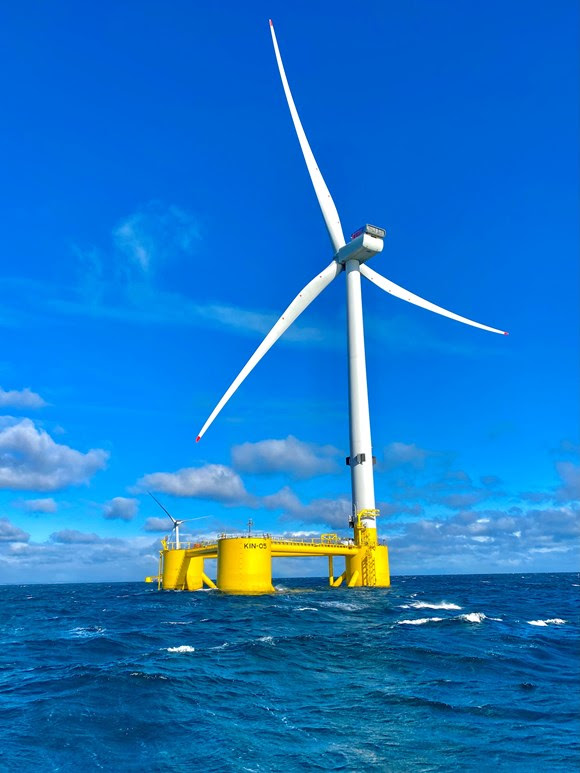
A MAJOR boost for Wales’ renewable energy sector could bring thousands of new jobs after a record number of projects secured UK Government backing — including one development in Pembrokeshire.
Twenty large-scale renewable energy schemes across Wales have been awarded contracts in the latest Contracts for Difference (CfD) auction round, providing long-term price guarantees for electricity generation and allowing construction to move forward.
The successful projects include five onshore wind farms, 12 solar developments and three tidal energy schemes, with a combined capacity of more than 530 megawatts.
Among them is the Pembrokeshire Solar Park, a proposed 9.9MW solar development which could contribute to local energy generation and economic activity in the county.
Welsh Government ministers said the projects together could create thousands of green jobs while helping Wales meet its carbon reduction targets.
First Minister Eluned Morgan said: “I am delighted these projects have been successful in the latest auction round. As well as meeting vital targets to reduce carbon, onshore wind and tidal energy bring major economic benefits and high-quality jobs to Wales. The Welsh Government is committed to ensuring Wales is at the forefront of the green energy revolution.”
Nearly all available UK tidal funding in this auction round — 99.65% — was secured by Welsh projects, strengthening Wales’ position in marine energy development.
Rebecca Evans, Cabinet Secretary for Economy, Energy and Planning, said improving planning certainty had been key to attracting investment.
She said: “We know how important clarity and certainty are for developers, which is why we are working hard to speed up the planning process for major infrastructure projects. Our new legislation and our investment in capacity building is already making a difference.”

The Welsh Government said the developments will also create supply-chain opportunities for local businesses across Wales.
While the majority of projects are located outside west Wales, the inclusion of the Pembrokeshire scheme highlights the county’s continuing role in the transition toward renewable energy, alongside existing and planned marine and hydrogen initiatives around the Milford Haven Waterway.
The Contracts for Difference scheme is the UK Government’s main mechanism for supporting low-carbon electricity generation, providing developers with a guaranteed price for power over a fixed period to reduce financial risk and encourage investment.
Further details about timelines for individual projects are expected to emerge as developers progress planning and construction phases.



News7 hours ago
Reform energy policy raises questions for Milford Haven and Celtic Freeport ambitions
PLANS outlined in Reform UK’s Welsh manifesto have sparked debate over how the party’s energy policies could affect the future...


Crime10 hours ago
Man who threatened to kill police during Milford Haven standoff avoids jail
Judge tells defendant his ‘erratic and reckless’ behaviour caused serious disruption to emergency services A MILFORD HAVEN man who threatened...


Crime11 hours ago
Police investigating nightclub assault in Saundersfoot
POLICE are appealing for information following a serious assault at a nightclub in Saundersfoot which left two people with significant...


News1 day ago
Greens oppose US space radar plan for St Davids Peninsula
CANDIDATE CRITICISES DARC PROPOSAL THE GREEN PARTY has voiced strong opposition to plans for a major US military radar installation...


Crime1 day ago
Chinese intelligence probe reaches Dyfed-Powys Police area
Counter-terror officers arrest man in Powys as part of national security investigation THREE men have been arrested in Wales and...


Crime1 day ago
Man sentenced after punching convicted paedophile in Haverfordwest pub
A HAVERFORDWEST man has been sentenced after punching a convicted paedophile inside a town centre pub. Haverfordwest Magistrates’ Court heard...


Health2 days ago
Davies and Kurtz attack ‘fantasy hospital’ pledge for west Wales
Senedd Members demand immediate investment in Withybush and Bronglais as election campaign intensifies SENEDD Members Paul Davies and Samuel Kurtz have launched a fresh...


Health3 days ago
Hywel Dda warns of ‘significant pressure’ as A&E departments remain packed
Patients urged to use NHS 111 as Withybush, Glangwili and Bronglais face continued strain HYWEL DDA University Health Board has...


News3 days ago
War stops Qatar gas: Milford Haven LNG supplies disrupted
UK energy security concerns grow after shutdown at major export facilities ENERGY bills in the UK could rise sharply after...


Community3 days ago
Martyn Butler dies aged 71 months after Haverfordwest visit
Co-founder of Terrence Higgins Trust attended local plaque unveiling honouring friend Terry Higgins A LEADING figure in the UK’s response...
-

 Community7 hours ago
Whitland Post Office re-opens under new management
-

 Community6 days ago
St David’s Day parade brings colour and celebration to Haverfordwest
-

 Crime3 days ago
Nine deny Class A drugs conspiracy as case set for Crown Court trial
-

 Health3 days ago
Welsh Labour launches Senedd campaign with £4bn hospital pledge
-

 On The Road7 days ago
The Complete Guide to Choosing the Right Alloy Wheels
-
Health2 days ago
Davies and Kurtz attack ‘fantasy hospital’ pledge for west Wales
-

 Sport3 days ago
South Pembrokeshire Short Mat Bowls Association results
-
Crime10 hours ago
Man who threatened to kill police during Milford Haven standoff avoids jail