


international news
‘Russian’ sonar device recovered off Skomer amid new concern over spy ship

Find comes months after Russian vessel monitored off Pembrokeshire coast
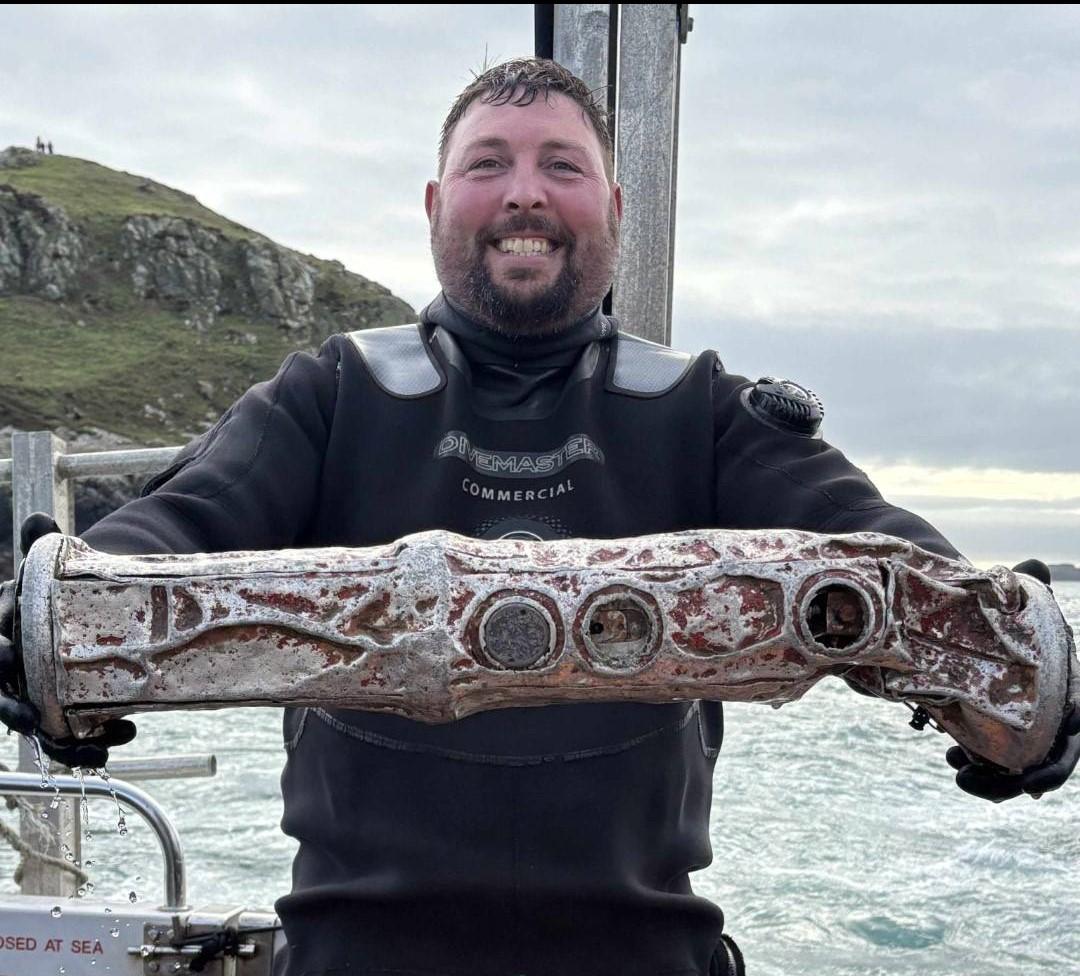
A SUSPECTED Russian sonobuoy – the type used to track submarine movements – has been recovered from the seabed off Skomer Island, Pembrokeshire, just months after a notorious Russian surveillance ship was monitored operating off the Welsh coast.
Volunteer divers from Neptune’s Army of Rubbish Cleaners (NARC) made the discovery on Saturday, November 15, during one of their routine seabed clean-ups near Wooltack Point. The cylindrical device, thick with barnacles and marine growth, appears consistent with equipment used by foreign militaries for underwater monitoring. The team also removed several discarded fishing weights from the conservation area.
Sonobuoys are normally deployed from aircraft and are used to detect submarine activity. Some operate passively by listening for acoustic signatures through hydrophones, while others emit sound pulses and analyse returning echoes before transmitting data back to aircraft or nearby vessels.
The object has now been handed to the relevant authorities for formal assessment.
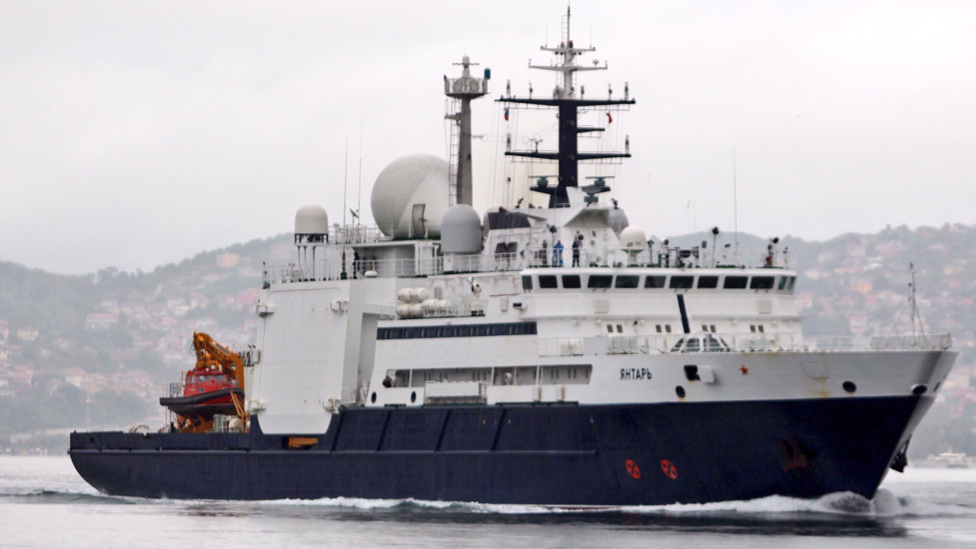
 HMS Somerset flanking Russian ship Yantar near UK waters in January (Royal Navy/PA)
Heightened tensions at sea
The timing of the discovery has sharpened local concerns, coming in the same week Defence Secretary John Healey confirmed that the Russian spy ship Yantar has been operating on the edge of UK territorial waters.

RAF pilots monitoring the vessel reported that lasers were directed at their aircraft – an action Mr Healey described as “deeply dangerous”. He added that the UK has “military options ready” should the vessel head further south.
Yantar is known within NATO for its deep-sea intelligence capabilities, including the ability to locate, map and potentially tamper with critical undersea infrastructure. This includes fibre-optic communications cables, energy pipelines and data routes vital to the UK’s economy and national security.
It is the second time this year the vessel has entered wider UK waters. In July 2025, Yantar was tracked off the Pembrokeshire coast, prompting RAF surveillance flights and a Royal Navy frigate to be dispatched to shadow it. At the time, defence officials told The Herald the ship was “lingering unusually close to sensitive undersea cables”.
Local concerns and unanswered questions
While the origins of the object discovered off Skomer have not yet been confirmed, its presence near a protected Welsh marine reserve has raised eyebrows among security specialists.

Experts note that sonobuoys can be lost or abandoned during military exercises, and it is not yet clear whether the device is Russian, British or from any other nation. However, the combination of recent Russian naval behaviour, the location of the find and the increasing strategic focus on undersea infrastructure makes the discovery particularly notable.
Skomer and the surrounding waters form one of Wales’ most important marine conservation zones, attracting thousands of visitors and researchers every year. The area is protected for its seabird colonies, grey seals and rich underwater habitats.
NARC, which has removed more than 1,000 tonnes of debris from Welsh waters over the past two decades, say they will continue their regular programme of clean-ups to protect the site from hazards.

A spokesperson for the group said further details about the recovered device will be released once authorities have completed their analysis.

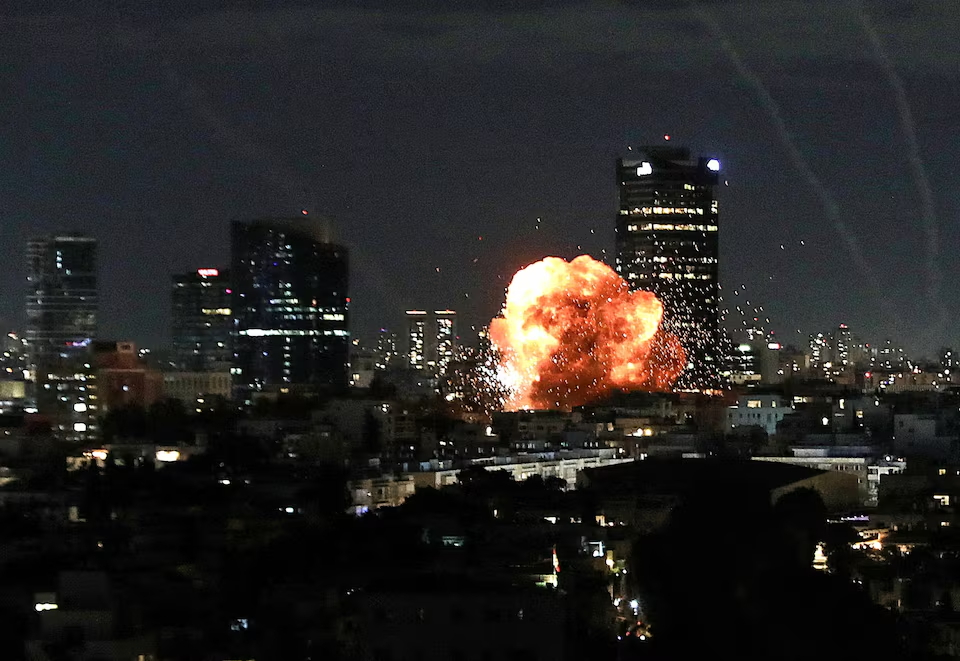
A RAPIDLY escalating war between Iran, Israel and the United States has expanded dramatically across the Middle East, with major airstrikes on Tehran, missile and drone attacks across the Gulf, and the sinking of an Iranian warship in the Indian Ocean marking one of the most dangerous global crises in decades.
The conflict, which began only days ago following joint US–Israeli strikes inside Iran, has now spread across multiple countries and military theatres, drawing in NATO air defences, threatening global oil supplies and triggering international evacuations.
Military analysts warn the situation could develop into a full regional war if the cycle of retaliation continues.
War triggered by assassination of Iran’s supreme leader
The current crisis began after coordinated American and Israeli strikes targeted senior Iranian leadership and military infrastructure.
Among those killed was Iran’s Supreme Leader, Ayatollah Ali Khamenei, a development that has plunged the Islamic Republic into both military confrontation and political uncertainty over who will lead the country next.
The attacks were reportedly planned weeks in advance and targeted command centres, security headquarters and other strategic sites across Iran.
Tehran responded by launching waves of missiles and drones across the region, including attacks on Israel and military installations hosting US forces in Gulf states such as Bahrain, Kuwait and the United Arab Emirates.
Air raid sirens have repeatedly sounded in Israeli cities as interceptors attempt to shoot down incoming Iranian missiles.
Israeli airstrikes hammer Tehran and Lebanon
Israeli forces have continued a sustained bombing campaign across Iran, targeting Revolutionary Guard facilities, police headquarters and other security infrastructure in Tehran.

Explosions have been reported across several districts of the capital as Israeli aircraft and missiles strike strategic targets.
At the same time, Israel has expanded operations against Iranian allies in Lebanon, striking Hezbollah positions and ordering civilians to evacuate areas close to the border.
The Israeli military says the aim is to dismantle Iran’s ability to wage war through its regional proxy networks.

NATO intercepts missile heading towards Turkey
The conflict has also spilled towards NATO territory.
Turkish defence officials confirmed that a ballistic missile launched from Iran crossed Iraqi and Syrian airspace before being intercepted by NATO air defence systems in the eastern Mediterranean.
The missile was destroyed before entering Turkish airspace, and no casualties were reported.
NATO has condemned the attack and warned Iran that further escalation could threaten the security of alliance members.
British military base struck in Cyprus
The war has already touched British military infrastructure.
A drone believed to be Iranian-made struck RAF Akrotiri in Cyprus earlier this week, marking the first attack on the UK’s key Middle East airbase in decades.
The base plays a central role in British operations in the region, and the strike has raised concerns that UK forces could be drawn more deeply into the conflict.
US submarine sinks Iranian frigate
One of the most dramatic developments occurred thousands of miles away in the Indian Ocean.
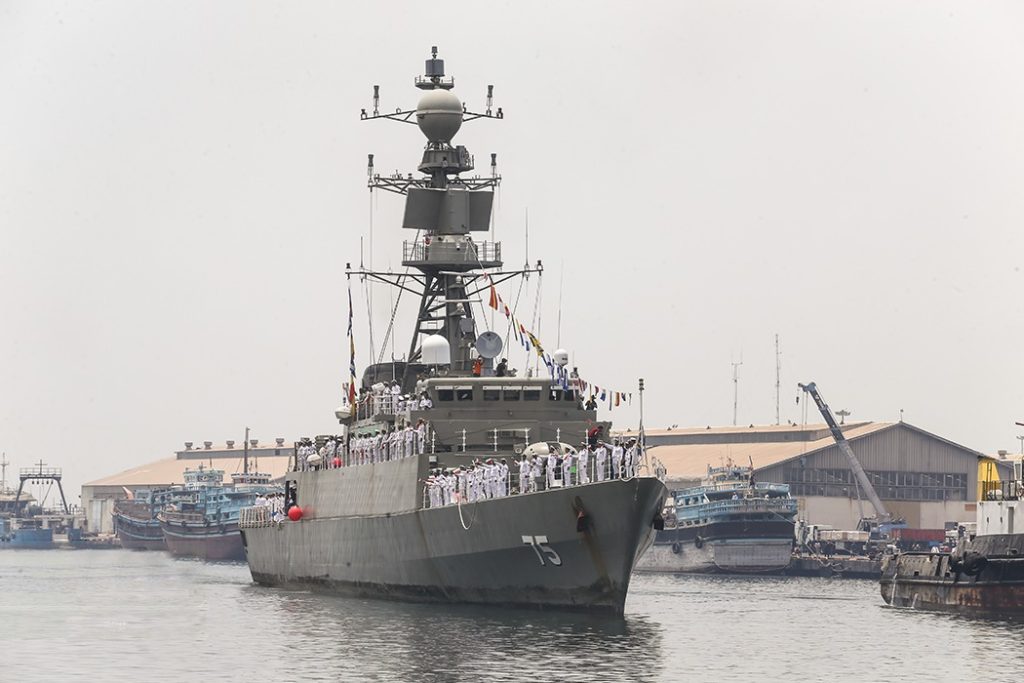
A US Navy submarine torpedoed and sank the Iranian frigate IRIS Dena off the southern coast of Sri Lanka.
The ship was carrying about 180 crew members when it was hit while travelling in international waters.
Sri Lankan naval vessels launched a major rescue operation after receiving a distress call from the stricken vessel.
So far only thirty-two sailors have been rescued, with dozens confirmed dead and many more still missing.
The attack is historically significant — it is the first time since the Second World War that an American submarine has sunk an enemy warship using a torpedo.
US defence officials say the strike was part of a wider campaign to destroy Iran’s naval capability.
Hundreds killed as fighting spreads
Casualty figures across the region are rising rapidly.
Officials say more than a thousand people have been killed in Iran since the bombing campaign began, with further deaths reported in Israel, Lebanon and among American forces deployed in the region.
The United Nations has also expressed alarm after reports that a girls’ school in southern Iran was struck during the early stages of the fighting, killing large numbers of children.
Both Israel and the United States say the strike was not deliberate and that investigations are under way.
Strait of Hormuz disruption sends shock through markets
The conflict is already having major economic consequences.
Iran has effectively halted much of the shipping traffic through the Strait of Hormuz — the narrow sea passage through which a large proportion of the world’s oil exports normally pass.
Drone attacks have struck several tankers and maritime traffic has dropped sharply as insurers and shipping companies avoid the area.
Energy analysts say the disruption could trigger global fuel price rises if the crisis continues.
Iran vows devastating retaliation
Iran’s Revolutionary Guard has warned that continued attacks on the country could lead to “widespread destruction” across the Middle East.
Officials in Tehran have vowed retaliation against American and Israeli targets across the region.
At the same time, the country faces a leadership vacuum following the death of its supreme leader, with religious authorities now responsible for selecting a successor.
Some analysts believe the instability inside Iran could intensify the conflict further.
What happens next
Military leaders in Washington say the campaign against Iran could last weeks, with additional strikes expected deeper inside the country.
Israel has also warned that it will target any new Iranian leadership if attacks against Israel continue.
With missile exchanges, naval battles and drone strikes already spreading across multiple countries, the conflict now risks becoming one of the largest wars in the Middle East in decades — with potentially global economic and political consequences.
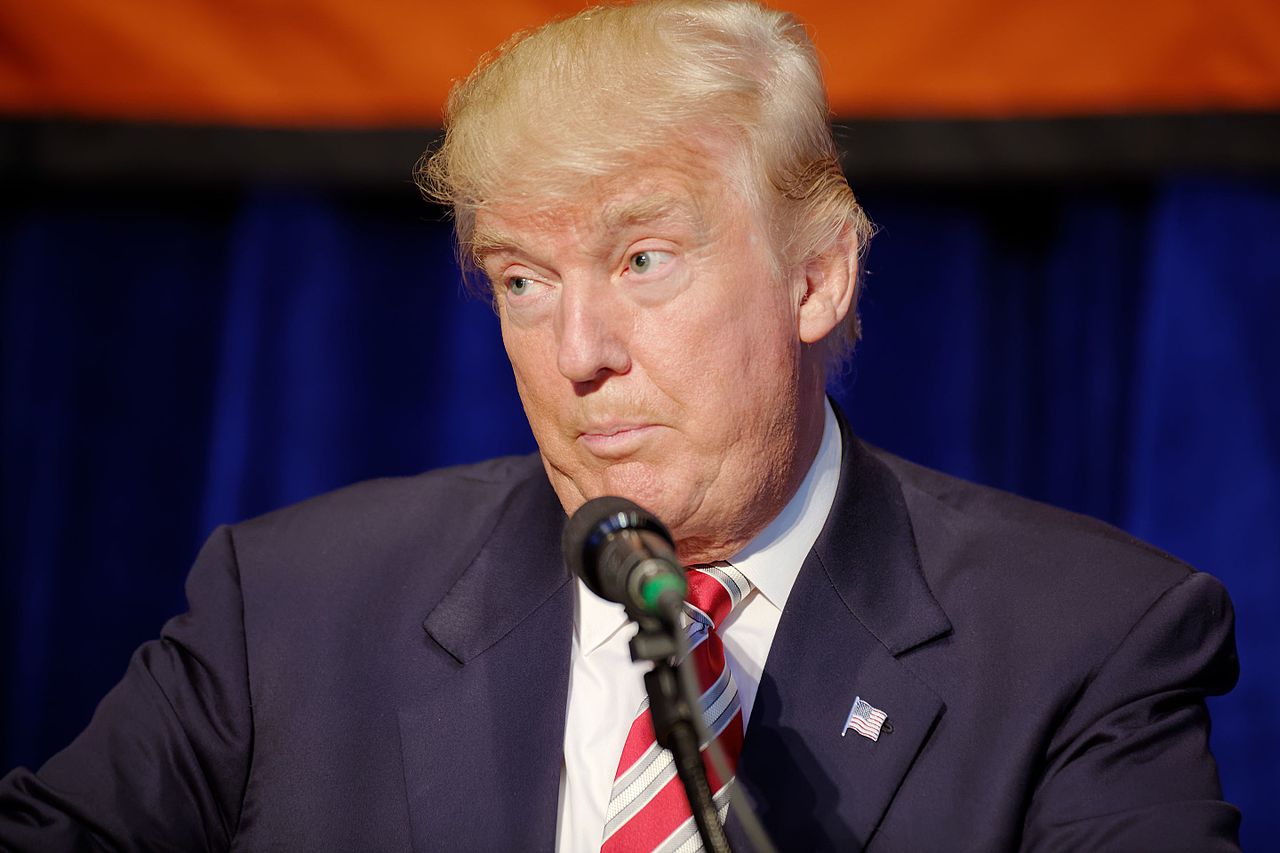
US lawmaker claims documents contradict former president’s account of Mar-a-Lago ban
FORMER US President Donald Trump is facing renewed scrutiny after a senior American lawmaker claimed newly reviewed Jeffrey Epstein documents contradict Trump’s long-standing account of why he cut ties with the disgraced financier.
The claims centre on unredacted files released under the Epstein Files Transparency Act, which has triggered ongoing political controversy in Washington as lawmakers continue examining millions of documents linked to Epstein and his convicted associate Ghislaine Maxwell.
Democratic Congressman Maxwell Frost said the material he reviewed suggests Trump may not have banned Epstein from his Mar-a-Lago resort in 2007 for the reasons previously stated publicly. Trump has repeatedly said he ended the relationship after learning Epstein had recruited a young woman from the club.
Frost alleges witness statements in the files present a different version of events. He has indicated he plans to disclose further details under congressional privilege during a speech to the US House of Representatives — a legal protection that shields lawmakers from defamation liability when speaking in Congress.
Trump has not been charged with any wrongdoing in connection with Epstein, and previous investigations by US authorities have not produced evidence sufficient for prosecution against him or other high-profile figures linked socially to Epstein.
Massive document release
The Epstein files consist of millions of pages gathered during federal investigations into Epstein’s sex-trafficking network. Congress mandated their release in an effort to increase transparency, but disputes continue over redactions and missing material.
Lawmakers from both parties have criticised the Justice Department over what they say are excessive redactions and restricted access to the documents. Frost has also alleged that officials attempted to limit congressional scrutiny — claims the department has not publicly confirmed.
The controversy comes amid broader political fallout involving Maxwell, who is serving a twenty-year prison sentence for child sex trafficking offences committed with Epstein. Her lawyers are currently challenging the release of additional documents, arguing the law forcing disclosure is unconstitutional.
Earlier revelations
Separate records released recently also included an FBI interview summary suggesting Trump may have known about concerns regarding Epstein’s conduct as early as 2006, according to a former Florida police chief cited in the documents. Trump has denied prior knowledge of criminal activity.

The former president has previously dismissed aspects of the Epstein controversy as politically motivated and has described allegations against him contained in some files as false.
Political impact
The issue has become a significant political flashpoint in the United States, with Republicans accusing Democrats of exploiting the files for partisan purposes, while Democrats argue that powerful individuals connected to Epstein have avoided accountability.
With further disclosures expected, the political ramifications — including potential implications for the upcoming US election cycle — remain uncertain.

Former UK ambassador questioned over alleged links to Jeffrey Epstein as political pressure mounts
FORMER Labour cabinet minister Lord Peter Mandelson has been arrested after police searched two of his homes as part of an investigation into alleged misconduct in public office.
The 72-year-old, who previously served as the UK’s ambassador to the United States, is accused of leaking sensitive government information to convicted sex offender Jeffrey Epstein. Officers were seen at one of his properties earlier this month, and he was later taken from his London home in an unmarked police vehicle.
His arrest comes only days after Prince Andrew was detained on suspicion of similar offences, with police also carrying out extensive searches of his residences, including Royal Lodge, over an eleven-hour period. Investigators are now expected to examine electronic devices seized during the operations, including phones and computers.
The Metropolitan Police previously confirmed that warrants were executed at addresses in Camden and Wiltshire in connection with an ongoing investigation involving a 72-year-old man suspected of misconduct in public office.
Deputy Assistant Commissioner Hayley Sewart said officers from the Met’s Central Specialist Crime team were leading the inquiry.
The allegations relate to documents reportedly contained within files linked to Epstein, which appear to suggest Mandelson shared confidential or market-sensitive government information during his time in office. The extent of his association with Epstein has become a major political controversy, raising questions about vetting and judgement at the highest levels of government.
The situation has also created significant political pressure on the Prime Minister, who had appointed Mandelson to the ambassadorial role last year. Downing Street has since been forced to release thousands of emails and messages relating to the appointment, with officials continuing to review the correspondence.
Several MPs have publicly criticised the decision to appoint Mandelson, with some calling for senior figures within government to take responsibility for what they describe as a serious lapse in judgement.
Police have not yet confirmed whether any charges will follow.


News12 hours ago
Greens oppose US space radar plan for St Davids Peninsula
CANDIDATE CRITICISES DARC PROPOSAL THE GREEN PARTY has voiced strong opposition to plans for a major US military radar installation...

Crime17 hours ago
Chinese intelligence probe reaches Dyfed-Powys Police area
Counter-terror officers arrest man in Powys as part of national security investigation THREE men have been arrested in Wales and...


Crime18 hours ago
Man sentenced after punching convicted paedophile in Haverfordwest pub
A HAVERFORDWEST man has been sentenced after punching a convicted paedophile inside a town centre pub. Haverfordwest Magistrates’ Court heard...


Health1 day ago
Davies and Kurtz attack ‘fantasy hospital’ pledge for west Wales
Senedd Members demand immediate investment in Withybush and Bronglais as election campaign intensifies SENEDD Members Paul Davies and Samuel Kurtz have launched a fresh...


Health2 days ago
Hywel Dda warns of ‘significant pressure’ as A&E departments remain packed
Patients urged to use NHS 111 as Withybush, Glangwili and Bronglais face continued strain HYWEL DDA University Health Board has...

News2 days ago
War stops Qatar gas: Milford Haven LNG supplies disrupted
UK energy security concerns grow after shutdown at major export facilities ENERGY bills in the UK could rise sharply after...


Community3 days ago
Martyn Butler dies aged 71 months after Haverfordwest visit
Co-founder of Terrence Higgins Trust attended local plaque unveiling honouring friend Terry Higgins A LEADING figure in the UK’s response...

Crime3 days ago
Nine deny Class A drugs conspiracy as case set for Crown Court trial
Eight remanded in custody as four-week trial fixed for May 18 NINE people have denied conspiring to supply Class A...


Community3 days ago
No asylum seekers housed in west Wales hotels, latest Home Office figures show
WEST Wales currently has no asylum seekers being housed in hotels, according to the latest figures published by the Home...


Community6 days ago
St David’s Day parade brings colour and celebration to Haverfordwest
HAVERFORDWEST town centre was a hive of activity today (Friday, Feb 27) as hundreds of children from schools across Pembrokeshire...
-
 News7 days ago
Hoax 999 call sparks massive lifeboat and helicopter rescue — man arrested
-

 Charity7 days ago
Big Bash brings community together to support grieving children
-

 Health7 days ago
Petition against hospital service changes surges past 6,000 signatures
-
Crime7 days ago
West Wales man jailed for murder of five-month-old baby
-

 Health7 days ago
Who is responsible for NHS changes affecting west Wales?
-

 Sport7 days ago
WRU facing vote of no confidence as clubs force extraordinary meeting
-

 Crime7 days ago
St Dogmaels man jailed over hundreds of indecent images
-

 Farming7 days ago
Higher welfare farming benefits millions of animals in Wales