


Climate
Welsh customers and the Crown Estate: Are seabed fees really driving up bills?

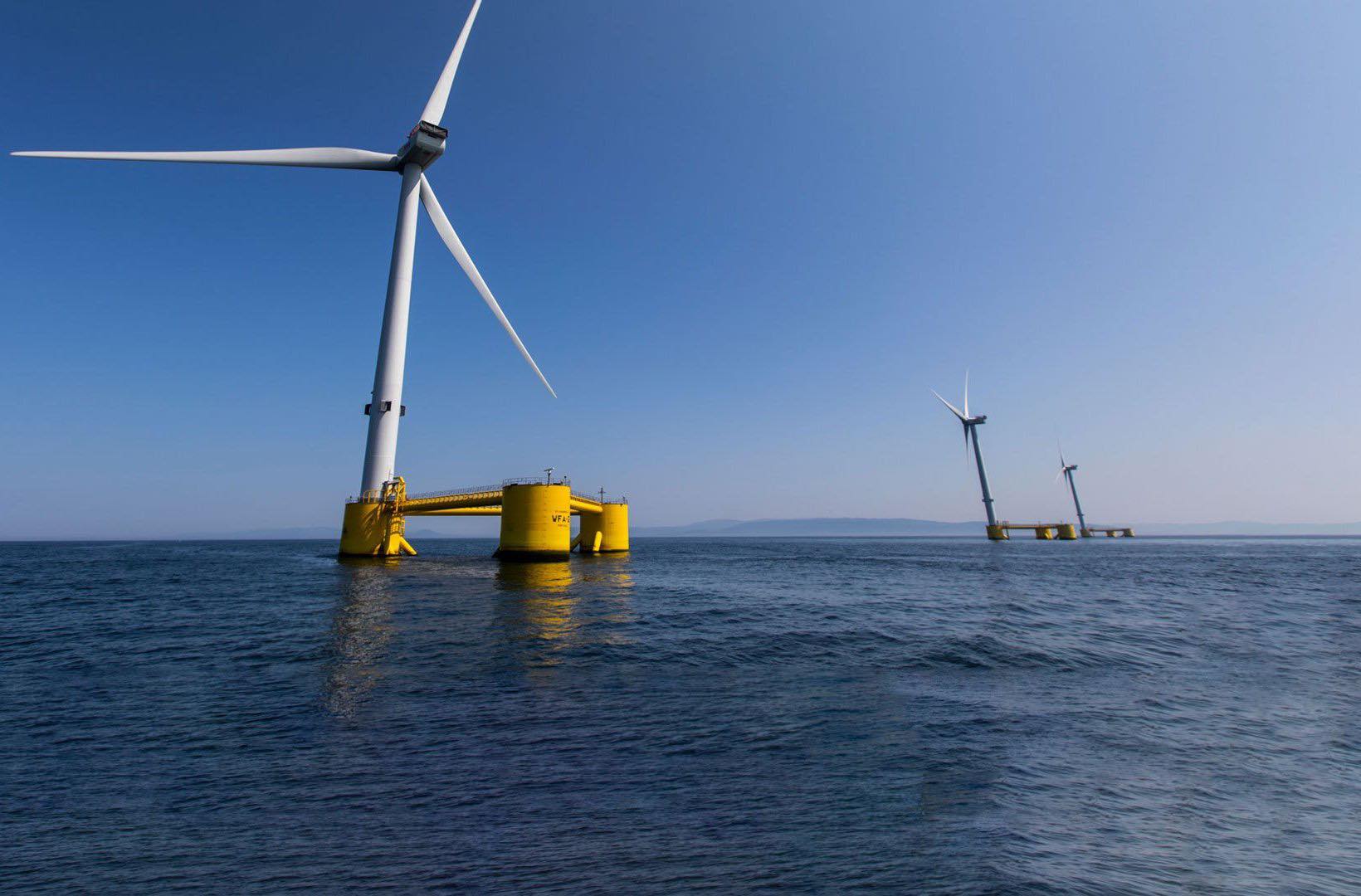
Debate intensifies as Lib Dems and Greenpeace accuse the Crown Estate of “profiteering” — but experts and ministers say seabed fees are a tiny part of energy costs
WELSH households face some of the highest electricity bills in Britain, and offshore wind development in the Celtic Sea has become a heated political battleground. The Welsh Liberal Democrats, backed by Greenpeace UK, insist that “monopoly profiteering” by the Crown Estate is inflating the cost of renewable energy and allowing wealth generated off the Welsh coast to flow out of the country with little local benefit.
But the Crown Estate, the UK Government and several independent analysts strongly dispute these claims, arguing that seabed leasing fees make up only a small fraction of the cost of building wind farms—and that the biggest drivers of recent price increases lie elsewhere.
Lib Dems allege “monopoly behaviour”
Speaking in Parliament this week, Welsh Liberal Democrat MP David Chadwick said the Crown Estate’s decision to run uncapped auctions for seabed rights had “forced developers to pay billions just to access the seabed”, with those costs ultimately passed to consumers through the Government’s Contracts for Difference (CfD) system.
Leasing Round 4 in 2021 generated headline bids of £9.4 billion across the UK—more than all previous leasing rounds combined. Greenpeace campaigner Angharad Hopkinson described the process as “profiteering” and claimed the system was “fleecing Welsh communities while Crown Estate executives take home massive bonuses”.
The party argues that Wales sees “almost no direct return” from offshore wind despite hosting some of the most promising waters for renewable energy in Europe. It wants seabed auctions reformed and the Crown Estate in Wales fully devolved.

Seabed fees are a small slice of total costs
However, independent analysis paints a more nuanced picture. Aurora Energy Research estimates that seabed payments—comprising option fees and annual rents—represent only 1–3% of the lifetime cost of a typical offshore wind farm.
The biggest jumps in project costs, analysts say, have been driven by factors entirely outside the Crown Estate’s control:
- 40–50% increases in the price of offshore turbines
- steep rises in steel, concrete and subsea cable costs
- supply-chain delays since the pandemic
- interest rates rising from near-zero to 5–6%
According to Aurora, even if the Crown Estate charged nothing for the seabed, the CfD strike price needed for new Celtic Sea projects would fall by only £2–£3 per MWh—less than 5% of the level developers sought in the last auction.
RenewableUK and major developer Ørsted both back this view, saying seabed fees are “a known, modest cost” and not the reason offshore wind prices have increased.

Most of the £9.4 billion never materialised
The huge Round 4 headline figure is also misleading. Owing to the same inflationary pressures that have hit global renewable projects, most developers have since withdrawn or renegotiated their option agreements. As a result, the Crown Estate has received only a fraction of the original bids.
Where does the money go?
All net profits from the Crown Estate go directly to the UK Treasury. Since 2017, these profits have reduced the Sovereign Grant paid to the Royal Family—cutting the cost to taxpayers. In 2023–24 alone, Crown Estate earnings lowered the Sovereign Grant by £108 million.
Wales also receives a population-based share of UK-wide spending through the Barnett formula. Analysis by the Wales Governance Centre suggests Wales receives between £4 and £4.5 billion more per year in identifiable public spending than England, partly funded by UK-wide Crown Estate and renewable-energy revenues.

Devolution dispute
Although the Welsh Liberal Democrats want full devolution of the Crown Estate, the Labour-run Welsh Government has repeatedly declined to back the idea. Ministers say Wales would lose its substantial fiscal transfer from the rest of the UK and inherit liabilities, such as decommissioning costs and legal risks.
In Scotland, where the Crown Estate is devolved, the smaller portfolio has run at a loss in some years, and community wealth funds from offshore wind have so far been limited.
Executive pay and reforms
Critics have highlighted the Crown Estate CEO’s £1.9 million pay package in 2023–24, though most of this was a one-off deferred bonus linked to Round 4 income that ultimately did not materialise. The base salary is around £370,000.
The Crown Estate says it is now consulting on a new leasing round with lower option fees, and has voluntarily returned more than £100 million of unspent Round 4 payments to developers to help projects proceed.
Bottom line
Seabed fees play a role in the cost of offshore wind, but the evidence suggests they are not a major driver of rising consumer bills. Global inflation, supply-chain pressures and high interest rates remain far more significant.
What is clear is that Wales receives no ring-fenced financial benefit from wind farms off its coast—and whether the current UK-wide model is fairer or less fair than full devolution remains a live political argument, with Labour, Liberal Democrats, campaigners and analysts sharply divided.


Major investment expected to boost low-carbon industry and create skilled jobs in West Wales
A MAJOR green hydrogen project planned for the Milford Haven Freeport tax site has taken a significant step forward after developers approved the final investment decision.
Energy company MorGen Energy has confirmed it will proceed with the West Wales Hydrogen project, one of the first schemes backed through the UK Government’s Hydrogen Allocation Round (HAR1) to reach this stage.
The facility will be built within the Milford Haven Tax Site, part of the Celtic Freeport zone covering Pembrokeshire and Neath Port Talbot.
Construction is expected to begin in 2026, with the plant scheduled to become operational in early 2028.
Once completed, the site is expected to produce around 2,000 tonnes of low-carbon hydrogen each year, meeting the UK’s Low Carbon Hydrogen Standard.
The hydrogen produced will support a range of industries, including port operations, manufacturing and industrial heating, as well as use as a chemical feedstock.
Supporters say the development will help reduce carbon emissions while strengthening Milford Haven’s role in the UK’s emerging hydrogen economy.
The project is also expected to create skilled jobs and provide work for local contractors during the construction phase.
Further expansion may be possible in future phases as demand for hydrogen grows, potentially helping establish Milford Haven as a major hub for low-carbon energy production serving South Wales and beyond.

Luciana Ciubotariu, Chief Executive of Celtic Freeport, said the decision marked another milestone for the region.
She said: “MorGen Energy’s decision is another major step forward for the hydrogen economy in South West Wales.
“Projects like this within the Milford Haven Tax Site show how the Celtic Freeport is accelerating decarbonisation while creating high-value jobs.”

The UK Government’s Hydrogen Allocation Round scheme provides revenue support to help scale up the country’s low-carbon hydrogen sector and bring early projects to market.

POLICE appeal for witnesses after man reportedly attacked by group of eight men near Llanddarog junction
Local officers are investigating an alleged assault that took place on the A48 westbound at the Llanddarog junction, before the Nantycaws turn-off, at around 2:30pm on Saturday (Mar 7).
The incident is reported to have involved eight men who had parked Harley-Davidson motorcycles in a lay-by. The group allegedly assaulted a man who was travelling in a car.
The victim sustained moderate injuries and their vehicle was also damaged during the incident.
Anyone with information, or with private CCTV or dashcam footage showing suspicious activity in the area at the time, is asked to contact police in one of the following ways:
Online: https://orlo.uk/KRjzb
Email: [email protected]
Call: 101
Alternatively, information can be passed anonymously to the independent charity Crimestoppers by calling 0800 555111 or visiting crimestoppers-uk.org.
Please quote reference: DP-20260307-227.
Countryside charity welcomes decision but warns over cumulative impact of dozens of schemes across Wales
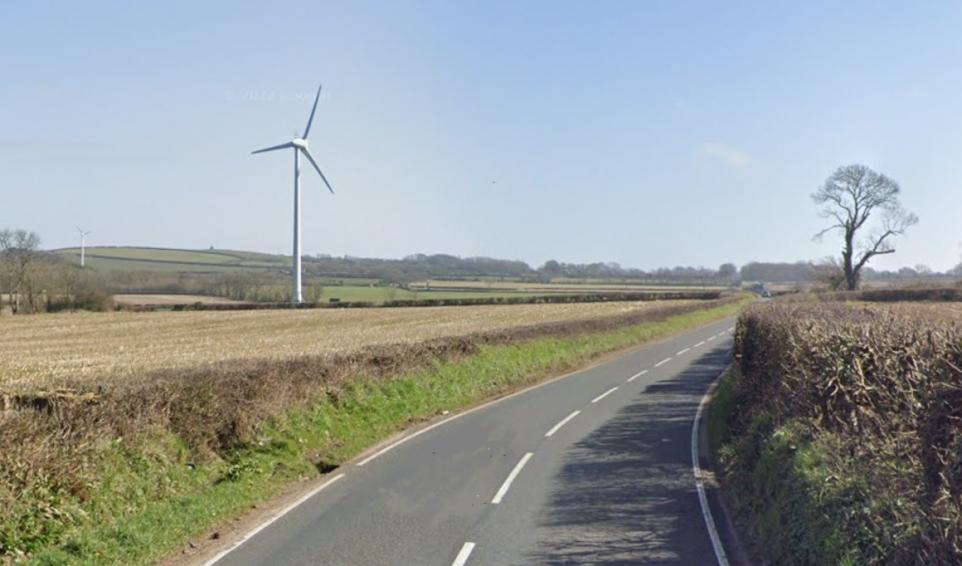
THE WELSH countryside charity CPRW has welcomed the decision by energy developer Bute Energy to withdraw its planning application for the proposed Nant Ceiment Energy Park in Carmarthenshire.
The scheme would have seen up to thirteen large wind turbines constructed in the Teifi Valley landscape.
Bute Energy confirmed the withdrawal following what it described as a detailed review of environmental, land and commercial factors, concluding that the project was not viable in its current form.
Local residents and campaigners had raised concerns about the potential impact of the turbines and the wider cumulative effect of multiple large wind developments being proposed across rural Wales.
CPRW chairman Jonty Colchester said the decision demonstrated the importance of scrutiny and public engagement during the planning process.
He said: “We welcome the withdrawal of the Nant Ceiment proposal. It shows that careful scrutiny and community engagement matter.
“Wales does need renewable energy, but it must be delivered through a strategic and coordinated approach that fully respects our landscapes, biodiversity and rural communities.”
The charity says it is currently monitoring more than seventy wind energy proposals progressing through the planning system across Wales.
These include major schemes such as Lan Fawr, Banc y Celyn, Gaerwen, Nant Mithil, Mynydd Maen and projects being promoted by the publicly owned developer Trydan Gwyrdd Cymru.
CPRW warned that several developments in south Wales highlight growing concerns about cumulative impact.
Planning decisions are still pending for schemes including Mynydd Maen, proposed by RES, and Trecelyn, promoted by Pennant Walters. Both developments are linked to the recently approved 92-acre Cil-lonydd solar farm.
Further proposals include four turbines at Rhyswg, while hearings are due to consider the Mynydd Llanhilleth scheme, which would involve seven turbines standing up to 180 metres high.

Campaigners say that when these projects are considered together, they raise concerns about the gradual expansion of large-scale energy infrastructure and the potential industrialisation of wide areas of upland Wales.
While supporting the transition to renewable energy, CPRW says it wants to see a more strategic approach to development that balances the need for green power with protection for landscapes, biodiversity and tourism.
The organisation is calling for a national renewables strategy that takes cumulative impacts into account, with greater emphasis placed on offshore wind projects. It is also urging improved transparency and stronger community involvement earlier in the planning process, alongside robust environmental standards to prevent unsuitable developments going ahead.
Further information on onshore wind proposals across Wales is available on the CPRW website.



Local Government22 hours ago
Investigation confirmed after inspectors visit Many Tears Animal Rescue
Licensing authority declines to comment as police confirm attendance at Carmarthenshire rescue centre AN INVESTIGATION is underway following a visit...

Business2 days ago
Work set to begin on £50m hydrogen plant in Milford Haven
A MAJOR new hydrogen production facility worth around £50 million is expected to begin construction in Milford Haven later this...


Education3 days ago
Manorbier school closure approved while insurance claim still unresolved
Council confirms negotiations with insurer ongoing following 2022 fire PEMBROKESHIRE COUNTY COUNCIL has confirmed that negotiations with its insurer over...


Crime4 days ago
‘Knife attack’ at Spittal property leaves man in hospital
POLICE have arrested a woman following what is being described as a ‘knife attack’ at a property in Spittal on...


Community4 days ago
Pembrokeshire to receive its first banking hub in Pembroke Dock
LINK, the UK’s Cash Access and ATM network, has today announced local people and businesses in Pembroke Dock will benefit from a new banking...


Health5 days ago
Future of Withybush Hospital petition sparks urgent call for Senedd debate
CALLS have been made for an urgent debate in the Senedd over the future of services at Withybush Hospital as...


Sport6 days ago
Sean Bowen set for historic Welsh clash at Cheltenham Gold Cup
PEMBROKESHIRE jockey Sean Bowen could be part of a historic all-Welsh showdown when he lines up in the Cheltenham Gold...


Community6 days ago
Tenby still waiting as Wales hits 50 rural mobile mast upgrades
Seaside town plagued by signal congestion again absent from latest government-backed coverage improvements A NEW milestone in the UK Government’s...


Crime7 days ago
Man raped 15-year-old girl in caravan while she was on family holiday in west Wales
Jury convicts Pendine man after court hears he raped intoxicated teenager in caravan during family holiday A MAN who raped...


Community7 days ago
Crash sparks fresh questions over future of former Haverfordwest library
CONCERNS have been raised about the future of a distinctive Haverfordwest building after a car crashed into it last week,...
-

 Health2 days ago
Welsh Ambulance Service to host bi-monthly Board meeting
-

 Local Government4 days ago
Register now to vote in May’s Senedd election
-

 Health7 days ago
Women’s health services ‘expanding’ across mid and west Wales says Health Board
-

 News21 hours ago
Rayner and Lammy visit Wales to discuss justice and community safety
-

 Cymraeg7 days ago
Commissioner’s five-year report highlights key opportunities to strengthen Welsh language
-

 Crime6 days ago
Former Pembrokeshire Army officer stripped of MBE after fraud conviction
-
Community6 days ago
Tenby still waiting as Wales hits 50 rural mobile mast upgrades
-

 Community6 days ago
Carmarthenshire woman celebrates 100th birthday surrounded by family