


Health
Women driven to end pregnancies amid row over £28 drug


A DOCTOR who facilitated abortions for two women with much-wanted pregnancies was not allowed to prescribe a £28 anti-sickness drug due to cost-effectiveness rules in Wales.
The stark warning came as petitioners called on the Welsh Government to place Xonvea, the only licensed medication for severe pregnancy sickness, on the routine prescription list.
Georgina Forbes, a specialist doctor in Gwent, revealed she facilitated terminations for two women who were suffering from hyperemesis gravidarum (HG) in a single week. HG, which affects about 3% of pregnancies, leads to extreme, persistent nausea and vomiting.
“Both pregnancies were very much planned and wanted,” she wrote. “Both had multiple admissions and were on other medical treatments which were not giving adequate relief.
“For the sake of their physical and mental health, they felt their only option was to terminate their much-wanted pregnancies – inevitably having a further impact on their well-being.”

She warned of distress for the patients and staff involved because Xonvea “may well be the medication that provides symptomatic relief but departments are not allowed to prescribe it”.
Dr Forbes, chair of the College of Sexual and Reproductive Healthcare’s Wales committee, noted Xonvea costs £28 for a 10-day supply – “far less than the cost of admission”. She urged Welsh ministers to ensure women are not “left behind compared to other UK nations”.
In 2019, the drug was rejected for routine use by the All-Wales Medicines Strategy Group (AWMSG) – which advises ministers – due to “insufficient” evidence of cost-effectiveness. Scotland reached a similar conclusion while access in England is inconsistent.
But campaigners argue the decision is a false economy. Data submitted to the Senedd’s petitions committee highlighted a two-night hospital admission to rehydrate a woman with severe sickness costs the NHS £850, with ambulance call-outs costing a further £238.

Petitioner Sarah Spooner, from Monmouthshire, argued the “myopic approach” ignores the costs of untreated sickness such as perinatal mental health support.
Ms Spooner, whose pregnancy sickness was so severe she had to have a termination, warned of inequality in access to treatments. She recalled having to travel to an abortion clinic in Bargoed to get medication, a process she described as “immensely difficult”.
While the Welsh Government has insisted health boards have discretion to prescribe the drug “when other treatments… are ineffective”, staff and patients report a different reality.

Ms Spooner’s 947-name petition warned women face a “postcode lottery” for care, with only two Welsh health boards making Xonvea more widely available.
She was contacted by Heather Kosick, a Canadian doctor, who was horrified by her story.
Dr Kosick wrote: “Here in Canada Xonvea, also called Diclectin, is readily available to all pregnant women. In fact, it is considered the first-line agent for nausea and vomiting in pregnancy due to its extensive safety data.”
Ms Spooner volunteers for the Pregnancy Sickness Support charity which pointed out that Xonvea has been prescribed globally for years, with an estimated 30 million women treated.
The charity highlighted that 57% of patients are forced to cycle through three or more ineffective drugs before being offered Xonvea, which 83% of women found effective.
One patient reported being hospitalised seven times during a pregnancy without Xonvea but zero admissions during a subsequent pregnancy when she was prescribed the drug.
About 5% of women with HG end a wanted pregnancy due to the severity of symptoms, according to a 2021 study, which found 52% considered termination.
The study, from the Obstetric Medicine journal, found 25.5% of respondents occasionally experienced suicidal thoughts while 6.6% reported frequent suicidal ideation.
Writing to the petitions committee, Wales’ health secretary Jeremy Miles said the 2019 AWMSG appraisal remains the “most up-to-date and comprehensive evaluation”.
He told the committee health boards can make Xonvea available in certain circumstances, with more than 1,140 prescriptions issued between January and July 2025. He added that the manufacturer was “unable” to provide updated information to support a reappraisal.
Mr Miles wrote: “We must ensure our health service treats all conditions and diseases fairly. Taking an evidence-based approach helps us to do this, whatever the disease, by ensuring resources are targeted at where the evidence indicates people will gain the most benefit.”
During today’s (December 8) meeting, Senedd members paid tribute to women for sharing their “horrendous” experiences before deciding to ask the AWMSG to reconsider its position.
Plaid Cymru’s Caerphilly MS Lindsay Whittle said: “I don’t think you can put a price on young families, young couples who wish to start a family and have undergone such traumatic decisions.”
He stressed: “Cost should simply not be the issue – families are suffering.”


From sleeping on chairs to parking fines, patients say everyday barriers are pushing the NHS to breaking point
PATIENTS across West Wales are describing a health service under such strain that some say they now expect to be penalised simply for trying to access care.
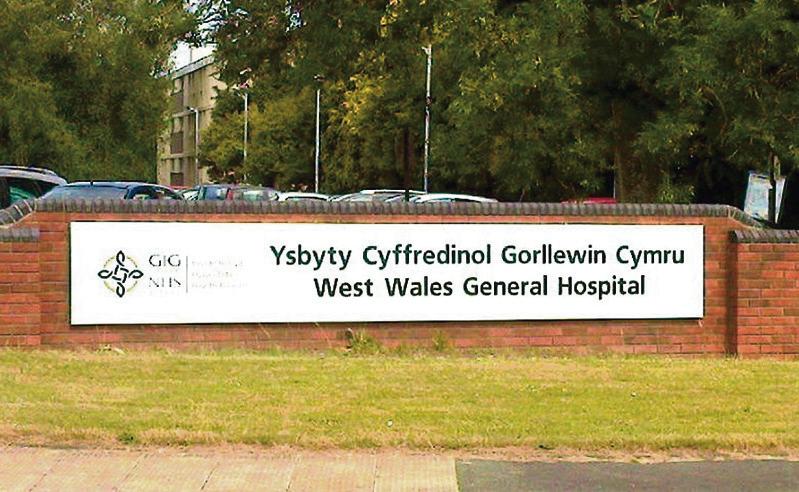
At Glangwili Hospital, stories of patients sleeping on chairs for days due to a lack of beds have been accompanied by growing frustration over issues that begin long before anyone reaches a ward — including parking, access, and the sheer difficulty of getting through the hospital doors.
One disabled patient said they had resigned themselves to receiving a £25 parking fine in order to attend hospital appointments.
“I now accept I will be fined,” they said. “Parking is impossible, but it’s that or miss my appointment. I am too disabled to park miles away and the disabled spaces are always full.”
Others have described spending days in A&E or side rooms, unable to lie down, while waiting for a bed to become available. One patient admitted on New Year’s Day with pneumonia said they slept in a chair for four nights without a pillow or blanket before being moved, only to later discover they also had flu and should have been isolated sooner.
Across social media and in correspondence with the Herald, patients and families repeatedly stress that frontline NHS staff are not to blame — instead pointing to a system that they say is buckling under years of structural strain.
Glangwili, the largest hospital managed by Hywel Dda University Health Board, serves Carmarthenshire and is home to the county’s only accident and emergency department following the closure of A&E at Prince Philip Hospital. That closure, along with reductions in services elsewhere, is frequently cited by patients as a turning point.
Several people said the loss of local A&E and cottage hospitals has forced more patients into already stretched units, increasing ambulance reliance and long-distance travel — particularly difficult in a largely rural region.
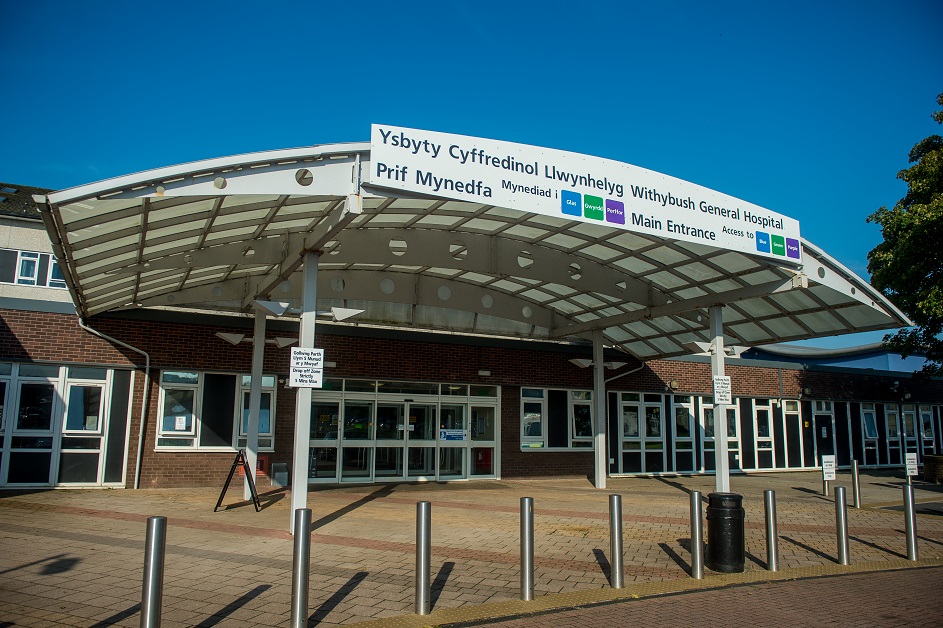
Further west, uncertainty over services at Withybush Hospital continues to fuel anxiety, especially given the scale of reinforced autoclaved aerated concrete (RAAC) identified across the site.

Hywel Dda has acknowledged that almost 90% of Withybush is affected by RAAC, while Glangwili itself is the oldest acute hospital in Wales. The health board says more than £50 million has been spent on the two hospitals in recent years, largely to address critical safety and infrastructure risks rather than expand capacity.
Patients, however, question where that money is felt on the ground.
Some have criticised NHS procurement and management structures, while others point to social care as the missing piece. Repeated comments highlight the lack of care packages and closed care homes, which many believe are leaving medically fit patients unable to be discharged — effectively blocking beds and creating bottlenecks throughout the system.

“There’s nowhere for people to go,” one reader said. “Until social care is sorted, nothing will change.”
Concerns have also been raised about staff morale, with some alleging bullying cultures and burnout contributing to recruitment and retention problems. Again, blame is consistently directed upward rather than at nurses, doctors or porters.
Behind it all looms the long-promised new ‘super hospital’ for Carmarthenshire — first discussed in 2006 and formally launched in 2018. Eight years on, construction has yet to begin, and public confidence in the project is fading.
While Hywel Dda and the Welsh Government insist improvements are under way — including additional funding to expand capacity at Glangwili and improvements to patient experience — many patients say their reality feels far removed from official assurances.
For those attending appointments, sleeping in chairs, or weighing up a parking fine against missing care, the crisis is no longer abstract.
“It’s not politics,” one patient said. “It’s whether you get treated — and how.”

EARLIER this week, Hywel Dda UHB published the results of a consultation into the future configuration of its clinical services.
It is widely accepted that the current provision of clinical services is unsustainable. The Board cannot recruit enough staff to fill vacancies, particularly in rural areas, despite the existing staff shortages there. Only Prince Philip Hospital in Llanelli, situated close to the medical faculty and research facilities in Swansea, experiences relatively little difficulty recruiting and retaining staff.
A QUESTION OF TRUST
Public reactions online to the publication of the results, particularly in Pembrokeshire, were plentiful and mostly negative. Those initial reactions were predictable, even where the report’s details had not been read. However, an examination of the consultation’s findings paints a troubling picture for the Board.
Many of the approximately 4,000 respondents to the consultation said they understood the practical difficulties of delivering healthcare across rural Wales with limited resources. However, many also said they did not expect the Health Board to act in good faith upon its findings. Using the definition of ‘many’ adopted by ORS, a slight majority of respondents to the consultation said, in terms, that they did not trust their local health board.
We asked the Health Board to respond to those findings.

The Board told us: “We hope that by giving the people and communities in Hywel Dda the chance to share their views, we can work together on planning for the future of health care that is safe, accessible, sustainable and kind. More than 4,000 people engaged with us by attending our events, held throughout the Hywel Dda area, neighbouring Health Boards, and online.
“At the Extraordinary Board meeting on the 18 and 19 February, the Board will be considering 48 options across the nine services, 22 of which are alternative options generated directly through staff, public and stakeholder feedback during the consultation process. This reflects our genuine commitment to listening to our communities. There are no preferred options.”
THE ROAD AHEAD
The consultation report included a large range of responses expressing serious concerns about access to services close to home. Respondents aired even stronger misgivings about the linked issue of transport for those attending hospital appointments. Simply put, options that proposed centralising services in one centre or another met with almost universal short shrift from the public.
The options proposed by the Board contained no hint of a transport assessment if key services were centralised, particularly from rural areas. Concerns about transport links, a bugbear for respondents from Pembrokeshire, were expressed by members of the public living in Ceredigion, in rural Carmarthenshire east and north of the M4 and A40.
Without a massive investment in patient transport services or a massively expanded public transport system, it is difficult to see how the Board could reasonably expect a patient with a debilitating condition to reach an appointment many miles away. Therefore, we asked the Board what transport it had commissioned to justify and underpin the options in the consultation.
The Board said: “We carried out Equality Impact Assessment (EqIA) and Quality Impact Assessment (QIA) during options development. Alongside this, there is a dedicated Patient and Travel Insights assessment to explore how changes could affect journeys and access to care. This includes analysis of travel times, transport patterns and the potential effects on different groups.
“We have carefully considered how proposed changes to healthcare services could impact travel and transport for patients, loved ones, and our staff. Some options may involve longer travel times for some people to ensure they can access better-quality care. We have worked with partners such as the Welsh Ambulance Service, the University NHS Trust, and the Adult Critical Care Transfer Service to ensure appropriate transport arrangements have been considered.

“We will continue to work with partners to understand how we can reduce the impact of any changes on travel and transport.”
A DIGITAL FUTURE?
This is at least the fourth consultation this reporter has reported on in the last eleven years. Each has suggested the future provision of healthcare services through technological solutions.
If patients must travel further for appointments, many of which will be clinically routine, remote medical appointments would go some way to addressing that issue. On the surface, it’s a win-win.
Progress has been slow. The technical demands of remote consultation and creaking IT infrastructure have delayed rollout. The risks attendant upon assessing a patient’s condition over a videolink remain undiminished. Moreover, a significant number of older patients either cannot or will not access services online. Rural broadband roll-out, which remains piecemeal, has not been the cure-all previously imagined.
We asked how the options accounted for the factors listed above.
The Board’s response stated that: “Digital is increasingly becoming the means by which we all interact with each other and with everything around us. However, we understand that some members of our Hywel Dda population cannot always access services online, or prefer not to, and we will support them in accessing healthcare in the way that is most convenient for them.”

FINDING (AND KEEPING) STAFF
The problems west Wales has in attracting and retaining healthcare staff are well known. They are chronic and, despite numerous initiatives, have not gone away. Rural areas are a hard sell to young professionals, especially those ambitious to specialise in cutting-edge practice areas. All principal research centres are based in or close to cities. In South Wales, that means Swansea, Cardiff, and Bristol. It follows that the more distant a post is from those centres, the less likely an early-career professional will apply for it.
Meanwhile, working conditions, shift patterns, and travel times to and from workplaces, often miles from home, mean that agency working (less secure, but better paid and more flexible) is an attractive alternative to direct employment. Despite Welsh Government diktats to cut the use of agency staff, healthcare delivery operates in the real world.
The Board told us: “Staff recruitment and retention are challenges across the NHS, especially in rural areas. We continue to recruit staff by offering them competitive remuneration packages and excellent opportunities to work, train and progress in our hospitals and health sites.
“An important motivation for the CSP programme was the expectation that more sustainable, higher-quality services would be more attractive to staff, helping with both retention and recruitment.
“Some options seek to recruit more substantive staff rather than temporary staff, which will be better for our clinical teams and improve patient care. Some options provide current staff with chances to work more closely together in teams and offer more training opportunities.”
PEMBROKESHIRE FIGHTS FOR WITHYBUSH
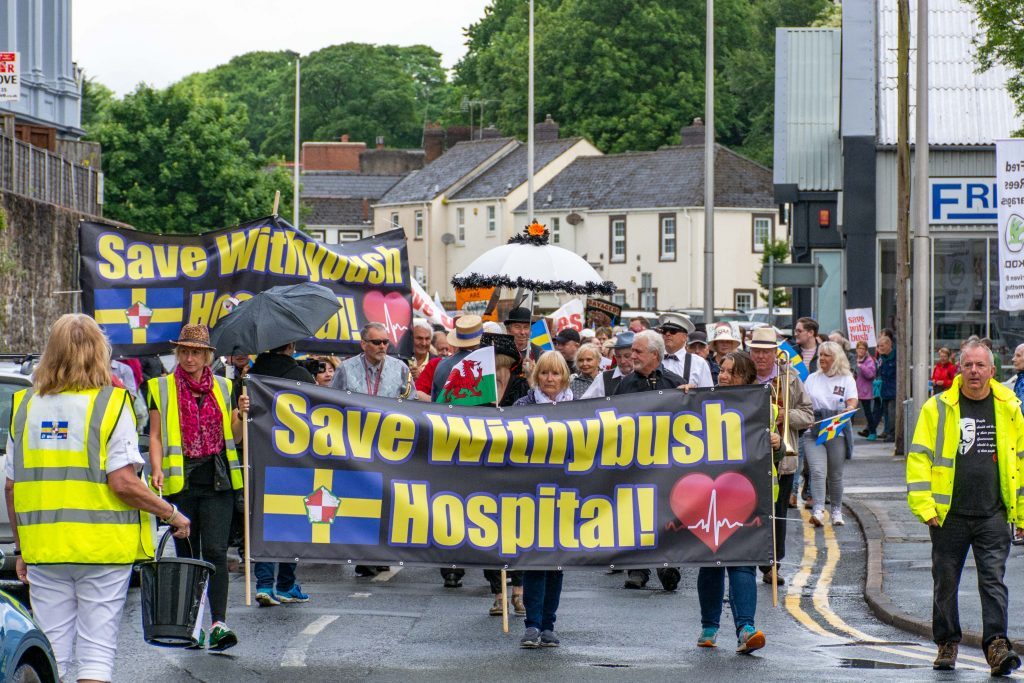
Opposition to the options proposed by the Health Board was predictably strongest when it came to removing services from local hospitals. In Ceredigion, a 16,000-signature petition opposed the removal or reduction of stroke services at Bronglais. In Llanelli, an option to close the Emergency Care Unit drew a negative reaction. In Llandovery, the loss of radiology services garnered a similarly trenchant response. In particular, a large majority of responses rejected proposals to introduce a treat-and-transfer system.
Against that background, it is hardly surprising that Pembrokeshire respondents stood firmly against any further reduction in services provided in the county, and particularly at Withybush. Having experienced the salami-slicing of services away from Haverfordwest, and in the face of repeatedly broken assurances regarding the return of services ‘temporarily’ removed, those reactions are unsurprising. Those feelings are not limited to the public. One staff member was directly quoted in the consultation report claiming that cuts to Withybush were baked into the options the Board presented.
We asked the Board to provide specific reassurance about maintaining current service provision at Withybush and other Pembrokeshire hospitals.
Whether the Board’s response addresses that question, the reader can decide.
“Withybush Hospital will have an important role to play in the health care of the region, and our long-term plan for our hospital sites has been set out in our A Healthier Mid and West Wales strategy. In the interim, our CSP consultation has included our thinking on the role of each of our acute sites. For example, we anticipate that Withybush Hospital will provide more planned care, and initial access to acute care would remain on site, with transfers to Glangwili Hospital for patients with the highest needs.”
PEMBROKESHIRE MSs RESPOND
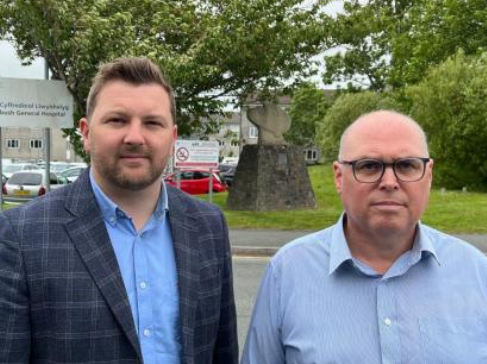
Local Welsh Conservative Senedd Members Paul Davies MS and Samuel Kurtz MS have warned that any decision which undermines the future of A&E services at Withybush Hospital would be “wholly unacceptable”, ahead of a crucial Hywel Dda University Health Board meeting in February.
Paul Davies MS, joined by fellow Welsh Conservative Senedd Member Samuel Kurtz MS, said Withybush Hospital must be protected as a vital lifeline for Pembrokeshire, and that communities are deeply concerned about the potential consequences of the Health Board’s proposals.
Paul Davies MS said: “People in Pembrokeshire are deeply worried about what these proposals could mean for Withybush Hospital. Over many years, we have seen a gradual erosion of services, and communities are understandably anxious that this process will continue.
“Withybush Hospital is not a ‘nice to have’ — it is a vital lifeline for a large, rural population. Any changes must strengthen services in Pembrokeshire, not weaken them. I will not support decisions that place patients at greater risk or force them to travel unreasonable distances for essential care.”
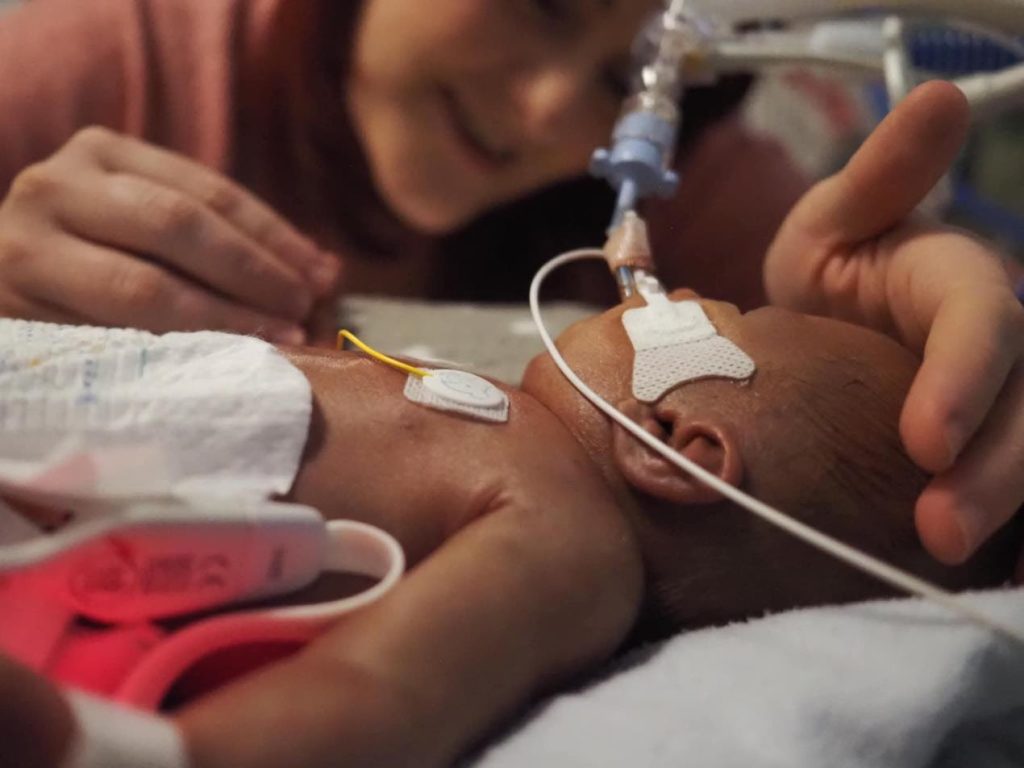
Samuel Kurtz MS added, “People in Pembrokeshire have heard this story before. Time and again, we are told services are fragile, and the result is that Withybush loses out.
“The loss of SCBU, consultant-led maternity and children’s A&E is still deeply felt locally. Removing one service often makes others unviable, and that is exactly what people are worried about now.
“Any decision that threatens the long-term viability of A&E at Withybush Hospital is a red line. It would be wholly unacceptable and would be met with fierce opposition from the community.”
Mr Kurtz also stressed that rurality, transport challenges and ambulance pressures must be central to decision-making, not treated as secondary considerations.
“Pembrokeshire is a rural county. Asking patients to travel further for emergency or urgent care is not a theoretical issue — it affects safety, outcomes, families and staff.
He continued: “There is also deep frustration that these decisions continue to be made in the shadow of the so-called ‘super hospital’ elsewhere in west Wales, which has never come to fruition. Pembrokeshire cannot be left with a slow erosion of services while waiting for something that may not materialise for a decade or more.”
Both Senedd members have written to Hywel Dda University Health Board and the Welsh Government ahead of the February meeting.
Paul Davies MS concluded: “We will be watching the outcome of this meeting very closely. Withybush Hospital is vital to Pembrokeshire. It must be properly supported, not hollowed out.”
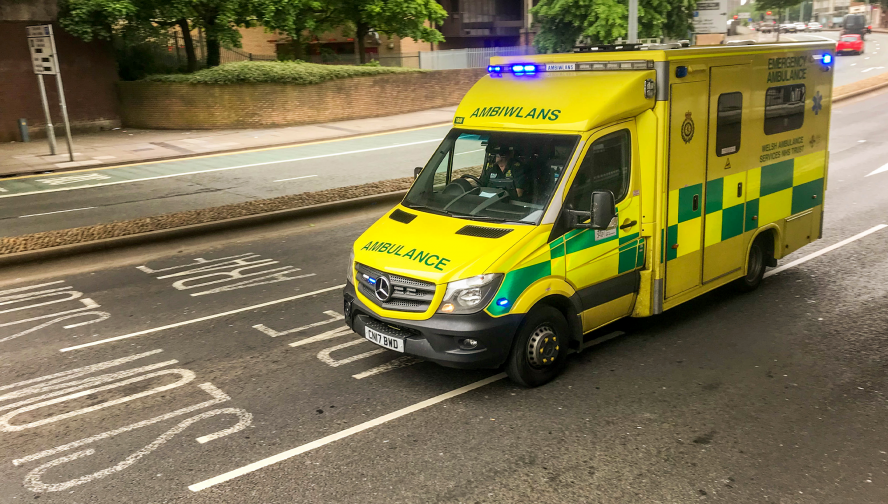
THE WELSH AMBULANCE SERVICE has revealed a series of inappropriate 999 calls made last year — including one from a person who rang emergency services after accidentally swallowing a small amount of mouthwash.
The call was among dozens of examples released by the trust to underline the growing pressure on emergency services caused by non-urgent use of the 999 system.
Figures show that of the 414,118 incidents recorded by the Welsh Ambulance Service in 2025, around 15 per cent — 62,454 calls — were deemed not suitable for an emergency ambulance response. That equates to roughly one in every seven calls.
Other examples included callers reporting a sore throat, a loose tooth, ointment in an eye, and minor ear and finger injuries — conditions that could have been treated through alternative NHS services.
Senior ambulance leaders warned that such calls divert vital resources away from genuine emergencies, including heart attacks, strokes, serious injuries and life-threatening incidents.
Andy Swinburn, executive director of paramedicine, said staff are trained to respond rapidly to severe and urgent medical situations, but misuse of the emergency line slows response times for those in real danger.
“When people call 999 for minor ailments, it takes valuable time away from call handlers and clinicians who may be trying to help someone in cardiac arrest or with catastrophic bleeding,” he said.
“Our message is simple — use common sense and help us protect emergency services for those who need them most.”
Lee Brooks, executive director of operations, added that none of the highlighted calls required an ambulance and that many would now be dealt with by telephone advice only under the service’s updated clinical model.
“This is not about blaming people,” he said. “We understand that worry and anxiety can cloud judgement. But the ambulance service exists for urgent and life-threatening situations — not routine illnesses or minor injuries.”
He warned that calling 999 does not guarantee an ambulance will be dispatched, nor does arriving at hospital by ambulance mean a patient will be treated more quickly.
“While crews are tied up with non-urgent calls, someone else’s parent, child or friend could be lying unconscious after a serious collision or suffering a cardiac arrest,” he said.
The trust is urging the public to familiarise themselves with alternatives to 999, including NHS 111 Wales for urgent health advice, pharmacists for common conditions, and minor injury units for less serious injuries.
A spokesperson added that keeping basic medicines at home and staying on top of prescriptions can also reduce unnecessary pressure on emergency services.
The Welsh Ambulance Service said the real-life examples were shared to encourage responsible use of 999 and ensure help reaches those who need it most — when seconds truly matter.


Health7 hours ago
Consultation reveals lack of public trust in health board
EARLIER this week, Hywel Dda UHB published the results of a consultation into the future configuration of its clinical services....


Community8 hours ago
Specialist team searches River Teifi in ongoing hunt for missing man
A SPECIALIST search team has carried out a renewed and highly technical search of the River Teifi in Cardigan as...


News1 day ago
Wales’ first minister keeps distance from Starmer before May vote
Senedd race not Westminster THE FIRST MINISTER has moved to draw a clear dividing line between the Welsh Labour campaign...
News1 day ago
Kurtz raises Gumfreston flooding in the Senedd as petition deadline nears
LOCAL Senedd Member Samuel Kurtz has raised the long-running flooding problems affecting the B4318 at Gumfreston in the Senedd, as...


Community2 days ago
Anchor re-dedicated to mark 30 years of US–Haverfordwest ties
Service honours shared history, service and friendship on the Quayside A SYMBOL of Haverfordwest’s wartime and Cold War connections with...


Business2 days ago
Senedd urged to act as Welsh pubs fall further behind England on business rates
Industry leaders warn of closures and job losses as pressure mounts on ministers to pass on funding PUBS across Wales...

Crime2 days ago
Haverfordwest man jailed for online death threat
A Haverfordwest man has been sentenced to a year in prison after sending a threatening message online. Michael Carruthers, 34,...

Community2 days ago
Storm Chandra: Morning impacts across Pembrokeshire
HEAVY overnight rain and strong winds brought by Storm Chandra have caused disruption across Pembrokeshire, with fallen trees and localised...

Business3 days ago
Business voices heard as Kurtz and Davies urge action on business rates
LOCAL businesses from across West Wales have voiced serious concerns about the impact of business rates at a dedicated roundtable...

Crime3 days ago
Milford Haven man appears in court charged with burglary and GBH
Bail granted with tagged curfew and ban from Pembrokeshire A MILFORD HAVEN man has appeared in court charged with burglary...
-
Health5 days ago
Health Board to decide on future model for nine clinical services
-

 News1 day ago
Caldey still unsafe, survivors warn — despite Abbey’s reform claims
-

 Business6 days ago
New planning rules could block Welsh pubs from running pop up campsites
-

 Crime6 days ago
County lines gang operating from Chessington to west Wales jailed
-
 Health6 days ago
Pembroke Corn Store footpath overlooking castle closed after landslip
-

 Community7 days ago
Council to hear Pembrokeshire genocide pensions petition
-
 Climate5 days ago
Petition opposing climate emergency reaffirmation and ‘tax hikes’ to be heard
-

 Community6 days ago
Flood alert issued for Pembrokeshire coast as high tides and conditions raise risk