


Farming
Ministers raise inheritance tax threshold for farmers after months of protest


THE UK GOVERNMENT has increased the inheritance tax relief threshold for farmers from £1 million to £2.5 million, following months of pressure from the agricultural sector and widespread protests across the country.
The change marks a significant retreat from reforms first announced in Labour’s initial Budget last year, which had proposed limiting full inheritance tax relief on agricultural and business assets to the first £1 million.
Under the revised plans, due to take effect from April, individuals will be able to pass on up to £2.5 million in qualifying agricultural or business assets without paying inheritance tax. For married couples and civil partners, the combined allowance will rise to £5 million.
Assets above that level will attract 50% relief, meaning an effective inheritance tax rate of up to 20%, rather than the standard 40%.
According to the Department for Environment, Food and Rural Affairs (Defra), the revised threshold will reduce the number of estates affected by inheritance tax from around 2,000 under the original proposals to approximately 1,100, with the impact largely confined to the biggest farming operations.

The original plans sparked widespread anger within the farming community, including tractor protests outside Parliament, criticism from rural Labour MPs, and warnings from Baroness Minette Batters, the former NFU president, who said the proposals had caused severe distress among farming families.
Announcing the change, Environment Secretary Emma Reynolds said ministers had “listened closely” to concerns raised by farmers and rural businesses.
“Farmers are at the heart of our food security and environmental stewardship,” she said. “We are increasing the individual threshold from £1 million to £2.5 million, which means couples with estates of up to £5 million will now pay no inheritance tax.
“It is only right that larger estates contribute more, while we protect the family farms that underpin rural communities.”
The National Farmers’ Union welcomed the announcement. NFU president Tom Bradshaw said the move would be a “huge relief” for many farming families and acknowledged the pressure placed on elderly farmers by the original proposals.
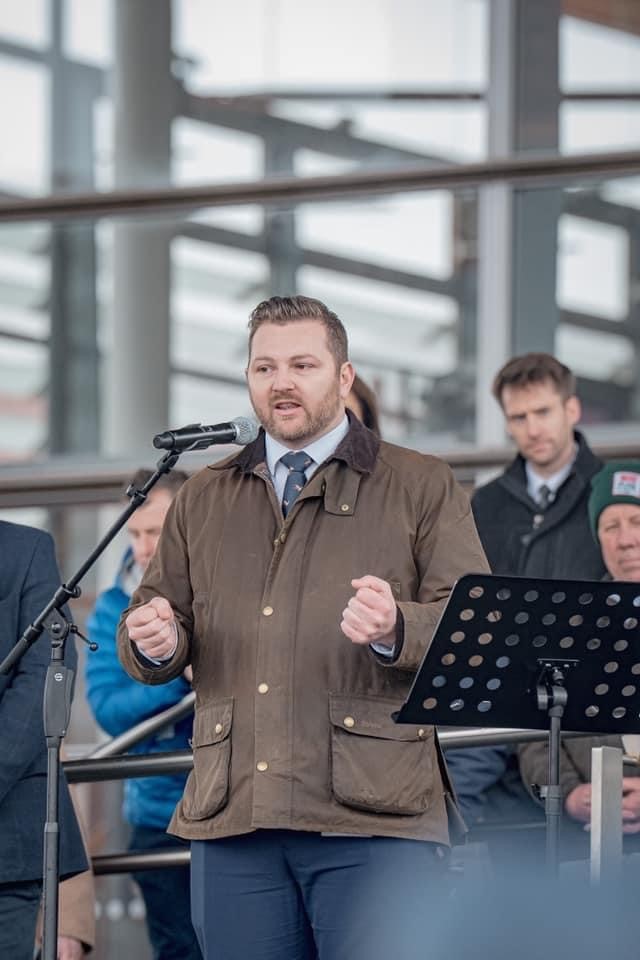
In Wales, the change was also welcomed, though concerns remain about longer-term pressures on the sector.
The Welsh Deputy First Minister with responsibility for rural affairs, Huw Irranca-Davies, said the Welsh Government had repeatedly raised concerns with Westminster.

“Small and medium-sized family farms play a crucial role in Wales’ economy, culture and language,” he said. “We welcome this announcement and will continue discussions with farming unions and the UK Government on its impact here in Wales.”
Farmers’ Union of Wales president Ian Rickman described the move as a “welcome early Christmas present” after months of uncertainty.
“The initial proposals caused untold anxiety and damaged confidence across the rural economy,” he said. “While we remain frustrated by how these reforms were handled, the revised threshold provides much-needed relief at a difficult time for Welsh farming.”
Opposition parties, however, said the changes did not go far enough.
Conservative leader Kemi Badenoch described the move as a “huge U-turn” and said other family businesses remained exposed. Liberal Democrat MP David Chadwick called the concession “hard won” but warned that many farms would still struggle financially, adding that his party would continue pushing for the tax to be scrapped entirely.
Reform UK deputy leader Richard Tice said the climbdown did little to undo “a year of anxiety” for farmers, while Plaid Cymru’s Llyr Gruffydd MS said the episode highlighted “chaos” within the UK Government and accused ministers of causing unnecessary harm to family farms.
Welsh Conservative Shadow Farm Minister Samuel Kurtz said the policy shift came “too late”, adding that wider issues — including bovine TB, nitrate regulations and uncertainty over the Sustainable Farming Scheme — continued to place pressure on Welsh agriculture.
While the revised threshold has eased immediate concerns for many farming families, the debate over inheritance tax, farm succession and the long-term sustainability of British and Welsh agriculture is far from over.












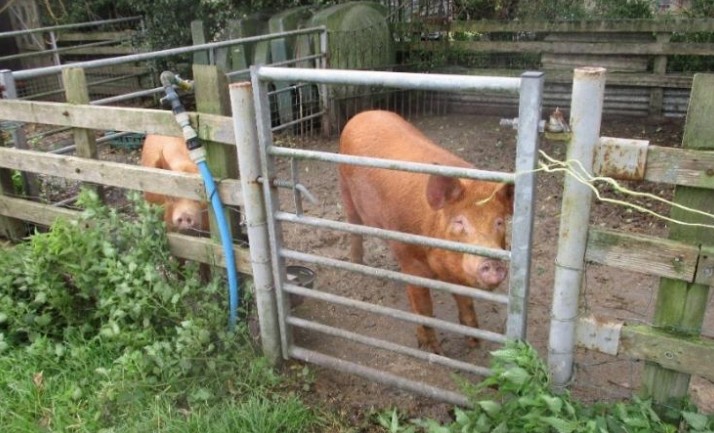
A CALL to allow a Pembrokeshire farm to keep welfare facilities to care for rare breed breeding Tamworth pigs has been given the go-ahead.
In an application to Pembrokeshire County Council, Sharron Nicolas, through agent Hayston Developments & Planning Ltd, sought a certificate of lawfulness permission for the creation of a welfare flat within a previously-approved agricultural building, plus a rear lean-to extension and the erection of two further sheds at Fairybank Fields Farm, Bethesda, near Clynderwen.
An application for a certificate of lawfulness allows an applicant to keep a development if they can provide proof of occupancy or use, without any enforcement taking place, over a prolonged period.
The previous agricultural building application was granted back in 2003.
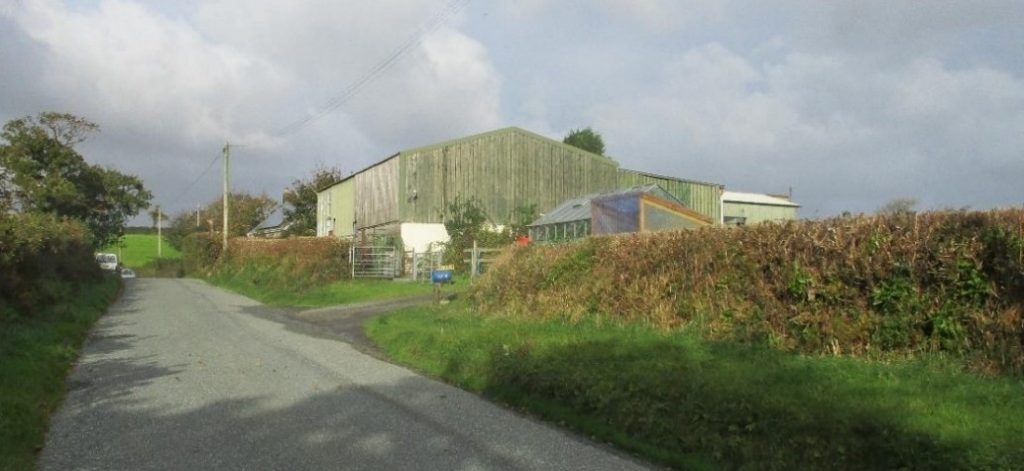
A supporting statement accompanying the application said the two-level welfare unit in the 2003-granted shed “contains the necessary elements to allow overnight stays which are essential when the pigs are farrowing.”
It added: “Mr Allan and Mrs Sharron Nicholas have been owners of Fairybank Fields since 1998. Unfortunately, Mr Nicolas died in February 2025. Although managing the farm at Bethesda, they lived at Pleasant View, Cold Blow, Narberth meaning a round trip of some 12 miles per visit – a visit which was required on a daily basis because of the need to feed and generally care for their animals – which were and still are rare breed pigs together with a number of beef cattle.
“It is essential that the pigs require continuous care when farrowing or when there are other pressures on animal health. When such occasions occurred, it was the practice of Mr Nicholas to spend the night at the farm and to use the welfare provision.”
It said Mr Nicholas would have spent approximately three months’ worth of nights (circa 90 nights) staying over at Fairybank Fields – a period of some 12 years when the bedroom above had been created to late 2024 when his brother assisted Mrs Nicholas in caring for the pigs as Mr Nicholas was too ill.
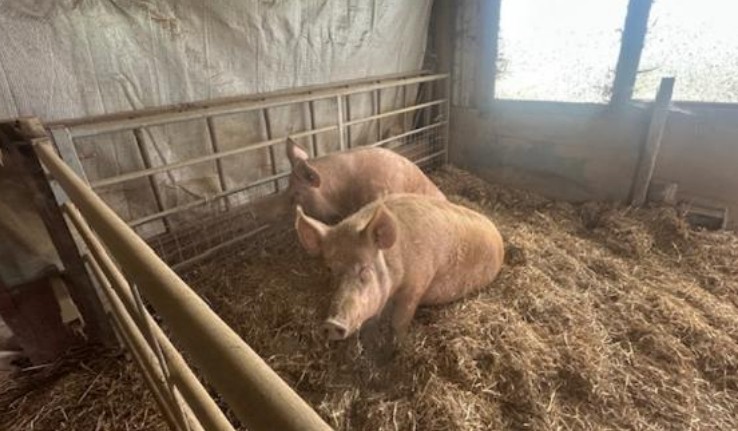
It went on to say: “Whilst the principal activity at the Farm is the breeding of the rare breed, the Tamworth Pig of which there are only currently 290 breeding sows in the UK, Mr and Mrs Nicholas also have had beef cattle on their farm and Mrs Nicholas intends to re-start that element in 2026.”
An officer report recommending approval said a site visit had been undertaken finding no evidence of the unit being occupied as a separate residential dwelling, nor as a primary residence.
It said a range of evidence was submitted in support of the application, including a detailed timeline, aerial imagery and multiple witness statements “which consistently indicate that the rear extension to Building 1 was constructed circa 2008, Shed 2 was completed in September 2012 and Shed 3 was erected in 2015”.
It said historic aerial photographs and witness statements demonstrated “on the balance of probability, that the operational development was substantially completed well in excess of four years prior to the submission of the application and has not been subject to any material interruption,” considered to be lawful by virtue of immunity from enforcement action.
It was granted approval on that basis.
A WELSH GOVERNMENT minister has defended his approach to tackling bovine TB after being accused of lacking ambition by Conservative farming spokesman Andrew RT Davies.
Mr Davies challenged Rural Resilience and Sustainability Minister Llyr Gruffydd in the Senedd on Tuesday (Jun 23), claiming the government’s latest position contained “lots of reviews” but “little substance”.
He warned that bovine TB remained a major concern for farming communities and urged the minister to bring forward a clearer plan to eradicate the disease.
Mr Davies said: “Bovine TB is devastating for the countryside, yet for the past 20 years those in power have let rural communities down.
“Plaid Cymru ministers must get a grip of officials. They must not be allowed to curtail ambition to tackle this terrible disease.”
He added that the Welsh Conservatives would support the minister if he brought forward a “positive vision” for tackling bovine TB.
Responding, Mr Gruffydd said the government needed to wait for advice from the technical advisory group before deciding its next steps.
He said: “They have been charged with bringing forward concrete proposals on the way ahead.
“I think we wait for the experts to speak; we look at the evidence, we look at the science that they provide us, and then we get a grip and take action.”
Bovine TB remains one of the most divisive issues in Welsh farming. Farmers have long argued that the disease causes major financial and emotional pressure, while governments have faced difficult decisions over cattle controls, testing, wildlife management and disease eradication policy.
The exchange comes as farming unions continue to call for stronger measures to reduce the spread of the disease, while ministers say future policy must be guided by evidence and expert advice.
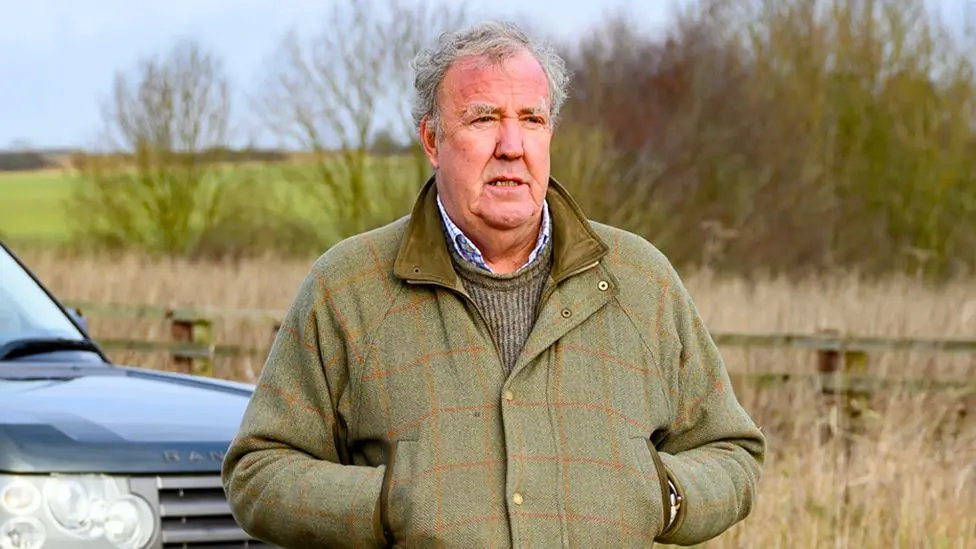
JEREMY CLARKSON’S prostate cancer diagnosis has highlighted a problem familiar to many farming families — what happens when serious illness collides with the daily demands of running a farm.
The presenter revealed in the latest series of Clarkson’s Farm that he had been diagnosed in 2025 with an aggressive form of prostate cancer. He has since confirmed that he is in remission.
But his comments about worrying that treatment would clash with a busy period on his Cotswolds farm have struck a chord with farmers across the country.
For many in agriculture, illness is not just a personal health crisis. It can also raise immediate questions about livestock, crops, machinery, bills, family income and who will carry out essential work if the farmer is forced to stop.
Bridgette Baker, a fifth-generation farmer from Montacute, near Yeovil, said the dilemma was one many farmers would recognise.
She said: “Farmers calculate how many days they would be off and think, ‘how far back in my jobs list am I going to be?’”
Miss Baker, 25, works on her family’s beef and arable farm at Windmill Farm. With no outside employees, she said covering daily duties during periods of illness could be extremely difficult.
She added: “Sometimes you’d think the priority is to get the treatment, but sometimes farmers like to put their farm first to get the jobs done.”
The issue is particularly serious in family-run farms, where the business, home and livelihood are often closely linked. A period of illness can affect not only the patient, but the whole family operation.
The Farming Community Network, which supports farming families, is working with Macmillan Cancer Support to improve help for those affected by cancer in rural communities.
The charity said farmers often faced barriers in accessing cancer services and support because of long working hours, rural isolation and the practical demands of farming.
A spokesperson for FCN said cancer could have a serious impact on a family business, especially where livestock needed immediate care or where the farm employed others.

They said: “That can have significant impacts on an individual and their families, including their housing and extended family situation or immediate welfare issues for livestock.”
Clarkson’s Farm, which launched in 2021, has become one of Amazon’s most successful factual entertainment series. It follows the former Top Gear presenter as he attempts to run Diddly Squat Farm in Oxfordshire, highlighting the financial pressures, red tape, weather problems and practical challenges facing British agriculture.
His diagnosis has now brought another farming issue into the public eye: the difficulty of putting health first when the land, animals and business cannot simply be paused.
Health charities continue to urge men to seek advice if they are concerned about prostate cancer, particularly if they are over 50, have a family history of the disease, or are at higher risk.
Farm support groups say the message is simple: farmers should not delay seeking medical help because of work pressures, and families should reach out for support before a health crisis becomes unmanageable.



Sport15 hours ago
Long Course Weekend gets underway in Tenby as thousands head for county
Three days of swimming, cycling and running begin with The Wales Swim at North Beach THOUSANDS of athletes and supporters...


Climate18 hours ago
Welsh waters, Westminster profits: Crown Estate row reignited in Wales
PLAID CYMRU has renewed calls for the Crown Estate to be devolved to Wales after figures showed income linked to...
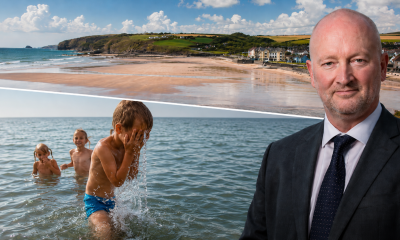

News23 hours ago
Reform MS: ‘I felt like shouting get out of the water’
Paul Marr says children playing in streams at Pembrokeshire beaches deserve better protection from pollution risks REFORM UK MS Paul...
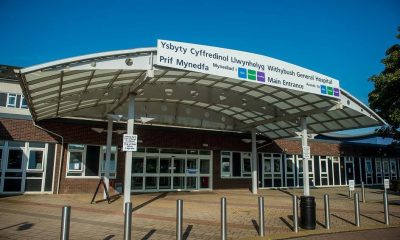

Health2 days ago
Senedd backs call to rule out hospital downgrades after heated NHS debate
Reform UK amendment passes as West Wales hospital fears remain central political issue THE SENEDD has backed a call for...
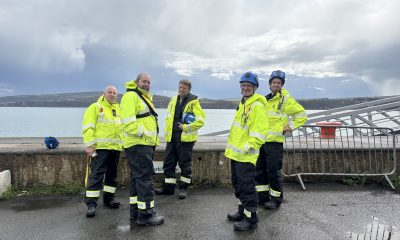

News2 days ago
Coastguard callout payments axe sparks fears for coastal communities
VOLUNTEER coastguards across the UK are set to lose callout payments, prompting concern over the future resilience of emergency cover...
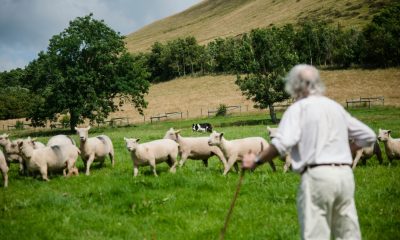

Farming2 days ago
Rural Wales ‘left out’ of net zero debate, warns carbon entrepreneur
A WELSH carbon entrepreneur has warned that rural Wales risks being left behind in the national conversation about net zero....


Local Government3 days ago
Tenby Spectacular row continues as organisers say key question remains unanswered
Round Table says legal clarity over pedestrian access is still holding up event plan TENBY ROUND TABLE has welcomed Pembrokeshire...


Community3 days ago
Manorbier fire scandal: Council’s payout just £63,777 after school destroyed
PEMBROKESHIRE COUNTY COUNCIL has accepted an insurance settlement which leaves it with just £63,777.07 after the catastrophic fire which destroyed...


News4 days ago
Bus overturns in major incident near Kidwelly
All passengers rescued as emergency services remain at scene A BUS overturned on the A484 between Kidwelly and Ferryside on...


Community5 days ago
Tenby Summer Spectacular cancelled amid council row over harbour access
Organisers say popular charity events cannot safely go ahead without clear powers to control crowds TENBY ROUND TABLE has announced...
-

 Health7 days ago
Woman jailed assaults on police, harassment and XL Bully possession
-

 Crime2 days ago
Police appeal after reported rape at Young Farmers rally
-

 Crime7 days ago
Milford Haven woman spared jail despite string of shop thefts
-

 Community6 days ago
The gentle giant behind the tattoos
-

 Crime7 days ago
Spittal man to stand trial accused of ABH
-

 Crime7 days ago
Carmarthenshire pensioner, 86, accused of causing prostitution for gain
-

 Entertainment6 days ago
Harbour Fest to bring music, food and maritime magic to Milford Waterfront
-
Health6 days ago
Welsh Government refuses to halt Withybush and Bronglais service review