


international news
Mandelson quits Lords amid police probe over Epstein links

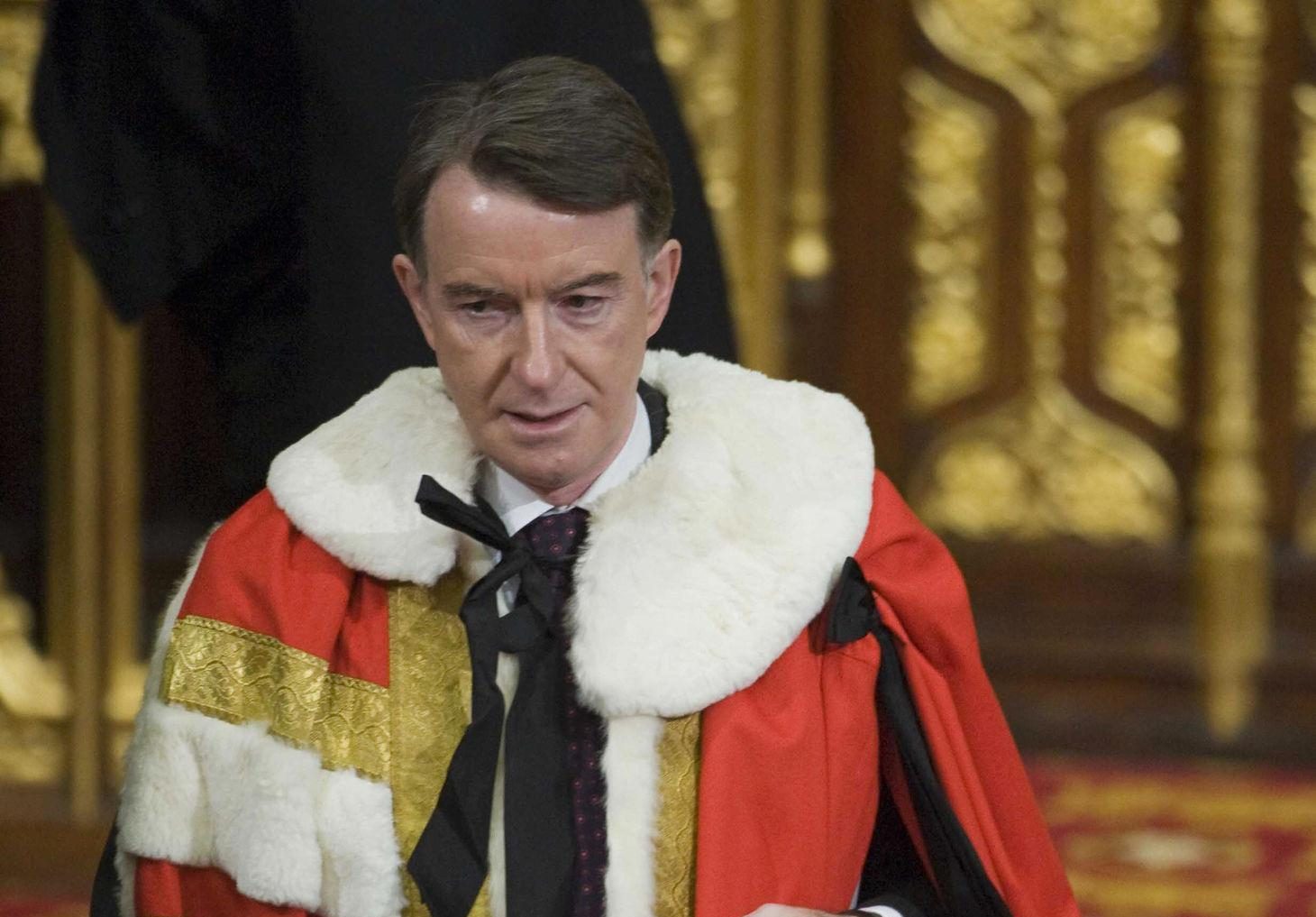
Peter Mandelson has announced he will retire from the House of Lords with immediate effect, as mounting political and legal pressure grows over claims he shared sensitive government information with convicted sex offender Jeffrey Epstein.
Parliamentary officials confirmed that Peter Mandelson formally notified the Clerk of the Parliaments of his decision, ending his membership of the upper chamber from Tuesday (Feb 4).
The move follows reports that the Metropolitan Police Service is reviewing allegations of possible misconduct in public office connected to emails said to have been forwarded to Epstein while Mandelson was business secretary during the 2008–09 financial crisis.
Downing Street has confirmed that material has been passed to police after an initial Cabinet Office review.
Government fury

Prime Minister Keir Starmer told cabinet colleagues Mandelson had “let his country down”, according to No 10, and officials are now drafting legislation that could strip him of his peerage entirely.

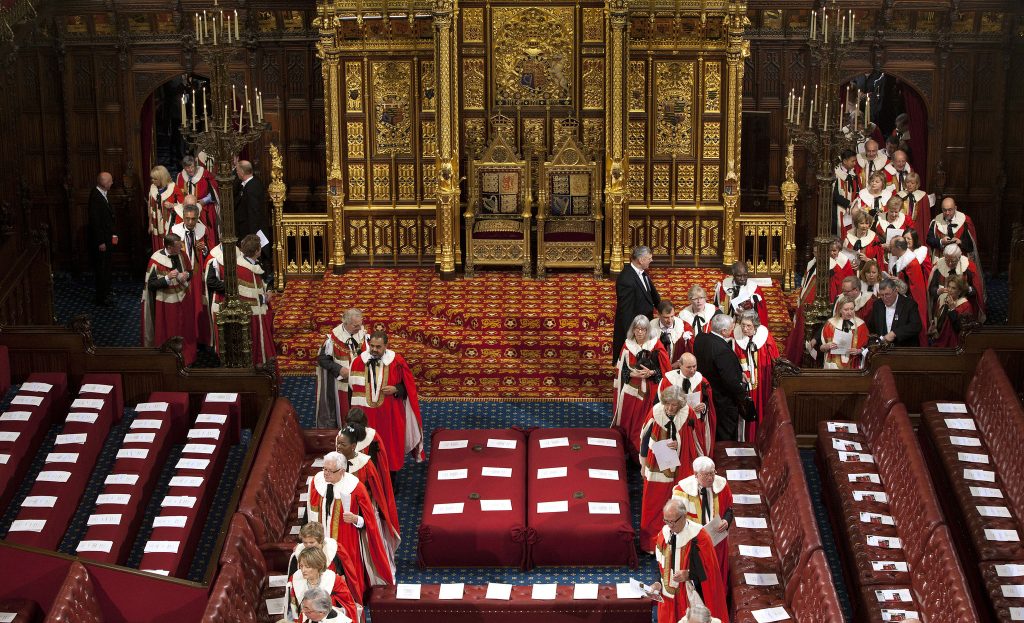
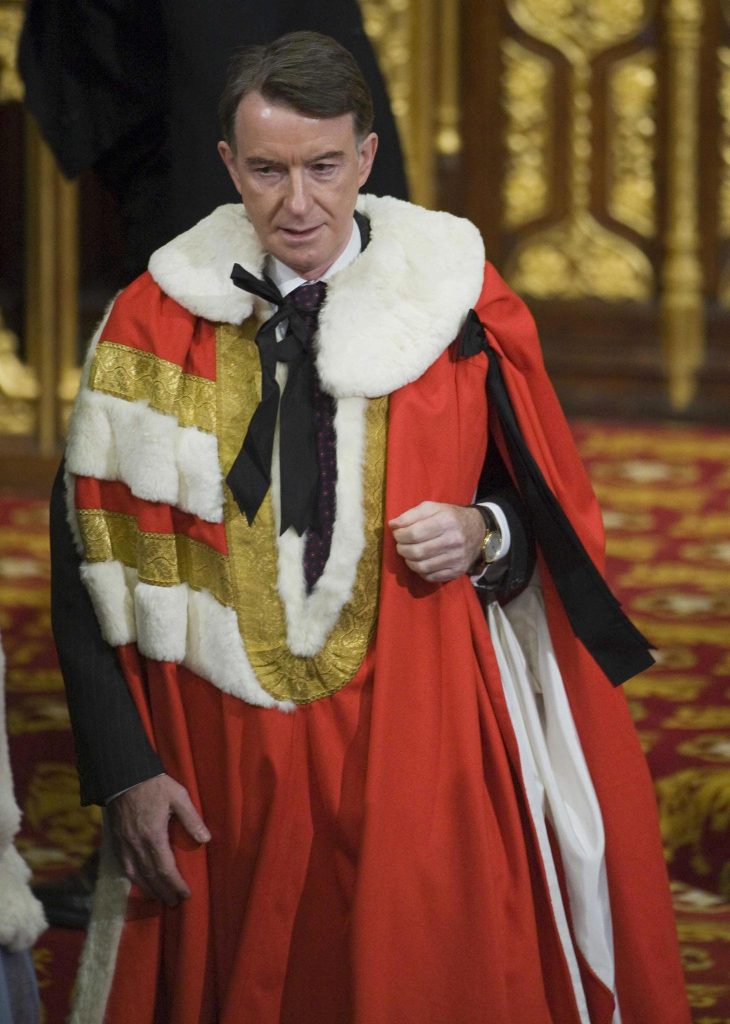
Removing a life peer is rare and would require an Act of Parliament.
If passed, Mandelson would lose the title “Lord” altogether — an extraordinary step that has only been considered in the most serious cases.
Senior ministers have described the alleged passing-on of market-sensitive government discussions as “disgraceful” and a “betrayal of trust”.
What police are examining
Misconduct in public office is a centuries-old common law offence that applies where someone in a position of public trust wilfully abuses that role. It carries a maximum sentence of life imprisonment.

Investigators will assess whether confidential information — particularly relating to government financial policy during the crash — was shared without justification and whether safeguards were breached.
At this stage, no charges have been brought.
Mandelson has previously apologised for maintaining contact with Epstein after the financier’s conviction, saying he regrets “ever having known him”, but he has disputed some of the latest claims and has not commented directly on the police review.

Political shockwaves
Opposition parties are pushing for further disclosure of documents relating to Mandelson’s vetting and his past roles.
Conservatives are expected to force a Commons vote demanding more information, while Liberal Democrats have called for a public inquiry.
Several MPs have also suggested Mandelson should be removed from the Privy Council.
The developments mark a dramatic fall for one of Labour’s most influential political figures of the past three decades, who only months ago was serving as the UK’s ambassador to Washington.
Now, with police examining evidence and legislation being prepared to remove his title, his public career appears effectively over.
More updates are expected as the investigation continues.


Reliance on US interceptors leaves gaps as Iran’s reach grows
BRITAIN would struggle to defend itself against a long-range ballistic missile attack and would instead rely heavily on American systems based in Eastern Europe and at sea — with no guarantee of success.
That is the stark reality emerging after Iran’s attempted strike on a UK–US base at Diego Garcia on Saturday (March 21), a move that caught many world leaders off guard and marked a significant escalation in capability.
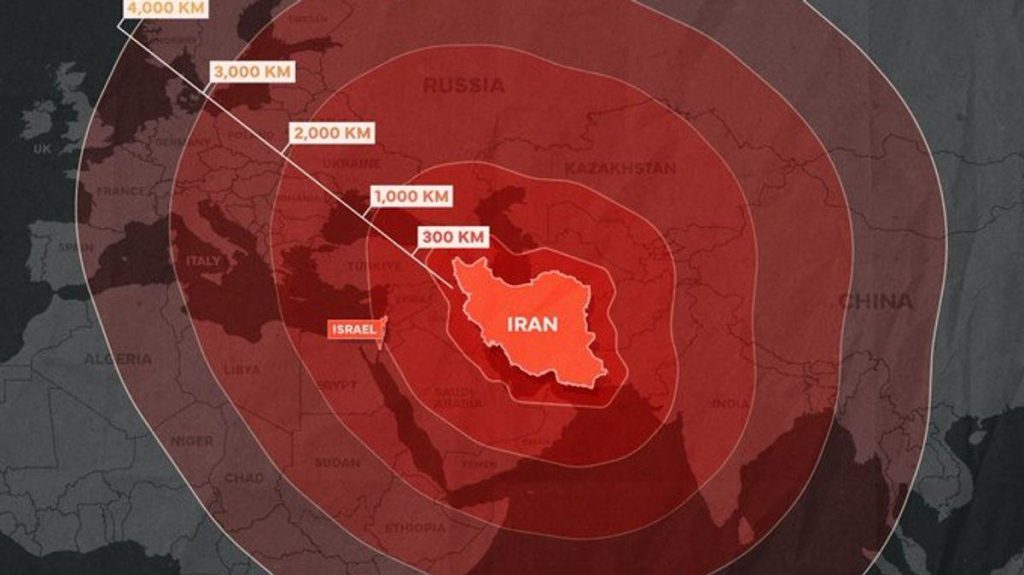
Concerns are further heightened by Iran’s development of larger space launch vehicles, including the Simorgh, Zuljanah, Ghaem-100 and Qased systems, which on paper demonstrate ranges of between 2,200 km and up to 6,000 km, with payload capacities of up to 1,000 kg. While these rockets are officially designed to place satellites into orbit rather than deliver warheads, they use the same multi-stage technology and propulsion systems found in long-range ballistic missiles. Defence analysts have long warned that such programmes provide a clear pathway to intercontinental strike capability, raising the prospect that parts of Europe — and potentially even the UK — could fall within reach if these technologies are adapted for military use.
No UK shield over Britain
The UK has no dedicated system to shoot down long-range ballistic missiles over its own territory.
While RAF Fylingdales provides early warning and tracking, it cannot intercept incoming threats. Britain’s air defence network — including RAF jets and ground systems — is designed for aircraft, drones and cruise missiles, not high-speed ballistic weapons.

In simple terms, if a missile were heading toward a target such as Milford Haven’s energy facilities, there is no British-operated system that could reliably stop it at the last moment.
America would have to act
Instead, any interception attempt would fall to the United States.
Key assets include:
- Aegis Ashore missile defence bases in Romania and Poland
- US Navy warships equipped with SM-3 interceptors
- Wider NATO tracking and coordination systems
These systems are capable of striking a missile in space during its midcourse phase, long before it reaches the UK.
But there is a crucial limitation: they can only engage if the missile passes within range of those systems.
If the trajectory falls outside that envelope — or if no US ship is positioned correctly — there may be no interception at all.
A probability, not protection
Even when an intercept is attempted, success is far from certain.
Testing data for the SM-3 system suggests success rates of roughly 50 to 80 per cent per engagement, depending on conditions. In practice, multiple interceptors are often fired at a single target to improve the odds.
That still leaves a significant margin for failure.
In a real-world scenario involving countermeasures, technical faults or multiple missiles, the chances of at least one getting through rise sharply.
Gaps in coverage
The NATO missile defence network is not a continuous shield.
It is a patchwork of coverage zones tied to specific systems:
- Romania and Poland provide fixed land-based interception capability
- US warships offer flexible but limited coverage depending on deployment
There is no permanent protective umbrella over the UK itself.
If a missile does not pass through one of those defended zones, Britain would effectively be relying on luck and geometry.
Deterrence, not defence
Ultimately, the UK’s primary protection is not interception — it is deterrence.
Any successful strike on British soil would almost certainly trigger a major NATO response, making such an attack extraordinarily risky for any adversary.
But deterrence does not equal defence.
A growing concern
Iran’s attempted long-range strike on Diego Garcia has shifted the debate sharply.
The use of a missile capable of travelling thousands of kilometres surprised many Western leaders, who had not expected Tehran to demonstrate that level of reach in the current crisis. Although one missile failed and another was intercepted, the incident has raised fresh questions about how far Iran’s capabilities have advanced.
For years, the idea of a missile threat to Europe — let alone Britain — was largely theoretical. Now, defence analysts are treating it as a credible future risk, even if capability remains limited today.
The bottom line
The UK can detect a missile, track it, and coordinate a response — but when it comes to actually stopping it, the country would be dependent on American systems operating at distance, with no certainty of success.
If a missile ever did get through, there would be little standing between it and its target.
And that is the uncomfortable truth behind the headlines.

Direct flights from Cardiff make Canada more accessible than ever
TORONTO has long been one of the world’s most dynamic cities—but in 2026, it is set to shine brighter than ever.
With a packed calendar of major sporting events, new attractions, and a renewed focus on arts, culture, and design, Canada’s largest city is fast becoming one of North America’s must-visit destinations.
For travellers across Wales and the West of England, getting there has never been easier. New direct flights from Cardiff Airport with WestJet launch on Friday (May 23), with return fares starting from £425*, offering a convenient alternative to travelling via London.
A city constantly reinventing itself, Toronto offers something new on every visit. In 2026, visitors can expect expanded waterfront experiences, new cultural spaces, and a thriving creative scene that continues to redefine the city.
Neighbourhoods such as Queen West, Riverside, and the Distillery District are at the heart of this energy—home to independent boutiques, craft breweries, contemporary galleries, and live music venues that showcase Toronto’s creative pulse.
The city’s diversity is perhaps its greatest strength, and nowhere is this more evident than in its food. From authentic Chinatown dumplings and Little Italy pasta to Caribbean street food and cutting-edge chef-led pop-ups, Toronto offers a global dining experience unlike any other. Nearby Ontario wine regions and lakeside farm-to-table restaurants add even more depth to its culinary appeal.
Despite its urban scale, Toronto also offers easy access to nature. A short ferry ride brings visitors to the peaceful beaches of the Toronto Islands, while scenic parks, lakes, and hiking trails are all within easy reach. Just 90 minutes away, Niagara Falls provides one of the world’s most iconic natural day trips.
The city will also take centre stage in 2026 as a host city for the FIFA World Cup, giving visitors the chance to experience world-class football in a truly global setting.
Toronto’s position as a major international hub makes it an ideal gateway for further travel. From here, visitors can easily extend their journey to destinations including Montreal, Ottawa and Quebec City, or major US cities such as New York, Chicago and Boston. Canada’s vast national parks and scenic regions are also within reach.

Whether it’s a family holiday, a cultural escape, or a multi-city North American adventure, Toronto offers a compelling alternative to traditional long-haul destinations.
With direct flights now operating from Cardiff Airport, travellers can begin their journey closer to home—avoiding long transfers and enjoying a smoother start to their trip.
Cardiff Airport CEO Jon Bridge said: “Toronto is one of the most vibrant and exciting destinations in North America, offering visitors an incredible mix of culture, cuisine, sport and natural beauty.

“With direct flights now available from Cardiff with WestJet, travellers across Wales and the West of England can discover everything the city and the wider region has to offer, while enjoying the convenience of starting their journey from their local airport.”

PRIME MINISTER Keir Starmer is walking an increasingly delicate diplomatic tightrope as tensions in the Middle East threaten to spill into a broader international conflict.
Speaking at a press conference on Monday (Mar 16), Starmer repeatedly declined to be drawn into speculation about military escalation, stressing that any potential effort to reopen the strategic Strait of Hormuz would not be a NATO operation but rather “an alliance of partners”.
The narrow waterway between Iran and Oman is one of the most important shipping routes in the world, with around a fifth of global oil supplies passing through it.
Recent tensions in the region have raised fears that disruption there could trigger a major international crisis.
But Starmer’s message was clear: Britain will support efforts to keep trade routes open while avoiding being pulled into a full-scale conflict.
When asked directly about comments made by former US President Donald Trump suggesting NATO allies should help reopen the strait, Starmer refused to engage in the escalating rhetoric.
Instead, he emphasised diplomacy and cooperation.
“It’s not straightforward,” the Prime Minister said, adding that discussions with international partners were ongoing.
Observers noted that Starmer also avoided responding to speculation about potential military commitments, a move widely interpreted as an attempt to prevent Britain being boxed into a position before negotiations with allies are complete.
Relations with Washington
Starmer was also pressed by journalists about his relationship with Donald Trump, who has been increasingly critical of some NATO allies.
Asked to rate their relationship on a scale of one to ten, the Prime Minister said simply that it was “a good relationship”.
“We’re strong allies and have been for decades,” he said, adding that his responsibility was always to act “in the best interests of Britain”.
Despite the diplomatic language, the exchange underlined the growing pressure facing the UK government as global tensions rise.
The United States has been urging partners to support efforts to secure key shipping routes, while some European leaders remain cautious about the risks of escalation.
Energy and economic stakes
The stakes are not purely military.
Any disruption to shipping through the Strait of Hormuz could have immediate consequences for global energy markets, pushing up fuel costs and inflation.
That prospect is already weighing heavily on governments across Europe.
At the same press conference, Starmer announced new financial support for households struggling with rising heating costs and outlined plans to strengthen regulation of the heating oil market.
The move was widely seen as preparation for potential energy price shocks linked to instability in the Middle East.
A careful balancing act
For Starmer, the challenge now is balancing Britain’s commitments to international allies with a public that remains wary of overseas military entanglements after conflicts in Iraq and Afghanistan.
So far, the Prime Minister appears determined to keep the UK involved diplomatically while resisting pressure to escalate militarily.
Whether that position can hold if tensions in the region worsen remains the key question facing Downing Street.
For now, Starmer’s strategy is clear: support allies, protect global trade routes — but avoid sliding into a wider war.



Entertainment10 hours ago
Tenby steams up in spectacular style as crowds flock to festival
Colourful parade, towering creations and Victorian flair bring town centre to life TENBY was transformed into a vibrant Victorian fantasy...


Crime1 day ago
Publican jailed for six years for supplying cocaine and cannabis
Milford Haven man sentenced at Swansea Crown Court following drug dealing operation A MILFORD HAVEN publican has been jailed for...


Local Government2 days ago
Poverty summit highlights support efforts across Pembrokeshire
A SUMMIT bringing together key organisations from across Pembrokeshire has highlighted both the scale of local poverty and the work...


Education2 days ago
Milford Haven school plans unveiled but funding not yet secured
PLANS for a new £100 million school in Milford Haven have been unveiled, but the project has not yet secured...


News2 days ago
Council unveils plans for new state-of-the-art secondary school in Milford Haven
PEMBROKESHIRE COUNTY COUNCIL has revealed plans for a new state-of-the-art school in Milford Haven, promising modern, inspiring learning spaces for...


Health3 days ago
NHS waiting list falls — but cancer delays and diagnostic backlog worsen
Record progress claimed by Welsh Government as critics warn key targets are still being missed THE NHS in Wales has...


Crime4 days ago
Rapist jailed after ‘abhorrent’ attacks on woman and children
Haverfordwest man told police “women won’t have sex without force” A HAVERFORDWEST man who raped a woman and a young...


News4 days ago
Reform secures first Pembrokeshire councillor in Hakin by-election win
Late Reform candidate takes seat as independent surge and Labour withdrawal shape contest REFORM UK candidate Scott Thorley has won...


News4 days ago
Scott Thorley elected as Pembrokeshire’s first Reform councillor
REFORM UK candidate Scott Thorley has won the Hakin by-election after securing 179 votes. The full result is as follows:...


News4 days ago
Police confirm man has died after being recovered from River Cleddau
Major emergency response in town centre after concerns raised for man in water A MAN has died after being recovered...
-
 News7 days ago
Fishguard linked to allegations in Many Tears Animal Rescue investigation
-

 News5 days ago
Emergency services flood Haverfordwest after reports of person in river
-

 Crime3 days ago
Mother given community order after admitting child cruelty offence
-
Health3 days ago
NHS waiting list falls — but cancer delays and diagnostic backlog worsen
-

 News4 days ago
Senedd vote to ban greyhound racing hailed as ‘landmark moment’ by charities
-

 international news7 days ago
UK considers military options as pressure grows to secure Strait of Hormuz
-
 News4 days ago
Senedd votes to ban Greyhound racing in Wales to protect animal welfare
-

 Crime6 days ago
Man cleared of sexual assault allegation after magistrates rule no case to answer