


Finance
Barclays raises mortgage rates by up to 0.15% in fresh blow to borrowers

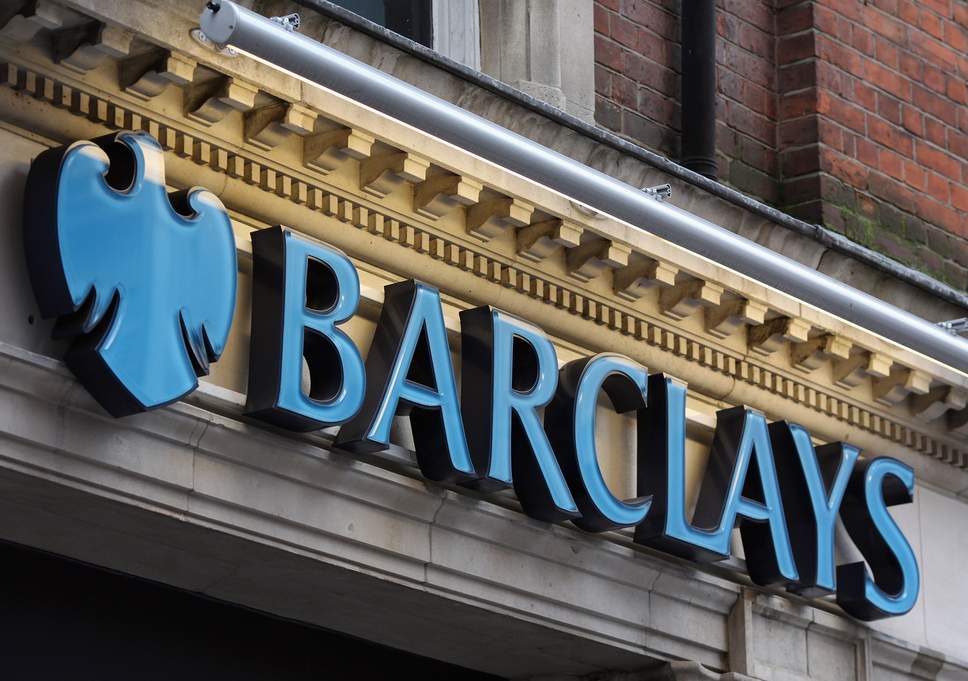
HOMEOWNERS and buyers have been dealt another setback after Barclays became the latest high street lender to increase mortgage rates, pushing up fixed deals by as much as 0.15%.
The move follows similar rises from HSBC and Nationwide Building Society, signalling a broader shift across the market after months of gradually falling prices.
Barclays confirmed that residential purchase and remortgage products will both increase.
Among the changes, its five-year fixed remortgage deal at 60% loan-to-value (LTV) rises from 4.00% to 4.15%. The product requires a minimum £50,000 loan and allows borrowing up to £2 million.
Purchase-only deals are also affected. A five-year fixed rate at 60% LTV with an £899 fee climbs from 3.79% to 3.90%, while a two-year fixed deal increases from 3.77% to 3.85%.

Industry experts say the rises reflect growing funding costs and cooling expectations of imminent interest rate cuts.
Jonathan Alvarez Herrera, mortgage consultant at Ayla Mortgages said: “Barclays’ decision to increase mortgage rates is a clear sign that the recent downward momentum in pricing has stalled. Borrowers had been seeing improvements in recent months, but this repricing shows lenders are reacting to higher costs and changing market expectations.
“Barclays is not acting alone. HSBC and Nationwide have already moved, which suggests this is a market-wide correction rather than an isolated decision.
“With swap rates edging higher, lenders are rebuilding margins. Markets also expect the Bank of England to remain cautious, meaning rate cuts could be slower than previously hoped.”

Mortgage brokers pointed to rising SONIA swap rates and inflation ticking up to 3.4% in December, from 3.2% the month before, as key drivers behind the increases.
The changes may frustrate buyers hoping that 2026 would bring cheaper borrowing costs, particularly first-time purchasers and households coming off fixed deals agreed during the low-rate period.
With several major lenders now moving in the same direction, brokers warn others could follow if funding costs remain elevated.


Energy price shocks could delay cuts and raise prospect of further hikes
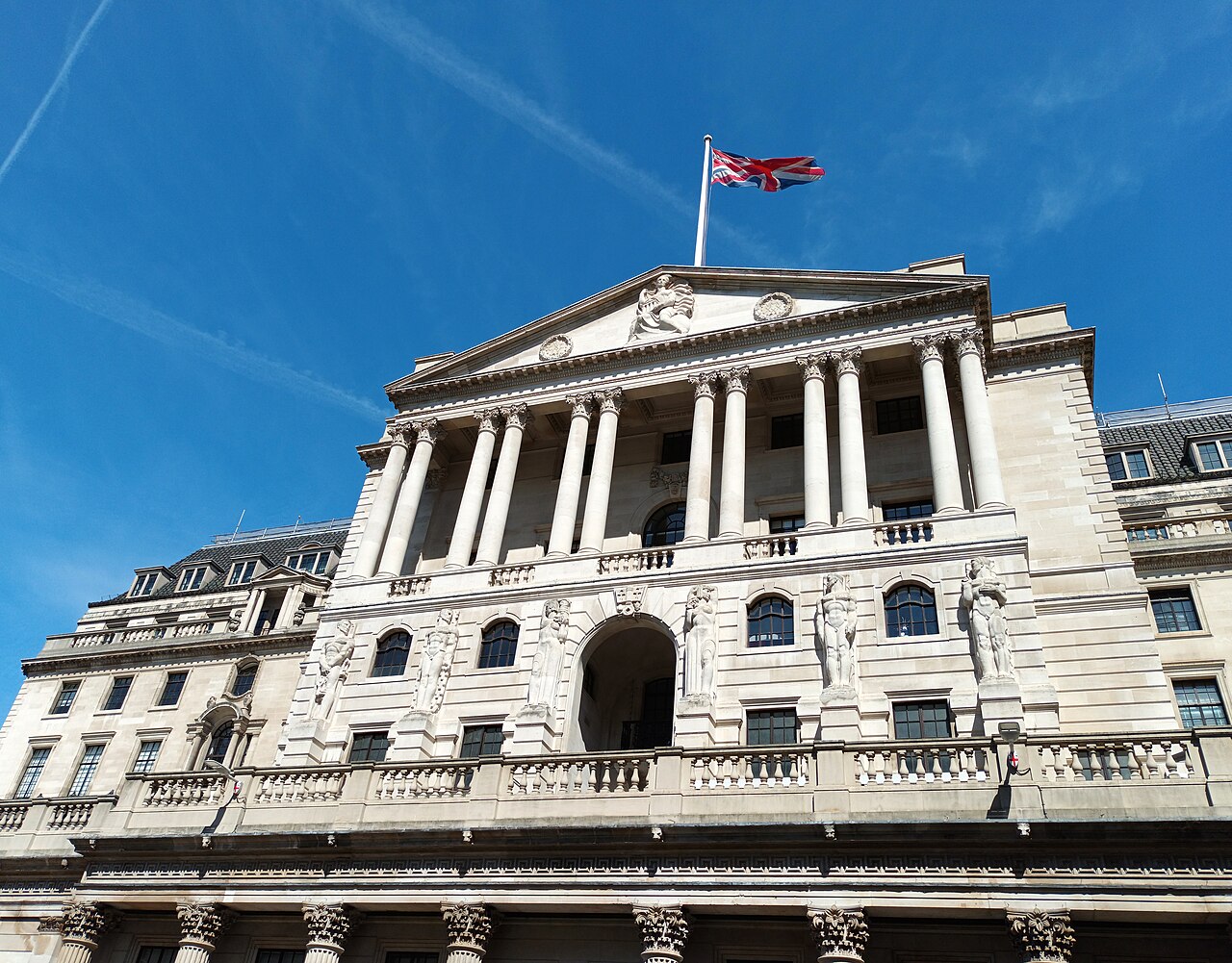
THE BANK OF ENGLAND has held interest rates at 3.75%, as rising tensions in the Middle East push up global energy prices and increase the risk of further inflation.
The decision by the Monetary Policy Committee reflects growing caution among policymakers, despite recent signs that inflation in the UK had been easing.
However, the escalating crisis in the Middle East has unsettled financial markets, with oil and gas prices climbing amid fears of supply disruption and instability along key shipping routes. Economists warn that sustained increases could quickly filter through to higher fuel, transport and manufacturing costs, as well as rising household energy bills.
Emeritus Professor Joe Nellis, economic adviser at accountancy firm MHA, said the latest developments have significantly reduced the likelihood of interest rate cuts in the near future.
He warned that policymakers are mindful of past criticism that central banks reacted too slowly to rising inflation in 2021 and 2022, when price pressures were initially dismissed as temporary.

“The Bank will want to stay ahead of inflation this time,” he said, adding that while current pressures may not yet be structural, officials are likely to act quickly if risks intensify.
The prospect of prolonged high interest rates presents challenges for businesses already grappling with increased operating costs. Higher borrowing costs are expected to weigh on investment, particularly in hiring, potentially weakening the labour market further.
Economists say that while holding rates steady avoids an immediate squeeze on borrowers, the wider outlook remains uncertain. Any sustained rise in energy costs could force the Bank to tighten monetary policy further in order to keep inflation under control.
For households and businesses hoping for a return to lower interest rates, expectations have now shifted, with rates likely to remain higher for longer — and the possibility of further increases still on the table.

HOUSE prices across the UK increased by one per cent over the past year, according to the latest figures from Nationwide, but experts have warned that global tensions could quickly undermine the fragile recovery.
The building society’s House Price Index showed prices rose by 0.3% month-on-month, with the average UK property now costing £273,176, up from £270,873 in January.
Nationwide said the figures suggested a modest recovery following uncertainty towards the end of 2025, with improved affordability and easier access to credit supporting buyer activity.
Robert Gardner, Nationwide’s Chief Economist said: “This reinforces the view of a modest recovery after a dip at the end of 2025, most likely reflecting uncertainty around potential property tax changes ahead of the Budget.”
He added that housing market transactions during 2025 were ten per cent higher than in 2024, with first-time buyer mortgage completions up 18% year-on-year and home mover activity rising 15%.
However, property experts warned that geopolitical developments, including recent US strikes on Iran, could disrupt progress if oil prices rise sharply.
Babek Ismayil, CEO of homebuying platform OneDome said events in the Middle East could prove inflationary and delay anticipated interest rate cuts.
“It’s currently a very fluid situation,” he said.
Mortgage advisers also warned that rising inflation could push borrowing costs higher again.
Shaun Sturgess, director of Swansea-based Sturgess Mortgage Solutions said: “The recovery in the property market could be derailed quite quickly if oil prices continue to rise sharply.”
He added that expectations inflation would soon return to target were now under threat, potentially delaying Bank of England rate cuts.
Andrew Montlake, CEO at Coreco, said markets had been pricing in reductions this year but that outlook had changed.

“The UK economy and property market, which so desperately needs a rate cut or two, may now have to wait longer,” he said.
Experts said mortgage brokers would be closely monitoring financial markets in the coming days, particularly swap rates, which influence fixed mortgage pricing.
Despite the uncertainty, some advisers noted shifts within the market, with first-time buyers increasingly targeting larger homes while landlords purchase flats at reduced prices.


Getting a new car can be exciting, but it is a big purchase, and most people do require some form of car finance agreement. There are a number of options when it comes to financing a car, such as PCP (Personal Contract Purchase) or a bank loan, but HP (Hire Purchase) is one of the most popular.
If you’re considering entering into a HP agreement, you need to have a good understanding of what it is, how it works, and what you’ll actually pay so you can work out if it really is the best option for you. So, here is everything you need to know about HP car finance.
What is Hire Purchase Car Finance?
With Hire Purchasing, you usually put down a deposit upfront, then pay the remainder of the car’s cost in monthly installments over an agreed period of time. The length of this agreement depends on factors such as how much you repay each month and the cost of the car.
HP is a popular option because although the monthly repayments are typically higher than PCP, once you’ve paid the car off you become the legal owner and you’re free to do with it as you wish. There’s also no annual mileage limits or charges for damage to the car (beyond everyday wear and tear) like there is with PCP.
People usually opt for PCP over HP if they need to keep monthly costs lower and don’t want to own the car at the end of the finance agreement.
Factors that Affect the Cost of Hire Purchasing
Deposit
Most deposits are around 10% of the car’s total value, but they can be higher. Some dealerships will also offer no deposit HP deals, however this does hike the price of your monthly repayments.
For example, if you’re looking to purchase a car which costs £10,000 and you put down a 10% deposit (£1,000), you will be left with £9,000 to pay via the HP agreement.
A higher deposit can be beneficial as it will lower the amount you need to borrow and reduce the total amount of interest you pay over the course of the loan.
Interest Rates
The biggest downside to finance agreements is that the total purchase price of the car will be higher overall than if you were to buy it outright. This is because of interest rates.
The rate you are offered will depend on a number of factors, including your credit score, whether the rate is fixed or variable (whether or not payments remain the same throughout the term), and the APR on your HP finance (how much interest lenders charge you for borrowing the money).
For example, if a £10,000 HP agreement has a fixed APR of 7% and your contract is over 48 months, you will pay roughly £1,500 extra in interest.
Fees
HP agreements may include certain fees, such as agreement fees, early settlement fees, and documentation fees. These can vary significantly depending on the lender so it’s important to be aware of them and factor these into your decision.
Repayment Schedules
The amount you pay each month will in part depend on the repayment schedule of your Hire Purchase contract. Your agreement will include monthly payments over a fixed term, which is usually 24, 36, 48, or 60 months.
The longer your agreement lasts, the lower your monthly payments will be. However it’s important to note that a longer term means you will end up paying more in total interest.
Value of the Car
A car’s value depreciates over time, meaning it will continue to lose its value as time goes on. By the end of your term, it’s likely that your car will be worth considerably less than when you bought it. And when you consider the fact you paid interest on top of the car’s value, you may feel that you’ve overpaid in comparison to the car’s current market value. That being said, this may not be much of an issue if you’re planning on keeping the car once you’ve paid it off.
Should You Finance a Car Using HP?
Whether or not you should finance a car under a Hire Purchase agreement is entirely down to personal preference and your individual financial situation. As with everything, there are pros and cons. It can be a great option if you’re looking to spread the cost of a car over time with manageable monthly payments, however the total cost of the car will be higher than its original price due to interest and any additional fees.



Community11 hours ago
Broad Haven volunteers secure ‘national asset’ status for nature reserve
A SMALL stretch of woodland and former opencast coal mine has been transformed into a nationally recognised biodiversity site, in...


Entertainment2 days ago
Tenby steams up in spectacular style as crowds flock to festival
Colourful parade, towering creations and Victorian flair bring town centre to life TENBY was transformed into a vibrant Victorian fantasy...


Crime3 days ago
Publican jailed for six years for supplying cocaine and cannabis
Milford Haven man sentenced at Swansea Crown Court following drug dealing operation A MILFORD HAVEN publican has been jailed for...


Local Government3 days ago
Poverty summit highlights support efforts across Pembrokeshire
A SUMMIT bringing together key organisations from across Pembrokeshire has highlighted both the scale of local poverty and the work...


Education4 days ago
Milford Haven school plans unveiled but funding not yet secured
PLANS for a new £100 million school in Milford Haven have been unveiled, but the project has not yet secured...


News4 days ago
Council unveils plans for new state-of-the-art secondary school in Milford Haven
PEMBROKESHIRE COUNTY COUNCIL has revealed plans for a new state-of-the-art school in Milford Haven, promising modern, inspiring learning spaces for...


Health4 days ago
NHS waiting list falls — but cancer delays and diagnostic backlog worsen
Record progress claimed by Welsh Government as critics warn key targets are still being missed THE NHS in Wales has...


Crime5 days ago
Rapist jailed after ‘abhorrent’ attacks on woman and children
Haverfordwest man told police “women won’t have sex without force” A HAVERFORDWEST man who raped a woman and a young...


News5 days ago
Reform secures first Pembrokeshire councillor in Hakin by-election win
Late Reform candidate takes seat as independent surge and Labour withdrawal shape contest REFORM UK candidate Scott Thorley has won...


News5 days ago
Scott Thorley elected as Pembrokeshire’s first Reform councillor
REFORM UK candidate Scott Thorley has won the Hakin by-election after securing 179 votes. The full result is as follows:...
-

 News6 days ago
Emergency services flood Haverfordwest after reports of person in river
-

 Crime5 days ago
Mother given community order after admitting child cruelty offence
-
Health4 days ago
NHS waiting list falls — but cancer delays and diagnostic backlog worsen
-

 News5 days ago
Senedd vote to ban greyhound racing hailed as ‘landmark moment’ by charities
-

 News5 days ago
Senedd votes to ban Greyhound racing in Wales to protect animal welfare
-
News5 days ago
Reform secures first Pembrokeshire councillor in Hakin by-election win
-

 Crime4 days ago
Woman stole from pharmacy despite ban, court hears
-

 News7 days ago
£3.8m to help Welsh families struggling with soaring heating oil costs