


Finance
Barclays raises mortgage rates by up to 0.15% in fresh blow to borrowers

HOMEOWNERS and buyers have been dealt another setback after Barclays became the latest high street lender to increase mortgage rates, pushing up fixed deals by as much as 0.15%.
The move follows similar rises from HSBC and Nationwide Building Society, signalling a broader shift across the market after months of gradually falling prices.
Barclays confirmed that residential purchase and remortgage products will both increase.
Among the changes, its five-year fixed remortgage deal at 60% loan-to-value (LTV) rises from 4.00% to 4.15%. The product requires a minimum £50,000 loan and allows borrowing up to £2 million.
Purchase-only deals are also affected. A five-year fixed rate at 60% LTV with an £899 fee climbs from 3.79% to 3.90%, while a two-year fixed deal increases from 3.77% to 3.85%.

Industry experts say the rises reflect growing funding costs and cooling expectations of imminent interest rate cuts.
Jonathan Alvarez Herrera, mortgage consultant at Ayla Mortgages said: “Barclays’ decision to increase mortgage rates is a clear sign that the recent downward momentum in pricing has stalled. Borrowers had been seeing improvements in recent months, but this repricing shows lenders are reacting to higher costs and changing market expectations.
“Barclays is not acting alone. HSBC and Nationwide have already moved, which suggests this is a market-wide correction rather than an isolated decision.
“With swap rates edging higher, lenders are rebuilding margins. Markets also expect the Bank of England to remain cautious, meaning rate cuts could be slower than previously hoped.”

Mortgage brokers pointed to rising SONIA swap rates and inflation ticking up to 3.4% in December, from 3.2% the month before, as key drivers behind the increases.
The changes may frustrate buyers hoping that 2026 would bring cheaper borrowing costs, particularly first-time purchasers and households coming off fixed deals agreed during the low-rate period.
With several major lenders now moving in the same direction, brokers warn others could follow if funding costs remain elevated.



Change to HMRC rules will affect employees who pay their own homeworking costs, while firms can still reimburse staff tax-free
Employees in Wales who claim tax relief for extra household costs while working from home will lose that support from Monday (April 6), as new HMRC rules come into force at the start of the 2026-27 tax year.
The change removes the process that allowed eligible employees to claim income tax relief directly from HMRC for additional homeworking expenses, such as heating, electricity and business phone calls, when those costs were not reimbursed by their employer. Under the previous system, most claimants could use a flat rate of £6 a week without providing receipts.
The relief was widened during the coronavirus pandemic to cover employees who had to work from home because of public health restrictions rather than because of their specific employment duties. The Government announced in last year’s Budget that this tax relief would be removed from April 6, 2026.
Azets, the accountancy and business advisory firm, said the end of the relief could leave some workers out of pocket if they are still covering homeworking costs themselves. The firm said basic rate taxpayers could lose relief worth about £62 a year, while higher rate taxpayers could lose around £124. Those figures are based on tax relief on £6 a week, rather than a direct cash payment.
Clair Williams, Head of Employment Tax at Azets, said employers may now face questions from staff about whether homeworking costs should be reimbursed instead.
However, employers are still able to reimburse eligible homeworking expenses without charging income tax or National Insurance under existing HMRC rules.
HMRC guidance states that tax relief for working from home applies where an employee has to work from home, for example because their employer does not have an office, rather than simply choosing to do so. Employees can also still make claims for earlier eligible tax years, subject to the normal deadlines.
The Treasury says the measure will save money over the coming years, as ministers tighten the rules around homeworking expenses and bring to an end the broader relief that was introduced during the pandemic.
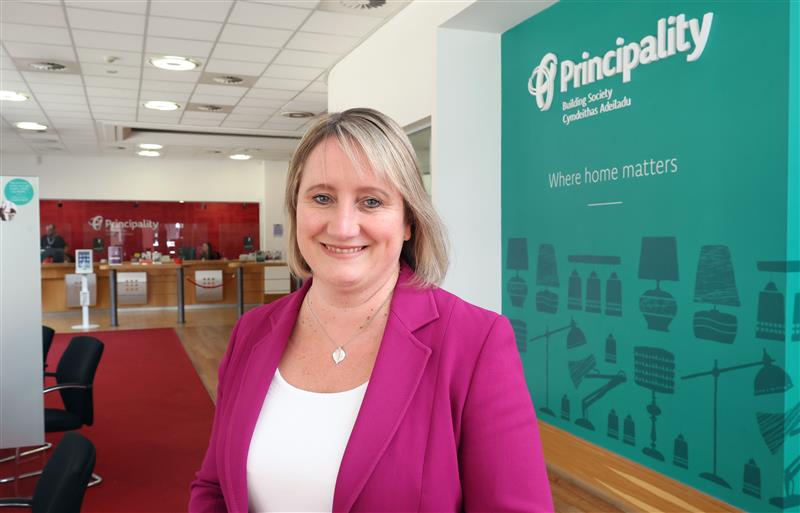
TWO in three savers say a fixed interest rate would give them greater peace of mind when planning their finances, according to new research from Principality Building Society*, as people in Haverfordwest are encouraged to review their savings ahead of the ISA tax year deadline.
The research, conducted with more than 1,500 people, also found that while many savers feel comfortable managing their money independently, a significant number still value the reassurance of speaking to someone when making important financial decisions.
Meanwhile, around one in six people mistakenly believe they must open a new ISA every tax year, highlighting ongoing confusion around how ISAs work. In many cases, particularly for variable savings products, savers may be able to continue paying into an existing ISA.
With the tax year end approaching, Principality Building Society is inviting Members and local savers to speak with colleagues at its High Street branch in Haverfordwest to better understand their options and make informed choices about how to use their ISA allowance.
The research also highlights the appeal of certainty when it comes to savings. Two in three savers say a fixed rate would give them peace of mind, reflecting the reassurance that comes from knowing exactly what return they will receive over a set period. Fixed rate Cash ISAs can provide that certainty, making it easier for some savers to plan ahead.
Vicky Wales, Chief Savings and Lending Officer at Principality Building Society, said: “ISA season can often feel busy and confusing, particularly against the backdrop of changes in the wider financial environment. Many people value the opportunity to talk through their options and feel confident they’re making the right decision.
Every saver’s situation is unique, so having a conversation can help people better understand their choices and how these align with their longer-term plans. Understanding the differences between savings products – including fixed and variable rates – can help savers make the most of their ISA allowance, and ensure their money is working in a way that suits their individual goals.”
Principality Building Society is encouraging anyone in Haverfordwest who would like to review their savings ahead of the tax year end to visit their local branch for a supportive conversation about their options, and how they can make the most of their savings.
Source: Principality Building Society’s own online community, Member Pulse, survey on Cash ISAs, March 2026 (total respondents: 1,544)
Energy price shocks could delay cuts and raise prospect of further hikes
THE BANK OF ENGLAND has held interest rates at 3.75%, as rising tensions in the Middle East push up global energy prices and increase the risk of further inflation.
The decision by the Monetary Policy Committee reflects growing caution among policymakers, despite recent signs that inflation in the UK had been easing.
However, the escalating crisis in the Middle East has unsettled financial markets, with oil and gas prices climbing amid fears of supply disruption and instability along key shipping routes. Economists warn that sustained increases could quickly filter through to higher fuel, transport and manufacturing costs, as well as rising household energy bills.
Emeritus Professor Joe Nellis, economic adviser at accountancy firm MHA, said the latest developments have significantly reduced the likelihood of interest rate cuts in the near future.
He warned that policymakers are mindful of past criticism that central banks reacted too slowly to rising inflation in 2021 and 2022, when price pressures were initially dismissed as temporary.
“The Bank will want to stay ahead of inflation this time,” he said, adding that while current pressures may not yet be structural, officials are likely to act quickly if risks intensify.
The prospect of prolonged high interest rates presents challenges for businesses already grappling with increased operating costs. Higher borrowing costs are expected to weigh on investment, particularly in hiring, potentially weakening the labour market further.
Economists say that while holding rates steady avoids an immediate squeeze on borrowers, the wider outlook remains uncertain. Any sustained rise in energy costs could force the Bank to tighten monetary policy further in order to keep inflation under control.
For households and businesses hoping for a return to lower interest rates, expectations have now shifted, with rates likely to remain higher for longer — and the possibility of further increases still on the table.



News8 hours ago
Plaid Cymru celebrates historic victory as Rhun ap Iorwerth arrives at Cardiff Bay
CROWDS gathered outside the Senedd as Plaid Cymru leader Rhun ap Iorwerth arrived in Cardiff Bay following his party’s historic...


Crime9 hours ago
Police standoff ends after four-hour incident in Pembroke Dock
ELIZABETH COURT SCENE STOOD DOWN AFTER DOMESTIC INCIDENT A FOUR-HOUR police standoff in Pembroke Dock has ended with a 21-year-old...


Crime13 hours ago
Teen denies attempted murder of Milford Haven teacher
TEENAGER REMANDED AHEAD OF JULY TRIAL A 15-YEAR-old boy has denied attempting to murder a teacher during a stabbing incident...


News1 day ago
Catastrophe for Labour as Plaid and Reform reshape Welsh politics
ELUNED MORGAN LOSES SEAT AS OLD CERTAINTIES ARE SWEPT AWAY THE VOTERS of Wales have delivered one of the most...


News1 day ago
Labour wiped out in Ceredigion Penfro as Plaid tops poll and First Minister loses seat
Shock result sends political shockwaves across Wales as Reform also surges in historic Senedd count LABOUR suffered one of the...


News2 days ago
Labour deputy says party ‘will not form next Welsh Government’
LABOUR FACES HISTORIC DEFEAT AS COUNTING CONTINUES ACROSS WALES LABOUR’S Deputy Leader in Wales has effectively conceded the Senedd election,...

News2 days ago
Counts underway in historic Senedd election
Wales waits for results as first election under new voting system reaches count stage COUNTING is underway across Wales today...


Charity2 days ago
Chief’s Tour honours fallen officers with 75-mile Pembrokeshire ride
Dyfed-Powys Police team raises thousands for bereaved police families charity A TEAM of officers and staff from Dyfed-Powys Police cycled...


Crime2 days ago
Racial abuse suspect barricaded himself inside Johnston lodge
ARMED police were called to a supported accommodation building in Johnston after a man allegedly barricaded himself inside a room...


Crime2 days ago
Milford Haven woman denies causing suffering to cat
Jury hears evidence over alleged failure to seek treatment for tumour A MILFORD HAVEN woman has denied causing unnecessary suffering...
-

 News4 days ago
Baby in critical condition after Fishguard emergency
-

 News4 days ago
Former housing officer admits drink-driving in Pembrokeshire retail park
-

 Crime4 days ago
Job loss threat for convicted Pembrokeshire drug-driver
-

 Crime4 days ago
Milford motorist disqualified for drug-driving
-

 Crime4 days ago
Police tip-off leads to driving ban for Milford motorist
-
Crime2 days ago
Racial abuse suspect barricaded himself inside Johnston lodge
-

 Crime4 days ago
Delivery driver caught twice over legal drink-drive limit
-

 Community3 days ago
Sixth-former firefighter balances schoolwork with saving lives