


News
Prince William faces diplomatic tightrope on first Saudi Arabia visit

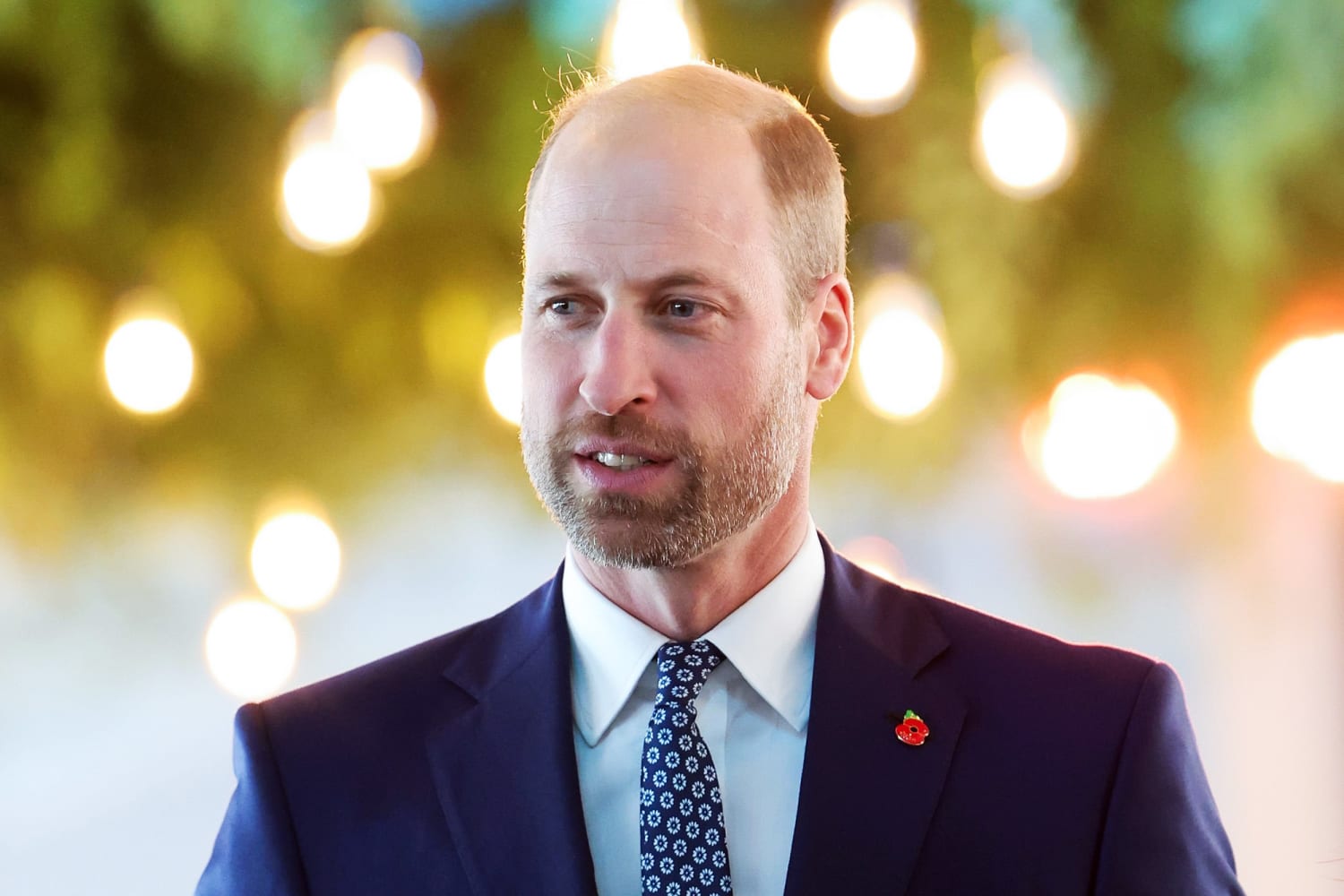
Energy, trade and human rights concerns collide as UK deploys monarchy’s ‘soft power’
PRINCE WILLIAM will step into one of the most politically sensitive overseas trips of his public life this week as he travels to Saudi Arabia at the request of the UK Government.
Unlike recent royal visits to Estonia, Poland or South Africa, this tour carries significant diplomatic weight, placing the Prince of Wales at the centre of a complex balancing act between strengthening economic ties and confronting a deeply controversial human rights record.
Sources close to the Palace say William “didn’t flinch” when asked to go, viewing such duties as part of his responsibility as heir to the throne.
But Saudi Arabia presents challenges unlike almost anywhere else on the royal calendar.
A country in transition
The visit will focus on energy transition and young people, two areas the kingdom is promoting heavily as it attempts to diversify its oil-dependent economy.

In recent years Saudi Arabia has staged major sporting and cultural events, including Formula One races, international film festivals and high-profile entertainment shows. The country will also host the men’s football World Cup in 2034.
Officials argue this signals modernisation and openness.
Critics say it is “sportswashing” — using global events to distract from repression.
Human rights organisations including Amnesty International continue to raise concerns over restrictions on free speech, criminalisation of same-sex relationships and harsh penalties for dissent.

While reforms have allowed women to drive and increased participation in public life, significant legal and social limits remain.
Meeting a controversial leader
Central to the trip will be talks with Mohammed bin Salman, widely known as MBS, the kingdom’s de facto ruler.
The crown prince is credited with pushing economic reforms but remains internationally divisive.

A US intelligence report concluded he approved the 2018 killing of journalist Jamal Khashoggi inside the Saudi consulate in Istanbul — an allegation he denies and Saudi Arabia rejects.
Whether William raises such issues privately is unlikely to be disclosed. Kensington Palace does not comment on confidential conversations.
However, the prince will be briefed extensively by the Foreign Office and the British Embassy before any meetings.
Soft power diplomacy
Government insiders describe William as a key diplomatic asset.
One source said the monarchy acts as a “secret weapon”, able to open doors politicians sometimes cannot.
This form of so-called soft power has long been part of the Royal Family’s overseas role — building relationships first, leaving governments to handle the harder negotiations.
Dr Neil Quilliam of Chatham House says Saudi leaders value high-level recognition from Britain.
“Deploying Prince William sends a signal that the UK takes the relationship seriously,” he said.
Energy cooperation and investment are expected to dominate talks, particularly as Britain seeks new partners during the global shift away from fossil fuels.
Echoes of the past
The visit also reflects longstanding links between the two royal families.
King Charles III has travelled to Saudi Arabia numerous times over the decades and is said to maintain warm relations with senior figures there.
William is now expected to assume a more prominent global role as he prepares for future kingship.
A delicate balancing act
For many observers, images of handshakes between William and MBS will be uncomfortable.
Yet world leaders continue to engage with Riyadh, citing its strategic and economic importance.
The prince’s task is unlikely to involve grand statements. Instead, it will be quiet diplomacy — maintaining dialogue while representing British values.
It is a careful, sometimes uneasy role.
But it is one the monarchy has long performed: building bridges in places where politics alone struggles to tread.

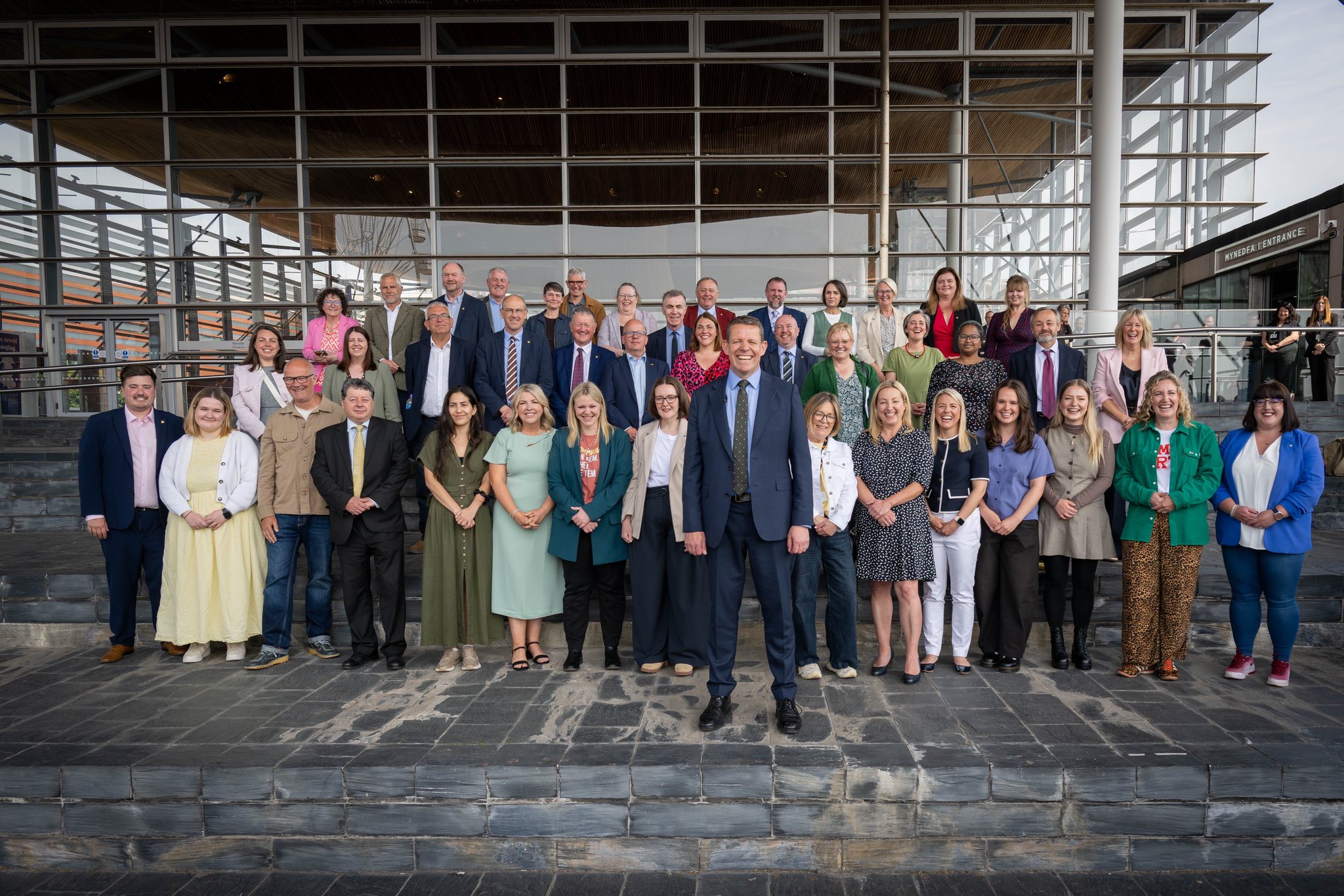
WALES has entered a new political era after voters delivered the biggest political upheaval since devolution.
Plaid Cymru emerged as the largest party in the Senedd, Reform UK surged into second place, and Welsh Labour was reduced to its worst result since the creation of Welsh devolution in 1999.
The result ends Labour’s long dominance of Welsh politics and leaves Cardiff Bay facing weeks of negotiations over who will form the next Welsh Government.
Labour dominance ends
For the first time since the Senedd was created, Labour is no longer the largest party in Wales.
The party fell to just nine seats in the expanded 96-member chamber, a result which has sent shockwaves through Welsh politics.
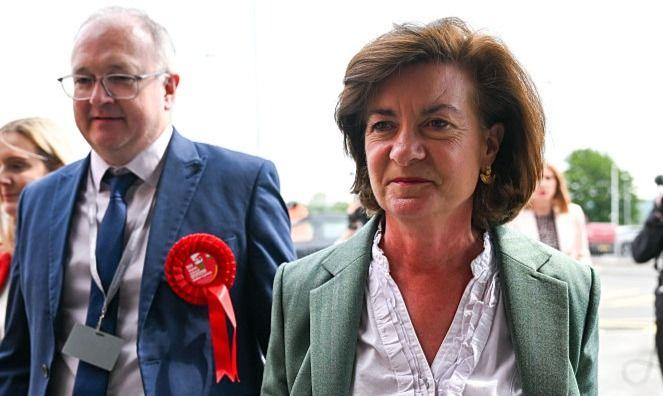
First Minister Eluned Morgan also lost her own seat in Ceredigion Penfro before announcing that she would stand down as Welsh Labour leader.
The scale of the defeat reflects deep public frustration over the NHS, public services, the cost of living, and the perception that Welsh Labour had run out of energy after decades in power.
Ken Skates has now been appointed interim Welsh Labour leader as the party begins what is likely to be a long and painful rebuilding process.
Plaid’s historic breakthrough
Plaid Cymru finished as the largest party with 43 seats, a landmark result for Rhun ap Iorwerth and his party.
It is the closest Plaid has ever come to forming a government in Wales, and gives the party the clear first opportunity to try to lead the next Welsh Government.
However, Plaid fell short of the 49 seats needed for an outright majority.
That means Rhun ap Iorwerth must now decide whether to seek a formal coalition, a confidence-and-supply arrangement, or attempt to govern as a minority administration.

The party campaigned strongly on the NHS, childcare, housing, rural Wales and economic renewal. It must now show that it can move from opposition into government and turn those promises into delivery.

Reform becomes major force
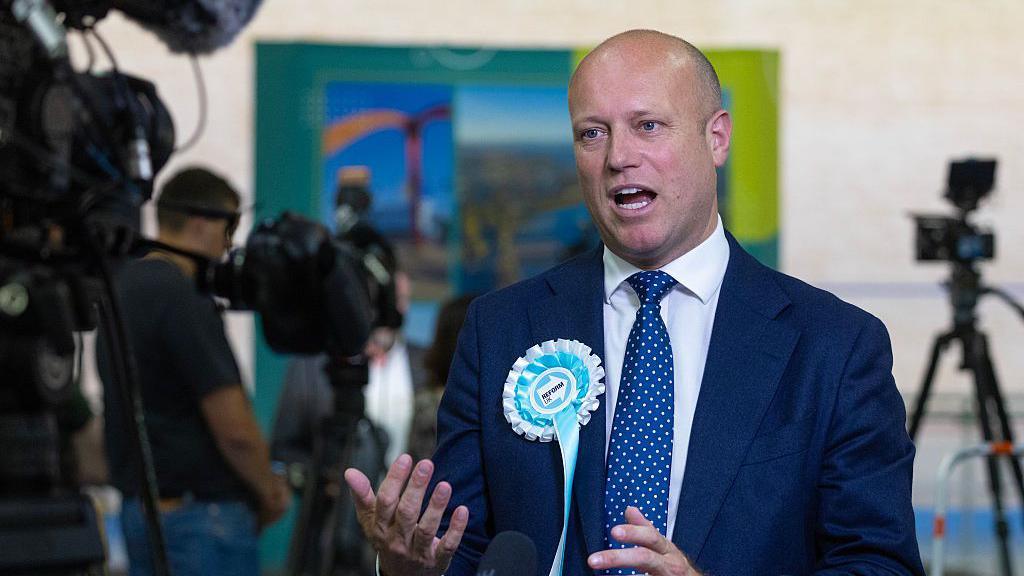
The other major story of the election was the dramatic rise of Reform UK.
The party won 34 seats, becoming the second-largest group in the Senedd and reshaping the political map across Wales.
Reform made major gains in former Labour heartlands, particularly in areas where voters have become disillusioned with Cardiff Bay politics and traditional party loyalties.
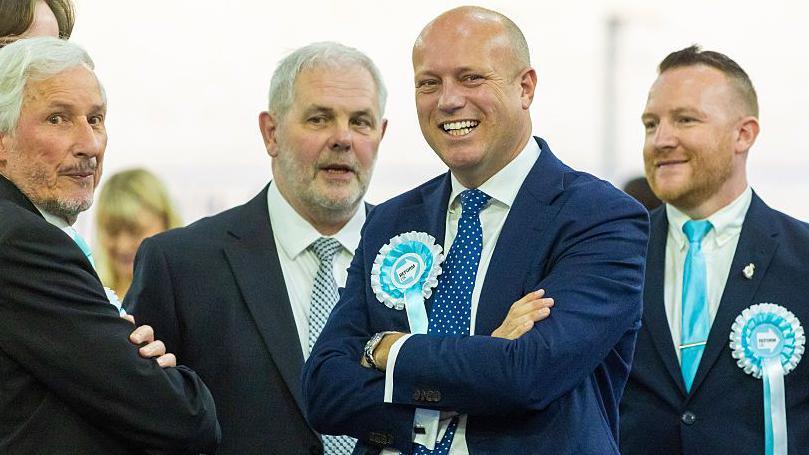
Its success means the next Senedd will be noisier, more confrontational, and far less predictable than before.
Reform will now have a large platform from which to challenge Plaid Cymru, Welsh Labour and the Conservatives on public services, immigration, the economy, and the future direction of Wales.
Smaller parties gain ground
The Conservatives were reduced to seven seats, leaving them much diminished after years of trying to present themselves as the main alternative to Labour.
The Wales Green Party won two seats, giving the party its first real foothold in the Senedd.
The Welsh Liberal Democrats won one seat, ensuring they remain represented in Cardiff Bay.
The new electoral system, which expanded the Senedd from 60 to 96 members and introduced 16 larger constituencies electing six MSs each, helped create a far more proportional result.
It has also produced a chamber in which smaller parties and tactical negotiations will matter more than ever.
What happens next?
The key issue now is who can command enough support to govern.
Plaid Cymru, as the largest party, will be expected to lead the process of forming an administration.
But without a majority, every major vote will matter. Budgets, major laws, confidence votes and key policy decisions will all require careful negotiation.
A formal deal with another party may prove difficult. A minority Plaid government is possible, but it would need support from other MSs to survive.
That means the next few weeks could be decisive for the future of Wales.
A changed country
This was more than a bad night for Labour or a breakthrough for Plaid and Reform.
It was a clear sign that Welsh politics has changed.
Old loyalties have weakened. Voters who once backed the same party for generations have shown they are prepared to move. The next Senedd will be more divided, more unpredictable, and more difficult to control.
For Wales, the message is stark.
The Labour era is over. Plaid Cymru now has its greatest opportunity yet. Reform UK has arrived as a major force. And whoever forms the next Welsh Government will have to prove quickly that change means more than a different set of faces in Cardiff Bay.

Major project will create new visitor attraction, events space, museum and improved town links
HAVERFORDWEST Castle is on course to reopen in 2028 following a major redevelopment project aimed at transforming the historic site into a high-quality visitor attraction.
County Councillor Thomas Tudor, who represents the Castle Ward in Haverfordwest, recently visited the site to see the progress being made.
He said: “As County Councillor for the Castle Ward in Haverfordwest, it was lovely to visit the Haverfordwest Castle Redevelopment Project and see the progress that has been achieved.
“I am very much looking forward to the Castle reopening in 2028.”

The project will see the mediaeval castle conserved for future generations, while the Inner Bailey has been landscaped so it can host events for up to 500 people.
These could include concerts, plays, craft fairs, Christmas markets and other community events.
The wider castle grounds are also being improved, with new interpretation explaining the history of the site, as well as family-friendly activities.
The building which houses Haverfordwest Museum, the Governor’s House, is being conserved, while the museum exhibition inside will be completely refurbished and modernised.

The former gaol building will also be transformed into a visitor attraction telling the story of Pembrokeshire’s past and future in an interactive and family-friendly way.
The attraction will include a café, shop, community spaces and exhibition areas.
Work is also taking place to improve the physical route between the castle and the town centre at Castle Back, with better signage planned to help visitors find the castle and navigate Haverfordwest more easily.
The castle is expected to reopen in 2028.


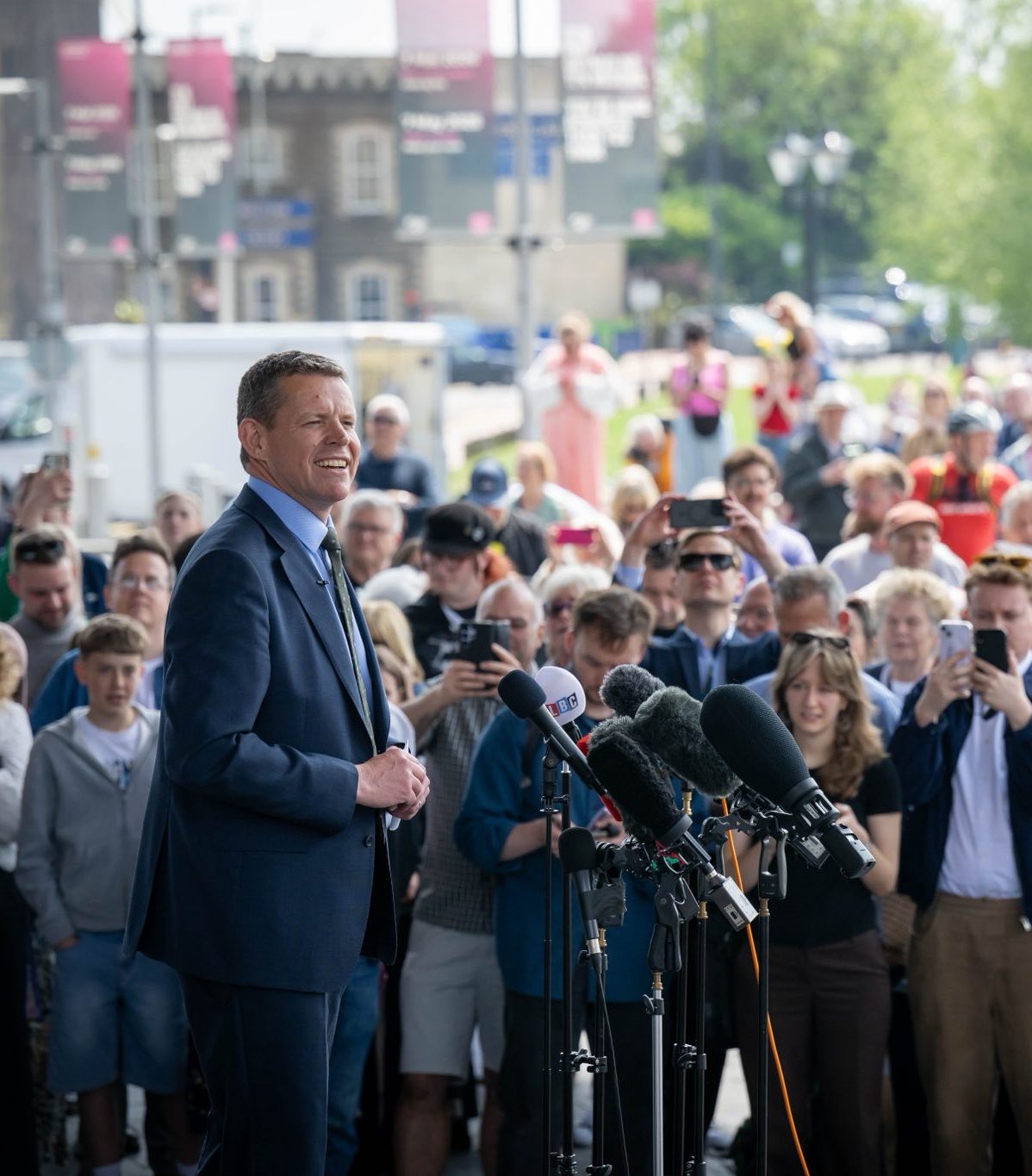
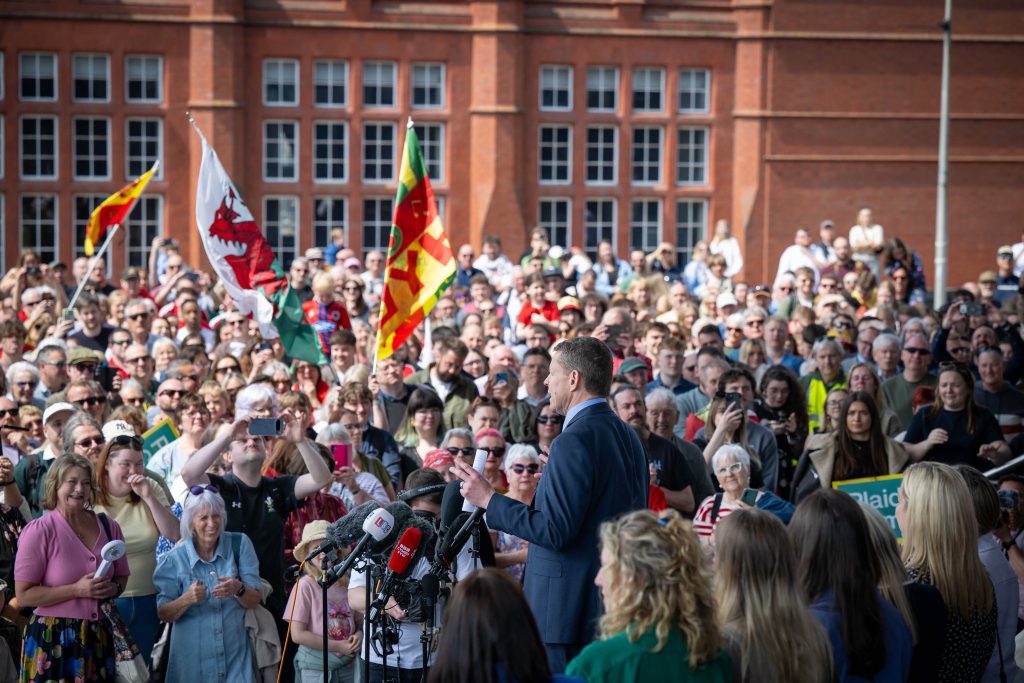
CROWDS gathered outside the Senedd as Plaid Cymru leader Rhun ap Iorwerth arrived in Cardiff Bay following his party’s historic victory in the Welsh election.
Supporters waving Welsh flags and Plaid banners cheered as ap Iorwerth made his way through crowds of activists, journalists and newly elected Members of the Senedd, in scenes unlike anything seen in modern Welsh devolved politics.
The election result marks a political earthquake in Wales, with Plaid Cymru emerging as the largest party in the Senedd for the first time since devolution began in 1999.
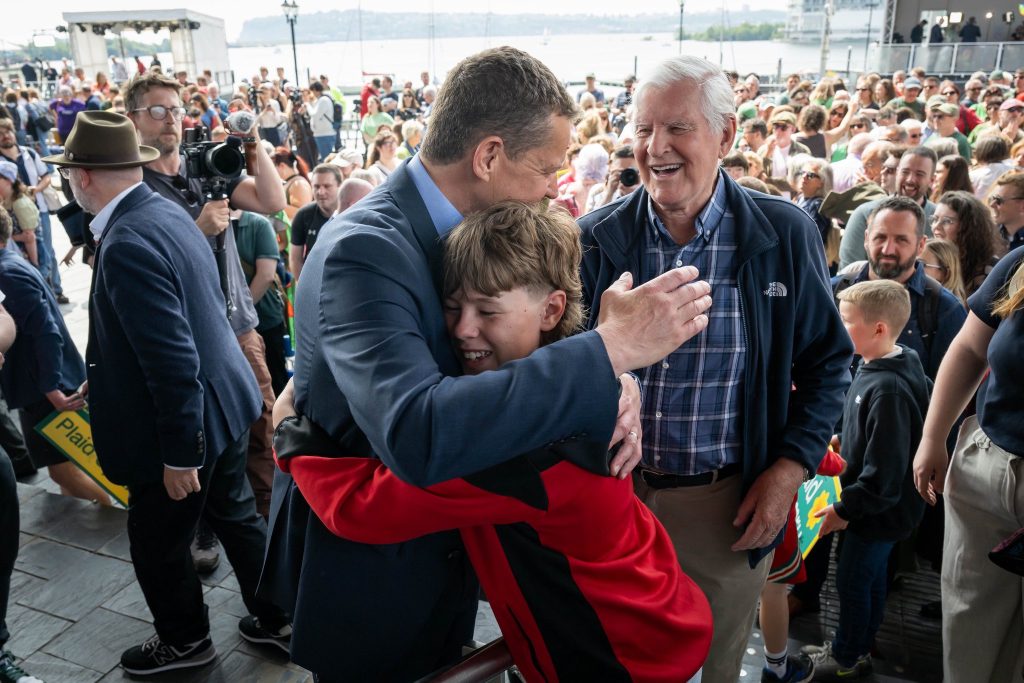
Ap Iorwerth was greeted by supporters, posed for photographs and embraced well-wishers as he arrived at the waterfront venue before addressing media gathered outside.
The atmosphere around Cardiff Bay was jubilant, with many supporters describing the result as a “turning point” for Wales.
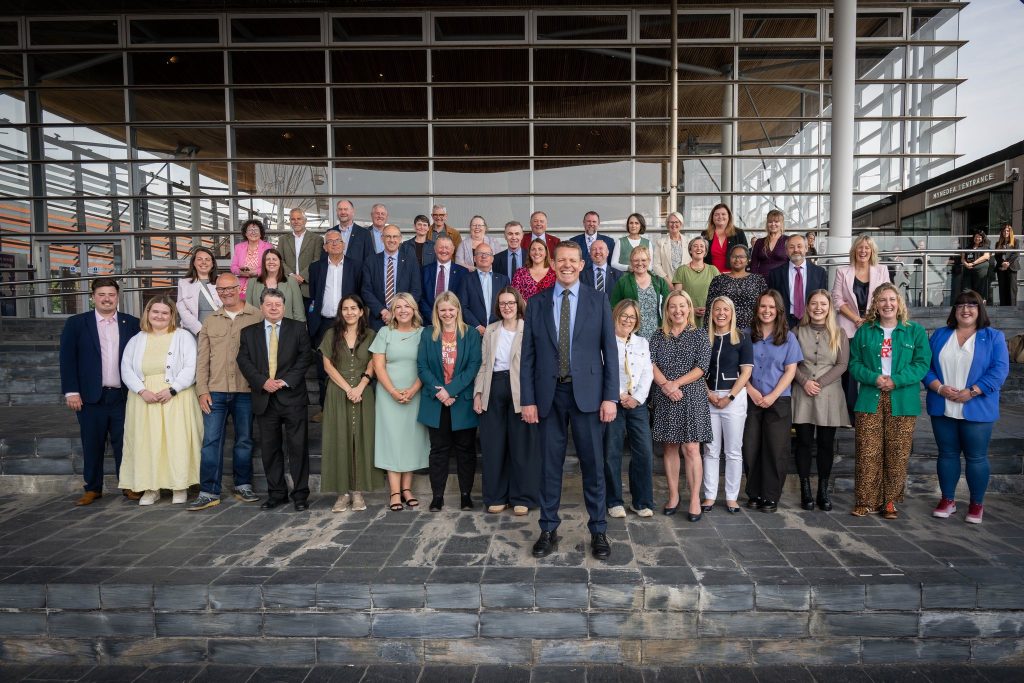
Plaid’s breakthrough came after a dramatic night which saw Labour suffer major losses across Wales, while Reform UK also made significant gains under the new expanded Senedd voting system.
In emotional scenes, ap Iorwerth hugged supporters and thanked campaigners who had travelled from across Wales to witness the moment.
One photograph captured the Plaid leader embracing a young supporter as crowds packed the entrance area overlooking Cardiff Bay, while another showed hundreds gathered outside as he addressed the media beneath Welsh flags.
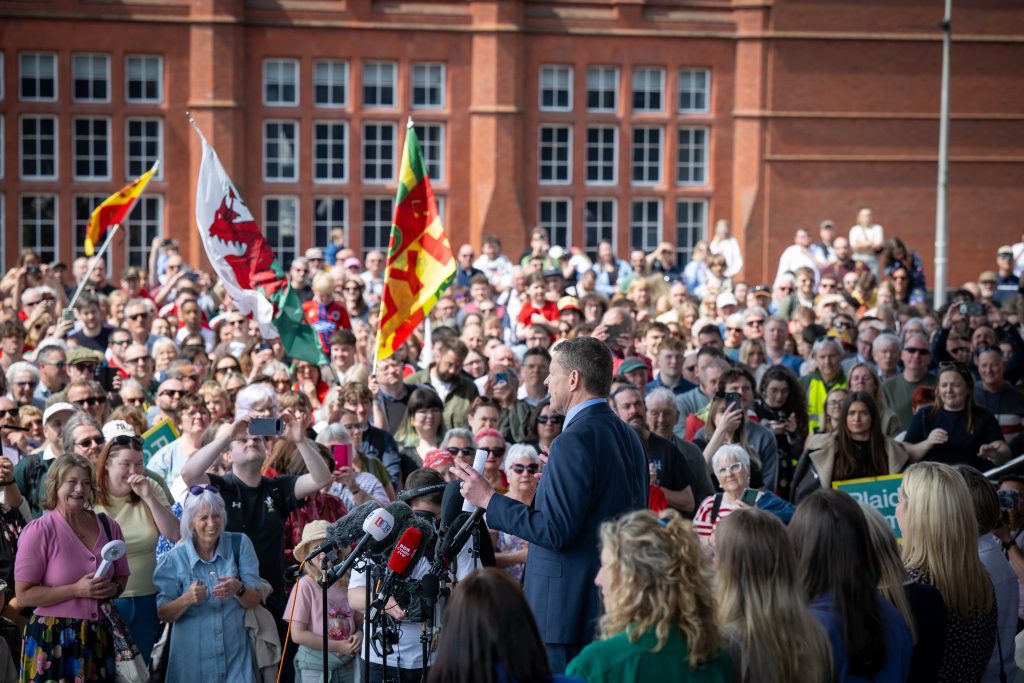
The result leaves Plaid Cymru in pole position as discussions begin over how the next Welsh Government will be formed in a hung Senedd.
Speaking after arriving at the Bay, Plaid figures said voters had delivered a “clear message that Wales wants change.”
The historic scenes are likely to become defining images of a new era in Welsh politics.



News18 hours ago
Plaid Cymru celebrates historic victory as Rhun ap Iorwerth arrives at Cardiff Bay
CROWDS gathered outside the Senedd as Plaid Cymru leader Rhun ap Iorwerth arrived in Cardiff Bay following his party’s historic...


Crime19 hours ago
Police standoff ends after four-hour incident in Pembroke Dock
ELIZABETH COURT SCENE STOOD DOWN AFTER DOMESTIC INCIDENT A FOUR-HOUR police standoff in Pembroke Dock has ended with a 21-year-old...


Crime23 hours ago
Teen denies attempted murder of Milford Haven teacher
TEENAGER REMANDED AHEAD OF JULY TRIAL A 15-YEAR-old boy has denied attempting to murder a teacher during a stabbing incident...

News2 days ago
Catastrophe for Labour as Plaid and Reform reshape Welsh politics
ELUNED MORGAN LOSES SEAT AS OLD CERTAINTIES ARE SWEPT AWAY THE VOTERS of Wales have delivered one of the most...


News2 days ago
Labour wiped out in Ceredigion Penfro as Plaid tops poll and First Minister loses seat
Shock result sends political shockwaves across Wales as Reform also surges in historic Senedd count LABOUR suffered one of the...

News2 days ago
Labour deputy says party ‘will not form next Welsh Government’
LABOUR FACES HISTORIC DEFEAT AS COUNTING CONTINUES ACROSS WALES LABOUR’S Deputy Leader in Wales has effectively conceded the Senedd election,...

News2 days ago
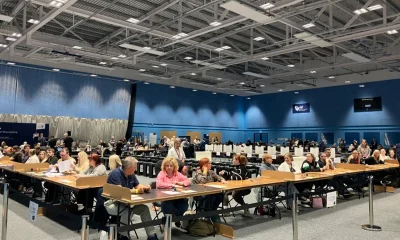
Counts underway in historic Senedd election
Wales waits for results as first election under new voting system reaches count stage COUNTING is underway across Wales today...


Charity3 days ago
Chief’s Tour honours fallen officers with 75-mile Pembrokeshire ride
Dyfed-Powys Police team raises thousands for bereaved police families charity A TEAM of officers and staff from Dyfed-Powys Police cycled...


Crime3 days ago
Racial abuse suspect barricaded himself inside Johnston lodge
ARMED police were called to a supported accommodation building in Johnston after a man allegedly barricaded himself inside a room...

Crime3 days ago
Milford Haven woman denies causing suffering to cat
Jury hears evidence over alleged failure to seek treatment for tumour A MILFORD HAVEN woman has denied causing unnecessary suffering...
-

 News5 days ago
Baby in critical condition after Fishguard emergency
-

 News4 days ago
Former housing officer admits drink-driving in Pembrokeshire retail park
-
 Crime4 days ago
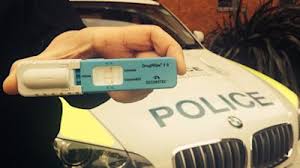
Job loss threat for convicted Pembrokeshire drug-driver
-
 Crime4 days ago
Milford motorist disqualified for drug-driving
-

 Crime4 days ago
Police tip-off leads to driving ban for Milford motorist
-
Crime3 days ago
Racial abuse suspect barricaded himself inside Johnston lodge
-

 Crime4 days ago
Delivery driver caught twice over legal drink-drive limit
-

 Community4 days ago
Sixth-former firefighter balances schoolwork with saving lives