


Health
NHS workers to receive 3.3% pay rise – union says award ‘timely but not enough’

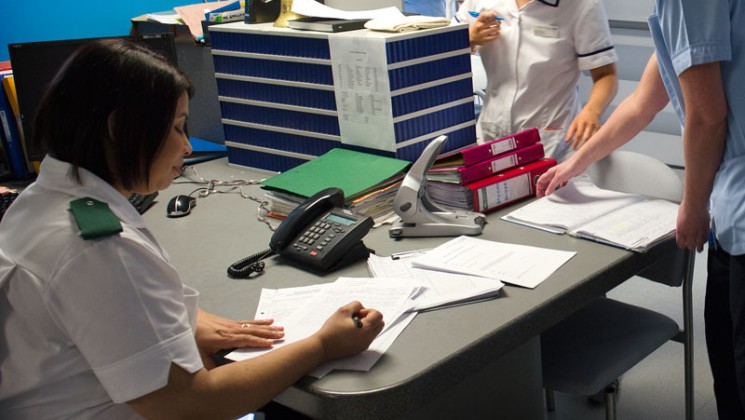
HEALTH staff across Wales and the rest of the UK are set to receive a 3.3 per cent pay rise from April after the Government accepted the latest recommendations from the independent review body – but unions say the increase still falls short after years of falling real-terms wages.
The decision follows months of pressure from unions representing nurses, paramedics, porters and other frontline staff, many of whom have taken industrial action in recent years amid rising workloads and the cost-of-living crisis.
The Health Secretary has confirmed that ministers will implement the headline award recommended by the NHS Pay Review Body for workers in England, Wales and Northern Ireland, meaning most staff covered by the Agenda for Change contract will see their salaries rise at the start of the new financial year.
Union leaders say the timing is welcome – but the figure itself does not go far enough.
Responding to the announcement, GMB Trade Union said the increase marks the first time in several years that NHS staff will receive their pay award on schedule, avoiding the delays that have previously left workers waiting months for back pay.

Rachel Harrison, national secretary for the union, said: “GMB welcomes the efforts made to ensure NHS workers will receive their pay increase when it is due, in April.
“The first time this will have happened in years.
“But this award is just not enough to make up for more than a decade of pay cuts under the Tories. NHS workers deserve more and GMB will fight for that at the long overdue Agenda for Change structural talks we have now been promised.
“GMB reps will now meet to discuss the pay award and determine next steps.”

Years of pressure
Health unions argue that although pay has risen in cash terms, inflation and years of below-inflation settlements have left many National Health Service workers worse off than they were a decade ago.
Since 2010, a combination of pay freezes, capped rises and soaring living costs has eroded real-terms earnings, with some estimates suggesting experienced staff are thousands of pounds a year worse off compared to pre-austerity levels.
Recruitment and retention remain major concerns across Welsh hospitals and ambulance services, with health boards continuing to rely on agency staff to plug gaps.

Union representatives say pay remains one of the biggest factors pushing experienced workers to leave the profession.
Impact in Wales
For NHS staff in west Wales, including Pembrokeshire and Carmarthenshire, the award will be felt from April payslips, covering a wide range of roles from healthcare assistants and cleaners to nurses, paramedics and administrative teams.
While some will welcome the certainty of an on-time rise, local staff have previously told The Herald that rising energy bills, fuel costs and housing pressures mean even modest increases are quickly swallowed up.
GMB said it will now consult workplace representatives on whether further action is needed and will push for wider reforms during upcoming structural talks on pay bands and career progression.
The union added that “timely” must not be confused with “sufficient”.
For many on the frontline, the question is no longer just when pay rises arrive – but whether they are enough to keep the health service staffed at all.


PATIENTS across Wales are being warned to expect higher charges and longer waits for appointments as sweeping changes to NHS dentistry come into force today (Tuesday, Apr 1).
The reforms — described by the British Dental Association (BDA) as “untested” — are expected to reshape how dental care is delivered, but critics fear they could deepen the already serious access crisis.
Dentists say the changes will mean many patients are seen less often, while some treatments will become more expensive at a time when households are already under pressure from rising living costs.
Under the new system, routine check-ups for new patients will rise from £20 to £27.21 — an increase of more than a third — while urgent appointments will increase from £30 to £37.50.
At the same time, recall periods for patients considered to be in good oral health could stretch to 18 or even 24 months, raising concerns that problems may go undetected for longer.
The BDA has warned that the reforms could accelerate the loss of NHS dental services, with some practices already handing back their contracts. In certain areas, more than ten per cent of NHS dental capacity has reportedly been returned by practices unwilling or unable to continue under current conditions.
That loss of capacity is likely to put further strain on remaining services, making it even harder for patients to secure appointments.
Russell Gidney, Chair of the BDA’s Welsh General Dental Practice Committee, said: “From today, many patients across Wales will have to get used to more costly, less frequent dental care.
“But the risk all now face is that utterly untested reforms will push more practices out of the NHS, taking the access crisis from bad to worse.”
The changes come at a politically sensitive time, with the Senedd election scheduled for Thursday (May 7), and mounting pressure on ministers to address long-standing problems in NHS dentistry.
Access to NHS dental care has been a growing concern in recent years, with many patients across west Wales struggling to find a dentist taking on new NHS patients.
The BDA says the reforms have been introduced without sufficient consultation and has called for a pause on full implementation until 2027, alongside a wider rescue package to stabilise the service.

It is also urging the next Welsh Government to commit to increased funding, better protection for vulnerable patients, and a reset in relations with the profession.
The Herald understands that concerns are also being raised locally about whether practices in Pembrokeshire and Carmarthenshire will be able to maintain NHS provision under the new system.
With demand already outstripping supply, there are fears that more patients could be forced to turn to private care — or go without treatment altogether.
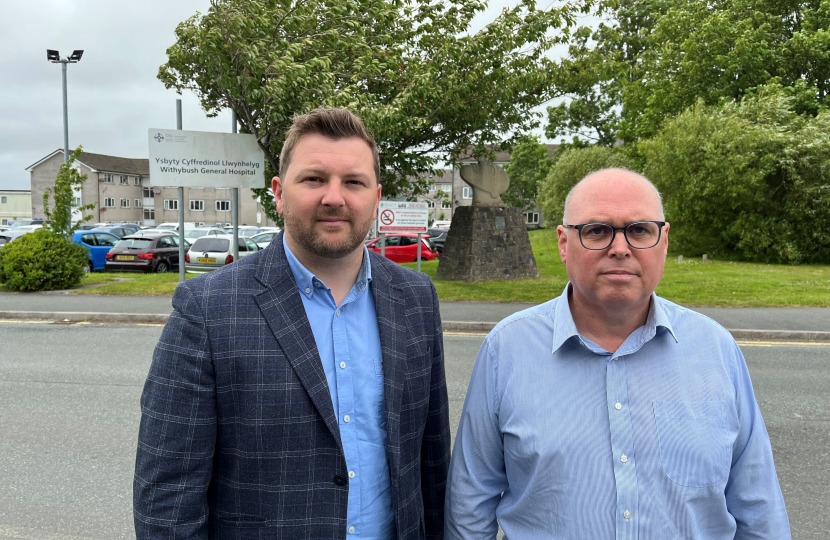
Concerns grow over Withybush services as ministers insist decisions rest with health board
THE WELSH GOVERNMENT has been accused of “ducking responsibility” and “hiding behind an unelected health board” amid growing concern over proposed NHS service changes in west Wales.
Samuel Kurtz MS and Paul Davies MS have criticised ministers following a formal response to their joint letter raising alarm about plans linked to Hywel Dda University Health Board’s Clinical Services Plan (CSP), which was approved at an extraordinary meeting in February.
The plan outlines significant changes to how services are delivered across the region, with implementation expected to begin in the next Senedd term and continue over several years.
In a reply dated March 26, Cabinet Secretary for Health and Social Care Jeremy Miles confirmed that responsibility for planning and delivering NHS services lies with local health boards, adding that decisions on the CSP “rest with the health board.”
He also sought to reassure concerns about Withybush Hospital, stating that emergency department services were not included in the CSP decision.

However, the response has drawn sharp criticism from local politicians, who argue that the Welsh Government cannot distance itself from decisions affecting frontline care.
Paul Davies said: “This response is deeply disappointing but sadly not surprising. The Welsh Government is once again trying to pass the buck and avoid accountability by hiding behind an unelected health board.
“Let’s be absolutely clear – health boards are not independent actors. They are created, funded and directed by the Welsh Government. Ministers cannot wash their hands of decisions that will have such a profound impact on communities across west Wales.”
Samuel Kurtz echoed those concerns, warning that public confidence is being eroded.

“People in Pembrokeshire are rightly concerned about what these changes mean for local services, particularly at Withybush Hospital,” he said.
“Attempting to suggest that key services like the emergency department sit outside of these plans will do little to reassure the public, when we have seen services hollowed out and destabilised over the last decade.
“The Welsh Government must stop hiding behind process and start taking responsibility for the future of healthcare in our communities.”

The Herald understands that concerns remain widespread among residents and campaigners, particularly over the long-term future of hospital services in Pembrokeshire, with fears that centralisation could lead to longer travel times for urgent care.
Hywel Dda University Health Board has previously said the changes are designed to improve safety, sustainability and outcomes for patients, but the proposals continue to generate strong local opposition.

Concerns raised over phone-based support replacing GP referrals
ADULTS seeking routine mental health support in west Wales will increasingly be directed to a telephone helpline instead of face-to-face services, following a major decision by Hywel Dda University Health Board.
The Health Board has approved a permanent change to how patients in Ceredigion access support, with plans to roll out the same system across Pembrokeshire and Carmarthenshire in phases.
Under the new pathway, patients assessed by their GP as needing non-urgent mental health support will be told to contact the NHS 111 Wales “Press 2” service, rather than being referred to community mental health teams.
The change was first introduced in Ceredigion in March 2025 as an emergency response to staff shortages.
Health chiefs now say the model has proven “safe and effective,” claiming it allows patients to receive quicker support while freeing up specialist teams to deal with more serious cases.
Liz Carroll, the Health Board’s Service Director for Mental Health and Learning Disabilities, said: “Making this change permanent will mean more adults needing non-urgent support will access help much quicker.”
She added that the move would also create capacity for those with “more complex or urgent mental health needs.”
Concerns over access and understanding
Despite the positive assessment, the decision follows a nine-week consultation in which concerns were raised by patients and professionals.
Feedback highlighted confusion about how the 111 Press 2 service works, what support it can offer, and its limitations.

There were also worries about accessibility for people who struggle with telephone-based services, as well as questions around medication and prescribing.
Andrew Carruthers, Chief Operating Officer at the Health Board, acknowledged the concerns.
He said: “People told us they wanted greater clarity and consistency… and highlighted gaps in understanding about 111 Press 2.”

He added that steps would be taken to improve awareness and build trust as the system is rolled out more widely.
Shift driven by pressure on services
Before the change, some patients in Ceredigion faced waits of up to 28 days or more for a face-to-face assessment.
However, data suggested that fewer than five per cent of those referred required that level of specialist input.
Health officials say diverting less urgent cases to the 111 service has improved access times and allowed community mental health teams to prioritise higher-risk patients.
The Health Board also confirmed there has been no increase in serious incidents or complaints linked to the temporary system.
What it means for Pembrokeshire
The phased rollout means patients in Pembrokeshire will soon see similar changes when seeking help for non-urgent mental health issues.
GPs will still be able to refer patients directly to specialist teams where cases are urgent or complex.
The NHS 111 Wales Press 2 service operates 24 hours a day and offers free access to mental health support, including Welsh-language provision.
However, the shift marks a significant move away from traditional GP-led referrals — and is likely to prompt debate over whether remote access can fully replace in-person care.



Business11 hours ago
Fishguard to Wexford rail tunnel plan backed by Elon Musk firm
Six-hour London to Dublin service proposed in £32bn project ahead of Senedd election PLANS for a rail tunnel linking west...


Charity24 hours ago
Milford Haven charity honoured with King’s Award for voluntary service
A PEMBROKESHIRE charity supporting vulnerable young people has received one of the highest honours in the UK for voluntary work....


News2 days ago
Plaid Cymru launches bid to lead next Welsh Government
Party positions itself as ‘government-in-waiting’ ahead of May election PLAID CYMRU has formally launched its campaign for the 2026 Senedd...


Crime2 days ago
Police appeal after attempted child abduction in Haverfordwest
DYFED-POWYS POLICE has launched an appeal for witnesses following a reported attempted abduction of a 12-year-old girl in Haverfordwest. The...


Crime3 days ago
Gunshot fired by police during incident in Milford Haven
A POLICE officer discharged a firearm during an incident in Milford Haven on Saturday evening (March 28), prompting an investigation...


Community4 days ago
Three Amigos Easter Run roars through Pembrokeshire
MOTORCYCLE enthusiasts turned out in force today (Saturday, March 28) as the popular Three Amigos Easter Run returned to the...


Education5 days ago
Ysgol Henry Tudor reassures parents over Sikh ceremonial kirpan
School says religious item worn by pupil is secured, symbolic and non-functional YSGOL HENRY TUDOR has moved to reassure parents...

Crime6 days ago
Teen jailed after starting fire while others slept
Fire set in shared home left sleeping residents at risk and caused £130,000 damage A TEENAGER who started a fire...

Health6 days ago
GP crisis driving NHS pressure in Wales, Senedd report warns
Falling GP numbers and funding gaps blamed for worsening hospital delays THE NHS crisis highlighted earlier this week is being...


News7 days ago
Reform reveals west Wales candidates for Senedd battle
Monkton councillor tops Pembrokeshire list as party confirms Carmarthenshire names and includes Haverfordwest councillor in unwinnable Swansea spot REFORM UK...
-

 News7 days ago
Welsh Government outlines progress on flood resilience plans
-
 Community6 days ago
Hero female officer keeps job after sexual touching finding
-
Education5 days ago
Ysgol Henry Tudor reassures parents over Sikh ceremonial kirpan
-

 Business6 days ago
Popular Italian restaurant hit with £278,000 tax bill plus £186,000 fine
-

 Crime7 days ago
Hakin motorist banned after drink-drive crash
-

 Sport7 days ago
Record-breaking disability swim gala celebrates success in Fishguard
-

 Health7 days ago
Doctors say Wales is failing to value NHS staff over new pay award
-

 Entertainment7 days ago
Duffy to tell her story in new Disney+ documentary