


Health
Overweight West Wales children facing health warning from experts


Report finds a third of reception-age children are above a healthy weight as activity levels fall sharply in teenage years
A THIRD of children aged four and five in West Wales are above a healthy weight, according to new research which warns that too many young people are heading towards a future of preventable ill health.
The findings are included in a new State of the Region report commissioned by Activate West Wales, covering Pembrokeshire, Carmarthenshire, Swansea and Neath Port Talbot.
The report found that fewer than one in four primary school children across the region are achieving the recommended 60 minutes of physical activity each day. By secondary school age, that figure drops to just 19 per cent.
Researchers also identified a clear gap between boys and girls, with boys significantly more active. Between 22 and 24 per cent of boys meet the daily activity target, compared with just 13 to 14 per cent of girls.
Sedentary behaviour was also found to be high across the region, with children in some areas spending seven or more hours inactive on weekdays. Swansea and Neath Port Talbot recorded levels above the Wales average, while girls were found to be more sedentary than boys in all four local authority areas.

The report brings together data from a range of sources to highlight patterns, inequalities and areas where more targeted action could improve health and wellbeing through sport and physical activity.
There were some more positive findings. Children and young people in West Wales were found to be taking part in organised sport three times a week at a higher rate than the Wales average.
However, girls’ participation remained lower than boys in every local authority area.
The review also looked at demand for different activities. Children and young people with disabilities highlighted interest in weightlifting, tennis and archery, while those without disabilities most commonly chose swimming, football and cycling.

Dr Susan Barnes, chair of Activate West Wales, said: “This first State of the Region review gives us the most comprehensive picture to date of sport, physical activity and health across West Wales.
“The evidence in the report presents a clear and uncomfortable truth: unless we act decisively now, too many people across our regional footprint will face a future marked by preventable ill health, widening inequality, and diminished opportunity.
“Without intervention, today’s inactive child is highly likely to become tomorrow’s unhealthy adult.”

Jamie Rewbridge, chief executive of Activate West Wales, said tackling the problem would require long-term action across government, councils, health boards, schools, businesses, clubs and community groups.
He said: “This report is not an end point, but a starting line for lasting change.”

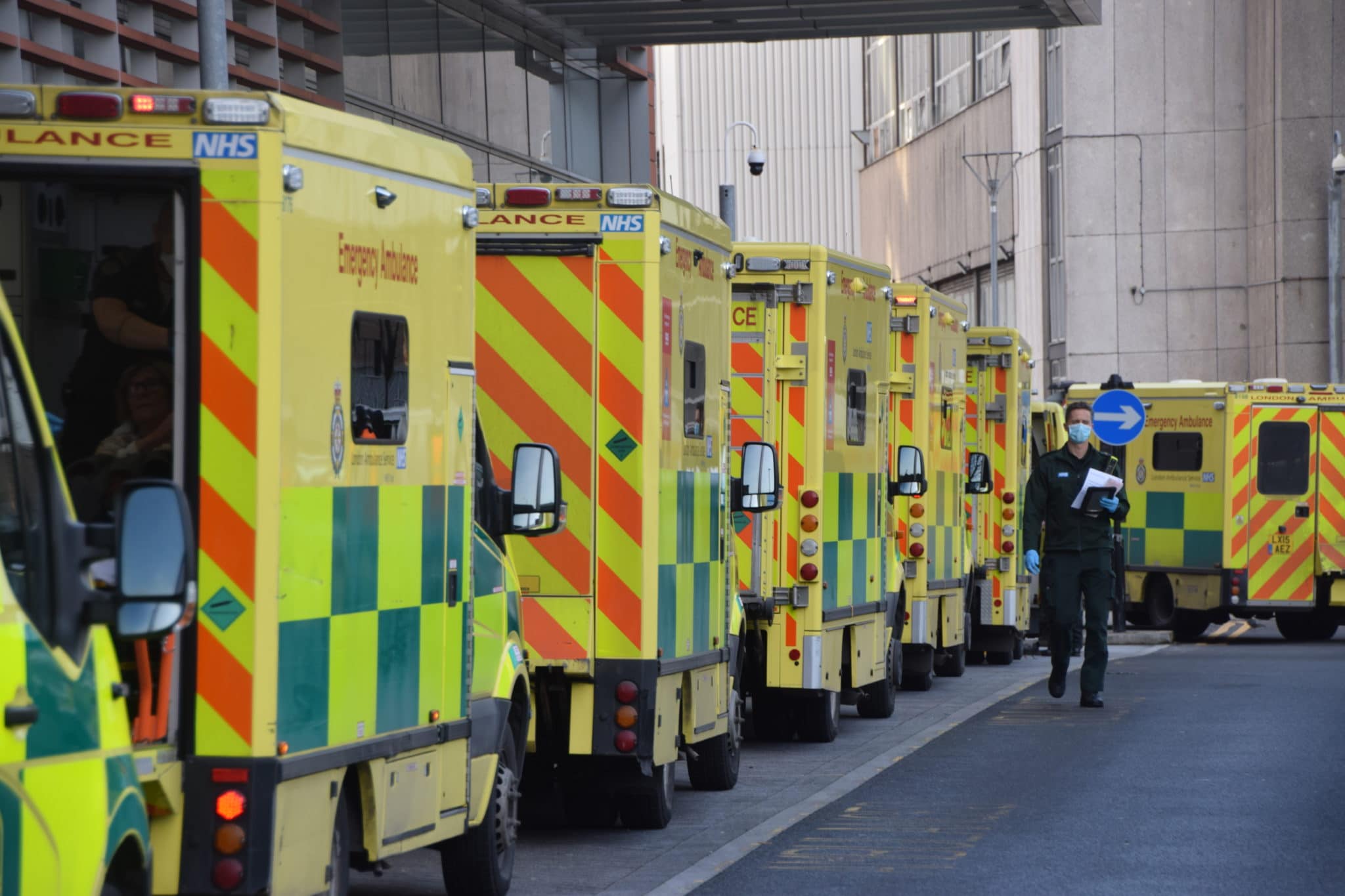
Students trained at public expense urged to take lower-grade jobs as anger grows over NHS workforce planning
NEWLY qualified paramedics in Wales have been told there are no jobs available for them this year, with the Welsh Ambulance Service instead urging graduates to consider applying for technician roles or seeking work elsewhere.
The development marks a major escalation in a row already exposed by The Herald, which revealed that final-year student paramedics had been told there would be no newly qualified paramedic posts available in Wales during the 2026-27 financial year. A second Herald report then disclosed an internal email sent after a board meeting on Wednesday, March 26, confirming that the trust “does not require any NQPs” this year.
That internal message, seen by The Herald, said employing newly qualified paramedics in 2026 was “simply not affordable” and stated that the service currently had “more paramedics than required” and enough lead practitioners to cover short and medium-term vacancies.
Now, in an on-the-record statement, Carl Kneeshaw, Director of People at the Welsh Ambulance Service, has publicly confirmed the same position.

He said the service was navigating a “difficult financial and operational landscape” and that recruitment decisions had to be based on current staffing levels, service demand, workforce skill mix and affordability.

Mr Kneeshaw said: “Regrettably, as things stand, we are not in a position to employ newly qualified paramedics this year.”
He said graduates wanting to build a career with the Welsh Ambulance Service should explore other opportunities, including Emergency Medical Technician roles, and also consider positions with other ambulance services and organisations across health and social care.
For many students, that will be a bitter blow. They have spent three years training specifically to qualify as paramedics, often on publicly supported courses, only to now be told they may need to take lower-grade frontline roles or look beyond Wales for work.
The row has now triggered political backlash.

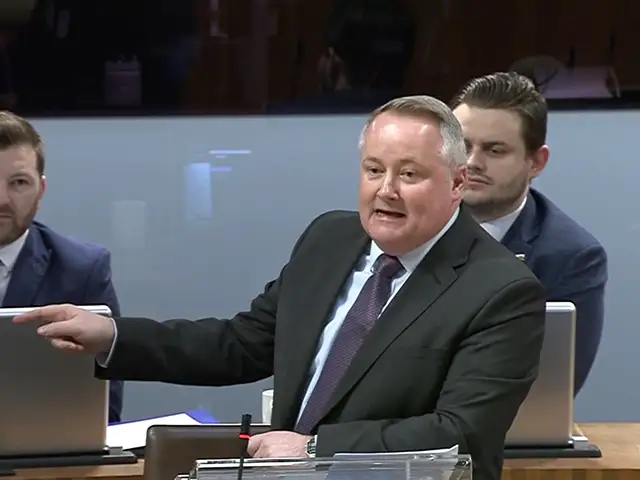
Welsh Conservative leader Darren Millar described the situation as “staggering and deeply frustrating”.
He said: “We are training paramedics at public expense, only to tell them there are no jobs for them in Wales and they should consider going abroad.
“At a time when ambulance response times are still far too long and patients are coming to harm and waiting in pain, this simply makes no sense.”

Mr Millar said the development showed a serious failure in NHS workforce planning and accused the Welsh Labour Government of mishandling the situation.
The controversy also revives wider questions about how NHS staffing is being planned in Wales.
The Herald previously reported that opportunities for newly qualified paramedics had already been shrinking, with only around a third of 2025 graduates initially securing paramedic posts, while others were instead offered technician roles.
For critics, the contradiction is obvious: Wales is helping fund the training of future paramedics, but the ambulance service is now telling at least some of those graduates to take lower-grade roles, apply elsewhere, or even seek work overseas.
The Welsh Ambulance Service, however, is likely to argue that the decision reflects financial pressures and the current make-up of its workforce, rather than any lack of respect for newly qualified staff.
With the Senedd election due on Thursday, May 7, the issue is fast becoming more than an employment dispute. It is shaping up as a test of whether ministers can justify spending public money training frontline NHS staff while the national ambulance service says it cannot afford to hire them.
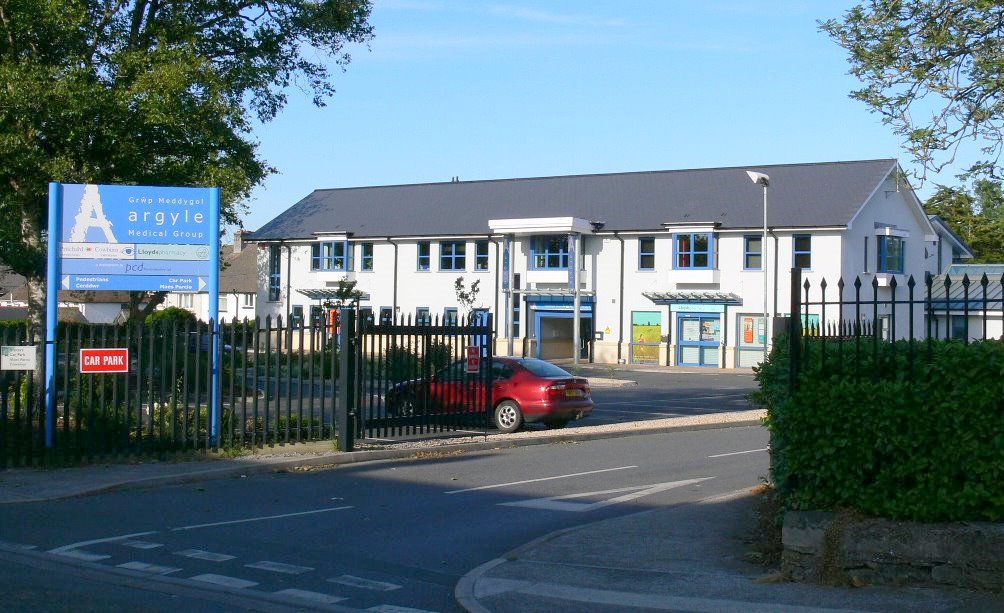
ACCESS to GP services at Argyle Medical Group must become a top priority for the next Senedd, Samuel Kurtz MS has said, as concern continues to grow over pressures facing one of the largest surgeries in Wales.
The Pembroke Dock-based practice serves more than 22,000 patients with just nine GPs, a figure which has repeatedly been highlighted as showing the scale of pressure facing primary care in south Pembrokeshire.

Mr Kurtz said he had spent the past year engaging with patients, healthcare professionals and local residents through community pop-up advice surgeries, research and meetings with representatives from the Royal College of General Practitioners.
Residents, he said, had repeatedly raised concerns about long waits for appointments, limited availability and the difficulty of getting through to the surgery.
He said: “Access to a GP is one of the most basic services people rely on, yet far too many residents are struggling to be seen when they need care.
“Through my community advice surgeries and discussions with patients and Argyle Medical Group staff, I’ve heard first-hand just how difficult it has become to access care and the pressures the Argyle team is under. When a single surgery is responsible for more than 22,000 patients with just nine GPs, it’s clear the system is under enormous strain.”
The issue is not a new one.
Argyle Medical Group has faced pressure for years, with recruitment and retention problems in general practice long affecting services in the area. Concerns about access to appointments and the burden on staff have been raised repeatedly, both locally and nationally, as demand for primary care continues to rise.
The surgery has previously been at the centre of controversy over service changes, with patients in south Pembrokeshire voicing fears about access being stretched even further. The continuing pressure at Argyle reflects wider problems across Wales, where GP services have been struggling with rising patient demand, workforce shortages and increasing pressure on frontline teams.

Mr Kurtz said he had challenged both Hywel Dda University Health Board and the Welsh Government over the issue and would continue to press for action.
He said: “We need fair funding for GP services and urgent action to recruit more doctors and healthcare professionals into our community. Without that, pressures will only continue to grow.
“Staff are doing their absolute best, but they are being stretched too far. We need a clear plan to improve access, whether that means increasing staffing levels, improving appointment systems, and making better use of technology.”

With the Senedd election approaching in May, healthcare is expected to be one of the major battlegrounds across Wales, with GP access, hospital waiting lists and local NHS services likely to feature heavily in the campaign.
Mr Kurtz said access to GP services at Argyle and across the wider area would be one of his top priorities if elected to the next Senedd.
He is calling for fairer funding for GP services, urgent action to recruit and retain more GPs and healthcare staff, a clear plan to improve appointment availability, greater support for frontline teams and stronger local accountability.
He added: “Our community deserves better. People should not have to wait weeks to speak to a GP or struggle endlessly to get through on the phone. I will continue to hold decision-makers to account and fight for the fair funding and recruitment our area needs.”
“If elected, I will make improving access to GP services at Argyle and across the wider area one of my top priorities in the Senedd.”
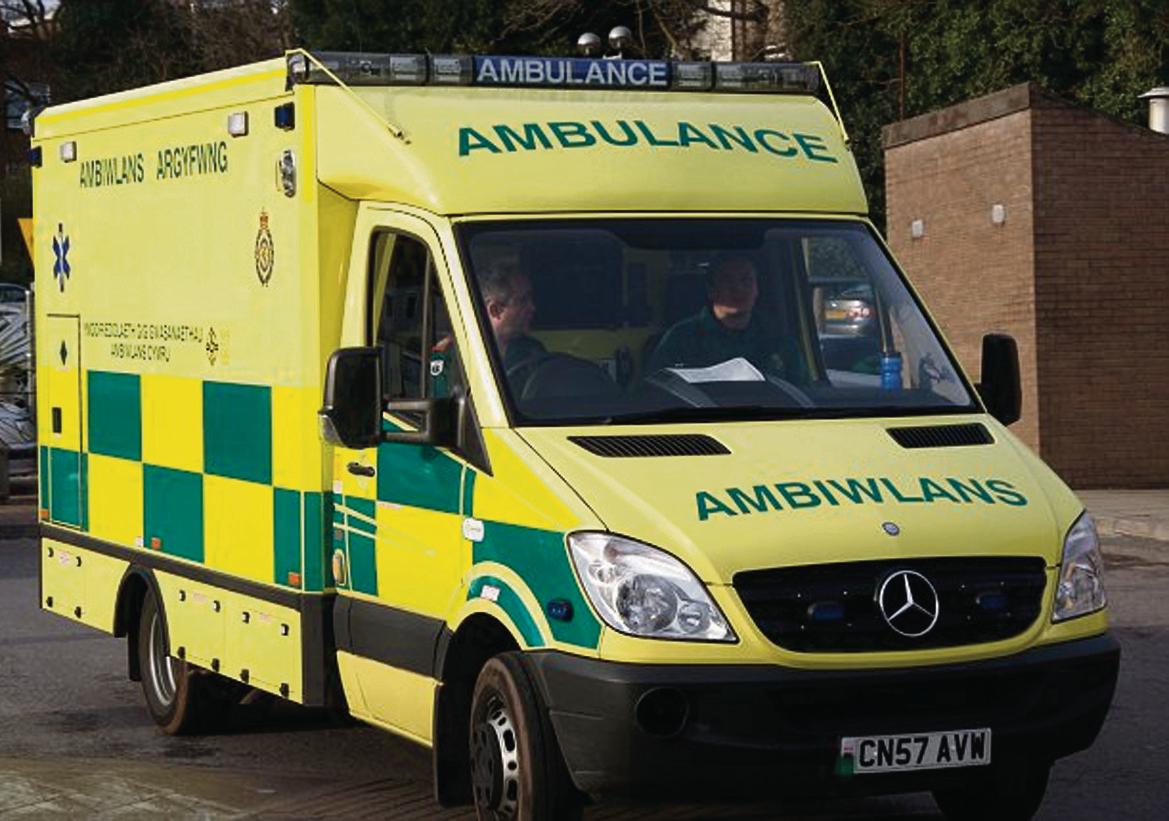
‘No jobs in 2026–27’ as graduates told service has ‘more paramedics than required’
AN INTERNAL email sent to student paramedics has confirmed that no newly qualified paramedics will be recruited in Wales during the 2026–27 financial year, escalating concerns over workforce planning in the NHS.
The message, seen by The Herald, was sent to final-year students following a board meeting of the Welsh Ambulance Services NHS Trust on March 26.
It confirms that the trust “does not require any NQPs” this year, stating the decision is based on affordability and workforce restructuring.
The development follows reporting by BBC Wales that students had already been advised to seek work overseas.
‘Simply not affordable’
In the email, the ambulance service states:
“Employing NQPs in 2026 is simply not affordable… No extra funding has been made available by Welsh Government or our commissioners.”
It adds that a review of workforce needs concluded:
“We currently have more paramedics than required and enough lead practitioners to fill any short to medium term vacancies.”
Students say they have also been told the service is aiming to reduce paramedic numbers, despite ongoing delays in ambulance response times across Wales.
Graduates left without roles
Around 70 students are expected to graduate this year from Swansea University and Wrexham University.
Training is heavily subsidised by Healthcare Education and Improvement Wales, with costs estimated by students at around £50,000 per person.
Despite this investment, graduates have now been told to consider employment outside Wales—or even overseas—to begin their careers.
Patient care concerns raised
Students have warned the decision could impact patient care if fewer fully qualified paramedics are deployed on the frontline.
They say being redirected into lower-grade roles means their full clinical training will not be used.

One student told The Herald: “We are ready to go straight into frontline care. Instead, we’re being told to look abroad. It doesn’t make sense.”
Government under pressure
A Welsh Government response seen by The Herald acknowledges the issue and says ministers are working with the ambulance service and universities to support affected graduates.
However, the internal email suggests the decision is already firm for the coming financial year.
The Herald has approached the Welsh Government and the Welsh Ambulance Service for further comment.


Health2 hours ago
No jobs for new paramedics in Wales as graduates told to apply for technician roles
Students trained at public expense urged to take lower-grade jobs as anger grows over NHS workforce planning NEWLY qualified paramedics...

News22 hours ago
Health minister refuses to act on Withybush despite 15,000-signature petition
Senedd pressure grows as Welsh Government declines to intervene over surgery fears THE WELSH GOVERNMENT has refused to step in...

Business2 days ago
Fishguard to Wexford rail tunnel plan backed by Elon Musk firm
Six-hour London to Dublin service proposed in £32bn project ahead of Senedd election PLANS for a rail tunnel linking west...


Charity2 days ago
Milford Haven charity honoured with King’s Award for voluntary service
A PEMBROKESHIRE charity supporting vulnerable young people has received one of the highest honours in the UK for voluntary work....


News3 days ago
Plaid Cymru launches bid to lead next Welsh Government
Party positions itself as ‘government-in-waiting’ ahead of May election PLAID CYMRU has formally launched its campaign for the 2026 Senedd...


Crime3 days ago
Police appeal after attempted child abduction in Haverfordwest
DYFED-POWYS POLICE has launched an appeal for witnesses following a reported attempted abduction of a 12-year-old girl in Haverfordwest. The...

Crime4 days ago
Gunshot fired by police during incident in Milford Haven
A POLICE officer discharged a firearm during an incident in Milford Haven on Saturday evening (March 28), prompting an investigation...


Community5 days ago
Three Amigos Easter Run roars through Pembrokeshire
MOTORCYCLE enthusiasts turned out in force today (Saturday, March 28) as the popular Three Amigos Easter Run returned to the...

Education6 days ago
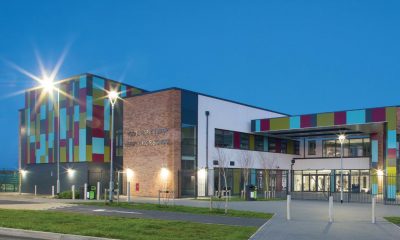
Ysgol Henry Tudor reassures parents over Sikh ceremonial kirpan
School says religious item worn by pupil is secured, symbolic and non-functional YSGOL HENRY TUDOR has moved to reassure parents...

Crime7 days ago
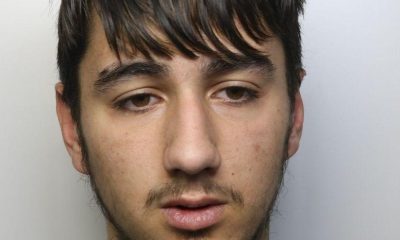
Teen jailed after starting fire while others slept
Fire set in shared home left sleeping residents at risk and caused £130,000 damage A TEENAGER who started a fire...
-

 Community7 days ago
Hero female officer keeps job after sexual touching finding
-

 Business7 days ago
Popular Italian restaurant hit with £278,000 tax bill plus £186,000 fine
-
Education6 days ago
Ysgol Henry Tudor reassures parents over Sikh ceremonial kirpan
-
 Climate7 days ago
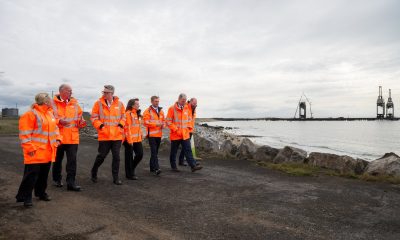
Port Talbot confirmed as ‘cornerstone’ for wind — questions remain for Milford Haven
-

 Crime6 days ago
Taylor wins appeal as Crown Court quashes ‘no insurance’ conviction
-

 News7 days ago
Tenby waterman riding high in global hydrofoil rankings
-

 Crime6 days ago
Appeal dismissed in blood sample case after court rejects PTSD defence
-
Crime7 days ago
Teen jailed after starting fire while others slept